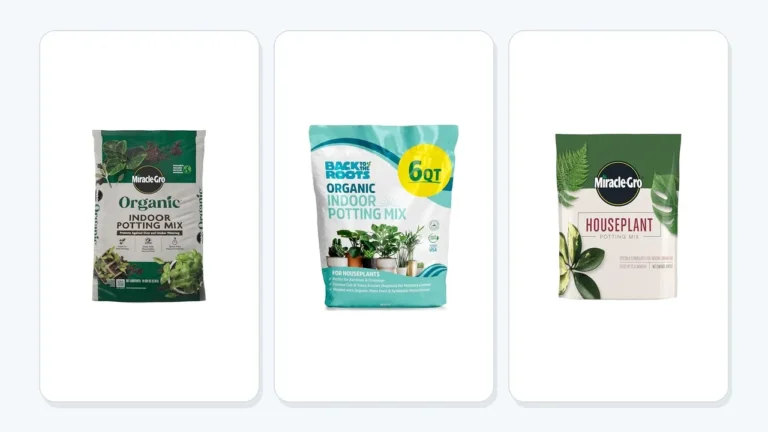
Can You Mix Different Potting Soils Together? Here’s What to Know
Yes, you can mix different potting soils together, as long as their ingredients and drainage needs are compatible. A small test batch helps you avoid turning two decent mixes into one soggy, compacted mess.
Are you trying to use up half-open bags in the shed, or did you buy a mix that seems too dense for your plant? The big worry is fair: a bad blend can hold too much water or leave roots short on air.
I once combined a moisture-retaining mix with a much chunkier blend without checking how much bark and coir each one contained. The finished pot stayed wet longer than I expected, and I had to repot the plant. It’s a common mistake, not a dumb one.
I wrote this to help you judge the bags you have, choose a sensible starting ratio, and spot a blend that needs adjusting before it reaches a whole row of pots. You’ll get clearer drainage, fewer wasted supplies, and a better shot at healthy roots; skip the compatibility check, and watering can turn into guesswork.
This takes about 10 minutes to read. By the end, you’ll be able to:
- Check whether two potting mixes are likely to work together.
- Adjust a blend for drainage, water retention, and plant needs.
- Decide what to do with old soil and mixes that don’t behave as expected.
- Avoid common problems when adding garden soil or topsoil.
Can You Mix Different Potting Soils Together?
Yes, you can mix different potting soils together if the combined blend drains well, holds enough moisture, and suits the plant. Combine similar mixes first, use a small test batch, and adjust based on how the blend feels when damp; blending two general-purpose potting mixes is usually simpler than combining potting mix with heavy outdoor soil.
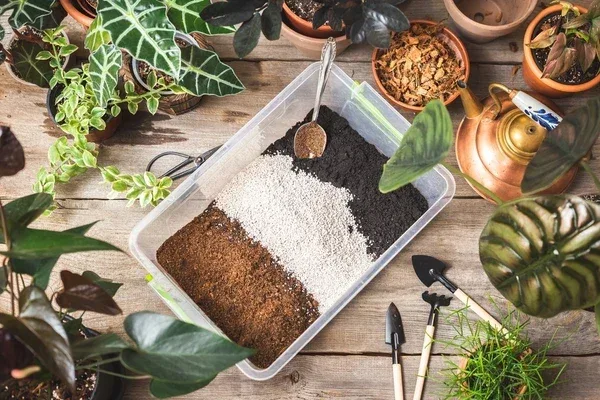
Potting soil is often a soilless potting mix, made from materials such as peat moss or coir, bark, perlite, and compost. Different brands can use different ingredients, so the words on the front of the bag won’t tell you everything about how the mix behaves.
Before mixing, read both ingredient lists and look for clues about texture and water retention:
- Coarse ingredients, such as bark chunks or perlite, make more air spaces and often help water drain.
- Fine ingredients, such as peat, coir, or fine compost, can hold more water.
- Added fertilizer may feed plants for a set period, so blending bags with different fertilizer claims can change how much food the final mix provides.
- Specialty ingredients, such as materials for orchids, succulents, or seed starting, may make a blend less suitable for ordinary houseplants.
A mix for a cactus and a mix for a moisture-loving fern have different jobs. You can blend them, but the result may not be a good match for either plant unless you check the texture and adjust it.
Here’s a safe way to test a blend before you fill every pot:
- Start with a small amount of each mix in a clean bucket or tub.
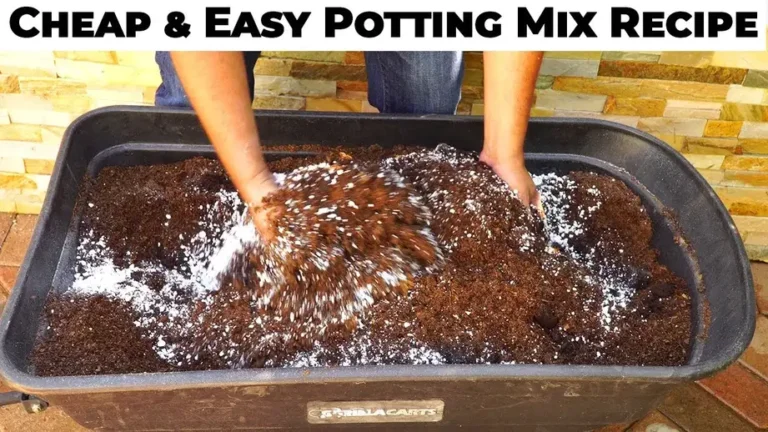
- Combine them evenly, then add water until the blend is damp but not dripping.
- Squeeze a handful gently. A good general-purpose mix should feel moist and springy, not form a dense, muddy lump.
- Fill a small pot with the test blend and water it slowly.
- Check whether water drains from the bottom and whether the mix stays damp for a reasonable time for your plant.
The test won’t give you a lab reading, but it can catch the big problems. If the blend clumps like mud, add a coarse ingredient made for potting mixes; if water races through and the mix dries very fast, add a moisture-holding component suited to the plant.
When you’re choosing a base, focus on the plant and pot rather than the bag’s broad promises. A useful comparison of potting soil for potted plants can help you decide what kind of balance to aim for.
A simple starting point is to mix two similar general-purpose potting soils in equal parts, then test the damp blend. That’s a starting point, not a magic ratio: one bag may be much finer or more water-retentive than the other.
Pro Tip: Keep a little of each original mix aside until the test batch has drained and dried once. If the blend is too dense or too quick-drying, you’ll still have the ingredients to correct it.
Which Potting Soil Combinations Work Best?
The best soil combinations match the plant’s water needs and the pot’s drainage, not just the names printed on the bags. Similar mixes are usually the easiest pair to combine; specialized mixes need more care because a small change in texture can affect how long roots stay wet.
| Mix combination | What to check | Practical approach |
|---|---|---|
| Two general-purpose potting mixes | Texture, drainage, and fertilizer claims | Blend a small batch, then test it in a pot |
| Potting mix and cactus mix | Whether the final blend still drains freely | Use a small amount of the denser mix at first |
| Potting mix and seed-starting mix | Whether the final texture stays fine and lightly moist | Test for compaction before filling seed trays |
| Potting mix and orchid mix | Whether bark pieces leave too many large gaps | Use only when the plant and container suit a coarse blend |
| Potting mix and garden soil | Weight, drainage, and compaction | Treat as a different soil-amendment decision, not a simple bag blend |
| Potting mix and topsoil | Whether the added soil packs down when wet | Keep the test small and avoid a heavy, dense result |
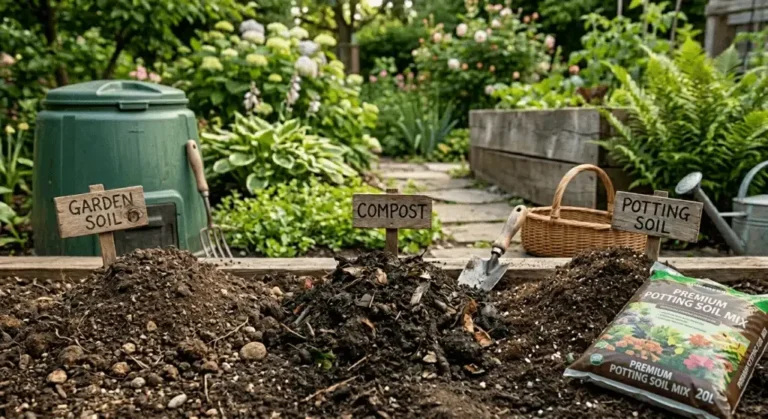
Use care with garden soil, which is made for in-ground beds and may be dense in a container. A container doesn’t drain like a garden bed, so a soil that works outdoors can leave roots short of air in a pot. For the separate question of using garden soil in pots, the key issue is how that soil behaves in a container, not whether it looks dark and crumbly in the bag.
Garden soil and potting soil aren’t interchangeable names. If you’re considering a blend for a container, first check the likely ratio and the garden soil’s texture; guidance on mixing garden soil with potting soil can help you weigh that choice before you pour.
Topsoil also varies by source and texture, and a heavy, fine product can settle around roots. Adding it isn’t automatically a shortcut to a richer container mix. The details of mixing topsoil with potting soil matter because the final texture and pot size affect how well excess water can escape.
What if you have a bag marked for succulents and another marked for vegetables? Start with the plant’s watering pattern, then test a small blend; don’t assume two bags are compatible just because both say “potting mix.” I’d avoid mixing products with very different purposes unless you’re willing to test and adjust the result.
A drainage hole lets excess water leave the pot, but it can’t fix a mix that stays waterlogged. Rocks at the bottom don’t solve poor drainage either; they take up room without making a dense mix behave like a loose one.
My own lesson from that over-wet pot was simple: dry texture can fool you. I now dampen a test batch before judging it, because a mix that feels loose in the bag can pack down once water reaches it.
How to Adjust a Blend and Avoid Common Problems
You can improve a mixed potting soil by changing its texture in small amounts, then testing it again while damp. If the blend is meant for a particular plant, make the plant’s watering needs the priority, because changing drainage also changes how often you may need to water.
Use an ingredient made for container growing rather than grabbing whatever is nearby. Perlite is a lightweight mineral that creates air spaces in a mix, while bark adds larger pieces that can make the texture coarser; coir and peat moss can help retain moisture.
Adjust in small steps:
- If the damp blend sticks together in a tight lump, work in a coarse potting ingredient and retest.
- If the blend dries too quickly, add a moisture-holding ingredient that suits the plant.
- If the mix is dusty, moisten it before handling and keep the dust out of your face.
- If the blend has a sour or rotten smell, don’t try to cover the smell with fresh soil; check for decay, excess moisture, or a problem in the old mix.
Important Tip: Don’t add extra fertilizer just because two soil bags are being combined. Check each label first, since one or both mixes may already contain plant food.
Don’t add garden soil or topsoil by guesswork, especially to small indoor pots. A little can change the weight and texture of a container mix, and a dense blend can stay wet longer than the roots can handle.
Before handling dusty or moldy soil, work outdoors or in a well-aired space, avoid breathing the dust, and wash your hands afterward. If the soil smells foul, has visible pests, or came from a plant with a serious disease problem, it’s safer to discard it than to reuse it.
Outdoor containers face rain, wind, and faster changes in moisture than indoor pots. A mix for a covered porch may behave differently from one on an exposed patio, so pick ingredients for the actual spot; a guide to potting soil for outdoor plants can help you compare that setting with indoor growing.
For edible plants, match the blend to the crop instead of assuming one recipe fits every container. Raspberries, for instance, need a suitable container mix and enough room for roots; the details of potting soil for raspberries are different from what you’d choose for a cactus or a small herb.
A container’s size changes how quickly the mix dries. A small pot can dry out much sooner than a large planter, while a deep pot with a dense blend can stay wet near the bottom even when the surface feels dry.
Check the blend by feeling a little soil below the surface rather than judging by appearance alone. If the top looks dry but the lower mix is still damp, wait before watering again; if the whole root zone dries quickly, the blend may need more moisture retention or more frequent checks.
FAQs About Can You Mix Different Potting Soils Together
Can you mix two different brands of potting soil?
Yes, you can mix two brands of potting soil if the ingredients and intended uses are compatible. Brand names alone don’t tell you how the finished blend will drain, so compare the ingredient lists and test a small, damp batch before filling several pots.
Can I mix old potting soil with new potting soil?
Yes, old potting soil can be mixed with new mix if the old material is clean, has no foul smell or visible pests, and came from healthy plants. Old mix may have settled or lost nutrients, so use it as part of a blend rather than assuming it performs like fresh mix.
Can you mix potting soil with compost?
Yes, potting soil can be mixed with compost in a modest amount, provided the compost is mature and the finished blend stays loose. Too much fine compost can make a container mix dense or hold excess water, so test the blend before using it for a full pot.
Does mixing potting soils change the fertilizer amount?
Yes, mixing potting soils can change the amount of added fertilizer in the final blend. Check both package labels for fertilizer claims and feeding periods, then avoid adding more plant food until you know what the combined mix already contains.
Can you mix potting soil for different plants?
Yes, you can mix potting soils for different plants, but the result may not suit either plant if their moisture needs differ sharply. A succulent and a moisture-loving fern need different root-zone conditions, so it’s usually better to keep their mixes separate.
Make the Test Batch Before Filling Every Pot
Mixing different potting soils together is a sensible way to use what you have, as long as you check the ingredients and test how the blend handles water. The main risk isn’t mixing brands; it’s ending up with a dense, slow-draining mix that keeps roots wet or a very coarse mix that dries too fast.
I’d start with two similar general-purpose mixes, blend a small batch, and water-test it in one pot. If the mix stays loose and drains well for the plant you’re growing, you’ve got a blend worth using. If it clumps or dries too fast, adjust the texture before you fill the rest of your containers.
That small check can save you a frustrating repot later.

I’m Maya L. Greenwood, a lifelong plant lover who believes anyone can grow something beautiful with the right guidance. After years of testing soil mixes, pruning methods, irrigation tricks, and pest-safe solutions, I started EasyGardenTips.com to turn hard-won lessons into step-by-step advice. From seed starting and container gardens to composting and seasonal checklists, my goal is to make gardening simple, sustainable, and fun.