
5 Best Non Toxic Potting Soil: Safe for Pets, Kids, and Plants
A bag labeled organic or natural can still leave you wondering what is actually in the mix, especially if a curious pet or child shares your home. Choose soil with the wrong texture and a houseplant may stay soggy, dry out too fast, or need repotting sooner than you expected. The label alone cannot settle every safety question.
For container plants, the useful question is not only what ingredients are in the bag, but whether the mix suits the plant and the way you water. Texture, drainage, bag size, and any added plant food can affect everyday care, while a product description does not prove that a mix is toxin-free or independently certified.
Here’s what this guide will help you sort out:
- Which mixes are intended for houseplants, outdoor pots, or both.
- How to weigh moisture retention against quick drainage.
- What organic, peat-free, and OMRI Listed wording does and does not establish.
- How much soil to buy and what to check before planting.
Quick Picks
-
Best For Indoor Houseplants
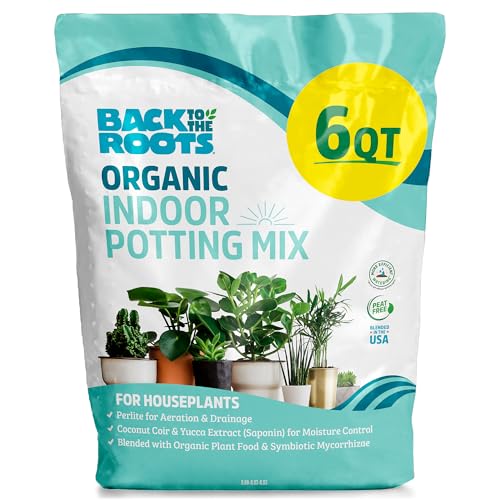
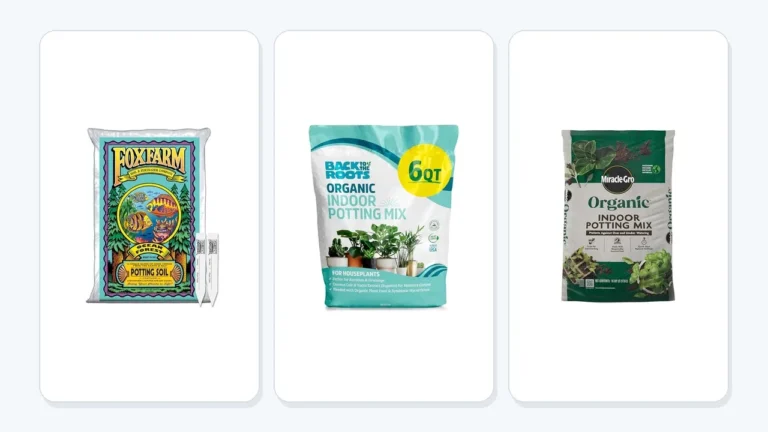
Back to the Roots Organic Indoor Potting
Yucca extract helps soil retain moisture, while mycorrhizae support roots, making this mix a practical fit for indoor containers.
-
Best For Indoor And Outdoor Pots

Burpee Premium Organic Potting Mix Garden Soil
Coconut coir helps balance moisture and drainage, and the 9-quart bag suits gardeners filling several containers.
Top 5 Non Toxic Potting Soils at a Glance
Start with Back to the Roots if you want an indoor-focused mix with moisture-retaining yucca extract. Burpee covers more container situations, while the smaller bags and compressed format below suit narrower needs or limited storage space.
| Product image | Product name | Check product |
|---|---|---|
| 1 |
Back to the Roots Organic Indoor Potting | Check Price |
| 2 |
Burpee Premium Organic Potting Mix Garden Soil | Check Price |
3 |
Rosy Soil Houseplant Potting Soil, Organic Indoor | Check Price |
4 |
Compressed Organic Potting Soil for Garden, Plants | Check Price |
5 |
Grow Queen Craft Houseplant Potting Mix, Organic | Check Price |
5 Best Non Toxic Potting Soils: Detailed Reviews
When I chose the best non toxic potting soil, I focused on what a beginner can check before opening a bag: intended use, mix ingredients, drainage clues, and the amount included. Those details help prevent soggy roots, avoid buying far more soil than a few pots need, and make it easier to ask specific questions about ingredient claims.
The choices here range from indoor houseplant blends to a compressed mix and a larger indoor/outdoor bag. Looking at them side by side helps you see which differences are practical for your plants and which details still need confirmation before purchase.
1. Back to the Roots Organic Indoor Potting
Yucca extract helps soil retain moisture, while mycorrhizae support roots, making this mix a practical fit for indoor containers.
- Size6 Quart
- ColorIndoor Potting Mix
- Release Date2023-01-01T00:00:01Z
- Number Of Items1
Back to the Roots Indoor Soil is an indoor potting mix for people caring for common houseplants in containers. Its 6-quart bag is a modest amount for a small collection, but may not stretch far if you are repotting several large plants.
The mix includes yucca extract, a plant-derived ingredient described as helping soil retain moisture. That may be useful if your potting mix tends to dry quickly between waterings, though moisture retention is not a reason to water on a fixed schedule without checking the soil.
The mix also includes mycorrhizae, beneficial fungi that can associate with plant roots and support nutrient uptake. That gives the blend a root-supporting ingredient, but it does not guarantee growth; light, watering, pot size, and the plant’s health still matter.
Back to the Roots says the mix is peat-free and made without bark or compost, and describes it as safe for pets and people. Those are product claims, not independent proof that the soil is non-toxic or suitable for ingestion, so keep loose soil away from children and animals and check the package for handling guidance.
Pros:
- 6-quart bag gives a clear amount for small jobs.
- Yucca extract helps the mix retain moisture.
- Mycorrhizae are included to support root development.
- Indoor-focused blend names common houseplant uses.
Cons:
- A 6-quart bag may not cover multiple large pots.
- The product description does not establish independent safety certification.
- Moisture retention may not suit plants that need a very fast-drying mix.
Buy it if: you’re potting common indoor plants and want yucca extract in the mix to help soil hold moisture.
Skip it if: you need a clearly fast-draining, chunky mix for plants that dislike damp roots, because a specialist houseplant blend with more visible coarse ingredients may suit you better. For another fit, consider Burpee or Rosy.
I’d consider Back to the Roots when a small indoor collection is the main job and you want a straightforward bag size. The moisture-retaining ingredient and mycorrhizae are useful features to see named, but neither replaces matching the soil to the plant. Check the current package and ingredient details if a household safety concern is driving your choice.
This indoor mix makes most sense for a houseplant owner who wants a modest quantity and will still manage watering carefully.
2. Burpee Premium Organic Potting Mix Garden Soil
Coconut coir helps balance moisture and drainage, and the 9-quart bag suits gardeners filling several containers.
- Size9 Quart
- ColorPotting Mix
- Number Of Items1
- WeightNot listed; check details
Burpee Organic Mix is a 9-quart potting blend described for indoor plants and outdoor containers, including vegetables, flowers, and herbs. It suits someone filling several pots or switching between patio and indoor container projects, rather than a buyer who needs only a handful of soil.
The mix includes coconut coir, a fiber made from coconut husks that can hold water while leaving space for air and drainage. That balance can make a container easier to manage, although the right watering rhythm still depends on the plant, pot, weather, and how quickly the mix dries.
The feature description says the mix feeds plants immediately and provides slow-release nutrition for up to three months. That may reduce the need to add fertilizer right away, but check the package directions before adding more plant food; extra fertilizer can be unnecessary when a mix already contains nutrients.
Burpee describes the blend as OMRI Listed. That is a specific listing claim, not a blanket guarantee that the soil is non-toxic or certified safe for every home, pet, plant, or use. If a particular certification or ingredient restriction matters to you, verify the current packaging and the scope of the claim.
Pros:
- 9-quart bag provides more mix for multiple pots.
- Coconut coir helps balance moisture and drainage.
- Described for indoor and outdoor containers.
- Feature details state feeding lasts up to three months.
Cons:
- The larger bag may be more than one small pot needs.
- Added nutrition may not suit every plant or feeding plan.
- OMRI Listed wording does not prove toxin-free status.
Buy it if: you’re filling several indoor or outdoor containers and want a coir-based mix with feeding included.
Skip it if: you need a small bag or want to control every fertilizer input yourself, because an unamended or smaller-volume mix may suit you better. Back and Rosy are worth a closer look instead.
What I like about Burpee is the useful range of container settings and the clearly stated 9-quart size. The coir and feeding claims may simplify planning, especially if you are potting more than one plant, but I would avoid adding fertilizer until I had checked the bag instructions. Verify the current ingredient and certification details if those are part of your household requirements.
Burpee is a sensible starting point for a gardener who wants one mix for several container jobs.
3. Rosy Soil Houseplant Potting Soil, Organic Indoor
The catalog lists ORGANIC INDOOR POTTING SOIL, MADE WITHOUT PEAT: Biochar, worm castings, mycorrhizae, compost, and bark fines r. Compare fit and care needs before choosing.
- Size4 Quarts
- ColorHouseplant
- Number Of Items1
- WeightNot listed; check details
Rosy Soil Houseplant Mix is a 4-quart blend aimed at indoor tropical plants and other houseplants. The smaller quantity can be convenient for a couple of medium pots, though the exact number depends on each pot’s shape and size.
Rosy lists biochar, a porous carbon material, and bark fines among the mix ingredients. Its product description says these ingredients help keep the mix open and move water through the pot, which may suit plants that struggle in dense, slow-drying soil.
The blend also includes worm castings and mycorrhizae. Worm castings are decomposed organic material from worms, while mycorrhizae are fungi associated with plant roots; both are included as part of the mix’s nutrient-support approach. The product description makes strong claims about their effects, so treat them as stated features rather than a promise that a plant will thrive in any conditions.
Rosy says the mix is peat-free and that its 4-quart bag can fill two to three medium pots. That is a helpful rough guide, not a guarantee for deep or wide containers. The blend also contains compost and bark, so use the care directions and keep the bag stored securely after opening.
Pros:
- 4-quart quantity suits a small repotting job.
- Bark fines and biochar are named ingredients.
- The mix is described for tropical houseplants.
- Peat-free blend uses several listed organic ingredients.
Cons:
- The small bag may not cover a large plant collection.
- The stated pot count depends on container dimensions.
- A more open mix may dry differently from dense soil.
Buy it if: you’re repotting a few tropical houseplants and want a mix with bark fines and biochar for an airier texture.
Skip it if: you need a large volume for a full shelf of plants, because a bigger bag or compressed soil may be a more practical fit. If those trade-offs rule it out, Back or Burpee may suit you better.
To me, Rosy’s strongest point is that the ingredients and houseplant focus make the intended use easy to understand. The 4-quart size is also less awkward when you are doing one small repotting session, though it can disappear quickly in large planters. Check the bag’s complete ingredient details and the volume estimate against your pots before ordering.
This blend is best for a small indoor planting job where a more open mix is desired.
4. Compressed Organic Potting Soil for Garden, Plants
The catalog lists A LITTLE DOES A LOT – Easy to use compressed soil granules quickly expand up to 4X and make up to 3 gallons of. Compare fit and care needs before choosing.
- SizeOne 2 lb Bag
- Number Of Items1
- WeightNot listed; check details
- DimensionsNot listed; check details
Compressed Organic Potting Soil is a concentrated, 2-pound bag of coconut-coir-based growing mix that expands when mixed with water. It is aimed at people who value compact storage or want to carry a smaller package before preparing soil.
The maker says the compressed granules expand up to four times and make up to 3 gallons of soil. That saves shelf space before use, but you must add water and allow room for the mix to expand; tipping the dry block straight into a small pot is not the intended preparation.
The listed ingredients include coconut coir, worm castings, compost, kelp, and mycorrhizae. The feature text also gives usage amounts for different plants and says the mix can be used by itself or blended with other soil. Follow the package directions rather than guessing at a water ratio, especially because the source describes a 1:1 water instruction while also saying the soil expands up to four times.
The mix is described for seeds, seedlings, containers, raised beds, and indoor or outdoor use. That broad range may appeal to someone doing several kinds of gardening, but broad-use wording does not mean every plant has the same drainage needs. Check whether the finished texture and nutrition fit the plant you are growing.
Pros:
- 2-pound bag is compact before preparation.
- Product description says it makes up to 3 gallons.
- Listed ingredients include coir and worm castings.
- Directions give different amounts for different planting jobs.
Cons:**
- Requires water and preparation before planting.
- Expansion amount is an upper limit, not a guaranteed yield.
- Broad use may require adjustments for plants with special drainage needs.
Buy it if: you have limited storage and are comfortable preparing a compressed mix with water before use.
Skip it if: you want to open a bag and plant immediately, because a ready-to-use potting mix will involve less preparation.
I’d put this compressed mix on the list for a gardener who wants to store soil in less space and can follow preparation directions. The range of suggested uses is handy, but the water and expansion instructions deserve a careful read before the first batch. Make sure you have a container large enough for the expanded mix and check the exact plant-specific amounts on the package.
This format is most appealing when storage matters more than instant convenience.
5. Grow Queen Craft Houseplant Potting Mix, Organic
The catalog lists INDOOR POTTING SOIL MADE FOR HOUSEPLANTS: A premium potting soil for indoor plants that replaces dense, generi. Compare fit and care needs before choosing.
- Size2 quarts
- Number Of Items1
- PICK YOUR SIZEChoose a small bag (2 or 4 quart) for a single repot or a large bag (8 or 12 quart) for a full plant shelf. Same cr
- WeightNot listed; check details
Grow Queen Craft Houseplant Mix is a 2-quart indoor blend for people repotting one small houseplant or refreshing a compact pot. The listed size is small, so it is not the bag I would choose for several large containers.
The mix includes Douglas fir bark, lava rock, and pumice, coarse ingredients described as creating air pockets and helping water drain. In plain terms, those pieces make the mix less dense than fine soil alone, which can help reduce prolonged sogginess for plants that prefer open conditions.
Grow Queen also lists worm castings and charged biochar. The product description says the castings provide nutrients and the biochar holds water and nutrients near roots. These claims describe the intended role of the ingredients; they do not establish that every plant needs added nutrients or that the blend replaces a tailored care routine.
A useful convenience detail is that the mix is described as pre-moistened and ready to use. That can make potting simpler than rehydrating a dry compressed blend, but the damp soil should still be checked before watering after planting. The feature text mentions several package sizes, while the supplied size for this option is 2 quarts, so confirm the selected bag size at purchase.
Pros:
- 2-quart bag suits a small repotting task.
- Bark, lava rock, and pumice create a coarser texture.
- Product description says the mix arrives pre-moistened.
- Peat-free blend is intended for houseplants.
Cons:
- The small size is limiting for several pots.
- Coarse drainage may not suit plants that need consistently moist soil.
- The selected size should be checked against other package options.
Buy it if: you’re repotting one small houseplant and want a pre-moistened, coarse mix that drains readily.
Skip it if: your plant needs a consistently moisture-retentive medium or you need soil for many containers, because a finer or larger-volume mix may be a better match.
What I like here is the clear emphasis on coarse ingredients and the convenience of a ready-to-use bag. That combination can make repotting less fussy for plants that need an open mix, although the texture may not fit every houseplant. Double-check that the selected package is the 2-quart size and that the plant tolerates quick drainage.
This is a focused choice for one small repot, not a bulk soil purchase.
How to Choose the Best Non Toxic Potting Soil
The best non toxic potting soil for your situation is a mix that suits the plant, container, and household precautions you actually need. Start by checking the ingredient and use details on the current bag, because general words such as natural or organic do not prove that a soil is toxin-free or independently certified.
Check the claim you care about
“Non toxic” is not a complete ingredient list or a universal safety certification. If you are avoiding a named ingredient, look for that ingredient on the package and ask the manufacturer if the label does not answer your question.
For pet and child households, keep loose potting soil out of reach and prevent anyone from eating it. A seller’s claim about suitability for people or pets does not establish that soil is safe to swallow, and dust or spilled material still calls for ordinary cleanup.
If your main goal is choosing a general-purpose mix rather than an ingredient-specific one, a guide to general potting soil choices can help clarify how potting mix differs by use and texture. Use that kind of comparison to narrow your needs, then verify the exact bag’s ingredients and directions.
Match the mix to the plant
A plant that prefers evenly moist soil needs a different watering approach from a plant that likes its roots to dry between waterings. Look at the plant’s care requirements first, then choose a mix whose stated use and texture make sense for those needs.
Houseplant mixes often name ingredients such as bark, coir, pumice, or biochar. Those words offer clues about texture and water handling, but they do not give a complete performance guarantee. If a plant is sensitive to wet roots, look for a blend that clearly describes drainage and coarse ingredients.
Balance moisture and drainage
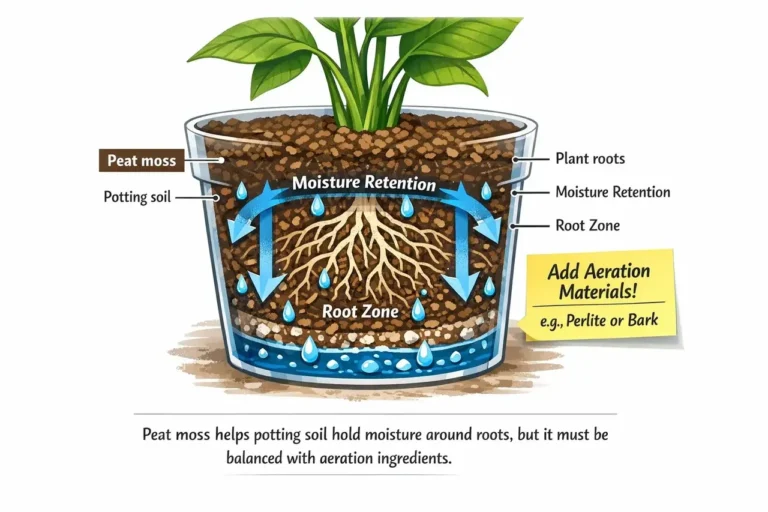
A potting mix needs to hold enough water for roots while allowing extra water to escape through drainage holes. A mix that stays wet too long can create a root problem, while a fast-drying mix may require more frequent checks in a warm, sunny spot.
Do not treat moisture-control wording as a substitute for observing the pot. Compare the ingredient information and use instructions when weighing different water-holding blends; a discussion of moisture control versus standard mix can help explain the trade-off without assuming one texture suits every plant.
Choose the right bag size
Use the listed quart amount as your starting point, then consider the number and size of pots. A 2- or 4-quart bag may be practical for a small repot, while a larger bag is more useful when several containers need filling.
Pot volume varies with width, depth, and how much old soil you are replacing, so a stated estimate is only a guide. If you are unsure, measure the pot and buy enough for the job plus a small margin, rather than paying to store a large leftover bag you may not use soon.
Think about drainage holes and texture
Drainage holes let excess water leave the pot; without them, even a loose mix can remain too wet if water collects at the bottom. A coarse mix can help water move through, but it cannot compensate for a container that has nowhere for extra water to go.
For plants that need a faster-drying root zone, compare the ingredients and texture rather than relying on a bold claim. A guide to well-draining potting mix can help you understand the difference between loose structure and simply watering less.
Decide whether peat-free matters to you
Peat-free describes a mix made without peat, but it does not tell you everything about its ingredients, drainage, or suitability for a particular plant. If avoiding peat is a firm preference, check the exact package wording and make sure the remaining ingredients fit your growing needs.
Coir, bark, and other materials can create different textures and water behavior. For more context on the trade-offs, peat-free mix options can help you consider alternatives without treating peat-free as a guarantee of better plant growth.
How to Use Potting Soil for the Best Results
Prepare the pot, root ball, and work area before opening soil, then water according to how the plant and mix behave. Good setup prevents spilled soil and makes it easier to notice if water is draining properly.
- Read the package directions and check whether the mix is ready to use or needs water first.
- Choose a pot with drainage holes that is a suitable size for the plant’s roots.
- Cover your work surface and loosen the mix gently if it has become packed in the bag.
- Add enough soil to support the root ball without filling the pot to the brim.
- Set the plant at its former soil level unless its care directions say otherwise.
- Fill around the roots, leaving a little room at the top for watering.
- Water slowly and check that excess water exits the drainage holes.
- Empty standing water from the saucer and let the plant settle in its appropriate light.
Do not press the mix down hard around roots. Firm contact is helpful, but compacting the soil can reduce the open spaces that let air and water move.
Compressed soil needs one extra check: prepare only the amount you need and use a container with room for expansion. Follow the printed water directions, and wait until the mix is evenly prepared before planting rather than guessing based on the dry block’s size.
How to Make Your Potting Soil Last Longer
Store unused mix sealed in a dry, protected place, away from children, pets, and pests. Keep the original label with the bag so the ingredients and care directions remain available after opening.
Use a clean scoop rather than putting hands or a dirty trowel into the bag. Close resealable packaging fully, or transfer leftovers to a clean, sturdy container with a clear label; do not leave an open bag where rain or household spills can soak it.
Avoid storing damp soil in a warm, closed space for long periods. If the mix smells unusual, has visible unwanted growth, or has been contaminated, do not assume it is fine for a sensitive plant; check the maker’s guidance and use your judgment before reusing it.
Potting mix does not last forever in a container. Over time, organic material can break down and the texture can settle, so look for compaction, poor drainage, and roots circling the pot when deciding whether repotting is due.
There is no single calendar schedule that fits every plant and home. Check the soil and plant regularly, and refresh or replace mix when the structure no longer drains as needed or the plant has outgrown its container.
Common Mistakes to Avoid When Buying and Using Potting Soil
- Treating “organic” as proof of non-toxicity: The word does not establish a complete safety claim; read ingredients and verify specific requirements.
- Choosing soil by label alone: A general indoor label may not fit every plant; match the mix to the plant’s moisture and drainage needs.
- Ignoring the pot’s drainage holes: Extra water needs an exit; choose a pot with holes or manage watering with particular care.
- Watering on a fixed schedule: Mixes and rooms dry at different rates; check soil moisture before watering again.
- Buying far more soil than you need: Open leftovers can be awkward to store; estimate the pot volume and select a practical bag size.
- Adding fertilizer without checking the mix: Some blends include plant food; read the package before adding more.
- Planting in compressed mix before preparing it: Dry material may expand after water is added; follow the directions and leave room for expansion.
- Assuming every houseplant wants a coarse blend: Fast drainage is not right for all roots; check the plant’s care needs first.
A practical way to avoid these problems is to set the pot beside the unopened bag and read the label before beginning. That small pause is easier than trying to correct the wrong texture after a plant is already in its new container.
How to Set Up Potting Soil for a Repot
Set up a clean work area, read the bag, and confirm that the pot has drainage before moving the plant. The likely stumbling point is skipping preparation: some soil is ready to use, while compressed mixes need water first.
- Put down newspaper, a tray, or another surface that can catch loose soil.
- Check the bag for ingredients, intended uses, and any preparation directions.
- Put on gardening gloves if you prefer, and avoid breathing dust from dry mix.
- Confirm the pot is clean and has drainage holes.
- If using compressed mix, measure and add water as directed in a larger mixing container.
- Loosen ready-to-use soil gently, without crushing coarse pieces.
- Remove the plant carefully and check the root ball for damaged or crowded roots.
- Add soil around the roots, water slowly, and clear spilled mix from the work area.
If you are choosing soil partly because a filled planter is hard to move, weight depends on the pot, its size, and how wet the mix is. A comparison of lightweight potting soil choices can help you focus on manageable containers without assuming that every light mix drains or feeds plants the same way.
Common Questions About Non Toxic Potting Soil
Is organic potting soil non-toxic?
No, “organic” alone does not prove that a potting soil is non-toxic or safe to eat. The word describes a production or ingredient claim whose exact meaning depends on the product and its documentation. Read the full package, check any certification claim that matters to you, and keep soil away from children and pets.
Is potting soil safe around pets and children?
You cannot determine that from a general product label alone. Keep bags and loose soil out of reach, prevent ingestion, and clean spills promptly. If you have a specific concern about an ingredient or exposure, check the package and contact the manufacturer or an appropriate health professional for advice.
What is the difference between potting soil and potting mix?
The terms are often used loosely on bags, so read the stated ingredients and intended use rather than relying on the name alone. A container mix should be suited to pots and the plant’s needs, with a texture that handles water appropriately. Garden soil from the ground is not automatically a good substitute for a container blend.
Does potting soil expire after opening?
There is no single expiration period that applies to every bag and storage condition. Keep leftover mix sealed, dry, and protected from contamination, and check its texture and smell before reuse. If the mix has become compacted or drains poorly, replace it when repotting rather than forcing a struggling plant to stay in it.
Should I choose potting soil that holds more water?
Only if the plant and your growing conditions benefit from that moisture retention. A mix that stays damp can be inconvenient for a plant that needs its roots to dry between waterings, while a fast-draining blend may need more frequent checks. Use the plant’s care needs and the pot’s drainage as your guide.
How much potting soil do I need for one plant?
The amount depends on the pot’s width and depth and on how much old mix you are replacing. Check the bag’s quart size and any stated pot estimate, then measure the container if you are unsure. Buy enough to fill around the root ball while leaving a little space at the rim for watering.
Before You Bring a Bag Home
First decide what you need the mix to do: suit a particular plant, fit a certain pot size, avoid a named ingredient, or reduce storage bulk. Then read the current package for ingredients, quantity, preparation, and any certification claim you plan to rely on, and keep the soil secured after it arrives.

I’m Maya L. Greenwood, a lifelong plant lover who believes anyone can grow something beautiful with the right guidance. After years of testing soil mixes, pruning methods, irrigation tricks, and pest-safe solutions, I started EasyGardenTips.com to turn hard-won lessons into step-by-step advice. From seed starting and container gardens to composting and seasonal checklists, my goal is to make gardening simple, sustainable, and fun.
One Comment