What Goes Under Topsoil? Layers Beneath Your Lawn and Garden
Under natural topsoil, you usually find subsoil—the denser, lower-organic layer known as the B horizon. In some soils, a pale, leached E…

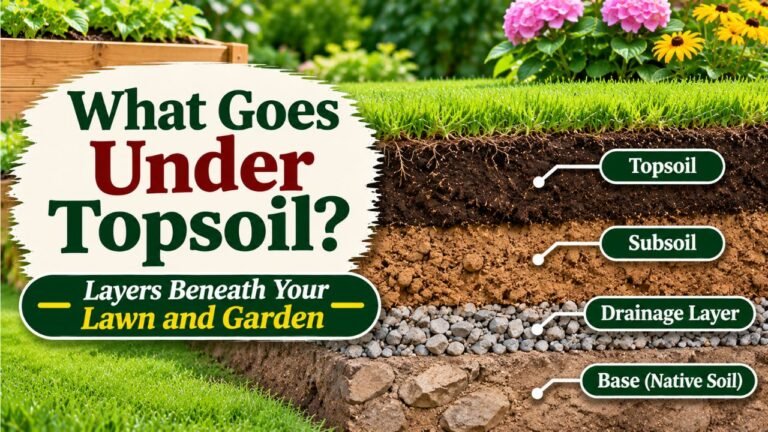
Under natural topsoil, you usually find subsoil—the denser, lower-organic layer known as the B horizon. In some soils, a pale, leached E…
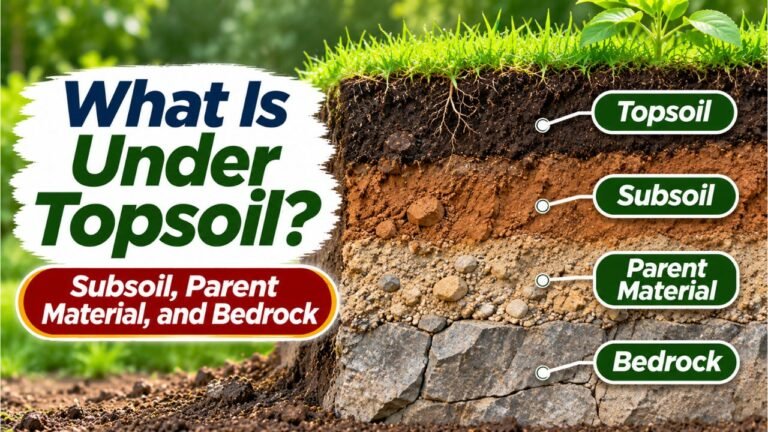
Under topsoil is usually a layer called subsoil, also known as the B horizon. This layer generally contains less organic matter than…
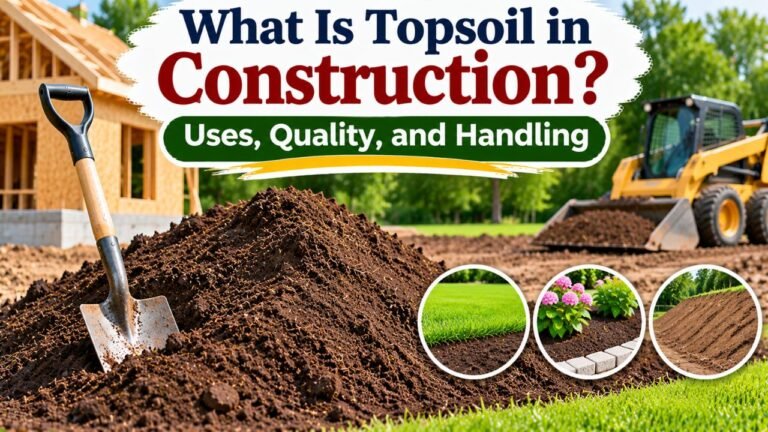
Topsoil in construction is the upper layer of soil that contractors remove, preserve, and later use to support grass, trees, shrubs, and…
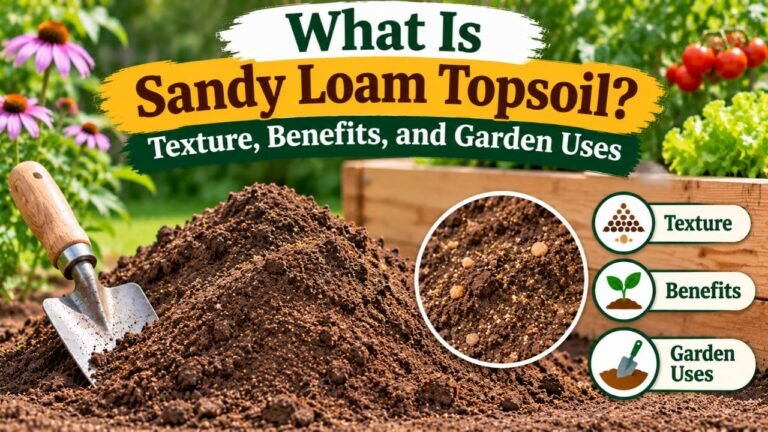
Sandy loam topsoil is the upper layer of soil that contains a high proportion of sand mixed with enough silt and clay…
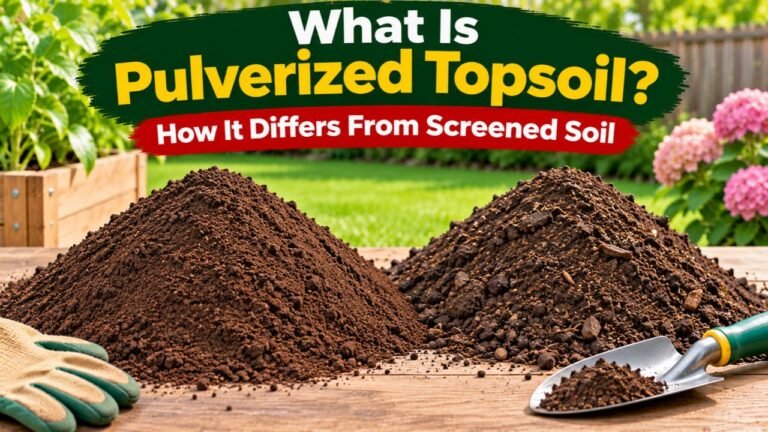
Pulverized topsoil is natural topsoil that has been mechanically broken into smaller, looser clumps, making it easier to shovel, rake, level, and…
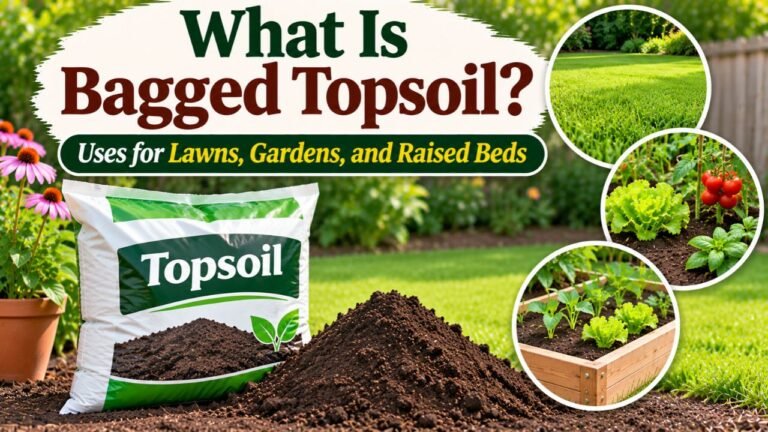
Bagged topsoil is natural soil or a commercially blended soil product packaged in bags for gardening, lawn repair, and landscaping. It is…
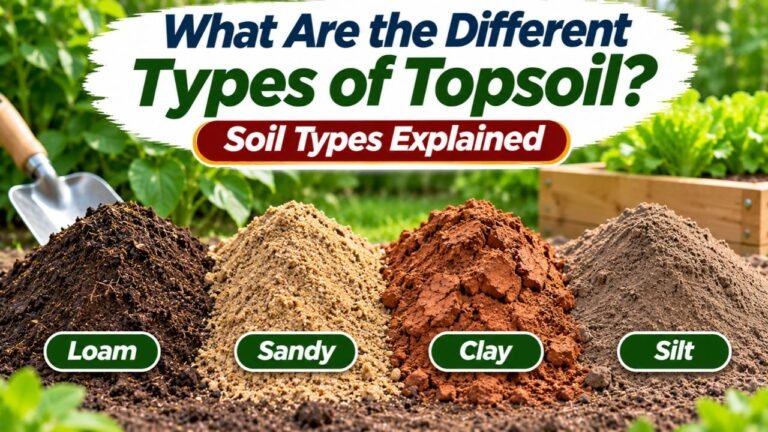
The main types of topsoil are sandy, silty, clay-rich, and loamy topsoil, each with different drainage, moisture retention, and nutrient-holding characteristics. When…
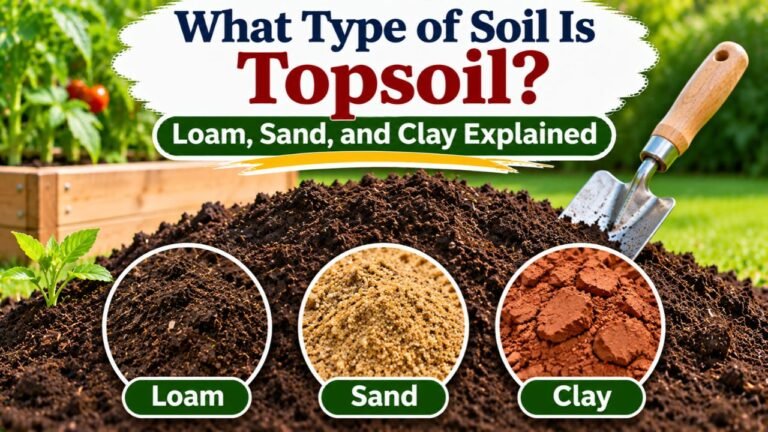
Topsoil is the upper mineral layer of soil, not a single soil-texture type. It can be sandy, silty, clay-rich, or loamy depending…
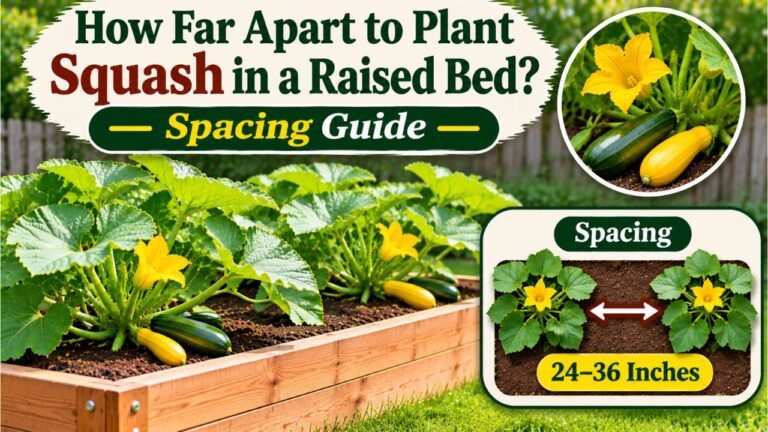
Plant bush-type squash approximately 24–36 inches apart in a raised bed, while most traditional vining winter squash varieties need around 36–48 inches…
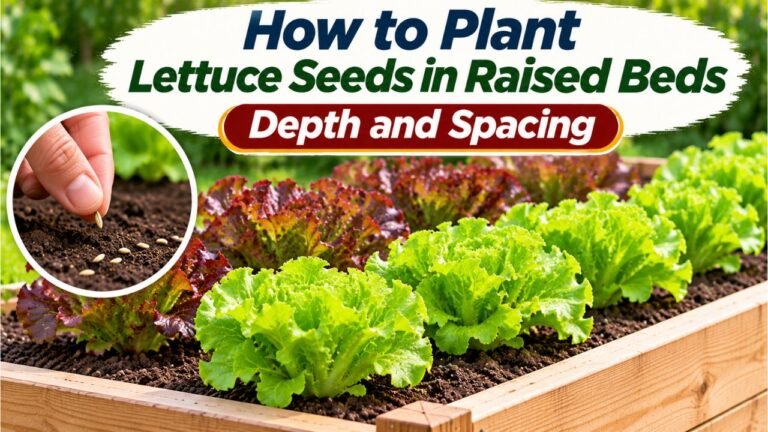
To plant lettuce seeds in raised beds, prepare a smooth, moist seedbed, sow the seeds approximately ⅛–¼ inch deep, and keep the…
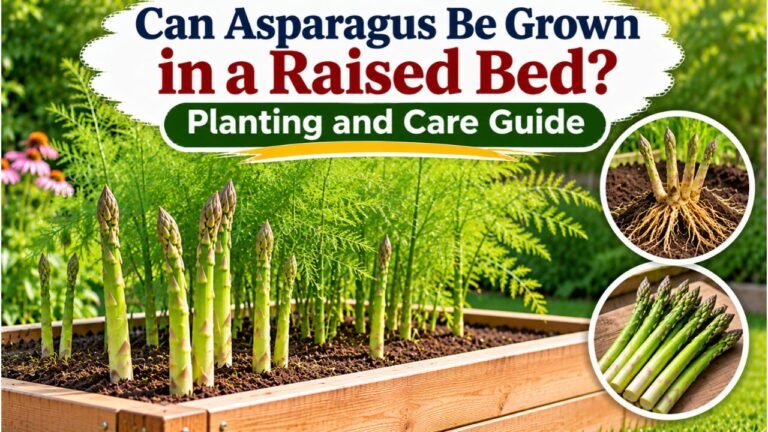
Yes, asparagus can be grown in a raised bed, and it can thrive there for many years when the bed provides sufficient…
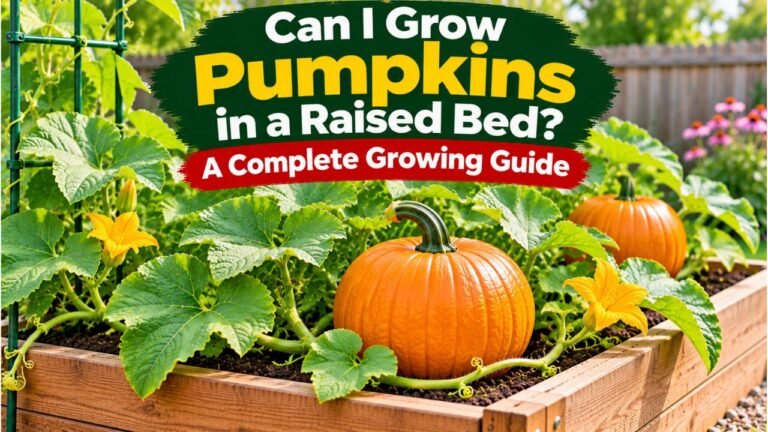
Yes, you can grow pumpkins in a raised bed, including in a 4-by-8-foot bed, as long as the plants have enough root…