Peat Moss vs Potting Soil: Which Is Better for Healthy Plants?
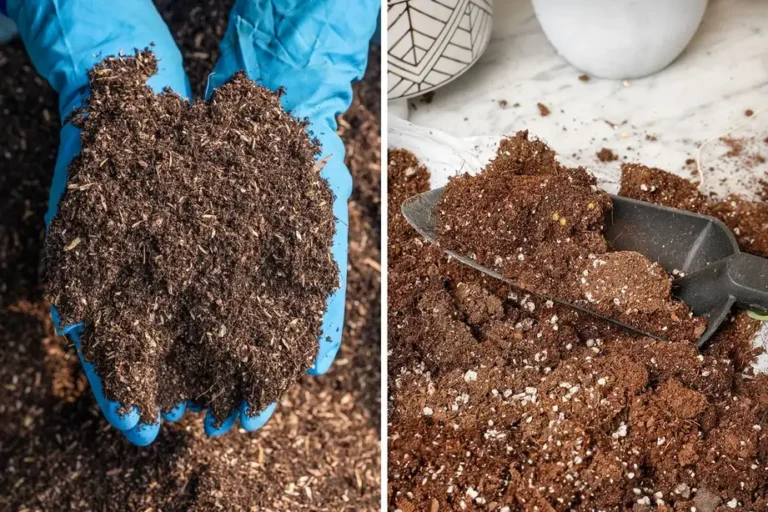
Potting soil is usually the better choice for planting in containers because it’s a ready-to-use growing medium, while peat moss is an ingredient that’s best mixed with other materials. Peat moss can improve water retention, but using it alone may leave roots short on nutrients and air.
Have you ever opened a bag of potting soil and wondered if plain peat moss would do the same job? Or watched water run straight through a dry container and suspected the mix needed something different?
I once added peat moss straight from a dry bale to a potting mix, then watered the container and watched the water bead on top. The roots stayed drier than I expected, and I had to pull the mix apart and rewet it. That’s a common mistake, not a dumb one.
I wrote this to help you choose the right material for your plant, pot, and watering habits, without turning a simple bag-of-soil decision into a research project. You’ll get a plain comparison, practical mixing advice, and clear signs that your container mix needs a change.
Getting the choice right can mean fewer soggy roots, less time fighting dry pots, and a healthier start for a new plant. Choose poorly, and you may end up with a pot that drains badly or dries out before you notice.
This takes about 10 minutes to read. By the end, you’ll know how to:
- Tell peat moss apart from ready-to-use potting soil.
- Choose a mix for houseplants, vegetables, and outdoor containers.
- Adjust a mix without making it too wet or too dense.
- Spot common watering and drainage problems.
Peat Moss vs Potting Soil: Which Should You Use?
Use potting soil or potting mix as the main growing medium for most container plants; use peat moss as an ingredient when a mix needs more water retention. A houseplant planted into a container usually needs a balanced mix, not a pot full of peat moss.
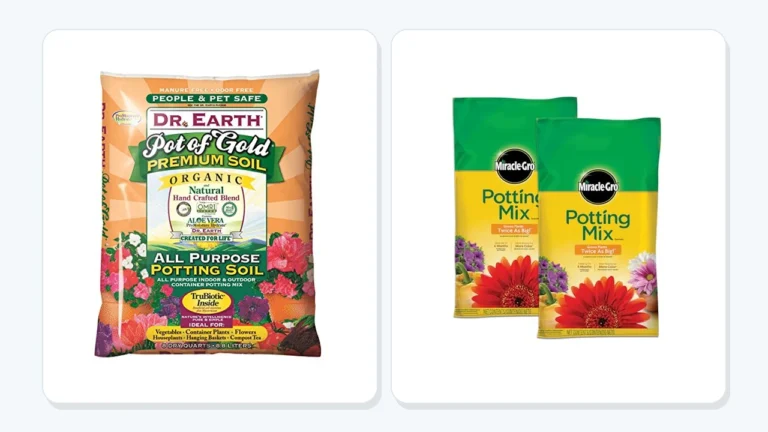
The key difference is that peat moss is a single material, while potting soil is a product that may contain several ingredients. A bag labeled potting soil might include peat moss, bark, coir, perlite, compost, or other materials, so check the ingredients instead of judging by the name alone.
| Feature | Peat moss | Potting soil or potting mix |
|---|---|---|
| What it is | A single organic material | A blend of ingredients, or a product sold as a growing medium |
| Main role | Adds water retention and organic matter | Provides a ready-made medium for growing plants |
| Nutrients | Usually low in plant-available nutrients | Varies by product; some blends include fertilizer or compost |
| Water behavior | Holds water well once evenly damp; dry peat can resist wetting | Depends on the blend, though many products balance water and air |
| Best use | A measured amendment in a custom mix | Container planting and repotting |
If the bag includes a ready-to-use container mix, you don’t need to add peat moss by default. If the mix dries too quickly, or your plant needs a moisture-retentive medium, a small amendment may help, but the full blend matters. A product sold as potting mix also differs from a garden-bed product; potting mix and potting soil can have different ingredients and intended uses.
What Peat Moss Does in a Planting Mix
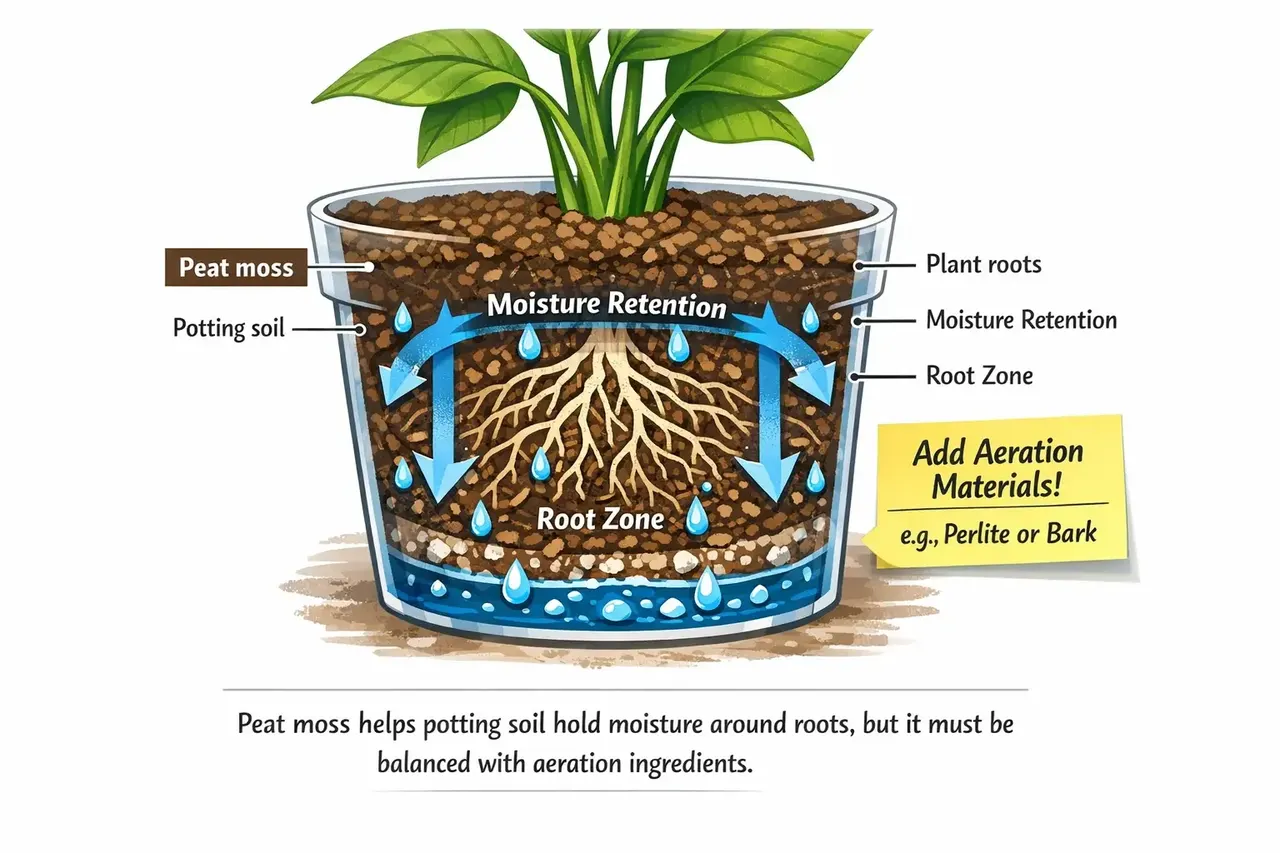
Peat moss holds water and adds organic matter, but it doesn’t provide the full structure and nutrition most container plants need on its own. Its value depends on how it works with the other ingredients in the pot.
Peat moss is lightweight and can hold a substantial amount of water when it’s damp. In a mix that drains too quickly, it may help keep moisture around roots for longer. But moisture retention isn’t the same as good drainage: roots need air pockets as well as water, and a heavy, constantly wet mix can deprive them of both.
Peat moss is also naturally acidic. That can suit plants that prefer acidic growing conditions, but it can shift the pH of a mix if you add too much. pH is a measure of how acidic or alkaline a growing medium is; it affects how easily roots can take up nutrients. Don’t assume a plant needs peat just because its leaves look unhealthy.
One detail that catches people off guard is how dry peat behaves. When peat moss dries out completely, water may run across its surface instead of soaking in. My rushed fix once was to dump in more water, but the top stayed slick while the center remained dry; dampening the peat before mixing it would’ve saved the mess.
If your container mix already suits your plant, adding peat moss can make the mix wetter without solving a real problem. For plants that need a looser blend, materials such as perlite or bark may be more helpful than extra peat. If you’re still shopping, compare the ingredients in a good potting soil instead of relying on a product name alone.
Choose a Mix for Your Plant and Container
Pick a growing medium based on the plant’s moisture needs, the pot’s drainage, and how often you can water. A thirsty fern in a draining pot calls for a different balance than a succulent in a small container.
Here’s a useful starting point:
- Houseplants: Start with a bagged indoor potting mix, then adjust only if the plant or your watering pattern calls for it.
- Vegetables and herbs: Use a container mix labeled for vegetables or general container growing, and check whether it includes fertilizer.
- Succulents and cacti: Choose a faster-draining mix; adding peat may keep the roots wet longer than you want.
- Moisture-loving plants: A mix with some peat or coir may help, as long as water can still drain from the pot.
- Garden beds: Use garden soil or a garden-bed amendment meant for in-ground use rather than filling a container with heavy yard soil.
Is a bag labeled “potting soil” automatically the right one? No; labels aren’t a reliable substitute for the ingredient list, so check whether the product is made for containers and whether it contains a fertilizer charge. If you’re comparing container products, a guide to the best soil for potted plants should focus on a plant’s needs and the pot’s drainage, not a universal “best” bag.
The same care applies when comparing potting soil with soil dug from the yard. Garden soil can compact in a pot, leaving less space for air and making water movement unpredictable. If that’s the decision you’re facing, the difference between loam soil and potting soil matters because those materials serve different growing settings.
A pot with a drainage hole gives excess water somewhere to go. Without one, even a loose mix can leave water trapped at the bottom, so don’t count on peat moss or any other ingredient to fix a pot that can’t drain.
Add Peat Moss Without Throwing Off the Mix
Add peat moss gradually, and treat it as one part of a mix rather than a complete growing medium. The right amount depends on your existing blend, plant, and local conditions, so make a small test batch before changing a whole container.
- Check the current mix. Read the label and note whether peat moss is already listed. Adding more to a peat-heavy blend may keep the roots too wet.
- Dampen the peat moss. Add water a little at a time and stir until the material feels evenly moist, not dripping. This makes it easier to mix and helps avoid dry pockets.
- Blend it with the existing medium. Use a clean container and mix thoroughly so one section of the pot doesn’t hold far more water than another.
- Test the small batch. Wet the mix, let extra water drain, and check that it feels damp rather than muddy. If it stays soggy or forms a tight clump, add a suitable coarse ingredient instead of more peat.
- Fill the pot loosely. Don’t press the mix down hard; tight packing reduces the air space around roots.
How much peat should you add? There’s no single ratio that works for every bag or plant, because a blend that already contains peat may need none at all. A small test batch helps you judge whether the change improves moisture without making the mix heavy; more detailed peat moss mixing ratios can guide your next adjustment.
Pro Tip: Mark the test batch with its ingredients and proportions before you pot a whole plant. If the mix works, you can repeat it; if it stays wet for days, you’ll know what to change.
Don’t add garden lime or fertilizer automatically to “balance” peat moss. The right amendment depends on the plant and the starting mix, and guessing can push pH or nutrient levels in the wrong direction. Follow the product label or a plant-specific recommendation instead.
Avoid Common Peat Moss and Potting Soil Problems
Most problems come from using too much of one ingredient, choosing a mix that doesn’t fit the plant, or watering by habit instead of checking the pot. A few small checks can help you catch trouble before the leaves start drooping.
| What you notice | Possible cause | What to try |
|---|---|---|
| Water pools on dry mix | Peat moss or the mix has dried and resists wetting | Water slowly in several passes, or briefly bottom-water if the pot drains freely |
| Mix stays wet for a long time | The blend is too moisture-retentive, or drainage is poor | Check the drainage hole and let the mix dry to suit the plant |
| Plant wilts while mix is wet | Roots may be stressed by low air or excess water | Pause watering and check drainage before adding more |
| Mix shrinks away from pot edges | The medium dried too far | Rewet gradually and adjust your watering routine |
| Leaves pale or growth slows | Possible nutrient, light, watering, or root issue | Check the growing conditions before adding fertilizer |
When you water, check the mix below the surface rather than judging by the top layer alone. A finger test works for many small pots, while a wooden skewer can help with deeper containers. If the medium is still damp near the root zone, another drink may make matters worse.
Important Tip: Wear a dust mask and avoid breathing dust when handling dry peat moss or potting mix. Moisten dusty material before mixing, and wash your hands afterward.
Don’t repot a struggling plant into a new mix just because one symptom looks familiar. Yellow leaves can come from too much water, too little light, or other stress, and changing several things at once makes the cause harder to pin down.
Consider Peat-Free Alternatives and the Trade-Offs
Peat-free potting mixes can grow container plants successfully, but their water and drainage behavior may differ from peat-based products. Read the label, then pay attention to how the mix performs in your own pot.
Common alternatives include coir, made from coconut husk fibers, and blends that use bark, compost, wood fiber, or other materials. Coir can hold water, while bark and other coarse ingredients can add larger air spaces. The exact balance varies by product, so “peat-free” doesn’t tell you on its own whether a mix drains quickly or slowly.
Peat moss forms in wetland environments over a long time, so choosing a peat-free product may matter to gardeners who want to reduce reliance on that material. Peat-free blends can still vary in quality and may need a different watering rhythm, so don’t assume they’ll behave exactly like your old mix. A comparison of peat-free potting soil options can help you focus on ingredients and plant fit.
Would I switch every plant to the same peat-free blend? I wouldn’t, because one mix can be a poor fit for a succulent and a moisture-loving plant sitting on the same shelf. I’d choose based on the plant, then adjust watering after the change rather than expecting a new medium to behave just like the old one.
FAQs About Peat Moss vs Potting Soil
Can I plant directly in peat moss?
No, peat moss alone usually isn’t a good long-term growing medium for most container plants. It holds water but provides limited nutrition and may not offer enough air space on its own. Use a balanced potting mix as the base, and add peat only when the blend needs more moisture retention.
Is potting soil the same as peat moss?
No, peat moss is one material, while potting soil is a product or blend that may contain several ingredients. Some potting products include peat moss, but others use coir, bark, compost, or different components. Read the ingredient list to know what’s actually in the bag.
Is peat moss good for indoor plants?
Yes, peat moss can help some indoor plant mixes hold moisture, but the right amount depends on the plant and the rest of the blend. A moisture-loving plant may benefit, while a succulent may need a faster-draining medium. Check how long the pot stays damp after watering before adjusting the mix.
Does peat moss provide fertilizer?
No, peat moss isn’t a complete fertilizer for container plants. It adds organic matter and helps retain water, but plants still need an appropriate nutrient source. Check the potting mix label for added fertilizer and follow its directions; don’t add extra plant food unless the plant’s needs call for it.
Can I reuse potting soil with peat moss?
Sometimes, but check the old mix for pests, disease, a sour smell, or poor drainage before reusing it. Used potting soil may have lost nutrients and structure, so it may need refreshing with new mix. Don’t reuse material from a sick plant unless you know it’s safe to do so.
Make the Mix Fit the Plant
For most container planting, start with a potting mix intended for containers, then leave it alone unless you have a clear reason to adjust it. Peat moss is useful when a blend needs more moisture retention, but adding it by habit can make watering harder and roots less comfortable.
I’d rather test a small batch than make a big change to every pot at once. Your plant’s needs, drainage, and watering routine matter more than the wording on the bag. Pick a mix that suits the plant, water it carefully, and watch how long it stays damp.
That’s the simplest next step, and it’ll tell you more than guessing from the label.

I’m Maya L. Greenwood, a lifelong plant lover who believes anyone can grow something beautiful with the right guidance. After years of testing soil mixes, pruning methods, irrigation tricks, and pest-safe solutions, I started EasyGardenTips.com to turn hard-won lessons into step-by-step advice. From seed starting and container gardens to composting and seasonal checklists, my goal is to make gardening simple, sustainable, and fun.