Dr Earth Pot of Gold Vs Foxfarm Potting Soil: Detailed Comparison
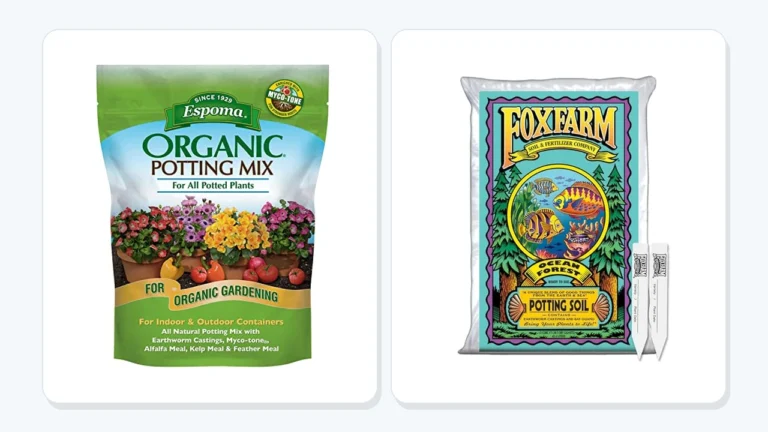
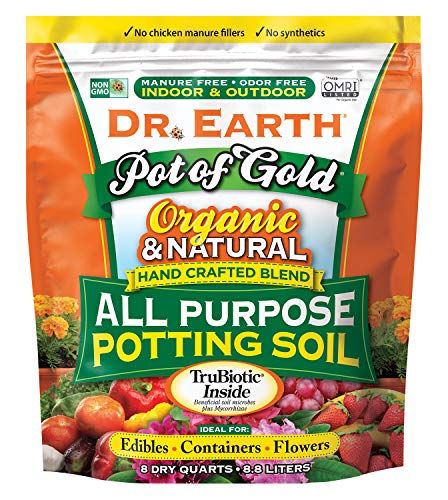
If you’re choosing between Dr. Earth Pot of Gold and FoxFarm potting soil, the better fit depends mostly on how much soil you need and what you’re planting. Dr. Earth’s All Purpose Potting Soil comes in an eight-quart bag and is intended for a broad range of container plants; FoxFarm’s 1.5-cubic-foot option gives you a much larger volume and a specified blend of aerating, moisture-retaining, and fertilizer ingredients.
For a few herbs, houseplants, or patio containers, Dr. Earth’s smaller bag may be easier to buy and use up. For a larger planting session, or if you want a ready-to-use mix with its ingredients spelled out, FoxFarm has the clearer fit.
There are meaningful differences beyond bag size. Dr. Earth is OMRI listed, Non-GMO Project Verified, and CDFA OIM Registered, and it is identified as people- and pet-safe. FoxFarm’s mix includes aged forest products, sphagnum peat moss, perlite, sandy loam, and fertilizer derived from several animal-based ingredients.
Below, I’ll compare volume, intended uses, ingredient information, and everyday handling. I’ll also point out what neither product’s confirmed details establish, so you can choose without guessing about things like feeding schedules or exact performance.
| All Purpose Potting Soil 8 Qt | 1.5cu Ft Light Aerated Texture |
 |
 |
Dr Earth Pot of Gold Vs Foxfarm Potting Soil Detailed Comparison
These are both potting soils for container growing, but they answer different shopping needs. Dr. Earth Pot of Gold is the more compact, broadly positioned choice: its eight-quart bag is intended for herbs, vegetables, flowers, indoor gardens, and container plants, and it can be used in containers indoors or outdoors. FoxFarm’s 1.5-cubic-foot mix is a bulkier option for container gardens, houseplants, trees, shrubs, roses, and seedlings.
That size gap is practical, not just a detail on the bag. A small indoor refresh or a couple of patio pots can be manageable with eight quarts; filling many containers can call for several bags. FoxFarm supplies substantially more soil in one purchase, which can reduce interruptions during a bigger planting project, but you’ll need room to handle and store the larger bag.
The ingredient information also differs in how much it tells you. FoxFarm specifies aged forest products, sphagnum peat moss, perlite, sandy loam, fertilizer, and fertilizer ingredients derived from fish meal, crab meal, shrimp meal, earthworm castings, and oyster shell. Dr. Earth’s confirmed details emphasize suitability and certifications rather than a breakdown of its soil ingredients, so don’t assume that either product’s composition matches the other.
FoxFarm is described as ready for planting without adding other ingredients. That’s useful when you want to open a bag and get started, but it doesn’t tell you how long the mix will feed a plant or whether a particular plant needs a different routine. Dr. Earth’s confirmed details don’t establish a comparable feeding schedule or say whether amendments are required. If those points matter, check the package instructions before planting rather than treating either mix as a complete long-term care plan.
Key Differences That Matter
Bag volume and the size of your project
Dr. Earth comes in an eight-quart bag; FoxFarm comes in a 1.5-cubic-foot bag. FoxFarm provides much more volume per bag, making it the practical option if you’re filling several pots, planting a larger container garden, or working with shrubs or trees in containers. Dr. Earth’s smaller size can be less cumbersome when you only need soil for a few pots.
Think about the whole job before choosing. A few small containers may not need a large bag, and buying more soil than you can use promptly can create a storage problem. On the other hand, if your plan includes a row of patio planters, running short halfway through is frustrating; estimate the containers you’re filling and choose a bag size accordingly.
Bag volume doesn’t establish which product costs less per unit of soil. If price matters, compare the amount you’ll actually use with the purchase price, and include the chance that a small project leaves you with unused soil or a large one requires multiple smaller bags.
Planting range and the kind of container
Dr. Earth names herbs, vegetables, indoor gardens, container plants, and flowers among its intended uses. It is also identified for containers of any size, including hanging baskets, houseplants, and patio containers, and it can be used indoors or outdoors. That range is convenient if your shopping list mixes kitchen herbs, indoor foliage, and seasonal pots.
FoxFarm names container gardens, houseplants, trees, shrubs, roses, and seedlings as suitable uses. The range includes both small-scale plantings and larger container subjects, so it may suit a gardener who wants one mix for a variety of container projects. The confirmed use information doesn’t make every plant-care decision for you, though; a plant with specific soil needs still deserves a check against its growing guidance.
There is overlap in the two products’ intended uses, especially for houseplants and container growing. The useful distinction is not that one is universally right for indoor plants and the other is not; it’s that Dr. Earth explicitly includes herbs, vegetables, flowers, and hanging baskets, while FoxFarm explicitly includes trees, shrubs, roses, and seedlings.
Ingredients, moisture, and drainage
FoxFarm’s named ingredients give you a clearer picture of the mix. Aged forest products and peat moss are included to help retain moisture, while perlite and sandy loam are part of the blend; sandy loam is noted for drainage properties. In day-to-day terms, those ingredients speak to balancing water retention with drainage, rather than describing a soil made only to hold water.
That balance still doesn’t guarantee a particular watering interval. Pot size, plant type, light, temperature, and how quickly a container drains all affect how often you’ll need to water. The ingredient list can help you understand the intended mix, but it can’t tell you exactly how your own pots will behave.
Dr. Earth’s confirmed details don’t provide a comparable ingredient breakdown or specific moisture and drainage claims. That isn’t proof that it lacks any particular component; it just means the two products can’t be compared ingredient by ingredient on the information established here. If you need a known ingredient, look for it on the packaging before buying.
Certifications and fertilizer ingredients
Dr. Earth has three specific credentials: OMRI listed, Non-GMO Project Verified, and CDFA OIM Registered. It is also described as people- and pet-safe. Those details can help shoppers who are looking for these particular credentials or want the stated safety positioning for a home with people and pets. They don’t replace sensible handling or the instructions on the bag.
FoxFarm’s confirmed ingredient information names fertilizer derived from fish meal, crab meal, shrimp meal, earthworm castings, and oyster shell. That matters if you’re checking what goes into the mix or prefer to avoid particular animal-derived ingredients. No matching certifications or people-and-pet safety claim are established here for FoxFarm, so don’t infer that it has—or lacks—any credential or safety property not specified.
Performance, Features, and Everyday Use
Getting a planting session started
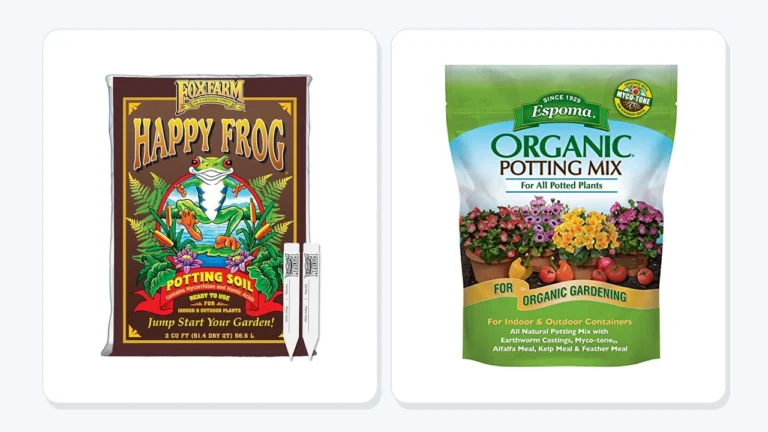
FoxFarm is stated to be ready for immediate use, with no additional ingredients required. That makes setup straightforward if you want a mix ready for planting as soon as you open it. The bag also includes two plant tags for labeling varieties and planting dates, a small convenience if you’re starting several kinds of seedlings or keeping track of sowing dates.
Dr. Earth’s confirmed details don’t make the same ready-to-use statement or specify whether you should add anything. Avoid reading that silence as a warning that it needs amendments. If you’re choosing it, follow the directions on the package for preparation and planting; if you need a mix that is explicitly described as ready to use, FoxFarm has the more direct answer.
Either way, have your containers ready before opening a bag. Check that they suit the plants you’re growing, and plan where the soil will go so you’re not left moving an open bag around the house or patio. With FoxFarm’s larger volume, that bit of planning matters more, especially if you’re working in a small indoor space.
Watering and routine care
FoxFarm’s mix includes materials associated with moisture retention and drainage, but the details do not provide a fixed watering schedule. Check the moisture in the container and respond to the plant and conditions rather than watering by a calendar copied from another setup. A sunny patio pot and a houseplant in a cooler room can dry at very different rates.
There is no verified feeding duration for FoxFarm in the details here, and no comparable duration for Dr. Earth. Don’t assume that a named fertilizer ingredient means you can skip all later feeding, or that a soil will feed plants for a particular number of weeks. For a plant with a specific feeding routine, use the soil instructions alongside that plant’s care guidance.
Dr. Earth’s broader range of stated container uses makes it a flexible pick for mixed small-scale planting, while FoxFarm gives more ingredient detail to shoppers thinking about water movement and soil composition. Neither point removes the need to match watering and feeding to the plant, pot, and growing conditions.
Choosing for indoor and outdoor containers
Dr. Earth is expressly intended for indoor and outdoor containers, with hanging baskets, houseplants, and patio use named. That can simplify a purchase when the same bag needs to serve several spots at home. Its listed suitability for herbs, vegetables, and flowers also makes it a natural candidate for a small edible-and-ornamental container setup.
FoxFarm names houseplants and container gardens, along with trees, shrubs, roses, and seedlings. That makes its stated use range relevant to gardeners who are potting more than tabletop plants. Its larger bag may be less convenient if you only have one small indoor pot to fill, but more useful when the project covers several containers.
Neither product’s confirmed details specify a weight, so don’t choose based on assumptions about how heavy a bag will be to carry. If lifting or carrying is a concern, arrange to move the soil close to where you’ll use it or check the package before purchase. Volume tells you how much soil is supplied, not how easy the bag will be to lift.
Matching the product to your priorities
Choose Dr. Earth when a small quantity, broad container use, or its specific credentials matter most. It may be especially convenient for a few pots of herbs, flowers, or houseplants, and the people- and pet-safe description can be relevant in a household where soil will be used around them. Keep the stated scope in mind: that description is not permission to eat the soil or ignore handling instructions.
Choose FoxFarm when you need more soil in one bag, want a blend explicitly described as ready to plant, or value a named ingredient list. Its listed uses reach from seedlings and houseplants to roses, shrubs, and trees. Its animal-derived fertilizer ingredients are worth considering if you prefer a different ingredient profile.
If you’re torn, start with the project rather than the brand. Count the containers, think about where the bag will be stored, and decide whether ingredient transparency or a particular certification is a deciding factor. That short check can prevent buying far more soil than you need—or finding out you need another bag halfway through.
Pros and Cons
All Purpose Potting Soil 8 Qt
Pros
- ✓Compact eight-quart size: A manageable choice for a few pots.
- ✓Broad container use: Suits stated indoor, outdoor, hanging-basket, and patio applications.
- ✓Specific credentials: OMRI listed, Non-GMO Project Verified, and CDFA OIM Registered.
- ✓People- and pet-safe positioning: Relevant for many home gardening setups.
Cons
- –Less soil per bag: Larger planting jobs may require multiple bags.
- –No confirmed ingredient breakdown here: Ingredient-focused shoppers may need to inspect the package.
- –No stated ready-to-use detail here: Check preparation directions if that matters to you.
1.5cu Ft Light Aerated Texture
Pros
- ✓Substantially larger volume: More practical for filling several containers.
- ✓Ready for planting: No additional ingredients are required.
- ✓Named blend components: Includes ingredients associated with moisture retention and drainage.
- ✓Two plant tags: Handy for labeling varieties and planting dates.
Cons
- –Large bag for small jobs: May be more soil than a few pots require.
- –Animal-derived fertilizer ingredients: Not a fit for shoppers avoiding those inputs.
- –No confirmed feeding duration: Plant-specific feeding plans still need attention.
Which One Should You Buy?
Pick Dr. Earth All Purpose Potting Soil 8 Qt if you’re refreshing a few houseplants, filling a small herb planter, or tending a handful of patio pots. Its smaller bag suits a limited project, while its stated uses cover herbs, vegetables, flowers, indoor gardens, and containers indoors or outside. It also gives you clear credentials to weigh if OMRI listing, Non-GMO Project Verification, or CDFA OIM Registration is part of your decision.
Who Should Skip This: Skip the eight-quart size if you have many large containers to fill and don’t want to buy several bags. It may also be the wrong choice if you need a confirmed ingredient list or a clear ready-to-use statement before you commit; those details aren’t established here.
Pick FoxFarm’s 1.5-cubic-foot potting soil if a larger amount of mix is useful for your project, or if you want the product to be expressly ready for planting. Its stated applications include seedlings, houseplants, container gardens, roses, shrubs, and trees. The named ingredients are helpful if you’re evaluating the mix’s moisture-retention and drainage components, or want to know which fertilizer sources it contains.
Who Should Skip This: Skip the larger bag for a tiny planting job if you have nowhere to store leftover soil. It may not suit you if you avoid fish, crab, or shrimp meal, earthworm castings, or oyster shell, all of which are named as fertilizer sources in the mix.
Choosing the wrong size is the most immediate way to make either purchase inconvenient. Too little soil can interrupt a planting day; more than you need can take up space after the pots are done. For FoxFarm, also consider the ingredients, and for Dr. Earth, consider whether its confirmed credentials and stated uses match your priorities.
Don’t treat either as a substitute for checking a plant’s particular needs. The stated uses are broad, but no one soil choice establishes the right pot size, watering routine, or ongoing feeding plan for every plant. If you’re growing something with specific care requirements, use those requirements to guide the final call.
FAQS About Dr Earth Pot of Gold Vs Foxfarm Potting Soil
Which bag gives you more potting soil?
FoxFarm’s bag contains 1.5 cubic feet, while Dr. Earth’s contains eight quarts. FoxFarm is the larger-volume choice and is better suited to projects that need more soil at once.
Is Dr. Earth Pot of Gold suitable for indoor and outdoor containers?
Yes. Its stated uses include indoor and outdoor containers, hanging baskets, houseplants, and patio planting, as well as herbs, vegetables, and flowers.
Is FoxFarm potting soil ready to use?
Yes. It is described as ready for planting without additional ingredients. That does not establish how long its fertilizer will feed a particular plant.
Do these potting soils have the same ingredients?
The confirmed details do not establish that. FoxFarm names its ingredients, including peat moss, perlite, sandy loam, and several fertilizer sources; a comparable ingredient breakdown is not established for Dr. Earth.
Final Verdict: Which One Wins?
Dr. Earth Pot of Gold wins for a small, mixed container project where an eight-quart bag is enough and the listed uses or credentials fit your priorities. It is the more sensible choice for a few pots, herbs, flowers, or houseplants when you don’t need a large volume.
FoxFarm wins for a larger planting job or when you want a ready-to-use mix with named ingredients and enough soil for multiple containers. Its larger bag is useful only if you can use or store that volume, and its animal-derived fertilizer ingredients may rule it out for some shoppers.
There isn’t a universal winner: buy Dr. Earth for the smaller quantity and its stated credentials, or FoxFarm for more soil and a specified, ready-to-plant blend. Before deciding, match the bag size to your containers and check any plant-specific soil or feeding requirements.

I’m Maya L. Greenwood, a lifelong plant lover who believes anyone can grow something beautiful with the right guidance. After years of testing soil mixes, pruning methods, irrigation tricks, and pest-safe solutions, I started EasyGardenTips.com to turn hard-won lessons into step-by-step advice. From seed starting and container gardens to composting and seasonal checklists, my goal is to make gardening simple, sustainable, and fun.