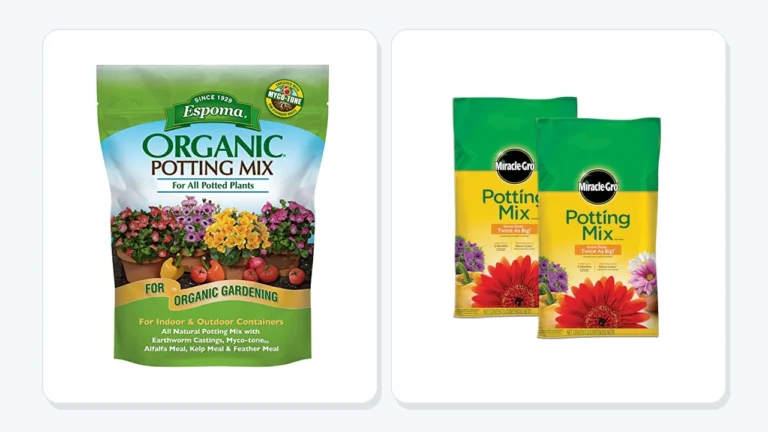
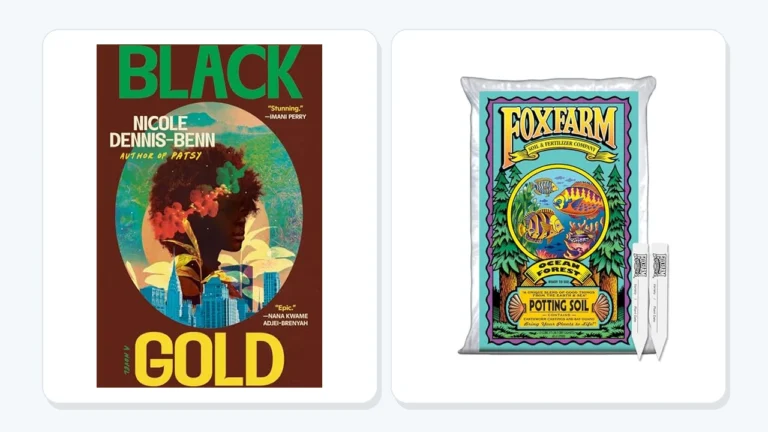
Espoma Potting Mix Vs Foxfarm Potting Soil: Detailed Comparison And
If you’re comparing Espoma potting mix vs FoxFarm potting soil, the practical choice is usually between a smaller, peat-based organic mix with mycorrhizae and a much larger, ready-to-use blend with aged forest products, peat moss, sandy loam, and fertilizer. Neither is a universal winner; the right one depends on how much soil you need and what you want in the mix.
Espoma’s eight-quart bag is easier to manage for a few houseplants, herbs, or a single transplant. FoxFarm’s 1.5-cubic-foot bag holds roughly 45 quarts, so it gives you substantially more mix for a larger container project. That quantity can be convenient, but only if you have room to store what you don’t use.
Both are intended for container growing, and both include peat moss and perlite. Espoma also lists humus, earthworm castings, and its proprietary Myco-Tone blend; FoxFarm’s Ocean Forest mix includes sandy loam and fertilizer ingredients derived from several meals, castings, and oyster shell.
Below, I’ll compare their ingredients, package size, setup, and everyday fit without treating a longer ingredient list as an automatic advantage. If you’re buying for one pot, Espoma may be the more manageable choice; for several containers or a bigger planting session, FoxFarm’s volume may make more sense.
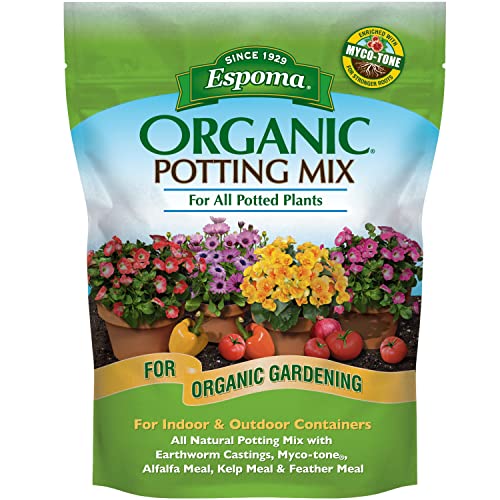
| 8qt. Espoma Organic Potting Soil Mix All Natural Potting Mix | 1.5cu Ft Light Aerated Texture |
 |
 |
Espoma Potting Mix Vs Foxfarm Potting Soil Detailed Comparison
The biggest difference is not simply the brand name. It’s the combination of bag volume and mix formulation. Espoma is an eight-quart organic potting mix built from sphagnum peat moss, humus, and perlite, with several organic amendments and mycorrhizae. FoxFarm’s 1.5-cubic-foot Ocean Forest potting soil is a much larger package, with aged forest products, peat moss, perlite, sandy loam, and fertilizer.
That size gap changes the buying decision in a very practical way. Eight quarts can be a sensible amount for refreshing a small collection or repotting one or two plants, depending on pot size. FoxFarm supplies roughly five and a half times as much by volume, so it better suits a project involving multiple containers, larger pots, or seedlings alongside other plantings.
Think about the job before you shop. If a single houseplant needs a larger pot, a much bigger bag can leave you finding somewhere to keep the remainder. If you’re filling several containers for a patio, the smaller bag could mean running short and needing another purchase. The useful comparison is the amount you’ll actually use, not just which bag looks like the better deal.
The ingredient lists point to different approaches, but they don’t establish that one mix is better for every plant. Espoma combines a peat, humus, and perlite base with earthworm castings, alfalfa meal, kelp meal, and feather meal. It also includes Myco-Tone, described as a proprietary blend of endo and ecto mycorrhizae. The formula contains no synthetic plant foods or chemicals.
FoxFarm’s blend includes aged forest products and peat moss, with sandy loam and perlite. Its fertilizer ingredients are derived from fish meal, crab meal, shrimp meal, earthworm castings, and oyster shell. Aged forest products and peat moss help with moisture retention, while sandy loam contributes drainage properties. Those are useful formulation details, but they don’t tell you exactly how a particular plant will respond in your home.
Both mixes are ready for container planting, but FoxFarm is specifically described as ready to use with no additional ingredients required. Espoma is intended for planting containers, including when starting or transplanting a plant, and is suitable for indoor and outdoor container use. That makes both workable starting points; there’s no need to add ingredients simply because one has a shorter or longer list.
Key Differences That Matter
1. Bag size and project scale
Espoma comes in an eight-quart bag. FoxFarm’s 1.5 cubic feet works out to roughly 45 quarts, a substantial jump in volume. The larger package doesn’t make FoxFarm a better soil for an individual plant, but it can save you from coming up short when you’re preparing several pots at once.
For a small home collection, the smaller bag can be easier to use up. For a container garden with herbs, flowers, and other plants, the larger bag may be more convenient. Before choosing, estimate the volume your pots need and consider where you’ll keep any leftover mix. A bulky bag can be an awkward purchase when you only need a few scoops.
Choose by expected use, not bag size alone. If you’re comparing cost, calculate the price per quart yourself and weigh it against how much you’ll use. A lower cost per unit would not help if most of the soil sits unused, and a smaller package isn’t automatically the economical option for a large planting day.
2. Base ingredients and amendments
Espoma’s stated base is sphagnum peat moss, humus, and perlite. It also contains earthworm castings, alfalfa meal, kelp meal, and feather meal. The range of amendments may appeal if you’re looking for an organic mix that already includes those ingredients, rather than a plain base that you plan to amend yourself.
FoxFarm combines aged forest products and peat moss with perlite and sandy loam. Its fertilizer ingredients come from fish, crab, and shrimp meals, earthworm castings, and oyster shell. The forest products and peat moss are associated with moisture retention in the mix, while sandy loam is included for drainage. That blend may be attractive if those characteristics match your container setup.
It’s important not to read these ingredient lists as a guaranteed growing result. They don’t specify how a particular plant will perform in a particular room, climate, or watering routine. If you already have a care plan for a sensitive plant, check whether the mix’s ingredients and any fertilizer included suit that plan before filling the pot.
3. Mycorrhizae and organic formulation
Espoma specifically includes Myco-Tone, its proprietary blend of endo and ecto mycorrhizae. It also states that its mix contains no synthetic plant foods or chemicals. For a buyer who is deliberately choosing an organic potting mix with mycorrhizae, those are defining points, not minor label details.
FoxFarm’s verified ingredients include several fertilizer sources, but the available details don’t identify mycorrhizae as an ingredient. That doesn’t prove the product lacks them; it means this comparison can’t confirm their presence. If mycorrhizae are a deciding requirement, Espoma is the clearer choice based on the confirmed formulation.
The same restraint applies to claims about fertilizer. FoxFarm’s mix includes fertilizer, but no feeding duration or application schedule is confirmed here. Don’t assume you can skip plant-specific feeding decisions indefinitely. Check the product’s current directions and follow the needs of the plant you’re growing, rather than guessing from the ingredient list.
4. Intended container uses
Espoma is described for indoor and outdoor potted plants, including vegetables, herbs, flowers, and other container plants. It can be used when starting a container planting or transplanting into a larger pot. That broad range makes it a flexible option for someone who wants one mix for several ordinary container jobs.
FoxFarm is described for container gardens, houseplants, trees, shrubs, roses, and seedlings. That makes its stated use range broad as well, with seedlings specifically included. It is still wise to match a mix to the particular plant and its growing conditions; a list of possible uses cannot tell you how often to water or whether a species needs a specialized medium.
The overlap is real: both are potting products for containers, and both contain peat moss and perlite. The meaningful distinction is in the additional ingredients, Espoma’s named mycorrhizae and organic formulation, FoxFarm’s sandy loam and fertilizer, and the considerably different package sizes. Those are the differences to weigh before paying.
Performance, Features, and Everyday Use
For setup, both products can be used directly in container planting. FoxFarm is explicitly ready for immediate use without extra ingredients. Espoma is intended for planting and transplanting containers, so it can also serve as the mix you reach for when a plant needs fresh soil. There’s no verified need to blend either one with another product before use.
That said, “ready to use” doesn’t mean every plant has identical requirements. A houseplant that prefers a particular moisture level may need different watering attention from a thirsty herb outdoors. FoxFarm’s peat moss and aged forest products are identified with moisture retention, while its sandy loam contributes drainage properties. Those details can help you understand the formulation, but they do not replace observing the pot and adjusting care to the plant.
Espoma includes perlite in its base and has a peat, humus, and perlite blend. Perlite is commonly used in potting mixes to keep the medium less dense, but the confirmed facts don’t provide a measured drainage rate or promise a particular drying time. If you tend to overwater, don’t treat the word “perlite” as a guarantee that a pot can’t stay too wet. Container drainage, pot choice, and watering habits still matter.
FoxFarm’s larger amount is useful when you’re filling a group of containers in one session. The mix is also stated to be suitable for seedlings, trees, shrubs, and roses in containers, alongside houseplants and container gardens. A larger supply can make it easier to use one product across a planned batch of pots, though different plants may still need different watering routines.
Espoma may be easier to handle when your needs are modest. The eight-quart quantity is more in line with a small repotting job or a few pots than a broad container refresh. Its list of organic amendments and Myco-Tone may also suit a buyer who prefers a formulation with those elements already included. Just remember that “organic” doesn’t mean you can ignore the specific care needs of a plant.
Storage is part of the decision, especially with the larger FoxFarm bag. If you’ll use most of it right away, buying a high-volume package can simplify a larger job. If you’ll use only a small amount, consider whether you have a dry, suitable place to keep the remainder and whether buying less would be more practical. Don’t choose a bag size based on a hypothetical future project unless you’re comfortable storing it.
For seedlings, FoxFarm is explicitly named as a suitable use. That is a helpful point if you’re starting plants and want a ready-to-use potting soil. It does not establish a germination rate or guarantee that every seedling will thrive. Follow the needs of the seeds you’re growing, and avoid assuming that a general-purpose container mix is automatically ideal for every species or stage.
Neither product’s confirmed details give a pH value, nutrient analysis, feeding schedule, or watering interval. If you need any of those to make a decision, check the current packaging directions before buying. For many buyers, the choice can still be made from the confirmed basics: volume, ingredients, organic formulation, mycorrhizae, and the types of container planting each product is intended to support.
Pros and Cons
8qt. Espoma Organic Potting Soil Mix All Natural Potting Mix
Pros
- ✓Organic formulation: Contains no synthetic plant foods or chemicals.
- ✓Myco-Tone included: Clearly identifies an endo and ecto mycorrhizae blend.
- ✓Useful amendments: Includes castings, alfalfa meal, kelp meal, and feather meal.
Cons
- –Smaller quantity: Eight quarts may not cover a large container project.
- –Specific nutrient details aren’t provided here: Buyers needing a feeding schedule should check current directions.
1.5cu Ft Light Aerated Texture
Pros
- ✓Large supply: Roughly 45 quarts suits several pots or a bigger planting session.
- ✓Ready to plant: No additional ingredients are required for use.
- ✓Broad stated uses: Includes containers, houseplants, trees, shrubs, roses, and seedlings.
Cons
- –Bulky amount: May be excessive for someone repotting just one small plant.
- –Mycorrhizae aren’t confirmed: Buyers prioritizing that ingredient may prefer Espoma.
Which One Should You Buy?
Choose Espoma if you want a smaller organic potting mix with named ingredients. Its eight-quart bag is a practical fit when you’re refreshing a few containers, repotting a houseplant, or planting herbs and flowers without needing a large supply. The mycorrhizae blend and the absence of synthetic plant foods or chemicals are meaningful reasons to favor it if those formulation details matter to you.
Choose FoxFarm if you need a larger amount of ready-to-use mix. At roughly 45 quarts, it is better suited to multiple containers, a bigger patio planting, or a project that includes seedlings. Its stated ingredients include sandy loam and fertilizer, alongside peat moss, perlite, and aged forest products. That combination may suit buyers who want those components in a prepared potting soil.
Who Should Skip This: Espoma. Skip the eight-quart bag if you already know you need enough mix for many large pots or a full container garden. You may run short and have to buy more, so estimate your project volume before choosing the smaller package.
Who Should Skip This: FoxFarm. Skip the 1.5-cubic-foot bag if you only need a little soil and don’t have a sensible place to store the rest. The larger supply is a benefit only when your project can use it; otherwise, a smaller bag may be less cumbersome.
If you’re deciding based on plant type alone, the confirmed use cases overlap more than they differ. Both are intended for container planting, and Espoma specifically names vegetables and herbs while FoxFarm specifically names seedlings, trees, shrubs, and roses. Don’t treat those examples as proof that either product is unsuitable for a plant not named. Consider the plant’s actual needs and check the product directions if you need a specialized formulation.
If you’re deciding based on ingredients, be specific about what you want. Espoma is the straightforward pick for a confirmed mycorrhizae blend and a formulation without synthetic plant foods or chemicals. FoxFarm is the clearer pick if you want a larger volume of mix that includes sandy loam and fertilizer. If neither of those points is central, bag size and storage may be the deciding factors.
For a cost comparison, use the price you see when shopping and divide it by the volume you’ll realistically use. No fixed price or savings claim can be made here. A large bag can have a lower cost per quart and still be the wrong buy if much of it goes unused, while a smaller bag may be more convenient for an occasional repotting job.
FAQS About Espoma Potting Mix Vs Foxfarm Potting Soil
Which is better for a small houseplant repotting job?
Espoma’s eight-quart bag is often the more manageable choice for a small job. FoxFarm is also intended for houseplants, but its roughly 45-quart quantity may be more than you need for one pot.
Which mix includes mycorrhizae?
Espoma specifically includes Myco-Tone, a proprietary blend of endo and ecto mycorrhizae. The confirmed FoxFarm ingredients do not establish whether mycorrhizae are present, so don’t assume either way.
Does FoxFarm need extra ingredients before planting?
No additional ingredients are required for FoxFarm’s ready-to-use mix. Espoma is also intended for planting and transplanting containers, but check each product’s current directions for the use you have in mind.
Which product is a better fit for seedlings?
FoxFarm specifically names seedlings among its intended uses. Espoma is described for container plants, but seedlings are not specifically identified in the confirmed use details.
Can I use either one for vegetables and herbs in containers?
Espoma specifically names vegetables and herbs, and FoxFarm is intended for container gardens. Check the current directions and the needs of your particular plants before planting.
Final Verdict: Which One Wins?
Espoma wins for a smaller planting job when an organic formulation and confirmed mycorrhizae are priorities. Its eight-quart size is easier to match to a few pots, and its stated ingredients make the formulation clearer for buyers seeking those specific features.
FoxFarm wins for a larger container project that can use roughly 45 quarts of ready-to-use soil. Its bigger supply and stated suitability for seedlings, houseplants, trees, shrubs, and roses can make it the more practical choice when you’re filling several containers. Make sure the amount and storage needs fit your plans.
There isn’t one winner for every gardener. Choose Espoma for a modest amount and its stated organic formulation; choose FoxFarm when volume, sandy loam, and included fertilizer better match the job. Either way, buy for the plants you’re actually potting and the amount of mix you can use.

I’m Maya L. Greenwood, a lifelong plant lover who believes anyone can grow something beautiful with the right guidance. After years of testing soil mixes, pruning methods, irrigation tricks, and pest-safe solutions, I started EasyGardenTips.com to turn hard-won lessons into step-by-step advice. From seed starting and container gardens to composting and seasonal checklists, my goal is to make gardening simple, sustainable, and fun.