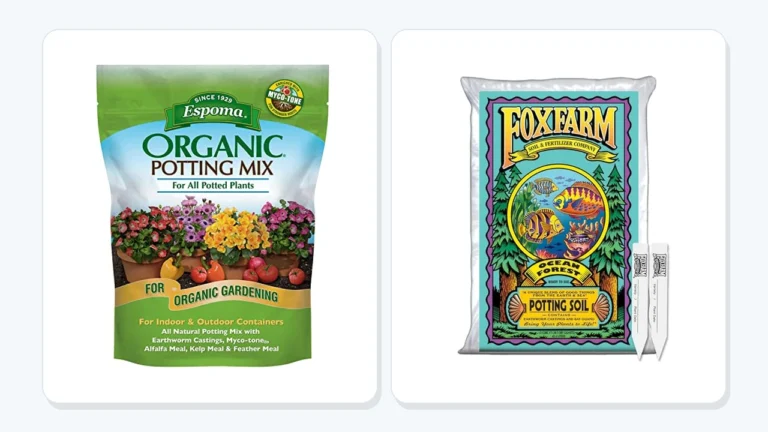
Espoma Vs Dr Earth Potting Soil: Detailed Comparison and Verdict
If you’re weighing Espoma vs Dr Earth potting soil, choose Espoma for a clearly described peat, humus, and perlite blend with several named organic amendments. Choose Dr Earth if you want a potting mix that also has a stated in-ground amendment role, includes Pro-Moisture Hydrate, and carries OMRI listing and MycoApply certification.
Both are intended for indoor and outdoor containers, including herbs, vegetables, flowers, and other container plants. Both also include mycorrhizal fungi, so that feature alone doesn’t separate them.
The more useful differences are the ingredient details and the range of jobs each mix is intended to handle. Espoma names its base materials and added meals; Dr Earth calls out moisture-related additive Pro-Moisture Hydrate, TruBiotic microbes, and several uses beyond filling pots.
For a straightforward container repot, either could fit. The sections below explain what the verified differences mean, where each product has an advantage, and what to check before choosing a bag.
| Organic Potting Soil Mix All Natural Potting Mix | Natural Organic Soils All Purpose Soils Usa All Purpose Potting |
 |
 |
Espoma Vs Dr Earth Potting Soil Detailed Comparison
These are both all-purpose organic potting soils, not products with completely different intended settings. Each is formulated for indoor and outdoor container use and names vegetables, herbs, flowers, and other container plants among its applications.
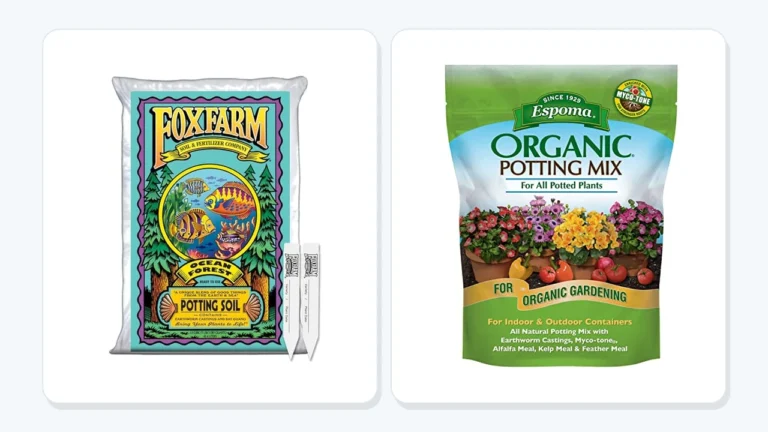
Espoma gives buyers more detail about its ingredients. Its mix includes sphagnum peat moss, humus, and perlite, with earthworm castings, alfalfa meal, kelp meal, and feather meal. That description helps explain the kind of blend you’re bringing home, though it doesn’t give ingredient percentages or establish how the mix will behave in every pot.
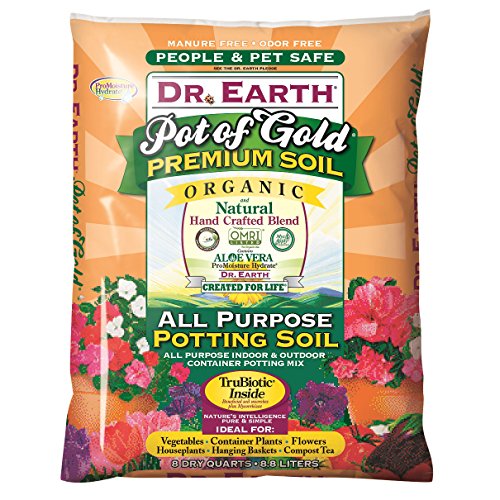
Dr Earth’s description emphasizes a broader set of uses and specific additions rather than naming a comparable base recipe. It includes Pro-Moisture Hydrate and TruBiotic soil microbes, and it is described as suitable for potting, container gardening, and certain in-ground planting and soil-improvement tasks.
That difference matters if you’re choosing soil for a particular routine. For example, a gardener repotting a few kitchen herbs may care most about the ingredients and container use. Someone planning to use the same bag for pots, transplanting, or a soil amendment may value Dr Earth’s wider stated application range.
Neither description establishes that one mix drains faster, feeds plants longer, or needs less frequent watering than the other. Pot size, plant choice, growing conditions, and watering habits all matter, and no ingredient ratios or performance measurements are provided for a direct comparison. Don’t choose based on an assumed difference in drainage or watering frequency.
Key Differences That Matter
1. Ingredient detail versus named additives
Espoma’s named base materials are peat moss, humus, and perlite. Perlite is a familiar lightweight component in potting mixes, while peat and humus form part of the mix’s growing medium. The blend also names castings and alfalfa, kelp, and feather meals as additions.
Dr Earth identifies Pro-Moisture Hydrate and TruBiotic microbes, but the verified product details don’t provide an equivalent ingredient-by-ingredient base formula. That doesn’t mean those ingredients are absent; it means there’s less confirmed information here for comparing the underlying mix. If a specific component matters to you, check the bag’s current ingredient panel before purchase.
The practical takeaway is simple: Espoma gives you more detail for evaluating the mix’s named components, while Dr Earth highlights certain additives and a broader use profile. More ingredient names don’t automatically mean better results, and the available facts don’t establish a winner for every plant.
2. Organic claims and product credentials
Espoma describes its mix as made with natural ingredients and says it uses no synthetic plant foods or chemicals. That may appeal if you’re deliberately trying to avoid synthetic inputs in a container garden.
Dr Earth is OMRI listed and MycoApply certified. It is also described as safe for people and pets. Those are useful points for buyers who prioritize stated product credentials or want that safety claim, but they don’t make the soil edible or remove the need to keep bags and loose mix out of reach of children and animals.
These descriptions aren’t interchangeable certifications or claims. Espoma’s stated approach centers on its natural ingredients and absence of synthetic plant foods or chemicals; Dr Earth’s verified details include two named credentials and a safety statement. If a particular standard is a must-have, verify that the exact product and package carry the mark you’re looking for.
3. Container use versus broader applications
Both products are intended for container planting indoors and outdoors, including herbs, vegetables, flowers, and other container plants. Both can therefore be considered for familiar tasks such as filling a planter or repotting a houseplant.
Dr Earth has a wider list of stated uses. Along with pots, it can be used as an amendment for in-ground planting of trees, shrubs, bare roots, flowers, and vegetables; it is also described for mulching, seed cover, compost use, and clay-soil applications.
Espoma’s verified directions focus on containers, including new plantings and transplanting into larger containers. That makes its intended role easy to understand, but it doesn’t establish that the product cannot be used in other ways. If you’re buying one bag for several different garden jobs, Dr Earth has the clearer stated fit for those additional uses.
4. Mycorrhizae in both mixes
Both products include mycorrhizal fungi, so this isn’t a reliable tie-breaker by itself. Espoma names its proprietary Myco-tone blend of endo and ecto mycorrhizae. Dr Earth includes TruBiotic soil microbes with both ecto and endo mycorrhizae, and its soil is MycoApply certified.
The labels use different names and include different supporting details, but the confirmed overlap is meaningful: both identify endo and ecto mycorrhizae. There’s no verified basis here for claiming one delivers better plant growth or more effective root support. If you’re comparing them, weigh this feature alongside intended use, ingredient preferences, and credentials instead of treating it as a proven performance contest.
Performance, Features, and Everyday Use
For routine potting, start with the plant and container rather than the brand name. Check that the plant is suited to a general-purpose potting mix, then choose a container with the drainage and size it needs. The fact that both soils are all-purpose doesn’t mean every plant has identical growing requirements.
Espoma is described for planting containers and for moving a plant into a larger container. Its ingredient list gives you a clearer picture of the blend before you begin: peat moss, humus, and perlite, plus several named meals and earthworm castings. If you prefer to know more about what is in your potting soil, that specificity is a practical advantage.
Dr Earth is also intended for repotting and container growing, and its broader use list may be convenient if you work across pots and garden beds. Its stated uses include in-ground planting and several soil-related tasks. Still, don’t assume one bag is the right choice for every job simply because it has a long list of applications; match the product to the plants and instructions for the task at hand.
Moisture is worth thinking through before buying. Dr Earth includes Pro-Moisture Hydrate, a named moisture-related additive. That is a point to consider if moisture management is on your mind, but it doesn’t establish how often you’ll water or how the soil compares with Espoma under your particular conditions.
Container size, indoor heat, sunlight, airflow, and plant demand can all change how quickly a pot dries. A small pot near a sunny window may need attention more often than a larger container in a cooler spot, regardless of which of these two mixes you select. Check the soil and the plant rather than relying on an assumed watering schedule from the product name.
Both products include mycorrhizae, but neither fact sheet here gives a measurable comparison of microbe quantity or plant response. Espoma specifies a proprietary Myco-tone blend; Dr Earth identifies TruBiotic and MycoApply certification. Those details can help distinguish the products on paper, not predict a guaranteed result in your garden.
Bag size can affect both convenience and waste. Dr Earth is offered in an eight-quart bag, which gives you a confirmed quantity to plan around for a small container project. No matching Espoma bag size is established here, so compare the package quantity available to you before deciding whether either option covers the job without leaving a partly used bag.
If you garden around pets or people, Dr Earth’s stated safety claim may be reassuring, but ordinary care still makes sense: avoid breathing dust, wash your hands after handling soil, and store unused mix securely. Espoma’s description emphasizes natural ingredients and no synthetic plant foods or chemicals, which is a different kind of decision point rather than a direct safety comparison.
For seed starting, mulching, compost use, or clay-soil applications, Dr Earth has those uses specifically named. That does not mean the soil is the best choice for every seed or soil condition; it means the product is positioned for more than containers. Espoma’s confirmed use guidance is strongest for planting and repotting containers, making it a more straightforward pick when that’s the job you actually need done.
One thing neither product’s verified details settle is how much fertilizer a particular plant will need over time. Espoma’s mix includes several organic meals and castings, but no feeding duration is specified. Dr Earth’s listed features likewise don’t provide a feeding schedule. Follow the plant’s needs and product directions instead of assuming the initial mix will supply everything indefinitely.
Pros and Cons
Organic Potting Soil Mix All Natural Potting Mix
Pros
- ✓Named base ingredients: Peat moss, humus, and perlite make the blend easier to evaluate.
- ✓Several organic additions: Castings and three meals are specifically identified.
- ✓Container flexibility: Suitable for indoor and outdoor pots, including transplanting.
- ✓No synthetic plant foods or chemicals: Fits gardeners seeking that stated formulation.
Cons
- –Narrower stated task list: Buyers wanting one mix for several garden jobs may prefer Dr Earth’s broader uses.
- –No verified bag size here: Check package quantity to avoid buying too little or too much.
- –No feeding timeline stated: Don’t assume the mix replaces future plant nutrition.
Natural Organic Soils All Purpose Soils Usa All Purpose Potting
Pros
- ✓Broader stated applications: Includes pots, in-ground planting, compost use, and other garden tasks.
- ✓Moisture-related additive: Pro-Moisture Hydrate is specifically included.
- ✓Named credentials: OMRI listed and MycoApply certified.
- ✓Confirmed quantity: The eight-quart bag helps with project planning.
Cons
- –Less base-recipe detail: Buyers comparing named ingredients have fewer confirmed details.
- –Many uses may be unnecessary: A container-only gardener may not benefit from the expanded application range.
- –No watering schedule stated: The moisture additive doesn’t establish how often your plants need water.
Which One Should You Buy?
Choose Espoma if you want a container-focused mix with a more transparent list of named ingredients. It suits someone repotting houseplants, filling herb pots, or planting container vegetables who cares about seeing peat moss, humus, perlite, castings, and meals identified. Its guidance also covers both new container plantings and moving a plant into a larger pot.
Espoma is also the better fit if avoiding synthetic plant foods or chemicals is a deciding point, since that is explicitly stated for this product. Just don’t read that as a guarantee that every plant will thrive without additional care or feeding. You’ll still need to consider the plant, its growing conditions, and future nutrition.
Who Should Skip This: Skip Espoma if your main goal is one potting soil with an explicitly broad list of additional jobs, such as in-ground amendment, seed cover, or clay-soil applications. Dr Earth is the more direct match for those stated uses.
Choose Dr Earth if you want a multipurpose option that reaches beyond container gardening. Its stated applications cover indoor and outdoor pots as well as certain in-ground planting and soil-improvement tasks. That breadth can be handy if you’re planning a mixed weekend project rather than buying soil for one planter.
Dr Earth may also suit buyers who value the named OMRI listing and MycoApply certification or want the stated Pro-Moisture Hydrate additive. The eight-quart bag gives you a concrete amount to plan around. If you only need a larger amount, check the package quantity available for your project rather than assuming this size will cover it.
Who Should Skip This: Skip Dr Earth if your top priority is a clearly named base recipe and you don’t need its additional stated applications. Espoma provides more confirmed detail about its core ingredients, so it may be the more comfortable choice for ingredient-focused container gardeners.
Choosing the wrong fit can mean buying more soil than you need or selecting a mix based on an assumption that it will water, drain, or feed plants in a particular way. For a simple repot, either product is a reasonable candidate based on its container use. For multiple garden tasks, Dr Earth’s stated scope is broader; for ingredient transparency, Espoma has the edge.
FAQS About Espoma Vs Dr Earth Potting Soil
Is Espoma or Dr Earth better for indoor plants?
Both are intended for indoor and outdoor container use. Espoma has the more detailed named ingredient list, while Dr Earth includes Pro-Moisture Hydrate and a stated broader range of uses. Choose based on your ingredient preferences and the plant’s needs, not an unverified claim that one performs better indoors.
Which potting soil is better for vegetables and herbs?
Both are described for herbs and vegetables in containers. Dr Earth is also specified for some in-ground vegetable planting, while Espoma’s confirmed directions focus on containers. For either product, check that the mix suits your growing setup and follow the plant’s care requirements.
Do both Espoma and Dr Earth potting soils contain mycorrhizae?
Yes. Espoma names its Myco-tone blend of endo and ecto mycorrhizae; Dr Earth describes TruBiotic microbes with both types and is MycoApply certified. The available details don’t establish that one provides better results.
Can Dr Earth replace Espoma for every gardening job?
Not necessarily. Dr Earth has more additional uses specifically named, but that doesn’t prove it is the right mix for every plant or task. Espoma provides a more detailed base ingredient list and clear container and transplanting uses. Match the soil to the intended job.
Final Verdict: Which One Wins?
Espoma wins for buyers who want a container potting soil with a clearly described ingredient blend and a stated no-synthetic-plant-foods-or-chemicals approach. It’s the more natural fit for ingredient-conscious repotting and container planting.
Dr Earth wins for buyers who want one soil with a broader stated range of garden uses, plus Pro-Moisture Hydrate, OMRI listing, and MycoApply certification. If you’re choosing strictly for a basic indoor or outdoor container, neither has a proven performance advantage here; pick the one whose ingredients, credentials, and intended uses better fit your plans.

I’m Maya L. Greenwood, a lifelong plant lover who believes anyone can grow something beautiful with the right guidance. After years of testing soil mixes, pruning methods, irrigation tricks, and pest-safe solutions, I started EasyGardenTips.com to turn hard-won lessons into step-by-step advice. From seed starting and container gardens to composting and seasonal checklists, my goal is to make gardening simple, sustainable, and fun.