Espoma Vs Black Gold Potting Mix: Detailed Comparison and Verdict
If you’re weighing Espoma vs. Black Gold potting mix, the better pick depends on what you want to know about the blend. Espoma names its main ingredients and added amendments; the Black Gold option emphasizes a peat-based formula, moisture retention, and a bulk format for filling several pots.
Choose Espoma if you want a clearly described mix for indoor or outdoor containers, including herbs and vegetables, with named organic amendments. Choose Black Gold if you want a peat-based option intended for a range of container plants and value buying soil for multiple pots at once.
There’s a practical trade-off: Espoma’s ingredient list gives you more to consider when matching soil to your plants, while Black Gold makes a straightforward case for moisture retention and quantity. Neither description establishes a precise pH, nutrient analysis, or drainage rate, so don’t assume those details.
Below, I’ll compare the blends, how they may fit common potting jobs, and what to check before buying. The goal is a useful choice for your actual planters—not a universal winner that may leave you with the wrong soil or more than you need.
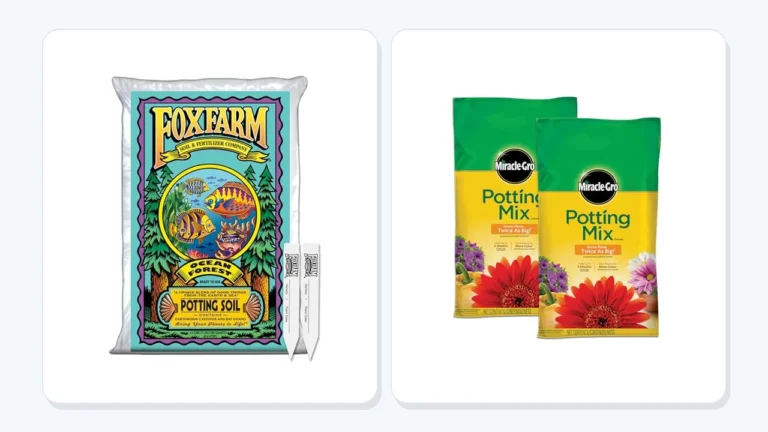
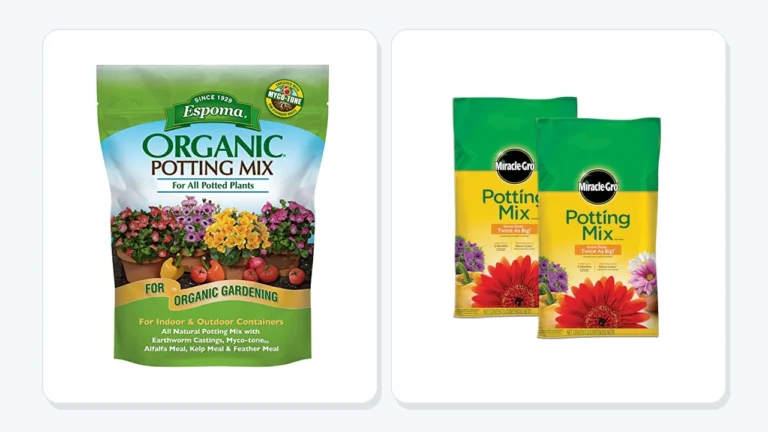
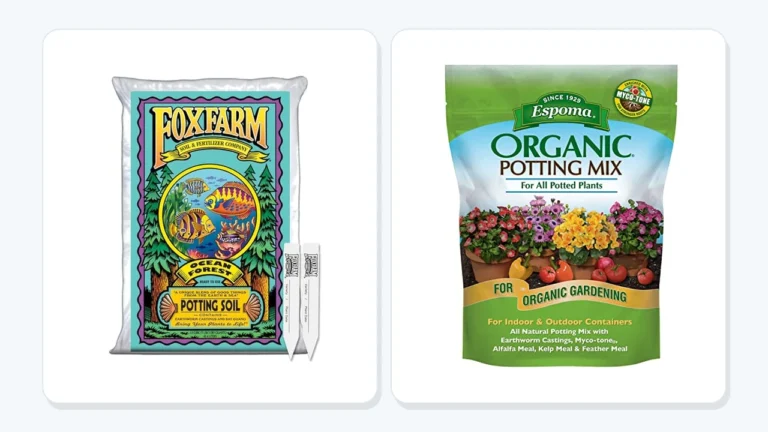
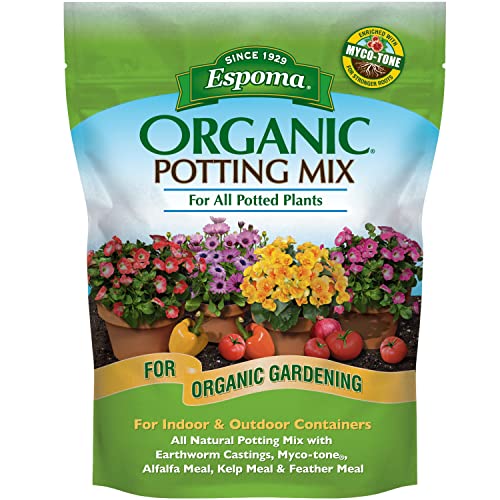
| 8qt. Espoma Organic Potting Soil Mix All Natural Potting Mix | Indoor Use Bulk Potting Soil 16 Qt Organic Material |
 |
 |
Espoma Vs Black Gold Potting Mix Detailed Comparison
The clearest difference is how specifically each mix is described. Espoma is a blend of sphagnum peat moss, humus, and perlite, enriched with earthworm castings, alfalfa meal, kelp meal, and feather meal. It also includes Myco-tone, a proprietary blend of endo- and ecto-mycorrhizae.
Black Gold is described as an organic, peat-based potting mix that retains moisture and is intended for indoor and outdoor containers. That gives you a useful broad picture, but fewer named ingredients to evaluate. It’s also offered in a bulk format intended for multiple pots or a larger planter.
Picture a spring repotting session with a few herb pots, a flowering container, and a houseplant that has outgrown its current home. Espoma’s stated uses and specific blend make it easier to judge whether it fits that mix of jobs. Black Gold may suit the same range of container projects, especially if you’d rather buy a larger quantity in one go.
Those differences don’t prove that one mix will grow every plant better. The descriptions don’t give a measured drainage rate, pH, or nutrient analysis for either product. If your plants have a specific soil requirement, check the package details before choosing, rather than guessing from the word “organic” or “peat.”
Key Differences That Matter
1. Named ingredients versus a broad peat-based description
Espoma’s recipe names several components, not just the base ingredients. Peat moss and humus form part of the blend, perlite is included, and the mix is enriched with castings and plant- and animal-derived meals. That detail can help you decide whether the ingredient profile suits your container-gardening preferences.
Black Gold is described in broader terms: an organic, peat-based mix with moisture-retaining properties. That can be enough if you’re looking for general-purpose potting soil and don’t need to evaluate each amendment. If you specifically want to know whether a particular component is included, inspect the package rather than assuming it’s there.
2. Espoma’s named mycorrhizae blend
Espoma includes Myco-tone, identified as a blend of endo- and ecto-mycorrhizae. These are types of beneficial fungi associated with plant roots. Their presence is a distinguishing feature, but it isn’t a guarantee of a particular growth result; plant health still depends on the plant, its growing conditions, and suitable care.
No equivalent mycorrhizae detail is established for Black Gold. That doesn’t prove the product lacks them. It means you shouldn’t choose between the two on the assumption that one contains an ingredient that hasn’t been confirmed.
3. Moisture emphasis and the role of perlite
Black Gold is specifically described as retaining moisture efficiently. That may appeal if you prefer a mix intended to hold hydration between waterings, though it doesn’t tell you exactly how often a particular pot will need water. Pot size, plant type, room conditions, and drainage all matter.
Espoma includes perlite along with peat moss and humus. Perlite is commonly used in potting mixes to help create air space, but its presence alone doesn’t establish the finished mix’s drainage speed or how quickly a pot will dry. If a plant is sensitive to wet roots, check its care needs and the container’s drainage holes before relying on either product.
4. Package planning and intended uses
Espoma’s package is identified as eight quarts, which gives you a volume to use when estimating how much soil a small repotting project needs. Black Gold is presented as a bulk format for multiple pots or larger planters. Its product name gives a quart figure, while the bag information is expressed by weight; those measurements aren’t interchangeable without knowing the mix’s volume and density.
Both are intended for indoor and outdoor containers, with use spanning houseplants, flowers, and vegetables. Espoma also specifically names herbs and says it can be used when planting or transplanting. For a larger job, compare the actual amount of mix you need with the package quantity shown on the bag before you buy.
Performance, Features, and Everyday Use
For a new pot or a transplant, start with the plant rather than the bag. Check whether it needs a moisture-retentive mix, whether its roots are sensitive to sitting wet, and whether the container drains freely. A suitable potting mix can’t compensate for a planter with no drainage or a watering routine that keeps the root zone soaked.
Espoma is an easy fit to consider if you want a named organic ingredient blend for varied container planting. Its stated uses include vegetables, herbs, flowers, and other container plants, indoors or outdoors. The named amendments may also help you compare it with a plant’s care requirements, but they don’t replace any specific fertilizer plan your plant may need.
The mix contains no synthetic plant foods or chemicals. That’s relevant if you’re choosing an organic potting soil and want to avoid those inputs in the mix. It doesn’t mean every plant will get all the nutrition it needs indefinitely; growing plants may still need an appropriate feeding routine.
Black Gold’s moisture-retention emphasis may work for a gardener who wants a peat-based mix for general container use. It’s also intended for a range of plants, including houseplants, vegetables, and flowers. Treat “retains moisture” as a characteristic to factor into watering—not a promise that your pots will stay hydrated for a fixed number of days.
That distinction matters in a sunny outdoor planter and in a low-light room. The same soil can dry at different rates depending on exposure, temperature, pot size, and plant growth. Check the soil before watering, and adjust to the plant’s needs instead of following a rigid schedule based on the mix name.
Bulk purchasing can be convenient if you’re filling several pots in one session. It can also be awkward if you only need enough for one small transplant or don’t have a dry place to store leftover soil. Compare the bag’s stated quantity with your project, and remember that weight doesn’t tell you exactly how many pots it will fill.
For either mix, handle dry soil carefully. Black Gold’s safety guidance calls for avoiding dust inhalation and keeping the product away from children and pets. That’s a sensible precaution during filling and cleanup: work gently to limit airborne dust, and put unused soil where curious hands and animals can’t reach it.
Neither product description establishes a pH range, a quantified fertilizer analysis, or a precise drainage rating. Those details may matter if you’re growing a plant with narrow soil preferences. If that’s your situation, verify the information on the package or choose a mix whose confirmed specifications match the plant, rather than trying to infer them from the ingredient list.
Pros and Cons
8qt. Espoma Organic Potting Soil Mix All Natural Potting Mix
Pros
- ✓Named blend: Makes the main ingredients and amendments easier to evaluate.
- ✓Broad container use: Suits stated indoor and outdoor planting, including herbs and vegetables.
- ✓Myco-tone included: Identifies a blend of endo- and ecto-mycorrhizae.
Cons
- –Smaller package: Eight quarts may not cover a large planting session.
- –Specific soil details aren’t established: Check pH and nutrient needs if your plants require them.
Indoor Use Bulk Potting Soil 16 Qt Organic Material
Pros
- ✓Bulk format: Suits buyers preparing soil for several pots or a larger planter.
- ✓Moisture focus: Peat-based formula is described as retaining moisture.
- ✓Range of container uses: Intended for houseplants, vegetables, and flowers indoors or outdoors.
Cons
- –Fewer named blend details: Buyers seeking specific amendments should verify the package ingredients.
- –Moisture needs vary: Retention doesn’t set a watering schedule for every plant or pot.
Which One Should You Buy?
Choose Espoma if you’re repotting a few different kinds of plants and want a mix with a clearly described ingredient profile. It’s especially worth considering when you want organic inputs and value knowing that the blend includes perlite, earthworm castings, alfalfa meal, kelp meal, feather meal, and Myco-tone. Its eight-quart size is a practical quantity to consider for smaller jobs, though you’ll want to calculate your needs before starting.
Who Should Skip This: Skip Espoma if you need a larger quantity for many pots and don’t want to manage multiple small packages. Also look elsewhere if your plant needs a confirmed pH or nutrient specification that you can’t verify for this mix.
Choose Black Gold if you’re preparing several container plants or a larger planter and want a bulk-format soil. Its peat-based, moisture-retaining description may fit a general-purpose container project, and it’s intended for indoor and outdoor use. Before committing, confirm the quantity you’ll receive in the unit that matters for your project; weight and volume aren’t the same measure.
Who Should Skip This: Skip Black Gold if you need a detailed list of named amendments to match a specific growing plan and can’t confirm those ingredients. It may also be a poor practical fit if you only need a small amount and would have nowhere suitable to keep the remainder.
Choosing by the wrong priority can be frustrating. A bulk bag may leave you with more soil than you can use, while a smaller package can mean running short during a multi-pot session. Likewise, choosing a moisture-retentive mix for a plant that needs different conditions won’t solve the issue by itself; check the plant’s needs, your pot’s drainage, and your watering habits first.
FAQS About Espoma Vs Black Gold Potting Mix
Is Espoma or Black Gold better for indoor plants?
Both are intended for container use indoors. Espoma gives more detail about its ingredients and includes Myco-tone; Black Gold emphasizes a peat-based mix that retains moisture. Match the choice to your plant’s care needs and your preference for ingredient detail.
Which mix is better for vegetables and herbs?
Espoma specifically names vegetables and herbs among its uses. Black Gold is described for vegetables and other container plants, but herbs aren’t specifically named in the confirmed uses. For either option, check the plant’s soil and feeding requirements before planting.
Does Black Gold hold more water than Espoma?
Black Gold is described as retaining moisture, but there’s no measured comparison showing that it holds more water than Espoma. Espoma contains peat moss and humus, but the available details don’t establish how the finished mixes compare in water retention.
Can I use either potting mix outdoors?
Yes. Both are intended for indoor and outdoor container use. Espoma also names flowers, vegetables, herbs, and other container plants; Black Gold is described for houseplants, vegetables, and flowers. Outdoor watering needs will depend on weather, pot size, and plant type.
Final Verdict: Which One Wins?
Espoma wins for ingredient transparency and smaller, varied repotting jobs. Its named components, organic formulation, and stated uses make it easier to assess if you want to know what’s in your potting soil.
Black Gold wins for a bulk-format purchase and a peat-based mix with an explicit moisture-retention focus. It’s a sensible option for several containers if the quantity suits your project and the plant’s needs align with that moisture emphasis.
There isn’t a universal winner: pick Espoma when the specific blend matters more, and Black Gold when buying soil for multiple pots is the priority. For plants with narrow pH, nutrient, or drainage requirements, verify those details before either purchase.

I’m Maya L. Greenwood, a lifelong plant lover who believes anyone can grow something beautiful with the right guidance. After years of testing soil mixes, pruning methods, irrigation tricks, and pest-safe solutions, I started EasyGardenTips.com to turn hard-won lessons into step-by-step advice. From seed starting and container gardens to composting and seasonal checklists, my goal is to make gardening simple, sustainable, and fun.