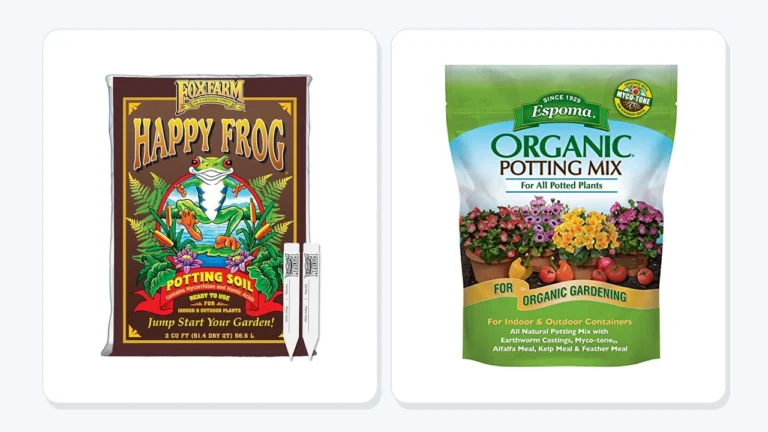
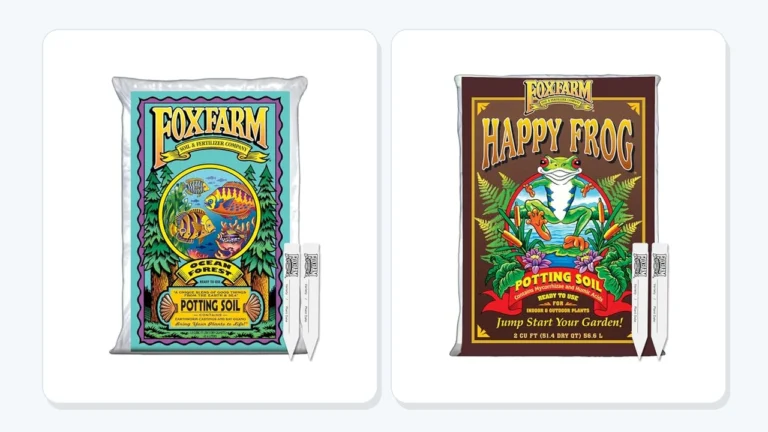
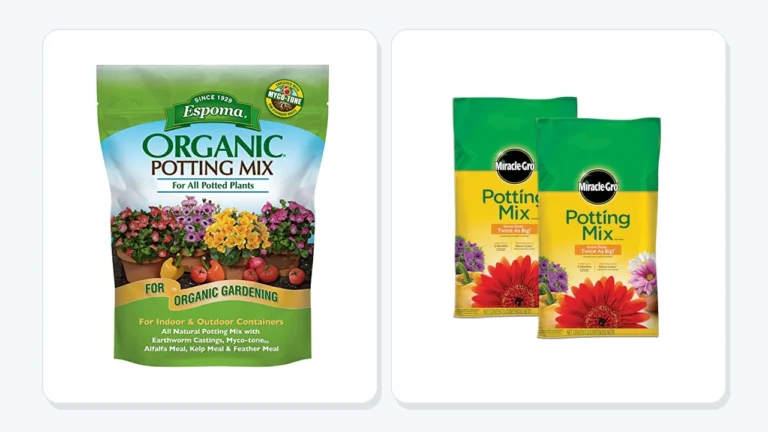
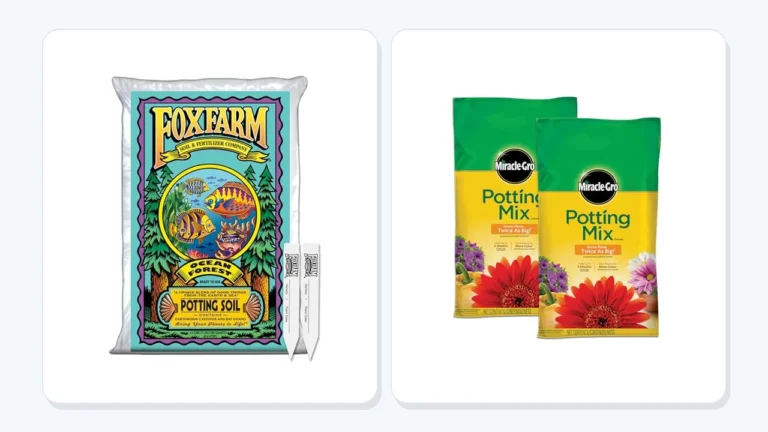
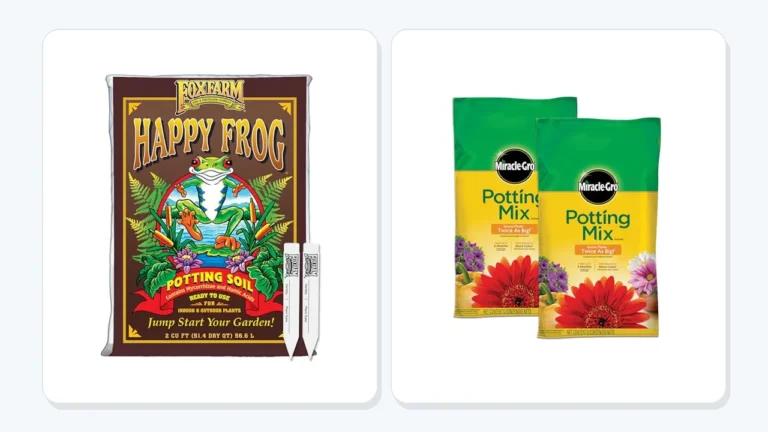
Foxfarm Ocean Forest Vs Espoma Potting Mix: Detailed Comparison And
If you’re comparing foxfarm ocean forest vs espoma potting mix, the best choice depends mainly on how much soil you need and whether you want a mycorrhizae blend. FoxFarm’s 1.5-cubic-foot bag is the clear volume choice, while Espoma’s 8-quart bag is easier to manage for a few containers, herbs, or houseplants.
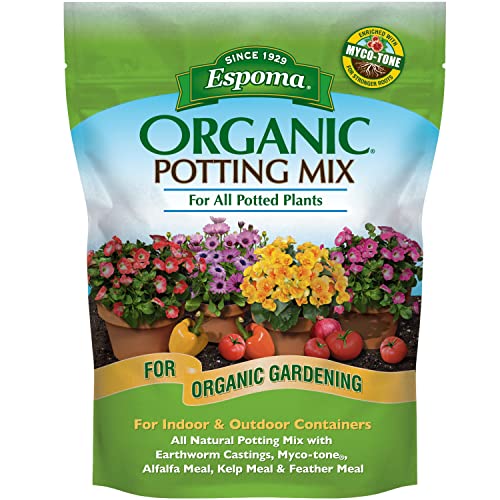
The formulas also take different approaches. FoxFarm lists aged forest products, sphagnum peat moss, perlite, sandy loam, and fertilizer derived from fish meal, crab meal, shrimp meal, earthworm castings, and oyster shell. Espoma lists peat moss, humus, perlite, earthworm castings, alfalfa meal, kelp meal, feather meal, and its proprietary Myco-Tone blend of endo and ecto mycorrhizae.
Choose FoxFarm if you’re filling several pots, starting multiple plants, or want a ready-to-use mix in a large bag. Choose Espoma if you’re repotting a smaller number of plants and specifically want a mix that includes mycorrhizae and uses no synthetic plant foods or chemicals, according to its listing.
This comparison breaks down capacity, ingredients, drainage, moisture handling, planting uses, setup, and the consequences of buying too much or too little. The short version is simple: FoxFarm wins for quantity and broad planting coverage; Espoma is the more manageable pick for smaller container projects and buyers who prioritize its listed organic formulation.
| 1.5cu Ft Light Aerated Texture | 8qt. Bag. Pack of 1 |
 |
 |
Foxfarm Ocean Forest Vs Espoma Potting Mix Detailed Comparison
These are both general-purpose container mixes, but they are sold for very different shopping situations. The FoxFarm product is listed as 1.5 cubic feet, while the Espoma product is an 8-quart bag. Using the standard conversion of 1 cubic foot to about 25.7 quarts, FoxFarm contains roughly 38.5 quarts of material—close to five times the listed volume of Espoma.
That difference changes the buying decision before ingredients even enter the discussion. If you need to fill a few large containers, FoxFarm reduces the chance of running out halfway through the job. If you only need soil for one or two modest pots, Espoma’s smaller package may be less awkward to store and handle.
FoxFarm describes its texture as light and aerated. Its listed ingredients include perlite and sandy loam, alongside aged forest products and peat moss. Perlite creates air spaces, while sandy loam is identified in the listing as supporting drainage. Those details point toward a mix designed to balance moisture retention with drainage rather than acting like dense garden soil.
Espoma also lists perlite and sphagnum peat moss, plus humus. That combination is intended for indoor and outdoor containers, including vegetables, herbs, flowers, and other potted plants. The listing does not provide a measured drainage rate, particle-size breakdown, pH, or water-holding percentage, so neither product should be judged by made-up performance numbers.
The nutrient ingredients are not identical. FoxFarm lists fertilizer sources including fish meal, crab meal, shrimp meal, earthworm castings, and oyster shell. Espoma lists earthworm castings, alfalfa meal, kelp meal, and feather meal, along with Myco-Tone. Neither listing supplies a guaranteed analysis or a schedule showing exactly how much nutrition a plant receives over time.
Here’s a practical example. Suppose you’re transplanting six tomato seedlings into outdoor containers. FoxFarm’s large bag gives you substantially more material for multiple pots and is listed for seedlings and container gardens. Espoma is also listed for vegetables and container plants, but an 8-quart bag may be better suited to a smaller planting session unless you already have additional soil.
For houseplants, the decision is less about one mix being universally better and more about scale. A person repotting one pothos or a couple of herbs may appreciate Espoma’s smaller package. Someone refreshing a plant shelf, balcony containers, and several outdoor pots may prefer FoxFarm’s larger supply.
Key Differences That Matter
1. Bag size and project scale
The biggest verified difference is capacity. FoxFarm provides 1.5 cubic feet, and Espoma provides 8 quarts. That makes FoxFarm the practical choice for larger jobs, while Espoma is easier to match to a small project.
More volume is helpful when you are filling multiple containers because the soil level can vary from pot to pot. Running short can leave a plant underfilled, force an unplanned store trip, or lead you to combine products without knowing how their textures and ingredients will interact.
The trade-off is storage. A 1.5-cubic-foot bag takes noticeably more room than an 8-quart bag, and moving it may be less convenient. The supplied listing does not verify either bag’s shipping weight, so I would not assume one is easier to lift based only on the volume.
2. Ingredient profile and plant-support approach
FoxFarm’s listed blend includes aged forest products, sphagnum peat moss, perlite, sandy loam, and fertilizer. Its fertilizer sources include fish meal, crab meal, shrimp meal, earthworm castings, and oyster shell. The product is presented as ready for planting without additional ingredients.
Espoma lists sphagnum peat moss, humus, and perlite, enriched with earthworm castings, alfalfa meal, kelp meal, and feather meal. It also includes Myco-Tone, described in the listing as a proprietary mixture of endo and ecto mycorrhizae.
That does not mean one formula automatically suits every plant better. It means the formulas emphasize different listed inputs. Buyers who specifically want mycorrhizae included have a clear reason to choose Espoma. Buyers who want FoxFarm’s stated combination of forest products, sandy loam, and several marine- and shell-derived fertilizer sources may prefer FoxFarm.
3. Moisture retention and aeration
Both products list peat moss and perlite. Peat moss is commonly used in container mixes for moisture retention, while perlite helps create pore space. The FoxFarm listing also names aged forest products as helping retain moisture and sandy loam as providing drainage properties.
Those ingredients matter because container plants do not have the same drainage buffer as plants in open ground. A pot that holds water too long can create a difficult environment for roots, while a mix that dries too quickly can demand frequent monitoring. Still, the listing does not provide exact ratios, so you cannot responsibly predict identical watering intervals for every pot and location.
Espoma’s inclusion of humus adds another organic component, but the supplied product information does not quantify its proportion or state how it compares with FoxFarm’s aged forest products. Treat both mixes as complete container products, then adjust watering based on pot size, plant type, light, temperature, and drainage holes.
4. Organic positioning and synthetic inputs
Espoma’s listing specifically says no synthetic plant foods or chemicals are used. That is a meaningful buying point for shoppers seeking the product’s stated organic gardening approach.
FoxFarm lists fertilizer derived from natural materials such as fish meal, crab meal, shrimp meal, earthworm castings, and oyster shell. The supplied listing does not make the same “no synthetic plant foods or chemicals” statement for this product, so I would not treat the two labels as interchangeable.
If a particular certification, allowed-input standard, or gardening program matters to you, check the current bag and listing before buying. The supplied information does not verify a certification for either product, and a general organic-sounding ingredient list is not the same thing as a confirmed certification.
Performance, Features, and Everyday Use
Using FoxFarm for larger planting jobs
FoxFarm’s 1.5-cubic-foot format is built for buyers who need a meaningful amount of mix at once. It is listed for container gardens, houseplants, trees, shrubs, roses, seedlings, and plant starts. That range makes it a flexible option if your planting list includes more than one type of container project.
The “ready for immediate use” detail is useful for shoppers who do not want to calculate amendments before planting. You can open the bag and use the mix as supplied. That does not mean every plant will need the same care afterward; established plants may still require regular watering and feeding according to their needs.
The inclusion of two plant tags is a small but practical extra. Tags can help you record a variety or planting date, especially when starting several seedlings. They are not a substitute for a plant-care system, but they can prevent the familiar problem of forgetting which container holds which variety.
Because FoxFarm comes in a large bag, plan the job before opening it. Have clean containers, drainage holes, a scoop, and a place to protect the bag from weather. The supplied data does not verify resealing features, so do not assume the opened package will store neatly without your own container or secure covering.
Using Espoma for smaller containers and edible plants
Espoma’s 8-quart size fits a more contained planting session. It is listed for indoor and outdoor containers, herbs, vegetables, flowers, and other container plants. That makes it a reasonable match for a kitchen herb planter, a few houseplants, or a small balcony setup.
The smaller bag can also limit leftover material. That matters if you live in an apartment, keep only a handful of plants, or do not have a dry storage area. The trade-off is straightforward: an 8-quart bag may not go far when filling large planters or several deep containers.
Espoma’s Myco-Tone blend is the most distinctive listed feature. Buyers looking for a mix that already includes endo and ecto mycorrhizae do not need to add a separate product simply to obtain that listed ingredient. However, the product information does not provide a measured amount, organism list, or guarantee that every plant will show a noticeable difference.
Like FoxFarm, Espoma is a complete potting mix rather than plain garden dirt. Use it in containers with appropriate drainage. A good mix cannot compensate for a pot with no drainage opening, a saucer that stays full of water, or watering on a fixed schedule without checking the soil and plant.
Watering and maintenance expectations
Neither listing gives an exact watering schedule, and that is appropriate because container conditions vary widely. A small pot in a sunny window may dry faster than a large outdoor planter in cool weather, even when both use the same bagged mix.
Check the container and plant rather than watering by the calendar alone. Make sure excess water can leave the pot, and avoid treating peat-based mixes like a permanent substitute for attentive care. If the surface dries while the lower portion remains wet, the issue may involve pot size, drainage, or watering technique rather than the brand alone.
Both products contain organic ingredients, but the listings do not verify a guaranteed nutrient duration. Do not assume a single planting will be fed for an entire season. Watch the plant and follow the care guidance appropriate to its species before adding fertilizer.
What the listings do not verify
There is no supplied rating, review count, pH value, guaranteed analysis, bag weight, particle-size chart, or independent lab testing for either product. Those missing details are not proof of a defect. They simply mean you should not choose based on numbers that were never provided.
If your plant has a narrow soil requirement—such as a very specific pH range, mineral blend, or coarse texture—check the current package and manufacturer information before ordering. This comparison can identify the verified differences, but it cannot replace a species-specific growing guide.
Pros and Cons
1.5cu Ft Light Aerated Texture
Pros
- ✓Large capacity: Approximately 38.5 quarts supports several containers or larger planting projects.
- ✓Listed for seedlings: Useful for buyers starting plants and transplanting them into containers.
- ✓Ready to use: No additional ingredients are required according to the listing.
- ✓Plant tags included: Helps identify varieties and planting dates.
Cons
- –Large package: More material than a small houseplant project may need.
- –No verified pH or analysis: Specialized growers must check current product information.
- –More storage planning: Leftover mix needs a dry, protected place.
8qt. Bag. Pack of 1
Pros
- ✓Manageable quantity: Fits smaller indoor, balcony, herb, and container projects.
- ✓Myco-Tone included: Provides the listed endo and ecto mycorrhizae blend.
- ✓No synthetic plant foods or chemicals: Matches the listing’s stated organic approach.
- ✓Broad container use: Listed for herbs, vegetables, flowers, and indoor or outdoor plants.
Cons
- –Limited volume: May require multiple bags for large planters or many containers.
- –No verified nutrient duration: Feeding needs still depend on the plant and growing conditions.
- –No supplied pH data: Buyers with specialized plants should confirm compatibility.
Which One Should You Buy?
Buy FoxFarm if you need soil for several pots, multiple seedlings, or a mix of indoor and outdoor containers. The 1.5-cubic-foot bag is the practical advantage here. It gives you far more material than Espoma’s 8-quart package, and the listing specifically includes use for seedlings, houseplants, container gardens, trees, shrubs, and roses.
FoxFarm also fits the buyer who wants to plant immediately without sourcing perlite, peat moss, or other ingredients separately. Its listed aerated texture, perlite, and sandy loam are relevant if you want a ready-made container medium that addresses both air space and drainage. They do not guarantee perfect results in every pot, so drainage holes and watering habits still matter.
Who Should Skip This: Skip the FoxFarm bag if you only need a small amount for one or two modest containers and have limited storage. You may end up managing a large leftover supply when Espoma’s 8-quart size better matches the project.
Buy Espoma if you are repotting a few houseplants, planting herbs, filling a small vegetable container, or working in a space where a large bag is inconvenient. Its 8-quart size is easier to match to a short project, and the formula includes the listed Myco-Tone blend for buyers who specifically want mycorrhizae in the mix.
Espoma is also the clearer choice if the stated absence of synthetic plant foods or chemicals matters to your shopping criteria. That statement comes from the supplied listing. It should not be stretched into a certification claim, and buyers with formal organic requirements should verify the current packaging.
Who Should Skip This: Skip Espoma if you are filling many large pots or starting a substantial garden project. An 8-quart bag may leave you short, creating extra purchases and potentially mixing products with different textures or ingredient profiles.
The wrong choice is usually a quantity mismatch, not a dramatic formula failure. Buying FoxFarm for a tiny project can mean unnecessary storage. Buying Espoma for a large planting job can mean repeated bags and interruptions. Match the package to the number and size of your containers first, then use the ingredient differences to break the tie.
FAQS About Foxfarm Ocean Forest Vs Espoma Potting Mix
Which has more soil, FoxFarm Ocean Forest or Espoma Potting Mix?
FoxFarm has more. Its listing provides 1.5 cubic feet, which equals approximately 38.5 quarts using the standard conversion. Espoma provides 8 quarts, so FoxFarm is roughly 4.8 times larger by listed volume.
Is FoxFarm or Espoma better for seedlings?
FoxFarm is specifically listed for seedlings and plant starts. Espoma is listed for new plantings, transplanting, vegetables, herbs, flowers, and other containers. For a large seed-starting or transplanting project, FoxFarm’s capacity is the practical advantage.
Does Espoma Potting Mix contain mycorrhizae?
Yes. The supplied Espoma listing identifies Myco-Tone as a proprietary blend of endo and ecto mycorrhizae. The FoxFarm information supplied here does not list mycorrhizae as an ingredient.
Which mix is better for indoor plants?
Both are listed for indoor container use. Espoma may fit better when you are repotting only a few houseplants because its bag is smaller. FoxFarm may be the better choice for a large plant collection or multiple containers.
Can either mix be used for herbs and vegetables?
Yes. Espoma is specifically listed for herbs, vegetables, and other container plants. FoxFarm is listed for container gardens and seedlings. Use suitable containers with drainage and follow the care requirements of each plant.
Final Verdict: Which One Wins?
FoxFarm wins for quantity, larger planting jobs, and buyers who want a ready-to-use mix for multiple container types. Its 1.5-cubic-foot bag is the decisive advantage when you are filling several pots, starting many seedlings, or refreshing a larger collection of plants.
Espoma wins for smaller projects, easier storage, and shoppers who specifically want its listed Myco-Tone blend and no-synthetic-plant-food approach. Choose it for a few houseplants, herbs, or vegetables when 8 quarts is enough. Neither product is the universal winner; the right purchase is the one whose volume and listed formula match your actual planting job.

I’m Maya L. Greenwood, a lifelong plant lover who believes anyone can grow something beautiful with the right guidance. After years of testing soil mixes, pruning methods, irrigation tricks, and pest-safe solutions, I started EasyGardenTips.com to turn hard-won lessons into step-by-step advice. From seed starting and container gardens to composting and seasonal checklists, my goal is to make gardening simple, sustainable, and fun.