Ryobi 40v Leaf Blower Review: Features, Pros, Cons, and Buyer Advice
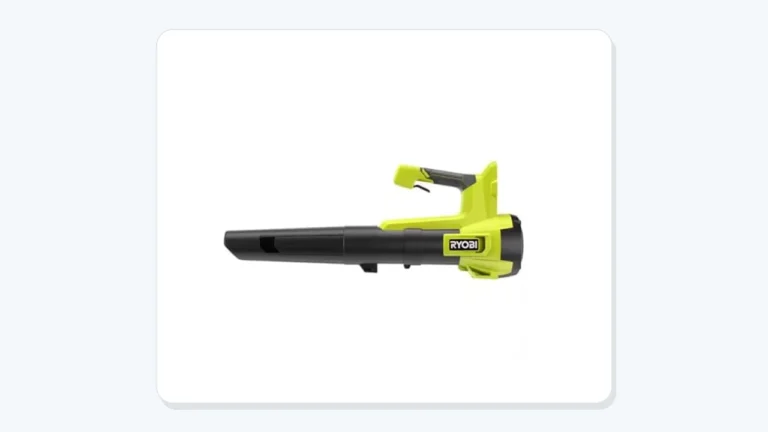
The RYOBI 40V HP Brushless Whisper Series 160 MPH 650 CFM is a cordless handheld leaf blower for homeowners who want to clear everyday yard debris without managing a power cord. It’s most appealing if you already own compatible RYOBI 40V batteries.
Its 650 CFM airflow and 160 MPH airspeed describe two useful parts of the job: how much air it moves and how fast that air travels. Those figures give you a way to judge whether it fits your yard, though they don’t tell you how long it will run on a particular battery.
The main trade-off is that this is a tool-only listing, so the battery and charger aren’t included. If you’re starting from scratch, that extra purchase—and the question of which battery suits your workload—belongs in the decision.
Below, you’ll find what the specifications mean in practice, which jobs this blower appears suited to, what to check before buying, and when a higher-output model or a different kind of blower may make more sense.
RYOBI 40V HP Brushless Whisper Series 160 MPH 650 CFM

Features and Specifications
The core specifications point to a handheld blower intended for routine property cleanup. They’re useful for comparing models, but they aren’t a promise of a particular runtime or a guarantee that every pile of leaves will move easily.

- 40V battery platform: This blower runs on RYOBI’s 40V system, which can be convenient if you already have compatible batteries. The listing is tool-only, so you’ll need to supply a battery and charger or buy them separately.
- 650 CFM airflow: CFM means cubic feet per minute, a measure of the volume of air moved. That high airflow figure is relevant when you’re trying to shift loose leaves across a lawn or clear debris from a broader area.
- 160 MPH airspeed: MPH describes how fast the air travels. It helps indicate the blower’s ability to push stubborn or damp material, but the number alone doesn’t explain how much air reaches a particular spot or how easily a pile will move.
- Brushless motor: Brushless describes the motor type. It identifies a design that avoids traditional motor brushes; it doesn’t, by itself, establish a specific runtime, service life, or amount of power delivered.
- Whisper Series: This is part of the product’s series name. The listing extract doesn’t provide a decibel rating, so don’t assume a particular noise level or that hearing protection won’t be needed.
For a quick comparison, airflow and airspeed are best read together. Airspeed is about the force of the moving stream; airflow is about its volume. A high figure in one category doesn’t automatically make a blower better for every task.
The listing doesn’t give a battery size, runtime, tool weight, charging time, or decibel measurement. Those details matter to comfort and planning, so look them up for the exact package or battery you intend to use rather than relying on guesses.
Everyday Use and Performance
For routine yard work, this blower’s published output suggests a fit for moving loose leaves off a driveway, clearing grass clippings from a walkway, and tidying a patio after mowing. Those are expectations based on the stated airflow and airspeed, not results from a hands-on test.

On a larger lawn, 650 CFM may be useful when you want to gather scattered leaves into manageable piles. How well that works will depend on the debris, its moisture, the surface, and the battery powering the tool. Wet leaves that have settled into grass can take more effort than dry leaves on pavement.
Think about the specific cleanup that annoys you most. Blowing a thin layer of dry leaves from a driveway is a different job from clearing packed debris out of dense ground cover. A blower’s headline numbers don’t erase that difference.
What the numbers can’t tell you
Neither 160 MPH nor 650 CFM tells you how long the blower runs per charge. Runtime depends in part on the battery used and how demanding the work is, and the supplied listing provides no runtime figure. If you have a large property or want to finish a long cleanup in one go, check the battery options and plan for the possibility of needing a spare.
The same caution applies to noise. “Whisper Series” is in the product name, but there’s no verified decibel figure here to compare with a gas blower or another cordless model. If noise is a deciding factor, look for a measured rating for this exact model.
For short cleanup sessions, cordless operation can spare you from routing an extension cord around shrubs, steps, and parked cars. That convenience is strongest when you already have a compatible charged battery nearby; with a tool-only purchase and no battery, you’ll have one more item to sort out before the first use.
Design, Fit, and Setup
As a handheld blower, this model is meant to be guided by the person using it rather than rolled along the ground. That format can make sense for moving between a driveway, walkway, and garden edge, but comfort depends on the tool’s weight and balance. The provided listing doesn’t state either, so check those details if arm fatigue is a concern.
Setup starts with the battery. Because the listing is marked tool-only, confirm whether you own a compatible RYOBI 40V battery and charger before ordering. If you’re buying a battery separately, check the exact battery and tool compatibility information rather than assuming that every pack in a brand’s lineup fits every product.
Before your first cleanup
- Check the package contents: Confirm whether you’re buying the bare tool or a bundle. This listing identifies the blower as tool-only, so don’t budget on receiving a battery and charger.
- Check battery availability: If you don’t have a compatible pack, account for buying one. For longer sessions, consider whether you’ll want another charged battery ready.
- Check the practical details: Look up the exact model’s weight, dimensions, operating instructions, and noise information before purchase if those affect your storage, comfort, or neighborhood needs.
- Read the manual before use: Follow the manufacturer’s instructions for battery handling, operation, and cleanup. Keep debris away from people, pets, and open doors or windows.
There isn’t enough product information in the listing extract to make claims about included nozzle attachments, speed controls, or maintenance requirements. If a particular feature matters to you, verify it against the exact package and manual instead of assuming it’s included because another blower has it.
For storage, think about where the tool and battery will live between jobs. A cordless blower avoids cord storage, but the listing doesn’t provide dimensions, so measure your available shelf or wall space if you have a tight garage or shed.
What Works Well (pros)
- Useful output figures for comparison: The stated 650 CFM and 160 MPH give you concrete airflow and airspeed numbers to compare with other handheld blowers.
- Cordless convenience: The 40V battery platform means there’s no extension cord to move around during a cleanup, provided you have a compatible charged battery.
- Potentially easier to justify if you own the platform: Existing RYOBI 40V owners may be able to add the tool without starting a battery-and-charger setup from zero. Check compatibility first.
- Brushless motor design: The motor type is clearly identified, which helps distinguish this model from blowers that use a brushed motor. It’s a useful specification, though it doesn’t establish a particular runtime or lifespan.
The strongest practical case is for a buyer who wants a cordless yard tool and can put an existing battery to work. If you’re evaluating it as a complete kit, the tool-only detail changes the math: you’ll need to account for the battery and charger as well.
Where It Falls Short (cons)
- Battery and charger aren’t included: A first-time RYOBI 40V buyer must source both separately or find a bundle. That adds cost and means the tool isn’t ready to use straight out of this tool-only box.
- No verified runtime information in the listing: Buyers with a large yard can’t use the provided details to estimate how many minutes a charge will last. Battery choice and work conditions will matter.
- Limited information about comfort and noise: The available data doesn’t give the tool’s weight, a decibel rating, or operating details such as available speed settings. If you need to manage arm strain, noise, or precise control, verify those points before buying.
These are purchase checks, not claims that the blower has a defect. The listing simply leaves some practical questions unanswered, and they may matter more to someone working for an hour than to someone clearing a short path after mowing.
Who Should Buy It?
This blower is a reasonable candidate for homeowners who already use compatible RYOBI 40V equipment and want a cordless tool for regular cleanup. A driveway, patio, walkway, or typical yard can make a more natural fit than a property where heavy debris-clearing is a daily job.
It may also suit someone who values not having an extension cord trailing through the work area. If your cleanup is brief and you already have a charged battery, the tool-only format may be less of a hurdle than it is for a new buyer.
Check these before ordering
- Do you own a compatible RYOBI 40V battery and charger?
- Does the stated 650 CFM and 160 MPH output suit the debris and area you need to clear?
- Can you find a runtime estimate for the battery you plan to use, or would an additional battery help with longer sessions?
- Are the exact tool’s weight, noise information, and included parts acceptable for your needs?
If you can answer those questions comfortably, the model’s published specifications give you a sensible basis for considering it. If you can’t, pause and verify the missing details; the “Whisper Series” name alone doesn’t settle noise, and a 40V label alone doesn’t tell you how long a cleanup will take.
Who Should Skip It?
Skip this tool-only blower if you need a complete, ready-to-use kit and don’t already own a compatible RYOBI 40V battery and charger; choose a battery-and-charger bundle instead. That’s a practical fit issue, not a judgment about the blower’s output.
It may also be the wrong match if your work regularly involves a large area, dense debris, or long sessions and you need more output or a runtime figure you can plan around. The optional RYOBI 40V HP Brushless Whisper Series 180 MPH 800 CFM listing offers higher stated airspeed and airflow—180 MPH and 800 CFM—so it’s worth comparing if you want those higher published figures. Those numbers alone still don’t establish runtime or guarantee a better result for every yard.
If a measured noise level or a particular ergonomic detail is essential, don’t buy based on the series name or assume a handheld tool will feel comfortable for a long session. Find reliable specifications for the exact model first, or consider a different blower type that better fits your work and comfort needs.
FAQs About RYOBI 40V HP Brushless Whisper Series 160 MPH 650 CFM
Does this listing include a battery and charger?
No. The listing identifies this as a tool-only blower, so a battery and charger aren’t included. Check the package details before purchase.
What do 160 MPH and 650 CFM mean?
160 MPH is the stated airspeed, while 650 CFM is the stated volume of air moved per minute. Together, they help you compare output, but they don’t predict performance on every kind of debris.
How long does it run on a charge?
The provided listing doesn’t state a runtime. It will depend partly on the battery and the work, so check for an estimate tied to the exact battery you plan to use.
Is it quiet because it’s in the Whisper Series?
The product name includes “Whisper Series,” but the available listing information doesn’t provide a decibel rating. Look for a measured noise specification if that’s important to your purchase.
Final Verdict: Is It Worth Buying?
The RYOBI 40V HP Brushless Whisper Series 160 MPH 650 CFM looks best for a homeowner who wants cordless cleanup and already has a compatible 40V battery. Its stated airflow and airspeed make it straightforward to compare, but they don’t answer questions about runtime, weight, or measured noise.
Buy it if the tool-only setup fits your battery situation and the output matches your yard work. If you need a complete kit, a longer-session plan, or higher stated airflow, compare battery-included bundles or the listed 180 MPH, 800 CFM alternative before deciding.

I’m Maya L. Greenwood, a lifelong plant lover who believes anyone can grow something beautiful with the right guidance. After years of testing soil mixes, pruning methods, irrigation tricks, and pest-safe solutions, I started EasyGardenTips.com to turn hard-won lessons into step-by-step advice. From seed starting and container gardens to composting and seasonal checklists, my goal is to make gardening simple, sustainable, and fun.