Coast of Maine Vs Espoma Potting Soil: Which One Should You Buy?
If you’re choosing between Coast of Maine and Espoma potting soil, Coast of Maine is the more specialized pick for sizable containers and a soil blend built around root growth and flowering. Espoma is the straightforward option for indoor or outdoor container planting, including vegetables, herbs, and flowers.
The biggest difference is in the ingredient mix and how each product is positioned. Coast of Maine’s Grower’s Mix includes coconut coir, composted manure, shell and fish meals, and mycorrhizae; Espoma’s mix combines peat moss, humus, and perlite with castings and plant- and feather-based meals.
Both are organic potting mixes with mycorrhizae, so this isn’t a choice between organic soil and synthetic fertilizer. It’s a choice between a container-focused blend with more varied ingredients and a broadly described mix for common indoor and outdoor plantings.
Below, I’ll compare their ingredients, container fit, and everyday considerations, then give a conditional verdict. One practical point up front: Coast of Maine comes as two 1.5-cubic-foot bags, while no comparable Espoma bag size is established here, so check the amount you need before deciding on value.
| 1.5 Cu Ft Pack of 2 Promotes Root Development Flowering | Organic Potting Soil Mix All Natural Potting Mix |
 |
 |
Coast of Maine Vs Espoma Potting Soil Detailed Comparison
Coast of Maine’s product is a two-bag pack of Grower’s Mix, with each bag holding 1.5 cubic feet. It is formulated for organically raised crops in containers and large pots, with a stated balance of water retention, drainage, and aeration. The guidance calls out 15-gallon containers for best results, which makes it particularly relevant if you’re filling a large pot rather than a small windowsill planter.
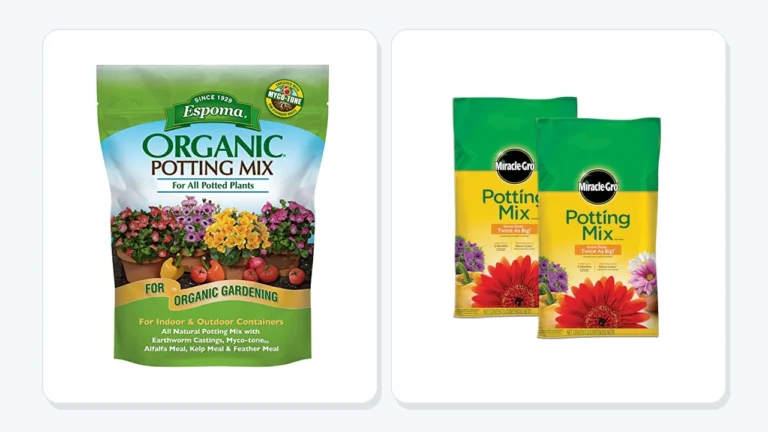
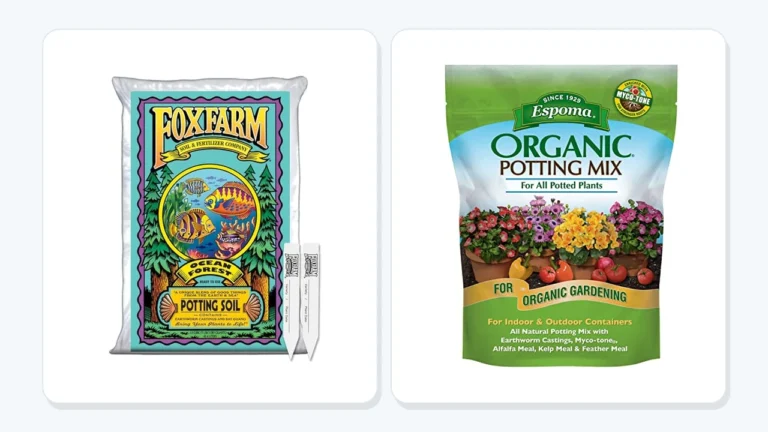
Espoma Organic Potting Soil Mix is described for container plants indoors or outdoors, including vegetables, herbs, and flowers. Its ingredients include sphagnum peat moss, humus, and perlite, plus earthworm castings, alfalfa meal, kelp meal, and feather meal. That gives you a useful, broad-purpose option for repotting and routine container planting, without the same stated emphasis on large-pot growing.
Each blend includes mycorrhizae, but the descriptions give different levels of detail. Coast of Maine is enriched with mycorrhizae and slow-release nutrients to support root development, budding, and flowering. Espoma identifies its blend as Myco-tone, a proprietary mix of endo- and ecto-mycorrhizae. Those details help explain the products’ formulations, but they don’t establish that one will outperform the other for every plant.
The other noticeable difference is the range of named ingredients. Coast of Maine includes coconut coir, composted manure, lobster and crab shell meal, fish bone meal, and earthworm castings alongside peat moss, perlite, kelp, and alfalfa. Espoma’s named ingredients include humus and feather meal, along with peat moss, perlite, castings, kelp, and alfalfa. Ingredient variety alone isn’t a guarantee of better growth; it’s more useful as a way to choose a blend that fits your preferences and planting plans.
Both products are intended for organic gardening. Coast of Maine is OMRI Listed and describes its ingredients as sustainably sourced through regenerative practices. Espoma says its mix uses natural ingredients without synthetic plant foods or chemicals. If a specific certification matters to you, confirm that it applies to the exact product you plan to buy rather than assuming the two have identical credentials.
Picture two planting jobs: filling a large container for an organically grown crop, and refreshing several mixed pots of herbs and flowers around the house. Coast of Maine’s stated large-container focus makes it the more tailored match for the first. Espoma’s indoor-and-outdoor use guidance speaks directly to the second. Either could be reasonable for a particular container, but the intended use gives you a sensible starting point.
Key Differences That Matter
1. Container scale and amount to plan for
Coast of Maine is sold here as two 1.5-cubic-foot bags, or 3 cubic feet total. That known quantity can make planning easier if you have multiple pots or a large container to fill. Its guidance specifically highlights 15-gallon containers, so buyers working at that scale have a clear reference point.
There is no verified bag size for the Espoma product in this comparison, so it would be misleading to say which gives you more soil or costs less per cubic foot. Check the package amount against the volume of your pots before buying. If you’re repotting only one small plant, also think about whether you can use or store any leftover mix.
2. Ingredients and what they mean for a container
Both mixes use peat moss and perlite, ingredients associated with the blend’s growing structure. Beyond those shared components, Coast of Maine adds coconut coir and composted manure, plus meals made from lobster and crab shells, fish bones, kelp, and alfalfa. Earthworm castings are included as well. This is a broad ingredient mix for someone who wants a container soil made with several organic amendments.
Espoma combines peat moss, humus, and perlite with earthworm castings, alfalfa, kelp, and feather meal. That is also a multi-ingredient organic mix, but it differs from Coast of Maine in its named ingredients and does not list coconut coir or shell and fish meals in the confirmed formulation. Don’t treat that as proof that Espoma lacks any other feature; use the ingredients you can verify to decide whether one blend better fits your preferences.
3. Mycorrhizae and nutrient description
Both products include mycorrhizae, so that feature doesn’t separate them by simple presence or absence. Coast of Maine names mycorrhizae and slow-release nutrients as part of its Grower’s Mix. Espoma identifies its Myco-tone blend as containing endo- and ecto-mycorrhizae. The descriptions don’t provide a shared measurement that would let you compare the amount or predict a universal growth advantage.
For practical purposes, treat either mix as a prepared organic potting soil, not a promise that you can ignore plant care. Match the container, light, and watering to your plant, and check how it grows after planting. If you have a crop with particular feeding needs, follow reliable guidance for that crop instead of assuming a potting mix alone will supply everything it needs indefinitely.
4. Stated planting range and environmental credentials
Espoma explicitly covers indoor and outdoor container plants, with vegetables, herbs, and flowers named among its uses. Coast of Maine is framed around organically raised crops in containers and large pots. Both can make sense for container growing, but Espoma gives the broader everyday use description, while Coast of Maine offers more specific guidance for large containers.
Coast of Maine is OMRI Listed and describes sustainably sourced ingredients and regenerative practices. Espoma describes its ingredients as natural and says it uses no synthetic plant foods or chemicals. Those are distinct claims, not interchangeable proof of the same certification or sourcing practices. If a particular label or standard is part of your buying decision, look for that specific confirmation on the product you’re considering.
Performance, Features, and Everyday Use
Start with the pot, not the bag. Estimate how much soil the planting job calls for, then match that to the package quantity and the container guidance. Coast of Maine’s two-bag pack provides a confirmed total of 3 cubic feet, and its guidance points to 15-gallon containers. For smaller jobs, that amount may be more than you need at once; for multiple containers, it may be convenient to have two bags on hand.
Espoma may suit a more mixed set of jobs because its use guidance covers indoor and outdoor containers, vegetables, herbs, and flowers. That can be helpful if you’re refreshing a few pots with different plants rather than building one large container. Still, check how much soil the particular package contains before planning a project; don’t assume the amount matches Coast of Maine’s two-bag pack.
When potting, use a container suited to the plant and leave room for the root ball and the soil surface. A blend’s ingredients matter, but they don’t override the basics: plants need suitable light, water, and a container that drains appropriately for the species. Coast of Maine describes a balance of water retention, drainage, and aeration, but no potting mix eliminates the need to pay attention to watering.
That’s especially relevant if you’re moving a plant from a small nursery pot to a much larger one. The larger volume of soil can change how quickly the pot dries, so avoid watering by the calendar alone. Check the soil and the plant’s needs. Neither product’s stated features justify assuming that every plant should be watered the same way.
For ongoing care, think of a potting mix as the starting environment, not a complete care plan for the life of the plant. Coast of Maine specifically describes slow-release nutrients, while Espoma names several nutrient-bearing organic ingredients. The available descriptions don’t give a shared feeding schedule or establish how long either blend will meet a plant’s needs. Watch for how your plants respond, and use crop-specific care guidance if they need additional feeding.
Storage and leftover soil are practical considerations, too. With Coast of Maine, the two-bag pack may leave you with an unopened bag if your project is small. Keep any unused soil protected from contamination and follow the package directions for storage. For Espoma, confirm the package quantity before you buy so you can judge whether it fits the job and how much you’re likely to have left.
For vegetables and herbs, both products fall within the stated container-planting use cases. If you’re growing edible plants, you may prefer Coast of Maine’s wider range of named amendments or Espoma’s more general-purpose guidance; neither detail by itself guarantees a better harvest. Choose based on the size of your pots, the amount of soil you need, your ingredient preferences, and the care requirements of the specific crop.
For flowers, Coast of Maine explicitly connects its mix with budding and flowering support, while Espoma names flowers among its intended container uses. That makes Coast of Maine a reasonable fit for a larger flowering container where its stated format and focus line up. Espoma remains a sensible option for ordinary flower pots, especially if you also want one mix for herbs or other container plants.
Pros and Cons
1.5 Cu Ft Pack of 2 Promotes Root Development Flowering
Pros
- ✓Known total volume: Two 1.5-cubic-foot bags make project planning easier.
- ✓Large-container guidance: The mix is intended for containers, with 15-gallon pots highlighted.
- ✓Broad ingredient blend: Includes coir, castings, meals, composted manure, and perlite.
Cons
- –May be more soil than needed: A small-pot gardener could have substantial mix left over.
- –Specific emphasis: Its strongest stated fit is container growing, not every possible planting job.
Organic Potting Soil Mix All Natural Potting Mix
Pros
- ✓Broad container use: Suitable guidance covers indoor and outdoor plants, herbs, vegetables, and flowers.
- ✓Named Myco-tone blend: Identifies both endo- and ecto-mycorrhizae.
- ✓Natural ingredient approach: The mix is described without synthetic plant foods or chemicals.
Cons
- –Less specific large-pot guidance: Buyers planning a 15-gallon container get no comparable stated reference here.
- –Ingredient preference may differ: The named blend uses feather meal rather than Coast of Maine’s shell and fish meals.
Which One Should You Buy?
Choose Coast of Maine if you’re filling large containers for organically raised crops and want a mix specifically framed for that job. The 15-gallon-container guidance gives you a practical point of reference, and the two 1.5-cubic-foot bags provide a known amount for planning. Its mix of coir, composted manure, castings, and several meals may also appeal if you prefer a broad set of named organic ingredients.
Who Should Skip This: Skip the Coast of Maine two-bag pack if you only need a little soil for one small pot and don’t have another use for the remainder. It may still suit you if the ingredients or stated container focus are a priority, but check the quantity against your project first. Don’t buy extra volume just because a larger pack sounds like better value; the actual price and your ability to use the soil matter.
Choose Espoma if you want a general-purpose container mix for indoor or outdoor planting and expect to pot vegetables, herbs, or flowers. Its use guidance is broad, and its ingredients include peat moss, humus, perlite, castings, alfalfa, kelp, and feather meal. Its Myco-tone blend is identified as containing endo- and ecto-mycorrhizae, which gives more detail about the type of mycorrhizae included.
Who Should Skip This: Skip Espoma if you specifically want the Coast of Maine ingredient profile, its stated slow-release nutrient feature, or the explicit 15-gallon-container guidance. That doesn’t establish that Espoma cannot be used in a large pot; it means Coast of Maine is the better-documented fit for that particular preference. Also check Espoma’s package volume before buying if you need enough mix for several containers.
If you’re torn, list your planting jobs before choosing. A large vegetable or flowering container points more strongly toward Coast of Maine; several ordinary pots with different indoor and outdoor plants point toward Espoma’s broad use guidance. Then compare the package quantity and price for the amount you’ll actually use. No verified information here establishes which product costs less per unit, so don’t assume a larger pack is automatically the better deal.
There is no need to choose one brand for every future pot. If one blend better matches a specific large-container project and the other fits a smaller repotting job, buy for the job at hand. The practical mistake is choosing by a general “organic” label alone and overlooking how much soil you need, what the mix contains, and the kind of container you’re filling.
FAQS About Coast of Maine Vs Espoma Potting Soil
Is Coast of Maine or Espoma better for a large container?
Coast of Maine is the more directly supported choice for large containers because its guidance highlights 15-gallon pots. Espoma may still be considered for container planting, but its comparable large-pot guidance is not established here.
Can I use Espoma potting soil for vegetables and herbs?
Yes. Its stated uses include vegetables and herbs in containers, both indoors and outdoors. Match the potting setup and ongoing care to the particular plant.
Do both Coast of Maine and Espoma potting soils contain mycorrhizae?
Yes. Coast of Maine is enriched with mycorrhizae, and Espoma identifies its Myco-tone blend as containing endo- and ecto-mycorrhizae. The available details don’t establish a comparative amount or a universal performance winner.
Which potting soil has more ingredients?
Coast of Maine has a longer set of specifically named ingredients in the verified descriptions, including coir, composted manure, and shell and fish meals. Ingredient count alone doesn’t show which mix is better for your plant.
Final Verdict: Which One Wins?
Coast of Maine wins for a buyer filling large containers who wants a known 3-cubic-foot pack, stated 15-gallon guidance, and a blend featuring slow-release nutrients and a wide range of named organic amendments. It’s the more tailored choice for that particular job, provided you can use the quantity.
Espoma wins for broad, everyday container planting when you want one mix described for indoor and outdoor vegetables, herbs, and flowers. Its named Myco-tone blend and ingredient profile make it a clear alternative, not a lesser version of Coast of Maine.
Before buying, match the bag amount to your pots and consider the ingredients you prefer. If the project is a large container, lean Coast of Maine; if it’s a mix of routine container plantings, lean Espoma. Neither is a universal winner—the better buy depends on what you’re planting and how much soil the job calls for.

I’m Maya L. Greenwood, a lifelong plant lover who believes anyone can grow something beautiful with the right guidance. After years of testing soil mixes, pruning methods, irrigation tricks, and pest-safe solutions, I started EasyGardenTips.com to turn hard-won lessons into step-by-step advice. From seed starting and container gardens to composting and seasonal checklists, my goal is to make gardening simple, sustainable, and fun.