Miracle Gro Vs Black Gold Potting Soil: Which One Should You Buy?
If you’re choosing between Miracle-Gro Potting Mix 16 Qt. 2-Pack and Pumice Sphagnum Peat Moss Perlite, the practical difference is straightforward: Miracle-Gro is an outdoor container mix with feeding that lasts up to six months, while the other blend is made for indoor or outdoor use and emphasizes moisture retention, drainage, and a larger total volume.
For a few outdoor pots you want to plant and feed in one step, Miracle-Gro is the simpler fit. For a bigger planting job, or containers that will live indoors as well as outside, Pumice Sphagnum Peat Moss Perlite offers more mix and a wider stated setting range.
Neither is automatically the better potting soil. The right choice depends on where your plants will grow, how much mix you need, and whether built-in feeding or a blend of moisture-holding and draining materials matters more to you.
Below, I’ll compare their stated uses, package volumes, ingredients, and everyday trade-offs. I’ll also point out what you should check before choosing, so you don’t buy a bag that’s a poor match for your pots or planting plans.
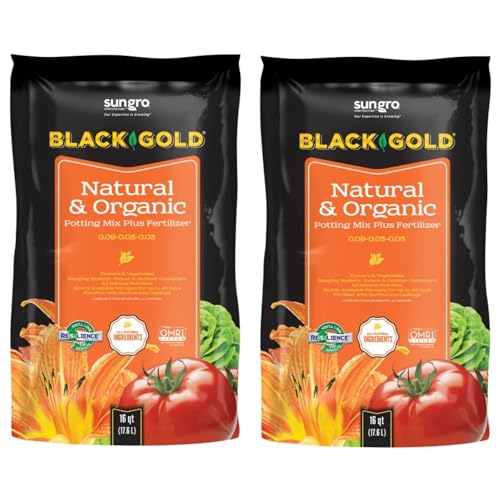
| Miracle-Gro Potting Mix 16 Qt. 2-Pack | Pumice Sphagnum Peat Moss Perlite |
 |
 |
Miracle Gro Vs Black Gold Potting Soil Detailed Comparison
The biggest difference is what each mix is designed to make easier. Miracle-Gro Potting Mix is specifically for outdoor containers and feeds potted plants for up to six months. Pumice Sphagnum Peat Moss Perlite is described for indoor and outdoor containers, with a blend of earthworm castings, pumice, sphagnum peat moss, and perlite.
That distinction matters if you’re setting up a patio garden. With Miracle-Gro, the feeding period is a clear part of the plan: you can fill your outdoor pots with a mix intended to supply nutrients for several months. The six-month period is a stated maximum, not a promise that every plant in every pot will need no other care during that time.
The ingredient-focused blend takes a different approach. Peat moss is used in moisture-holding mixes, while pumice and perlite are lightweight materials commonly used to support drainage and air space. The blend is designed to retain moisture while draining well, but those ingredients alone don’t tell you exactly how often any particular plant will need water.
Package volume is another meaningful contrast. Miracle-Gro includes two 16-quart bags. Pumice Sphagnum Peat Moss Perlite includes two bags totaling 2 cubic feet, which is a larger overall amount of mix than the Miracle-Gro bundle. That extra volume can be useful for several planters, though it may be more than you need for a couple of small pots.
Use is not identical, either. Miracle-Gro’s stated use is outdoor container plants, including flowers, vegetables, herbs, shrubs, annuals, and perennials. The other blend is described for indoor and outdoor planting and a range that includes vegetables, flowers, and roses. If you’re potting a houseplant, the indoor/outdoor designation makes the second blend the clearer fit based on the stated uses.
For a quick example, imagine filling a few large patio containers with herbs and flowers. Miracle-Gro’s feeding period and two-bag format may keep the job simple. If you’re refreshing multiple indoor and outdoor pots, Pumice Sphagnum Peat Moss Perlite gives you more total mix and a blend designed around both moisture retention and drainage.
Key Differences That Matter
1. Feeding and nutrient approach
Miracle-Gro’s clearest advantage is its stated feeding window: it feeds potted plants for up to six months. That can make setup more convenient for outdoor containers, especially if you would rather begin with a mix that includes a defined period of feeding than plan on feeding immediately after potting.
Pumice Sphagnum Peat Moss Perlite includes earthworm castings and is described as nutrient-rich. However, no feeding duration is specified. That doesn’t mean the mix has no nutrients or that a plant will automatically need fertilizer right away; it means you shouldn’t assume it provides the same six-month feeding schedule. Check the package guidance and your plant’s needs before adding fertilizer.
Also keep expectations grounded. Plant growth depends on more than potting soil: light, watering, temperature, container size, and the plant itself all matter. Miracle-Gro’s stated growth comparison is not a guarantee that every plant will reach a particular size.
2. Moisture and drainage
The second mix explicitly describes a balance of moisture retention and drainage. Its sphagnum peat moss, pumice, and perlite give you a useful ingredient picture: some components help hold moisture, while others are commonly used to keep a mix from behaving like dense garden soil.
That balance can be appealing if you’re filling indoor containers or want a mix intended to serve more than one kind of planting setting. Still, it is not a watering schedule. A small pot in a sunny, warm location can dry faster than a large one in a cool, shaded spot, even when both use the same soil.
Miracle-Gro’s verified details emphasize outdoor container use and feeding rather than a specific moisture or drainage claim. Don’t read that as proof that it drains poorly, or that the other blend is always better for drainage. If drainage is a deciding factor, check the full package directions and match the soil to your plant and pot.
3. Where you plan to use it
Miracle-Gro’s stated applications focus on outdoor containers, with examples spanning flowers, vegetables, herbs, shrubs, annuals, and perennials. That broad range makes it a practical option for a mixed patio planting, where you might be filling several pots with different outdoor plants.
Pumice Sphagnum Peat Moss Perlite is described for indoor and outdoor containers. Its listed plant examples include vegetables, flowers, and roses. If your project includes indoor pots, that broader stated setting is a useful distinction; if every pot is outdoors, both products have relevant uses.
“All purpose” does not mean every plant has identical needs. A plant that prefers unusually dry or wet conditions may require a different mix or a deliberate adjustment. If you have a specialty plant, verify its soil requirements rather than choosing solely by the words on the bag.
4. Total volume and project size
Two 16-quart Miracle-Gro bags give you 32 quarts total. The other option provides 2 cubic feet across two bags, a larger total quantity. That difference is worth weighing before you buy: more mix is handy when you have several containers to fill, but unused soil takes up storage space and can be inconvenient to keep around.
Miracle-Gro states that each 16-quart bag fills one 12-inch container, with the amount varying based on the root ball. Treat that as a planning estimate rather than a guarantee. A large root ball takes up room, and pot shape and depth affect how much soil you need.
For the larger-volume blend, estimate your project before opening the bags. Count the pots, note their dimensions, and allow for the room occupied by roots. That quick check can prevent the opposite frustrations: running short halfway through planting or having much more soil than your storage space can handle.
Performance, Features, and Everyday Use
Miracle-Gro has a straightforward setup for outdoor pots. Its directions call for filling a container about one-third full, placing the plant, then filling around it and pressing the mix lightly. That’s an easy sequence for a single transplant or a row of patio containers, and it avoids the guesswork of starting with a pot completely full.
Its feeding period can also simplify early care. If you’re planting a mix of outdoor flowers, herbs, or vegetables, having up to six months of feeding built into the stated use may reduce the need to make a separate fertilizer decision at potting time. It doesn’t remove the need to monitor plants, follow package directions, or respond to signs of stress.
The 16-quart bags offer a manageable unit size for many home projects. A bundle of two can suit someone filling a couple of containers or planting in stages. If your pots are especially large, though, calculate the amount first; the stated coverage is based on one 12-inch container per bag, and root-ball size changes the amount required.
Pumice Sphagnum Peat Moss Perlite is aimed at buyers who want one mix for indoor and outdoor containers and have a larger project to complete. Its combination of peat moss, pumice, perlite, and earthworm castings gives a more ingredient-specific starting point than simply choosing a mix based on feeding duration.
Moisture retention and drainage are especially relevant in containers because excess water has nowhere to go if a pot cannot drain. The blend is designed to balance those properties, but the pot itself still matters. Use containers with appropriate drainage, and pay attention to how quickly the soil dries in your particular room, patio, or growing season.
For either potting soil, don’t bury the plant’s needs under a generic “all-purpose” assumption. A vegetable in a sunny outdoor pot, a rose in a roomy container, and a houseplant near a window can face very different conditions. The soil is only one part of the setup, alongside the pot, light, watering, and ongoing feeding plan.
Plan for cleanup and safe handling, too. Pumice Sphagnum Peat Moss Perlite advises avoiding inhaled dust, washing hands after use, and keeping the mix away from children and pets. Those are sensible precautions when handling potting mix; avoid creating dust and clean up after filling containers.
Before buying either one, make a short list: indoor or outdoor location, number and size of pots, plant types, and whether you want a stated feeding window. That list tends to settle the choice faster than comparing broad claims about growth. It also helps you avoid paying for more soil than you can use or choosing a mix that doesn’t match your planned setting.
Pros and Cons
Miracle-Gro Potting Mix 16 Qt. 2-Pack
Pros
- ✓Up to six months of feeding: A helpful starting point for outdoor container plants.
- ✓Broad outdoor use: Suits listed flowers, vegetables, herbs, shrubs, annuals, and perennials.
- ✓Two manageable bags: Useful for staged planting or a few containers.
Cons
- –Outdoor focus: Not the clearer choice if your main project is indoor containers.
- –Less total volume: The bundle contains less mix than the 2-cubic-foot option.
- –Coverage varies: Root-ball size can change how many pots the bags fill.
Pumice Sphagnum Peat Moss Perlite
Pros
- ✓Indoor and outdoor use: Fits projects that include different container settings.
- ✓Moisture-and-drainage design: A useful stated balance for container planting.
- ✓More total mix: Two bags provide 2 cubic feet for larger jobs.
- ✓Ingredient detail: Includes earthworm castings, pumice, peat moss, and perlite.
Cons
- –No stated feeding period: Buyers wanting a defined duration should check the package guidance.
- –Larger quantity: May be excessive for someone filling only a couple of small pots.
- –Dust precautions: Handle carefully and keep it away from children and pets.
Which One Should You Buy?
Choose Miracle-Gro Potting Mix 16 Qt. 2-Pack if you’re planting outdoor containers and want a stated feeding period built into your soil choice. It makes sense for a patio gardener filling pots with flowers, herbs, vegetables, or a mix of outdoor plants, particularly if a defined up-to-six-month feeding window helps simplify the initial setup.
Who Should Skip This: Skip Miracle-Gro if your main need is a mix specifically described for indoor and outdoor use, or if you need more total soil than two 16-quart bags provide. It can still be relevant for outdoor pots, but those priorities point more clearly toward the other option.
Choose Pumice Sphagnum Peat Moss Perlite if you need a larger amount of mix, plan to use it indoors as well as outdoors, or want the stated combination of moisture retention and drainage. It’s a logical fit for someone refreshing several containers and who is comfortable following a separate feeding plan when needed.
Who Should Skip This: Skip Pumice Sphagnum Peat Moss Perlite if a defined feeding duration is your main reason for buying, or if you only need a small amount of soil. The larger package may leave you with extra mix, and its stated details do not give you the same up-to-six-month feeding window as Miracle-Gro.
Choosing the wrong one is mostly a matter of fit, not a guaranteed plant failure. Buying the smaller bundle for a large project can leave you short; buying the larger quantity for two small pots can create a storage problem. Picking an outdoor-focused mix for a primarily indoor project also ignores a useful difference in stated use.
If you’re undecided, let the project decide. For outdoor pots with a built-in feeding period as the priority, go with Miracle-Gro. For a larger quantity and indoor/outdoor flexibility, choose Pumice Sphagnum Peat Moss Perlite, then check the package directions for feeding and handling.
FAQS About Miracle Gro Vs Black Gold Potting Soil
Which potting soil is better for outdoor containers?
Both have stated outdoor uses. Miracle-Gro is the more direct fit if you want a defined feeding period of up to six months; Pumice Sphagnum Peat Moss Perlite is also described for outdoor containers and emphasizes moisture retention and drainage.
Can I use Pumice Sphagnum Peat Moss Perlite indoors?
Yes. It is described for indoor as well as outdoor containers. Follow its handling precautions, avoid breathing dust, wash your hands after use, and keep the mix away from children and pets.
Which option includes more potting mix?
Pumice Sphagnum Peat Moss Perlite provides 2 cubic feet across two bags. Miracle-Gro includes two 16-quart bags, so the other blend offers more total volume.
Does Miracle-Gro feed plants longer than the other mix?
Miracle-Gro has a stated feeding period of up to six months. No matching feeding duration is specified for Pumice Sphagnum Peat Moss Perlite, so check its package directions rather than assuming the periods are equal.
Final Verdict: Which One Wins?
Miracle-Gro wins for outdoor container gardeners who value a stated feeding period. Its two 16-quart bags suit a modest planting project, and the up-to-six-month feeding feature can make the initial care plan more straightforward.
Pumice Sphagnum Peat Moss Perlite wins for larger projects and indoor/outdoor flexibility. It supplies more total mix and is designed to retain moisture while draining well, with ingredients suited to a broad range of container plantings.
So, match the potting soil to the job: Miracle-Gro for outdoor pots where built-in feeding is the deciding factor; Pumice Sphagnum Peat Moss Perlite when volume and indoor use matter more. Neither is a universal winner, and checking your plant’s needs and the amount of soil required is the best way to avoid a frustrating mismatch.

I’m Maya L. Greenwood, a lifelong plant lover who believes anyone can grow something beautiful with the right guidance. After years of testing soil mixes, pruning methods, irrigation tricks, and pest-safe solutions, I started EasyGardenTips.com to turn hard-won lessons into step-by-step advice. From seed starting and container gardens to composting and seasonal checklists, my goal is to make gardening simple, sustainable, and fun.