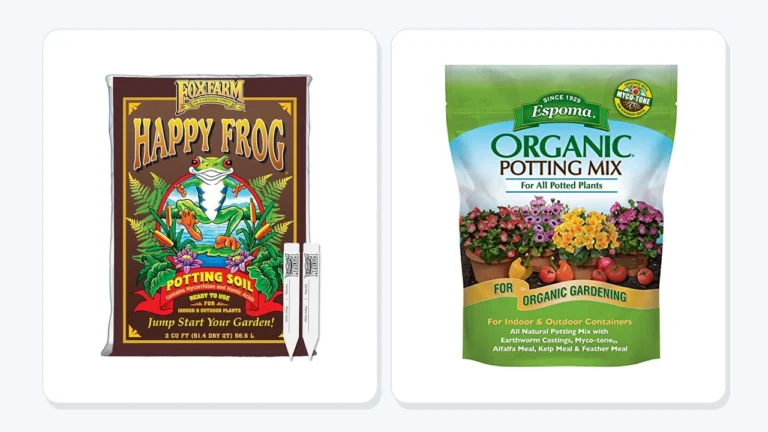
Espoma Vs Burpee Potting Mix: Detailed Comparison and Verdict
If you’re comparing Espoma vs Burpee potting mix, the better choice depends on whether you value Espoma’s named natural ingredients and Myco-Tone blend or Burpee’s coco coir and stated feeding window. Neither is the automatic winner for every container garden.
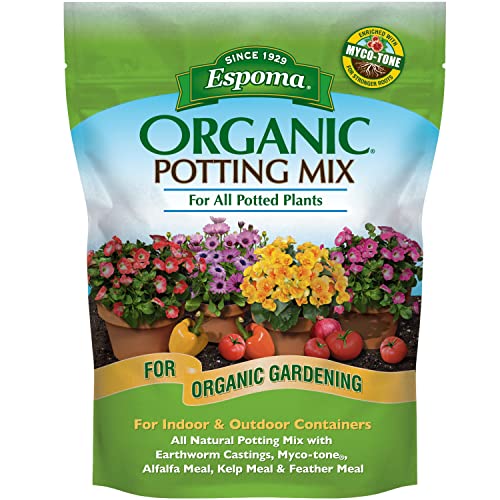
Espoma’s mix contains sphagnum peat moss, humus, perlite, and several meals and castings; it’s intended for indoor and outdoor container plants. Burpee’s OMRI Listed Ideal mix is also for indoor and outdoor growing, and its coco coir is described as helping balance moisture and drainage.
Burpee gives you one more quart per bag and describes immediate nutrition with slow-release feeding for up to three months. Espoma emphasizes natural ingredients and says it uses no synthetic plant foods or chemicals, but it does not specify a feeding duration.
Choose Espoma if the ingredient profile and mycorrhizae blend appeal to you; lean toward Burpee if you want coco coir and a stated nutrition window. Below, I’ll compare what those differences mean for filling pots, caring for plants, and deciding how much control you want over feeding.
| 8qt. Espoma Organic Potting Soil Mix All Natural Potting Mix | OMRI Listed Ideal |
 |
 |
Espoma Vs Burpee Potting Mix Detailed Comparison
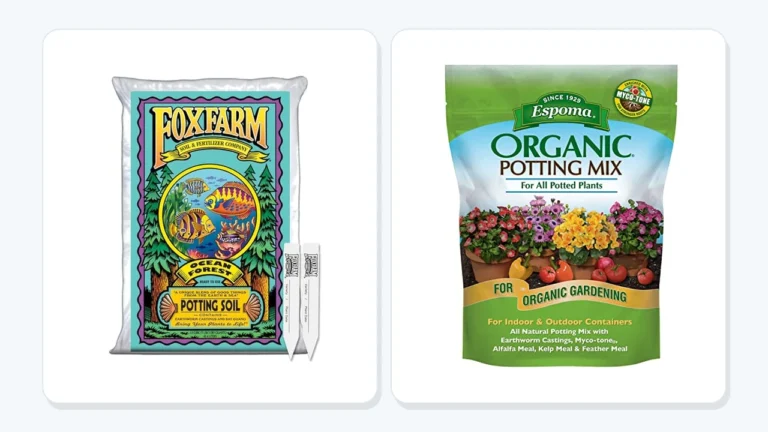
These are both potting mixes for container growing, not two versions of the same recipe. Espoma names a broad blend that includes peat moss, humus, perlite, earthworm castings, alfalfa meal, kelp meal, and feather meal. It also includes Myco-Tone, Espoma’s proprietary blend of endo- and ecto-mycorrhizae.
Burpee’s described distinguishing ingredient is coco coir. The mix is intended for pots and raised beds, and the coir is presented as supporting aeration while retaining moisture. Burpee also describes immediate nutrition and slow-release feeding for up to three months, a useful planning detail for someone deciding when to add fertilizer.
That does not mean one mix is universally more nourishing or easier to manage. The available ingredient information is more specific for Espoma, while Burpee provides a clearer stated feeding window. Those are different kinds of information, so choose based on what matters in your routine rather than treating one as proof of overall superiority.
Recipe and soil-building ingredients
Espoma’s combination of peat moss, humus, and perlite gives you a recognizable base with organic amendments mixed in. The castings and meals are part of the recipe, and the mycorrhizae blend is a further point of distinction for buyers who specifically want a mix that includes those fungi.
Burpee’s description puts more emphasis on coco coir’s moisture and aeration role than on naming a full roster of amendments. If you prefer to compare every ingredient before buying, Espoma’s named ingredients may make that decision easier. If your main question is whether the mix uses coco coir to help manage moisture, Burpee speaks more directly to that feature.
Moisture and watering expectations
Burpee says its coco coir helps the mix retain moisture while supporting drainage and aeration. That balance can be appealing for container gardeners who want a medium designed to hold some water without giving up air movement around roots. It is not a promise that you can water on a fixed schedule: pot size, plant type, light, and room conditions still affect how quickly a pot dries.
Espoma lists perlite in its blend, but the product details do not give a watering interval or a comparable moisture-retention claim. In practice, you should still check the mix and the plant rather than assuming that an ingredient alone determines watering frequency. If you tend to overwater, neither product removes the need to check that the pot drains properly and the plant’s needs are being met.
Feeding and organic gardening preferences
Burpee states that its mix feeds plants immediately and provides slow-release nutrition for up to three months. That gives you a starting point for fertilizer planning, but it is not a guarantee that every plant will need the same feeding routine throughout that period. Follow the needs of the plants you’re growing, and avoid adding fertilizer automatically just because a calendar reminder says it is time.
Espoma emphasizes that its ingredients are natural and that it uses no synthetic plant foods or chemicals. That’s a clear fit for gardeners who want those product characteristics. The stated information does not provide a matching number of months for feeding, so don’t assume its nutrition schedule is identical to Burpee’s—or assume that it requires a particular supplemental feeding plan without checking the needs of your plants.
Key Differences That Matter
1. Named ingredients versus a moisture-focused feature
Espoma gives you a detailed ingredient picture: peat moss, humus, perlite, earthworm castings, alfalfa meal, kelp meal, and feather meal, plus Myco-Tone. That detail is useful if you deliberately shop by recipe or want a mix that includes mycorrhizae.
Burpee highlights coco coir and the role it is meant to play in moisture balance and aeration. If you’ve been looking for a coir-containing potting mix, that is the more direct match. The difference is not simply “more ingredients” versus “fewer ingredients”; it’s which feature you want to prioritize and how much ingredient detail you want when making your choice.
2. A stated feeding window
Burpee describes immediate feeding and slow-release nutrition for up to three months. That can help a new container gardener plan ahead, especially when filling several pots at once and trying to avoid feeding too soon. Treat the duration as guidance for the mix, not a substitute for observing your plants or checking their individual care requirements.
Espoma’s verified product details do not give a comparable feeding duration. Its organic amendments are named, but there isn’t a stated number of months to use as a fertilizer schedule. If a specific timeline is important to you, Burpee gives you more to plan around; with Espoma, make feeding decisions based on plant needs rather than inventing a schedule from the ingredient list.
3. Mycorrhizae and natural-input preferences
Espoma specifically includes its Myco-Tone blend of endo- and ecto-mycorrhizae. Mycorrhizae are fungi associated with plant roots, and their inclusion may matter to gardeners who want that feature in the mix. It is still one component of a growing setup, not a guarantee of stronger growth or a reason to ignore light, watering, and pot drainage.
Espoma also explicitly says it uses no synthetic plant foods or chemicals. Burpee is OMRI Listed, but the information provided here does not establish an equivalent ingredient-by-ingredient comparison between the two products. If your gardening preferences depend on a particular standard or input, make that the deciding question rather than assuming that the labels mean exactly the same thing.
4. Bag quantity and where each mix is intended to go
Espoma comes in an eight-quart bag, while Burpee’s bag contains nine quarts. One quart is a modest difference, but it can matter if you’re calculating how much mix to buy for a group of pots. Measure the containers you plan to fill and allow for settling; don’t buy based only on the number of bags if you are close to the amount you need.
Both mixes are presented for indoor and outdoor plants, including vegetables, herbs, and flowers in containers. Burpee also specifies pots and raised beds. That makes its stated use cases a little broader, but it does not establish that Espoma cannot be used in a raised bed; the verified uses for Espoma specifically call out containers and outdoor plants.
Performance, Features, and Everyday Use
Filling pots and getting plants settled
Both products are designed for planting containers, whether you’re starting a new plant or refreshing the mix during a transplant. Espoma explicitly describes use when planting a container or moving a plant into a larger one. That makes it a straightforward option for routine potting jobs, from a new herb pot to a fresh home for a houseplant.
Burpee is also intended for pots and raised beds, so it can serve gardeners filling containers for vegetables or flowers. Its nine-quart bag offers a little more volume than Espoma’s eight-quart bag. For one small pot, that difference may not change your decision; for several containers, count the volume you’ll need before choosing how many bags to buy.
With either mix, use a container suited to the plant and make sure excess water has a way to drain. A moisture-oriented ingredient does not mean a pot should stay soggy, and a well-planned potting mix cannot correct a container or watering routine that keeps roots too wet. Think of the mix as part of the setup, alongside the pot, light, and plant-care habits.
Watering through the week
Burpee’s coco coir is meant to help retain moisture while supporting drainage and aeration. That may suit someone who wants the mix itself to contribute to moisture balance, but it shouldn’t be read as a promise to water less often in every home or season. A sunny windowsill, a warm room, and a thirsty plant can all change how quickly a container dries.
Espoma includes perlite in its blend, but no watering schedule is specified. As with Burpee, check the pot rather than relying on a fixed number of days between waterings. If you’re new to containers, checking the mix before watering is a more dependable habit than assuming every plant in every pot needs the same amount at the same interval.
Planning plant food
Burpee’s up-to-three-month slow-release nutrition gives you a stated window to consider when planning fertilizer. It can be convenient if you want a mix with nutrition built in from the start, though plant needs vary. Keep the plant’s own care requirements in view, and don’t treat the stated window as a universal instruction to add or withhold fertilizer on an exact date.
Espoma’s appeal is different: its natural ingredient blend and no-synthetic-plant-foods-or-chemicals statement may be a better match for gardeners who prioritize those characteristics. Because no feeding duration is specified, you’ll have less of a built-in calendar cue. That isn’t a defect by itself, but it does mean you should be comfortable making feeding decisions based on the plants you grow.
Choosing for a mixed container garden
If you grow vegetables, herbs, flowers, or a mix of indoor and outdoor container plants, either product has relevant stated uses. Espoma specifically calls out vegetables, herbs, and other container plants and flowers. Burpee names vegetables, flowers, and herbs, and also includes raised beds among its intended uses.
For a gardener who wants one bag for a handful of containers, recipe and routine may matter more than the small volume difference. Pick Espoma for its named amendments and mycorrhizae blend; pick Burpee if coco coir and a stated feeding window are more useful to you. If you’re filling a larger number of pots, calculate total volume first and avoid letting a one-quart-per-bag difference lead to a last-minute shortage.
Pros and Cons
8qt. Espoma Organic Potting Soil Mix All Natural Potting Mix
Pros
- ✓Named natural blend: Peat moss, humus, perlite, castings, and meals give ingredient-focused buyers useful detail.
- ✓Myco-Tone included: Adds a specified endo- and ecto-mycorrhizae blend to the mix.
- ✓No synthetic plant foods or chemicals: Fits gardeners seeking those stated product characteristics.
Cons
- –Smaller bag: Eight quarts is one quart less than Burpee, so larger potting jobs may need more bags.
- –No stated feeding duration: Buyers wanting a defined nutrition window will need to plan around plant needs.
OMRI Listed Ideal
Pros
- ✓Coco coir: Intended to support moisture retention, drainage, and aeration in containers.
- ✓Stated feeding window: Provides immediate nutrition and slow-release feeding for up to three months.
- ✓Nine-quart bag: Includes one quart more mix than Espoma per bag.
Cons
- –Less ingredient detail here: Buyers comparing a full named recipe may prefer Espoma’s specified blend.
- –Nutrition still takes judgment: The stated window doesn’t replace plant-specific feeding decisions.
Which One Should You Buy?
Choose Espoma if you care most about a clearly named, natural ingredient blend. Its combination of peat moss, humus, perlite, castings, and meals gives you more ingredient detail to consider, while Myco-Tone sets it apart for gardeners who want mycorrhizae included. The stated lack of synthetic plant foods or chemicals may also fit your preferences.
It’s a reasonable choice for refreshing a container or transplanting a plant when you want a potting mix described for indoor and outdoor use. Remember that the bag holds eight quarts and that no feeding duration is specified. If you’re planting many containers, work out your volume before purchasing; if you need a set fertilizer timeline, you’ll have to make that plan around the plants rather than rely on a stated number of months.
Who Should Skip This: Skip Espoma if your first priority is a coco-coir-focused moisture feature or a stated slow-release feeding window. Burpee is the closer fit for those particular needs.
Choose Burpee OMRI Listed Ideal if coco coir and built-in feeding information would make your routine easier. Its stated up-to-three-month nutrition window gives you a planning reference, and the nine-quart bag offers slightly more volume. It is described for indoor and outdoor use, including pots and raised beds, so it may suit someone preparing several types of growing spaces.
The coir’s moisture role can be attractive if you want the mix to help retain water while supporting aeration. Still, don’t assume that means less checking: plant and room conditions change how quickly a pot dries. The feeding window is also a guide, not a personalized plan for every vegetable, herb, or flower.
Who Should Skip This: Skip Burpee if your main priority is Espoma’s specifically named set of amendments and Myco-Tone blend, or if you want its explicit no-synthetic-plant-foods-or-chemicals statement. Espoma speaks more directly to those preferences.
If you’re undecided, picture the job in front of you. For a few pots, the recipe and feeding approach are more meaningful than the one-quart bag difference. For a bigger planting session, calculate total volume first, then choose the mix whose ingredients and care-planning details match how you want to garden.
FAQS About Espoma Vs Burpee Potting Mix
Is Espoma or Burpee better for container plants?
Both are intended for container growing. Espoma is the stronger fit if you want its named natural ingredients and Myco-Tone; Burpee is the better match if coco coir and a stated feeding window matter more.
Which mix has coco coir?
Burpee OMRI Listed Ideal is the mix described with coco coir. It is intended to help with moisture retention, drainage, and aeration.
Does Espoma or Burpee state how long the mix feeds plants?
Burpee states that it provides immediate nutrition and slow-release feeding for up to three months. Espoma’s verified details do not give a comparable duration.
How much potting mix comes in each bag?
Espoma comes in an eight-quart bag, and Burpee comes in a nine-quart bag. The difference is one quart per bag, so calculate your container volume if you’re buying for a larger project.
Final Verdict: Which One Wins?
Espoma wins for ingredient-focused buyers who want its named natural blend, the Myco-Tone mycorrhizae, and the stated absence of synthetic plant foods or chemicals. Its eight-quart bag is a little smaller, and it does not provide a stated feeding duration.
Burpee wins for buyers who want coco coir and a clear nutrition window. It offers nine quarts and states that its mix feeds immediately, with slow-release nutrition for up to three months. If those features matter more than Espoma’s specific ingredient profile, Burpee is the more practical fit.
There isn’t a universal winner: match the mix to your gardening priorities, then plan watering and feeding around the plants and containers you actually have.

I’m Maya L. Greenwood, a lifelong plant lover who believes anyone can grow something beautiful with the right guidance. After years of testing soil mixes, pruning methods, irrigation tricks, and pest-safe solutions, I started EasyGardenTips.com to turn hard-won lessons into step-by-step advice. From seed starting and container gardens to composting and seasonal checklists, my goal is to make gardening simple, sustainable, and fun.