Potting Soil vs Compost: Key Differences and When to Use Each
Potting soil is a prepared growing medium for containers, while compost is decomposed organic matter used to add nutrients and improve soil. Use potting soil for most potted plants, compost to amend garden beds, and a measured blend when a container plant needs extra organic matter.
Have a bag of compost and a pot on the patio, but no clear idea which one belongs in the pot? The choice matters: a material that holds too much water can leave roots soggy, while one that drains too quickly may dry out before you remember the watering can.
I once topped off a container with a generous scoop of compost because the plant looked hungry. The mix stayed wet longer than expected, and I had to replace part of it to bring back better drainage; that’s a common mistake, not a dumb one.
I wrote this to help you sort out what each material does, where it works, and how to combine them without turning a useful potting mix into a heavy, soggy mess. You’ll also get straightforward guidance for houseplants, outdoor containers, garden beds, and seedlings.
Get the choice right, and you’re more likely to have healthy roots, manageable watering, and a plant that doesn’t stall after transplanting. Choose poorly, and you can end up with compacted mix, waterlogged roots, or compost that doesn’t suit the job.
This takes about 10 minutes to read. By the end, you’ll be able to:
- Pick the right material for pots, beds, and seedlings.
- Blend compost into potting soil without guessing wildly.
- Spot drainage and nutrient problems before they wear out your plant.
- Choose a safer, more reliable mix for your particular container.
Potting Soil vs Compost: Which Should You Use?
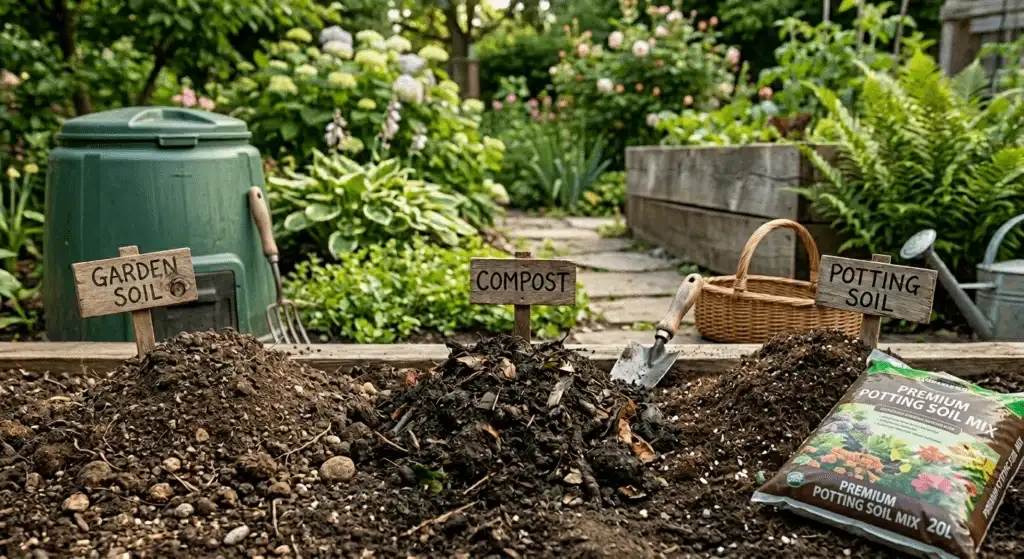
Use potting soil as the main growing medium for containers, and use compost as an amendment or a modest part of a container blend. Potting soil is made to support roots in a pot; compost adds organic matter and nutrients but usually isn’t a complete stand-alone container medium.
A 10-inch houseplant pot needs a mix that holds enough moisture for roots while letting excess water drain through the bottom. Fill it with pure compost, and the result may be too dense or moisture-retentive for that plant; fill a garden bed with potting soil, and you’re paying for a product designed for a different job.
| Material | Main job | Best fit | Main caution |
|---|---|---|---|
| Potting soil or potting mix | Supports roots and manages water and air in containers | Houseplants, patio pots, hanging baskets | Products vary, so check the label for the intended plants |
| Compost | Adds organic matter and nutrients to soil | Garden beds, borders, and some container blends | Pure compost may be too dense or variable for pots |
| Garden soil | Provides mineral soil and supports plants in the ground | In-ground beds and landscapes | It can compact and drain poorly in containers |
The names can be confusing. Potting soil is often a retail name for a container-growing product that contains little or no actual mineral soil; potting mix commonly describes a soilless blend made with materials such as peat, coir, bark, or perlite. Labels don’t always use the terms consistently, so check the ingredients and intended use instead of trusting the front of the bag.
If you’re choosing between a soilless blend and a product labeled potting soil, the difference comes down to ingredients and how the mix behaves, not the name alone. A closer look at potting mix versus potting soil can help you compare the two before buying.
What Each Material Does for Plant Roots
Potting soil provides the structure and drainage that container roots need, while compost contributes decomposed organic matter and nutrients. The two materials can work together, but they don’t do the same job.
A container is a small, enclosed root zone, and water can leave only through drainage holes or evaporation. Good container media leave air pockets between particles, so roots can take up oxygen instead of sitting in a wet, packed mass. Many commercial mixes use light materials such as perlite or bark to help create that structure.
Compost is made from decomposed plant and other organic materials. Finished compost can improve soil structure and support soil life, but its texture and nutrient content vary with the feedstocks and composting process. That variability is one reason compost is useful as an amendment but less predictable as the whole contents of a pot.
Garden soil is different again. It contains mineral particles, organic matter, and living organisms, and its texture might be clay-heavy, sandy, or somewhere between. In a garden bed, that soil has room to interact with surrounding ground; in a pot, the same soil can settle and restrict drainage.
The simple comparison is soil vs compost vs potting mix: garden soil is the ground’s mineral growing medium, compost is decomposed organic matter, and potting mix is built for container root conditions. Treating all three as interchangeable is a quick way to create a pot that stays heavy after watering.
Why drainage and water retention both matter
A mix needs to drain excess water while retaining enough moisture for roots to use. Those goals sound like opposites, but a well-made container mix balances them through its ingredients and particle sizes.
Too much water held around roots can reduce oxygen and encourage root problems. A mix that drains too quickly can leave roots dry, especially in a small pot sitting in sun or wind. You’ll need to adjust watering to the plant, pot size, weather, and mix rather than relying on one schedule for everything.
Pro Tip: Check that every container has drainage holes before filling it. A layer of gravel at the bottom won’t fix a pot without a working drainage path.
When to Use Potting Soil and When to Use Compost
Choose potting soil or potting mix for container planting, and choose compost mainly to improve garden soil. For a pot, start with a container product suited to the plant; for an in-ground bed, blend finished compost into the existing soil rather than replacing it outright.
Potted plants need a growing medium made for limited space and container watering. A labeled product for indoor plants or outdoor containers is usually a sensible starting point, although special plants such as orchids, succulents, and cacti may need a mix with different drainage properties. The best potting soil is the one that matches your plant and your watering habits, not necessarily the bag with the longest ingredient list.
A good best soil for potted plants choice also depends on the container. A large plastic pot loses moisture more slowly than a small unglazed clay pot, so the same mix can behave differently in each. If you tend to water often, a mix that drains well may suit you better than a dense one that stays damp.
For garden beds, compost is commonly spread over the soil and mixed into the upper layer before planting. The amount depends on the condition of the bed and the compost, so follow the product label or local gardening guidance when you have a specific soil problem. Compost can help a poor bed, but it won’t replace the need to account for drainage, soil texture, or plant needs.
| Planting situation | Better starting choice | Why |
|---|---|---|
| Houseplant in a standard pot | Indoor potting mix | Made for containers and regular watering |
| Patio flowers in a planter | Outdoor potting mix | Formulated for container use; check the label |
| Seedlings in trays | Seed-starting mix | Usually finer and lighter for young roots |
| Garden bed with tired soil | Compost mixed into existing soil | Adds organic matter without treating compost as the whole bed |
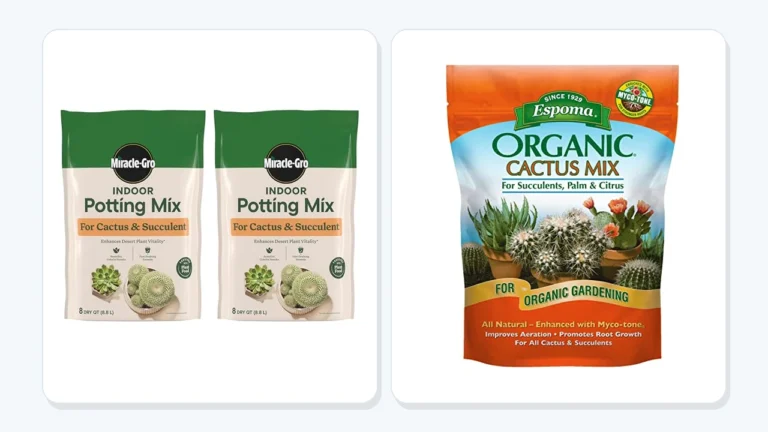
| Succulent or cactus pot | A labeled cactus or succulent mix | Usually drains faster than a general-purpose mix |
Are you starting seeds in a small tray? Use a seed-starting product rather than a heavy garden compost blend, because tiny roots and seedlings need a fine, consistent medium that won’t crowd them.
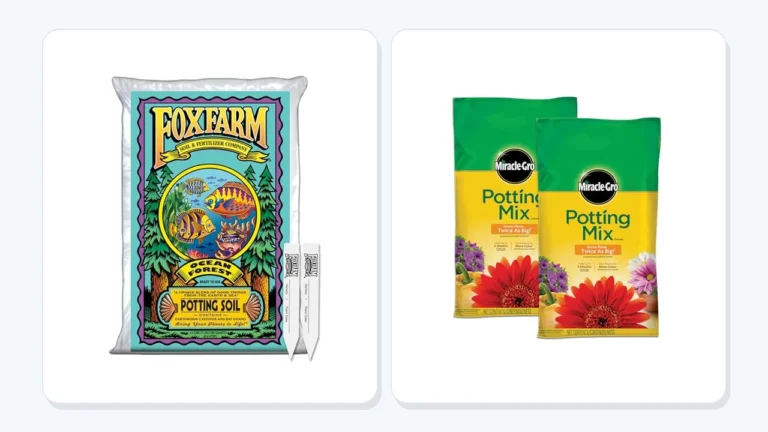
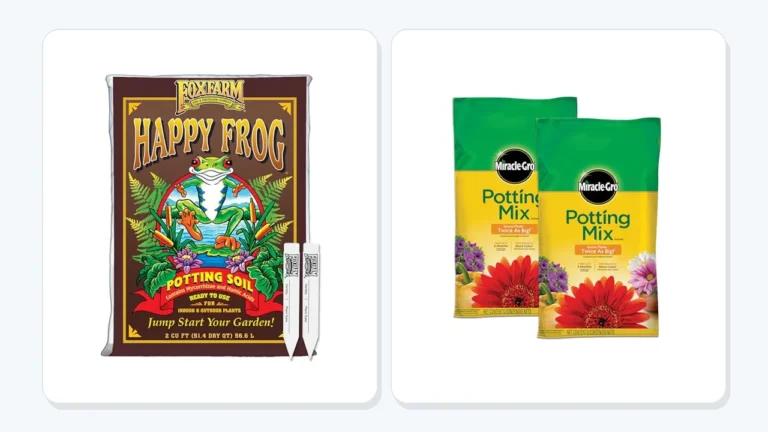
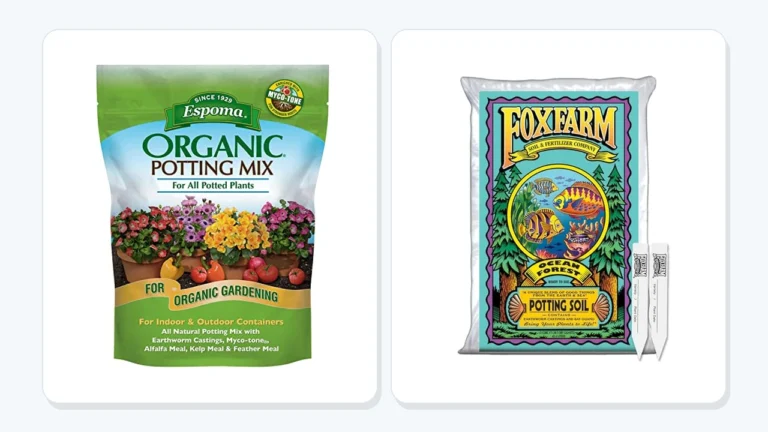
Choosing among the best organic potting soil products doesn’t mean assuming every organic bag suits every plant. Check the label for container use, ingredients, and any feeding claims, then match the blend to your plant rather than choosing by the word “organic” alone.
How to Mix Potting Soil and Compost for Containers
A practical starting point is to blend mostly potting mix with a smaller portion of finished compost, then adjust only if the container drains and dries normally. For many general container plants, start with about 3 parts potting mix to 1 part compost by volume, and use less compost for plants that need sharp drainage.
This is a starting ratio, not a guarantee. Compost texture, potting mix ingredients, plant type, container size, and watering all affect the result. A coarse, mature compost may behave differently from fine compost that holds more moisture.
- Choose a potting mix labeled for the plant or container use.
- Use finished compost, which is dark and crumbly and no longer resembles fresh scraps.
- Measure both materials by volume, then combine them in a clean tub or wheelbarrow.
- Moisten a handful and squeeze it gently. The mix should feel damp, not release water or stay in a tight, muddy lump.
- Fill a pot with drainage holes, plant at the right depth, and water until excess drains out.
- Watch how quickly the pot dries over the next several waterings, then adjust the next batch if needed.
How can you tell the blend is too heavy? If water takes a long time to drain, the pot stays wet for days, or the surface forms a dense crust, reduce the compost share and use a more open potting mix next time. Don’t try to correct poor drainage by adding a little gravel beneath the mix.
I once mixed a container batch by eye and added compost until the color looked rich and uniform. The pot held moisture longer than I expected, so now I measure the first batch and change the ratio only after watching how it drains; that small bit of patience saves a lot of repotting.
A guide to mixing potting soil and compost can help you compare ratios for different plants, but the label and the mix’s behavior should guide your final choice. If you’re unsure, start with less compost; adding more later is easier than pulling a soggy blend out of a planted pot.
Common Mistakes That Lead to Soggy or Weak Plants
Most problems come from using the wrong material for the setting, adding too much compost, or ignoring the pot’s drainage. A plant that wilts can be thirsty, but wilting can also happen when waterlogged roots can’t function properly.
| What you notice | Possible cause | Practical next move |
|---|---|---|
| Pot remains heavy and wet | Mix is too dense, watering is frequent, or drainage is blocked | Check the holes and let the mix dry as the plant allows |
| Water runs down the sides | Mix may have dried and pulled away from the pot, or it may be difficult to wet evenly | Water slowly in stages and check whether the center is getting wet |
| Plant wilts while soil feels wet | Roots may be short on oxygen or damaged | Pause watering and check the root zone and drainage |
| Surface crusts or compacts | Fine material or repeated settling may be closing air spaces | Loosen the surface gently or repot in a more suitable mix |
| Growth is slow after planting | Plant may need different light, water, or nutrients | Check growing conditions before adding more fertilizer |
Don’t assume a struggling plant needs extra compost or fertilizer. Too much nutrient input can cause problems, and compost doesn’t tell you exactly which nutrients are available or in what amounts. Check watering, light, roots, and the plant’s specific needs before feeding it.
Likewise, don’t reuse old potting mix without checking its condition. If the previous plant had a disease or pest problem, discard the mix rather than passing that trouble to a new plant. For healthy old mix, refreshing it with new material may be reasonable, but don’t rely on it if it’s compacted, foul-smelling, or full of persistent roots.
Important Tip: Read the bag before mixing products. Some potting mixes include fertilizer or moisture-retaining ingredients, so extra compost or fertilizer may not be needed.
Buying a Mix That Fits Your Plant and Your Routine
The right bag is the one labeled for your plant type and container use, with ingredients that match how you water. A general-purpose potting mix works for many common plants, but specialty plants often benefit from a blend made for their needs.
Look for the intended use first. Products sold for seed starting, indoor plants, outdoor containers, orchids, or succulents can differ in texture and drainage. A general mix may be fine for a leafy houseplant, while a succulent may need a faster-draining medium.
Then read the ingredient list and any feeding information. Peat or coir can help a mix hold moisture; perlite and bark can add air space and improve drainage. A blend can contain several ingredients, but you don’t need to memorize every component to make a sound choice.
The front and back labels should tell you what the product is meant to grow.
Your routine matters as much as the plant. If you’re often away, a mix that retains moisture may feel convenient, but it still must drain freely. If you tend to overwater, a lighter, more open mix may give you a wider margin for error.
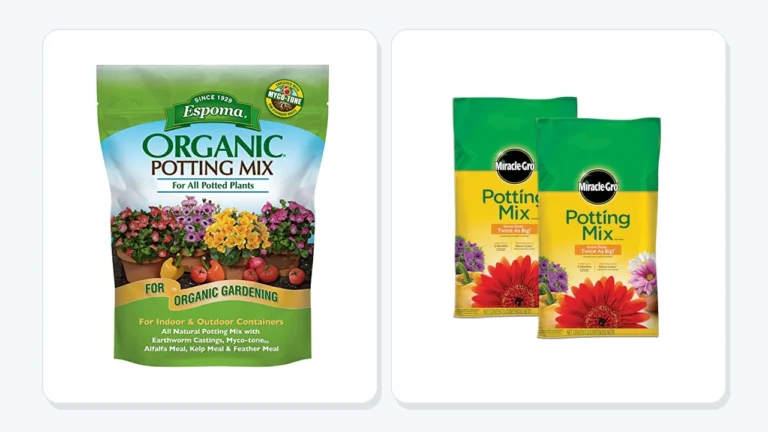
When comparing products for the best potting soil, prioritize plant fit and container performance over the most dramatic package claims. For an organic option, compare organic potting soil choices by their stated use and ingredients instead of assuming organic automatically means better drainage or more food.
Handling Compost and Potting Mix Safely
Handle compost and potting products with basic care, especially when pouring dry material or working in a poorly ventilated space. Dust can irritate your eyes or lungs, and compost quality varies, so use common-sense precautions and follow the package directions.
Open bags outdoors when possible, avoid breathing dust, and dampen dry material lightly if it’s blowing around. Wash your hands after gardening, keep material away from food-preparation surfaces, and store opened bags where children and pets can’t get into them.
Use compost that is finished and suitable for gardening. Fresh or unfinished material can continue decomposing and may not be a good fit for roots in a small container. If a product smells strongly unpleasant or looks unlike the label’s description, don’t mix it into a pot; check the packaging and contact the seller or maker if needed.
For edible plants, follow the product label and any local guidance for applying compost. Don’t assume every compost is intended for every crop or use, and don’t use material whose source or contents you can’t assess.
FAQs About Potting Soil vs Compost
Can I use compost instead of potting soil?
No, not as a default for most containers. Compost varies in texture and can hold too much water or compact when used alone, while potting mix is designed to support roots in a confined space. Compost can still make up a modest portion of a container blend when the plant and drainage needs allow it.
Is potting soil the same as compost?
No. Potting soil is a product intended for growing plants in containers, though its ingredients vary, while compost is decomposed organic matter used mainly as a soil amendment. Some potting products contain compost, but the two terms don’t mean the same thing on a bag or in the garden.
Can I mix compost with potting soil?
Yes. For many general container plants, start with about 3 parts potting mix to 1 part finished compost by volume, then watch drainage and drying. Use less compost for plants that prefer drier roots, and check the potting product label before adding more nutrients.
Is compost or potting soil better for raised beds?
Neither is automatically better for an entire raised bed. A bed needs a suitable growing medium, and compost is commonly blended with other soil materials rather than used alone. The right mix depends on the bed’s existing contents, depth, drainage, and the plants you’re growing.
Can compost burn plant roots?
It can harm plants if the compost is unfinished, overly concentrated, or unsuitable for the planting situation. Finished compost used in a reasonable amount is commonly used as an amendment, but it isn’t a precise fertilizer. If a plant reacts poorly after a new blend, stop adding material and check moisture and root condition.
Choose the Material That Solves the Right Problem
For container plants, start with potting mix made for the plant, then add a modest amount of finished compost only when the blend and the plant can handle it. For garden beds, use compost to improve the existing soil rather than treating it as a universal replacement.
I’d choose a straightforward, labeled container mix over a bag of compost for most pots because predictable drainage matters more than a rich-looking color. If you’re unsure, plant in the appropriate potting mix first and leave compost out until you have a clear reason to add it.
Your next step is simple: check the plant’s needs, confirm that the pot drains, and read the bag before you buy. That little bit of checking can spare you a limp plant and a very muddy afternoon.

I’m Maya L. Greenwood, a lifelong plant lover who believes anyone can grow something beautiful with the right guidance. After years of testing soil mixes, pruning methods, irrigation tricks, and pest-safe solutions, I started EasyGardenTips.com to turn hard-won lessons into step-by-step advice. From seed starting and container gardens to composting and seasonal checklists, my goal is to make gardening simple, sustainable, and fun.