Miracle Gro Cactus Mix Vs Espoma Cactus Mix: Detailed Comparison
Miracle-Gro is the more straightforward pick if you want cactus mix with plant food already included. Espoma’s Natural Organic Soil is the better fit if you prefer an organic soil blend that includes MYCO-TONE, a proprietary mix of endo- and ecto-mycorrhizae. Both are intended for container-grown cacti and succulents, so the choice comes down to their ingredients and what you want from the mix.
The formulas are not identical. Miracle-Gro combines forest products, sphagnum peat moss, sand, and perlite, and is enriched with Miracle-Gro Plant Food. Espoma’s blend contains sphagnum peat moss, humus, and perlite, along with MYCO-TONE.
For a new cactus owner who wants a ready-to-use mix with plant food included, Miracle-Gro may be the simpler fit. If you want an organic soil blend with mycorrhizae, Espoma may suit your preferences better. Neither ingredient list alone guarantees that a plant will thrive: the pot, light, watering habits, and the plant’s needs still matter.
Below, I’ll compare the ingredients, drainage goals, plant-food approach, and day-to-day use. I’ll also cover what to check before buying, where each mix makes sense, and which choice is less likely to frustrate you after repotting.
| Miracle-Gro Indoor Potting Mix | Natural Organic Soil |
 |
 |
Miracle Gro Cactus Mix Vs Espoma Cactus Mix Detailed Comparison
These mixes share a basic purpose: helping cacti and succulents grow in containers with a potting blend designed around aeration and drainage. Both contain sphagnum peat moss and perlite, and both are intended for plants including cacti and succulents. The meaningful differences are in the other ingredients and the added components.
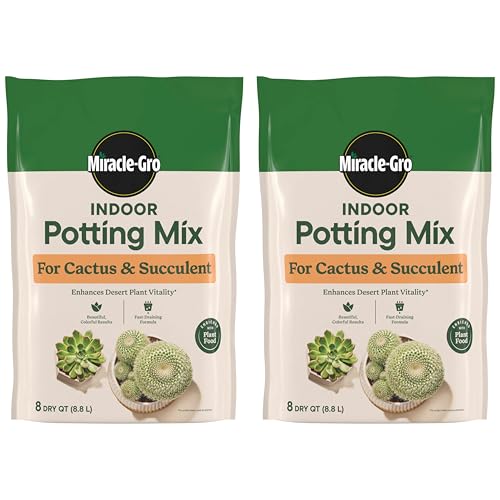
Miracle-Gro Indoor Potting Mix for Cactus and Succulent contains forest products, peat moss, sand, and perlite. It is also enriched with Miracle-Gro Plant Food. The mix is designed for indoor container plants, including cacti, succulents, and citrus trees; the ready-to-use format means there is no required mixing step before filling a pot.
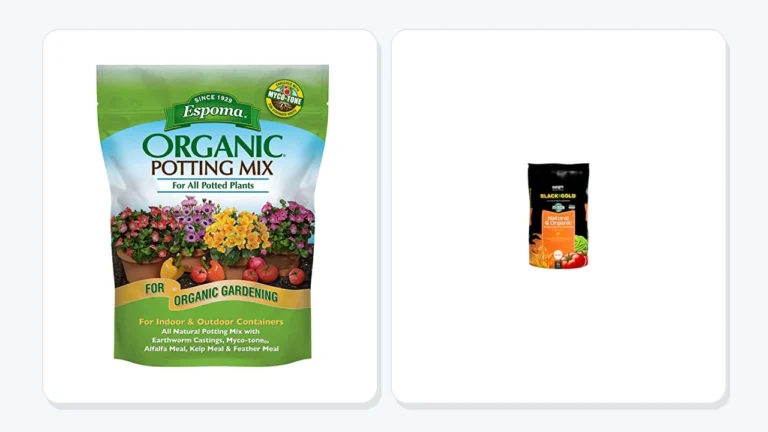
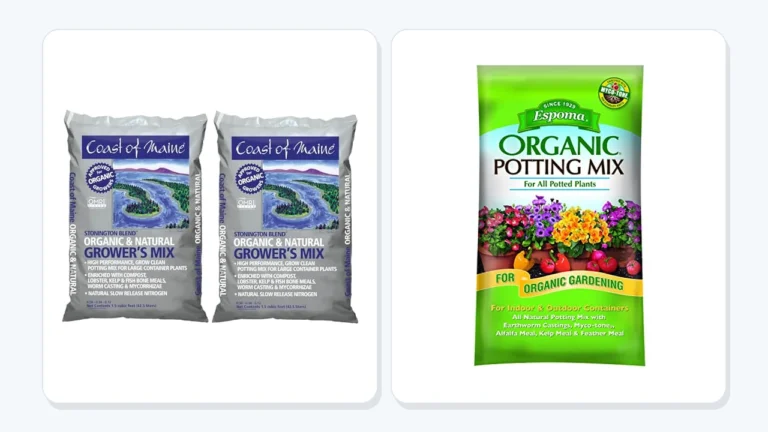
Espoma’s Natural Organic Soil combines peat moss, humus, and perlite. It also includes MYCO-TONE, described as a proprietary blend of endo- and ecto-mycorrhizae. It is intended for container planting and transplanting, with named uses including succulents, cactus, palms, citrus, jade plants, burro’s tails, aloe vera, and barrel and Christmas cactus.
What the different ingredients mean
The listed ingredients point to different approaches, not a simple winner. Miracle-Gro includes sand and forest products alongside peat and perlite, while Espoma includes humus alongside peat and perlite. Those distinctions may help you choose based on the blend you prefer, but they do not establish that one mix drains better for every plant and pot.
Both mixes are intended to support aeration and drainage. That is useful for container-grown desert plants, but the pot itself still has a job to do. A container with drainage holes gives excess water somewhere to go; a suitable soil mix cannot compensate for water staying trapped in a pot with no outlet.
Plant food versus MYCO-TONE
Miracle-Gro’s mix is enriched with its plant food. Used as directed, it is intended to enhance desert plant vitality compared with unfed plants. That may be appealing if you want a mix that already includes plant food, but it does not remove the need to follow the package directions or consider your plant’s care routine.
Espoma instead identifies MYCO-TONE, its proprietary blend of endo- and ecto-mycorrhizae. If that ingredient is part of what you are seeking, it gives you a clear reason to consider Espoma. The presence of mycorrhizae does not, by itself, guarantee a particular growth result, and it is not the same as choosing a mix enriched with Miracle-Gro Plant Food.
Plant range and intended use
There is overlap: both are suitable options to consider for container-grown cacti and succulents. Miracle-Gro specifically calls out indoor container use and also includes citrus trees in its intended range. Espoma names a broader set of examples that includes palm and specific plants such as jade, aloe vera, and Christmas cactus.
Those examples can help you check whether a mix is meant for your plant, but they are not a promise that every species has identical care needs. If your collection includes several kinds of plants, consider whether you want one mix for a broad group or would rather match the medium to each plant’s growing conditions.
Pack format and planning
Miracle-Gro is sold as a two-bag bundle, with each bag holding eight quarts. Each bag is intended to fill five six-inch containers, though the amount needed can vary with the size of each plant’s root ball. That gives you a practical starting point for planning a small repotting session, not a guarantee for every pot.
Espoma is also offered as a pack of two bags, but no volume is confirmed here. Don’t assume the packs contain the same amount. Before choosing, check the actual bag volume and compare it with the number and size of your pots; total bag count alone is not a fair measure of value.
Key Differences That Matter
1. The supporting ingredients
Both mixes contain peat moss and perlite, but the rest of their listed blends differ. Miracle-Gro includes forest products and sand; Espoma includes humus. If you have a preference for a particular ingredient approach, this is the clearest place to start your comparison.
Those ingredient differences do not prove that one mix will be the right texture for every cactus. Pot size, drainage holes, root-ball size, and how you water all affect what happens after planting. If you already know your plant does best in a particular kind of mix, check the ingredients against that need instead of relying on the product name alone.
2. Included plant food or included mycorrhizae
Miracle-Gro’s defining extra is its plant food. Espoma’s is MYCO-TONE, a proprietary blend of endo- and ecto-mycorrhizae. These are different features, so there is no like-for-like basis for declaring one superior in general.
Think about what you want built into the mix. If you want plant food included, Miracle-Gro is the direct match. If you specifically want a soil blend with MYCO-TONE, Espoma has the more relevant feature. Either way, keep your expectations grounded: an added ingredient is not a substitute for suitable light, careful watering, or a pot that drains.
3. How specifically the plant range is described
Miracle-Gro is designed for indoor container plants such as cacti, citrus trees, and succulents. Espoma names cactus, succulents, palms, and citrus, as well as examples including jade, burro’s tails, aloe vera, barrel cactus, and Christmas cactus.
That gives Espoma more named plant examples, but it does not establish that it is automatically a better choice for every plant on that list. If you are repotting a specific species, start with the plant’s needs and use the product’s intended range as a compatibility check.
4. How much mix you can plan around
Miracle-Gro gives a bag volume and an estimated container count: an eight-quart bag is intended to fill five six-inch containers, with actual needs varying by root-ball size. That can make it easier to estimate how much to have on hand before repotting several small plants.
The confirmed Espoma details identify a two-bag pack but do not give a bag volume here. Check the package volume before comparing cost or estimating coverage. A lower-looking pack price, if you encounter one, would not tell you whether you are getting more soil unless you compare the amount as well.
Performance, Features, and Everyday Use
For either mix, start by matching the pot to the plant and making sure excess water can drain. Gently remove the plant, check the roots, and add enough mix to support it at a suitable height. Avoid treating a new soil blend as a fix for every watering problem: how often a cactus needs water depends on its conditions, not just the ingredients in the bag.
Miracle-Gro’s ready-to-use format is useful when you want to open a bag and fill a container without preparing a custom blend first. Its added plant food may also appeal if you want that feature included in the soil. The stated container estimate can help with planning, though larger root balls or different pot shapes can change how far a bag goes.
Espoma is also intended for planting in containers, whether you are starting with a new plant or moving one into a larger pot. Its peat, humus, and perlite blend may suit buyers who want that ingredient combination, and MYCO-TONE is a distinct feature for those who value its inclusion. The pack’s bag volume is worth checking before you plan a larger repotting day.
What neither mix can do for you
Neither soil choice makes a cactus immune to overwatering. Drainage depends on the whole setup: mix, pot, saucer, and watering routine. If water sits in the container or the plant is watered again before it needs it, an ingredient list cannot promise a good outcome.
Also be cautious about assuming that “cactus mix” means you never need to adjust your care. Different plants and indoor conditions vary. Watch how the soil behaves in your own pots, and follow care guidance for the plant you have rather than using a fixed schedule for every succulent on the shelf.
Buying and repotting without surprises
Before buying, check the amount of mix against the number of plants you plan to repot. For Miracle-Gro, the eight-quart bag and estimated five six-inch pots offer a useful reference point, not an exact promise. For Espoma, confirm the volume per bag so you can make a fair quantity comparison.
If you are repotting only one small plant, a two-bag pack may leave you with more soil than you need right away. If you have several plants or expect to repot again, the remaining mix may be useful. Keep the decision practical: don’t pay for ingredients you do not want, and don’t buy based on bag count without checking volume.
Pros and Cons
Miracle-Gro Indoor Potting Mix
Pros
- ✓Plant food included: A good fit if you want this feature in your cactus mix.
- ✓Ready to use: No required mixing before filling containers.
- ✓Clear quantity estimate: Eight quarts is intended for five six-inch pots.
Cons
- –Specific ingredient blend: Not the match if you prefer humus in the listed formula.
- –Plant food may not be your preference: Consider this if you want a different approach.
- –Coverage varies: Root-ball size can change how many pots a bag fills.
Natural Organic Soil
Pros
- ✓Includes MYCO-TONE: Suits buyers seeking a mix with mycorrhizae.
- ✓Humus in the blend: A clear point of difference from Miracle-Gro’s listed ingredients.
- ✓Broad named plant range: Includes cactus, succulents, palm, and citrus.
Cons
- –Bag volume needs checking: Confirm it before estimating coverage or comparing value.
- –MYCO-TONE is not plant food: Choose based on the feature you actually want.
- –Ingredient preference matters: It may not suit buyers seeking Miracle-Gro’s sand-and-forest-products blend.
Which One Should You Buy?
Choose Miracle-Gro Indoor Potting Mix if you want a ready-to-use cactus and succulent mix with Miracle-Gro Plant Food included. It is a sensible fit for an indoor container gardener who values that feature and wants a confirmed volume to help estimate how much soil to buy. Its stated plant range also includes citrus trees.
Choose Espoma Natural Organic Soil if you want an organic soil blend that includes humus and MYCO-TONE. It suits buyers who specifically value those ingredients and want a mix intended for a range that includes cactus, succulents, palm, and citrus. Check the volume per bag before deciding how much you need.
Who Should Skip This: Miracle-Gro is not the obvious choice if you are specifically seeking Espoma’s humus-and-MYCO-TONE blend. Also think twice if you do not want plant food included in your mix; choose based on your growing preferences rather than assuming the extra is automatically useful.
Who Should Skip This: Espoma may not fit if you want Miracle-Gro Plant Food included or need a confirmed bag volume to plan the job without checking the package. Its named ingredients and added mycorrhizae are reasons to choose it only if they suit your priorities.
If you choose the wrong one, the likely frustration is less about the brand name and more about a mismatch: paying for an included feature you did not want, or buying too little soil for a planned repotting session. Compare the ingredient blend, the feature you value, and the amount in each bag before making the call. If your main concern is drainage, check your pot and watering routine too; neither product can correct a setup that keeps water from escaping.
FAQS About Miracle Gro Cactus Mix Vs Espoma Cactus Mix
Which is better for cactus, Miracle-Gro or Espoma?
Neither is a universal winner. Miracle-Gro is the more direct fit if you want plant food included; Espoma is the fit if you want humus and MYCO-TONE in the blend. Both are intended for container-grown cacti.
Do both mixes contain peat moss and perlite?
Yes. Both list sphagnum peat moss and perlite. Miracle-Gro also lists forest products and sand, while Espoma lists humus and MYCO-TONE.
Does Espoma cactus mix include plant food?
The confirmed Espoma features identify humus, peat moss, perlite, and MYCO-TONE. They do not establish that plant food is included, so check the package if that feature matters to you.
How many pots does a bag of Miracle-Gro cactus mix fill?
One eight-quart bag is intended to fill five six-inch containers. The actual amount can vary with the size of the root balls, so allow for that when planning.
Can I use either mix for succulents and citrus?
Both are intended for succulents, and both include citrus in their stated uses. Espoma also names palm, jade, burro’s tail, aloe vera, barrel cactus, and Christmas cactus.
Final Verdict: Which One Wins?
Miracle-Gro wins for convenience if you want ready-to-use cactus mix with plant food included and a clear bag-volume estimate. That makes it easier to plan a modest indoor repotting session, though the stated pot count is only an estimate and depends on root-ball size.
Espoma wins for buyers who prefer its organic soil blend with humus and MYCO-TONE. Its named plant range is broad, but confirm bag volume before comparing how much soil you will get. The better choice is the one that matches your preferred ingredients and the feature you actually want—not a promise that one mix will fix watering or drainage problems on its own.

I’m Maya L. Greenwood, a lifelong plant lover who believes anyone can grow something beautiful with the right guidance. After years of testing soil mixes, pruning methods, irrigation tricks, and pest-safe solutions, I started EasyGardenTips.com to turn hard-won lessons into step-by-step advice. From seed starting and container gardens to composting and seasonal checklists, my goal is to make gardening simple, sustainable, and fun.