Are Ants in Potting Soil Bad? What They Mean for Your Plants
Usually, ants in potting soil don’t eat healthy plants, but a nest can disturb roots, dry the mix, and point to other pests. A few passing ants are usually harmless; a colony living in the pot deserves attention.
Have you spotted a trail disappearing under a planter, or found ants pouring out when you water? The tricky part is knowing if they’re just passing through or have made the pot their home.
I once treated a planter for ants before checking the leaves, then realized the ants were visiting sticky residue from sap-feeding pests. I’d spent time chasing the wrong problem, and the plant still had the pests; that’s a common mistake, not a dumb one.
I wrote this to help you sort out what the ants mean, choose a fix that fits the situation, and avoid remedies that can stress your plant. You’ll also get a clear way to tell harmless visitors from a nest that’s affecting the root ball.
If you catch the real cause early, you can protect roots, avoid unnecessary pesticide, and keep ants from spreading to nearby pots. Skip the clues, and you may end up treating the soil while aphids keep feeding on the leaves.
This takes about 10 minutes to read. By the end, you’ll know how to:
- Tell a passing ant trail from a colony in the pot.
- Check for aphids, scale, and other signs ants may be following.
- Remove ants without using a risky soil treatment.
- Make your pot less inviting after the ants are gone.
Are Ants in Potting Soil Bad? the Direct Answer
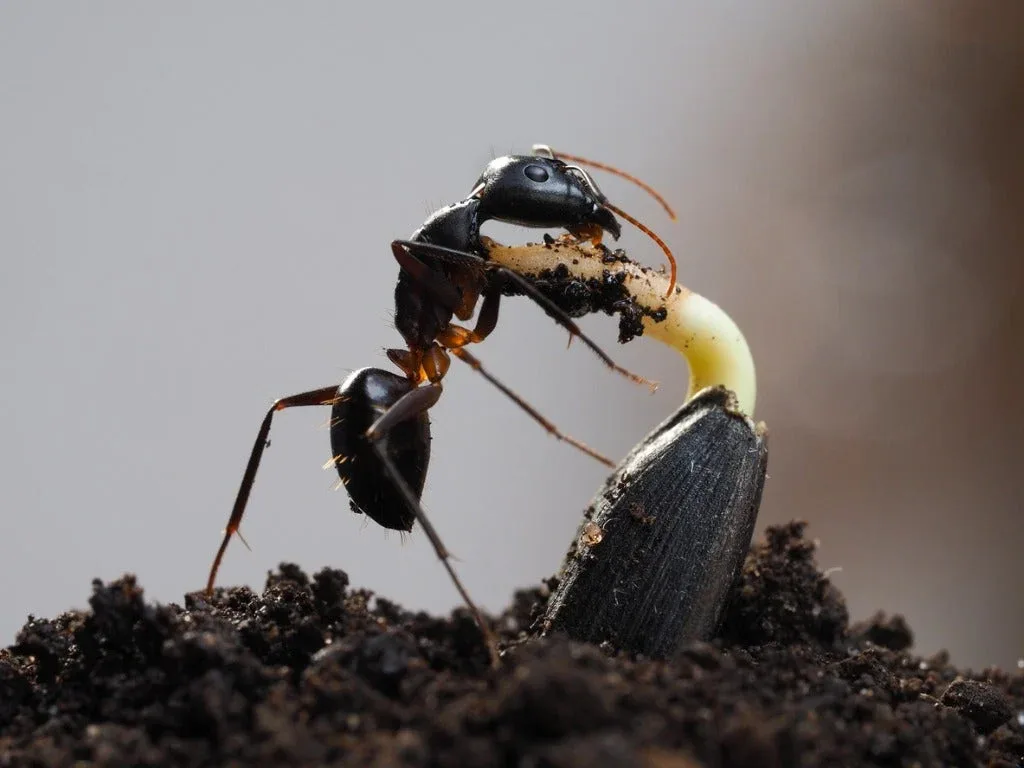
Ants in potting soil are usually a nuisance, not a direct plant-eating threat. A colony can loosen the mix, shift roots, and make water move unevenly, while ants tending sap-feeding insects can contribute to a separate plant problem.
The key difference is where the ants are going. Ants walking across a pot or visiting flowers may be foraging; ants repeatedly entering a drain hole, nesting under the root ball, or appearing in large numbers after you move the planter are stronger clues that the pot has become a nest.
- A few ants on the rim or leaves: Watch for a day or two and look for a trail.
- Ants emerging from the soil or drainage holes: Check whether the colony is inside the pot.
- Sticky leaves, curled growth, or clusters of tiny insects: Inspect for aphids, mealybugs, or scale.
Ants generally don’t feed on healthy roots, stems, or leaves. Some species may scavenge, and a nest can disturb fine roots or leave air pockets, but plant decline often has another cause, such as poor drainage, root damage, or sap-feeding pests.
What if the ants are only coming and going? Follow their route rather than treating the pot right away. A trail to a food spill, plant saucer, or sugary residue elsewhere may explain the traffic without an underground colony.
How to check whether a pot has a nest
Look at the soil surface, pot rim, drainage holes, and the ground or shelf beneath the planter. Ants repeatedly carrying soil out of a hole, or emerging from one spot after you gently move the pot, suggest nesting.
Check the plant itself, too. Ants may collect honeydew, a sugary liquid made by aphids, soft scale, and some other sap-feeding insects. Look under leaves and along new stems for small insects, sticky patches, or black, sooty-looking growth.
Don’t dig around the root ball just to confirm a hunch. If the plant looks healthy and you can’t find a nest or sap-feeding pests, monitoring the trail is less disruptive than tearing into the pot.
Why Ants Move Into Potting Soil
Potting soil can offer ants shelter, warmth, and a spot that stays relatively dry. A container tucked beside a wall, sitting undisturbed on a patio, or placed near a steady food source can be an easy place to build a nest.
Some ants prefer dry conditions, so a pot that dries out between waterings may appeal to them. Others may use the container as a sheltered route or nesting area without causing noticeable plant damage.
Ants may also visit a plant because they’re collecting honeydew from aphids or scale insects. In some cases, ants protect these insects from predators, which can leave the sap feeders free to keep feeding on the plant. The ants aren’t the only issue to solve.
The ants in one of my planters kept returning even after I cleared the trail from the rim. When I checked the stems, I found sticky residue and small pests tucked under the leaves; dealing with the plant pests mattered more than chasing every ant.
A pot that stays waterlogged can have a different problem altogether. Poor drainage can weaken roots and create conditions that favor root damage, so don’t assume the ants caused every drooping leaf or yellow patch. If water sits in the saucer, empty it and check that the container’s drain holes are open.
If you’re dealing with several kinds of crawling pests, the right fix depends on what they are and where they live. A targeted plan for bugs in potting soil can help you avoid treating every insect as if it needs the same remedy.
Clues that point to a separate plant pest
Ants may be following another insect rather than nesting in the pot. Take a close look at:
- New growth, where aphids often gather.
- Leaf undersides and stem joints, where small pests can hide.
- Sticky leaves or nearby surfaces, which may be coated with honeydew.
- White, cottony patches or raised bumps that can point to mealybugs or scale.
If you find pests, identify them before applying a product. A spray made for leaf surfaces may not be safe to pour into soil, and a treatment that misses the insect’s hiding place may do little besides stress the plant.
Pro Tip: Take a clear photo of the insect and the damaged area before you remove anything. Matching the pest to the right treatment is easier when you can compare the details.
How to Remove Ants from a Potted Plant
The best first move is to remove food and access, then decide whether the colony is in the pot. If ants are nesting in the soil, relocating the plant or replacing the mix may work better than repeatedly spraying the surface.
- Trace the trail. Check whether ants enter the pot, come from a nearby crack, or are visiting another plant or food source.
- Inspect the leaves and stems. Look for honeydew and sap-feeding insects that could be attracting them.
- Remove nearby food and shelter. Clean sticky spills, clear dead leaves, and move the pot away from walls or ant trails if you can.
- Choose a treatment based on the nest. If the ants are inside the pot, consider repotting or using a labeled ant bait near the trail where pets and children can’t reach it.
- Watch for returning activity. Check the plant and pot over the next few days, and treat any plant pest you identified.
When the plant is healthy and the ants are only crossing the pot, skip a soil treatment. Wipe the outer pot clean, remove accessible food, and interrupt the trail where it meets the planter.
If ants are nesting in the root ball, repotting is often the most direct option. Move the plant to a safe work area, slide it gently from the pot, and remove loose soil without yanking or scrubbing the roots. Put the old mix in a sealed bag for disposal, clean the pot, and refill it with fresh mix suitable for the plant.
A full root wash isn’t necessary for every plant and may add stress, especially if roots are delicate or the plant is already struggling. If the roots are tightly packed, badly damaged, or the plant is valuable and sensitive, get help from a local nursery or plant professional before making a drastic cut.
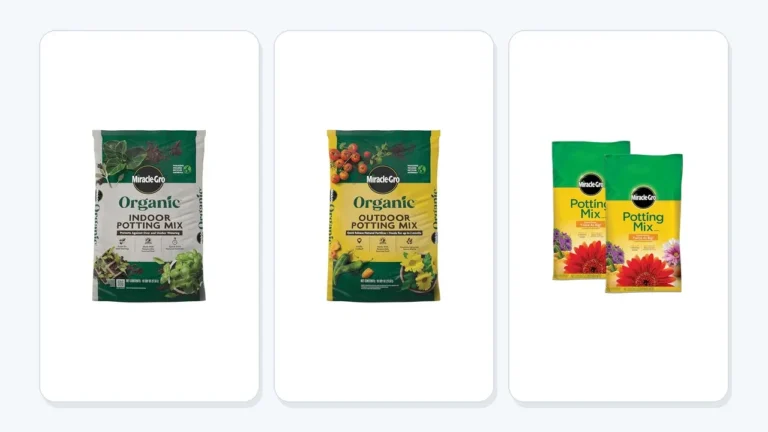
A better-draining mix can make it easier to manage moisture, but drainage alone won’t keep every ant away. If you’re replacing old mix, choose a blend that fits the plant’s needs; a guide to best draining potting soil can help you compare mixes without treating “fast draining” as one-size-fits-all.
A bait station can help when ants are foraging indoors or outdoors, but follow the product label and keep it away from children, pets, and edible plants. Don’t put bait directly into a pot unless the label specifically allows that use. Spraying the trail may kill visible ants while leaving the nest untouched.
Treatments to avoid around roots
Boiling water can burn roots and may crack or damage some pots. Vinegar, concentrated soap, salt, and essential oils can also harm plants or change soil conditions, so don’t pour them into the pot as a quick fix.
Avoid using a general insect spray as a soil drench unless its label lists that use and names the plant or setting. A product that’s safe on a hard surface may be unsafe for roots, indoor air, pets, or pollinators.
If you’d rather avoid synthetic products around household plants, that concern is worth considering while choosing a soil blend and any pest treatment. A guide to non-toxic potting soil can help you sort out what a product label does and doesn’t tell you; “natural” doesn’t automatically mean harmless.
Important Tip: Keep the plant label and any treatment instructions handy. If the product doesn’t clearly allow use on that plant and in that location, don’t guess.
How to Keep Ants from Returning
Ant prevention comes down to removing what attracts them and making the pot easier to monitor. Keep saucers clean, clear fallen leaves, and check the plant when you water so a small trail doesn’t go unnoticed for weeks.
Water according to the plant’s needs rather than keeping every pot constantly damp. Let the soil surface dry only as much as the plant can safely tolerate, and don’t leave standing water in a saucer. A plant that needs evenly moist soil still needs a container that drains.
Inspect new plants before placing them beside your others. Look under leaves and around the soil surface for insects, webbing, sticky patches, or ants. Quarantining a new plant for a short period gives you a chance to spot a problem before it reaches the whole shelf.
Don’t assume stored potting mix is safe just because the bag looks closed. Wet, clumped, foul-smelling, or insect-infested mix may need to be discarded, while dry mix kept sealed and protected from pests may still be usable. If you’re unsure about an old bag, use these potting soil storage signs to judge its condition before adding it to a plant.
Pro Tip: Keep open soil bags off the floor and seal them between uses. That makes the mix less inviting to pests and keeps accidental spills from becoming a new ant buffet.
Should you heat potting soil to kill ants?
Heating soil isn’t the first choice for removing ants from a planted pot. Heat can harm roots and living soil organisms, and putting potting mix in an oven can create unpleasant odors or other safety concerns.
If you’re considering heat treatment for unused mix, check the product instructions first and use a method intended for that material. Don’t heat soil with a plant in it, and don’t assume a method that works for one mix is safe for another. A dedicated guide to baking potting soil safely can help you weigh that option without making it your default ant treatment.
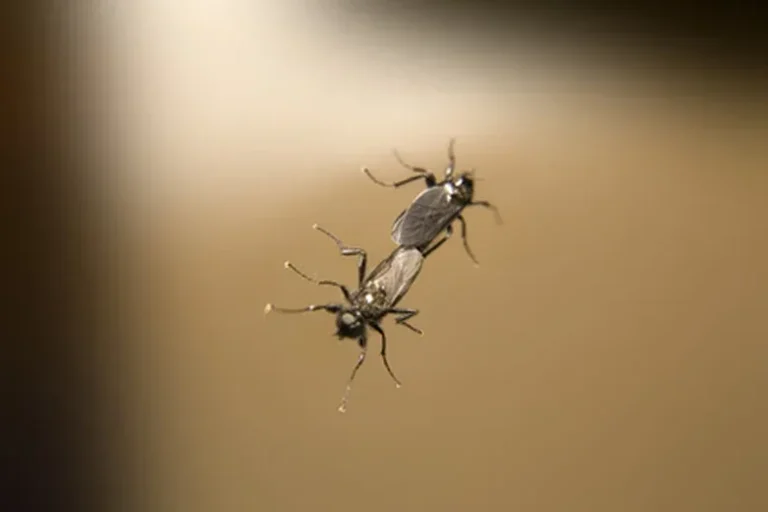
A fresh bag can be simpler if the existing mix is infested, smells sour, or has stayed wet for a long time. For seedlings and indoor plants, you may also want to compare gnat-free potting soil options, though no mix can promise that insects will never arrive after you bring a plant home.
What Ant Activity Can Tell You About the Soil
Ants alone don’t prove potting soil has gone bad. Their presence tells you to inspect the pot, plant, and nearby area, not that the mix must be thrown out.
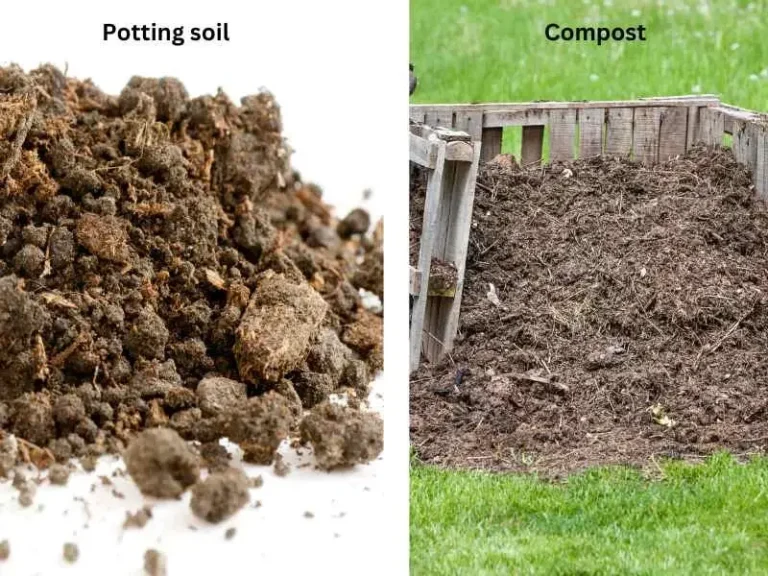
Pay attention to the soil’s condition. Mix that stays soggy, smells sour, or has broken down into dense clumps may be a poor fit for the plant or may have been stored badly. On the other hand, ants walking over dry, loose soil don’t tell you much about the mix’s age or quality.
A pot with blocked drainage can stay wet near the bottom even when the surface looks dry. Check the drainage holes and empty the saucer after watering; a dense or compacted mix may need replacement if water can’t pass through properly.
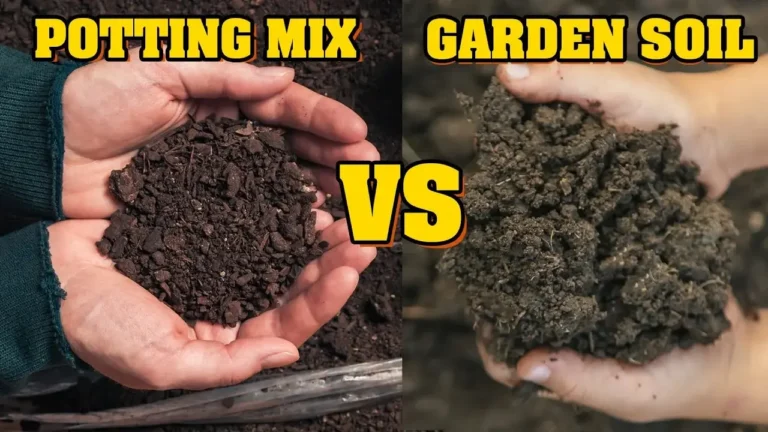
When you replace soil, match the mix to the plant rather than choosing based on a pest claim alone. A cactus and a moisture-loving fern don’t need the same balance of water retention and air space.
Quick comparison of common signs
| What you notice | What it may mean | What to do next |
|---|---|---|
| A few ants walking across the rim | Foraging or passing through | Follow the trail and watch for a nest |
| Ants repeatedly coming from drain holes | Possible nest in the pot | Inspect roots and consider repotting |
| Sticky leaves with ants nearby | Possible honeydew from sap feeders | Inspect stems and leaf undersides |
| Drooping plant and soggy soil | Possible drainage or root problem | Check drain holes and soil moisture |
| Ants with no plant damage or pest signs | Activity may be unrelated to plant health | Remove attractants and monitor |
The table gives clues, not a diagnosis. Plants can droop from underwatering, overwatering, heat, or root trouble, so use the soil and plant signs together.
FAQs About Are Ants in Potting Soil Bad
Do ants eat plant roots in pots?
Usually, ants don’t eat healthy plant roots. A colony can disturb fine roots as it tunnels, and some ants may feed on other small organisms, but root decline is often tied to a separate issue such as excess moisture, root damage, or sap-feeding pests. Check the plant and soil before choosing a treatment.
Should I repot a plant with ants?
Repot a plant when you have good reason to think ants are nesting in the root ball or the mix is in poor condition. A few ants crossing the rim aren’t enough reason to disturb roots. If you do repot, handle roots gently and use a clean container with open drainage holes.
Can I water ants out of potting soil?
Watering may drive ants from one area without removing the colony, and repeatedly soaking soil can harm roots. Don’t flood a plant that needs dry or well-aerated mix. If ants are clearly nesting in the pot, repotting or a properly labeled bait near the trail is usually a more controlled choice.
Are ants in potting soil a sign of aphids?
Ants can point to aphids because aphids produce honeydew, which ants may collect. Ants don’t prove aphids are present, though. Check new growth, leaf undersides, and stems for small insects or sticky residue, then treat the sap-feeding pest if you find one.
Will cinnamon or vinegar get rid of ants in plant soil?
Neither cinnamon nor vinegar is a reliable fix for an ant colony in potting soil. Vinegar may harm plant tissue or alter the growing area, while sprinkling a powder over the surface won’t reliably reach a nest. Remove the attraction, confirm where ants are nesting, and choose a plant-safe response.
Can ants spread from one plant pot to another?
Yes, ants can travel between containers while foraging, and a nearby pot may offer another sheltered nesting spot. Check the route, nearby planters, and any food or sticky residue around the area. Moving one pot may interrupt a trail, but inspect the other plants before assuming the problem is contained.
A Simple Next Step for Your Plant
Ants in potting soil are usually a sign to check, not a reason to panic. If the plant looks healthy and ants are only passing by, clean the area and watch the trail. If they’re emerging from the root ball, inspect for sap-feeding pests and decide whether repotting or a labeled bait is the safer fit.
I’d avoid pouring home remedies into a pot because the plant’s roots are stuck living with whatever you add. Your clearest next step is to look under the leaves, check the drain holes, and follow the ants for a minute. That quick inspection can save you from treating the wrong problem and help you leave a healthy plant alone.

I’m Maya L. Greenwood, a lifelong plant lover who believes anyone can grow something beautiful with the right guidance. After years of testing soil mixes, pruning methods, irrigation tricks, and pest-safe solutions, I started EasyGardenTips.com to turn hard-won lessons into step-by-step advice. From seed starting and container gardens to composting and seasonal checklists, my goal is to make gardening simple, sustainable, and fun.