
Can You Mix Garden Soil With Potting Soil? Smart Ratios to Use
Yes, you can mix garden soil with potting soil, but use a small amount of garden soil in containers. Start with 1 part garden soil to 3 parts potting mix, and skip garden soil entirely for small pots or plants that need fast drainage.
Are you trying to stretch a bag of potting mix, or hoping to use up soil from a garden bed? The tricky part is that garden soil can look loose outdoors but turn dense and slow to drain inside a pot.
I once blended garden soil into a container mix because the texture seemed fine in my hand. After watering, the pot stayed heavy and wet much longer than I expected, and I had to repot the plant. It’s a common mistake, not a dumb one.
I wrote this to help you decide when mixing makes sense, how much garden soil to add, and when a ready-made mix is the safer choice. You’ll also get practical ways to adjust drainage without guessing or risking a pot full of soggy roots.
Get the mix right, and you can use a bit of what you already have while keeping roots supplied with air and water. Get it wrong, and you may end up with compacted soil, poor drainage, or a plant that struggles even though you’re watering carefully.
This takes about 9 minutes to read. By the end, you’ll know how to:
- Choose a starting ratio for outdoor containers.
- Spot garden soil that shouldn’t go into a pot.
- Adjust a mix for vegetables, herbs, and houseplants.
- Fix soil that stays wet or dries too quickly.
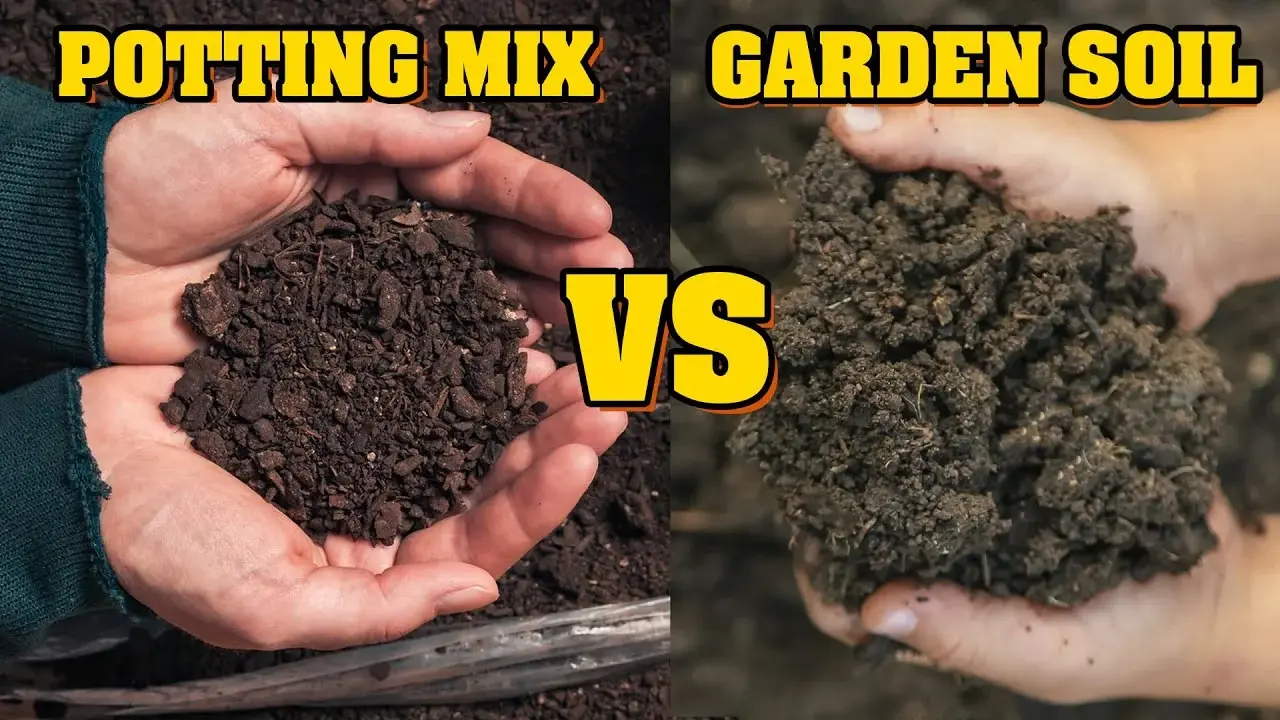
Can You Mix Garden Soil with Potting Soil Safely?
Yes, you can combine the two, but garden soil should be a minority ingredient in most containers. A practical starting point is 1 part garden soil to 3 parts potting mix, with less or none for small pots and plants that need airy, fast-draining roots.
That ratio is a starting point, not a promise. Garden soil varies by location, texture, and organic matter, while potting mixes vary by brand and ingredients. If your garden soil feels sticky when damp or forms a hard clod, use less than 25 percent, or keep it out of the container altogether.
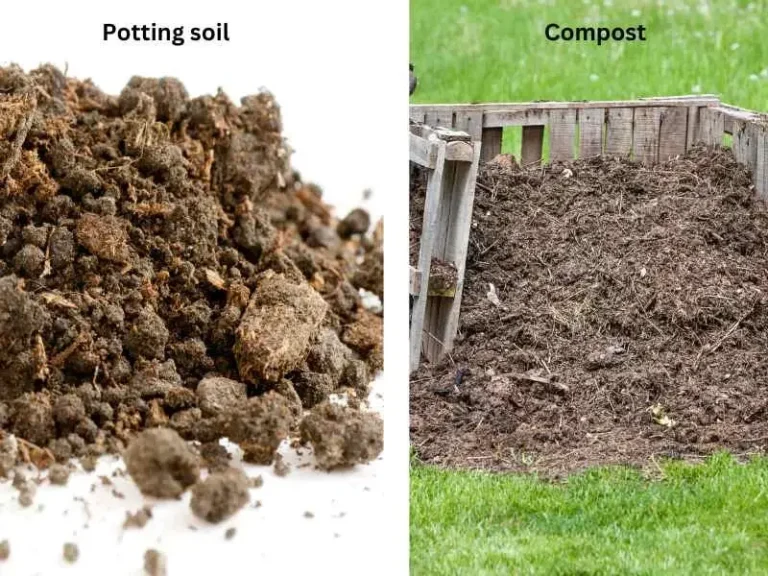
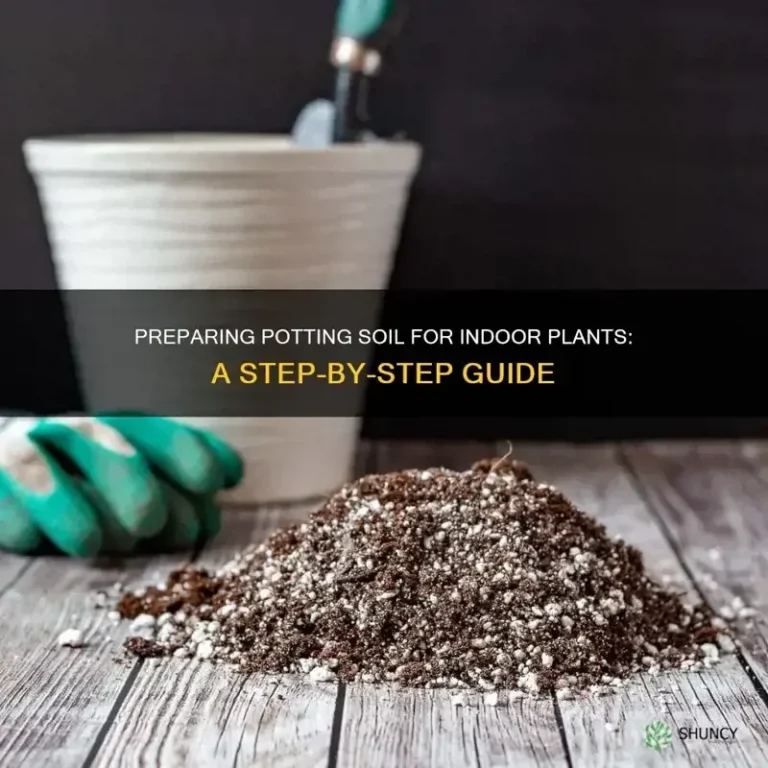
Potting mix is a container-growing blend made to hold moisture while leaving air spaces around roots. It may contain materials such as peat moss or coir, bark, perlite, or compost; the label tells you what’s in that particular bag. It often contains no actual soil.
| Garden soil in the blend | When it may work | Main concern |
|---|---|---|
| 0% | Small pots, indoor plants, and plants sensitive to wet roots | May cost more if you need a large volume |
| About 10% | A cautious trial with a loose, crumbly garden soil | Soil quality and texture can still vary |
| About 25% | Larger outdoor containers with good drainage | The blend can compact or stay wet |
| More than 25% | Rarely a good starting point for containers | Greater risk of poor drainage and limited air |
The question to ask is whether your garden soil stays crumbly after you wet and squeeze a handful. If it sticks together like modeling clay, or you can form a firm ball that barely breaks apart, use a bagged container mix instead.
I’ve had better results treating the ratio as a ceiling, not a target. A large outdoor planter with a loose mix might handle some garden soil, while a little herb pot on a kitchen windowsill has less room for mistakes.
For a quick comparison of what each material brings, read about garden soil and potting mix. Garden soil can add mineral content and weight, while potting mix is built around the air and drainage needs of containers.
Pro Tip: Test a small batch before filling every pot. If water runs through slowly or the mix dries into a hard surface, lower the garden-soil share.
How to Mix Soil for Containers Without Soggy Roots
A good container blend drains excess water, holds enough moisture for roots, and stays loose enough for air to move through it. Mix the ingredients evenly, then check the damp blend before planting.
- Choose suitable garden soil. Use soil from a healthy, well-drained garden area, not soil from a spot that floods or stays compacted.
- Break up clumps. Remove stones, roots, and large debris, then crumble the soil so it blends evenly.
- Start with a small ratio. Combine 1 part garden soil with 3 parts potting mix. For heavy soil, begin with 1 part garden soil to 5 parts potting mix, or leave the garden soil out.
- Moisten and check the texture. Add water gradually. The blend should feel lightly damp and loose, not soupy or sticky.
- Fill a pot with drainage holes. Leave a little room at the top for watering, and don’t pack the mix down hard around the roots.
Do you need to add gravel at the bottom to help drainage? No, gravel doesn’t fix a dense mix, and it can leave the wettest layer higher in the pot. Use drainage holes and a loose growing blend instead.
A pot’s size matters, too. The same soil blend can behave differently in a deep outdoor container and a small indoor pot, because the amount of mix and how quickly it dries both change with the setup.
If you’re deciding whether to use garden soil in pots at all, the key issue is how it behaves after repeated watering. Soil that starts loose but collapses into a dense mass can restrict air around roots as the container settles.
For a broader look at choosing a container blend, compare the ingredients in potting mixes for containers. Check the plant’s needs and the bag label rather than assuming every product called potting soil has the same texture or water-holding ability.
I once tried to rescue a too-heavy blend by adding more compost, but the pot still held water longer than I wanted. The better fix was to use a lighter base mix, not keep adding ingredients and hope they’d cancel each other out.
Important Tip: Don’t reuse soil from a container where a plant had a serious disease or pest problem. It’s hard to know what might remain in the old material, so fresh mix is the safer bet.
Choose a Mix for Vegetables, Flowers, and Houseplants
The best mix depends on the plant, the pot, and how often the container dries out. A tomato in a large outdoor tub has different needs from a cactus in a small indoor pot, so don’t use one ratio for every job.
For container vegetables, a light, moisture-holding potting mix usually gives roots more room to grow than garden soil alone. A small amount of loose garden soil may work in a large outdoor container, but don’t let it dominate the blend or block drainage.
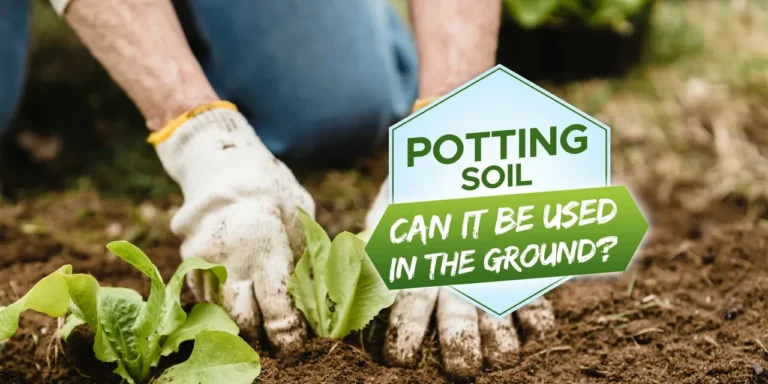
Are you planting vegetables in both a raised bed and a pot? Keep the distinction clear: a garden bed can use native soil, while a container needs a blend that stays open and drains well. The comparison of potting mix and garden soil for vegetables can help you choose for each growing space.
Flowers and outdoor ornamentals can often handle a modest amount of garden soil in a large planter if the soil is crumbly and the container drains well. Heavy rain can keep a planter wet for days, so a denser blend may cause trouble even when it seemed fine during dry weather.
Houseplants are less forgiving when a pot stays wet, especially in a dim room where the mix may dry slowly. I’d usually keep garden soil out of small indoor pots and start with a bagged mix suited to the plant.
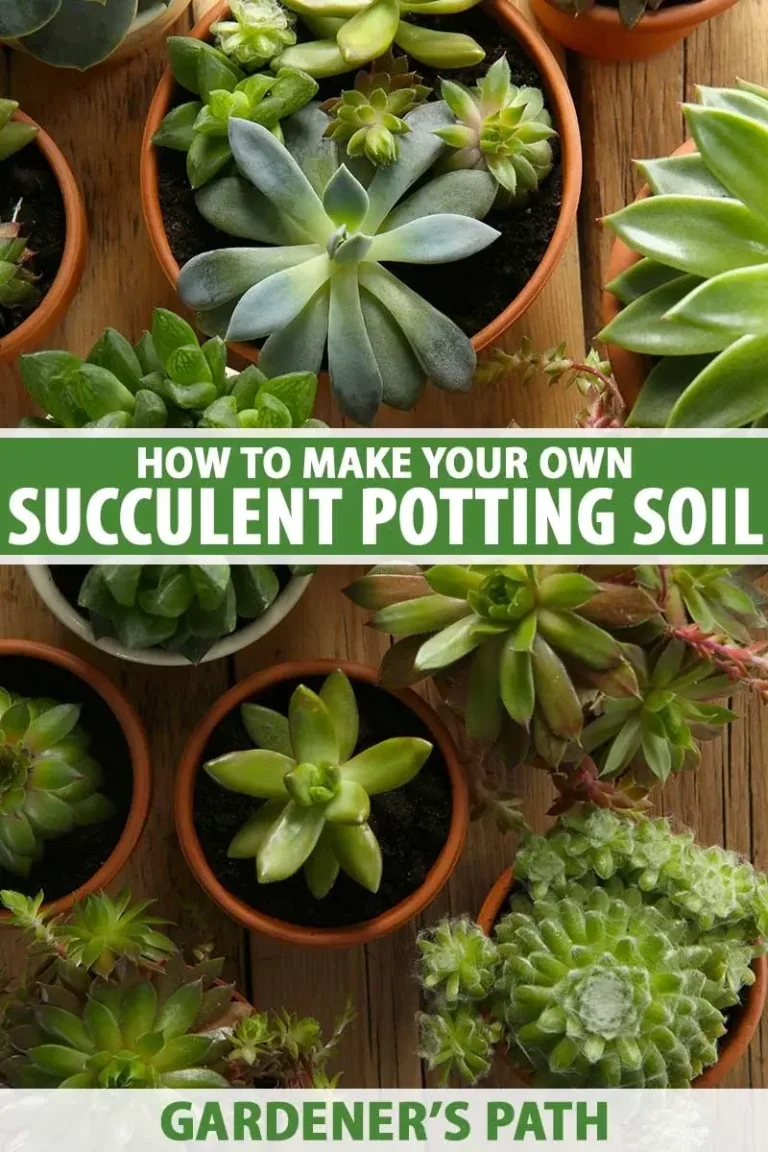
Christmas cactus needs a loose mix that drains freely but doesn’t dry out instantly. If you’re choosing a bagged product for one, compare options in a guide to Christmas cactus potting mix rather than assuming a general-purpose blend or garden soil will fit every cactus.
Outdoor containers face their own mix of sun, wind, and rain. A blend that works on a sheltered porch may dry too quickly on a hot, exposed patio, so match your watering habits and plant needs to the spot.
For more help choosing a blend for outdoor containers, compare potting mix for outdoor plants. A bagged mix is often a simpler starting point when you can’t judge the garden soil’s texture or drainage with confidence.
| Planting situation | Sensible starting choice | What to watch |
|---|---|---|
| Small houseplant pot | Potting mix suited to the plant, with no garden soil | Slow drying and waterlogged roots |
| Large outdoor flower planter | Mostly potting mix; a small amount of loose garden soil may be workable | Heavy rain and compacted soil |
| Container vegetables | Potting mix, with a cautious amount of garden soil only if it’s loose | Water demand and container size |
| Christmas cactus | Loose, well-draining potting mix | A blend that stays wet too long |
| Raised garden bed | Garden soil or a suitable bed blend | Drainage and soil texture |
A simple way to decide is to think about the cost of getting the mix wrong. Replacing a dense blend in one large planter is a chore; using a light, plant-appropriate mix from the start is often easier than trying to fix the problem later.
Fix Common Problems with a Soil Blend
A mixed container blend can usually be adjusted before planting, but a badly compacted pot may need a full refresh. Check drainage and texture first, then change the blend rather than adding random ingredients.
| What you notice | Likely cause | What to do |
|---|---|---|
| Water pools on top | Mix is compacted or too dense | Loosen the blend and reduce garden soil |
| Pot stays wet for days | Slow drainage, oversized pot, or low light | Check drainage holes and use a lighter mix |
| Mix dries very quickly | Blend drains too fast or the pot is exposed to heat and wind | Water more evenly or use a mix suited to the plant |
| Surface turns hard | Dense soil or repeated drying | Break up the surface gently and refresh the mix |
| Plant wilts while soil is wet | Roots may be stressed by excess moisture | Check drainage and root condition before watering again |
Don’t try to solve every drainage problem by pouring in perlite, sand, or compost without checking the rest of the blend. Different materials change water movement in different ways, and a small amendment may not undo the effect of too much heavy garden soil.
If the mix is already in a pot and the plant is declining, slide the root ball out carefully and check whether the soil is wet and packed around the roots. If it is, repot with a fresh, airy blend and a container that has open drainage holes.
For a healthy plant in a mix that’s only a little heavy, you may not need to repot right away. Let the surface dry somewhat between waterings, and watch how long the pot stays damp before making a bigger change.
- Start with 1 part garden soil to 3 parts potting mix, or use less.
- Keep dense or sticky garden soil out of containers.
- Choose a plant-appropriate mix and rely on drainage holes, not a gravel layer.
- Check a small test batch before blending enough for several pots.
FAQs About Can You Mix Garden Soil with Potting Soil
What Is a Safe Ratio of Garden Soil to Potting Soil?
A common cautious starting ratio is 1 part garden soil to 3 parts potting mix. Use a smaller share if the garden soil feels heavy or sticky, and skip it for small pots or plants that need very fast drainage. The right mix still depends on soil texture and the plant.
Can You Use Garden Soil by Itself in a Pot?
No, garden soil by itself is usually too dense for containers and may compact after watering. Compaction reduces air spaces around roots and can slow drainage. A potting mix is generally a better container base, especially for small pots that dry slowly indoors.
Should You Sterilize Garden Soil Before Mixing It?
Sterilizing home garden soil isn’t a reliable shortcut to a good container blend. Garden soil may contain weed seeds, pests, or plant disease organisms, and heating soil at home can create unpleasant odors or safety risks. If you’re unsure about its source, use fresh bagged potting mix.
Can You Mix Garden Soil With Potting Soil for Vegetables?
Yes, a small amount of loose garden soil can be mixed into potting mix for vegetables in a large outdoor container. Keep potting mix as the main ingredient, use a pot with drainage holes, and avoid dense soil that stays wet. Raised beds can use a different soil approach.
Can You Mix Garden Soil With Potting Soil for Indoor Plants?
You can, but garden soil is usually not a good choice for small indoor pots. Indoor containers often dry more slowly than outdoor pots, and heavy soil can stay wet around roots. A potting mix suited to the plant is the safer starting point.
Does Adding Sand Improve a Garden Soil and Potting Mix Blend?
Not always. A small amount of sand may not loosen a dense blend, and fine sand can make some mixtures heavier. Check the potting mix label and the texture of your ingredients before adding anything; if the blend feels sticky, reduce the garden soil instead.
Make the Mix Fit the Pot
Mixing garden soil with potting soil can work in a large outdoor container when the garden soil is loose, the pot drains freely, and potting mix makes up most of the blend. It’s not a shortcut I’d use for every plant, and it’s rarely worth the risk in a small indoor pot.
Start with a small batch and let the texture guide you. If the blend stays airy when damp, you’re on the right track; if it clumps or holds water, use less garden soil or choose a fresh container mix. Your clearest next step is to check the garden soil in your hand before it goes anywhere near a pot.

I’m Maya L. Greenwood, a lifelong plant lover who believes anyone can grow something beautiful with the right guidance. After years of testing soil mixes, pruning methods, irrigation tricks, and pest-safe solutions, I started EasyGardenTips.com to turn hard-won lessons into step-by-step advice. From seed starting and container gardens to composting and seasonal checklists, my goal is to make gardening simple, sustainable, and fun.
One Comment