
Organic Potting Soil vs Regular: Is It Worth the Extra Cost?
Organic and regular potting soil can both grow healthy container plants; the better choice depends on the ingredients, the label, and what you’re growing. Organic mixes may suit gardeners who want certified organic inputs, while regular mixes often offer more straightforward options at different price points.
Are you trying to avoid certain ingredients, or just hoping your tomatoes and houseplants will grow well? And do those bags on the shelf make it clear what’s actually inside? They don’t always.
I once grabbed a bag based on its organic-looking packaging and skipped the ingredient panel. The mix held water longer than I expected, and a small herb pot stayed soggy after watering. That’s a common mistake, not a dumb one.
I wrote this to help you read the bag, compare the materials, and choose a mix that fits your plants instead of paying extra on autopilot. You’ll get a clearer sense of what “organic” does and doesn’t promise.
Choose well, and you can avoid a waterlogged pot, an unhelpful fertilizer blend, or a price premium that doesn’t match your goals. This takes about 10 minutes to read. By the end, you’ll know how to:
- Compare organic and regular mixes by ingredients, not front-label claims.
- Match a potting mix to seedlings, herbs, vegetables, and houseplants.
- Spot the label details that can affect watering and plant growth.
- Decide when a homemade mix is worth the effort.
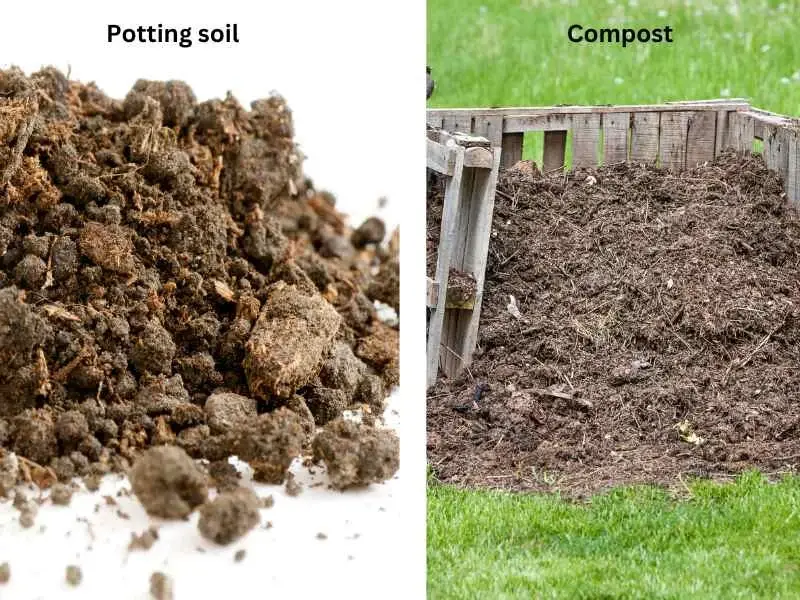
Organic Potting Soil vs Regular: What Changes?
Organic potting soil is made with ingredients allowed under organic production rules, while regular potting soil may use organic, mineral, or synthetic materials. Neither label alone tells you whether the mix drains well or suits your plant, so check the ingredients and texture before buying.
Start by checking what the bag calls itself. A potting mix is a blend made for containers; “potting soil” is commonly used as a general product name, even when the bag contains no field soil. The words on the front are less useful than the ingredient list and directions.
Organic doesn’t mean “chemical-free.” Water and nutrients are chemicals, and organic products can include processed natural materials. A credible USDA Organic seal applies to products certified under organic rules, but not every bag with “organic” in large print is certified.
Regular products aren’t automatically harsh or poor quality. Many contain ingredients such as peat moss, perlite, bark, or compost, and some include synthetic fertilizer. The key difference is often the source and handling of certain ingredients, not a guarantee that one mix grows better.
| Bag detail | Organic potting soil | Regular potting soil |
|---|---|---|
| Ingredients | Uses inputs permitted under organic standards when certified | May include natural, mineral, or synthetic inputs |
| Certification | Look for a recognized organic certification claim and seal | Certification is not usually the main claim |
| Fertilizer | May rely on compost or other permitted nutrient sources | May include conventional fertilizer or no added fertilizer |
| Best reason to choose it | You want certified inputs and can match the mix to your plant | You want a suitable mix without paying for organic certification |
| Main caution | Organic status doesn’t promise the right drainage or nutrients | “Regular” doesn’t tell you whether fertilizer is included |
A useful comparison is potting mix vs potting soil, because garden-center labels use both terms loosely. When you’re buying for a container, focus on whether the product is lightweight and drains well, rather than assuming the word “soil” means it contains ordinary garden dirt.
The growing medium is the material around a plant’s roots. Container roots need both moisture and air; a dense mix can stay wet too long, while a very coarse mix may dry out before you notice.
- Organic describes permitted inputs or certification, not a guaranteed growth result.
- Regular mixes can work well if their texture and ingredients fit your plant.
- Read the full label before comparing prices.
How Ingredients Affect Watering and Plant Growth
The ingredients in a potting mix shape how much water it holds, how quickly it drains, and how much air reaches the roots. Choose a blend that matches the plant and your watering habits, because the same bag can behave differently in a small indoor pot and a large outdoor container.
Peat moss and coir help hold water; coir comes from coconut husks. Perlite and pumice are lightweight materials that open up the mix and help excess water drain. Bark adds larger pieces that can improve airflow, while compost adds organic matter and may contribute nutrients.
Not every organic mix contains the same blend. One may be compost-heavy and hold moisture, while another may be loose and airy. Regular mixes vary just as much, so the word “regular” doesn’t tell you whether a bag contains fertilizer, how quickly it drains, or how often you’ll need to water.
How can you tell if the mix is too dense for a houseplant? After watering, check whether water drains freely from the pot and whether the surface stays wet for days. A pot with no drainage holes makes the problem harder to judge, so use one with holes whenever the plant and container allow it.
Some bags say “moisture control,” which often means the mix is designed to hold water longer. Compare moisture control vs regular potting soil if you’re choosing between those options, especially for plants that prefer to dry a little between waterings. A moisture-holding mix can be useful during hot weather, but it can be a poor fit for a plant that dislikes wet roots.
Pro Tip: If water runs down the sides of a very dry root ball, the mix may have pulled away from the pot. Add water slowly in a few passes rather than flooding the surface once.
Match the mix to the plant
Plants don’t all want the same balance of water and air around their roots. Check the plant’s care label or growing guidance, then use the bag’s listed ingredients and directions to find a sensible match.
- Seedlings: A fine, loose, low-fertilizer mix makes it easier for small roots to spread. Many seed-starting products are lighter than general-purpose mixes.
- Houseplants: Choose by plant type and watering needs. A cactus and a moisture-loving fern shouldn’t automatically share the same blend.
- Vegetables and herbs: A container mix with steady drainage and suitable nutrients can support active growth. Follow fertilizer directions rather than assuming compost alone feeds a plant all season.
- Large outdoor pots: Consider how much water the mix holds and how heavy the filled container will be. A balcony pot that’s easy to move empty can become a bear once wet.
I once reused a dense mix from a large outdoor planter in a small indoor pot, thinking the label would matter less than the plant. The little pot stayed wet longer than I expected, and I had to change the mix to get watering back under control. I learned to judge the texture and container size together, not in isolation.
If you’re starting seeds, don’t assume a general organic potting soil is automatically gentle enough for a seedling. A dedicated blend can be worth considering, and organic potting soil for seedlings is a narrower comparison when you want organic inputs for young plants.
Read fertilizer and pH details
Fertilizer supplies nutrients plants use for growth. A mix may contain fertilizer, compost, or neither, and those choices affect how you feed the plant after potting. Check the label for starter fertilizer, feeding duration, and any directions for adding more.
A high nutrient level isn’t always a bonus. Tender seedlings can be sensitive to a strong fertilizer mix, while a fast-growing tomato may need feeding as it develops. Follow the bag’s directions and the plant’s needs rather than adding more because the leaves look a little pale.
pH measures how acidic or alkaline a growing medium is. Most general mixes are intended for common container plants, but a plant with unusual soil needs may call for a product with specific pH guidance. Don’t try to correct pH by guesswork; check the plant’s growing needs and product instructions first.
Costs, Label Claims, and Picking the Right Bag
The higher price of organic potting soil usually reflects its ingredients, certification, or both, but the price alone doesn’t show whether it’s a better fit. Compare the cost per usable volume and the plant’s needs, then pick the bag whose directions and texture make sense for your setup.
Bag sizes differ, so compare the listed volume rather than judging by the package’s height. A larger bag may cost less per unit, but it’s a poor bargain if you can’t store it dry or use it before the mix gets contaminated or compacted.
| Your priority | What to check | A practical choice |
|---|---|---|
| Certified organic inputs | Certification seal and full ingredient statement | Choose a product with the claim you specifically want |
| Fewer watering sessions | Water-holding ingredients and care directions | Consider a moisture-retentive mix if the plant tolerates it |
| Better drainage | Perlite, pumice, bark, and the mix’s texture | Pick a loose blend suited to the plant |
| Seed starting | Fine texture and fertilizer directions | Use a seed-starting blend if the general mix seems coarse or rich |
| Lower cost | Volume, included fertilizer, and how much you’ll use | Compare total value, not the shelf price alone |
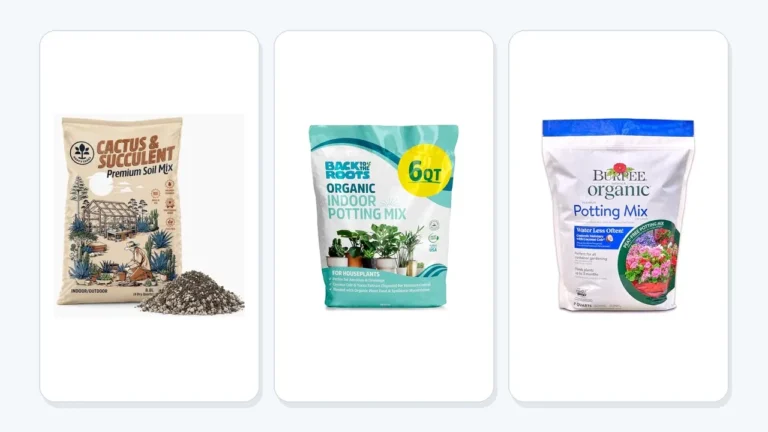
If you’re comparing brands, a best potting soil comparison can help you sort products by use and ingredients. For an organic-only shortlist, best organic potting soil is the more relevant angle; still check each bag’s label, since product names don’t replace plant-specific needs.
What about making your own blend? It can make sense if you want control over the ingredients or need a larger batch, but it takes time and a clean place to mix and store materials. A homemade organic potting soil recipe should use ingredients suited to the plants, not just whatever happens to be left in the shed.
Avoid common bag-label mistakes
A front label is a sales summary, not a full growing plan. Turn the bag around and check the directions, ingredients, fertilizer details, and any warnings before you buy.
- Don’t treat “natural,” “organic,” and “certified organic” as interchangeable claims.
- Don’t assume a bag contains fertilizer just because it lists compost.
- Don’t buy a moisture-retentive mix for every plant just to water less often.
- Don’t use garden soil in a container unless the product is specifically made for that purpose.
- Don’t ignore storage instructions after opening the bag.
Important Tip: Keep unused mix sealed and dry, and don’t store it where rain, pests, or runoff can get into the bag. If the mix smells rotten, has visible mold throughout, or contains something you can’t identify, don’t use it for a food crop.
Make a simple choice without overthinking it
If you want certified organic inputs, check for the certification and buy a mix whose texture suits the plant. If certification isn’t a goal, a regular mix can be a sensible pick when it drains well and lists any fertilizer clearly.
A good choice also depends on where the pot sits. Sun, heat, pot size, and airflow change how quickly a container dries, so the bag that works on a shaded kitchen sill may need more frequent watering on a sunny porch.
For a newly purchased plant, keep the root ball’s needs in mind. If the plant is thriving in a loose mix and the pot drains well, there may be no need to repot just because another bag has a more appealing label. Changing a healthy plant’s setup can add stress without solving a real problem.
FAQs About Organic Potting Soil vs Regular
Is organic potting soil better than regular potting soil?
No, organic potting soil isn’t automatically better for every plant. Organic status tells you about permitted inputs or certification, not drainage, fertilizer strength, or a plant’s specific needs. A well-matched regular mix can grow healthy container plants, while an unsuitable organic mix can stay too wet or lack nutrients.
Does organic potting soil contain fertilizer?
Sometimes. Organic potting soil may contain compost or other permitted nutrient sources, while some bags have little or no fertilizer. Check the ingredient list and feeding directions before adding fertilizer, since doubling up can harm sensitive plants or create excess nutrients in a small pot.
Can I use regular potting soil for organic vegetables?
Yes, if you aren’t trying to meet a certified-organic requirement for the crop or growing operation. If organic inputs matter to you, check the product’s certification and ingredient statement rather than relying on a general “natural” claim. Also choose a mix labeled for containers and follow its feeding directions.
Is organic potting soil safe for seedlings?
It can be, but the blend matters more than the word organic. Seedlings often do better in a fine-textured mix with modest fertilizer, since coarse pieces can leave small roots with uneven contact. Check the label, and avoid adding extra fertilizer until the seedlings are ready for it.
How long does potting soil last after opening?
Opened potting soil can remain usable if you keep it sealed and dry, but storage conditions matter. Moisture can encourage mold or pests, and a mix that has compacted may drain poorly. Check the bag before use, loosen the mix by hand, and discard material with an unusual odor or widespread contamination.
Choose for the Plant, Not the Label
Organic potting soil is worth the extra cost when certified inputs matter to you and the blend suits the plant. If those inputs aren’t part of your goal, a regular potting mix can do the job just as well when it drains and feeds appropriately.
I’d spend the extra time reading the back of the bag before spending extra money at the register. That small check can tell you more about watering, fertilizer, and plant fit than a bold claim on the front.
Your next step is simple: choose the plant you’re potting, check its water and feeding needs, then compare two bags by ingredients and directions. A good match beats a fancy label.

I’m Maya L. Greenwood, a lifelong plant lover who believes anyone can grow something beautiful with the right guidance. After years of testing soil mixes, pruning methods, irrigation tricks, and pest-safe solutions, I started EasyGardenTips.com to turn hard-won lessons into step-by-step advice. From seed starting and container gardens to composting and seasonal checklists, my goal is to make gardening simple, sustainable, and fun.
One Comment