
Loam Soil vs Potting Soil: How They Differ and Which Is Better
Loam is usually best for garden beds, while potting soil is usually better for containers because it’s made to manage water around roots in a confined space. The right choice depends on where your plant grows, how often you water, and what the bag actually contains.
Have you ever filled a pot with garden dirt, then watched it stay soggy for days? Or bought a bag labeled “potting soil” and wondered why it looked nothing like the soil in your yard?
I once used dense garden loam in a row of containers because it felt rich and crumbly in my hand. After a few waterings, the pots were heavy, the surface crusted over, and the plants looked tired. It’s a common mistake, not a dumb one.
I wrote this to help you sort out the names, ingredients, and real-world uses without needing a soil science degree. You’ll get a practical way to choose soil for garden beds, houseplants, and outdoor pots.
Choose well and you can avoid poor drainage, weak growth, and hauling around pots that feel like they’re filled with bricks. The right medium also makes watering easier to judge, which is a relief when you’ve got more than one plant to keep alive.
This takes about 10 minutes to read. You’ll come away knowing how to:
- Tell loam apart from potting soil by texture and ingredients.
- Pick the right one for beds, indoor pots, or patio containers.
- Improve a mix that drains too slowly or dries too fast.
- Avoid common bag-label mistakes before you buy.
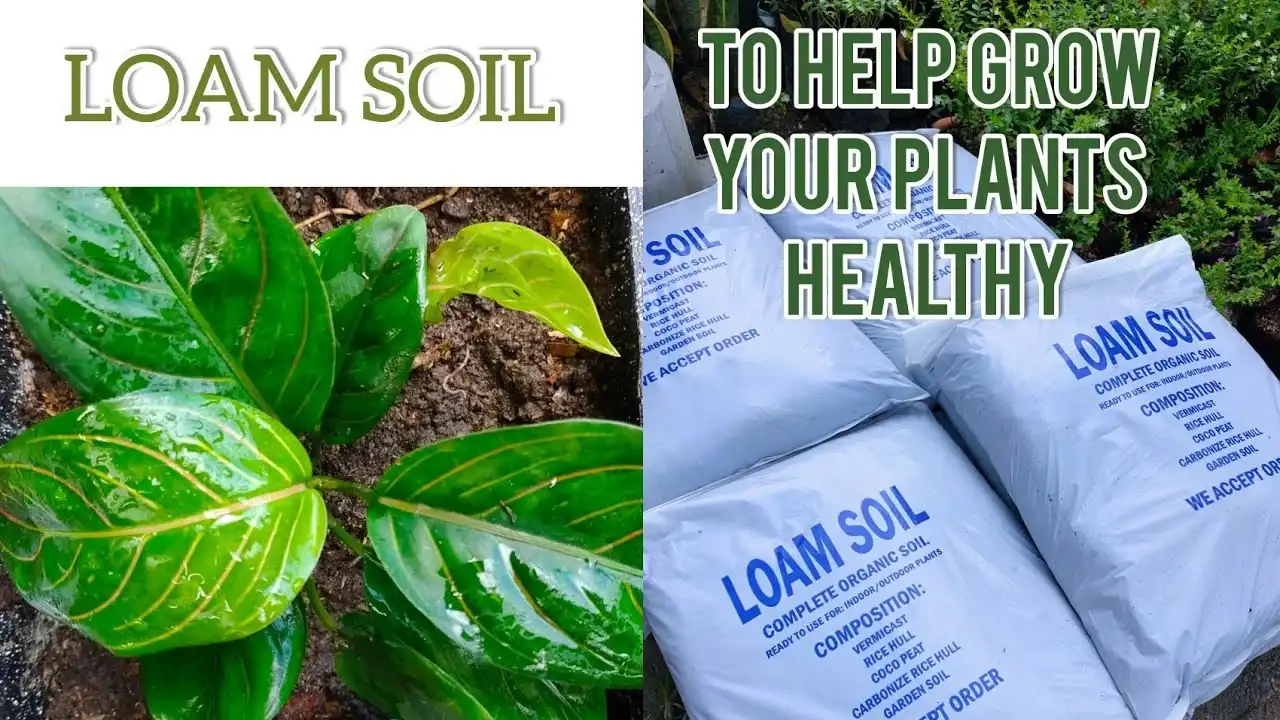
Loam Soil vs Potting Soil: What Should You Use?
Use loam soil for most in-ground garden beds and potting soil for most containers. Loam is a mineral soil with a balanced mix of sand, silt, and clay, while potting soil is a broad retail term for a container-growing medium that may contain little or no natural soil.
The setting matters because garden beds and pots handle water differently. In open ground, roots can spread through a broad area, and extra water can move down through surrounding soil; inside a pot, roots have limited space and water must drain through the bottom.
| Feature | Loam soil | Potting soil |
|---|---|---|
| Typical makeup | Sand, silt, clay, and organic matter | Often peat moss or coir, bark, perlite, or other ingredients |
| Best suited to | Garden beds and in-ground planting | Containers, window boxes, and many houseplants |
| Weight and texture | Usually heavier and mineral-based | Often lighter and more porous |
| Water behavior | Depends on texture, structure, and site drainage | Formulated to hold some moisture while allowing excess water to drain |
| Main drawback | Can compact or drain poorly in a pot | Bag formulas vary, and some dry out or hold too much water for certain plants |
The word loam describes a soil texture, not a guaranteed recipe or quality grade. A loamy garden soil still needs decent structure and organic matter; a label that says “loam” doesn’t promise that every bed will drain perfectly.
“Potting soil” can be confusing, too. Many products are closer to potting mix, a soilless blend designed for containers, and the ingredients vary by brand and plant type. The distinction between potting mix and potting soil is useful when you’re comparing bags, but the ingredient list tells you more than the front label.
If you’re planting a tomato in a raised bed, suitable garden loam amended for the site may work well. If that tomato is growing in a five-gallon patio pot, a container mix is usually the safer starting point.
What’S Inside Each Soil, and How Does It Behave?
Loam combines mineral particles of different sizes, while potting soil often uses lighter ingredients to balance water and air around container roots. Neither label alone tells you how a particular bag or garden patch will perform.
Sand has relatively large particles, so water tends to move through sandy soil quickly. Clay particles are much smaller and can hold water tightly, while silt falls between them in size and feel.
A loamy texture has a useful balance of these particle sizes, but soil structure matters just as much. Healthy structure leaves spaces for air and water; compacted soil can behave poorly even if its particle mix is technically loamy.
Many potting products use peat moss or coir, a fiber made from coconut husks, to hold moisture. Perlite is a lightweight, expanded mineral that helps create air spaces, and bark may add structure and drainage, especially in mixes for orchids or other plants that need quick airflow.
Here’s a rough feel test for garden soil: dampen a handful and squeeze it gently. Sandy soil feels gritty and falls apart quickly, clay feels sticky and holds a firm shape, and loam tends to form a loose ball that crumbles when you nudge it.
That hand test is only a clue, not a lab result. Garden soil can vary across one yard, and a planting bed beside a downspout may stay wetter than the same soil a few feet away.
Potting media also change as they age. Organic fibers and bark settle or break down, so a mix that once drained freely can become dense after repeated seasons of watering and root growth.
If you’re comparing an organic label with a conventional one, check the ingredients and fertilizer details rather than assuming one suits every plant better. Organic and regular potting soil can differ in ingredient sources and added nutrients, but both still need to fit the plant and watering routine.
Match the Soil to the Planting Location
Choose soil by starting with the plant’s location, then account for its water needs and the conditions around it. A sunny patio pot, a damp backyard bed, and a houseplant’s small nursery pot don’t ask the same thing of a growing medium.
For an in-ground bed, work with the soil you have instead of trying to replace the whole yard with bagged loam. Adding organic matter such as finished compost can improve soil structure over time, but the right amount depends on the starting soil and the crop.
Raised beds sit between in-ground gardens and containers. They have more depth than a small pot, but they still rely on the bed’s construction and drainage, so use a quality bed mix suited to the plants rather than filling the bed with dense clay or pure compost.
For a container, choose a product labeled for container gardening and check whether the ingredients suit your plant. A cactus mix generally drains faster than a moisture-holding mix for many tropical foliage plants, and a seed-starting medium is usually finer than a general-purpose container blend.
Are indoor and outdoor potting products interchangeable? Often, but not always; sun, wind, rainfall, and watering habits change how quickly a pot dries, so indoor and outdoor potting soil labels can help you narrow down a formula.
For houseplants, don’t assume “indoor” means the mix can stay wet for days. A plant in a dim room may use water more slowly than the same plant near a bright window, so the potting medium and your watering routine need to match the light.
When you buy, think about the actual plant rather than the broadest label. A container of basil on a bright porch, for instance, needs a potting medium that drains after watering, while a moisture-loving fern may do better with a mix that holds water longer.
- In-ground vegetables and flowers: Use suitable garden soil, improving it with organic matter when the bed needs better structure.
- Patio pots and window boxes: Choose a container mix with drainage and water retention suited to the plant.
- Houseplants: Match the mix to the plant’s roots and the light and watering conditions in your home.
- Succulents and cacti: Favor a faster-draining mix and a container with an unobstructed drainage hole.
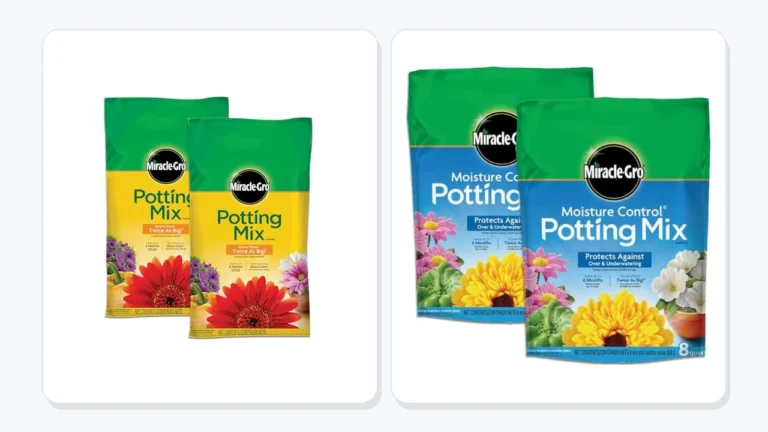
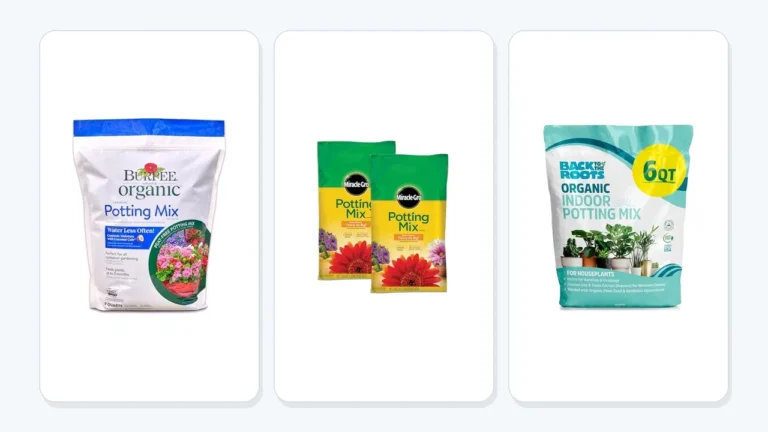
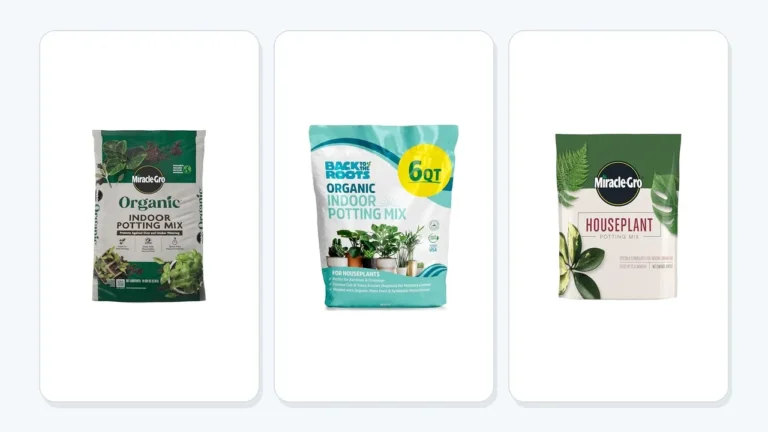
For shoppers who want a starting point before comparing ingredients, a guide to choosing potting soil can help sort general-purpose mixes from specialty formulas. The best bag is the one that fits your plant and setup, not the one with the flashiest promise.
Pro Tip: Look for a drainage hole before you add soil to a pot. A well-draining mix can’t rescue roots sitting in a container that has nowhere for extra water to go.
Use Each Soil Without Creating Root Problems
Good soil can still cause trouble if you use it in the wrong place or change how water drains. Match the medium to the container, fill it without packing it hard, and water based on the plant’s needs rather than a fixed calendar.
For a new container planting, use this simple sequence:
- Pick a pot with drainage holes and a size suited to the plant’s root ball.
- Add fresh potting medium, leaving enough room near the rim for watering.
- Set the plant at its previous soil level, then fill around the roots.
- Water slowly until extra water drains from the bottom, then empty any standing water from the saucer.
Don’t put stones or broken pottery at the bottom to “improve drainage.” That layer can leave the saturated zone closer to the roots instead of fixing a pot with no drainage; a hole and a suitable mix are the better tools.
I once topped off a compacted pot with fresh mix and figured the new material would fix the problem. The water still ran through narrow channels while the older root area stayed dense, which taught me that a tired mix sometimes needs replacing, not a quick cosmetic layer.
In a garden bed, loosen compacted soil gently and add finished compost where it makes sense for the plants and soil condition. Avoid working very wet soil, since squeezing and digging it can make clumps harder to break later.
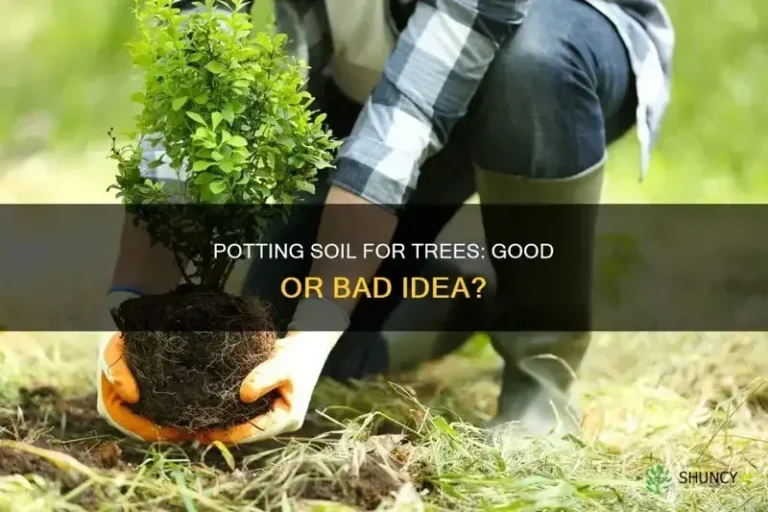
Don’t use garden loam as a default pot filler just because it’s available. It can settle tightly in a container, leaving less air around roots; if you want a soil-based container blend, use a product made for pots or a recipe suited to your plant and climate.
Fix Drainage and Watering Problems
Watering problems often come from a mismatch among the soil, pot, plant, and growing conditions. Check those pieces before adding more fertilizer or swapping plants.
| What you notice | Possible cause | Practical next step |
|---|---|---|
| Water sits on the surface | Compacted soil or a mix that has become difficult to wet | Check drainage and gently loosen or replace the medium |
| Pot stays heavy and wet | Poor drainage, a large pot, or slow water use in low light | Confirm the holes are open and let the mix dry as the plant needs |
| Mix dries very quickly | A fast-draining formula, small pot, heat, or strong airflow | Water thoroughly and check whether the plant needs a different mix |
| Water runs down the pot’s edge | Dry peat-based medium may have pulled away from the container | Rewet slowly in stages so the root area can absorb water |
| Garden bed forms a hard crust | Bare, compacted surface or poor soil structure | Add organic matter where appropriate and limit unnecessary foot traffic |
Does a slow-draining pot always mean the soil is wrong? No, because a pot that’s too large for its root ball can stay wet longer, and a plant in low light may use less water than you expect.
Don’t respond to every yellow leaf with fertilizer. Roots that stay soggy can’t function well, and added fertilizer won’t repair a drainage problem; check soil moisture and pot drainage first.
When you shop for the best loam potting soil, look closely at what “loam” means on that product and whether it’s intended for containers. A rich, soil-heavy blend can be useful for some setups, but dense material is a poor fit for many small pots.
FAQs About Loam Soil vs Potting Soil
Can I use loam soil in pots?
Loam soil can go in a pot, but ordinary garden loam is often heavier and more prone to compaction than a container medium. If you use it, check drainage and the plant’s needs carefully. For most houseplants and patio containers, a mix made for pots is a simpler choice.
Is potting soil better than loam for vegetables?
Potting soil is usually better for vegetables grown in containers, while suitable loam or garden soil can work well in an in-ground bed. A vegetable’s needs depend on its root depth, the container size, and the mix’s drainage. Tomatoes in pots need a different setup from lettuce in a garden row.
Can I mix loam soil and potting soil?
You can mix them, but the result depends on the ingredients and the container. Adding heavy loam to a light potting medium may reduce air space and slow drainage. For a pot, use a blend intended for containers; for a bed, amend the garden soil in a way suited to its texture.
Do all potted plants need the same soil?
No, potted plants don’t all need the same soil because root structure and water needs vary. Succulents generally need a faster-draining medium than plants that prefer steady moisture. The best soil for potted plants depends on the species, the pot, the light, and how often you water.
Does loam soil need fertilizer?
Sometimes, but loam texture doesn’t tell you how many nutrients the soil contains. Plant growth, past amendments, and a soil test can help guide fertilizer choices in a garden bed. For a container, check the potting product’s label because some mixes contain fertilizer and others don’t.
Choose the Soil That Fits Your Setup
The practical choice is straightforward: use suitable loam-based garden soil where roots can spread through a bed, and use a container medium for most pots. A label can point you in the right direction, but texture, ingredients, drainage, and the plant’s needs make the call.
I’d choose a purpose-made potting mix for everyday containers because it removes one common source of trouble: dense soil that stays wet around confined roots. In a garden bed, I’d improve the existing soil rather than trying to replace it with bags of something called loam.
Your next step is to check where the plant will grow, then read the bag’s ingredients and drainage guidance before you buy. That small pause can save you from a limp plant, a soggy pot, and another trip to the garden store.

I’m Maya L. Greenwood, a lifelong plant lover who believes anyone can grow something beautiful with the right guidance. After years of testing soil mixes, pruning methods, irrigation tricks, and pest-safe solutions, I started EasyGardenTips.com to turn hard-won lessons into step-by-step advice. From seed starting and container gardens to composting and seasonal checklists, my goal is to make gardening simple, sustainable, and fun.

One Comment