Planting Mix vs Potting Soil: Which One Belongs in Your Garden?
Potting soil is usually the better choice for containers because it’s made to stay airy and drain well in a pot. Planting mix is generally intended for garden beds or outdoor planting, but bag labels vary, so check the ingredients and directions before you buy.
Are you standing in the garden aisle trying to work out whether two nearly identical bags can do the same job? Or have you already planted a container and now you’re worried the soil will stay soggy?
I learned to take the labels seriously after filling a patio pot with a dense outdoor planting blend. The pot felt like a wet sandbag after watering, and the plant grew slowly until I replaced the mix. That’s a common mistake, not a dumb one; the names sound much more precise than they are.
I wrote this to help you choose a bag based on where your plant will grow, not on the prettiest picture or the biggest “all purpose” claim. You’ll get a plain-language way to read labels, compare ingredients, and decide what to do with the soil you’ve already bought.
Choose well, and you can avoid waterlogged roots, wasted bags, and a frustrating replanting job. Choose poorly, and even a healthy plant can struggle in a pot that holds too much water or a bed that needs a different kind of amendment.
This takes about 10 minutes to read. By the end, you’ll know how to:
- Match each mix to a container, bed, or planting hole.
- Spot the ingredients that affect drainage and water holding.
- Prepare a mix without adding materials that cause trouble.
- Fix common problems such as compaction and soggy pots.
Planting Mix vs Potting Soil: Which Should You Use?
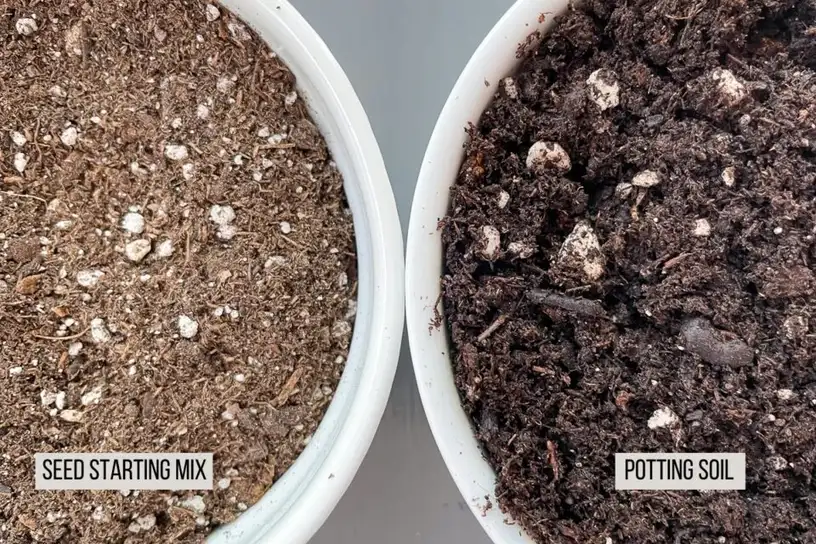
Potting soil is usually for containers, while planting mix is usually for in-ground beds and outdoor planting. The bag’s ingredients matter more than its name: a light, bark-and-perlite blend suits a pot, while a denser blend with compost or mineral soil may suit a garden bed.
A potting mix is a growing medium made to support roots in a container, where there’s no surrounding ground soil to balance water and air. Despite the common label “potting soil,” many products contain little or no actual soil.
A planting mix is a less consistent label. It often describes a blend meant to improve garden soil or fill planting areas, but some products are lightweight and say they can be used in containers. Read the package instead of assuming every brand uses the term the same way.
| Where you’re planting | Better starting choice | What to check |
|---|---|---|
| Indoor houseplant in a pot | Potting mix suited to the plant | Drainage, texture, and any plant-specific directions |
| Outdoor container or hanging basket | Container potting mix | Lightweight structure and container use on the label |
| Vegetable or flower bed | Native soil, amended as needed | Whether the product is meant to improve existing soil |
| New shrub or perennial in the ground | Native soil, with amendments used carefully | Planting directions and the condition of the surrounding soil |
| Raised bed | A product labeled for raised beds or garden beds | Whether it’s meant to fill a bed or amend existing soil |
Are you filling a pot with a product that says “planting mix” on the front? Check the back for container directions and a light, loose texture; if the bag instead describes improving garden soil, it’s a poor default for pots.
For a broader look at the naming confusion, potting mix vs potting soil covers why “soil” on the label doesn’t always mean garden dirt. The practical point is simple: choose by intended use and texture, not by the front-panel name alone.
Why Containers Need a Different Growing Medium
Container roots need air pockets and a reliable path for extra water to leave the pot. Garden soil can work well in the ground but often packs too tightly inside a container, where the roots have far less room to grow.
Most potting mixes use some combination of peat moss or coir to hold moisture, plus perlite or pumice to create air space and improve drainage. Bark, compost, and other ingredients may be added to change how quickly the mix dries or how much nutrition it provides.
Mineral garden soil contains particles such as sand, silt, and clay. In a bed, those particles sit within a much larger soil structure; in a pot, they can settle and compact, leaving roots with too little air.
That difference explains why potting media and mineral soil aren’t interchangeable just because both look brown and crumbly in your hand. A pot has limited drainage and no surrounding ground to absorb excess water, so its growing medium has to do more of the work.
I once reused a heavy garden blend in a row of small containers because it seemed wasteful to buy another bag. After several waterings, the surface crusted and the pots stayed damp long after the weather warmed. I learned the hard way that “good soil” in a bed can still be the wrong texture for a pot.
Pro Tip: Pick up the bag before buying if you can. A container mix should feel relatively light for its size, while a dense, gritty or clay-heavy blend deserves a closer look before it goes into a pot.
The plant matters, too. Cacti and succulents usually need a faster-draining mix than a moisture-loving fern, and orchids generally need a chunky medium designed for their roots rather than ordinary potting soil.
How to Choose a Mix by Plant and Location
The right mix depends on the plant, the container, and how quickly the growing area dries out. A sunny balcony pot may need more frequent watering than a shaded porch container, even when both use the same potting mix.
Use these checks before opening a bag:
- Start with the location. A container needs a product labeled for pots; a garden bed usually needs an amendment or bed mix that fits the existing soil.
- Check the plant’s needs. Look for directions for vegetables, houseplants, succulents, seed starting, or other specific uses.
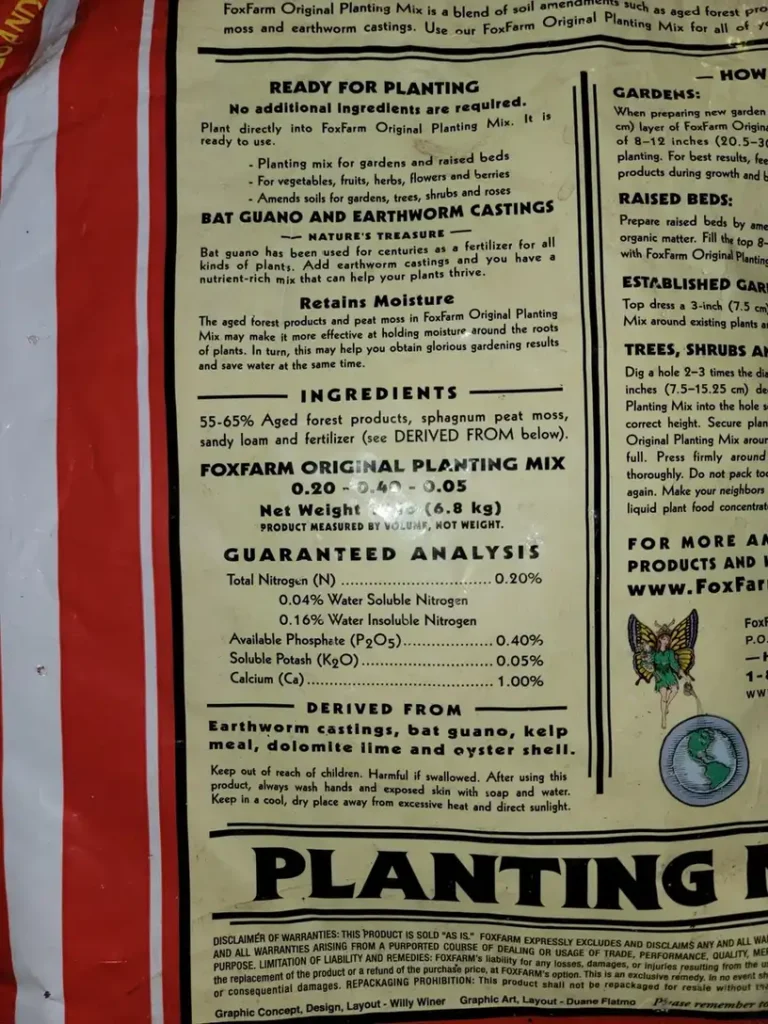
- Read the ingredients. Bark and perlite often add air space; compost can add organic matter and may increase water retention.
- Check for fertilizer. Some products include starter nutrients, while others don’t. Follow the label and avoid adding more fertilizer automatically.
- Check the texture. Break up a small handful. If it feels dense, sticky, or heavy when damp, it may be a poor fit for a small container.
Gardeners who want product-specific suggestions can use a potting soil shortlist as a starting point, then compare each bag’s ingredients with the plant’s needs. A popular mix isn’t automatically right for every pot, especially if your home is cool, your containers lack drainage, or your plants prefer dry roots.
For a lower-input option, organic potting soil choices can help you compare ingredients and product claims. “Organic” doesn’t tell you how fast the mix drains, though, so still check the texture and intended use.
Should you buy one bag for every plant? Usually not, but you don’t need a separate specialty blend for every pot either; one quality all-purpose container mix can cover many common houseplants and outdoor flowers.
Here’s a useful distinction: potting mix describes where and how a product is meant to be used, while organic describes a production or ingredient claim on the product. Neither term, by itself, tells you the exact balance of water retention, air space, and fertilizer.
How to Prepare and Use Each Mix
Prepare a growing medium by checking its moisture and texture, then use it according to the planting location and package directions. Don’t add extra fertilizer, compost, sand, or water-holding material just because a recipe online uses it.
For containers:
- Check the pot. Make sure it has open drainage holes; a layer of gravel at the bottom won’t fix a pot that can’t drain.
- Moisten dry mix lightly. Add water in small amounts and stir until the mix feels evenly damp, not dripping wet.
- Fill without packing. Leave room at the top for watering and keep the mix loose around the roots.
- Set the plant at its former depth. Cover the roots, but don’t bury the stem or crown unless that plant’s directions call for it.
- Water thoroughly. Let extra water drain out, then empty any saucer that keeps the pot sitting in runoff.
For beds, start with the ground you already have. A planting mix or compost may help improve the bed, but spreading a suitable amendment across a wider area is often more useful than creating a rich pocket just around one plant.
If you’re preparing a container, steps for preparing potting soil can help you work from the bag’s condition through filling and planting. Keep the medium loose; pressing it down hard can squeeze out the air spaces that roots need.
Important Tip: Wear gloves when handling dusty mix, and avoid breathing the dust. Open bags outdoors or in a well-ventilated spot, especially if the material is dry and powdery.
A raised bed is a special case. A product labeled for raised beds may be intended to fill the bed, while a planting mix may be designed to blend into existing ground; check the label before buying enough to fill a large space.
Common Problems and How to Fix Them
Most mix problems come from a mismatch between the product and its location, or from watering habits that don’t fit the mix. Check drainage and moisture before adding anything, since extra ingredients can make the problem harder to diagnose.
| What you notice | Likely cause | First step |
|---|---|---|
| Pot stays wet for days | Dense mix, blocked drainage, or frequent watering | Check the drainage holes and let the mix dry to the plant’s needs |
| Water runs down the pot’s edge | Very dry mix may have pulled away from the container | Water slowly in stages so the medium can absorb it |
| Mix sinks after watering | Loose organic materials have settled | Top up with suitable potting mix without burying the plant |
| Surface forms a hard crust | Fine particles or compaction | Loosen the surface gently without damaging shallow roots |
| Plant wilts while soil is wet | Roots may lack air or be damaged | Check drainage and root condition before watering again |
Does a wilted plant always need water? No; wet, compacted mix can damage roots and cause wilting, so feel the soil and check the pot’s drainage before reaching for the watering can.
If a container mix stays soggy, move the plant only if the drainage or mix is clearly unsuitable, and choose a fresh mix intended for containers. Don’t try to fix a heavy pot by layering gravel underneath; the water still has to move through the compacted medium above it.
The best soil for potted plants is the one that suits the plant’s water needs and your container conditions, not necessarily the bag with the broadest claims. A moisture-loving plant on a dry, sunny deck may need a different routine from the same plant beside a cool window.
Avoid reusing mix from a diseased plant or from a container where roots have rotted badly. For healthy plants, old mix may sometimes be reused after you remove old roots and refresh its structure, but it can lose airiness and nutrients over time.
FAQs About Planting Mix vs Potting Soil
Can I use planting mix in pots?
Sometimes, but only if the product label says it’s suitable for containers and its texture stays loose enough for drainage. Many planting mixes are meant for garden beds and can be too dense for pots. If the package describes soil improvement or in-ground use, choose a container potting mix instead.
Can I use potting soil in a garden bed?
Yes, but it’s often an expensive way to amend a large bed, and the product may not match the bed’s existing texture. Use potting soil for container planting unless its label gives garden-bed directions. For outdoor beds, assess the native soil and choose amendments based on the problem you’re trying to fix.
Is planting mix the same as topsoil?
No. Planting mix is a blended product that may contain compost, bark, or other materials, while topsoil refers to the upper layer of natural soil or a product sold under that name. Both labels can vary, so read the ingredient list and intended-use directions before filling a bed.
Should I add fertilizer to potting soil?
Only if the plant needs it and the mix doesn’t already provide enough nutrients. Some potting products include starter fertilizer, while others contain little plant food. Follow the bag directions and the plant’s feeding needs; adding more by habit can lead to excess fertilizer around sensitive roots.
Can I mix planting mix with garden soil?
Yes, when the product is intended as a garden-bed amendment and you blend it into the surrounding soil as directed. Don’t assume that combining garden soil and planting mix will create a good container medium; the added mineral soil may still make the pot too dense and slow-draining.
Choose by Where the Roots Will Grow
For a pot, start with a potting mix made for containers; for an in-ground bed, start with the native soil and use a planting mix only if its label and texture fit the job. That choice is more reliable than treating the words on the bag as a strict industry-wide standard.
I’d rather see you buy a modest amount of the right mix than haul home a bargain bag that keeps roots wet or makes the bed harder to work. If you’re unsure, read the intended-use directions and ingredients before opening the bag.
Your next step is straightforward: decide whether the plant is going into a pot or the ground, then choose the product labeled for that setting. It’ll save you guesswork later, and your plants get a better place to put down roots.

I’m Maya L. Greenwood, a lifelong plant lover who believes anyone can grow something beautiful with the right guidance. After years of testing soil mixes, pruning methods, irrigation tricks, and pest-safe solutions, I started EasyGardenTips.com to turn hard-won lessons into step-by-step advice. From seed starting and container gardens to composting and seasonal checklists, my goal is to make gardening simple, sustainable, and fun.