
Potting Mix vs Potting Soil: The Real Difference and Which to Buy
Potting mix is usually a lightweight, soilless blend made for container plants, while potting soil may contain mineral soil or simply be another name for a container blend. For most houseplants and potted vegetables, choose a potting mix labeled for your plant and pot; check the ingredients and drainage rather than trusting the front of the bag.
Have you brought home a bag marked “potting soil” and wondered if it’s actually right for your indoor plants? Or watched water run straight through a pot while the surface still looked dry?
I once grabbed a dense, bargain bag for a group of containers because the label sounded close enough. The mix settled into a heavy, damp mass, and my plants needed repotting sooner than they should have. It’s a common mistake, not a dumb one; those bag names can be confusing.
I wrote this guide to make the choice less of a guessing game, whether you’re filling a windowsill pot, starting seeds, or moving a tomato into a patio container. You’ll learn what the labels usually mean, how to read the ingredients, and when a specialty blend is worth the extra thought.
If you choose well, your roots get the air and moisture they need, and you spend less time rescuing a soggy pot. If you choose poorly, water may drain badly, the mix may shrink, or the plant may struggle even though you’re doing your best.
This takes about 16 minutes to read. By the end, you’ll be able to:
- Pick the right bag for houseplants, vegetables, and outdoor containers.
- Spot ingredients that change drainage, water retention, and weight.
- Adjust a mix for a plant with unusual needs.
- Avoid common watering and repotting mistakes.
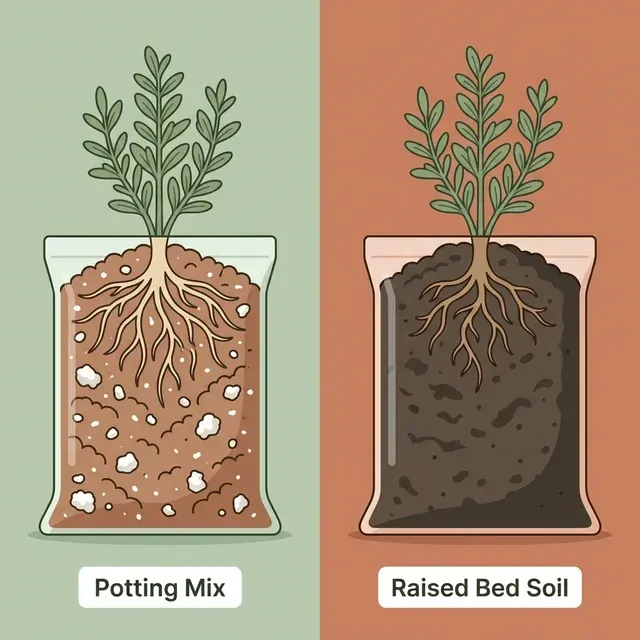
Potting Mix vs Potting Soil: Which Should You Buy?
For most container plants, buy a potting mix made for the plant type and container, then check its ingredients and texture. Potting mix is generally designed to stay loose and drain well in a pot; potting soil can mean a mix that contains actual soil, or it can be a loose product name for a container-growing blend.
That difference matters because roots in a pot can’t reach into the ground for extra air, water, or nutrients. A suitable growing medium, the material surrounding a plant’s roots, has to hold enough moisture while leaving air spaces after watering.
The words on the front of a bag aren’t a strict promise about what’s inside. One brand might use “potting soil” for a mostly soilless blend, while another might include mineral soil. The ingredient list and the plant’s needs tell you more than the label alone.
A simple starting point:
- Choose a general-purpose potting mix for most houseplants and outdoor containers.
- Choose a specialty mix for plants with distinct needs, such as cacti, orchids, or seed starting.
- Avoid using garden soil by itself in a pot, since it can compact and drain poorly in a confined space.
- Use a product labeled for in-ground beds only for beds unless the label also says it’s suited to containers.
A potting mix may contain peat moss or coir, a fiber made from coconut husks, to hold water; perlite or pumice, lightweight mineral materials, to create air space; and bark or compost for texture and organic matter. There’s no one required recipe, so two bags with the same label can behave differently.
For a clear overview of the other term and its possible ingredients, read what potting soil means. The useful habit is checking the back of the bag before you buy, especially when the name on the front is vague.
A practical bag-by-bag comparison
| Feature | Potting mix | Potting soil |
|---|---|---|
| Typical use | Containers, houseplants, and many patio vegetables | Depends on the product; check the label for container use |
| Ingredients | Often peat or coir, bark, perlite, and other lightweight materials | May include mineral soil, soilless ingredients, or both |
| Weight | Often lighter than garden soil | Can be heavier if it contains mineral soil |
| Drainage | Usually designed for container drainage, though recipes vary | Varies; dense products may drain poorly in pots |
| Best buying check | Match the blend to the plant and pot | Confirm it says it’s suitable for containers |
The table describes common patterns, not a fixed rule. A bag called “potting soil” may work perfectly well in containers if its ingredients, texture, and label support that use.
Why containers need a different medium
A plant in a garden bed can grow roots through a broad area of soil. A plant in a pot is limited by the container walls, and those walls change how water moves and how much air reaches the roots.
Garden soil often contains fine particles that pack together. In a pot, those particles can leave fewer air spaces, especially after repeated watering, so roots have less oxygen and water may take longer to drain.
A container blend usually has more coarse or lightweight ingredients to keep the structure open. That doesn’t mean the mix should dry out instantly; roots still need moisture, and a blend that sheds water too quickly can become a nuisance.
You may be comparing the bag in your hand with soil from a garden bed. For that choice, garden soil and potting soil aren’t interchangeable: garden soil belongs in beds, while container products are built for a confined root zone.
Some bags marked topsoil are meant to add or level soil in a yard, not to fill a flowerpot. If you’re sorting through those terms, garden soil, potting soil, and topsoil each have a different intended job.
Pro Tip: If the package doesn’t clearly say “for containers,” don’t assume the product is right for pots. Look at the directions and ingredients, or choose a bag that names the intended use plainly.
A quick decision by plant type
- Most foliage houseplants: Use a general-purpose indoor or all-purpose potting mix.
- Tomatoes, peppers, and other container vegetables: Use a container mix labeled for vegetables or outdoor containers.
- Cacti and many succulents: Use a fast-draining cactus blend, or adjust a general mix only if you understand how the change affects watering.
- Orchids: Use an orchid medium designed for the type of orchid you’re growing; many need large, airy pieces rather than fine mix.
- Seeds and cuttings: Use a seed-starting or propagation medium with a fine, even texture and suitable moisture retention.
- Garden beds: Use products intended for beds, and blend amendments into the existing soil as directed.
If you only have one ordinary houseplant and one general-purpose bag, there’s no need to overcomplicate things. A good container mix, a pot with drainage, and sensible watering usually beat a fancy recipe that doesn’t suit your routine.
What Potting Mix Ingredients Do to Roots and Water
Potting mix ingredients control how much water the medium holds, how quickly it drains, and how much air reaches roots. A mix is a balance of those properties, not a magic food that can fix every plant problem.
The ingredients usually fall into a few practical groups. Some hold moisture, some create structure, and some supply organic matter or nutrients.
| Ingredient | Common role | What you’ll notice |
|---|---|---|
| Peat moss | Holds water and helps make a light blend | Can be hard to rewet once it dries out completely |
| Coir | Holds moisture and adds a fibrous structure | Often used as a peat alternative; performance depends on the full recipe |
| Perlite | Creates air space and helps a mix stay loose | White, lightweight pieces; doesn’t supply plant food |
| Pumice | Adds durable air space and structure | Heavier than perlite, with a rough, porous texture |
| Bark | Adds larger pieces and open structure | Common in blends for orchids and some woody plants |
| Compost | Adds organic matter and may contribute nutrients | Quality and texture vary; too much can make a blend dense |
| Vermiculite | Holds water and can hold nutrients | Useful in some seed-starting or moisture-retentive blends |
A bag doesn’t need every ingredient on this list. A basic blend can do its job with a few materials, and the right mix depends on the plant, container size, light, temperature, and how often you water.
Moisture-holding ingredients
Peat moss and coir absorb and hold water, helping the root zone stay moist between waterings. That’s useful for many plants, but a medium that holds too much water for a particular plant can leave roots wet for too long.
Peat moss can become difficult to rewet if it dries out thoroughly. If water beads on top or runs down the gap between the mix and pot, the center may still be dry, even if the outside looks damp.
Coir is another water-holding fiber. Its behavior depends on the blend and how it’s processed, so “coir” on the label doesn’t tell you the whole story about drainage or watering frequency.
Compost adds organic material and may contribute nutrients, but compost isn’t automatically a complete potting mix. potting soil and compost serve different purposes: compost is commonly used as an ingredient or amendment, while a container medium needs a structure that works around roots in a pot.
Peat moss by itself also isn’t a complete planting medium. It can change water retention and texture, but it lacks the balanced structure of a finished container blend; peat moss compared with potting soil is a useful distinction when you’re tempted to use a single ingredient alone.
Air space and drainage ingredients
Roots need oxygen as well as water. Aeration means the movement of air through open spaces in the growing medium, and coarse ingredients help preserve those spaces after watering.
Perlite is a common lightweight material that helps keep a mix airy. It’s not fertilizer, and adding more isn’t always better; a very coarse, fast-draining mix may dry too quickly in a small pot or a hot, sunny spot.
Pumice can also add lasting structure. It’s heavier than perlite, which can be helpful when a tall plant needs a steadier pot, but weight alone doesn’t tell you whether the full mix drains well.
Bark is used in blends that need larger air spaces, including many orchid mixes. A fine bark-heavy blend and a chunky orchid blend may share an ingredient but behave very differently, so match the texture to the root system.
Important Tip: Avoid breathing dust while pouring or mixing dry potting materials. Work outside or in a well-aired area, pour gently, and wear a dust mask if the product is dusty or you’re sensitive to airborne particles.
Nutrients and fertilizer in a bag
Some potting mixes include a starter fertilizer or slow-release fertilizer; others don’t. Check the label for the kind of fertilizer, how long it’s meant to feed plants, and whether the package gives directions for adding more.
More fertilizer isn’t a shortcut to faster, healthier growth. Too much can damage roots or build up in the pot, especially when you add extra fertilizer before the product’s included nutrients have run their course.
Compost and other organic ingredients can add nutrients, but the amount available to a plant can vary. If the mix has no fertilizer, that doesn’t mean it’s defective; it means you’ll need to feed the plant according to its needs and the product instructions.
When a soil conditioner isn’t a potting mix
A soil conditioner is a material added to soil to change its structure or properties; it isn’t necessarily a complete medium for growing a potted plant. A conditioner may help amend a bed, but it may not have the drainage, air space, or nutrient balance a container needs.
Don’t use a product just because it looks dark and crumbly. soil conditioner and potting mix have different jobs, and the package directions should tell you whether a product is meant to amend soil or fill a container.
Likewise, planting mix can be marketed for outdoor planting or in-ground beds. Before you use it in a pot, check the label; planting mix versus potting soil depends on the product’s intended use, not just the words in its name.
My preference is to buy a blend with a clear use on the label rather than trying to turn a bed amendment into a container medium. It saves a lot of second-guessing when a plant starts drooping and you’re trying to work out whether the mix or the watering is the problem.
Reading the package without getting lost
Start with the directions, not the marketing claims. The front may highlight “organic,” “moisture control,” or “feeds for months,” but those terms don’t tell you whether the blend suits your specific plant.
Look for:
- Intended use: Indoor plants, vegetables, seed starting, cactus, orchids, or outdoor containers.
- Ingredients: Peat, coir, bark, compost, perlite, pumice, vermiculite, or mineral soil.
- Drainage wording: Helpful, but still check the ingredient list and use a pot with drainage.
- Fertilizer details: Whether fertilizer is included and how the package says to manage feeding.
- Handling instructions: Dust precautions, storage advice, and any preparation directions.
A product can be perfectly decent and still be the wrong choice for your plant. A moisture-retentive blend may suit a thirsty plant in a warm room, but it can be a poor match for a succulent in a low-light corner.
Choose, Prepare, and Use the Right Mix
Choose a container medium based on the plant’s roots, watering needs, and pot, then use it in a container with working drainage. A good bag can’t rescue a pot with no outlet or a watering routine that keeps the root zone constantly wet.
Match the blend to the plant
Start with the plant’s usual growing conditions. A plant that likes evenly moist roots needs a different balance from one that prefers the medium to dry between waterings.
Houseplants sold as foliage plants often do well in a general-purpose potting mix, but your room changes how that mix behaves. A small pot beside a sunny window can dry quickly; the same blend in a dim, cool room may stay wet much longer.
For vegetables, choose a container blend labeled for that use. A large tomato in a warm patio pot uses water differently from a small herb in a kitchen window, so don’t expect every container to need water on the same schedule.
Cacti and many succulents generally need a faster-draining medium than a typical moisture-retentive houseplant mix. Still, “fast draining” doesn’t mean “never holds water”; the roots need some moisture, and a tiny pot in direct sun may dry out too fast.
Orchids often need a chunky medium that lets air move around their roots. A standard fine potting mix can fill those spaces and hold too much water for many commonly grown orchids.
Seed-starting blends are made for a different stage of plant growth. Their finer texture can help small seeds and delicate roots, while a chunky mix may leave tiny seeds sitting in gaps or drying unevenly.
If you’re unsure, use the plant label or trusted care instructions as a starting point, then watch how quickly the medium dries in your own home. Your watering habits and conditions matter as much as the name on the bag.
For a shortlist of what to look for across different plants, the best potting soil options still come down to the plant, the pot, and the ingredients. I’d rather buy a plain, well-matched mix than a heavily promoted bag that doesn’t suit the job.
Pick a pot that lets water escape
A drainage hole lets excess water leave the pot instead of collecting at the bottom. If the decorative outer pot has no hole, use a nursery pot with drainage inside it, then empty water from the outer pot after watering.
A layer of gravel at the bottom doesn’t replace a drainage hole. Water needs an open route out of the container; a layer of stones can reduce the space available to roots without fixing a blocked or missing outlet.
Pot size also affects the moisture cycle. A pot much larger than the root ball holds more unused wet medium, which can stay damp for too long; moving up one reasonable pot size is usually easier to manage than giving a small plant a huge container.
Check that a saucer isn’t holding standing water after you finish watering. Roots sitting in a puddle can stay wet even if the top of the mix looks dry.
Prepare the mix before planting
Dry potting mix can be dusty and may not take up water evenly at first. Lightly moisten it before use if the package suggests doing so or if the blend is very dry, adding water gradually until the mix feels evenly damp but not dripping.
Don’t pack the mix down hard around the roots. Add enough to support the plant, tap the pot lightly to settle large air gaps, and leave a little space below the rim so you can water without spilling.
Keep the plant at the same general depth it was growing before. Burying the stem too deeply can cause trouble for some plants, while leaving roots exposed can dry them out; use the old soil line as your guide.
Before reusing an old container, remove leftover roots and debris and wash it if needed. A clean pot helps keep the new mix free from old material that can interfere with watering or plant health.
How to repot without making a mess of the roots
- Choose a pot with drainage that’s only modestly larger than the current root ball.
- Check the new mix for the plant type and moisten it lightly if it’s extremely dry.
- Ease the plant from its old pot, supporting the root ball rather than pulling hard on the stem.
- Loosen only roots that are tightly circling or packed, and avoid tearing healthy roots just to make them look tidy.
- Set the plant at its previous depth and fill around the root ball without pressing the mix into a brick.
- Water as needed for the plant and the mix, then let excess water drain fully.
Root damage is stressful for a plant, so keep the process calm and gentle. A few loose roots won’t ruin a healthy plant, but rough handling or a sudden jump into a much larger pot can leave it struggling to settle in.
Water based on the mix, not the calendar
There isn’t one watering schedule that works for every plant and pot. Check the moisture in the root zone, not just the surface, because the top inch can dry while deeper mix stays wet.
A finger check works for many pots: feel the mix below the surface, then water when it matches the plant’s needs. For a larger container, a wooden stick inserted carefully into the medium can help show whether the center is still damp.
When you water, apply enough to moisten the root zone and allow excess water to drain. If water shoots through without wetting the mix, the medium may have dried out too much or shrunk away from the pot sides.
If the mix stays wet for days and the plant looks limp, don’t automatically add more water. Check the drainage hole, the pot size, the light, and the mix structure before changing your routine.
Should you make your own potting mix?
You can make your own blend, but it takes a clear goal and ingredients with predictable behavior. A basic recipe often balances moisture-holding material with ingredients that preserve air space, but the right proportions vary by plant and by the materials you use.
Homemade blends can be useful when you need a specific texture for a collection of plants. They can also be a headache if you don’t know how much water the ingredients hold or how the mix will settle after several waterings.
I’d start with a labeled commercial mix unless you’re ready to test a custom blend on a few plants first. If you do mix your own, change one part at a time; otherwise, when a pot dries too fast or stays wet, you won’t know which ingredient caused it.
Don’t assume that mixing garden soil into a potting blend will make it richer. Fine garden soil can change drainage and make a container heavier, so use a product intended for containers rather than improvising with soil from a bed.
Common problems and what to check
| What you notice | Possible cause | What to check |
|---|---|---|
| Water runs down the pot sides | Mix is very dry or has shrunk from the pot | Rewet gradually and check moisture in the center |
| Mix stays wet for a long time | Poor drainage, oversized pot, low light, or a dense blend | Check holes, pot size, light, and root-zone moisture |
| Plant wilts while mix is wet | Roots may be stressed or struggling to take up water | Don’t add more water until you check the root zone and drainage |
| Mix settles or looks compacted | Fine particles or repeated watering may have reduced air spaces | Check the medium and consider repotting if drainage is poor |
| White crust appears on the surface | Mineral or fertilizer salts may be collecting | Review water and fertilizer use; replace mix if the plant is affected |
| Plant dries out very quickly | Small pot, strong sun, heat, or a coarse mix | Check moisture more often and confirm the mix suits the plant |
These are clues, not diagnoses. A plant may wilt from too much water or too little, so feel the mix before reaching for the watering can.
Reusing old potting mix
Old mix may lose structure as organic materials break down and repeated watering compacts fine particles. It may also contain old roots, pests, or disease, so don’t automatically pour it into a fresh pot.
If a plant was healthy and the old medium still drains well, some gardeners reuse it after removing roots and blending it with fresh material. Avoid reusing mix from a plant that had a serious pest or disease problem, since the old medium may carry the issue forward.
Don’t reuse a mix that smells sour, stays soggy, or has turned into a dense lump. A fresh bag is often the simpler, safer choice than trying to revive material that no longer drains well.
Safe handling and storage
Potting products can be dusty, so open bags carefully and avoid shaking dry mix into the air. If dust bothers you, wear a dust mask and gloves, and wash your hands after handling the material.
Store unused mix sealed and dry, away from children and pets. Keep it off damp ground so the bag doesn’t soak through, and follow any storage directions printed on the package.
Don’t eat or inhale potting materials, and don’t use a product in a way the label doesn’t recommend. If a mix has a strong unusual odor or visible contamination, set it aside rather than putting it around a plant you care about.
Pro Tip: Before adding fertilizer to a newly potted plant, check whether the mix already contains fertilizer and follow the package’s timing directions. Extra feeding right away can create a problem that looks like a watering issue.
- Potting mix is generally the safer starting choice for container plants, but the bag’s intended use matters more than its name.
- Ingredients shape water retention, drainage, and air space.
- A pot needs working drainage, and watering should match the plant and conditions.
- Skip garden soil or bed amendments in containers unless the product is labeled for that use.
FAQs About Potting Mix vs Potting Soil
Is potting mix better than potting soil?
Potting mix is usually the better starting choice for container plants because it’s commonly designed to stay loose and drain in a pot. Potting soil labels vary, so check the ingredients and directions before buying. A product sold as potting soil can still work well if it’s made for containers.
Can I use garden soil in a pot?
No, garden soil by itself usually isn’t a good container medium because fine particles can compact and limit drainage and air space. A pot confines the roots, so the mix needs to work within that small area. Use garden soil in beds and choose a container product for pots.
Can I mix potting soil and potting mix together?
Yes, you can combine them if both products are suitable for the plant and the resulting texture still drains well. Mixing labels doesn’t automatically improve the medium, though. If one product is dense or meant for beds, adding it can make a container blend heavier and hold water longer.
Does potting mix contain fertilizer?
Sometimes. Some potting mixes include starter or slow-release fertilizer, while others contain little or no added plant food. Read the package for fertilizer details and feeding directions, then avoid adding more until you know what’s already in the mix.
How often should I replace potting mix?
There isn’t a fixed schedule for every plant. Replace or refresh the medium when it has broken down, drains poorly, stays wet too long, or no longer supports healthy growth. A plant may also need fresh mix when repotting because its roots have filled the container.
Buy for the Plant, Then Watch the Water
For most pots, a well-labeled potting mix is the simple, sensible pick. The name on the bag can help, but the ingredients, intended use, plant type, and drainage tell you whether the blend fits.
I wouldn’t chase a perfect recipe before you’ve watched how your plant responds. A healthy plant in an ordinary mix that drains well is a better outcome than a complicated blend that stays soggy or dries before you can keep up.
Your next step is straightforward: check the plant’s needs, choose a container mix labeled for that job, and use a pot with a clear drainage hole. After watering, check how quickly the medium dries in your space and adjust from there. That little bit of observation beats guessing every time.

I’m Maya L. Greenwood, a lifelong plant lover who believes anyone can grow something beautiful with the right guidance. After years of testing soil mixes, pruning methods, irrigation tricks, and pest-safe solutions, I started EasyGardenTips.com to turn hard-won lessons into step-by-step advice. From seed starting and container gardens to composting and seasonal checklists, my goal is to make gardening simple, sustainable, and fun.
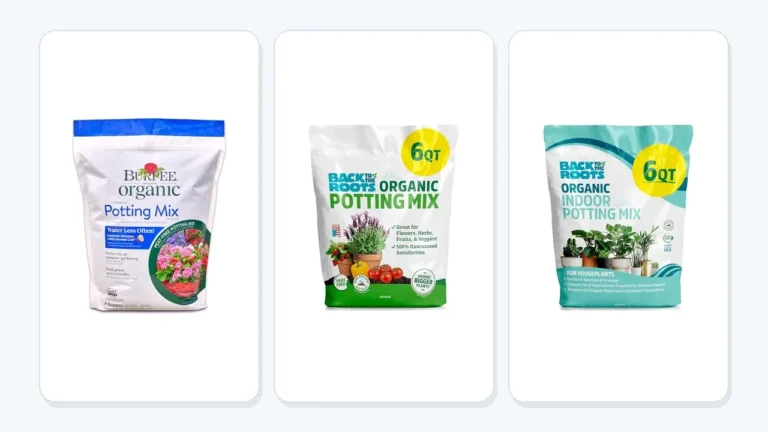
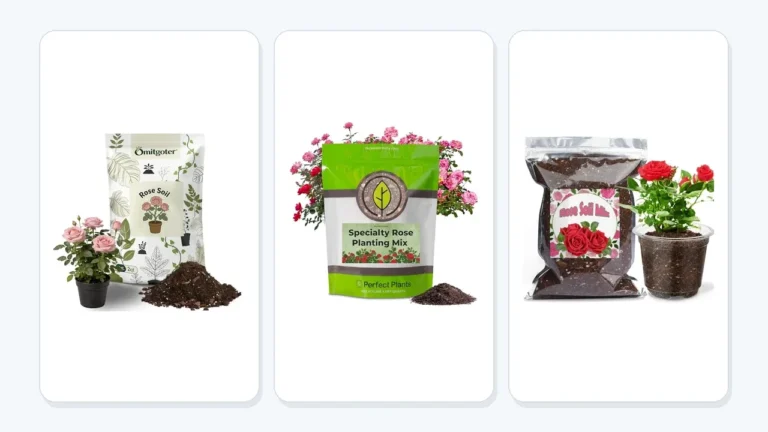
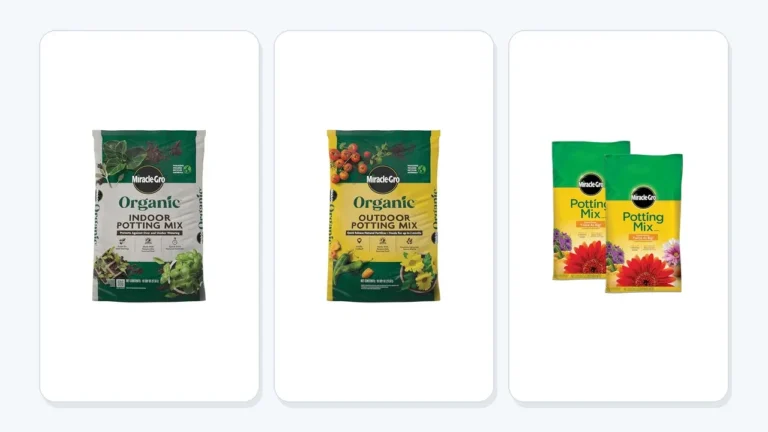
3 Comments