5 Best Potting Soil for Rose Bushes: Mixes for Lush, Fuller Blooms
A rose bush in a pot can struggle if the soil stays soggy, dries out too fast, or comes in a bag too small to fill the container. A poor fit can mean drooping leaves, weak growth, and another repotting job before you’ve even settled in to enjoy the flowers.
For a potted rose, the big thing is balance: water should drain through, but the roots still need moisture between waterings. Bag size matters too, since a small pouch may be useful for one compact pot but frustrating for a large container. And if a mix includes fertilizer, check the feeding directions before adding more; doubling up can be harder on a plant than following one clear schedule.
Here’s what this guide will help you sort out:
- Which blends suit container roses, and which are meant for a different kind of plant.
- How drainage, bag size, and fertilizer affect day-to-day care.
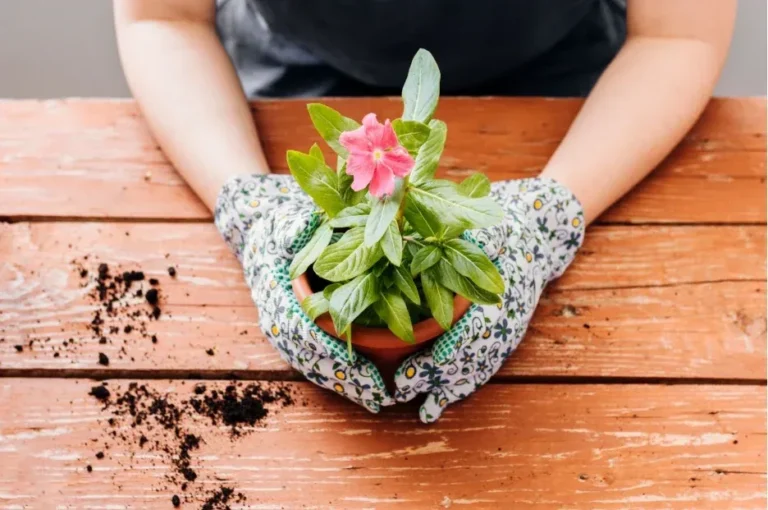
- How to pot a rose without burying its crown or packing down the mix.
- What to check before buying, watering, or adding more plant food.
Quick Picks
-
Best For Ready-to-use rose mix
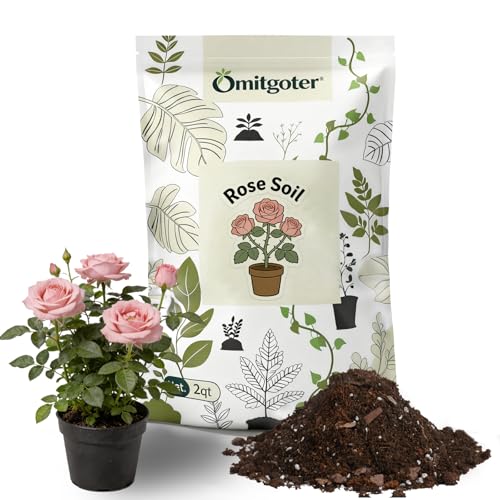
Omitgoter Rose Soil Potting Soil 1qt- Natural
Perlite, coconut coir, and bark create a loose mix for drainage, making small-batch potting simpler for new rose growers.
-
Best For Extended feeding

Perfect Plants Specialty Rose Soil, 4 qt,
Composted pine bark, granite sand, and slow-release fertilizer suit rose growers seeking a premixed blend with less frequent feeding.
Top 5 Potting Soils for Rose Bushes at a Glance
Omitgoter and Perfect Plants are the rose-specific options to consider first, with bag size and feeding plans helping separate their best uses. Miracle-Gro offers a larger general container mix, while the Desert Rose blend is for a different plant altogether, so check the plant type before you buy.
| Product image | Product name | Check product |
|---|---|---|
| 1 |
Omitgoter Rose Soil Potting Soil 1qt- Natural | Check Price |
| 2 |
Perfect Plants Specialty Rose Soil, 4 qt, | Check Price |
3 |
Doter Organic Rose Soil Mix, Indoor Plants | Check Price |
4 |
Miracle-Gro Potting Mix, 16 qt. (2-Pack) | Check Price |
5 |
Soil Sunrise Desert Rose Potting Soil Mix | Check Price |
5 Best Potting Soils for Rose Bushes: Detailed Reviews
When I chose the best potting soil for rose bushes, I focused on drainage, ingredients, bag size, and any stated fertilizer schedule, since those details affect both root conditions and routine care. I also looked for the intended use, because a blend made for a container rose is not automatically right for every plant with rose in its name.
The choices range from small rose-specific bags to a larger, general-purpose container mix, and one blend is explicitly made for desert roses rather than ordinary rose bushes. Comparing those differences helps you spot what will actually fit your pot and care routine, instead of paying for a volume or feature you don’t need.
1. Omitgoter Rose Soil Potting Soil 1qt- Natural
Perlite, coconut coir, and bark create a loose mix for drainage, making small-batch potting simpler for new rose growers.
- ColorRose Soil
- Size1qt
- WeightNot listed; check details
- DimensionsNot listed; check details
Omitgoter Rose Soil is a small, ready-to-use rose mix for someone potting one rose or topping up a compact container. The listed ingredients include peat, coconut coir, perlite, bark, and humus, which gives you several materials rather than a bag of plain, dense garden dirt.
Perlite is a lightweight, porous material added to help air and water move through a mix. In a pot, that can make it easier for excess water to drain away, which matters because rose roots should not sit in a puddle after watering. Coconut coir and peat help the mix hold some moisture, so the pot is not relying on a fast-draining ingredient alone.
The blend is described as ready to use without extra mixing, a welcome shortcut if you’re new to repotting. The maker also describes it as containing long-lasting nutrients, but the available details don’t specify a feeding duration or a nutrient ratio. Treat that claim as a reason to read the package directions, not as a guarantee that you can skip all future feeding.
One practical limit is the 1 qt bag. That is a small amount for most established bushes in large containers, so check your pot’s volume before ordering; buying too little can turn a quick job into a second supply run.
Pros:
- Perlite supports airflow and drainage around roots.
- Coconut coir helps the mix retain some moisture.
- Bark and humus add variety to the blend.
- Ready to use, so there’s no required mixing step.
- Made for roses and described for indoor or outdoor pots.
Cons:
- The 1 qt size may not fill a roomy pot.
- No specific fertilizer ratio or feeding duration is given.
Buy it if: you’re potting one small rose, because the ready-to-use blend saves you from assembling separate ingredients.
Skip it if: you need enough soil for a large container, because a 1 qt bag may leave you short, and a larger container mix would suit you better. For another fit, consider Perfect or Doter.
I’d pick Omitgoter Rose Soil for a small pot when convenience matters more than getting a large quantity in one bag. Its mix of coir, perlite, bark, and humus gives a beginner a clear starting point for drainage and moisture retention. I’d still check the package directions for feeding guidance, since the stated long-lasting nutrients don’t come with a specific schedule here.
This is the sensible fit for a small rose pot, not a big repotting project.
2. Perfect Plants Specialty Rose Soil, 4 qt,
Composted pine bark, granite sand, and slow-release fertilizer suit rose growers seeking a premixed blend with less frequent feeding.
- Size4qt
- Fertilizer18-6-8
- Color8 Qt
- WeightNot listed; check details
Perfect Plants Specialty Rose Soil is a rose-focused mix for someone who wants ingredients and a fertilizer ratio spelled out. The 4 qt size is larger than Omitgoter’s 1 qt bag, though it may still be a modest amount if you’re filling a deep or wide planter.
The listed blend includes composted pine bark, granite sand, and peat. Granite sand is a heavier, gritty ingredient that can help create open spaces in potting soil; paired with bark, it helps the mix drain while retaining some moisture and nutrients. That balance is useful for a container rose, where water needs a path out of the pot but the root area shouldn’t dry immediately.
The mix is pre-blended with 18-6-8 slow-release fertilizer, and the maker says it feeds for up to 12 months. Slow-release fertilizer is a type of plant food that becomes available gradually, rather than all at once. That can simplify feeding, but the duration depends on the package guidance and growing conditions, so don’t add another fertilizer automatically just because the calendar says it’s time.
This blend is described for rose varieties including Drift and Knock Out roses. The fertilizer makes it less of a blank slate than an unfertilized potting mix, so it may not suit a grower who prefers to control every feeding separately.
Pros:
- Composted pine bark and granite sand support drainage.
- 18-6-8 fertilizer ratio is stated clearly.
- Slow-release feeding is described for up to 12 months.
- Rose-focused blend is described for multiple varieties.
- 4 qt bag provides more volume than a 1 qt option.
Cons:
- The built-in fertilizer limits control over the first feeding.
- 4 qt may still be too little for a large planter.
- Check the package before adding any other plant food.
Buy it if: you want a rose-focused mix with a stated fertilizer ratio, because the included slow-release feed can reduce routine feeding work.
Skip it if: you want to set the fertilizer schedule yourself, because this blend comes pre-fed, and an unfertilized potting mix would suit you better. Omitgoter and Doter are worth a closer look instead.
What I like about Perfect Plants Specialty Rose Soil is that the blend and fertilizer are both easy to understand before you pot up. The pine bark and granite sand give you a clear drainage-focused ingredient list, while the stated slow-release fertilizer offers a simple feeding starting point. I’d check the bag’s directions and the amount your container needs before buying, particularly if you’re planning a large repot.
This suits a rose grower who wants a focused mix and is comfortable following its feeding directions.
3. Doter Organic Rose Soil Mix, Indoor Plants
The catalog lists ✅【Optimized pH Level】Our Rose Soil Mix is perfectly balanced with a pH level that roses love, typically betwee. Compare fit and care needs before choosing.
- Colorblack
- Size1qt
- WeightNot listed; check details
- DimensionsNot listed; check details
Doter Organic Rose Soil Mix is a small potting blend for someone growing roses indoors or in a container and looking for a stated pH range. Its product details describe a pH of 6.0 to 6.5, along with compost, coarse sand, and perlite.
pH is a measure of how acidic or alkaline a growing mix is, and it affects how available some nutrients are to plant roots. The stated range gives you a reference point, but don’t assume every bag has been independently measured or that pH alone guarantees healthy blooms. If a rose is struggling, water, light, root space, and general care still matter.
Coarse sand and perlite are described as drainage ingredients, while compost and other organic materials are described as nutrient sources. In plain terms, the mix is intended to let excess water move away while holding some moisture and nutrients near the roots. Doter also describes its blend as containing macro- and micronutrients, but does not give a fertilizer ratio or feeding duration in the details here.
The 1 qt size is best treated as a small quantity, not a bulk supply. The maker also describes the mix as promoting a healthy soil ecosystem and resilience against common rose problems; that is not the same as a guarantee against disease or pests, so keep up ordinary plant care and inspection.
Pros:
- States a pH range of 6.0 to 6.5.
- Coarse sand and perlite are included for drainage.
- Compost and organic materials are described in the blend.
- Made for potted roses, including indoor growing.
- Nutrient ingredients are described without claiming a specific feeding duration.
Cons:
- The 1 qt size may not cover a large pot.
- No fertilizer ratio or feeding schedule is stated.
- Disease-resistance language should not replace regular rose care.
Buy it if: you want a small rose mix with a stated pH range, because that gives you a useful detail to compare when potting a container rose.
Skip it if: your priority is a clearly timed fertilizer plan, because the feeding duration isn’t specified, and a mix with a stated schedule would suit you better. If those trade-offs rule it out, Omitgoter or Perfect may suit you better.
To me, Doter’s most useful detail is the pH range, paired with familiar drainage ingredients like coarse sand and perlite. That can make the bag easier to assess if you’re paying attention to soil acidity as well as texture. I’d verify the package instructions and the amount available before choosing it for anything bigger than a small pot.
This is a reasonable option for a small container rose when the stated pH range matters to you.
4. Miracle-Gro Potting Mix, 16 qt. (2-Pack)
The catalog lists FEEDS UP TO 6 MONTHS: Miracle-Gro Potting Mix is a gardening soil for outdoor containers that feeds all types . Compare fit and care needs before choosing.
- ColorMulticolor
- Size2-Pack
- Number Of Items1
- COVERAGEThis bundle includes two 16 qt. bags of Miracle-Gro Potting Mix, an outdoor potting soil; each bag fills one 12-inc
Miracle-Gro Potting Mix is a general outdoor container mix for someone who needs more soil than a small rose-specific bag provides. The bundle contains two 16 qt bags, and the product details say each bag fills one 12-inch container, with the actual amount varying with the root ball.
This mix is described for outdoor container flowers, shrubs, vegetables, herbs, and other plants. That broad use makes it flexible if you’re filling several containers, but it is not described as a rose-only blend. The product says it feeds for up to six months, so a rose grower should read the package directions before adding extra fertilizer.
The larger quantity is the main practical distinction here. Potting mix is made for containers, unlike ordinary ground soil, which can compact in a pot and make drainage harder. Still, the details provided don’t identify the specific ingredients or a fertilizer ratio, so don’t assume its texture or feeding plan is identical to a rose-specialty blend.
Miracle-Gro’s product information describes a growth comparison against unfed plants, but that claim doesn’t tell you exactly how a particular rose will grow in your light, climate, or pot. The useful buying question is simpler: do you need two larger bags for outdoor containers, and are you comfortable with a general-purpose mix that includes plant food?
Pros:
- Two 16 qt bags provide more volume than small specialty pouches.
- Described for outdoor container flowers and shrubs.
- Each bag is stated to fill a 12-inch container.
- Feeding is described for up to six months.
- Broad plant use can suit mixed container gardens.
Cons:**
- It is a general container mix, not a rose-specific blend.
- Ingredients and fertilizer ratio aren’t stated in the details here.
- The product is described for outdoor use.
Buy it if: you’re filling several outdoor containers, because the two larger bags provide more volume than a small rose-focused pouch.
Skip it if: you want a blend tailored specifically to roses, because this is a general container mix, and a rose-focused potting soil would suit you better.
I’d consider Miracle-Gro Potting Mix when quantity and broad outdoor use matter more than a rose-specific ingredient list. The six-month feeding description is handy, but it also means you should read the directions before adding more fertilizer. Check that the outdoor-use instructions fit your setup, and remember the stated fill amount can change with the size of the root ball.
This is for the grower filling multiple containers who doesn’t need a rose-only blend.
5. Soil Sunrise Desert Rose Potting Soil Mix
The catalog lists 100% Natural: Special custom blend for the “Desert Rose” plant (Adenium Obesum) ; no artificial ingredients. Compare fit and care needs before choosing.
- ColorBrown
- Size8 Quarts
- Number Of Items1
- WeightNot listed; check details
Soil Sunrise Desert Rose Potting Soil is made for desert rose, also called Adenium obesum, and for other succulents and cacti. That distinction matters: an ordinary rose bush and a desert rose are different plants, so this bag is not the default choice for a traditional rose bush just because both names include rose.
The listed ingredients are peat moss, horticultural perlite, coconut coir, sand, and lime. Horticultural perlite is a lightweight material used to open up a growing mix, while sand adds a gritty texture; those ingredients match the product’s stated focus on aeration and drainage. The blend also includes coir and peat, which can hold some moisture, and lime, which can affect acidity.
The product is described as an 8 quart, hand-blended mix and says that amount is enough for a large 12-inch pot. That’s a more substantial quantity than the small 1 qt rose mixes, but it only helps if you’re growing the plant named on the bag. For a conventional rose bush, check the plant type first rather than treating the words desert rose as a general rose recommendation.
The listing describes the ingredients as natural and says there are no artificial ingredients. That wording is not an independent safety certification, and it doesn’t change the central fit question: this soil is formulated for desert rose and similar dry-growing plants, not advertised as a general potting mix for rose bushes.
Pros:
- 8 quarts provides more volume than a 1 qt bag.
- Ingredients include perlite, sand, coir, peat, and lime.
- Intended for desert rose, succulents, and cacti.
- Product details state a 12-inch pot use.
- Aeration and drainage are named goals of the blend.
Cons:
- Made for desert rose, not ordinary rose bushes.
- The plant-type distinction is easy to miss in a quick search.
- No fertilizer ratio or feeding duration is provided.
Buy it if: you’re potting Adenium obesum, because the listed blend is specifically intended for desert rose and other succulents or cacti.
Skip it if: you’re growing a traditional rose bush, because this blend is aimed at desert rose, and a standard container potting mix would suit you better.
I’d treat Soil Sunrise Desert Rose Potting Soil as a specialist option, not as a general rose soil. Its sand and perlite make sense for the dry-growing plants named in its intended use, and the 8 qt size may be useful for a larger pot. Before buying, double-check the plant label and make sure you’re growing Adenium obesum rather than a regular rose bush.
Choose it only when that plant match is clear.
How to Choose the Best Potting Soil for Rose Bushes
The best potting soil for rose bushes is a container mix that drains freely, holds enough moisture between waterings, and suits the plant and pot you actually have. Start with intended use and texture, then check bag volume and any built-in fertilizer so you know what else your rose will need.
Check whether the mix is for a container
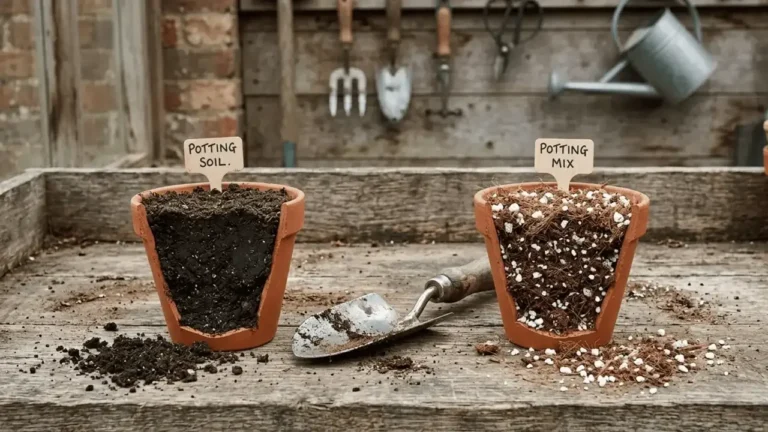
A container rose needs a potting mix, not ordinary soil dug from the yard. Garden soil can settle and pack down inside a pot, leaving less room for air and making it harder for extra water to drain. Look for packaging that clearly says potting mix or potting soil and includes container use.
Also check whether the mix is for indoor or outdoor pots. Some products are described for outdoor containers only, while a rose may live on a patio, balcony, or inside near a bright window. Pick the use that matches where the pot will sit, and don’t assume a broad claim for plants means the directions cover every setting.
Look for ingredients that help water move
Drainage is the route excess water takes through the pot and out of its holes. Ingredients such as perlite, bark, coarse sand, or granite sand can create a looser texture than a fine, compacted mix. A bag that names these ingredients gives you more to evaluate than one that only promises healthy growth.
Drainage does not mean the soil should become bone dry right after watering. Coir, peat, and compost can help retain moisture, which gives roots time to take up water. The right balance depends on your pot, weather, and watering habits, so use ingredients as clues rather than a promise that you’ll never need to adjust care.
Match the bag volume to your pot
Bag size is easy to overlook when a picture shows a full planter. One quart is a small amount compared with two 16 qt bags, and an 8 qt bag is more useful for a larger pot than a tiny pouch, but the amount needed still depends on your container and the existing root ball.
Check the pot’s capacity or dimensions before ordering. If you’re moving a rose into a larger container, estimate how much space will remain around and below the root ball; don’t fill the pot to the brim before the plant is in place. A product’s stated coverage can help, though a large root ball may change how much mix you use.
Decide whether you want fertilizer included
Some mixes are pre-fed, while others describe nutrients without giving a clear feeding ratio or schedule. A labeled fertilizer ratio such as 18-6-8 gives you more detail than a general claim that a soil is nutrient-rich. A stated feeding duration, such as up to six or 12 months, can help you plan, but follow the package directions rather than treating that duration as exact for every pot and climate.
If you already use a rose fertilizer, note what is included in the soil before adding more. Too much fertilizer can stress roots, and two overlapping schedules make it harder to understand what a plant needs. For a complete beginner, one clear feeding plan is usually easier to manage than several products applied at once.
Keep the plant type straight
A desert rose is not the same as a garden rose bush. A soil blend labeled for Adenium obesum, cacti, or succulents is intended for those plants, even if the name contains rose. Look at the full plant name on your tag or nursery label before choosing a mix.
Different rose varieties may also have different pot sizes and growth habits, but the basic container questions stay the same: does the mix suit pots, can water drain, and is the bag large enough? For variety-specific claims such as suitability for Knock Out roses, treat the label as a useful clue, not a substitute for checking the complete directions. If you’re comparing rose-focused blends for a particular variety, see potting soil for Knock Out roses.
Consider how much control you want
A ready-to-use mix saves the step of measuring and combining ingredients. That can be helpful when you have one rose to repot and don’t want open bags of perlite or bark left over. A blend with a stated fertilizer schedule adds convenience, but it also means you need to respect the built-in feeding plan.
A simpler mix can make sense if you want to choose fertilizer separately or adjust the texture yourself. For a beginner, though, avoid changing several things at once. Pick a potting mix that already seems suitable, use it as directed, and make one care change at a time if the rose needs attention.
How to Use Potting Soil for Rose Bushes for the Best Results
A good potting mix helps, but the pot, planting depth, watering, and light also shape how a rose grows. Set up a clean container with working drainage holes, handle the roots gently, and follow the soil’s own fertilizer instructions.
- Choose a pot with drainage holes. Extra water needs somewhere to go, so a decorative outer pot without holes should not be the only container holding the mix. If you use a cover pot, empty any standing water after watering.
- Check the new pot’s size. A very large jump in pot size can leave more wet soil around a small root ball than the plant can use quickly. Choose a container that gives the roots room without turning the pot into a deep reservoir.
- Read the potting mix package. Check whether the mix is intended for indoor or outdoor containers and whether it contains fertilizer. This step is especially important with a pre-fed blend, since adding more plant food too soon can create a confusing care routine.
- Moisten very dry mix if needed. Some dry potting mixes can resist water at first. Add water gradually and stir with a clean hand tool until the mix feels evenly damp, not soaked or muddy.
- Set the rose at a sensible depth. Keep the root ball at a level that matches its previous planting depth, and avoid burying stems or leaves under extra soil. If the rose has a graft union or particular planting instructions, follow the nursery or package guidance for that plant.
- Fill around the root ball gently. Work mix into open spaces without tamping it down hard. Pressing firmly can squeeze out the air spaces that help water move and roots breathe.
- Water slowly after planting. Pour enough water to moisten the mix and let extra water drain from the bottom. If the soil settles, add a little more mix around the root ball, but leave room at the top for watering.
- Place the pot where the rose can thrive. Check the plant’s tag for light needs and adjust the pot’s location accordingly. A suitable soil cannot make up for a spot that is too dark or exposed to conditions the rose cannot tolerate.
When you water, judge the soil rather than following a rigid daily schedule. Pot size, temperature, sunlight, wind, and plant growth all change how quickly a container dries. Feel the top layer and check the pot’s weight as you learn its rhythm, then water thoroughly when the mix is ready instead of giving frequent tiny splashes.
Roses in pots may need attention more often than roses planted in the ground because a container holds a smaller reserve of water. A sunny, breezy patio can dry a pot faster than a sheltered spot. Keep an eye on the plant during hot spells, but don’t compensate by leaving the pot standing in water.
If your mix contains fertilizer, record the package’s feeding directions somewhere you’ll see them. A note on a calendar can prevent accidental extra feeding, especially if other people help water the plant. For smaller containers and hanging planters, remember that lightness and water retention also matter; the same mix choices don’t always suit a basket hanging above a walkway.
For that separate use, read about mixing soil for hanging baskets.
How to Make Your Rose Potting Soil Last Longer
Potting mix doesn’t last forever in a container, but careful watering and simple upkeep help it stay usable longer. Keep drainage holes open, remove dead plant material, and check the mix when you notice water sitting on top or running through unusually fast.
After watering, make sure the pot drains freely and the saucer is not holding a puddle. Clear visible debris from the drainage holes, but don’t poke deep into the root zone with a tool. Roots can be damaged by rough handling, and a blocked saucer is easier to fix than torn roots.
Every few weeks during active growth, look at the soil surface and the plant together. A crust of fertilizer or mineral deposits, exposed roots, or a surface that stays wet for a long time can signal that care needs attention. Remove fallen petals and leaves rather than letting decaying material build up around the stems.
Don’t keep topping up a pot with fresh mix without checking the root ball and planting depth. As mix settles, add a small amount around the sides if needed, but avoid covering the crown or burying lower leaves. If roots fill the container or water no longer moves through the pot properly, the rose may need repotting rather than another scoop of soil.
Follow the fertilizer timing on the bag, and don’t treat all potting soil as equally fed. A mix that says it feeds for months should not automatically be paired with a second fertilizer on the same schedule. If you change products, note when the new mix went in and what it contains; a simple record can save you from guessing later.
Store leftover mix sealed and dry, away from rain and standing water. Close resealable packaging if the bag has that feature, or transfer the mix to a clean, covered container. Keep the label with it so you can remember the ingredients and feeding directions, and don’t store damp soil in a tightly closed bag where it can turn stale or develop an unpleasant smell.
When you reuse a pot, remove old roots and loose debris before adding fresh mix. Clean the container and let it dry, especially if the previous plant had signs of disease. Avoid reusing old potting soil from a sick plant for a new rose; fresh mix gives you a cleaner starting point and avoids carrying old root problems forward.
Common Mistakes to Avoid When Buying and Using Potting Soil for Rose Bushes
The biggest mistakes are usually small mismatches: the wrong plant type, a bag that’s too small, blocked drainage, or fertilizer added without checking what’s already in the mix. These quick checks can prevent wasted soil and avoidable stress for your rose.
- Buying desert rose soil for an ordinary rose bush. The name is easy to skim past. Check the full plant description and choose a mix meant for your actual rose.
- Using yard soil in a container. Ground soil can settle tightly inside a pot. Choose a potting mix labeled for containers instead.
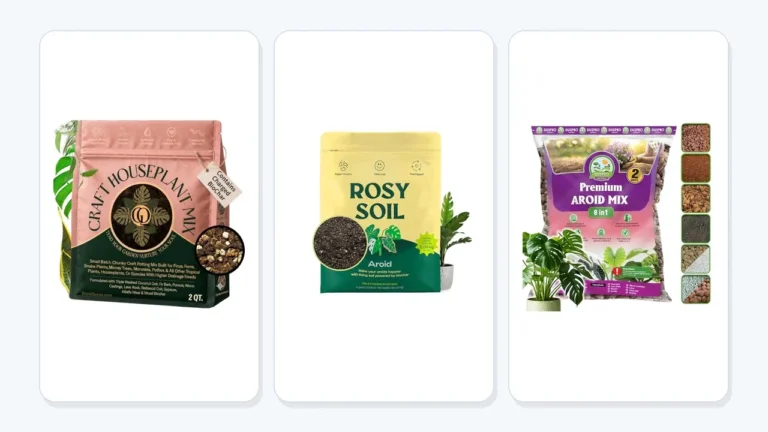
- Ordering by the product photo alone. A small bag can look larger in a picture. Check the quart size and compare it with your pot’s capacity before checkout.
- Choosing soil without checking drainage holes. Even a loose mix cannot drain through a sealed container. Make sure water can escape and empty any standing water in a cover pot.
- Adding fertilizer without reading the bag. Pre-fed mixes already contain plant food. Follow the package schedule and avoid layering another fertilizer on top without a clear reason.
- Packing the mix down hard. Heavy tamping reduces the open spaces that help water and air move. Settle the soil gently and water it in instead.
- Watering by the calendar alone. Pots dry at different speeds as weather and light change. Check the soil and plant before watering, and let excess water drain.
- Assuming a disease-related claim is a treatment. Soil language about resilience is not a promise to prevent disease. Inspect leaves and stems and follow sound care practices when problems appear.
How to Set Up Potting Soil for Rose Bushes
Repotting is straightforward when you prepare the container and check the mix before the rose comes out of its old pot. Take your time with the roots; rushing the transfer is more likely to cause trouble than taking an extra minute to read the bag.
- Read the rose’s plant tag. Confirm you’re working with a standard rose bush, not a desert rose, and note any variety-specific planting instructions. A name that includes rose is not enough to identify the plant.
- Inspect the new container. Make sure it has drainage holes and is clean. If the pot has no way for extra water to escape, choose another container or use it only as an outer cover.
- Check the soil bag and feeding details. Confirm that the mix is suitable for containers and note any included fertilizer. Keep the label nearby so you can refer to it after planting.
- Prepare the work area. Lay down a tarp or work outside, and have a small scoop, watering can, and gloves ready if you use them. Potting mix spills easily, especially when you’re trying to hold a plant steady at the same time.
- Add a base layer of mix. Put enough soil in the pot to position the root ball at the correct height. Don’t fill the pot so high that the rose sits above the rim or so low that its stems will be buried.
- Set the rose in place. Remove the old pot carefully and support the root ball rather than pulling on the stems. If roots are tightly packed, loosen only what comes away gently; avoid tearing them apart.
- Fill the sides and settle the mix. Add soil around the root ball and use your fingers to guide it into gaps. Press lightly, leaving the soil airy and the plant at the intended depth.
- Water and check the final level. Water slowly, let excess drain, and add a little soil if the mix settles too far. Keep the crown and stems clear, then place the pot in a location that matches the rose’s light needs.
If the rose is already struggling, don’t assume new soil alone will fix the problem. Check for drainage, the amount of light, watering habits, and root crowding before changing several things at once. A simple note about the repotting date and fertilizer in the mix can help you spot patterns over the next few weeks.
Common Questions About Potting Soil for Rose Bushes
Can I use regular garden soil for a potted rose?
No, regular garden soil is usually a poor choice for a container because it can compact and limit drainage. Use a potting mix labeled for containers instead. Make sure the pot has drainage holes, and avoid pressing the mix down hard around the root ball.
How much potting soil does a rose bush need?
The amount depends on your pot’s capacity and the size of the root ball. Check the container’s dimensions and the bag’s quart size before buying. Product coverage estimates can help, but a large root ball takes up space that would otherwise be filled with mix.
Should rose potting soil contain fertilizer?
It can, but you don’t need fertilizer included to pot a rose. If the mix is pre-fed, follow its directions before adding other plant food. A clear fertilizer ratio or feeding schedule makes planning easier, while a mix without a stated schedule leaves you more control over feeding.
Is desert rose soil right for a regular rose bush?
No, desert rose soil is intended for Adenium obesum and similar succulents or cacti, not an ordinary rose bush. Check the plant’s full name before choosing a soil. The word rose in both names can be confusing, but it does not make the plants interchangeable.
How often should I water a potted rose?
There isn’t one reliable schedule for every pot, because weather, light, pot size, and soil texture change how quickly it dries. Check the mix before watering, then water thoroughly when needed and let excess drain. Avoid leaving the container in standing water.
Can I reuse potting soil after repotting a rose?
It’s safer not to reuse old mix from a plant that had disease or root problems. For healthy plants, remove old roots and debris and check whether the mix still drains well before considering reuse. If it has compacted, smells unpleasant, or stays wet, replace it.
Make the Plant Match the Potting Mix
Before you buy, check the plant’s full name, the bag’s quart size, whether the mix is made for containers, and any fertilizer already included. Those four details will help you avoid the most common mismatch and choose a mix that fits your rose and your pot.

I’m Maya L. Greenwood, a lifelong plant lover who believes anyone can grow something beautiful with the right guidance. After years of testing soil mixes, pruning methods, irrigation tricks, and pest-safe solutions, I started EasyGardenTips.com to turn hard-won lessons into step-by-step advice. From seed starting and container gardens to composting and seasonal checklists, my goal is to make gardening simple, sustainable, and fun.