
Potting Soil vs Fertilizer: Why Your Plants Need Both to Thrive
Potting soil gives container plants a place to grow, with support, air, and moisture; fertilizer supplies nutrients plants use to grow. Most potted plants need both, but the right mix and feeding schedule depend on the plant and what’s already in the soil.
Are your plants growing slowly even though you’ve been watering them, or are you worried that adding fertilizer will burn their roots? The tricky part is that potting mix labels can make a product sound like soil and food in one bag, even when its nutrients won’t last long.
I once treated a droopy container plant as hungry and added fertilizer before checking whether its potting mix was dry. The plant stayed sad, and I wasted time trying to correct the wrong problem; it’s a common mistake, not a dumb one.
I wrote this to make the difference clear and help you choose a mix, read a fertilizer label, and feed plants without guessing. You’ll get a practical way to judge what a plant needs before reaching for another bag or bottle.
Get the balance right and you can avoid wasted fertilizer, weak growth, and salt buildup around roots. Skip the soil check, and you may feed a plant that really needs water or a better-draining mix.
This takes about 10 minutes, and you’ll come away knowing how to:
- Choose potting soil or potting mix for a container.
- Tell whether a bag already contains fertilizer.
- Pick a feeding schedule that fits your plant.
- Spot common signs of too much or too little fertilizer.
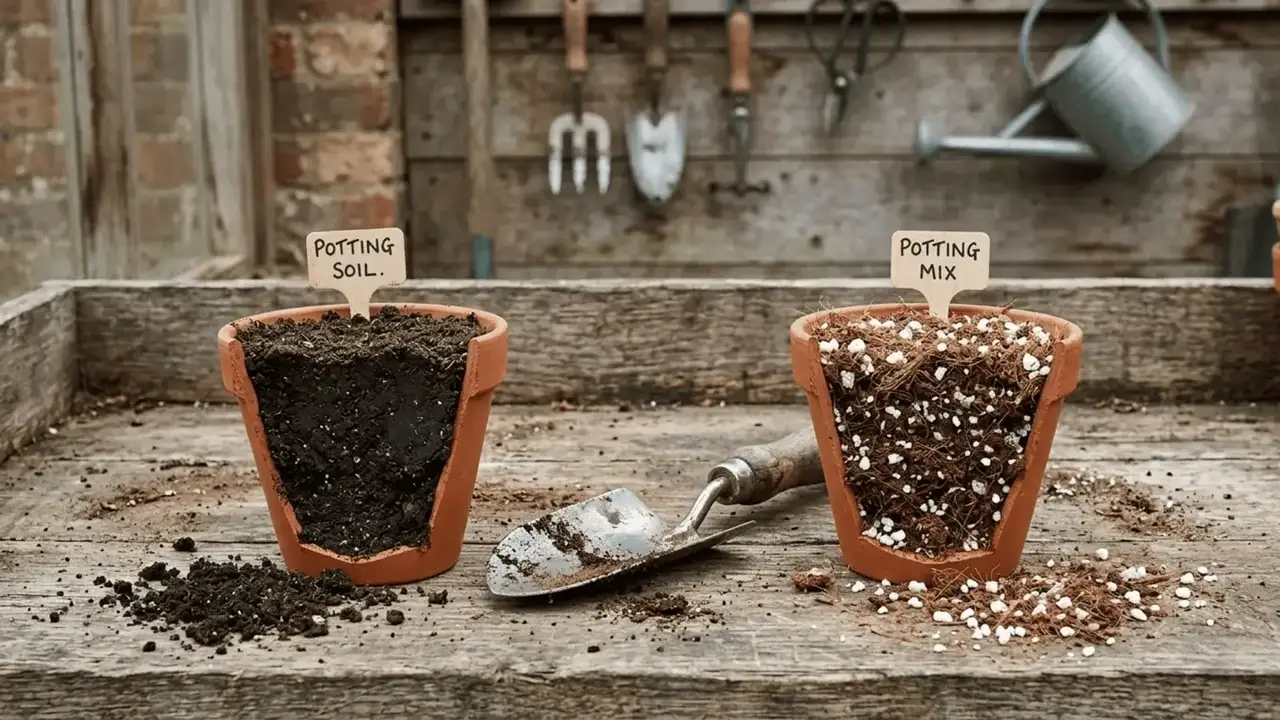
Potting Soil vs Fertilizer: What Each One Does
Potting soil supports roots and manages air and water, while fertilizer provides nutrients such as nitrogen, phosphorus, and potassium. A six-inch pot of herbs needs a light, drainable growing medium and a source of nutrients, but those jobs aren’t interchangeable.
Potting soil is a growing medium sold for containers, though many products labeled “potting soil” are actually lightweight blends rather than garden soil. Fertilizer is a product that supplies plant nutrients, often in a measured blend shown as three numbers on the package.
Those numbers are the N-P-K ratio: nitrogen (N), phosphorus (P), and potassium (K), listed in that order. A 10-10-10 fertilizer contains equal percentages of those three nutrients by weight, but that doesn’t make it the right choice for every plant or situation.
| Product | Main job | What it does not do by itself |
|---|---|---|
| Potting soil or potting mix | Holds roots, air, and water in a container | Reliably feed a plant for its full life |
| Fertilizer | Supplies nutrients in a form roots can take up | Replace a suitable growing medium |
| Potting mix with fertilizer | Combines root support with an initial nutrient supply | Guarantee enough food for the whole growing season |
A bag that says “feeds for up to” a certain period describes the product’s claimed nutrient release, not a promise that every plant will need the same schedule. Watering, temperature, plant size, and the mix itself can change how quickly nutrients run out.
Choose a Potting Mix That Fits the Plant
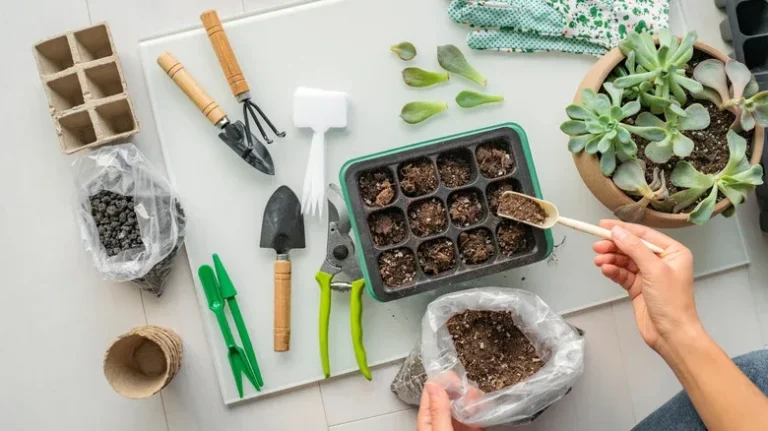
A good container mix stays airy enough for roots and drains excess water while holding some moisture. The right mix for a cactus can be a poor fit for a fern, even if both plants look fine on a store shelf.
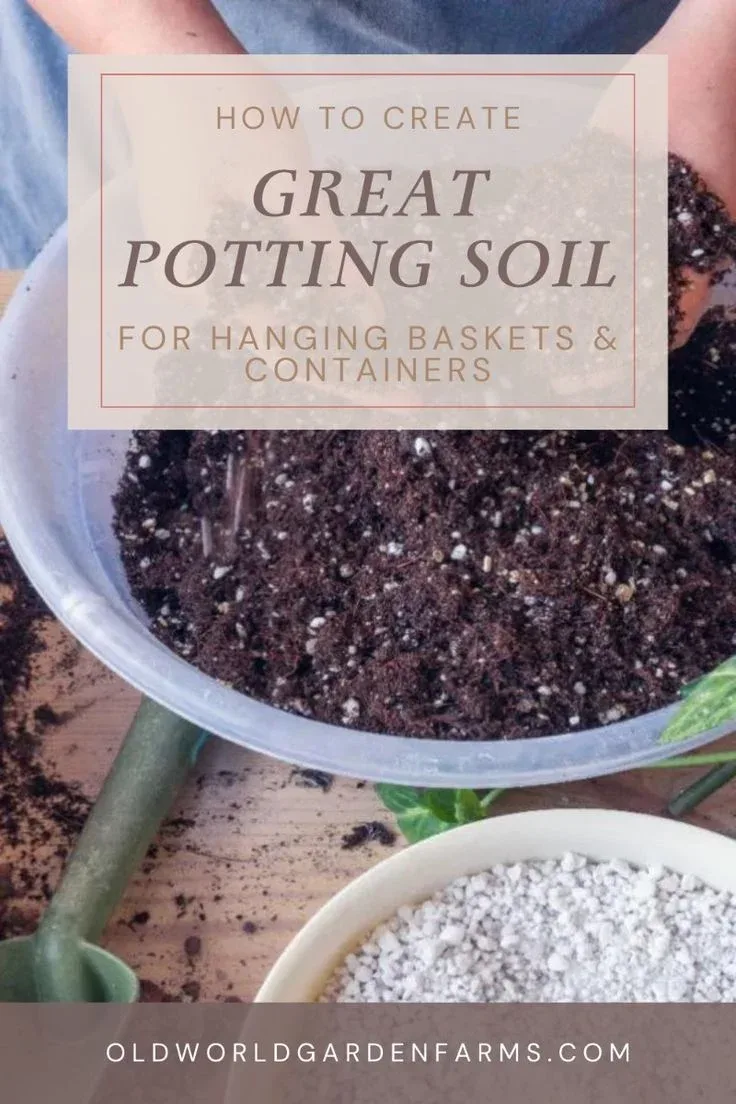
Start by checking whether the bag is made for containers. Garden soil can be heavy in a pot and may drain poorly, while a container blend commonly uses lighter materials such as peat, coir, bark, or perlite. If you’re unsure which product name means what, this guide to potting mix and potting soil explains the distinction.
Use the plant’s needs as your filter:
- Cacti and succulents need fast drainage and a mix that doesn’t stay wet for long.
- Tropical foliage plants often do better in a mix that holds some moisture but still lets air reach roots.
- Seedlings need a fine-textured mix that supports small roots without heavy chunks.
- Vegetables and herbs need a container mix that drains well and can support steady growth.
What if the label says “moisture control”? That type of mix may hold water longer than a standard blend, which can help if you often miss a watering, but it can stay too wet for plants that prefer drying between drinks. Compare the ingredients and intended plants before deciding; the label differences in moisture-control potting soil can help you weigh that trade-off.
Peat moss and potting soil aren’t the same thing: peat moss is a material that may be used in a potting blend, while potting soil is the finished growing medium. Peat-based mixes can hold moisture, and other ingredients may change drainage and texture; a closer look at peat moss versus potting soil can help you sort out what a bag contains.
Pro Tip: Check the plant’s water needs before buying a moisture-retaining blend. If your peace lily dries out quickly in a warm room, extra moisture retention may help; if your succulent stays damp for days, that same feature may work against you.
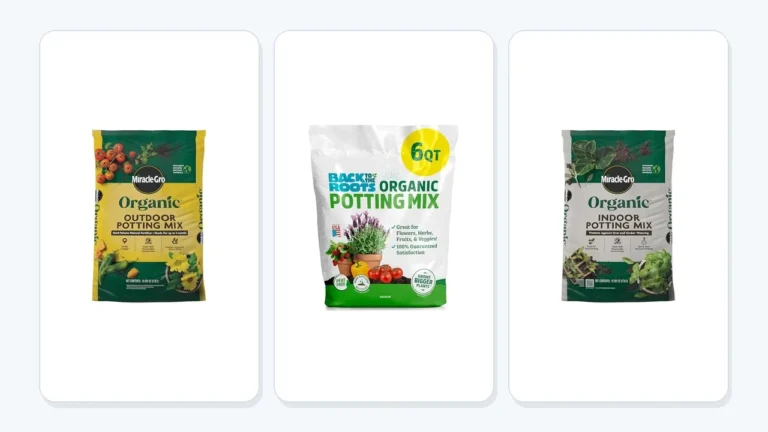
Organic potting mixes may contain compost, plant-based ingredients, or other materials allowed under the product’s labeling. “Organic” doesn’t automatically mean the mix has more nutrients, needs no fertilizer, or suits every plant. If that’s a priority, use a guide to organic potting soil choices to compare what the label actually promises.
Potting mix without added fertilizer gives you more control over feeding, especially if you prefer to use a particular fertilizer or follow a plant-specific routine. It also means you’ll need to pay attention to nutrients sooner; these fertilizer-free potting soil options are most useful when you’re ready to manage that yourself.
For a mixed container collection, a general-purpose blend is a reasonable starting point, not a magic fix. A guide to soil for potted plants can help narrow down a mix for your plants, pot size, and watering habits.
Read the Fertilizer Label Before Feeding
Fertilizer gives plants nutrients, but the label tells you how much to use and how often. Follow the package directions for the exact product, and don’t assume that a stronger dose will make a plant grow faster.
The three N-P-K numbers describe the percentages of nitrogen, phosphate, and potash by weight. Nitrogen supports leafy growth, phosphorus is involved in root and flower development, and potassium supports several plant processes; those roles don’t mean a plant needs a high dose of each.
Common fertilizer types include:
- Water-soluble fertilizer: Mixes with water and is available to roots soon after application.
- Slow-release fertilizer: Releases nutrients over time, often in response to moisture and temperature.
- Organic fertilizer: Comes from plant, animal, or mineral sources and may release nutrients at different rates.
- Liquid fertilizer: A convenient form that is often diluted before use; check the label for the correct concentration.
A fertilizer marked 5-5-5 and one marked 10-10-10 don’t have equal strength by weight. Don’t swap one for another at the same spoonful without checking directions, since a dose suited to a weaker product can be too strong for a more concentrated one.
I once reached for a liquid fertilizer because a potted plant had pale leaves, then noticed the potting mix was still wet and the plant wasn’t getting much light. I held off on feeding and changed the plant’s care instead; checking the growing conditions first can save you from treating the wrong issue.
Important Tip: Don’t mix fertilizer into a potting blend unless the label gives instructions for that use. Too much fertilizer near roots can cause damage, and concentrated products should be kept away from skin, children, and pets according to their labels.
Feed Container Plants Without Overdoing It
Use the product label and the plant’s growth pattern to set a feeding routine. A fast-growing plant in bright light may use nutrients sooner than a slow-growing plant in a dim room, so one calendar schedule won’t fit every pot.
- Check the potting mix label. Look for added fertilizer and any stated feeding duration.
- Check whether the plant is actively growing. Many plants need less fertilizer during slower growth or dormancy.
- Pick a fertilizer made for the plant or its use. Follow the directions for containers and that fertilizer type.
- Apply the labeled dose. Don’t add extra to compensate for slow growth.
- Watch the plant and the mix. If growth changes or leaf tips brown, pause and check watering, light, and fertilizer use before feeding again.
A potting mix with an initial nutrient charge may cover the plant’s early needs, but it may not feed it indefinitely. Once that supply is used, fertilizer may be needed, particularly for a plant that grows quickly or stays in the same container for months.
What if you can’t remember when you last fed the plant? Check the potting mix package and any fertilizer notes before applying more; a simple note on the calendar can prevent accidental double feeding.
If you use water-soluble fertilizer, measure the dilution rather than pouring by eye. Slow-release pellets are easier to forget about, so note when you added them and follow the label before adding another dose.
Troubleshoot Slow Growth and Leaf Problems
Slow growth, pale leaves, and brown tips can point to fertilizer trouble, but those signs can also come from water, light, temperature, pests, or root problems. Check the whole plant and its growing conditions before changing the fertilizer.
| What you notice | Possible cause | What to check first |
|---|---|---|
| Pale or yellowing leaves | Low nutrients, excess water, low light, or another stress | Soil moisture, light, and the mix’s feeding history |
| Brown leaf tips or edges | Too much fertilizer, dry air, inconsistent watering, or salt buildup | Fertilizer dose and whether water drains from the pot |
| Slow growth | Low light, seasonal slowdown, crowded roots, or low nutrients | Light, growth season, root space, and label directions |
| Wilting while the mix is wet | Poor drainage or stressed roots | Drainage holes and whether the pot remains soggy |
| A white crust on the mix or pot rim | Mineral or fertilizer salts may have built up | Recent feeding and the quality of drainage |
Salt buildup means soluble minerals have collected in the growing medium, sometimes leaving a crust on the surface or pot edge. If the plant shows signs of overfeeding, stop fertilizing and check the label before taking further steps; don’t add a corrective product on top of the first one.
Drainage matters because roots need access to air as well as water. A pot without drainage holes can leave water sitting around the roots, and fertilizer won’t fix that. Move the plant into a suitable pot or ask a local plant professional for help if the roots are badly damaged.
If the plant looks hungry but the mix stays wet, don’t feed it just because the leaves are pale. Let the growing medium and root conditions guide the next step, and check for pests or poor light before reaching for fertilizer.
FAQs About Potting Soil vs Fertilizer
Can potting soil replace fertilizer?
No. Potting soil supports roots and holds air and moisture, but many mixes don’t supply nutrients for a plant’s entire life. Some products include an initial fertilizer charge, so check the bag and follow its feeding directions before adding more.
Can I use fertilizer without potting soil?
No, not for an ordinary potted plant. Fertilizer supplies nutrients, but roots still need a suitable growing medium for support, moisture, and air. Some plants grow in water-based systems, but those use a controlled setup rather than fertilizer alone.
Should I fertilize a newly potted plant?
Check the potting mix label first. A fresh mix may already contain fertilizer, and adding more right away can overfeed the plant. If the mix has no added nutrients, follow the fertilizer label and consider the plant’s health and growth before feeding.
How often should I fertilize plants in pots?
There isn’t one schedule for every potted plant. Follow the fertilizer label, then account for the plant’s growth, light, season, and potting mix. A slow-growing plant in dim light often needs less frequent feeding than a fast-growing plant in bright conditions.
Is fertilizer burn the same as underwatering?
No. Both can cause wilting or brown leaf edges, but fertilizer burn can also leave a crust of salts on the potting mix or rim. Check the mix moisture and feeding history before changing care, since adding water or fertilizer blindly can make the problem worse.
Give Roots the Right Start
Potting soil and fertilizer do different jobs, so a healthy container plant needs the right combination rather than a choice between the two. Start with a mix suited to the plant, check whether it already contains nutrients, and feed only as the product label directs.
In my view, checking the bag before buying fertilizer is the simplest way to avoid a needless dose. If your plant isn’t doing well, look at the moisture, light, drainage, and feeding history before changing anything. That small pause can spare you a wilted plant and a lot of guesswork.
Your clearest next step is to read the potting mix label and write down whether it contains fertilizer. Then choose one feeding plan that matches the plant and stick to its directions.

I’m Maya L. Greenwood, a lifelong plant lover who believes anyone can grow something beautiful with the right guidance. After years of testing soil mixes, pruning methods, irrigation tricks, and pest-safe solutions, I started EasyGardenTips.com to turn hard-won lessons into step-by-step advice. From seed starting and container gardens to composting and seasonal checklists, my goal is to make gardening simple, sustainable, and fun.
One Comment