5 Best Potting Soil Without Fertilizer: Clean Mixes You Can Control
Buying potting soil with fertilizer already mixed in can make plant care harder if you want to control every feeding yourself. It can also leave you guessing about what a new plant is getting, especially if the bag uses broad phrases such as natural nutrition without saying how much is included. Here, the bigger risk is choosing a mix whose feeding claims don’t match your plan.
For strict control, read the ingredient and feeding statements before you buy; a soil mix can contain compost or other nutrient-bearing ingredients even when it doesn’t advertise added fertilizer. The pot size and the plant’s watering needs matter too, since a heavy, water-retentive mix can stay wet longer than a small pot of herbs can tolerate.
Here’s what this guide will help you check:
- Which mixes disclose added feeding and which leave that point unclear.
- How to match bag size and moisture behavior to your pots.
- How to pot, water, and store an opened bag with less guesswork.
- What to verify when you need full control over plant nutrition.
Quick Picks
-
Best For Indoor Containers

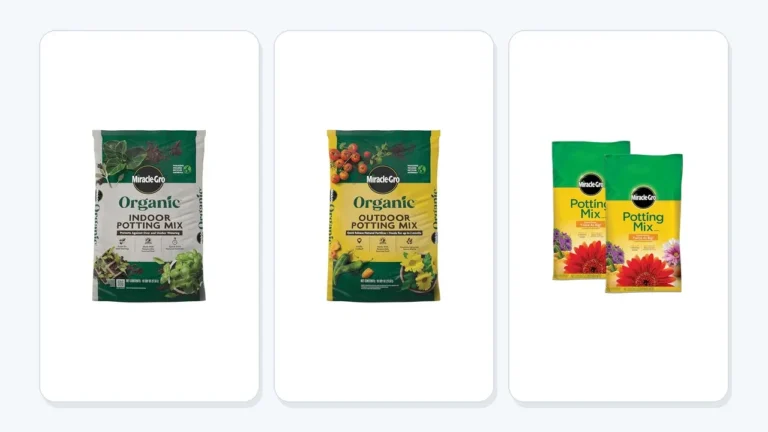
Miracle-Gro Organic Indoor Potting Mix, 16 qt.
Sphagnum peat moss and coir form an indoor container mix, while the stated natural fertilizer makes it unsuitable for strict no-feed needs.
-
Best For Indoor-Outdoor Containers

Burpee Premium Organic Potting Mix Garden Soil
Coconut coir helps balance moisture in indoor or outdoor containers, but the mix also includes immediate and slow-release nutrition.
Top 5 Potting Soils without Fertilizer at a Glance
The first two mixes state that they contain fertilizer or plant food, so neither fits a strict no-fertilizer requirement. The remaining options vary in ingredients and intended use, but none is explicitly confirmed as fertilizer-free; check the full ingredient and feeding details before purchasing if that distinction is essential.
| Product image | Product name | Check product |
|---|---|---|
| 1 |
Miracle-Gro Organic Indoor Potting Mix, 16 qt. | Check Price |
| 2 |
Burpee Premium Organic Potting Mix Garden Soil | Check Price |
3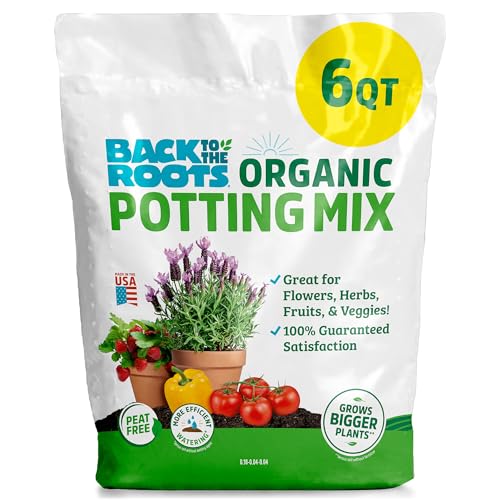 |
Back to the Roots Organic Potting Soil, | Check Price |
4 |
Michigan Peat Garden Magic General Purpose Potting | Check Price |
5 |
Rosy Soil Houseplant Potting Soil, Organic Indoor | Check Price |
5 Best Potting Soils without Fertilizer: Detailed Reviews
When I considered the best potting soil without fertilizer, I focused on whether the bag actually says fertilizer is included, what materials shape water retention and drainage, and whether the mix suits the intended pot or plant. Those details help prevent overfeeding, soggy roots, and the frustration of buying a bag that doesn’t match your care routine.
The options range from indoor and multipurpose blends to a peat-free mix and a small-bag houseplant blend. Comparing them side by side makes the key distinction easier to see: some describe feeding directly, while others name ingredients that could contribute nutrients without clearly stating a fertilizer schedule.
1. Miracle-Gro Organic Indoor Potting Mix, 16 qt.
Sphagnum peat moss and coir form an indoor container mix, while the stated natural fertilizer makes it unsuitable for strict no-feed needs.
- Size16.qt
- COVERAGEOne 16 qt. bag of Miracle-Gro Organic Indoor Potting Mix fills one 12-inch container with potting soil for indoor p
- WeightNot listed; check details
- DimensionsNot listed; check details
Miracle-Gro Organic Indoor Potting Mix is aimed at houseplants, herbs, and starter plants grown in containers, and is the most clearly described indoor choice here if you don’t require a fertilizer-free blend.
The mix contains sphagnum peat moss and coir, two materials that help hold water while leaving space for air. Coir comes from coconut husks; peat moss is a moisture-holding plant material. That combination can make watering less fussy for someone still learning how quickly a pot dries, though it doesn’t remove the need to check the soil before watering.
The bag also states that it contains quick-start natural fertilizer. That means this mix isn’t a match if you’re trying to leave feeding entirely out of the potting soil. If you do want a soil blend with some nutrition included, the label makes that point clear instead of leaving you to infer it from the ingredient list.
A 16-quart bag is described as enough to fill one 12-inch container, with the amount varying according to the root ball. This is a useful rough planning guide, not a promise that every pot of that width takes the same amount. A large root ball or unusually deep pot can change how much mix you need.
Pros:
- Indoor-use guidance names houseplants, herbs, and starter plants.
- Sphagnum peat moss and coir support moisture retention.
- The bag’s coverage guidance helps estimate container needs.
- Seed-starting and transplant steps are described.
- Quick-start natural fertilizer is disclosed in the mix description.
Cons:
- Contains natural fertilizer, so it does not meet a strict no-feed requirement.
- Peat-based ingredients may not suit a peat-free preference.
- One bag’s coverage varies with the plant’s root ball.
Buy it if: you want an indoor container mix with stated moisture-holding materials and you’re comfortable with quick-start natural fertilizer already included.
Skip it if: you need a soil blend without any fertilizer added, because the stated formula includes it, and a mix with clearer no-added-feed wording would suit you better. For another fit, consider Burpee or Back.
I’d choose Miracle-Gro Organic Indoor Potting Mix when a beginner wants straightforward indoor-use directions and accepts some nutrition in the bag. Its listed ingredients and planting steps make the basic job easier to understand. The important catch is right in the description: quick-start natural fertilizer is included.
Check the current ingredient details and bag coverage before deciding if that fits your own feeding plan.
2. Burpee Premium Organic Potting Mix Garden Soil
Coconut coir helps balance moisture in indoor or outdoor containers, but the mix also includes immediate and slow-release nutrition.
- Size9 Quart
- ColorPotting Mix
- Number Of Items1
- WeightNot listed; check details
Burpee Premium Organic Potting Mix is intended for indoor or outdoor containers, including vegetables, flowers, and herbs, for gardeners who want one bag for several types of pots.
The formula includes coconut coir, a material made from coconut husks that can hold moisture while helping air and water move through the mix. In everyday terms, coir can help keep a pot from swinging as quickly between very dry and very wet, though the pot’s drainage holes and watering habits still matter. Don’t read moisture balance as permission to water on a fixed schedule without checking the soil.
Burpee states that the mix feeds plants immediately and provides slow-release nutrition for up to three months. Slow-release means nutrients become available over time rather than all at once, but the statement makes this a poor fit for someone seeking potting soil with no fertilizer. It also means you should check the bag’s instructions before adding another fertilizer on top.
The 9-quart bag is a smaller quantity than the 16-quart indoor mix above, which can be handy for a few planters or a small growing area. The feature text also mentions small holes in the bag for air circulation before use. Store the bag where it stays dry and protected from spills, and use the package directions to decide how long to keep it after opening.
Pros:
- Indoor and outdoor container use is stated.
- Coconut coir supports moisture balance in pots.
- The listed plant range includes vegetables, flowers, and herbs.
- Immediate and slow-release feeding are both disclosed.
- A 9-quart size can suit a modest repotting task.
Cons:**
- Includes immediate and slow-release nutrition, so it isn’t fertilizer-free.
- Its broad plant range doesn’t replace crop-specific growing directions.
- Moisture retention still requires attention to drainage and watering.
Buy it if: you want one coir-containing mix for several indoor or outdoor container types and welcome its stated feeding feature.
Skip it if: you need full control over when and how plants are fed, because this mix supplies nutrition, and an unamended growing medium would suit you better. Miracle and Back are worth a closer look instead.
What I like about Burpee Premium Organic Potting Mix is that the feeding claim is unusually plain: the mix says it supplies immediate and slow-release nutrition. That’s helpful if you want an all-in-one container blend, but it earns a lower fit for a no-fertilizer search. Check the package directions and confirm that the amount of nutrition suits the plants you plan to pot.
3. Back to the Roots Organic Potting Soil,
The catalog lists Includes 6qt of Back to the Roots Premium Blend Potting Mix. 100% Organic and Peat-Free, made from upcycled pl. Compare fit and care needs before choosing.
- Size6 Quart
- ColorPremium Potting Mix
- WeightNot listed; check details
- DimensionsNot listed; check details
Back to the Roots Organic Potting Soil is a six-quart, all-purpose mix described for indoor and outdoor plants, including herbs, vegetables, fruits, and flowers.
The blend is described as peat-free and made from upcycled plant matter and wood fines. Plant matter and wood pieces affect how a mix holds its shape and manages water, but the feature details don’t give a precise drainage rate or feeding schedule. If you need to avoid added fertilizer, the absence of a stated fertilizer claim here is not proof that the complete blend contains none.
The product description also names yucca extract for moisture control and dolomitic limestone for pH balancing. Soil pH is a measure of how acidic or alkaline the growing medium is, and it can affect whether plants can take up nutrients. For a beginner, the practical point is modest: these ingredients are described as helping manage moisture and pH, but they don’t guarantee that every plant will thrive without checking its particular care needs.
The smaller six-quart bag may be convenient for a few pots, but it won’t stretch as far as a larger bag for a batch of planters. The stated features don’t give a pot-coverage estimate, so measure your containers or compare their capacity with the amount on the package before placing an order.
Pros:
- Peat-free composition is stated.
- Upcycled plant matter and wood fines are named ingredients.
- Yucca extract is included for moisture control.
- Dolomitic limestone is included for pH balancing.
- The intended plant range covers herbs, vegetables, fruits, and flowers.
Cons:
- No clear fertilizer-free claim is provided in the described features.
- Six quarts may not cover many or large pots.
- A specific container-coverage estimate is not stated.
Buy it if: you want a peat-free all-purpose blend in a smaller bag and are willing to verify its feeding details before potting.
Skip it if: you need a clear statement that no fertilizer is included, because that is not established here, and a mix with explicit ingredient and feeding details would suit you better. If those trade-offs rule it out, Miracle or Burpee may suit you better.
I’d consider Back to the Roots Organic Potting Soil for someone who values a stated peat-free blend and wants to fill a handful of containers. The named yucca and limestone give you a sense of the moisture and pH goals, but they don’t answer the fertilizer question. Before buying, check the package ingredients for any added nutrients and make sure six quarts is enough for your pots.
4. Michigan Peat Garden Magic General Purpose Potting
The catalog lists Versatile Potting Soil: Let your plants grow healthy and strong with this general-purpose potting soil featuri. Compare fit and care needs before choosing.
- Size40 lbs
- Number Of Items1
- WeightNot listed; check details
- DimensionsNot listed; check details
Michigan Peat Garden Magic Potting Soil is a general-purpose mix described for indoor and outdoor planting, including pots, raised beds, and other planters.
The described blend contains reed sedge peat, organic peat moss, and other materials. Those peat ingredients are associated with holding moisture, and the mix is specifically described as retaining enough water to support plants during moderate dry spells. That may help if pots dry quickly in your space, but a mix that stays damp longer can be a poor match for plants that need a faster-drying root zone.
The 40-pound package is a much heavier option than the quart-size bags in this group. A larger bag may be useful when filling several containers, but it can take more effort to move and store, and its weight does not tell you how many pots it will fill. The bag description says the mix is ready to use without additional mixing, but check the package directions for the intended use and any plant-specific limits.
The product information doesn’t clearly state whether fertilizer is added, and it doesn’t give a precise ingredient breakdown beyond the named peat materials and other components. That’s a real drawback for someone whose top priority is avoiding fertilizer. Treat the missing detail as a question to resolve before purchase, not as confirmation that the mix contains none.
Pros:
- Indoor and outdoor uses are described.
- The mix is ready to use without additional mixing.
- Moisture retention may help pots that dry during moderate dry spells.
- The 40-pound size provides a larger quantity than small-quart bags.
- Potting, raised-bed, and planter use are named.
Cons:
- Fertilizer inclusion is not clearly stated.
- The 40-pound bag can be awkward to carry or store.
- Strong moisture retention may not suit every plant or pot.
- Full blend details are not stated in the description.
Buy it if: you need a larger, ready-to-use mix for general indoor or outdoor planting and can confirm the full ingredient details first.
Skip it if: a verified no-fertilizer ingredient statement is essential, because the available description leaves that point open, and a clearly labeled medium would suit you better.
To me, Michigan Peat Garden Magic is mainly a quantity-and-moisture choice, not a confident answer to a no-fertilizer search. Its stated ready-to-use format could save mixing time, and the larger bag may make sense for multiple planters. The missing feeding detail is the hesitation I wouldn’t wave away.
Ask for or inspect the full ingredient information and plan where you’ll store a heavy bag before buying.
5. Rosy Soil Houseplant Potting Soil, Organic Indoor
The catalog lists ORGANIC INDOOR POTTING SOIL, MADE WITHOUT PEAT: Biochar, worm castings, mycorrhizae, compost, and bark fines r. Compare fit and care needs before choosing.
- Size4 Quarts
- ColorHouseplant
- Number Of Items1
- WeightNot listed; check details
Rosy Soil Houseplant Potting Soil is a small-bag blend aimed at tropical houseplants and other indoor plants, including examples such as Monstera, pothos, ferns, and herbs.
The listed ingredients include biochar, worm castings, mycorrhizae, compost, and bark fines, with no peat moss. Biochar is a charcoal-like material used in growing mixes; bark fines are small pieces of bark that help keep the blend open. Those ingredients are described as supporting drainage and air around roots, which may be useful for indoor pots that would otherwise stay wet too long.
The same mix includes worm castings and compost, and its description says worm castings provide micronutrients. Nutrients are the substances plants use to grow, so this blend shouldn’t be treated as nutrient-free just because it doesn’t list synthetic fertilizer. The claim of no synthetic fertilizers also does not mean the mix has no nutrient-bearing ingredients or that a plant will never need additional feeding.
The four-quart bag is described as filling two to three medium pots. That is a useful estimate, but pot size and root-ball volume affect how far the mix stretches. Its resealable bag is intended to keep the unused mix fresh between uses; close it carefully and keep it dry rather than leaving the opening exposed to rain or spills.
Pros:
- Peat-free ingredient approach is stated.
- Ingredients include biochar, worm castings, compost, and bark fines.
- The mix is aimed at a range of indoor plants.
- The description states that it drains well and stays aerated.
- A resealable bag can help store unused mix.
- Two to three medium pots is the stated coverage estimate.
Cons:
- Worm castings and compost mean the mix is not nutrient-free.
- Four quarts is a small amount for many repotting jobs.
- Its ingredient blend may not match plants that need a different moisture pattern.
Buy it if: you want a peat-free indoor blend with a stated drainage focus and are comfortable with compost and worm castings in the mix.
Skip it if: you want no nutrient-bearing additions at all, because this blend includes compost and worm castings, and a simpler medium with fully disclosed ingredients would suit you better.
I’d put Rosy Soil Houseplant Potting Soil on the list for someone who wants an indoor blend with named materials and a clear small-pot coverage estimate. Its open, bark-containing structure may be useful for houseplants that don’t like staying soggy, while the resealable bag is a practical touch. It isn’t a no-nutrient option, though; read the full ingredients carefully if your goal is to manage every source of plant nutrition yourself.
How to Choose the Best Potting Soil without Fertilizer
The best potting soil without fertilizer must be confirmed by its ingredient and feeding statements, not guessed from a brand name or the word organic. Start by deciding how strict your requirement is, then match the mix’s moisture behavior, ingredients, quantity, and plant type to the job.
Check what the bag means by fertilizer
A fertilizer-free claim should be explicit if you need to avoid added fertilizer. Look for the full ingredients and statements about feeding, plant food, starter nutrients, or how long the mix feeds; a phrase such as natural ingredients does not answer the question.
Also distinguish added fertilizer from materials that naturally contain or release nutrients. Compost and worm castings are examples of ingredients that can contribute nutrients, and a soil blend may contain them even when the label says it has no synthetic fertilizer. If your rule excludes all nutrient sources, ask the maker what the wording covers.
Match the mix to the plant’s water needs
A potting mix is the material that supports plant roots in a container. Some ingredients hold water; others help keep the mix open so excess water can drain. Your plant’s care needs and the pot’s drainage holes matter as much as the bag’s description.
For plants that need a faster-drying root zone, check whether the blend names coarse or open materials such as bark. If your home is dry or you often forget to water, moisture-holding ingredients may be helpful, but don’t assume they make overwatering impossible. No bag can correct a pot without drainage or a saucer left full of water.
Consider peat, coir, bark, and other ingredients
Peat moss and coconut coir can hold moisture, while bark fines help keep a mix less compact. These materials aren’t interchangeable in every way, and the product descriptions don’t provide enough detail to predict exact drying times. Use the stated ingredients as clues, then monitor the mix after potting.
If you prefer peat-free soil, check that the package says so rather than assuming from a name or color. Some mixes use coir or plant-based materials in place of peat, while others rely on peat. Your choice should fit both your preference and the water needs of the plants you grow.
Choose a bag size that fits the job
Bag size is commonly given in quarts, while a heavy bag may be listed in pounds. Quarts describe volume; pounds describe weight. Don’t compare a 40-pound bag directly with a 9-quart bag as if the numbers measured the same thing.
Estimate how many pots you’ll fill and look for a stated coverage note. The Miracle-Gro description estimates one 16-quart bag for a 12-inch container, while Rosy Soil gives an estimate of two to three medium pots for four quarts. Those are planning clues, not guaranteed results for every container.
If you only need to repot one or two plants, a smaller bag may leave less leftover mix to store. For multiple containers, a larger bag can save repeat trips, but only if you have a dry place to keep it and can comfortably handle its weight.
Decide how much feeding control you want
If you want to add fertilizer separately, avoid assuming a mix is unamended just because it doesn’t mention a feeding duration. Confirm whether the mix contains fertilizer, compost, castings, or other nutrient-bearing ingredients, then follow the plant’s care guidance.
The difference between potting soil and plant food can be confusing. Potting soil and fertilizer have different jobs: the growing medium supports roots and manages water, while fertilizer supplies nutrients. Some bagged mixes combine both, so read the label before adding more feed.
A general potting soil buying guide can help you compare mixes when fertilizer-free wording isn’t your only concern. For this specific choice, keep the label’s feeding details at the top of your checklist rather than treating them as fine print.
Keep price and volume in perspective
A low price alone won’t tell you whether a bag fits your plants or your feeding plan. Compare the usable volume, the stated ingredient details, and whether you can use the entire bag before it becomes damp or contaminated. A small bag that suits your job can be more sensible than a large one that sits open for months.
When considering lower-cost potting soil, compare the total amount and ingredients rather than assuming every inexpensive mix is poor or every expensive one is better. If the package leaves fertilizer inclusion unclear, that information gap matters even if the bag costs less.
How to Use Potting Soil Without Fertilizer for the Best Results
Good potting starts with a clean container, the right amount of mix, and a plant whose roots aren’t buried too deep. Once the plant is settled, water according to its needs and let excess water drain away.
- Check the bag before opening it. Read the ingredients, feeding notes, and directions, especially if you’re avoiding added fertilizer. Don’t rely on the front label alone.
- Choose a pot with drainage holes. Holes let extra water escape; a decorative pot without them can trap water around roots. If you use an outer cover pot, empty any collected water.
- Prepare the plant and container. Remove loose debris and check that the root ball fits without being forced into a pot that is much too large. A larger container holds more wet soil, which can take longer to dry.
- Add enough mix to set the plant at its old depth. The crown or stem base should not be buried under a deep layer of soil. Keep the plant upright as you fill around the roots.
- Fill gaps gently. Add mix around the root ball and press lightly so the plant is supported. Packing soil hard can reduce the open spaces that help water and air move through it.
- Water slowly and let the pot drain. Follow the plant’s care needs rather than watering by the calendar alone. If water races down the sides, pause and wet the surface in smaller passes.
- Watch how the new pot dries. Check the mix with a finger or another suitable method for that plant before watering again. A fresh mix and a larger pot can change the time between waterings.
Seed starting takes a little more care than repotting an established plant. Use the seed packet’s planting depth and moisture directions, keep the medium evenly moist rather than waterlogged, and label the container so you don’t have to guess what you planted later.
A seedling soil guide can help you think about the finer texture and moisture needs of young roots. Don’t assume a general indoor potting mix is automatically the right starting medium for every seed; follow the seed and plant instructions.
If you’re switching from a mix that fed plants to one without added fertilizer, don’t automatically feed on the same day. First confirm what the new mix contains, then follow the plant’s normal feeding guidance and avoid doubling up on nutrients from multiple sources.
How to Make Your Potting Soil Last Longer
Keep unused potting soil dry, covered, and away from spills or pests. A clean, closed bag helps preserve the mix’s usable texture and keeps debris from getting into it.
After opening a bag, close its built-in seal if it has one, or transfer the mix to a clean container with a secure lid. Keep it off a wet floor and out of direct rain. A resealable bag such as the one described for Rosy Soil can make this easier, but still check that the closure is fully shut.
Use a clean scoop instead of a dirty trowel that has been in old soil, standing water, or plant waste. Close the package after each use, and don’t leave a mound of mix exposed beside the pot while you take a long break. This limits avoidable moisture and debris entering the bag.
Before reusing stored mix, look for a sour or musty smell, unusual clumping, or visible unwanted growth. Those signs don’t identify the exact cause, so don’t simply add fresh soil on top and assume the issue is fixed. If you’re unsure whether the mix is still suitable for a sensitive plant, replace it rather than risking the roots.
Don’t store soil in a place where a bag could become soaked or freeze and thaw repeatedly. Damp storage can make the mix harder to work with and may encourage unwanted growth. Use the package’s storage instructions if they’re more specific than these general precautions.
A practical routine is simple: reseal the bag after every use, check it before the next potting job, and discard mix that has become contaminated or smells wrong. Avoid keeping half-open bags indefinitely just because there’s still soil inside.
Common Mistakes to Avoid When Buying and Using Potting Soil
The biggest mistakes are treating broad marketing words as ingredient guarantees and watering by habit instead of checking the pot. A quick label check and a few careful habits can prevent most beginner frustrations.
- Assuming organic means fertilizer-free. Organic wording does not prove that no fertilizer or nutrient-bearing ingredient is present. Read the feeding statement and full ingredients.
- Confusing no synthetic fertilizer with no nutrients. Compost and worm castings can contribute nutrients. Ask what a claim excludes if you need a strict no-nutrient medium.
- Buying by bag weight alone. Pounds measure weight, while quarts measure volume. Compare coverage or volume when estimating how many pots a bag will fill.
- Ignoring drainage holes. A moisture-holding mix in a pot with no way for excess water to escape can stay too wet. Use a container that drains and empty the outer saucer.
- Watering every pot on the same schedule. Pot size, plant type, room conditions, and mix ingredients affect drying. Check the soil before watering instead of following a fixed weekly rule.
- Packing soil tightly around roots. Hard pressing can make the mix dense and limit open spaces. Fill gently and steady the plant without crushing the soil.
- Adding fertilizer before checking the bag. Some mixes already state that they feed plants. Read the directions first so you don’t add extra feed without a reason.
- Leaving an opened bag exposed. Rain, dirty tools, and spilled liquids can change or contaminate stored mix. Reseal it and keep it somewhere dry.
- Buying a large bag without a storage plan. Leftover soil can sit around damp or uncovered. Estimate your potting needs and choose a quantity you can store well.
- Treating a vague description as a guarantee. If the fertilizer question is unanswered, don’t infer that the mix is free of it. Confirm the ingredient details before checkout.
How to Set Up Potting Soil for a New Plant
Potting soil doesn’t need complicated assembly, but preparing the work area and checking the mix first can save a messy redo. Set out the container, plant, scoop, and a way to catch drips before opening the bag.
- Read the package directions. Look for usage limits, feeding notes, and any instructions for mixing or watering. The common stumbling point is assuming all bagged mixes are used the same way.
- Choose a work surface. Use a tray, newspaper, or an outdoor area that’s easy to sweep. Dry potting mix can spill into small spaces surprisingly fast.
- Check the pot’s drainage. Make sure the holes are open and the pot is the right size for the root ball. Don’t cover all the holes with a solid saucer that traps runoff.
- Loosen the mix gently. Break apart clumps with clean hands or a clean tool without grinding the mix into dust. If the package gives preparation directions, follow those instead.
- Add a base layer. Put enough mix in the pot to set the root ball at its prior depth. Too much soil underneath can push the plant too high.
- Position the plant and fill around it. Keep the stem upright and distribute mix into the gaps. Avoid burying the crown or pressing the soil down hard.
- Water and allow drainage. Apply water gradually, then let excess flow out. Empty the saucer so the pot doesn’t sit in runoff.
- Store the remainder. Close the bag or move leftover mix to a clean, dry, covered container. Don’t put a dirty tool back into the bag.
When repotting a plant, gently loosen the outer roots only if they are tightly circling and the plant can handle it. Avoid tearing apart a fragile root ball just to make the soil look tidy. The aim is to give roots room and fill the pot evenly, not to turn a simple repot into surgery.
Common Questions About Potting Soil Without Fertilizer
Is there a potting soil here that is confirmed to contain no fertilizer?
No, none of these five options is confirmed fertilizer-free by the descriptions provided. Two explicitly state that they include feeding, another names compost and worm castings, and two leave fertilizer inclusion unclear. If avoiding all added fertilizer is essential, inspect the complete package information or ask the manufacturer before buying.
Does organic potting soil mean it has no fertilizer?
No, organic wording alone does not mean a mix has no fertilizer or nutrient-bearing ingredients. A product can describe organic materials and still include a stated feeding feature, compost, or castings. Read both the full ingredient list and the package’s feeding statements instead of relying on a single word on the front.
Can I add fertilizer to potting soil that has no added feed?
Yes, you can generally manage plant nutrition separately when the mix has no added feed, but the right timing and amount depend on the plant and its care instructions. Check the soil’s ingredients first, since compost or castings may contribute nutrients. Follow the fertilizer label and avoid applying extra feed without a clear need.
How much potting soil do I need for a 12-inch pot?
The Miracle-Gro description estimates that a 16-quart bag fills one 12-inch container, though the root ball changes the amount needed. A pot’s depth and shape also affect capacity, so treat that estimate as a guide rather than an exact measure. Check any coverage note on the bag before you buy.
What is the difference between potting soil and garden soil?
Potting soil is sold for use in containers, where roots rely on the mix and the pot’s drainage. Garden soil is intended for in-ground beds and may not behave the same way in a pot. Check the package’s intended use; several options here state container use, while others also describe raised beds or garden use.
How long does an opened bag of potting soil last?
There isn’t one guaranteed lifespan for every opened bag, because storage conditions and the mix itself vary. Keep the bag sealed and dry, then inspect the soil before using it again. If it smells sour or musty, looks contaminated, or has become unusually clumped, don’t assume it’s still suitable for your plants.
Before You Buy, Confirm the Feeding Details
If your requirement is truly no fertilizer, pause before choosing any of these five: the available descriptions don’t confirm a fully fertilizer-free mix. Read the complete package ingredients and feeding claims, and only place your order once the wording matches the level of control you want.

I’m Maya L. Greenwood, a lifelong plant lover who believes anyone can grow something beautiful with the right guidance. After years of testing soil mixes, pruning methods, irrigation tricks, and pest-safe solutions, I started EasyGardenTips.com to turn hard-won lessons into step-by-step advice. From seed starting and container gardens to composting and seasonal checklists, my goal is to make gardening simple, sustainable, and fun.