
10 Best Potting Soil for Outdoor Plants: Mixes Built for Any Weather
A pot filled with the wrong soil can stay soggy after rain, dry out too fast in a hot spell, or leave roots with little room to breathe. In an outdoor container, those problems can mean drooping flowers and vegetables that need constant rescuing. Soil that is too heavy is also a pain to move and may drain poorly through the pot’s holes.
For a pot, the mix needs to hold enough water for roots to use without turning into a dense, airless lump after watering. The amount of fertilizer and the bag size matter, too: they affect how soon you’ll need to feed plants and whether you’ll have a half-empty bag taking over your shed.
Here’s what this guide will help you sort out:
- Which mix fits your containers, plants, and watering habits.
- How to read bag size and feeding claims without guessing.
- How to fill, water, and care for outdoor pots.
- Which common beginner mistakes are easy to prevent.
Quick Picks
-
Best For Outdoor Flower Pots

Miracle-Gro Organic Outdoor Potting Mix, 16 qt.
Natural fertilizer feeds container plants for up to two months, suiting gardeners who want a simple start for outdoor pots.
-
Best For Several Large Pots

Miracle-Gro Potting Mix, 16 qt. (2-Pack)
Two 16-quart bags feed container plants for up to six months, helping gardeners fill multiple large pots in one go.
Top 10 Potting Soils for Outdoor Plants at a Glance
Start with Miracle-Gro Organic for a general outdoor container mix with natural fertilizer, or the two-bag Miracle-Gro Potting Mix if you have several pots to fill. The rest of the group ranges from small bags and moisture-focused blends to a compressed coir brick and a large amended mix, so the biggest differences are volume, ingredients, and feeding claims.
| Product image | Product name | Check product |
|---|---|---|
| 1 |
Miracle-Gro Organic Outdoor Potting Mix, 16 qt. | Check Price |
| 2 |
Miracle-Gro Potting Mix, 16 qt. (2-Pack) | Check Price |
3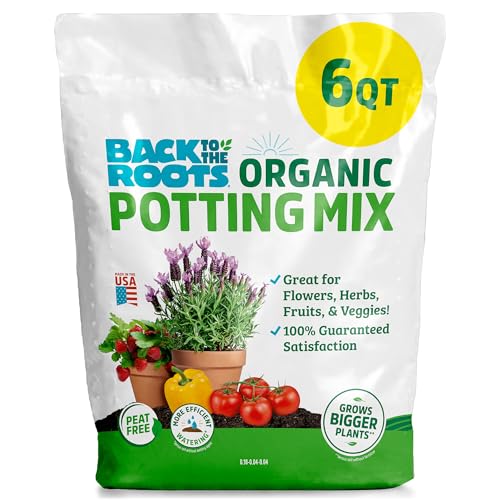 |
Back to the Roots Organic Potting Soil, | Check Price |
4 |
Michigan Peat Garden Magic General Purpose Potting | Check Price |
5 |
Miracle-Gro Moisture Control Potting Mix, 8 qt. | Check Price |
6 |
Burpee Premium Organic Potting Mix Garden Soil | Check Price |
7 |
Potting Soil Mix, Peat Moss, Vermiculite, Perlite, | Check Price |
8 |
Back to the Roots Organic Expanding Potting | Check Price |
9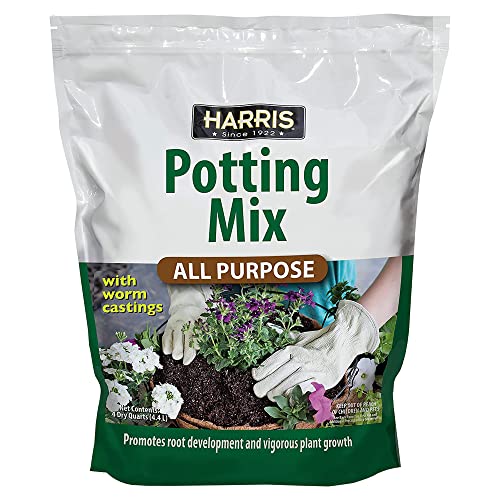 |
Harris All Purpose Premium Potting Soil Mix | Check Price |
10 |
FoxFarm Happy Frog Potting Soil with 2 | Check Price |
10 Best Potting Soils for Outdoor Plants: Detailed Reviews
When I chose the best potting soil for outdoor plants, I paid attention to the intended use, bag size, moisture features, and whether the mix includes fertilizer or amendments. Those details help you avoid a bag that is awkwardly small, a blend that does not fit your watering habits, or a feeding schedule you did not expect.
The options here cover quick-start mixes for ordinary containers, smaller quantities for a few pots, and ingredients such as coir, peat, perlite, and worm castings. Comparing those differences side by side helps you pick by the work you actually have, rather than by a promise on the front of a bag.
1. Miracle-Gro Organic Outdoor Potting Mix, 16 qt.
Natural fertilizer feeds container plants for up to two months, suiting gardeners who want a simple start for outdoor pots.
- Colorbrown
- Size16QT
- Number Of Items1
- COVERAGEOne 16 qt. bag of Miracle-Gro Organic Outdoor Potting Mix fills one 12-inch pot with garden soil for containers (am
Miracle-Gro Organic Outdoor Mix is a general-purpose choice for outdoor pots of flowers, vegetables, herbs, annuals, and perennials. The 16-quart bag is described as enough to fill one 12-inch pot, though a large root ball can change how much mix you need.
The mix contains a quick-release fertilizer, a plant nutrient that becomes available soon after watering. In practical terms, you get some early feeding without needing to add a separate fertilizer right away, and the stated feeding period is up to two months. That can make the first stretch of container gardening simpler, though you’ll still need to check what your plants require later.
The mix uses responsibly sourced peat, with the product description saying all peat comes from certified producers. Peat is a moisture-holding plant material often used in potting blends, so this ingredient can help keep roots supplied between waterings. The listing does not give a full ingredient breakdown or a measured drainage rate, so check the bag if you need a particular texture or ingredient profile.
Pros:
- Natural fertilizer provides up to two months of feeding.
- Intended for a broad range of outdoor container plants.
- 16-quart bag is sized for a 12-inch pot.
- Responsibly sourced peat is specified in the description.
Cons:
- One bag may not cover several large containers.
- The stated feeding period is limited to up to two months.
- Exact drainage and texture details are not provided here.
Buy it if: you’re planting a standard outdoor pot and want fertilizer included for the first part of the season.
Skip it if: you need a large supply for many containers, because one 16-quart bag has limited coverage, and a larger-volume mix would suit you better. For another fit, consider Miracle or Back.
I’d pick Miracle-Gro Organic Outdoor Mix for a beginner who wants one straightforward bag for a flower or herb pot. The included fertilizer and clear one-pot coverage make planning easier, without asking you to build a custom blend. Before buying, check the bag’s ingredient details if you have a firm preference about peat or need a specific texture.
It suits anyone starting with a modest number of outdoor containers.
2. Miracle-Gro Potting Mix, 16 qt. (2-Pack)
Two 16-quart bags feed container plants for up to six months, helping gardeners fill multiple large pots in one go.
- ColorMulticolor
- Size2-Pack
- Number Of Items1
- COVERAGEThis bundle includes two 16 qt. bags of Miracle-Gro Potting Mix, an outdoor potting soil; each bag fills one 12-inc
Miracle-Gro Potting Mix is a practical option if you’re filling more than one outdoor container with flowers, vegetables, herbs, shrubs, annuals, or perennials. The pack contains two 16-quart bags, and each bag is described as enough for one 12-inch container, with root-ball size affecting coverage.
The mix is listed as feeding plants for up to six months. That is a longer stated feeding window than the first pick, which may reduce how soon you need to add plant food. It does not mean every plant will have the same feeding needs, so use the plant’s care instructions rather than treating the time claim as a universal schedule.
The instructions say to fill the pot about one-third full, set the plant in place, then add mix and press lightly. That gives a beginner a simple starting point for getting the root ball to the right height. Avoid packing the mix hard; roots need space, and very firm soil can make watering and root growth harder.
Pros:
- Two 16-quart bags offer more mix than a single bag.
- Each bag is described as filling one 12-inch container.
- Feeds container plants for up to six months.
- Intended for flowers, vegetables, herbs, shrubs, and more.
Cons:
- Two bags may be more than you need for one small pot.
- The mix’s detailed ingredient list is not included here.
- Feeding needs can differ among plant types.
Buy it if: you’re planting several outdoor containers and want a longer stated feeding period from the mix.
Skip it if: you only need a small amount for one tiny pot, because the two-bag pack may leave you with more than you can use soon. Miracle and Back are worth a closer look instead.
I like the straightforward quantity and feeding window on Miracle-Gro Potting Mix, especially if you have several containers ready to fill. The two bags make the amount easier to plan, and the instructions are simple enough for a first planting. Check the bag before purchase if ingredients or a particular texture matter to you, since those details are not fully described here.
This is the sensible fit for someone planting multiple medium-sized pots.
3. Back to the Roots Organic Potting Soil,
The catalog lists Includes 6qt of Back to the Roots Premium Blend Potting Mix. 100% Organic and Peat-Free, made from upcycled pl. Compare fit and care needs before choosing.
- ColorPremium Potting Mix
- Size6 Quart
- WeightNot listed; check details
- DimensionsNot listed; check details
Back to the Roots Organic Potting Soil is a small, peat-free mix for a few outdoor containers, with indoor use also listed. The 6-quart size is considerably less than a full-size bag, so it makes more sense for one small project than for filling a row of large planters.
The blend is described as made from upcycled plant matter and wood fines, with yucca extract for moisture control. Yucca extract is a plant-based ingredient used here to help manage how the mix holds water; it can be useful if your containers tend to dry out unevenly. The actual watering interval will still depend on sun, wind, pot material, and plant size, so do not treat the ingredient as a promise that you can ignore the watering can.
The mix also includes dolomitic limestone for pH balancing. Soil pH is a measure of how acidic or alkaline the growing mix is, and it can affect which nutrients roots can access. The supplied details do not give a specific pH number, so gardeners with a plant that needs a narrow pH range should confirm that information before choosing it.
Pros:
- Peat-free blend uses upcycled plant matter and wood fines.
- Yucca extract is included for moisture control.
- Dolomitic limestone is included for pH balancing.
- 6-quart bag suits a small container project.
- Listed for herbs, vegetables, fruits, and flowers.
Cons:
- 6 quarts may not cover a large outdoor planter.
- No specific pH value is provided here.
- Moisture ingredients do not remove the need to check soil.
Buy it if: you want a small peat-free blend for a few herbs, flowers, or vegetables.
Skip it if: you’re filling several big pots, because a 6-quart bag offers limited volume, and a larger bag would suit you better. If those trade-offs rule it out, Miracle-Gro Organic Outdoor Potting Mix, 16 or Miracle-Gro Potting Mix, 16 qt. (2-Pack) may suit you better.
I’d consider Back to the Roots Organic Potting Soil when peat-free ingredients matter and the job is small. The named moisture and pH ingredients make the blend’s approach easier to understand than a vague all-purpose label. My hesitation is the modest bag size, plus the lack of a listed pH number for plants with particular preferences.
It suits a gardener who wants to try a small batch rather than stock up for a patio full of pots.
4. Michigan Peat Garden Magic General Purpose Potting
The catalog lists Versatile Potting Soil: Let your plants grow healthy and strong with this general-purpose potting soil featuri. Compare fit and care needs before choosing.
- Size40 lbs
- Number Of Items1
- WeightNot listed; check details
- DimensionsNot listed; check details
Michigan Peat Garden Magic is a 40-pound general-purpose blend described for pots, raised beds, and other indoor or outdoor planting. The larger bag makes sense for a bigger project, but weight matters if you’ll carry it up steps or need to move it around a yard.
The mix includes reed sedge peat, organic peat moss, and other materials. Peat can help retain moisture, which may be useful during a moderate dry spell when containers lose water quickly. That quality is not the same as a guarantee against dry soil: hot weather, full sun, wind, and a small pot can still make frequent checks necessary.
The description says the mix is ready to use without additional mixing. That can save a beginner from figuring out ingredient ratios before planting. At the same time, the supplied details do not list a specific nutrient analysis, particle size, or fertilizer schedule, so check the bag if you need those details for a particular plant.
Pros:
- 40-pound bag provides a substantial supply for larger jobs.
- Peat ingredients are described as moisture-retaining.
- Listed for containers, raised beds, and other planting.
- Ready to use without extra mixing.
Cons:
- A 40-pound bag can be awkward to carry and store.
- No specific nutrient analysis is supplied here.
- Moisture retention does not replace regular watering checks.
Buy it if: you need a ready-to-use general mix for a larger planting area and can handle a heavy bag.
Skip it if: you need a small, easy-to-carry bag, because the 40-pound size may be cumbersome, and a smaller container mix would suit you better.
To me, Michigan Peat Garden Magic makes most sense when quantity is the priority. Its ready-to-use format avoids a mixing step, while peat is a sensible ingredient to notice if your pots dry quickly. Before buying, make sure you have a practical place to store and lift a 40-pound bag.
This is for gardeners working on several containers or a broader planting job, not someone with one windowsill-sized pot.
5. Miracle-Gro Moisture Control Potting Mix, 8 qt.
The catalog lists FEEDS UP TO 6 MONTHS: Miracle-Gro Moisture Control Potting Soil Mix feeds plants for up to 6 months and Grows . Compare fit and care needs before choosing.
- Size8 qt. (2-pack)
- Number Of Items2
- COVERAGEThis bundle comes with two 8 qt. bags of Miracle-Gro Moisture Control Potting Mix; each bag fills two 8-inch contai
- WeightNot listed; check details
Miracle-Gro Moisture Control Potting Mix is aimed at outdoor container gardeners who want help managing water in the pot. The package has two 8-quart bags, and the description says each bag fills two 8-inch containers, though the root ball affects the final amount.
The mix is described as absorbing up to 33% more water than basic potting soil without sphagnum peat moss, coir, and a wetting agent. Coir is a fibrous material made from coconut husks, and a wetting agent helps water spread into the mix instead of running off dry spots. Those ingredients can be useful when you sometimes miss a watering, but they do not make overwatering impossible or guarantee that roots will stay healthy in a pot without drainage.
The mix also feeds plants for up to six months, according to the product details. The included feeding may be convenient for container flowers, vegetables, annuals, perennials, and shrubs. Follow the label and plant-specific guidance before adding more fertilizer, since extra feeding is not automatically helpful.
Pros:
- Two 8-quart bags are included.
- Moisture ingredients are intended to hold and distribute water.
- Described as absorbing up to 33% more water than a stated comparison.
- Feeds plants for up to six months.
- Listed for several types of outdoor container plants.
Cons:
- The moisture claim does not prevent overwatering in every setup.
- A drainage hole is required by the planting instructions.
- Two smaller bags may not suit large planters.
Buy it if: you’re growing in containers and want a mix designed to help manage water between checks.
Skip it if: your pot has no drainage hole, because retained water can become a problem, and a properly draining container setup would suit you better.
I’d put Miracle-Gro Moisture Control Potting Mix on the list for someone who is still learning how quickly outdoor pots dry. The water-holding ingredients give a clear reason to consider it, and the feeding period may simplify early care. The key check is the pot itself: the instructions call for a drainage hole, and no soil blend can make a sealed pot behave like a draining one.
It suits container gardeners who want a little more help with moisture management.
6. Burpee Premium Organic Potting Mix Garden Soil
The catalog lists SUPPORTS VIBRANT GROWTH: Transform your garden with our premium indoor/outdoor potting soil! This nutrient-ric. Compare fit and care needs before choosing.
- ColorPotting Mix
- Size9 Quart
- Number Of Items1
- WeightNot listed; check details
Burpee Premium Organic Potting Mix is a 9-quart blend for outdoor containers and raised beds, with vegetables, flowers, and herbs named as suitable uses. Its bag is small enough for a limited number of pots, though it will not stretch far across large containers.
The mix contains coconut coir, which is described as improving aeration while retaining moisture. Aeration means leaving small spaces for air around roots, rather than letting the mix become a tight, waterlogged mass. That balance can support container roots, since a pot needs room for both water and air; still, the pot must drain well, and the mix’s ingredients do not excuse leaving water pooled in a saucer.
The supplied description says the mix feeds plants immediately and provides slow-release nutrition for up to three months. Slow-release means nutrients become available over time rather than all at once. That may reduce how often you need to think about feeding at first, but confirm the bag directions before adding fertilizer, especially for a plant with specific care needs.
Pros:
- Coconut coir is included for moisture and aeration.
- Listed for outdoor containers and raised beds.
- Intended for vegetables, flowers, and herbs.
- Described as feeding immediately and for up to three months.
- 9-quart quantity suits a modest planting project.
Cons:
- A 9-quart bag may not cover many large planters.
- The feeding claim is not a substitute for checking plant needs.
- Exact proportions of the mix ingredients are not stated here.
Buy it if: you want a coir-containing blend for a small outdoor container or raised-bed project.
Skip it if: you need enough mix for a large garden area, because 9 quarts is limited, and a bulk soil blend would suit you better.
What I like about Burpee Premium Organic Potting Mix is that the listed coir, feeding window, and intended uses give a beginner several useful clues. It covers a modest range of plant types without requiring you to assemble a mix yourself. Check the bag for its full ingredient and feeding directions before buying, since exact proportions are not given here.
This is a reasonable match for a few flower, herb, or vegetable containers.
7. Potting Soil Mix, Peat Moss, Vermiculite, Perlite,
The catalog lists READY TO USE MIXTURE – The same formulation as used by professional growers. Compare fit and care needs before choosing.
- ColorBrown
- Size8 Dry Quarts
- WeightNot listed; check details
- DimensionsNot listed; check details
This 8-dry-quart potting mix is a ready-to-use blend for gardeners who want several named ingredients in one bag. The listing describes it for a broad range of plants, but the supplied details do not identify specific outdoor container coverage or a fertilizer schedule.
The blend contains peat moss, perlite, and vermiculite. Perlite is a lightweight mineral material that helps create spaces for drainage and air, while vermiculite is used in growing mixes to help hold moisture. Peat also holds water, so the combination is meant to balance moisture with aeration; the exact balance depends on the blend, and no ingredient ratios are provided here.
The product description calls the mix pH-balanced for a broad range of plant types, but it does not state a numerical pH value. That may be enough for ordinary general planting, while gardeners with a plant that has a narrow pH preference should check the package details. An 8-dry-quart quantity also means you should measure the pots you plan to fill rather than assume a bag will cover a large container.
Pros:
- Ready-to-use mix does not require a separate blending step.
- Peat, perlite, and vermiculite are specifically named.
- Designed to provide aeration and moisture retention.
- 8 dry quarts is manageable for a small project.
Cons:
- Ingredient proportions are not supplied here.
- No numerical pH value is listed in the details.
- Fertilizer content and feeding duration are not stated.
Buy it if: you want a ready-to-use mix with named ingredients for a few outdoor pots.
Skip it if: you need a known fertilizer schedule or exact pH, because those details are not stated, and a mix with clearer label information would suit you better.
I’d look at this peat, vermiculite, and perlite mix when the ingredient names matter more to you than a long list of extra claims. The stated balance of moisture and aeration is useful context for choosing a container blend. My main pause is that the ratios, pH number, and feeding details are not included here, so read the bag carefully before you buy.
It suits someone who wants a simple ready-to-use blend and is comfortable checking its label.
8. Back to the Roots Organic Expanding Potting
The catalog lists A balanced pH, which means it’s truly all-purpose. Use alone or as an amendment for anything in a pot or in th. Compare fit and care needs before choosing.
- ColorExpanding Potting Mix
- Size51 Quart
- WeightNot listed; check details
- DimensionsNot listed; check details
Back to the Roots Expanding Potting Soil Brick is a compressed coconut-coir mix that expands when prepared, intended for containers, garden use, and seed starting. The listing says the 10-pound brick expands to 51 quarts, so it takes up less space before you’re ready to use it than a bag of loose mix.
Coconut coir is a fibrous material from coconut husks, and this product is described as peat-free. The compressed form needs preparation with water before you can use the expanded mix, so plan for a container large enough to hold it as it swells. The details provided do not explain a precise water amount or mixing time, so follow the package directions rather than guessing.
The description calls the blend balanced in pH and suitable alone or as an amendment for vegetables, flowers, herbs, and seeds. An amendment is an ingredient mixed into another growing material to change its texture or moisture behavior. Because the product can be used in several ways, decide first whether you need a standalone container mix or a coir component to blend with something else.
Pros:
- Compressed brick expands to a stated 51 quarts.
- Peat-free and made from coconut coir.
- Compact before preparation and expansion.
- Listed for flowers, vegetables, herbs, and seed starting.
- Can be used alone or as an amendment.
Cons:
- Must be expanded before planting.
- Requires room and water for preparation.
- The supplied details do not state a preparation ratio.
Buy it if: storage space is tight and you want a compressed peat-free mix for a larger planting project.
Skip it if: you want to plant immediately without preparing the mix, because the brick needs to expand first, and a loose ready-to-use potting mix would suit you better.
I’d choose Back to the Roots Expanding Potting Soil Brick for a gardener who values compact storage and is willing to do a preparation step. Its stated expanded volume is a useful planning detail, and the peat-free coir is clearly identified. Before purchase, confirm the package instructions for expanding and whether the prepared texture fits your plants.
It suits someone with a few pots or seed-starting plans who can set aside space to prepare the brick.
9. Harris All Purpose Premium Potting Soil Mix
The catalog lists All Purpose Potting Mix – Use indoors and outdoors for container gardening, flower boxes, hanging baskets and . Compare fit and care needs before choosing.
- ColorWhite
- Size4 Quart
- WeightNot listed; check details
- DimensionsNot listed; check details
Harris All Purpose Premium Potting Soil Mix is a small 4-quart blend for indoor or outdoor containers, including flower boxes and hanging baskets. That size can be handy for a single small planting job, but it is not a bulk option for filling deep or wide pots.
The mix includes pumice and perlite for fast drainage and root aeration. Pumice is a porous volcanic rock used in growing mixes, while perlite is a lightweight mineral material that helps keep the mix from becoming dense. Those ingredients may be useful in a container that stays wet too long, though fast drainage means you should watch the pot more closely in hot or windy weather.
The blend also contains coco coir to help maintain moisture and worm castings, a nutrient-rich organic material made from worm waste. The mix’s ingredients aim to balance drainage and moisture, but no exact ingredient amounts or feeding duration are specified here. If a plant has particular feeding needs, check the bag instead of assuming the worm castings replace every later feeding.
Pros:
- Pumice and perlite are included for drainage and aeration.
- Coco coir is included to help maintain moisture.
- Worm castings are listed among the ingredients.
- Suitable for outdoor containers, flower boxes, and hanging baskets.
- 4-quart size works for a small planting job.
Cons:
- 4 quarts will not go far in large pots.
- Exact ingredient proportions are not listed here.
- No feeding duration is provided in the supplied details.
Buy it if: you need a small mix for a flower box or one compact outdoor container.
Skip it if: you’re planting several deep pots, because the 4-quart bag has little volume, and a larger container mix would suit you better.
To me, Harris All Purpose Premium Potting Soil Mix is a useful small-batch option with a clearly named drainage and moisture ingredient set. That can help you understand why it may suit a hanging basket or modest planter. I would double-check the bag’s nutrient and care details, since the supplied description does not give a feeding schedule.
It fits a small project where buying a large bag would leave too much unused.
10. FoxFarm Happy Frog Potting Soil with 2
The catalog lists BUNDLE OF 3 ITEMS: You will receive one 2cu ft bags of Happy Frog Potting Soil and two customizable plant tags. Compare fit and care needs before choosing.
- ColorBrown/White
- Size1
- Number Of Items1
- WeightNot listed; check details
FoxFarm Happy Frog Potting Soil is a ready-to-use amended blend for container plants, including trees, shrubs, and roses. The bundle includes a 2-cubic-foot bag and two plant tags, so it is aimed at a larger planting job than the small bags in this roundup.
The mix is amended with earthworm castings, bat guano, and aged forest products. An amended mix has additional materials mixed in to support growing, rather than being a plain base material. The supplied description also names a custom blend of soil microbes, which are tiny living organisms in the growing environment that can be part of nutrient cycling; the description does not provide specific measured performance results, so treat that as an ingredient detail rather than a guarantee.
The listing suggests choosing a container two to three times the diameter of a tree or shrub’s root mass. That can help you plan for a larger root area without automatically choosing an enormous pot. A large bag takes more room to store and handle, so measure the planting area and check that the container has drainage before you commit to the volume.
Pros:
- Ready-to-use amended mix for indoor or outdoor containers.
- 2-cubic-foot bag provides substantial volume.
- Includes earthworm castings, bat guano, and aged forest products.
- Soil microbes are specifically listed in the blend.
- Two plant tags are included in the bundle.
Cons:
- A 2-cubic-foot bag may be excessive for one small pot.
- The larger bag needs storage space and careful handling.
- No precise nutrient analysis is included in the supplied details.
Buy it if: you’re filling larger containers for shrubs or other substantial plants and want a ready-to-use amended blend.
Skip it if: you only have a small flowerpot to fill, because the two-cubic-foot bag is a lot of mix, and a small potting-soil bag would suit you better.
I’d consider FoxFarm Happy Frog Potting Soil when the project needs a larger volume and you want an amended mix rather than a simple base blend. The named ingredients and container-size guidance give a beginner a starting point for planning. Check the bag’s nutrient directions and make sure you can store the volume before buying.
This is the choice for a bigger container project, not a quick top-up for one little pot.
How to Choose the Best Potting Soil for Outdoor Plants
The best potting soil for outdoor plants should suit the pot, the plant, and the way you water, not just sound impressive on the bag. Start with container use, then compare drainage, moisture, nutrients, and the amount you need.
Check whether the mix is meant for containers
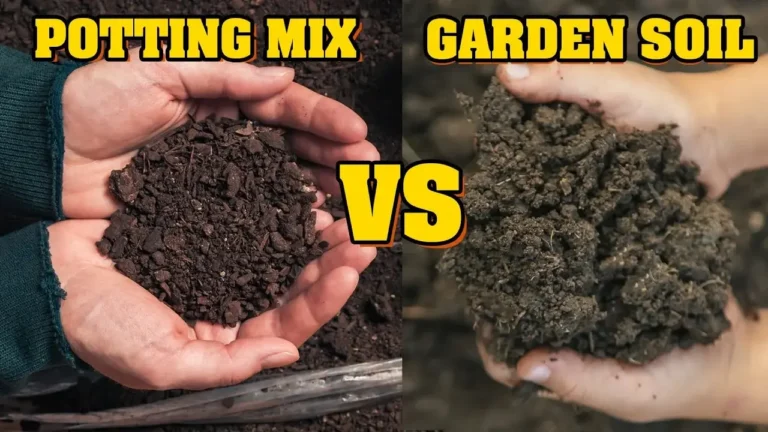
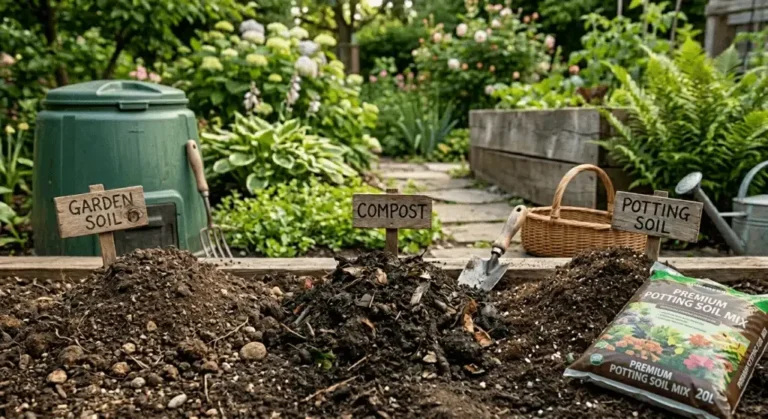
Potting mix is a growing medium made for holding plant roots in a container, while garden soil is usually heavier and intended for in-ground use. A pot needs a mix that lets extra water escape through drainage holes and leaves roots access to air. For a clear introduction to the distinction, read what potting soil is before you shop.
Look for a label that specifically names containers, pots, or planters. If you want to use a mix in a raised bed or directly in the ground, check that the package names that use rather than assuming a container blend fits every job.
Match texture and drainage to your watering routine
Drainage is how readily excess water leaves the pot, while moisture retention describes how much water the mix holds for roots. A mix with ingredients such as perlite or pumice can help keep air spaces in the soil, while coir and peat can help hold moisture. Those are general ingredient roles, not a guarantee that every blend drains or dries at the same rate.
If you water often or your pots sit in a rainy spot, prioritize a draining container and a mix that does not stay saturated. If your containers bake in afternoon sun, a moisture-holding ingredient may help, but plan to check the mix regularly. Your finger is a simple tool: feel the top inch or two and water according to the plant’s needs, not a rigid calendar.
Choose a feeding plan you can follow
Some potting mixes include fertilizer, and their labels may state a feeding period such as two, three, or six months. That is a useful planning clue, but it is not the same as a complete feeding schedule for every kind of plant. Read the package for the fertilizer type, directions, and when to begin adding more.
Avoid adding fertilizer immediately just because a new plant looks slow. First check light, water, temperature, and drainage, since those problems can look like a lack of nutrients. When in doubt, follow the product label and the care needs of the plant you’re growing.
Estimate bag volume before buying
Bag sizes are listed in quarts, dry quarts, pounds, or cubic feet, and those units do not mean the same thing. Use the package’s stated coverage when available, then leave room for root balls and different pot shapes. A 16-quart bag, for instance, is described by one product here as filling a 12-inch pot, but that is not a universal coverage rule for every mix.
Measure the inside width and depth of your containers, and count how many pots you plan to fill. For a larger project, compare cubic-foot coverage on the bag; for a couple of small pots, a compact bag may save storage space and leftover mix.
Check plant type and special requirements
An all-purpose mix can cover many common flowers, herbs, and vegetables, but some plants need more specific care. Trees and shrubs in containers need a pot large enough for their root systems, along with good drainage and a plan for watering as they grow. If you are comparing options for woody plants, consult this guide to potting soil for trees.
Plant-specific needs can matter more than a broad label such as all-purpose. Check the plant tag or reliable care information for pH, nutrient, and moisture needs before selecting a mix. The bag may not give every measurement, so do not guess at an exact pH or nutrient value that is not printed.
Consider where the soil will be used
A container mix is designed for a bounded pot, while an in-ground garden or raised bed has different volume and drainage conditions. Some mixes are listed for more than one use, but read the directions closely before spreading a bag across a bed. Gardeners weighing a bed project can use this overview of potting soil for raised beds as a separate point of comparison.
If the plan is to mix material into native ground, first understand what the existing soil needs. A potting mix may be light and moisture-retentive compared with the surrounding soil, so the result can behave differently from a purpose-made garden amendment. See the practical discussion of using potting soil in the ground before changing a planting area.
How to Use Potting Soil for Outdoor Plants for the Best Results
Good planting starts with a clean pot that drains, a suitable mix, and a root ball set at the right height. Take a few minutes to prepare the container before you add soil; it is much easier than trying to fix a waterlogged pot later.
- Check the container. Make sure the pot has drainage holes and is large enough for the plant. A decorative pot without an opening can trap water around the roots.
- Prepare the mix. Follow the bag’s directions, especially if the blend is compressed or needs added water. Break apart compacted chunks gently rather than crushing the mix into dust.
- Add a base layer. Put enough potting mix in the pot to position the root ball at the intended height. The plant should not sit so low that soil covers its stem or crown.
- Loosen the root ball. Ease apart circling roots carefully if the plant’s instructions call for it. Avoid tearing healthy roots just to make the root mass look loose.
- Fill around the plant. Add mix around the root ball and press lightly to remove large gaps. Do not tamp hard; dense soil can limit air movement and water flow.
- Water thoroughly. Water until the mix is evenly damp and excess drains from the bottom. If water runs down the sides without soaking in, pause and follow the mix’s directions for moistening it.
- Set the pot in its growing spot. Match the plant’s light needs and check how quickly the container dries in that location. Sun, wind, and pot material all affect watering frequency.
- Keep track of feeding. Note the mix’s stated fertilizer period and check the package before adding more. A quick note on a plant tag can save you from forgetting what went into the pot.
A potting mix can also be used for young trees or seedlings, but their root needs and watering routine deserve attention. A deeper container may be needed as roots grow, and tree species vary in preferred conditions. For a focused comparison, see mixes for maple trees or soil for spruce trees.
How to Make Your Potting Soil for Outdoor Plants Last Longer
Potting mix stays useful longer when you keep it dry in storage, prevent contamination, and avoid leaving it exposed to rain. Once it is in a pot, good drainage and careful watering help preserve a healthy root environment.
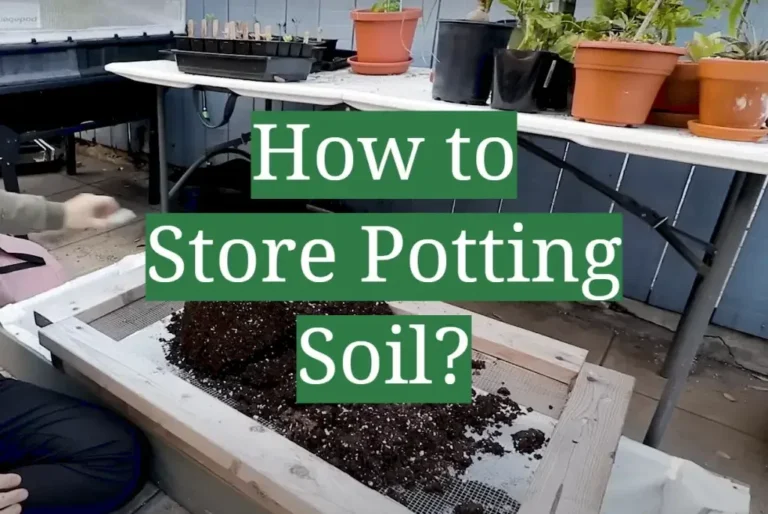
Store unopened bags off the ground in a dry, covered place, and close opened bags as tightly as practical. Keep the mix away from standing water, where it can become soggy or spill out of a damaged bag. If a bag has been open for a while, inspect the contents before use and follow its label directions.
Do not reuse old potting mix automatically for every new planting. Old roots, compacted texture, depleted nutrients, or disease problems may make it a poor choice for a fresh container. If the previous plant was healthy and the mix is clean and loose, check the new plant’s needs and the bag’s instructions before deciding whether to reuse or refresh it.
Keep pots clear of blocked drainage holes. A quick check after heavy rain can reveal water sitting in a saucer or a hole covered by roots, leaves, or debris. Empty standing water and clear the opening so excess water can leave the container.
Avoid storing leftover mix in direct sun or where it can get soaked repeatedly. Keep the bag sealed from rain and pests, and use older opened mix before a newly opened bag when the contents remain in good condition. Do not add water or fertilizer to a stored bag unless its directions tell you to.
For large woody plants, allow for future root growth rather than keeping a tree cramped in the same small container. A tree planted in a pot may need repotting as its roots fill the space, though timing depends on the species and growth. Seedlings need gentler handling and consistent moisture; this primer on potting soil for tree seedlings can help you think through that smaller-root stage.
Common Mistakes to Avoid When Buying and Using Potting Soil for Outdoor Plants
Most beginner problems come from a mismatch between the soil, pot, and watering routine, not from picking a bag with the wrong color. Use these checks to avoid the preventable headaches.
- Using garden soil in a container without checking the label: It may be denser than a potting mix and can drain differently. Choose a mix labeled for containers unless the product clearly supports the planned use.
- Ignoring drainage holes: Excess water needs a way out of the pot. Use a container with drainage and empty water that collects in a saucer.
- Buying by bag weight alone: A heavy bag does not tell you how many pots it will fill. Compare the listed volume and coverage with your pot measurements.
- Assuming moisture-control mix means no watering checks: Water needs still change with heat, wind, and plant size. Check the mix regularly and adjust to the plant and weather.
- Adding fertilizer too soon: A mix may already contain nutrients for a stated period. Read the label and avoid stacking more fertilizer on top without a reason.
- Packing mix tightly around roots: Hard pressing can reduce air spaces and make drainage harder. Settle the mix with gentle pressure and water it in.
- Using one blend for every plant without checking needs: Some plants need specific moisture, pH, or feeding conditions. Check the plant’s care guidance before choosing a general-purpose mix.
- Using a large bag for a tiny job without a storage plan: Opened mix can get wet or spill if left outside. Estimate coverage first and seal leftovers in a dry place.
- Treating a lawn or tree project like a flowerpot: Grass and woody plants have different growing conditions from a small container. Use a type-specific guide, such as soil choices for grass, before applying potting mix to those jobs.
How to Set Up Outdoor Pots with Potting Soil
Setting up a container is simple once you pick the right location and check drainage before planting. The most common stumbling point is filling the pot before confirming that water can escape.
- Pick the location first. Check the plant’s light needs and choose a spot you can reach with a watering can. A filled pot can be heavy and awkward to move.
- Inspect the drainage holes. Clear debris and make sure the holes are open. If the pot has none, choose a container designed to drain rather than relying on a layer of stones.
- Measure the pot and estimate mix. Check the package’s coverage and allow for the root ball. Bag coverage can vary with pot shape and the amount of room roots occupy.
- Prepare the soil as directed. Some blends are ready to use, while a compressed brick needs expansion. Do not guess the water amount for a compressed mix; use the package directions.
- Add mix and position the plant. Place enough mix underneath to keep the root ball at a suitable height. Watch that the stem base is not buried beneath a deep layer.
- Fill gaps with a light hand. Add mix around the root ball and press gently. Do not force the soil into a hard mass.
- Water and check runoff. Water thoroughly, then confirm that excess can drain from the pot. If water sits on top or the container remains flooded, pause and check the holes and mix.
- Label and note the feeding plan. Use a plant tag to record the plant and date if that helps. Keep the soil’s stated feeding window in mind before adding more nutrients.
Common Questions About Potting Soil for Outdoor Plants
What is the difference between potting soil and garden soil?
Potting soil is a growing medium intended for containers, while garden soil is generally meant for planting in the ground. A container needs a mix that allows roots to access air and lets excess water drain through the pot. Check the package for its intended use, since labels and ingredients vary.
How much potting soil do I need for an outdoor pot?
The amount depends on the pot’s shape, dimensions, and root-ball size. Use the bag’s stated coverage when available, then compare it with the number and size of your containers. Bags marked in quarts and cubic feet use different units, so do not compare them by weight alone.
Should outdoor potting soil have fertilizer in it?
It can, but fertilizer is not required in every mix. A bag that includes nutrients may state how long it feeds plants, and that helps you plan when to check feeding needs again. Read the label before adding more fertilizer, since plant needs and product directions differ.
Can you use potting soil for vegetables and herbs outdoors?
Many general-purpose container mixes are listed for vegetables and herbs, but check the package and the plant’s care needs. A container needs working drainage, enough room for roots, and a suitable light location. If the mix contains fertilizer, follow its directions for edible plants and later feeding.
How often should I water outdoor pots with potting soil?
There is no single watering schedule that fits every outdoor pot. Sun, wind, rainfall, container size, material, and plant type all affect how quickly the mix dries. Check the soil regularly and water according to the plant’s needs, making sure excess water can drain away.
Can I reuse potting soil from last season?
Sometimes, but inspect it first and consider the health of the previous plant. Mix that is compacted, contaminated, full of old roots, or associated with a plant disease is a poor candidate for reuse. Follow the new plant’s needs and the bag’s directions, and replace or refresh mix when its condition is questionable.
Choose the Mix After Measuring Your Pots
Before buying, measure the containers you plan to fill, check that each one drains, and compare the required volume with the bag’s coverage. Then match the mix’s moisture and feeding details to the plants and the time you can give them, and read the package directions before planting.

I’m Maya L. Greenwood, a lifelong plant lover who believes anyone can grow something beautiful with the right guidance. After years of testing soil mixes, pruning methods, irrigation tricks, and pest-safe solutions, I started EasyGardenTips.com to turn hard-won lessons into step-by-step advice. From seed starting and container gardens to composting and seasonal checklists, my goal is to make gardening simple, sustainable, and fun.


5 Comments