
5 Best Potting Soil for Raised Beds: Mixes for a Productive Garden
A raised bed filled with the wrong soil can drain too fast, stay soggy, or settle until plant roots sit lower than you planned. A heavy bag can also leave you short of the amount you need, while a mix made for pots may not suit every bed or crop. The result is extra hauling, more watering guesswork, and a growing season spent trying to fix the fill.
For a raised bed, volume and texture matter as much as the name on the bag. You need enough fill to reach the planned depth, plus a mix that holds moisture without staying waterlogged; check that the intended use suits your bed and plants before buying. Compressed coir can make storage easier, but it needs water and usually works best as part of a thoughtful soil blend.
Here’s what this guide will help you sort out:
- How to estimate the amount of soil your bed needs.
- Which mixes are ready to use and which need preparation.
- What to check for vegetables, flowers, herbs, and seedlings.
- How to water, top up, and care for your bed over time.
Quick Picks
-
Best For Compact Storage

Back to the Roots Organic Expanding Potting
The compressed, peat-free coir brick expands to over 2 cubic feet, making storage and volume planning easier for raised-bed gardeners.
-
Best For Outdoor Containers

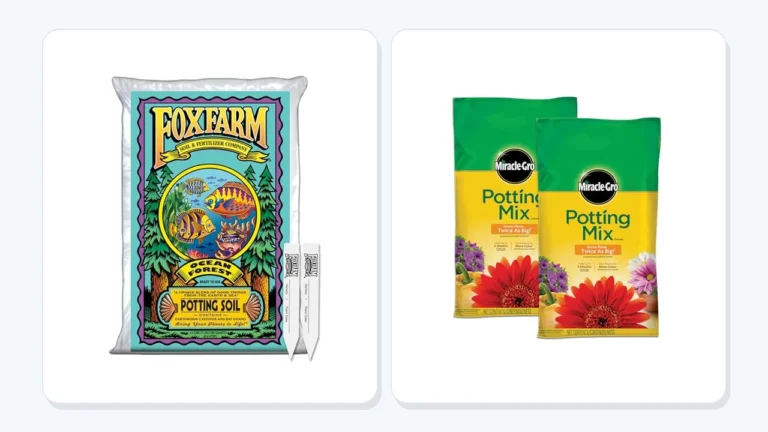
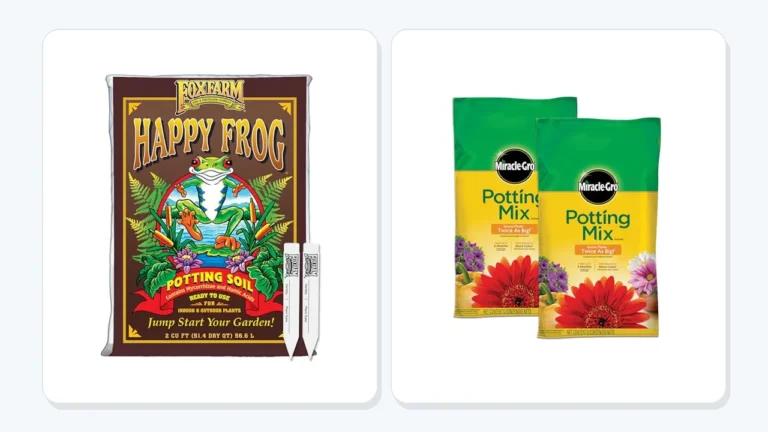
Miracle-Gro Potting Mix, 16 qt. (2-Pack)
Two 16-quart bags feed outdoor container plants for up to six months, suiting gardeners who want a ready-to-use mix.
Top 5 Potting Soils for Raised Beds at a Glance
Start with Back to the Roots or Verdana if compact storage and expandable coir suit your plans. For ready-to-use mixes, consider the bag size and stated feeding period, and remember that some options are described mainly for containers rather than for every kind of raised bed.
| Product image | Product name | Check product |
|---|---|---|
| 1 |
Back to the Roots Organic Expanding Potting | Check Price |
| 2 |
Miracle-Gro Potting Mix, 16 qt. (2-Pack) | Check Price |
3 |
Michigan Peat Garden Magic General Purpose Potting | Check Price |
4 |
Burpee Premium Organic Potting Mix Garden Soil | Check Price |
5 |
Verdana Coco Coir Potting Soil Brick – | Check Price |
5 Best Potting Soils for Raised Beds: Detailed Reviews
When I chose the best potting soil for raised beds, I paid close attention to intended use, texture, and how much soil each option provides. Those details help you avoid buying a mix that does not suit the bed, struggling with a material that needs extra preparation, or running short halfway through filling.
The picks range from compressed coconut coir to bagged blends, with different sizes and plant-use claims. Reading them side by side makes it easier to see whether you want compact storage, an already blended mix, or a smaller bag for a limited planting area.
1. Back to the Roots Organic Expanding Potting
The compressed, peat-free coir brick expands to over 2 cubic feet, making storage and volume planning easier for raised-bed gardeners.
- Size51 Quart
- ColorExpanding Potting Mix
- WeightNot listed; check details
- DimensionsNot listed; check details
Back to the Roots is a compressed coconut coir mix for gardeners who want a compact material to expand and use in a raised-bed blend. It’s a practical choice if hauling or storing bulky bags is awkward.
The coco coir is made from coconut fiber, and this brick is described as peat-free. Once hydrated, the mix expands to over 2 cubic feet, so you can store a dense brick and prepare a larger volume when you’re ready to work. That can help if you have limited shed space or want to plan a bed fill without stacking bags.
The brand describes the mix as balanced in pH and suitable for use alone or as an amendment for vegetables, flowers, herbs, and starting seeds. For raised beds, I’d still check the bed’s depth, drainage, and crop needs before treating a coir-based mix as the whole fill. The product is OMRI Listed, but that should not be read as a claim that every use or crop has been independently evaluated.
Pros:
- Compressed brick stores neatly before you hydrate it.
- Expands to over 2 cubic feet for a larger working volume.
- Peat-free mix suits gardeners seeking a peat alternative.
- Listed for vegetables, flowers, herbs, and seed starting.
- Can be used alone or as an amendment, per the product description.
Cons:
- Needs water and preparation before it is ready to spread.
- A coir mix may not meet every bed’s soil and nutrient needs by itself.
- Expansion takes room, so prepare it in a suitable container.
Buy it if: you have limited storage space, because the compact brick expands into a larger volume when prepared.
Skip it if: you need a ready-to-spread bag for an immediate bed project, because this coir needs hydration and a bagged blend may be easier. For another fit, consider Miracle or Michigan.
I’d choose Back to the Roots when storage and peat-free coir are high on the list. The expansion claim gives you a useful volume to plan around, and the stated range of uses makes the mix flexible for several garden tasks. Check the instructions for how to hydrate and prepare the brick, and make sure the amount will cover your bed before ordering.
It suits gardeners willing to do that short prep step.
2. Miracle-Gro Potting Mix, 16 qt. (2-Pack)
Two 16-quart bags feed outdoor container plants for up to six months, suiting gardeners who want a ready-to-use mix.
- Size2-Pack
- ColorMulticolor
- Number Of Items1
- COVERAGEThis bundle includes two 16 qt. bags of Miracle-Gro Potting Mix, an outdoor potting soil; each bag fills one 12-inc
Miracle-Gro is a bagged mix intended for outdoor container plants, for gardeners who want a ready-to-use option in smaller portions. The package includes two 16-quart bags, which can be easier to handle than one very large bag.
The product says it feeds outdoor container plants for up to six months. That means the mix is sold with a stated feeding period, which may help you plan care after planting, though you should follow the package directions and the needs of the crop rather than assume every plant needs the same feeding routine.
Each 16-quart bag is described as filling one 12-inch container, with the amount varying according to the root ball. That gives a beginner a rough sense of portion size, but it is not a direct estimate for a raised bed. The brand’s directions describe filling a container partly, placing the plant, and filling around it; check the label to confirm that the intended use fits your particular bed.
Pros:
- Two 16-quart bags divide the mix into manageable portions.
- Described for outdoor container flowers, vegetables, herbs, and shrubs.
- Stated feeding period of up to six months helps with care planning.
- Package gives a 12-inch container as a rough coverage guide.
- Ready-to-use bagged format avoids hydrating a compressed brick.
Cons:
- The stated use is outdoor containers, so check suitability for your bed.
- Coverage varies with the size of the plant’s root ball.
- The feeding period does not replace checking crop-specific care needs.
Buy it if: you’re planting outdoor containers or a compatible small planter, because the mix is ready to use and has a stated feeding period.
Skip it if: your main job is filling a deep, large bed, because two container-size bags may not provide enough volume. Back and Michigan are worth a closer look instead.
What I like about Miracle-Gro is that the packaging gives beginners a simple starting point for container coverage and feeding time. That clarity can make a small planting job less of a guessing game. My hesitation is the container-focused use description, so check the package before using it as the whole fill for a raised bed.
It suits someone working with outdoor pots or a modest planter project.
3. Michigan Peat Garden Magic General Purpose Potting
The catalog lists Versatile Potting Soil: Let your plants grow healthy and strong with this general-purpose potting soil featuri. Compare fit and care needs before choosing.
- Size40 lbs
- Number Of Items1
- WeightNot listed; check details
- DimensionsNot listed; check details
Michigan Peat Garden Magic is a ready-to-use general-purpose mix for gardeners who want a sizeable bag for pots, planters, or raised beds. The 40-pound size is worth noting if you need a larger amount and have a practical way to move it.
The described blend includes reed sedge peat, organic peat moss, and other materials. Those ingredients make this different from the compressed coir options, and the product is marketed for indoor and outdoor planting. A blend that comes ready to use can save the extra step of hydrating a brick, though you’ll still need to work out how much the bed requires.
Moisture retention is a stated feature. In practice, a mix that holds moisture can help during moderate dry periods, but it does not mean you should water on a fixed schedule without checking the bed. Feel the soil before watering, since weather, bed depth, and plant size all change how quickly the surface dries.
Pros:
- Ready to use out of the bag, with no added mixing required.
- 40-pound size provides a substantial bag for a larger project.
- Described for raised beds, pots, and indoor or outdoor planting.
- Moisture-retaining blend may help through moderate dry spells.
- General-purpose use suits a range of garden plantings.
Cons:**
- The 40-pound bag may be awkward to lift or pour.
- Peat-based ingredients may not suit gardeners seeking peat-free fill.
- A moisture-retaining mix still needs watering checks.
Buy it if: you want a ready-to-use general-purpose mix, because the blend is described for raised beds and does not need extra mixing.
Skip it if: you need a light, compact package or want peat-free material, because the bag weighs 40 pounds and includes peat ingredients. If those trade-offs rule it out, Back or Miracle may suit you better.
To me, Michigan Peat Garden Magic makes the most sense when you want a straightforward, ready-to-use blend and can manage the bag. Its listed use includes raised beds, which is helpful when you don’t want to start with a material that needs hydration. Check whether its peat ingredients match your preferences, and think about lifting and moving the 40-pound bag before buying.
It suits gardeners filling a moderate area who value convenience over compact storage.
4. Burpee Premium Organic Potting Mix Garden Soil
The catalog lists SUPPORTS VIBRANT GROWTH: Transform your garden with our premium indoor/outdoor potting soil! This nutrient-ric. Compare fit and care needs before choosing.
- Size9 Quart
- ColorPotting Mix
- NPK0.12-0.12-0.12
- Number Of Items1
Burpee Premium Organic Potting Mix is a 9-quart coir-containing blend for smaller planting jobs, including containers and raised beds. Its smaller package is useful when you need a top-up or have a limited planting area rather than a full bed to fill.
The mix includes coconut coir, a coconut-fiber material that helps with moisture balance and airflow around roots, according to the product description. That combination matters because a planting mix needs to hold some water while still allowing excess moisture to move away. The description also says the mix feeds plants immediately and provides slow-release nutrition for up to three months, so check the label for care instructions after planting.
Burpee describes this mix for vegetables, flowers, herbs, indoor plants, and outdoor containers, and it is OMRI Listed. The 9-quart size is the main limit for a raised-bed project: you may need several bags, depending on the bed’s dimensions and the depth you intend to fill. Its listed NPK value is 0.12-0.12-0.12; check the package for details before making fertilizer decisions.
Pros:
- 9-quart package can suit small beds, pots, and top-ups.
- Coconut coir is described as supporting moisture balance and airflow.
- Listed for vegetables, flowers, herbs, and containers.
- Product description states feeding for up to three months.
- OMRI Listed, with the label available for further use details.
Cons:
- Small bag size may mean buying several bags for a raised bed.
- The stated feeding period does not tell you every crop’s needs.
- Check the package’s directions for your intended planting use.
Buy it if: you’re topping up a small planter, because the 9-quart bag and coir blend suit a limited job.
Skip it if: you’re filling a large, deep bed, because the small package size can mean repeated purchases and handling.
I’d consider Burpee for a small planting area where the coir blend and stated feeding period are useful. The clear package size also helps you spot early that this is not a bulk fill choice. Check the label’s directions and calculate how many bags your space would need before you commit.
This mix suits gardeners topping up a planter or working with a compact bed.
5. Verdana Coco Coir Potting Soil Brick –
The catalog lists 1. FULL-SIZE 10 LB COCO COIR POTTING SOIL BRICK Verdana Coco Coir Potting Soil is a full-size compressed cocon. Compare fit and care needs before choosing.
- Size10 Lb
- WeightNot listed; check details
- DimensionsNot listed; check details
- MaterialNot listed; check details
Verdana is a compressed coconut coir brick for gardeners who want expandable material for a raised-bed blend, seed starting, or containers. Its 10-pound brick is designed to store more compactly than a bulky bag of loose mix.
The product says the brick expands to approximately 72 quarts, or 18 gallons, when hydrated. That gives you a stated volume to use in planning, but it is approximate, so allow room to prepare and fluff the material. Hydration and expansion are the extra steps to account for before you can spread the coir.
The product description says coir can help retain moisture while supporting drainage and airflow around roots. It also describes the coir as low EC and low salt; EC means electrical conductivity, a way of describing the amount of dissolved salts in a growing material. Treat those as product claims, and follow the preparation instructions rather than assuming coir is a complete soil blend for every crop.
Pros:
- Compact 10-pound brick is easier to store than loose volume.
- Expands to approximately 72 quarts, according to the product description.
- Described for raised beds, containers, seed starting, and houseplants.
- Coir is said to support moisture retention and airflow.
- Can be used as a peat moss alternative in a blend.
Cons:
- Requires water, time, and room to expand before use.
- Coir alone may not supply everything a particular crop needs.
- The stated expansion is approximate, not a guaranteed bed-fill measurement.
Buy it if: you want a compact coir ingredient for a raised-bed blend, because the brick expands to a stated volume after hydration.
Skip it if: you need a complete mix immediately, because the brick needs preparation and may need to be combined with other materials.
I’d pick Verdana when you want expandable coir and have a clear plan for blending it into the bed. The stated 72-quart volume is useful for estimating, while the compact form can simplify storage before planting. I’d double-check the preparation directions and decide what else your bed needs before treating the coir as the full fill.
It suits gardeners who want a space-saving ingredient and don’t mind preparing it.
How to Choose the Best Potting Soil for Raised Beds
Choose soil by matching the bed’s size, drainage, and intended plants to the mix’s stated uses. The best potting soil for raised beds is not automatically the most expensive or the one with the longest list of claims; it’s the fill that fits your space and care routine.
Calculate how much fill you need
Measure the inside length and width of the bed, then choose the depth you plan to fill. For a rectangular bed, multiply length by width by depth, using the same units for all three measurements; the result is cubic inches if you measure in inches. Divide by 1,728 to convert cubic inches to cubic feet, or by 57.75 to estimate US gallons.
A 4-by-8-foot bed filled 12 inches deep holds 32 cubic feet before settling, which is a substantial amount. That is a planning example, not a product-specific coverage promise. Compare the result with the package’s stated volume, and allow for the bed’s shape, any existing soil, and the final fill level you want.
If you’re choosing between a bagged mix and an expandable brick, compare the finished volume rather than the package’s shipping size. A compressed brick is convenient to store, but its expanded volume is what matters for bed planning. For a broader look at soil for outdoor plants, check how the intended use and weather conditions fit the space where the bed sits.
Check the intended use
A mix may be described for outdoor containers, general garden use, raised beds, or seed starting. Those labels are not interchangeable; read the package directions and confirm that the intended use matches the plants and bed you have. This is especially useful when the description emphasizes pots, since a raised bed may be much larger and deeper than a typical container.
You can use potting soil in some raised-bed situations, but the amount, cost, and drainage needs may differ from filling a small pot. If you’re weighing that choice, the guide to using potting soil in beds covers the practical trade-offs. For a beginner, the simple rule is to check the product’s stated uses, then calculate whether the package volume makes sense for the bed.
Match texture and moisture needs
Texture affects how water moves through the bed and how much air remains around roots. Coir is described here as helping with moisture retention and airflow, while Michigan Peat Garden Magic is described as moisture-retaining. Neither phrase tells you exactly how often to water; your local weather, bed depth, and crop all matter.
Look for a mix that won’t leave you constantly correcting a problem. If water runs through very quickly, plants may need more frequent checks; if the bed stays wet, roots may struggle. The product details do not provide a drainage rate for these options, so use the package directions and observe the bed after watering rather than assuming a label phrase guarantees a result.
Consider the plants you’re growing
Vegetables, flowers, herbs, shrubs, and seedlings can have different requirements. A general-purpose mix may suit a mixed planting, while seed starting usually benefits from following directions written for young plants. Don’t assume that a product’s broad list of uses means every plant will need the same feeding or watering routine.
Trees are a different case from annual vegetables because their roots and long-term space needs change the choice of growing medium. If you’re planting a tree in a container or raised structure, compare the advice for soil for container trees with the tree’s own growing needs. For evergreen species, check plant-specific care rather than assuming any general-purpose bed mix is suitable.
Decide whether you want a ready mix or an ingredient
A ready-to-use bag can save preparation time, while coir bricks need water and space to expand. A coir ingredient may be a flexible starting point, but you may need to combine it with other materials to suit your bed. Decide whether you want to do that blending before you buy, rather than discovering halfway through the job that a brick needs preparation.
Look at bag weight as well as volume. A 40-pound bag can provide a sizable amount, but it may be awkward to carry, while a smaller bag is easier to handle but may take many trips for a large bed. Choose a package you can move safely and store properly, and check the total volume needed before placing an order.
Check feeding information carefully
Some mixes include stated feeding periods, such as up to six months for Miracle-Gro’s outdoor container mix or up to three months for Burpee’s mix. These periods are product claims, not a promise that every plant needs no further care. Read the package directions for your crop and avoid adding more fertilizer automatically without checking what the mix already contains.
If a product lists an NPK number, that number describes the proportions of nitrogen, phosphorus, and potassium in the fertilizer blend. It does not by itself tell you how much to apply or whether a particular crop needs more. Follow the package label, and keep a note of when you planted and what feeding guidance you followed.
How to Use Potting Soil in Raised Beds for the Best Results
Prepare the bed before opening bags or hydrating a coir brick, then add the mix in manageable amounts. A little measuring and label-checking before the work starts can prevent a pile of extra soil and a very tired wheelbarrow.
- Measure the bed. Note its inside length, width, and planned fill depth so you can estimate volume before buying or preparing the mix.
- Check the bed itself. Make sure the frame is stable and that the base and drainage suit the location; the soil blend cannot fix a bed that holds standing water.
- Read the package directions. Confirm intended use, preparation steps, and any feeding information before mixing materials together.
- Prepare coir as directed. Add water gradually to a suitable container if the package calls for hydration, and give the brick room to expand.
- Blend only when you have a reason. If you combine coir with another material, use a clean surface and keep track of the parts so the bed doesn’t end up uneven.
- Fill in layers. Spread the material evenly, break up large clumps, and avoid pressing it down hard, which can reduce open space around roots.
- Water gently and check the level. Add water in stages, watch how it drains, and top up if the mix settles below your planned level.
- Plant at the right depth. Follow the plant’s instructions, keep roots covered as directed, and leave enough space at the top of the bed for watering.
If you’re starting tree seedlings, use a mix and planting method suited to young roots rather than assuming a bed-filling blend is automatically appropriate. The advice on soil for tree seedlings is useful when you’re deciding whether a general-purpose material fits that more delicate job. Keep seed-starting trays and a large raised bed as separate tasks if their care needs differ.
How to Make Your Potting Soil for Raised Beds Last Longer
Good soil care starts with steady watering and keeping the bed from becoming compacted or contaminated. You can’t make a mix last forever, but a simple check-in routine helps you spot settling, dry patches, and drainage trouble early.
After planting, check moisture with your finger near the root zone instead of watering by the clock. The top can look dry while the soil below is still damp, or a sunny, windy day can dry a shallow bed faster than expected. Water slowly enough to see whether moisture reaches the roots, then adjust to the conditions rather than following a fixed daily schedule.
Keep feet, heavy tools, and stored pots off the growing surface. Pressing down repeatedly can compress the mix and make water and air movement less predictable. When you weed or plant, work gently around roots and avoid digging deeper than needed, especially near established plants.
Look at the bed after heavy rain or repeated watering. If water sits on the surface, drains unusually slowly, or runs off without soaking in, pause before adding more water and investigate the bed’s drainage and structure. Don’t assume adding more soil is the fix; the cause could be compaction, a blocked outlet, or a bed location that stays wet.
At the end of a growing season, remove spent plants and roots that are diseased or clearly damaged, and leave healthy material only if it suits your garden routine. Top up settled soil with a compatible material after checking what remains in the bed. Avoid blindly topping up with a different mix, since a sharp change in texture can make watering less consistent.
Store unopened bags and unused coir in a dry, covered place, following package directions. Keep bags closed so rain does not soak them and pests or debris do not get inside. For an opened bag, fold or seal the top and keep it off a wet floor; for prepared coir, use it as directed rather than leaving it exposed for long periods.
Check labels before adding fertilizer or soil amendments. A mix with a stated feeding period may already contain nutrients, and extra fertilizer can be unnecessary or harmful if applied carelessly. Keep a short garden note with the planting date, mix used, and any feeding steps so you don’t have to rely on memory months later.
Common Mistakes to Avoid When Buying and Using Potting Soil for Raised Beds
Most raised-bed soil problems begin with a mismatch: too little volume, the wrong intended use, or care based on assumptions instead of what the bed is doing. These quick checks can save you from buying twice or reworking the fill.
- Buying by bag count alone: Package sizes differ, so calculate the volume you need and compare finished volume, not just the number of bags.
- Treating a container mix as suitable for every bed: Container-focused directions may not cover a deep or large bed, so read the stated uses before filling.
- Assuming coir is ready straight from the package: Compressed bricks need preparation, so allow water, space, and time before planting.
- Pressing the mix down hard: Compaction can reduce room for air and water movement, so settle the fill with gentle watering instead.
- Watering by habit: A daily schedule ignores weather and soil moisture, so check near the roots before adding more.
- Adding fertilizer without reading the label: Some mixes state a feeding period, so follow their directions before applying extra nutrients.
- Using a general mix for every specialty plant: Spruce and other trees may have specific growing needs; the guide to soil for spruce trees is a reminder to check the plant’s own requirements instead of guessing.
How to Set Up Potting Soil for Raised Beds
Set-up is simple for a ready-to-use bag, but an expandable coir brick needs preparation before it can go into a bed. Use the package directions for the exact water amount and handling steps, since those details can vary.
- Clear a work area. Choose a level spot with room for a tub or wheelbarrow, and keep the work surface clear of debris.
- Measure the bed first. Confirm the planned fill volume so you don’t prepare more material than you can use.
- Read the package. Find the preparation, intended-use, and plant-care directions before opening the material.
- Open the coir package over a container. This keeps loose fibers together and gives the expanding material space.
- Add water gradually as directed. Don’t guess at an amount; pause as the brick expands and follow the package’s instructions.
- Fluff and break up the material. Use a gloved hand or suitable garden tool to loosen any compacted sections as directed.
- Check the texture and volume. Make sure the material is prepared evenly and that the amount matches the area you plan to fill.
- Spread it in the bed and water gently. Level the surface without packing it down, then check for settling and top up if needed.
For a ready-to-use bag, skip the hydration steps and follow the product’s planting directions. If you’re preparing more than one material, keep them separate until you know the package instructions and your intended blend. That small bit of order makes it easier to see what went into the bed and how much remains for later.
Common Questions About Potting Soil for Raised Beds
Can I use potting soil in a raised bed?
Yes, some potting mixes are described for raised beds, while others are intended mainly for outdoor containers. Read the package directions and compare the amount you need with the package volume before buying. For a deep or large bed, a small container-size bag may not provide enough material without many packages.
How much potting soil do I need for a raised bed?
Measure the bed’s inside length, width, and planned fill depth, then multiply those measurements using the same units. Divide cubic inches by 1,728 to estimate cubic feet. Compare that result with the finished volume on the package, and account for existing fill and some settling rather than relying on bag count alone.
Is potting soil the same as raised-bed soil?
Not always. Potting mixes may be made for containers, while raised-bed products may be described for larger garden spaces; the intended use and package directions are the useful clues. Check texture, volume, and plant guidance before choosing, especially if your bed is deep or holds crops with particular growing needs.
Should I mix anything into potting soil for a raised bed?
There isn’t one mix-in that suits every bed. A compressed coir product can be used as an amendment, but you should choose any added material based on the plants, existing soil, drainage, and package directions. Avoid adding fertilizer or other amendments automatically, particularly when the mix already states a feeding period.
How often should I water a raised bed filled with potting mix?
Check the soil near the roots and water when it needs moisture; a fixed schedule can miss changes in weather, plant size, and bed depth. Coir and moisture-retaining blends can affect how long the bed stays damp, but the product descriptions do not set a universal watering interval. Observe the bed after watering and adjust.
Can I use potting soil for tree seedlings in a raised bed?
Possibly, but use directions suited to the seedlings and the tree species rather than assuming a general raised-bed blend is suitable. Young roots need careful planting and watering, and a large bed-filling mix may not be intended for seed starting. Check the package and plant-specific guidance before using it for seedlings.
Before You Fill the Bed
Measure the bed, decide what you’re planting, and check each package’s intended use and finished volume before ordering. If a coir brick fits your storage and prep plans, allow time to hydrate it; if a bagged mix suits the project, confirm that you can move enough volume to finish the bed in one go.

I’m Maya L. Greenwood, a lifelong plant lover who believes anyone can grow something beautiful with the right guidance. After years of testing soil mixes, pruning methods, irrigation tricks, and pest-safe solutions, I started EasyGardenTips.com to turn hard-won lessons into step-by-step advice. From seed starting and container gardens to composting and seasonal checklists, my goal is to make gardening simple, sustainable, and fun.


One Comment