5 Best Potting Soil for Aeoniums: Gritty Mixes for Bold Rosettes
A poor soil choice can leave an aeonium sitting in a soggy pot, with roots that struggle and leaves that soften or drop. Go too far the other way and water may rush through without dampening the root area, so you keep watering without knowing whether the plant is actually getting a drink. Sorting out the mix before repotting can save you from a wilted rosette and another round of messy work.
For an aeonium, the useful question is not whether a bag says “indoor” or “organic,” but whether water can pass through the mix and air can reach the roots. A pot with a drainage hole matters just as much: even a gritty blend cannot rescue roots left in standing water. A mix also needs to suit your watering habits and growing conditions, since a sunny, warm spot dries differently from a cool room.
Here’s what to look at before you buy or repot:
- Which ingredients help a mix drain and stay open around roots.
- How pot size, drainage holes, and watering affect dry-down time.
- Which of these five mixes suits aeoniums, and which are intended for other plants.
- How to repot, water, and store leftover soil without making a bigger mess.
Quick Picks
-
Best For Gritty Succulent Mix
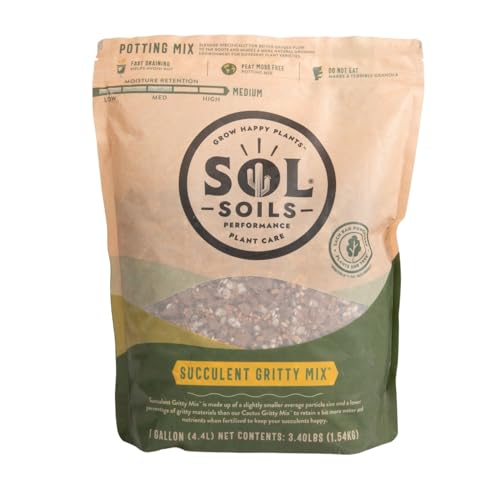
Sol Soils Succulent Gritty Mix 1 Gallon
Pumice, perlite, and coconut chips help excess water drain while keeping air around roots, suiting aeoniums and other dry-weather plants.
-
Best For Fern Container Gardening
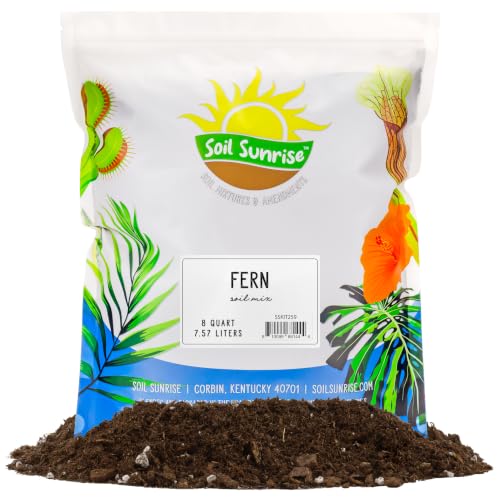
Soil Sunrise Fern Plant Potting Soil Mix
Peat moss, perlite, sand, and bark balance moisture and drainage for fern growers filling a larger container.
Top 5 Potting Soils for Aeoniums at a Glance
Sol Soils Succulent Gritty Mix is the clearest match for aeoniums because its listed ingredients include several drainage-friendly components and the maker specifically names Aeonium. The other options are houseplant or fern mixes, so their moisture balance and intended use matter more than their general indoor-plant wording.
| Product image | Product name | Check product |
|---|---|---|
| 1 |
Sol Soils Succulent Gritty Mix 1 Gallon | Check Price |
| 2 |
Soil Sunrise Fern Plant Potting Soil Mix | Check Price |
3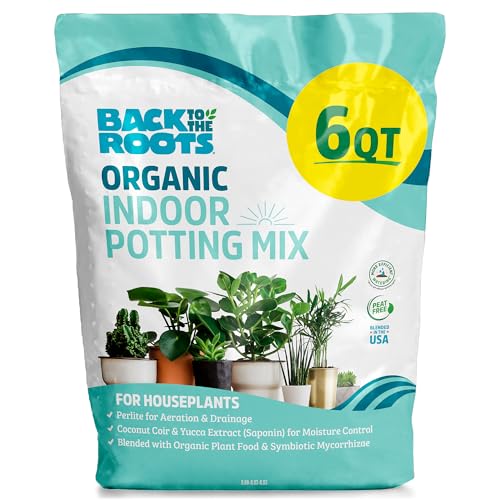 |
Back to the Roots Organic Indoor Potting | Check Price |
4 |
Rosy Soil Houseplant Potting Soil, Organic Indoor | Check Price |
5 |
Miracle-Gro Houseplant Potting Mix, 4 qt. | Check Price |
5 Best Potting Soils for Aeoniums: Detailed Reviews
When I chose the best potting soil for aeoniums, I paid most attention to drainage ingredients, air space around roots, and whether a mix was actually described for dry-weather plants. Those details can help you avoid a dense, slow-drying pot without leaving you to guess from a vague “all-purpose” label. I also considered bag size and how clear each mix’s intended use is.
The choices here are not five interchangeable aeonium soils. One is explicitly a succulent blend, while the rest are aimed at ferns or general indoor houseplants, with ingredients that may hold more moisture or include fertilizer. Comparing them side by side helps you spot the suitable starting point and recognize when a bag is better reserved for a different plant.
1. Sol Soils Succulent Gritty Mix 1 Gallon
Pumice, perlite, and coconut chips help excess water drain while keeping air around roots, suiting aeoniums and other dry-weather plants.
- Size1 Gallon
- ColorSucculent Gritty
- WeightNot listed; check details
- DimensionsNot listed; check details
Sol Soils Succulent Gritty Mix is the strongest match here for an aeonium grower who wants a ready-made, quick-draining mix rather than a conventional houseplant soil. The maker names Aeonium among the plants suited to its blend, which is a useful bit of specificity for a beginner.
The mix includes pumice, a porous mineral that creates air spaces and helps water move through the pot. That matters because aeonium roots need access to air, not a pot that stays swampy after watering. Perlite is another lightweight ingredient that opens the mix, while calcined clay is also listed as part of the drainage-and-aeration blend.
Coconut coir and coconut husk chips contribute a different quality: they can hold some moisture while keeping the mix more open than dense soil alone. The listed ingredients also include pine bark and LECA, which stands for lightweight expanded clay aggregate. Those larger or structured pieces help make the mix feel gritty, though the exact look and chunk size may vary, so check the bag details if you want a particularly coarse texture.
A fair limitation is the one-gallon bag size. That may be plenty for a small repot, but it can run short if you are filling several large pots, and the product listing does not specify how many containers it will fill.
Pros:
- Pumice and perlite open the mix, helping water drain.
- Aeonium is named, so the intended use is clear.
- Coconut chips add structure without relying on peat moss.
- Pine bark and LECA contribute a gritty texture.
- The one-gallon size is manageable for a small repot.
Cons:
- One gallon may not cover several large containers.
- The listed details do not give a precise ingredient ratio.
- Check the bag details if you need a particular particle size.
Buy it if: you’re repotting an aeonium and want a named succulent mix with pumice, perlite, and coconut chips to support drainage.
Skip it if: you need a large amount for several pots, because the one-gallon bag may not stretch far enough, and a larger-volume mix would suit you better. For another fit, consider Soil or Back.
I’d pick Sol Soils Succulent Gritty Mix first because its ingredients and stated plant list line up with the job. For a beginner, having the drainage components already blended is simpler than trying to guess at several separate amendments. Before buying, check the bag size and ingredient details against the number of pots you plan to fill; this is the choice for someone who wants a purpose-made succulent blend in a small amount.
2. Soil Sunrise Fern Plant Potting Soil Mix
Peat moss, perlite, sand, and bark balance moisture and drainage for fern growers filling a larger container.
- Size8 Quarts
- Number Of Items1
- WeightNot listed; check details
- DimensionsNot listed; check details
Soil Sunrise Fern Mix is made for fern growers who want a bag of soil for container gardening, not an aeonium-specific blend. Its ingredient list is unusually clear, which helps you understand what kind of moisture balance the mix is designed to provide.
The blend lists peat moss, pine bark mulch, perlite, sand, and horticultural charcoal. Perlite is a lightweight material that creates openings in soil, while peat moss helps retain moisture; together, those ingredients can balance drainage with a fern’s need for a more consistently damp root zone. For aeoniums, that stated fern-focused balance is a reason to be cautious rather than a reason to assume the mix is a good match.
The listing says the eight-quart bag can fill a large 12-inch pot, which gives you a rough sense of volume for planning a fern container. It also says the mix is hand blended in small batches and contains no artificial ingredients or fertilizers. Those details may appeal to a fern grower who wants to choose fertilizer separately, but they do not make this the right soil for every plant.
The main limitation for aeoniums is the intended use. The mix is described for ferns, and its moisture-retaining peat content may not suit a grower who wants a fast-drying succulent blend without checking the plant’s conditions and the mix’s behavior first.
Pros:
- The eight-quart bag offers a useful amount for a container.
- A clear ingredient list makes the blend easier to assess.
- Perlite and sand contribute drainage within the mix.
- The stated fern focus helps match it to the right plants.
- No fertilizer is listed, leaving feeding choices to the grower.
Cons:**
- Fern-focused moisture balance is not an aeonium-specific fit.
- Peat moss can hold moisture, so monitor dry-down carefully.
- The bag’s fill estimate is for a 12-inch fern pot.
Buy it if: you’re filling a fern container and want an eight-quart mix with listed ingredients and no added fertilizer.
Skip it if: your only goal is potting an aeonium in a fast-draining succulent blend, because this mix is designed around ferns, and a gritty succulent soil would suit you better. Sol and Back are worth a closer look instead.
What I like about Soil Sunrise Fern Mix is that the ingredient list gives a beginner a fair idea of what is in the bag. The rank reflects its useful volume and clear purpose, not a claim that fern soil is ideal for aeoniums. Check whether you are buying for ferns or succulents before choosing; fern growers who want to control feeding may find this a practical option.
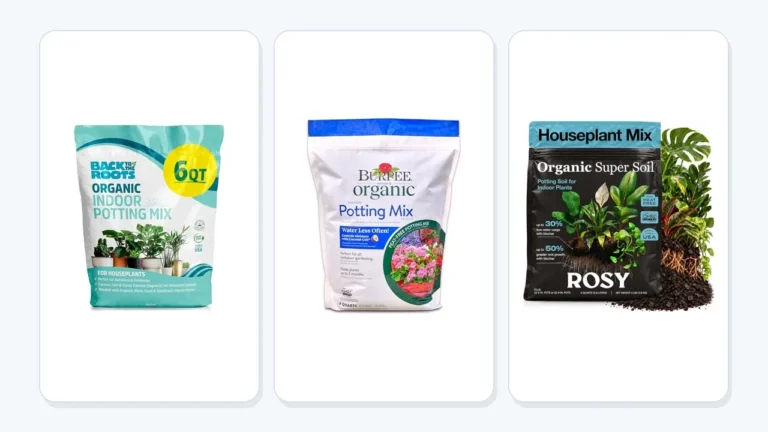
3. Back to the Roots Organic Indoor Potting
The catalog lists Includes 6qt of Back to the Roots Indoor Potting Mix. Our Potting Mix contains organic yucca extract that aids. Compare fit and care needs before choosing.
- Size6 Quart
- ColorIndoor Potting Mix
- Release Date2023-01-01T00:00:01Z
- Number Of Items1
Back to the Roots Indoor Mix is a general indoor potting mix for houseplants such as pothos, monstera, and ferns, rather than a gritty aeonium blend. Its listed moisture-retaining ingredient makes it especially important to match the soil to the plant and the way you water.
The mix contains yucca extract, which the maker says aids moisture retention in soil. In everyday terms, that means the mix is intended to hold onto water rather than let all of it run straight through. That can suit many indoor houseplants, but aeoniums generally call for careful drainage, so do not assume a moisture-retaining feature is automatically helpful for a succulent.
The listing also names mycorrhizae, fungi that associate with plant roots, and says they support root development and nutrient uptake. It includes dolomitic limestone, described as balancing acidity and alkalinity. These are useful details for someone choosing an indoor houseplant mix, but they are not a substitute for checking how the soil behaves in an aeonium’s pot.
A fair limitation is that this six-quart mix is described for common indoor plants rather than Aeonium. The maker says it is peat-free and contains no bark or compost, but the supplied details do not say that the mix is gritty or fast-draining.
Pros:
- Six quarts gives you more soil than a small four-quart bag.
- Yucca extract is included for moisture retention.
- Mycorrhizae are listed for root development and nutrient uptake.
- Dolomitic limestone is named as a pH-balancing ingredient.
- The stated indoor-plant uses are easy to understand.
Cons:
- The mix is not specifically described for aeoniums.
- Moisture retention may not suit every succulent setup.
- The listing does not specify a gritty texture or drainage rate.
Buy it if: you’re potting common indoor houseplants and want a mix that lists yucca extract and mycorrhizae.
Skip it if: you need a coarse, aeonium-focused soil and do not want to assess moisture retention, because a clearly gritty succulent mix would suit you better. If those trade-offs rule it out, Sol or Soil may suit you better.
I’d treat Back to the Roots Indoor Mix as a houseplant option, not a shortcut to succulent soil. Its listed ingredients may make sense for moisture-loving indoor plants, and the six-quart bag gives you a moderate amount for routine potting. Before using it for an aeonium, check the texture and how quickly a small amount dries in your conditions; choose it first if your main plants are the indoor types named for the blend.
4. Rosy Soil Houseplant Potting Soil, Organic Indoor
The catalog lists ORGANIC INDOOR POTTING SOIL, MADE WITHOUT PEAT: Biochar, worm castings, mycorrhizae, compost, and bark fines r. Compare fit and care needs before choosing.
- Size4 Quarts
- ColorHouseplant
- Number Of Items1
- WeightNot listed; check details
Rosy Soil Houseplant Mix is a peat-free indoor blend described for tropical houseplants, ferns, herbs, and several other plants. It may suit someone caring for a mixed indoor collection, but its intended use is broader and more moisture-focused than an aeonium-specific gritty soil.
The listed blend contains biochar, worm castings, mycorrhizae, compost, bark fines, and sand. Biochar is a carbon-rich material used here as part of an open, aerated mix; the maker says bark fines, sand, and charged biochar help water move through rather than pool. That combination is a positive sign for drainage, though the listing does not give a measured drainage rate or say the mix is specifically made for aeoniums.
Worm castings are also included, and the maker describes them as a source of micronutrients. The product is sold in a resealable four-quart bag, with the stated fill estimate of two to three medium pots. That can be handy if you pot a few houseplants at a time, while the resealable package can help keep the unused soil contained between jobs.
One thing to watch is the mix’s varied ingredients and broad plant list. It is not identified as a succulent blend, so do not assume that its drainage ingredients alone settle whether it will dry suitably in your pot and growing conditions.
Pros:
- Bark fines, sand, and biochar are listed for an open mix.
- Peat-free ingredients suit growers avoiding peat in potting soil.
- Worm castings provide a listed source of micronutrients.
- The four-quart bag is resealable for storage between uses.
- The stated volume covers two to three medium pots.
Cons:
- It is described for houseplants, not specifically for aeoniums.
- Four quarts may be limited for larger repotting jobs.
- No exact drainage rate or particle-size range is listed.
Buy it if: you’re refreshing soil for indoor houseplants and want a resealable peat-free mix with bark fines, sand, and biochar.
Skip it if: you want a bag explicitly intended for aeoniums, because this blend is aimed at a broader houseplant group, and a succulent-specific gritty mix would suit you better.
To me, Rosy Soil Houseplant Mix is most interesting for its combination of drainage materials and resealable bag, not as a guaranteed aeonium formula. The listed ingredients offer more context than a plain “indoor soil” label, but the broad use claims still leave you responsible for checking how the mix dries. Verify the size and texture before ordering; this is a reasonable choice for a small indoor repot when its general houseplant use fits your needs.
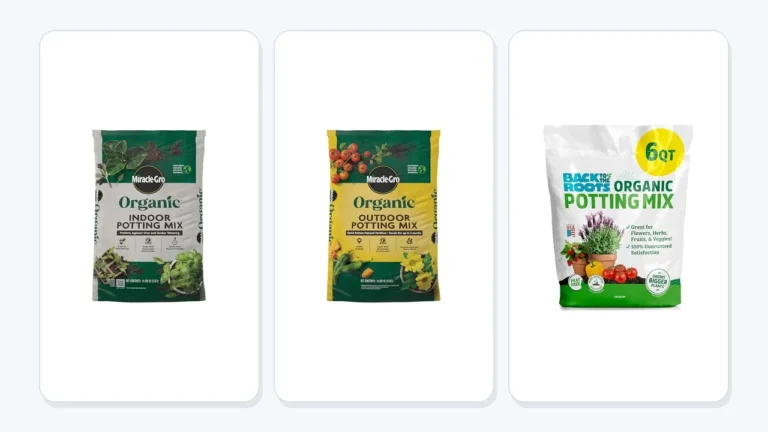
5. Miracle-Gro Houseplant Potting Mix, 4 qt.
The catalog lists INDOOR GROWING: Growing indoors is easy under the right conditions; Miracle-Gro Houseplant Potting Mix is an i. Compare fit and care needs before choosing.
- Size1 Pack
- Color4 qt
- COVERAGEOne 4 qt. bag of Miracle-Gro Houseplant Potting Mix fills one 8-inch container; amounts may vary based on the size
- WeightNot listed; check details
Miracle-Gro Houseplant Mix is a small indoor potting mix with fertilizer, made for tropical houseplants such as pothos, spider plants, and monstera. Its convenience may suit routine indoor potting, but the bag is not described as a gritty mix for aeoniums.
The blend lists perlite, sphagnum peat moss, coir, and fertilizer. Perlite creates small spaces in a mix to help with drainage and air movement, while peat moss and coir can hold moisture. The combination may work for the houseplants named in the product description, but aeonium growers should consider the moisture-holding ingredients and avoid treating “indoor” as a promise of succulent suitability.
The fertilizer is described as feeding houseplants for up to six months. That can spare a houseplant grower from adding fertilizer right away, but it also means you should read the package directions before adding more. The stated coverage is one four-quart bag for one eight-inch container, though the amount can vary with the root ball.
The most important limitation is the intended plant type and the built-in feeding. A small bag may be convenient, but it does not make this a first-choice aeonium soil, and you should not assume that a mix designed for indoor tropical plants will dry the same way as a succulent blend.
Pros:
- Perlite is included to help create air space in the mix.
- Fertilizer is listed as feeding houseplants for up to six months.
- The four-quart amount is tied to an eight-inch container.
- Coir is included alongside sphagnum peat moss.
- The named houseplant uses make the target audience clear.
Cons:
- The mix is not described for aeoniums or succulent rosettes.
- Peat moss and coir can hold moisture.
- Added fertilizer may not suit every grower’s feeding plan.
Buy it if: you’re potting a listed indoor houseplant and want a small mix with fertilizer included for an extended period.
Skip it if: you need a plain, fast-draining soil for an aeonium, because this blend is made for houseplants and includes fertilizer, and a succulent mix would suit you better.
I’d reserve Miracle-Gro Houseplant Mix for the indoor plants named on its package rather than picking it for an aeonium. The built-in fertilizer and small stated fill amount are useful if they match your potting job, but they are not automatic advantages for every plant. Check the feeding directions and plant list before buying; this mix makes more sense for a houseplant grower who wants fertilizer included.
How to Choose the Best Potting Soil for Aeoniums
The best potting soil for aeoniums drains freely while leaving enough moisture around the roots for the plant to take up water. Start with a mix described for succulents or dry-weather plants, then check the ingredients, pot, and care conditions instead of trusting a broad label alone.
Look for an open, gritty texture
A gritty mix has visible particles that keep the soil from packing into a dense, muddy mass. Pumice, perlite, coarse sand, bark, and expanded clay can add structure or air space, but ingredients vary in size and proportion, so a bag’s ingredient list is only part of the picture.
The aim is not to make the soil dry instantly. Your aeonium still needs water available to its roots, so very coarse material in a small pot can dry rapidly in warm, bright conditions. If the product describes a succulent or dry-weather mix and names ingredients that help maintain air space, that is a more useful starting sign than a claim that soil is suitable for every indoor plant.
For a wider look at the ingredient choices and blend styles that suit related plants, see fast-draining succulent soil options. That comparison can help you understand why a bag of general houseplant soil may behave differently from a gritty succulent mix.
Check what the maker says the mix is for
Plant names on a bag can help narrow your choices, but one named plant does not guarantee that the soil suits every pot, location, or watering routine. In this roundup, Sol Soils names Aeonium and several dry-weather plants, while the other bags are described for ferns or houseplants.
Treat a mix made for moisture-loving plants with extra care before using it for a succulent. Peat moss and coir can hold water; perlite, sand, bark, or pumice can affect drainage and air space. Ingredients work together, so there is no single component that proves a blend will behave exactly as you want.
A similar question comes up when people consider using cactus soil for other plant types. The answer depends on the plant’s moisture needs and the mix’s ingredients, so cactus soil for other plants is a useful comparison when you’re sorting out which plants can share a bag.
Match the pot to the mix
A pot with a drainage hole gives extra water a way out. If a decorative outer pot has no hole, use a nursery pot with drainage inside it and empty standing water after watering rather than leaving the roots submerged.
Pot size affects how long the mix stays damp. A container much wider than the root ball holds more unused soil, and that extra soil can take longer to dry; choose a pot only modestly larger than the root system instead of jumping several sizes. The exact right size depends on the roots and the pot shape, so check the root ball rather than relying on a fixed diameter for every aeonium.
Material also changes how quickly a pot loses moisture. Unglazed clay can dry more quickly than a nonporous glazed or plastic container, while airflow, warmth, and light all play a part. If your home is cool or the plant gets limited light, be especially cautious with moisture-retaining soil and a large pot.
Think about your watering conditions
The same blend can dry at different speeds in different homes. A sunny, warm area with moving air usually dries a pot faster than a cool, shaded corner, so your watering interval should follow the soil’s condition rather than a fixed calendar.
If you tend to water on a schedule, choose a pot and mix that give you room to learn how quickly the root area dries. Check the soil with a finger or a clean wooden stick, and observe the pot’s weight before and after watering. Those simple checks are more dependable than watering every few days because a label says “succulent.”
Aeoniums share some soil preferences with aloe, but each plant still deserves a mix and watering routine suited to its pot and conditions. If you grow both, aloe soil for container growing offers a useful point of comparison for thinking about drainage and root space without assuming the plants are identical.
Choose an amount you can use and store
Bag volume is useful for planning, but coverage estimates depend on pot shape, root-ball size, and how much old soil you remove. Sol Soils lists one gallon; the fern mix lists eight quarts, and the houseplant blends list four or six quarts. Those numbers help compare package size, not guarantee a specific number of aeonium pots.
Keep leftover mix sealed and dry, and avoid buying far more than you can store safely. A resealable bag can help contain an opened blend, but a closed bin also works if it stays clean and dry. Before ordering, estimate how many containers you need to fill and whether the stated bag size is enough for your work.
How to Use Potting Soil for Aeoniums for the Best Results
Use the mix as part of a simple system: the right container, a careful repot, and watering based on how quickly the soil dries. Do not expect a bag alone to fix poor drainage, a pot that is too large, or a spot that stays cold and damp.
- Check the pot first. Confirm that the container has a drainage hole and is only modestly larger than the aeonium’s root ball. If you use a decorative pot without a hole, keep the plant in a draining inner pot and remove any water collected outside it.
- Prepare a clean work area. Use a tray or sheet of paper to catch loose mix, and clean your potting tools before starting. This keeps leftover soil from mixing with debris and makes cleanup much easier.
- Look at the roots as you repot. Ease away loose old soil without yanking at the plant or breaking healthy roots unnecessarily. If roots appear damaged, use clean tools and avoid packing wet soil tightly around them.
- Add the mix loosely. Place enough soil in the pot to set the root ball at a comfortable height, then fill around it without crushing the blend. A compacted layer can reduce air spaces that the gritty mix is meant to provide.
- Keep the rosette positioned as before. Set the plant so the base sits at a similar soil level to its previous position, rather than burying leaves or leaving roots exposed. Adjust the soil gently around the root area.
- Water with the plant’s condition in mind. Follow the care directions for your aeonium and account for the roots and mix after repotting. Do not water again simply because a certain number of days has passed; check how damp the root area remains.
- Observe the first dry-down. Note how the pot feels after watering and how long it takes for the mix to dry. If water sits at the surface or the soil stays wet for an unexpectedly long time, review the pot’s drainage, size, and location before changing the blend.
Small rosette-forming succulents can have slightly different needs, even when their leaves look similar. If you also grow hens and chicks, soil choices for hens and chicks can help you compare another plant’s drainage needs without assuming one bag suits every succulent.
How to Make Your Potting Soil for Aeoniums Last Longer
Store unused soil dry, covered, and away from spills or pests, then keep the pot itself from staying waterlogged. Good storage protects the leftover mix, while careful watering and a draining container help the soil in the pot stay usable.
Close the original bag if it has a reliable seal, or move the mix to a clean, dry container with a lid. Mark the container with the product name and the date you opened it, especially if you keep different soils for houseplants and succulents. Store the container off a damp floor and away from water, and do not leave a bag open where rain, dirt, or fallen leaves can get in.
Do not store potting soil while it is wet from a spill or a watering job. Damp stored material can clump, and you may have trouble judging its texture when you use it later. If the mix gets contaminated with dirty water, old roots, or debris, set it aside rather than adding it to a clean pot.
In a planted container, watch for signs that the mix has settled or become dense. A thin layer of loose soil at the surface can be normal, but a pot that drains poorly or stays wet for much longer than expected deserves attention. Check the drainage hole and roots before deciding that all the soil needs replacing.
There is no single repotting schedule that fits every aeonium. Repot when the plant’s roots, soil condition, or container make it useful, and follow plant-specific care guidance if you notice health problems. Avoid disturbing healthy roots just because a calendar says the soil is due for a change.
Keep fertilizer instructions in view if you use a mix that already contains plant food. Adding more without reading the package can create an unnecessary feeding load, while a blend without listed fertilizer may need a separate feeding plan suited to the plant. Store fertilizer and soil products closed and follow their package directions.
Common Mistakes to Avoid When Buying and Using Potting Soil for Aeoniums
The main avoidable errors are choosing by a broad label, ignoring water escape, and treating every succulent mix as interchangeable. Slow down long enough to check the ingredients, container, and moisture behavior before repotting.
- Buying ordinary houseplant soil because it says “indoor.” That label does not tell you whether the blend dries quickly enough for an aeonium. Look for named succulent or dry-weather uses and check for drainage-friendly ingredients.
- Assuming perlite alone makes a mix suitable. One ingredient cannot tell you how the whole blend behaves. Read the full ingredient list and consider moisture-holding materials such as peat moss or coir alongside the drainage components.
- Using a pot without an escape route for water. Extra water trapped at the bottom can keep roots wet even if the soil contains grit. Use a pot with a drainage hole or a draining inner pot, and empty water from the outer container.
- Moving a small root ball into a much larger pot. A large volume of unused soil may dry slowly around the roots. Choose a container that leaves a little room for growth without surrounding the plant with excessive wet mix.
- Watering by the calendar instead of checking the soil. Warmth, light, pot material, and airflow change how quickly a container dries. Check the soil and pot weight, then adjust your routine to what you observe.
- Assuming every succulent needs exactly the same soil. Agave, aloe, hens and chicks, and aeoniums can share a preference for good drainage without needing identical potting routines. For a comparison with another larger dry-weather plant, agave soil and drainage needs is a helpful reference point.
- Adding fertilizer without reading the bag. Some houseplant mixes include fertilizer, while others do not list it. Check the package directions before feeding so you do not double up by mistake.
How to Set Up Potting Soil for Aeoniums
Setting up a repot is straightforward if you prepare the pot and work area before handling the plant. The common beginner snag is using a decorative container without drainage or packing the mix down too firmly.
- Choose a pot with a drainage hole. Check the bottom before filling; a cachepot may look like a planter but have no opening for excess water.
- Pick a pot close to the root ball’s size. Compare the plant’s roots with the container, rather than choosing a pot by the rosette’s width alone.
- Clean the container and tools. Remove old soil and debris so the new mix stays clean and the pot’s drainage hole is open.
- Set up a tray and gloves if you prefer. A work surface catches loose grit, and gloves can keep soil off your hands during a longer repot.
- Loosen the mix before filling. Break up any clumps with your fingers; do not press the blend into a dense, solid layer.
- Place the root ball at its previous soil level. Add mix around the roots gently, keeping leaves above the soil surface.
- Clear the drainage hole. Look underneath after filling to make sure soil has not blocked the opening.
- Put the pot in its growing spot and observe it. Watch how quickly the soil dries before settling into a watering routine.
Common Questions About Potting Soil for Aeoniums
What kind of potting soil is best for aeoniums?
A fast-draining, open mix made for succulents or dry-weather plants is a sensible starting point for aeoniums. Look for ingredients such as pumice, perlite, coarse sand, bark, or expanded clay, then consider the whole blend and your pot. A drainage hole and careful watering matter as much as the bag’s label.
Can I use regular houseplant soil for an aeonium?
Regular houseplant soil may hold moisture differently from a gritty succulent mix, so do not assume it is suitable just because it is intended for indoor plants. Check the ingredients and observe how the soil dries in your pot and growing conditions. If the blend stays damp too long, reconsider the soil, pot size, drainage, or location.
Does aeonium soil need perlite or pumice?
Neither ingredient is an absolute requirement on its own, but both can help create air space in a potting mix. Perlite is lightweight, while pumice is a porous mineral; the finished blend depends on how these and other ingredients are combined. Choose a mix with a clear succulent or dry-weather purpose rather than buying a single ingredient without a plan.
How much potting soil do I need for an aeonium?
The amount depends on the root ball, container shape, and how much old soil you remove. A one-gallon bag may be enough for a small repot, while a larger project may need more, but no bag size guarantees a set number of pots. Measure your containers and check the package’s stated volume before ordering.
Should I add fertilizer to aeonium potting soil?
Check whether the mix already includes fertilizer before adding more. Some indoor blends list feeding that lasts for a stated period, while other mixes do not list fertilizer. Follow the package directions and the care needs of your plant, rather than feeding automatically after every repot.
How often should I repot an aeonium?
There is no single interval that suits every plant and home. Repot when the roots or container make more space useful, or when the soil condition is no longer working well, rather than following a fixed annual rule. Check the roots and pot drainage before disturbing a healthy plant, and avoid moving it into a container much larger than its root system.
Make Your Soil Choice Before the Next Repot
Before you order, check that the bag is intended for succulents or dry-weather plants, confirm your pot has a drainage hole, and estimate how much mix you need. If those three details line up, you can choose with more confidence and make your first watering an observation, not a guess.

I’m Maya L. Greenwood, a lifelong plant lover who believes anyone can grow something beautiful with the right guidance. After years of testing soil mixes, pruning methods, irrigation tricks, and pest-safe solutions, I started EasyGardenTips.com to turn hard-won lessons into step-by-step advice. From seed starting and container gardens to composting and seasonal checklists, my goal is to make gardening simple, sustainable, and fun.