
10 Best Potting Soil for Succulents: Fast-Draining Mixes That Work
A succulent can look fine after repotting, then stay damp for days because the mix is too dense or the pot has nowhere for water to go. That can leave you guessing whether to water again, worrying about unhappy roots, or dumping the soil and starting over. A bag that is too small for your pots adds another avoidable trip to the store.
For succulents, drainage matters as much as the ingredients on the bag: excess water needs a clear path out of the pot. The right bag size also matters, since soil volume depends on the pot and the plant’s root ball, not only its outside diameter. A container with a drainage hole makes watering easier to manage.
Here’s what this guide will help you sort out:
- Which mixes are made for succulents and which are general-purpose potting soil.
- How to match bag volume to your pots without buying far too much.
- What drainage, ingredients, and repotting details mean in everyday care.
- How to water and store your mix without turning a simple job into a project.
Quick Picks
-
Best For Airy, Peat-Free Mix
Rosy Soil Cactus & Succulent Potting Mix,
Chunky peat-free texture lets water move through quickly, suiting growers who want an airy mix for drought-tolerant plants.
-
Best For Several Indoor Plants

Miracle-Gro Succulent Potting Mix, 4 qt. (2-Pack)
Two four-quart bags and included plant food suit indoor growers repotting several small cacti or succulents.
Top 10 Potting Soils for Succulents at a Glance
Rosy Soil and Miracle-Gro are the first places to look if you want a mix labeled for succulents, with Rosy Soil offering a chunky, peat-free blend and Miracle-Gro coming in a two-bag pack. The remaining choices range from cactus-specific mixes to general houseplant and all-purpose soils, so check the intended plant type before choosing a larger bag.
| Product image | Product name | Check product |
|---|---|---|
| 1 |
Rosy Soil Cactus & Succulent Potting Mix, | Check Price |
| 2 |
Miracle-Gro Succulent Potting Mix, 4 qt. (2-Pack) | Check Price |
3 |
Espoma Organic Cactus Potting Soil Mix, Natural | Check Price |
4 |
Rosy Soil Houseplant Potting Soil, Organic Indoor | Check Price |
5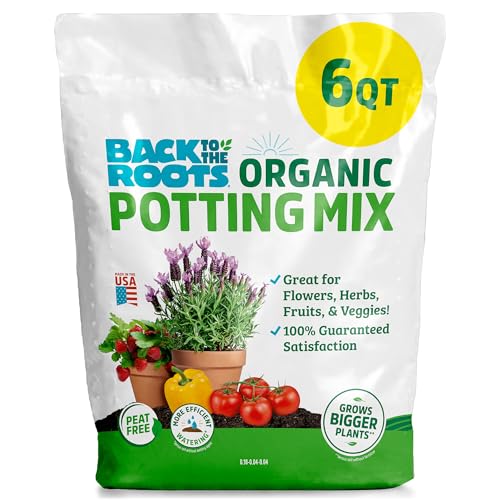 |
Back to the Roots Organic Potting Soil, | Check Price |
6 |
DUSPRO 7-in-1 Succulents & Cactus Soil Mix, | Check Price |
7 |
Omitgoter Succulent & Cactus Soil Potting Mix | Check Price |
8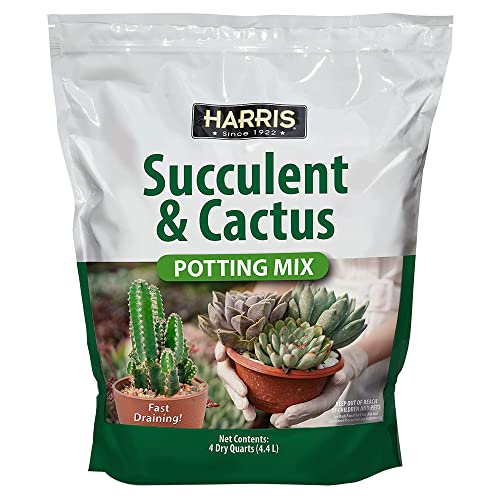 |
Harris Premium Succulent and Cactus Potting Soil | Check Price |
9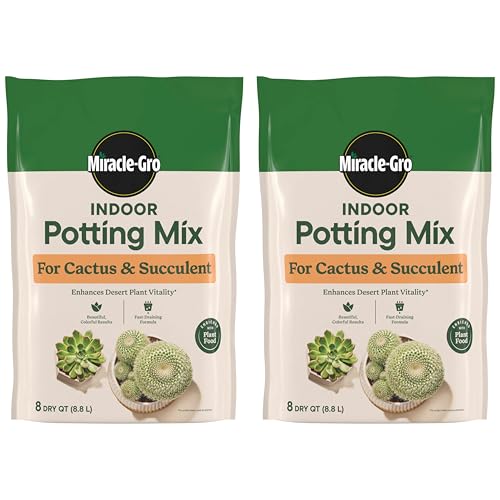 |
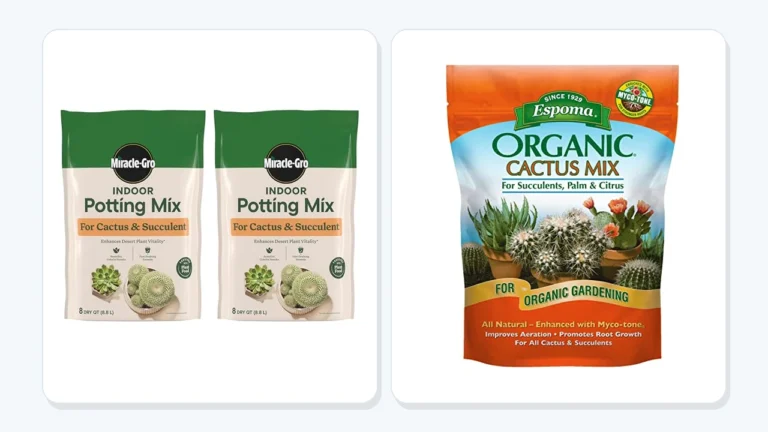
Miracle-Gro Indoor Potting Mix for Cactus & | Check Price |
10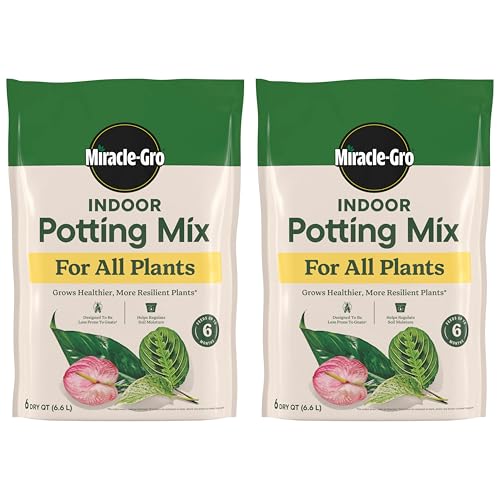 |
Miracle-Gro Indoor Potting Mix for All Plants, | Check Price |
10 Best Potting Soils for Succulents: Detailed Reviews
When I compared the best potting soil for succulents, I paid attention to how each mix handles drainage, what ingredients are named, and whether the bag is sized sensibly for a beginner’s repotting job. Those details can help you avoid a pot that stays wet too long or a half-used bag that is hard to store.
The group includes dedicated cactus and succulent blends, multi-bag options, and general-purpose mixes that need more careful consideration for drought-tolerant plants. Reading them side by side makes it easier to spot the difference between a soil made for succulents and one aimed at a broader mix of indoor plants.
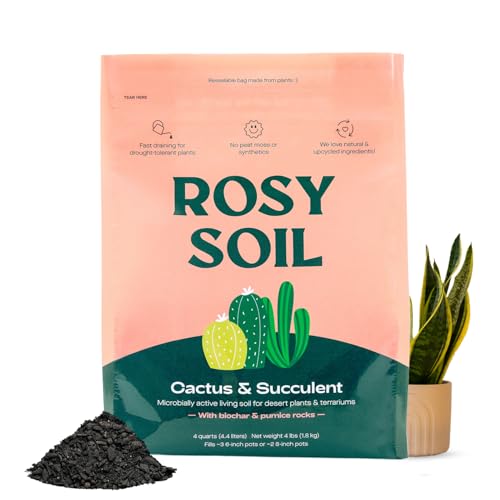
1. Rosy Soil Cactus & Succulent Potting Mix,
Chunky peat-free texture lets water move through quickly, suiting growers who want an airy mix for drought-tolerant plants.
- Size4 Quarts
- ColorCactus & Succulent
- Number Of Items1
- WeightNot listed; check details
Rosy Soil Cactus Mix is a four-quart cactus and succulent blend for growers who want a loose, airy mix for indoor or outdoor containers. The brand says the bag can fill two to three plants, though the actual amount depends on your pots and root balls.
The mix is described as chunky, meaning it includes larger pieces that leave gaps between particles. Those gaps let water move through and air reach the roots, which can make watering easier to judge than with a dense, fine soil.
Rosy Soil also lists worm castings, fungi, and microorganisms in the blend. Worm castings are a natural soil ingredient made from earthworm waste; the maker says they provide nutrients, so you may not need to add fertilizer right away. The bag is peat-free, a useful distinction if you want to avoid peat moss in the mix.
One practical limit is the small four-quart volume. If you have a row of big containers to repot, check how many bags you need before you begin, and make sure the mix’s chunky texture suits the plant and pot size.
Pros:
- Chunky texture leaves open spaces around roots.
- Peat-free formula suits buyers avoiding peat moss.
- Worm castings are included in the blend.
- Four-quart resealable bag can be stored between jobs.
- Planting guidance is printed on the bag.
Cons:
- Four quarts may not cover a large collection.
- Chunky pieces may not suit every tiny pot.
- Ingredients do not replace checking the plant’s care needs.
Buy it if: you want a peat-free succulent mix, because the chunky texture helps water drain and air reach roots.
Skip it if: you need enough mix for many large containers, because a four-quart bag may run short, and a larger-volume soil option would suit you better. For another fit, consider Miracle or Espoma.
I’d put Rosy Soil near the top for a beginner who wants a mix clearly aimed at succulents and cactus. The loose texture and resealable bag make the basic job easier to understand and store. Check the bag volume against your pots before ordering, especially if you are repotting more than a few plants.
It suits growers who value a dedicated, peat-free blend over buying one large general-purpose bag.
2. Miracle-Gro Succulent Potting Mix, 4 qt. (2-Pack)
Two four-quart bags and included plant food suit indoor growers repotting several small cacti or succulents.
- Size2 Pack
- ColorWhite
- COVERAGEOne 4 qt. bag of Miracle-Gro Succulent Soil Potting Mix fills one 8-inch container; amounts vary based on the size
- WeightNot listed; check details
Miracle-Gro Succulent Mix is a two-pack of four-quart bags for indoor succulent and cactus growers who want soil with plant food already included. The brand lists aloe, echeveria, houseleek, and burro’s tail among the plants suited to the mix.
The blend contains sphagnum peat moss and processed forest products, along with Miracle-Gro plant food. Plant food supplies nutrients for growth, so the included formula can simplify feeding at the time of planting; follow the package directions rather than adding extra fertilizer by guesswork.
One four-quart bag is described as enough to fill an eight-inch container, with the amount varying according to the root ball. That gives beginners a rough planning point, though pot shape and plant size can change the amount you actually use.
Peat moss is part of this formula, and the ingredients are not described as a chunky or grit-heavy blend. If your priority is a visibly coarse mix, compare the texture in the package details before buying. Also make sure your containers have drainage holes.
Pros:
- Two four-quart bags provide a useful supply.
- Plant food is included in the mix.
- Blend is formulated for cacti and succulents.
- Named plant examples include aloe and echeveria.
- Eight-inch container coverage helps with planning.
Cons:**
- Peat moss is part of the formula.
- Pack size may be more than one small plant needs.
- Coverage varies with the root ball and pot.
Buy it if: you are repotting several indoor succulents, because two bags and included plant food simplify the supply list.
Skip it if: avoiding peat moss is a priority, because this blend contains sphagnum peat, and a peat-free cactus mix would suit you better. Rosy and Espoma are worth a closer look instead.
Miracle-Gro earns its place for the grower who wants a familiar, ready-to-use mix in a multi-bag pack. The plant food and stated container coverage give a beginner a clearer starting point than a bag with no usage guidance. Check the texture and peat content if you specifically want a gritty, peat-free soil.
This mix is most sensible for indoor growers planting several small to medium containers.
3. Espoma Organic Cactus Potting Soil Mix, Natural
The catalog lists FOR USE ON: Use as a potting soil mix for all succulents, cactus, palm, and citrus including Jade Plants, Burr. Compare fit and care needs before choosing.
- Size4 Quart
- WeightNot listed; check details
- DimensionsNot listed; check details
- MaterialNot listed; check details
Espoma Organic Cactus Mix is a two-bag cactus and succulent soil for container growers who also keep palms or citrus. The mix is suitable for planting a new container or refreshing soil during a transplant.
Its listed ingredients include sphagnum peat moss, humus, and perlite. Perlite is a lightweight mineral material that helps create air spaces in soil, so it can make a mix less dense and support drainage around roots.
Espoma also names a blend called Myco-Tone, described as a proprietary mix of mycorrhizae. Mycorrhizae are fungi associated with plant roots; the product information identifies the ingredient but does not give a beginner a clear way to measure its effect. The practical point is that it is an added ingredient, not a substitute for the right pot and watering routine.
The pack contains two bags, each listed as four quarts, so check whether that quantity suits your repotting plan. Peat moss is included, which may not fit a buyer looking specifically for peat-free soil.
Pros:
- Two-bag pack suits more than one repotting job.
- Perlite helps keep the mix open.
- Intended for succulents, cactus, palm, and citrus.
- Suitable for new planting or transplanting.
Cons:
- Peat moss is included.
- The product information does not give a precise coverage estimate.
- The proprietary ingredient name may not explain much to a new grower.
Buy it if: you want a cactus mix that can also serve several container plant types, because the stated uses include succulents, palms, and citrus.
Skip it if: you want a single small bag with a stated pot coverage, because the available details do not give that estimate, and a more clearly sized mix would suit you better. If those trade-offs rule it out, Rosy or Miracle may suit you better.
I like that Espoma names ordinary ingredients such as perlite and gives the mix a broad container use. That helps a beginner understand at least part of what is in the bag instead of relying on a vague claim. The pack size and exact coverage deserve a check before you plan a large repotting day.
It makes sense for someone who wants a cactus-oriented mix and has several compatible containers to fill.
4. Rosy Soil Houseplant Potting Soil, Organic Indoor
The catalog lists ORGANIC INDOOR POTTING SOIL, MADE WITHOUT PEAT: Biochar, worm castings, mycorrhizae, compost, and bark fines r. Compare fit and care needs before choosing.
- Size8 Quarts
- ColorHouseplant
- Number Of Items1
- WeightNot listed; check details
Rosy Soil Houseplant Mix is an eight-quart general indoor potting soil, intended for tropical houseplants such as monstera and pothos rather than specifically for succulents. A succulent owner might consider it for a mixed plant collection, but should treat its intended use as an important caution.
The listed ingredients include biochar, worm castings, mycorrhizae, compost, and bark fines. Bark fines are small pieces of bark that help keep a potting mix open; this formula also names sand and says the ingredients support drainage. The blend is described as peat-free, which may appeal to someone avoiding peat moss.
The maker says the eight-quart bag fills four to six medium pots, depending on the job. That amount can be convenient if you also have other houseplants, though the intended tropical-plant use means the mix may not be the best starting point for a succulent kept in a small pot.
For succulents, do not assume that a general indoor soil will drain like a cactus mix simply because it includes some open-texture ingredients. Check the texture and the plant’s watering needs, and consider whether you are prepared to adjust the blend rather than use it as-is.
Pros:
- Eight-quart bag offers more volume than small packs.
- Peat-free formula is clearly identified.
- Ingredients include bark fines and sand.
- Resealable bag helps store remaining soil.
- Maker gives an estimated pot coverage range.
Cons:
- Intended mainly for tropical houseplants, not succulents.
- Eight quarts may be excessive for one small plant.
- The description does not establish cactus-specific performance.
Buy it if: you keep tropical plants as well as succulents, because the larger peat-free bag is made for a broad indoor collection.
Skip it if: you need a soil explicitly formulated for cactus and succulent containers, because this blend targets tropical houseplants, and a dedicated cactus mix would suit you better.
I would not make this my first choice for a beginner buying soil only for succulents. Its ingredient list and larger volume could be useful in a mixed plant room, but the intended plant type matters more than a promising-sounding ingredient. Check that the mix feels open enough for your pot and plant before committing.
This is a more reasonable fit for someone who mainly grows tropical houseplants and wants one bag for several jobs.
5. Back to the Roots Organic Potting Soil,
The catalog lists Includes 6qt of Back to the Roots Premium Blend Potting Mix. 100% Organic and Peat-Free, made from upcycled pl. Compare fit and care needs before choosing.
- Size6 Quart
- ColorPremium Potting Mix
- WeightNot listed; check details
- DimensionsNot listed; check details
Back to the Roots Potting Mix is a six-quart all-purpose blend for growers who want soil for a range of indoor and outdoor plants. The stated uses include vegetables, herbs, fruit, and flowers, so this is not a dedicated succulent formula.
The mix is described as peat-free and made with upcycled plant matter and wood fines. Wood fines are small pieces of wood that add organic material to a mix; the product also names yucca extract for moisture control and dolomitic limestone for pH balance. In plain terms, pH is a measure of how acidic or alkaline the growing medium is.
Those features can make the bag useful for general gardening, but the moisture-control focus is a reason to be cautious with a drought-tolerant plant. Succulents need a watering routine suited to the plant and pot, and a general-purpose mix may not dry at the pace you expect.
The six-quart volume may be manageable for a few small pots, but the product description does not give succulent-specific coverage. Look at the ingredient details and judge whether the mix is intended for your plant before buying it as a direct cactus-soil replacement.
Pros:
- Peat-free blend has a stated six-quart volume.
- Ingredients include upcycled plant matter and wood fines.
- Yucca extract is included for moisture control.
- Dolomitic limestone is named for pH balancing.
- Intended for several common gardening uses.
Cons:
- General-purpose blend is not made specifically for succulents.
- Moisture-control claims call for careful watering.
- No succulent-specific pot coverage is stated.
Buy it if: you need an all-purpose mix for varied plants, because the stated uses cover herbs, vegetables, fruit, and flowers.
Skip it if: you want a ready-to-use soil made specifically for succulents, because this is a broad garden mix, and a cactus-oriented soil would suit you better.
I see this as a useful general gardening bag, not a shortcut to succulent soil. The peat-free ingredients and broad plant uses make sense for someone growing more than drought-tolerant plants. The main question is whether its moisture behavior fits your succulent’s pot and watering habits, which the product details do not settle.
Choose it only if general-purpose use is the bigger need.
6. DUSPRO 7-in-1 Succulents & Cactus Soil Mix,
The catalog lists Pre-Mixed 7-In-1 Blend: This 7-in-1 succulent soil potting mix indoor combines perlite, pumice, lava rock, pea. Compare fit and care needs before choosing.
- Size1 Quart
- ColorSucculent Potting Mix
- WeightNot listed; check details
- DimensionsNot listed; check details
DUSPRO Succulent Mix is a ready-to-use blend sold in a one-quart size for small repotting jobs. It is aimed at succulents and cacti, with named examples including jade, haworthia, echeveria, aloe, and snake plant.
The seven listed ingredients are perlite, pumice, lava rock, peat moss, pine bark, worm castings, and vermiculite. Pumice and lava rock are porous mineral pieces that help leave open spaces in a mix; perlite is another lightweight ingredient used to improve the texture. The combination is intended to support drainage without leaving the roots in a dense mass.
Peat moss and vermiculite are also listed, which can help hold some moisture. That balance is not automatically a problem, but it means the mix is not peat-free and your watering still needs to reflect the plant, light, and pot. The brand specifically recommends containers with drainage holes.
One quart is described as enough for two four-inch pots. That is useful for a small project, but you will need to check the amount for larger containers or a plant with a broad root ball.
Pros:
- Ready-to-use formula combines seven named ingredients.
- Pumice, lava rock, and perlite add coarse components.
- One-quart volume suits small repotting projects.
- Two four-inch pots are a stated coverage guide.
- Named for a wide range of drought-tolerant plants.
Cons:
- Small bag may not cover larger pots.
- Peat moss and vermiculite are included.
- Drainage holes are still needed for container use.
Buy it if: you are repotting a couple of small succulents, because one quart is described as enough for two four-inch pots.
Skip it if: you want a peat-free mix or need to fill large containers, because this blend includes peat moss and comes in a small size, and a larger peat-free cactus mix would suit you better.
DUSPRO is appealing when the job is small and you want the ingredients already blended. The named mineral pieces give a new grower a clearer picture of the soil texture than a simple label saying cactus mix. Check the one-quart amount and the peat content before ordering.
This suits someone refreshing a couple of little pots rather than tackling a full shelf of plants.
7. Omitgoter Succulent & Cactus Soil Potting Mix
The catalog lists ✅【Tailored for Succulents】Our custom-made gritty mix, specially designed for succulents, combines river sand, . Compare fit and care needs before choosing.
- Size1qt
- ColorSucculent & Cactus Soil
- Number Of Items1
- WeightNot listed; check details
Omitgoter Succulent Soil is a one-quart ready-to-use blend for indoor or outdoor cactus and succulent containers. Its plant examples include kalanchoe, string of pearls, agave, jade, sedum, aloe, and echeveria.
The listed ingredients include river sand, lava rock, vermiculite, and peat moss. Lava rock is a porous rock that can leave air spaces in a pot, while sand adds a gritty component; together, those ingredients are intended to create a more open texture than dense garden soil.
Vermiculite and peat moss can hold moisture, so the mix is not simply a bag of dry grit. That may suit some container situations, but it means you should pay attention to how quickly your own pot dries. A pot with a drainage hole helps excess water escape rather than collect at the bottom.
The resealable zipper pouch is convenient for storing what remains after a small job. Still, one quart is a modest quantity, so check the number and size of your containers before planning a larger repotting session.
Pros:
- One-quart pouch is resealable after use.
- River sand and lava rock are named ingredients.
- Made for a range of succulent types.
- Described for both indoor and outdoor use.
Cons:
- One quart is limited for multiple large pots.
- Peat moss and vermiculite can hold moisture.
- No specific pot coverage is stated.
Buy it if: you are refreshing one or two small containers, because the resealable pouch is a convenient size for a modest job.
Skip it if: you need a clearly coarse, peat-free blend, because this soil includes peat moss and vermiculite, and a different cactus mix would suit you better.
Omitgoter gives a beginner a compact bag and several named ingredients to assess. I would pay particular attention to the balance of rock and moisture-holding components rather than assuming every gritty mix dries the same way. The lack of a coverage estimate makes planning less certain, so measure your pots before deciding how many bags you need.
It suits a small project where a resealable pouch is more useful than a large supply.
8. Harris Premium Succulent and Cactus Potting Soil
The catalog lists See the Difference – Ready to use, pH balanced formula provides the drainage and nutrients cacti and succulent. Compare fit and care needs before choosing.
- Size4 Dry Quarts”
- ColorWhite
- WeightNot listed; check details
- DimensionsNot listed; check details
Harris Succulent Mix is a four-quart blend for indoor or outdoor cactus, succulent, and other drought-tolerant plants. The listed examples include burro’s tail, echeveria, and houseleek.
The mix is described as fast-draining and pH balanced, with added nutrients. Fast-draining means water is intended to move through the soil more readily than through a dense mix; pH balanced refers to the acidity or alkalinity of the growing medium. Those labels provide a useful overview, though the product details do not name the ingredients that create the texture.
The resealable zip bag can help keep leftover soil together between planting jobs. A four-quart volume may work for a few small pots, but there is no stated pot coverage to use as a firm estimate, so compare the bag volume with your containers.
Even a fast-draining mix cannot make a pot drain if the container has no hole. Use an appropriate pot and check how the soil dries in your space rather than following a fixed watering schedule based only on the bag label.
Pros:
- Four-quart volume is suitable for small projects.
- Described as fast-draining for succulent containers.
- Added nutrients are included in the formula.
- Resealable zip bag helps store unused mix.
- Intended for indoor and outdoor use.
Cons:
- Ingredients are not listed in the product details here.
- No pot coverage estimate is provided.
- A drainage hole is still needed for container planting.
Buy it if: you want a resealable four-quart mix described as fast-draining, because the bag is convenient for a few small pots.
Skip it if: you need to compare specific ingredients before buying, because the listed details do not name them, and an ingredient-transparent mix would suit you better.
Harris keeps the decision simple if you care more about a stated use and bag format than a detailed ingredient list. I would want to know more about the texture before using it for plants that prefer a particularly gritty medium. Check the product details and your pot size before ordering, since coverage is not specified.
This is a reasonable option for someone comfortable choosing by the stated succulent use rather than by a full ingredient breakdown.
9. Miracle-Gro Indoor Potting Mix for Cactus &
The catalog lists Miracle-Gro Indoor Potting Mix for Cactus and Succulent is enriched with Miracle-Gro Plant Food and enhances d. Compare fit and care needs before choosing.
- Size8 Qt. (Pack of 2)
- ColorBrown
- Number Of Items2
- WeightNot listed; check details
Miracle-Gro Indoor Cactus Mix is an eight-quart bag sold as a two-pack for indoor cactus and succulent containers. Each eight-quart bag is described as enough for five six-inch containers, with the final amount depending on the root ball.
The blend contains forest products, sphagnum peat moss, sand, and perlite. Sand and perlite add components that can help a container mix drain more freely than fine, dense soil, while peat moss is included as part of the blend. The product is also described as containing plant food, which may reduce the need to add fertilizer immediately; follow package directions for feeding.
The two-pack offers a substantial supply compared with a single small pouch. That is useful for several plants, but can be more soil than you need for one small succulent, so plan around the stated container coverage and the number of plants you intend to repot.
The mix is made for indoor container plants, including succulents and cacti. Do not treat the included plant food as a reason to water more often; moisture needs still depend on the plant, pot, light, and room conditions.
Pros:
- Two eight-quart bags provide substantial volume.
- Five six-inch containers per bag is a planning guide.
- Sand and perlite are named ingredients.
- Plant food is included in the mix.
- Intended for indoor cactus and succulent containers.
Cons:
- Two bags may be too much for a small collection.
- Peat moss is part of the formula.
- Actual coverage varies with root ball size.
Buy it if: you have several indoor pots to repot, because the two-pack offers ample mix and a stated coverage estimate.
Skip it if: you only need a little soil for one small plant, because the two-pack is a large supply, and a smaller cactus mix would suit you better.
I’d consider this pack when the number of pots makes the larger quantity practical. Its stated coverage and named ingredients give you helpful planning details, while the plant food is a convenience rather than a replacement for sensible care. Check the amount you will use before ordering, since two bags can take up storage space.
It suits someone preparing to repot several indoor containers at once.
10. Miracle-Gro Indoor Potting Mix for All Plants,
The catalog lists Miracle-Gro Indoor Potting Mix for All Plants feeds houseplants for up to 6 months and grows healthier, more r. Compare fit and care needs before choosing.
- Size6 qt (2-Pack)
- Colormulti
- Number Of Items2
- WeightNot listed; check details
Miracle-Gro All Plants Indoor Mix is a general houseplant soil in a two-pack of six-quart bags. It is aimed at a wide range of indoor container plants, including foliage, flowering, climbing plants, and herbs, rather than specifically at succulents.
The blend contains sphagnum peat moss, coconut coir, and perlite. Coconut coir is a fiber made from coconut husks that can help hold and release water; perlite helps create air spaces. The mix is described as supporting water retention and release, a useful feature for many houseplants but a reason to be careful when using it for a plant that prefers the soil to dry between waterings.
The product information says the mix feeds plants for up to six months when used as directed. That is a stated feeding period, not a watering schedule, and it does not mean every plant or growing condition will have the same needs.
Each six-quart bag is described as filling four six-inch containers, with amounts changing according to root-ball size. That coverage can help a beginner estimate the supply, but the general indoor formula is not the most direct choice for a cactus or succulent collection.
Pros:
- Two six-quart bags offer a substantial supply.
- Perlite is included in the ingredient list.
- Stated coverage helps plan for six-inch containers.
- Made for a broad range of indoor plants.
- Feeding period is stated as up to six months.
Cons:
- General houseplant mix, not succulent-specific soil.
- Peat moss and coir support moisture retention.
- Two-pack may be excessive for one small plant.
Buy it if: you mainly grow varied indoor houseplants, because the mix is designed for foliage, flowering, climbing plants, and herbs.
Skip it if: your main need is a fast-draining succulent mix, because this general formula supports water retention, and a cactus-oriented soil would suit you better.
I would treat this as a houseplant soil first and a succulent option only with care. The ingredients and feeding period are useful information, but the moisture-retention aim is not the clearest match for a beginner who wants cactus-style drainage. Check the plant type and pot setup before using it for a succulent.
This mix makes more sense for a home with many kinds of indoor plants than for a collection made up mostly of desert plants.
How to Choose the Best Potting Soil for Succulents
The best potting soil for succulents is one that fits the plant, pot, and way you water, rather than one chosen by a bold claim on the bag. Start with a mix intended for cactus or succulents, then check drainage, texture, volume, and ingredients.
Check what the mix is made for
Potting soil is a growing medium for containers, not simply dirt dug from a yard; its ingredients affect how water and air move around roots. If the label says cactus or succulent, that is a more direct fit than a broad indoor or all-purpose blend. For a plain-language rundown of potting soil types and ingredients, consider how the ingredients serve the plant rather than relying on the name alone.
General potting mix is often made to support a wider range of plants with different moisture needs. Cactus soil and general soil can differ in their intended texture and water behavior, so check the ingredients instead of assuming one bag works the same way for every plant. A practical cactus soil versus potting soil comparison can help clarify what the label means before you repot.
Look for texture and drainage clues
A mix with coarse or open ingredients can leave larger gaps for air and water to move through. Ingredients such as perlite, pumice, lava rock, sand, and bark can affect the feel of a blend, though the balance matters as much as the ingredient list. If details do not explain texture, check the package description and consider whether you want a fine or visibly chunky soil.
Fast drainage does not mean the soil should never hold any water. Your succulent still needs moisture, and its needs change with pot size, light, temperature, and season. Avoid treating a single word like “gritty” or “fast-draining” as a guarantee that the mix will behave exactly the same in every home.
Match the bag size to your pots
Soil volume is commonly listed in quarts, but the amount you use depends on the root ball and the shape of each container. Use any stated coverage as a rough estimate, then leave room for the plant’s roots rather than filling the pot to the rim before planting. A small pouch may be enough for a few small pots; a multi-bag pack is more sensible for a group of larger containers.
Measure the pot’s inside width and depth if you are unsure, and count how many plants you plan to repot. A pot that looks wide from the outside may have thick walls or a large root ball taking up space. Buying a little extra can be useful, but too much open soil needs a dry place to stay in good condition.
Consider ingredients and moisture needs
Read the ingredients for materials that hold water, such as peat moss or coconut coir, as well as ingredients that help create open spaces, such as perlite or pumice. Neither type is automatically wrong; what matters is the overall blend and your care routine. If a product does not list its ingredients, be cautious about assuming it has a particular texture.
Plant type also matters. Aloe vera, hens and chicks, aeoniums, kalanchoe, agave, and cactus types can differ in size and care, so a single general rule may not suit every pot. If aloe is the plant you are repotting, check guidance for soil for aloe vera in pots rather than choosing by brand alone.
Choose a container that lets water escape
A drainage hole is a hole in the bottom of the pot that lets extra water leave. For a beginner, that feature is more useful than a decorative cachepot that holds water at the base. If you like a pot without a hole, use it as an outer cover and place the plant in a separate draining nursery pot inside.
Pot material and size also affect how quickly soil dries. Terracotta is porous and can dry differently from glazed ceramic or plastic, so consider where the pot will sit and how often you can check it. A container only a little larger than the root ball is usually easier to manage than a very oversized pot full of damp soil.
How to Use Potting Soil for Succulents for the Best Results
Use the soil with a pot that drains, and let the plant’s condition guide your watering rather than following a fixed calendar. A careful repotting job starts with preparation and ends with checking how the mix behaves in your own space.
- Gather the supplies. Set out the soil, a pot with a drainage hole, and a small scoop or spoon. A paper-covered work surface makes loose soil easier to collect.
- Check the plant and pot. Choose a container that gives the roots room without leaving a large amount of unused soil around them. If the root ball is compacted, handle it gently rather than pulling hard on the leaves.
- Loosen the mix. Break up clumps with your fingers or a clean tool, and check for an even texture. Do not crush coarse pieces into dust if the blend is meant to stay open.
- Add a base layer. Put enough soil in the pot to bring the plant’s roots to a comfortable height. The plant should not sit so low that leaves rest on damp soil.
- Set the plant in place. Hold the plant upright and gently add soil around the roots. Keep the crown, where the stem and leaves meet, clear of buried soil.
- Settle the mix lightly. Tap the pot or press gently around the edges to remove large air pockets. Do not pack the soil down hard, since tight soil can restrict airflow and water movement.
- Use the plant’s care guidance. Some plants need time after root disturbance before watering, so check the plant’s specific care instructions. Afterward, water thoroughly when appropriate and let excess drain away.
- Watch the first drying cycle. Check the soil with a finger or a wooden stick and note how long it takes to dry in your light and room conditions. That observation is more useful than copying another grower’s exact watering interval.
Small rosette succulents often need careful placement so their leaves do not sit against damp soil. For a plant such as hens and chicks, use advice about soil for hens and chicks to think through the texture and container fit before filling the pot.
How to Make Your Succulent Potting Soil Last Longer
Keep unused soil dry, sealed, and away from standing water so it stays easier to handle for the next planting job. The soil in an occupied pot does not last forever, though, and a plant may need fresh mix when the old soil becomes compacted or drains poorly.
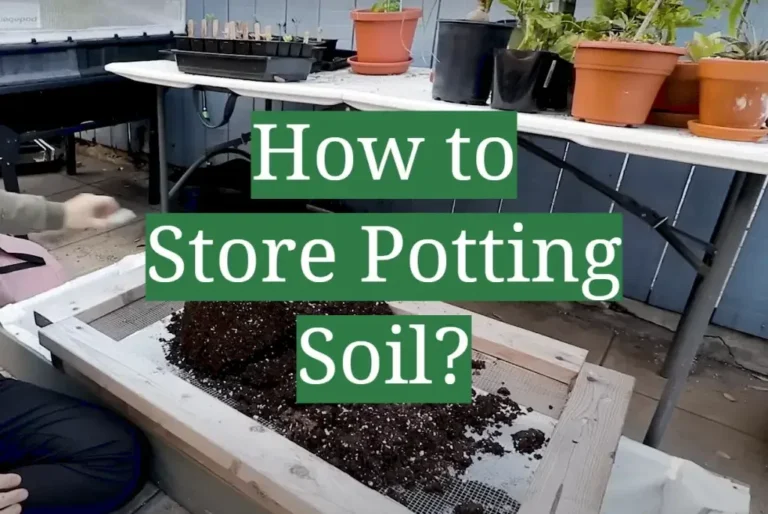
After opening a bag, close its resealable top or transfer the soil to a clean, dry container with a secure lid. Store it off a damp floor and out of rain or sprinkler spray. If the bag gets wet or the soil develops an unusual odor, stop and inspect it rather than putting questionable material around roots.
Use a clean scoop instead of a tool covered in wet soil or plant debris. That keeps leftover mix from getting clumpy in storage and makes it easier to see what is going back into the bag. Avoid returning soil from a pot with an unhealthy plant to the clean unused supply.
Check the soil during routine plant care. If water pools on top, runs down the pot’s sides without wetting the mix, or takes much longer to drain than before, the soil structure may have changed. Do not wait for a calendar reminder if the plant or mix gives you a clear reason to inspect it.
Fresh soil can help during a planned repot, but replacing it too often can disturb roots unnecessarily. Repot when the plant has outgrown its container, the mix has broken down, or the pot no longer drains as expected. The right timing depends on growth and conditions, not a single universal schedule.
Aeoniums can have different watering and growth rhythms from other succulents, so avoid carrying over a routine without checking the plant. For that specific group, soil for aeoniums can help you consider the mix in relation to the plant rather than treating every succulent as identical.
Common Mistakes to Avoid When Buying and Using Potting Soil for Succulents
Most beginner problems come from treating soil, pot, and watering as separate decisions. Check all three together before planting.
- Choosing ordinary garden soil for a pot: It may be too dense for a container. Use a mix intended for container plants, with a texture suited to succulents.
- Buying only by the word “organic”: That label alone does not tell you how quickly the soil drains. Read the ingredients and look for a mix intended for cactus or succulents.
- Using a pot without a drainage hole: Excess water can remain trapped at the bottom. Use a draining inner pot or choose a container with a hole.
- Packing the mix tightly: Pressing hard can close air spaces. Settle the soil gently around the roots instead.
- Choosing a very large pot for a small plant: Extra soil around a small root ball can stay damp longer. Pick a pot that gives roots room without a large unused volume.
- Watering by a fixed weekly rule: Room conditions and plant needs vary. Check the soil and the plant before watering again.
- Buying too little soil for the job: A half-finished repot can leave roots exposed while you shop. Estimate the number of pots and use stated coverage as a starting point.
Agave often grows into a substantial plant, so the container and soil quantity may matter more than a tiny bag’s convenience. Before repotting one, consider soil for agave containers alongside the plant’s eventual size and the pot’s drainage.
How to Set Up Potting Soil for Succulents
Setting up succulent soil is mostly about preparing a clean workspace, choosing a draining pot, and placing the plant at the right height. A small amount of planning prevents the most common beginner stumble: discovering mid-repot that the pot or soil amount does not fit.
- Choose a work area. Cover the surface and keep the soil bag nearby. A stable table is easier to work at than balancing a pot on your lap.
- Inspect the container. Confirm that the drainage hole is open. If a decorative pot has no hole, prepare a separate pot with drainage to sit inside it.
- Estimate soil volume. Use the package’s stated coverage if available, and compare it with the number and size of your pots. Remember that the root ball takes up room.
- Open and loosen the mix. Break apart compressed clumps and check for large pieces. If the soil is very dry and dusty, work slowly so it does not scatter.
- Position the plant. Add a base layer, place the roots at the right height, then fill around them. Keep leaves and the crown from being buried.
- Settle, do not tamp. Tap the pot gently to move soil into gaps. Firm pressure can make the mix more compact than you want.
- Clean and store. Wipe the pot exterior and close the remaining soil in its bag. Store it somewhere dry before beginning the next plant.
- Resume care thoughtfully. Follow the plant’s care needs after repotting, and check how quickly the new mix dries before settling into a watering routine.
Kalanchoe is another example where the plant type and watering habits should shape your choice. If that is what you are potting, review soil for kalanchoe and use the bag’s stated plant guidance as one part of the decision.
Common Questions About Potting Soil for Succulents
Can I use regular potting soil for succulents?
You can use a general potting mix in some cases, but it may hold more moisture than a cactus or succulent blend. Check the ingredients and texture, and make sure the pot drains. If the mix stays wet for a long time in your conditions, choose a more open blend suited to the plant.
How much soil do I need for a succulent?
The amount depends on pot dimensions and the size of the root ball, so there is no single volume for every plant. Use any package coverage as a rough guide, then allow room for the plant’s roots. Measuring the pot before buying is a simple way to avoid running short.
Does succulent potting soil need fertilizer?
Not always, because some mixes include plant food and others do not. Read the package directions before adding fertilizer, since feeding twice by accident is easy to do. Plant growth, the season, and the specific succulent also affect whether additional feeding is appropriate.
Should succulent soil dry out between waterings?
Many succulents are watered after the soil has dried, but the exact timing varies by plant and growing conditions. Pot size, light, temperature, and soil ingredients all affect drying. Check the soil rather than watering on a fixed schedule, and never leave a container sitting in collected water.
Is cactus soil the same as succulent soil?
The labels often overlap because cactus and succulent mixes are made for plants that generally need good drainage. Ingredients and texture still vary from bag to bag, so check what the mix contains. The plant, pot, and your watering habits matter more than assuming every product with either label is identical.
When should I repot a succulent into fresh soil?
Repot when the plant has outgrown its container, the soil has compacted, or water no longer drains as expected. A calendar alone is not a reliable reason to disturb healthy roots. Choose a pot with drainage and fresh mix suited to the plant when a repot is actually needed.
Before You Open the Soil Bag
Start by checking the plant type, the pot’s drainage hole, and the amount of soil you need; those three details will narrow the choice faster than a long ingredient claim. Measure your pots, compare that volume with the bag’s coverage, and choose a mix whose intended use matches the succulent you are repotting.

I’m Maya L. Greenwood, a lifelong plant lover who believes anyone can grow something beautiful with the right guidance. After years of testing soil mixes, pruning methods, irrigation tricks, and pest-safe solutions, I started EasyGardenTips.com to turn hard-won lessons into step-by-step advice. From seed starting and container gardens to composting and seasonal checklists, my goal is to make gardening simple, sustainable, and fun.
2 Comments