
5 Best Organic Potting Soil for Seedlings: Mixes for Strong Starts
Starting seeds in the wrong soil can leave you with trays that stay soggy, dry out too quickly, or contain clumps that make even filling cells frustrating. A mix meant for mature container plants may also be too coarse for tiny seeds and new roots, leaving you to water carefully and still wonder why some seedlings struggle.
For seeds, texture and water control matter more than a long list of ingredients: fine, even mix makes it easier to sow at a consistent depth, while steady moisture helps seeds germinate without sitting in water. Bag size matters too, since a small trial batch and several trays call for very different amounts.
Here’s what to look for before you fill a tray:
- How fine and moisture-retentive a mix should be for small seeds.
- When a general potting mix can work and when a seed-starting blend makes more sense.
- How much mix to buy for trays, pots, and later transplanting.
- Simple watering and storage steps that help prevent common beginner mistakes.
Quick Picks
-
Best For Larger Growing Projects

Burpee Premium Organic Potting Mix Garden Soil
Coconut coir helps hold moisture while improving drainage, suiting gardeners who want one mix for containers and raised beds.
-
Best For Small Seed Batches

Doter Organic Seed Starter Premium Potting Soil
A ready-to-use blend with peat moss, perlite, and vermiculite offers a convenient starting medium for seed trays and propagation.
Top 5 Organic Potting Soils for Seedlings at a Glance
Burpee suits gardeners who want a larger bag of multipurpose mix, while Doter is a compact option intended for seed starting. The other choices lean toward indoor plants or broader container use, so the main differences are purpose, bag size, and how their ingredients handle moisture and drainage.
| Product image | Product name | Check product |
|---|---|---|
| 1 |
Burpee Premium Organic Potting Mix Garden Soil | Check Price |
| 2 |
Doter Organic Seed Starter Premium Potting Soil | Check Price |
3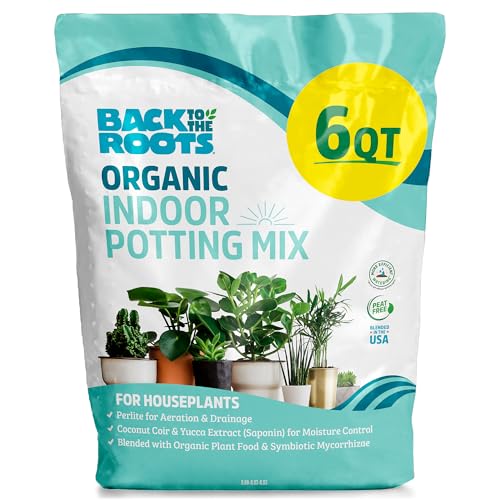 |
Back to the Roots Organic Indoor Potting | Check Price |
4 |
Rosy Soil Houseplant Potting Soil, Organic Indoor | Check Price |
5 |
Sawgrass Organics Organic Potting Mix for Houseplants | Check Price |
5 Best Organic Potting Soils for Seedlings: Detailed Reviews
When I chose the best organic potting soil for seedlings, I paid attention to texture, moisture balance, intended use, and bag size. Those details can save you from fighting clumps, overwatering small roots, or buying far more mix than your trays need.
The options here range from a dedicated seed-starting blend to general mixes for containers and houseplants. Looking at them together helps you decide whether to prioritize a fine starting medium, a larger multipurpose bag, or ingredients that suit later potting and transplanting.
1. Burpee Premium Organic Potting Mix Garden Soil
Coconut coir helps hold moisture while improving drainage, suiting gardeners who want one mix for containers and raised beds.
- Size9 Quart
- ColorPotting Mix
- Number Of Items1
- WeightNot listed; check details
Burpee Potting Mix is a multipurpose container mix for gardeners who want to start seeds and keep using the same bag for vegetables, flowers, or herbs. It is a broader-use choice rather than a mix described specifically for seed trays.
The mix contains coconut coir, a fiber made from coconut husks that can hold water while leaving air space in the growing medium. That balance can make watering less fussy than using a mix that either dries quickly or stays wet, especially in small containers where moisture can change fast.
Burpee says the mix feeds plants immediately and provides slow-release nutrition for up to 3 months. That may be useful after seedlings are growing, but very young plants have modest needs, so follow the seed packet and avoid adding extra fertilizer without a reason.
The 9-quart bag is a practical size if you have several containers or plan to use the mix beyond seed starting. Check the texture before sowing tiny seeds, since the description does not give a particle-size measurement or say it is a fine seed-starting mix.
Pros:
- Coconut coir helps retain moisture while supporting drainage.
- 9-quart size gives you mix for several containers.
- Suitable for indoor and outdoor container use.
- The mix is described for vegetables, flowers, and herbs.
- Slow-release nutrition is stated to last up to 3 months.
Cons:
- The larger bag may be more than a few seed cells need.
- It is not specifically described as a fine seed-starting mix.
- Nutrition can be more than newly germinated seeds need.
Buy it if: you want one larger bag for seeds and container plants, because the coir supports moisture balance and the mix is described for varied uses.
Skip it if: you’re sowing very tiny seeds in narrow cells, because texture is not specified, and a fine seed-starting mix would suit you better. For another fit, consider Doter or Back.
I’d choose Burpee when the plan includes both starting plants and filling containers, rather than just sowing a handful of seeds. The coir and stated feeding period make the mix useful beyond germination, which gives the bag more jobs in a small garden. Check the texture in the product details or on arrival before using it with fine seeds.
It suits gardeners who want a multipurpose mix and have enough containers to use the 9 quarts.
2. Doter Organic Seed Starter Premium Potting Soil
A ready-to-use blend with peat moss, perlite, and vermiculite offers a convenient starting medium for seed trays and propagation.
- Size1 qt
- Colorbrown
- WeightNot listed; check details
- DimensionsNot listed; check details
Doter Seed Starter is a compact, ready-to-use mix for people starting a small batch of seeds or propagating plants. It is the clearest seed-focused choice in this group, with ingredients and moisture behavior described for germination.
The blend lists peat moss, perlite, and vermiculite. Perlite is a lightweight mineral material that leaves air spaces in soil, while vermiculite can help hold moisture; together, these ingredients are intended to keep the mix from becoming waterlogged while seeds sprout.
Doter says the mix arrives ready to use, so you can fill cells without preparing a custom blend first. It also describes the medium as nutrient-rich, but young seedlings can be sensitive to feeding levels, so check the package instructions and avoid assuming that every seed needs extra fertilizer.
The bag contains 1 quart, which makes sense for a few trays or a small propagation project but may run out quickly for a large garden. For a general comparison of starting media and mature-plant mixes, the practical differences in seedling mix versus potting soil are worth understanding before you choose.
Pros:
- Ready-to-use mix avoids extra ingredient preparation.
- Peat moss, perlite, and vermiculite are listed ingredients.
- Moisture balance is described as a design goal.
- 1-quart size can suit a small seed batch.
- Described for seed starting and propagation.
Cons:
- The 1-quart bag may not cover many trays.
- Ingredient proportions and particle size are not stated.
- The supplied details do not specify a certification.
Buy it if: you’re starting a small number of seeds, because the ready-to-use blend can go straight into cells without mixing ingredients.
Skip it if: you need enough medium for many containers, because 1 quart is a small amount, and a larger bag of potting mix would suit you better. Burpee and Back are worth a closer look instead.
What I like here is the direct focus on starting seeds and the modest bag size for a first attempt. The listed ingredients and ready-to-use format make the process easy to understand without building a recipe from separate materials. The main thing to check is whether the amount fits your tray plan, since the bag is only 1 quart.
Doter is a sensible fit for a small sowing project or a few propagation pots.
3. Back to the Roots Organic Indoor Potting
The catalog lists Includes 6qt of Back to the Roots Indoor Potting Mix. Our Potting Mix contains organic yucca extract that aids. Compare fit and care needs before choosing.
- Size6 Quart
- ColorIndoor Potting Mix
- Release Date2023-01-01T00:00:01Z
- Number Of Items1
Back to the Roots Indoor Potting Soil is a 6-quart mix intended for houseplants, and it may appeal if you want to start seeds in containers that will stay indoors. It is not described as a dedicated seed-starting medium, so consider the seed size and mix texture before sowing.
The mix includes organic yucca extract, which the maker says helps soil retain moisture. That can help indoor pots hold water between careful waterings, though seed trays still need regular checking because a moist surface can dry faster than a deeper pot.
The blend also includes mycorrhizae, beneficial fungi that live around plant roots and can support root development and nutrient uptake. The practical benefit is aimed at growing plants over time, rather than a promise of faster germination, so treat it as one ingredient in an indoor mix, not a guarantee of a particular result.
Back to the Roots describes the mix as peat-free and says it includes dolomitic limestone to balance acidity and alkalinity. The details do not list a particle size, so inspect the texture before filling small cells; a chunkier mix can make it harder to cover tiny seeds evenly.
Pros:
- 6-quart bag offers more volume than a small seed-starting pack.
- Yucca extract is included to help retain moisture.
- Mycorrhizae are included to support root development.
- Peat-free formulation is stated in the product details.
- Intended for indoor plants and houseplant use.
Cons:**
- Not specifically described as a seed-starting mix.
- Particle size and seed-tray suitability are not specified.
- The 6-quart bag may be more than a very small project needs.
Buy it if: you’re sowing seeds in indoor containers and want a mix that can also serve houseplants, because the 6-quart bag has broader indoor use.
Skip it if: you need a fine, purpose-made medium for tiny seeds, because the texture is not specified, and a dedicated seed-starting mix would suit you better. If those trade-offs rule it out, Burpee or Doter may suit you better.
To me, the appeal is having one indoor mix for a seed project and later houseplant use, rather than buying a tiny amount that may not cover the next step. The peat-free description and moisture-retaining yucca extract give you useful clues about what the mix is meant to do. Still, seed trays need a finer texture than many houseplant pots, so check the mix before filling narrow cells.
Pick Back to the Roots if indoor use and a 6-quart supply matter more than a stated seed-starting formula.
4. Rosy Soil Houseplant Potting Soil, Organic Indoor
The catalog lists ORGANIC INDOOR POTTING SOIL, MADE WITHOUT PEAT: Biochar, worm castings, mycorrhizae, compost, and bark fines r. Compare fit and care needs before choosing.
- Size4 Quarts
- ColorHouseplant
- Number Of Items1
- WeightNot listed; check details
Rosy Soil Houseplant Potting Soil is an indoor mix aimed at tropical houseplants and gardeners who want a peat-free blend with several named components. It may work for some larger seeds or later potting, but it is not presented as a dedicated seed-starting mix.
The ingredients include bark fines, sand, and charged biochar. Biochar is a porous form of charcoal used in growing mixes; here, it is described as helping keep the soil open and supporting nutrient retention, while bark and sand help water move through the pot.
Rosy Soil also lists worm castings and mycorrhizae. Worm castings are material produced by earthworms and can add nutrients, while mycorrhizae are fungi associated with plant roots; those additions make the mix more oriented toward established plants than the simplest seed-starting media.
The 4-quart bag is described as enough for 2 to 3 medium pots, a useful guide if you are planning a small indoor project. For a wider look at choosing a general-purpose blend, see how potting soil differs by use, but check seed size and texture before filling a tray.
Pros:
- Peat-free mix lists several named ingredients.
- Bark fines and sand are included to support drainage.
- Biochar is described as helping maintain an open structure.
- Worm castings and mycorrhizae are included.
- 4-quart amount is described for 2 to 3 medium pots.
Cons:
- Intended mainly for houseplants, not seed trays.
- Bark fines may be too coarse for some tiny seeds.
- The nutrient additions may not be needed during germination.
Buy it if: you’re potting larger seeds or moving seedlings into indoor pots, because the airy ingredients are intended to support drainage around roots.
Skip it if: your main job is sowing very small seeds, because bark fines may make even coverage harder, and a finer seed-starting medium would suit you better.
I’d keep Rosy Soil in mind for the step after germination, especially if an indoor plant mix with named drainage ingredients is the goal. Its open structure sounds useful in pots that need water to pass through rather than sit around the roots. For seed trays, the missing particle-size detail is a real reason to pause, not a minor footnote.
Choose it for indoor potting or larger seedlings once you have confirmed the texture fits your container.
5. Sawgrass Organics Organic Potting Mix for Houseplants
The catalog lists COMPOST, COCO COIR & BIOCHAR: Compost supplies organic matter and naturally occurring nutrients, coco coir cre. Compare fit and care needs before choosing.
- Size4QT
- ColorWhite
- Number Of Items1
- WeightNot listed; check details
Sawgrass Organics Potting Mix is a peat-free blend for houseplants, vegetables, flowers, herbs, and seedlings, so it offers broad use across indoor and outdoor containers. It may suit gardeners who want to sow seeds and reuse the mix for other plants, while those starting very tiny seeds should check how fine the texture feels.
The ingredients include compost, coco coir, and biochar. Coco coir holds moisture while creating a light structure, and the compost supplies organic matter; biochar is described as helping retain nutrients and providing a home for beneficial microbes.
Sawgrass says the compost is fully composted, cured, aged, and screened three times for a fine, consistent texture. That screening is relevant to seed trays because large sticks and clumps can get in the way when filling small cells, although the product description does not give a particle-size measurement.
The mix is described as easy to rewet after drying, which can be helpful if a pot dries out and the surface initially sheds water. It is also described as OMRI Listed for use in organic production; that statement applies to the product’s stated listing, not to an independent guarantee of seed performance. If peat-free ingredients are a priority, you can also compare peat-free potting soil options when deciding what fits your growing setup.
Pros:
- Listed for seedlings as well as several other plant types.
- Coco coir supports moisture retention and a light structure.
- Triple-screened compost is described as fine and consistent.
- Peat-free formulation is stated in the details.
- OMRI Listed is stated for use in organic production.
Cons:
- 4-quart bag may be limited for many trays or large containers.
- The particle size is not given as a measurement.
- The mix is general-purpose, not exclusively for seed starting.
Buy it if: you want one peat-free blend for seedlings and other container plants, because the mix is described for varied uses and has screened compost.
Skip it if: you need a bag sized for many seed trays, because 4 quarts may not cover a large sowing plan, and a larger-volume mix would suit you better.
The standout point for me is the combination of seedling use, screened compost, and a mix that is also meant for other plants. That range can make sense when you have several kinds of containers and do not want separate bags for every job. Check the bag size against your tray volume and look closely at the texture if you’re sowing tiny seeds.
Sawgrass is a good fit for someone who values peat-free ingredients and wants a broadly useful mix.
How to Choose the Best Organic Potting Soil for Seedlings
The best organic potting soil for seedlings should hold moisture without staying soggy and should be easy to spread in the cells or pots you plan to use. Start with the seed size and the number of containers, then check whether a mix is made for starting seeds or general potting.
Match the texture to the seed
A seed-starting mix is a growing medium designed for sowing seeds and supporting their first roots. Fine, even material makes it easier to cover small seeds at a consistent depth, while large bark pieces or clumps can leave uneven pockets in narrow cells.
Check the product details for phrases such as seed starter, seed-starting, or screened. If particle size is not listed, the label cannot tell you exactly how fine the mix is; inspect the contents before committing a full tray to tiny seeds.
The right texture depends on what you’re sowing. Larger seeds can often be placed in a less uniform mix than tiny seeds that need a thin, even covering.
Think about moisture and drainage together
A good seed medium should stay damp enough for germination while allowing excess water to drain. Retaining water is not the same as holding standing water, and a tray with blocked drainage holes can stay wet even when the mix itself is suitable.
Look for ingredient descriptions that explain the role of coir, peat moss, perlite, or vermiculite. Coir and peat moss can help hold moisture, while perlite creates air spaces; the best balance depends on your watering habits and the tray’s drainage.
If you tend to water heavily, use cells with drainage holes and empty any water left in the catch tray. If your seed area dries quickly, check the mix more often rather than assuming that a moisture-holding ingredient eliminates watering.
Choose between seed mix and general potting mix
A seed-starting mix is usually the straightforward choice for small seeds and compact trays, while a general potting mix may suit larger seeds, larger pots, or later transplanting. Names do not guarantee texture, so check the use instructions and ingredient details rather than relying on the word “organic” alone.
A multipurpose mix can reduce leftover bags if you also grow herbs, flowers, or houseplants. For a general explanation of ingredient choices and uses, organic potting soil choices can help you compare what the label means for your wider garden.
Do not assume a general mix is automatically wrong for seeds. The seed type, particle size, moisture needs, and container all matter, so try a small batch if the fit is unclear.
Buy enough, but avoid guessing
Bag sizes here range from 1 quart to 9 quarts. The amount you need depends on the number and depth of your cells, plus whether you’ll also fill pots after transplanting.
A simple approach is to fill one empty tray or container with water to estimate its volume, then compare that amount with the package size. The water estimate is only a planning aid; leave some extra mix for settling and minor spills.
For a small test sowing, a compact bag can limit leftovers. For several trays or later container use, a larger bag may be more practical, as long as you can store it dry and sealed.
Check ingredients and claims carefully
“Organic” describes a growing preference, but it does not by itself tell you the mix’s particle size, nutrient level, or suitability for seedlings. Read the ingredient list and any product-specific listing information, especially if a certification matters to you.
Look for a clear intended use and instructions for feeding young plants. Some mixes describe nutrients or slow-release feeding, while others emphasize a simpler seed-starting medium; do not add fertilizer automatically if the mix already contains nutrients.
Also check whether the formulation is peat-free if that is important to your choice. Peat-free does not mean every other feature is the same, so compare moisture behavior and texture too.
How to Use Organic Potting Soil for the Best Results
Use clean containers with drainage holes, fill them with appropriately moist mix, and sow each seed at the depth stated on its seed packet. Good seed care is mostly steady moisture, light, and temperature, not a complicated soil routine.
- Read the seed packet first. It tells you whether the seed needs light, darkness, soaking, or a particular planting depth.
- Check the mix for large clumps or pieces. Remove anything that would prevent a small cell from filling evenly.
- Moisten the mix before filling trays if it is dusty or very dry. Add water gradually until it holds together lightly without dripping when pressed.
- Fill cells loosely and level the surface. Do not pack the medium down hard, because tightly pressed mix leaves less room for air and roots.
- Sow the seeds at the stated depth and cover them with the recommended amount of mix. Very small seeds may need only a light covering or no cover, depending on the seed instructions.
- Water gently so seeds do not wash into corners. A fine spray or careful bottom watering can help, but do not leave trays standing in water.
- Label the tray with the seed name and sowing date. Different varieties can look nearly identical before they develop recognizable leaves.
- Keep the surface evenly moist and provide the light and warmth the seed type needs. Once seedlings emerge, adjust watering so the mix is damp rather than constantly wet.
If you are unsure how much water the tray needs, start with a small amount and check again after it drains. A wet-looking surface does not always mean the whole cell is evenly moist, so look at the mix and the tray’s drainage instead of following a rigid schedule.
How to Make Your Seedling Potting Soil Last Longer
Store unused mix sealed, dry, and out of direct rain so it does not become waterlogged or collect debris. Follow the bag’s storage instructions, and avoid leaving an opened bag where pests, animals, or spilled liquids can reach it.
Before each use, loosen the mix and break apart clumps gently rather than crushing it into a fine powder. If it smells sour, has visible mold, or has been contaminated by diseased plants, do not assume that simply drying it makes it suitable for delicate seedlings.
Use clean trays and pots, especially when moving from one sowing to the next. Wash off old roots and debris, then let containers dry before refilling so leftover material does not interfere with drainage.
Do not save medium from a pot where a plant had a serious disease problem for a fresh seed tray. For healthy leftovers, check the package directions and use the mix for an appropriate container job rather than storing it indefinitely; opened media can change as it dries and gets handled.
Common Mistakes to Avoid When Buying and Using Seedling Soil
- Buying by the word “organic” alone: It does not tell you whether the texture fits small seeds. Check the stated use and ingredient details.
- Using chunky mix for tiny seeds: Large pieces can leave uneven gaps in small cells. Inspect the texture and try a small test sowing first.
- Filling trays with dry mix and watering hard: A strong stream can move seeds around. Moisten the medium gently and water with care.
- Keeping cells constantly soaked: Seeds need moisture, but standing water can limit air around roots. Use drainage holes and empty the catch tray.
- Pressing the mix down firmly: Dense medium is harder for new roots to move through. Level it with a light touch instead.
- Adding fertilizer without checking the bag: Some mixes already contain nutrients. Read the instructions before feeding young seedlings.
- Buying too little or far too much: A 1-quart bag and a 9-quart bag suit different projects. Estimate tray volume and plan for any later potting.
How to Set Up Seedling Potting Soil
- Choose a clean tray or pot with drainage holes. A container without drainage makes it harder to control extra water.
- Check the seed packet for depth, light, and temperature instructions. Those needs vary by plant and cannot be guessed from the soil bag.
- Open the mix and check for clumps or coarse pieces. If the texture seems too rough for tiny seeds, use a more suitable medium rather than forcing it into narrow cells.
- Add water a little at a time and stir gently. Stop when the mix is evenly moist but not dripping.
- Fill each cell loosely and tap the tray lightly to settle the medium. Avoid pressing it down with your fingers.
- Sow and cover the seeds as directed. Label the tray before moving it so the variety and date do not get lost.
- Place the tray where the seed packet recommends and check moisture daily. Adjust water based on the mix, room conditions, and drainage instead of using a fixed amount for every tray.
The common stumbling point is adding too much water before the tray has a chance to drain. If the mix feels wet and heavy, pause and let excess water escape before sowing.
Common Questions About Organic Potting Soil for Seedlings
Can I use regular potting soil to start seeds?
Sometimes, but regular potting soil may be coarser than a seed-starting mix, especially for tiny seeds in narrow cells. Check the texture and intended use before sowing. Larger seeds in pots may be less fussy, while small seeds benefit from an even surface and careful watering.
Do seedlings need special seed-starting mix?
Not every seed needs a special mix, but a seed-starting medium is often easier to handle in small cells because it is intended for sowing and early growth. Compare texture, drainage, and moisture behavior with your seed type. Follow the packet’s planting instructions, since seed needs differ.
How much potting soil do I need for seed trays?
The amount depends on how many cells you plan to fill and how deep they are. A 1-quart bag may suit a small sowing, while larger projects can need more. Estimate the volume of one tray, then multiply by your tray count and allow a little extra for settling.
Should I add fertilizer to seedling soil?
Check the mix instructions before adding fertilizer, because some blends already describe nutrients or slow-release feeding. Seeds may not need extra fertilizer at the start, and adding more without checking can make care harder. Follow the seed and mix directions, then adjust feeding as seedlings grow.
Is peat-free potting soil suitable for seedlings?
Peat-free soil can suit seedlings if its texture and moisture behavior match the seeds and containers you’re using. Peat-free describes an ingredient choice, not a guarantee that every mix is fine enough for tiny seeds. Check the stated use and inspect the medium before filling a full tray.
When should I move seedlings into a larger pot?
Move seedlings when they have grown enough to handle and their roots need more room, following the needs of that plant. Handle the root area gently and avoid pulling by the stem. A larger container should have drainage, and the new mix should suit the plant’s next stage of growth.
Make Your First Seed Tray a Small Test
Before filling every cell, try a few seeds in the mix you’re considering and watch how it drains and holds moisture. Check the bag size, texture, and instructions against your seed packet, then use that small trial to decide whether the mix suits your setup.

I’m Maya L. Greenwood, a lifelong plant lover who believes anyone can grow something beautiful with the right guidance. After years of testing soil mixes, pruning methods, irrigation tricks, and pest-safe solutions, I started EasyGardenTips.com to turn hard-won lessons into step-by-step advice. From seed starting and container gardens to composting and seasonal checklists, my goal is to make gardening simple, sustainable, and fun.
One Comment