Can You Mix Topsoil With Potting Soil? When It Helps and When Not
Yes, you can mix topsoil with potting soil, but keep the topsoil portion modest and use the blend only when its added weight and water retention suit the plant. For many large outdoor containers, a starting blend of one part topsoil to three parts potting soil is reasonable; for small pots, houseplants, or plants that need fast drainage, plain potting mix is usually the safer pick.
Have you ever filled a planter with a bagged mix, then wondered if the extra topsoil in the garage could stretch it? Or watched a pot stay soggy long after the rain stopped and worried that another scoop of soil would make things worse?
I once topped off a heavy patio container with leftover topsoil because I thought it would give the roots a sturdier base. The soil packed down like a damp cake, and water started lingering on the surface; it’s a common mistake, not a dumb one.
I wrote this to help you decide when a soil blend makes sense, how to mix it without guessing blindly, and when to leave topsoil out. You don’t need a specialty recipe for every plant, but you do need to match the mix to the pot, the plant, and how often you water.
Get the blend right and you can use materials you already have, avoid a waterlogged pot, and give roots room to grow. Get it wrong, and you may end up with slow drainage, compacted soil, or a planter that’s a pain to move.
This takes about 9 minutes to read. By the end, you’ll know how to:
- Choose a practical starting ratio for large containers.
- Spot when topsoil will make the mix too dense.
- Adjust a blend for drainage, plant type, and outdoor conditions.
- Fix common problems before they stress your plants.
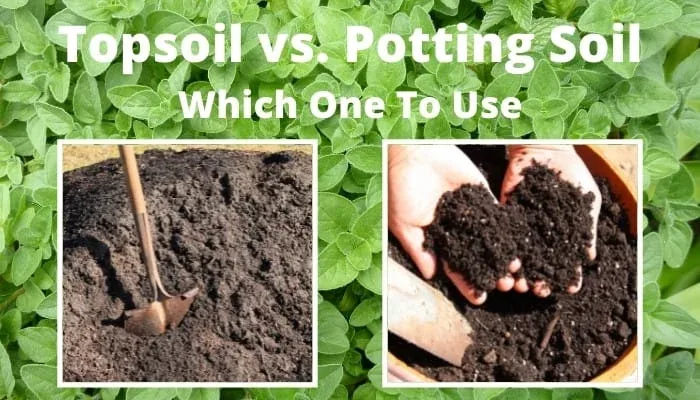
Can You Mix Topsoil with Potting Soil?
Yes, mixing topsoil with potting soil can work in large outdoor containers when the topsoil makes up a small share of a loose, well-draining blend. Start with one part topsoil to three parts potting soil, then adjust only if the mix still drains well and suits the plant.
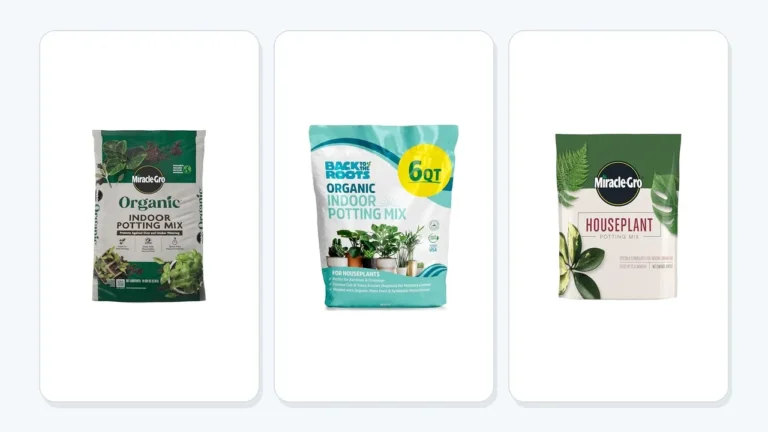
Potting soil, often sold as potting mix, is made for containers. It’s typically lighter and airier than ground soil, with ingredients such as peat moss or coir, bark, and perlite. Topsoil is soil taken or blended for use in garden beds; its texture and contents can vary from one bag or source to another.
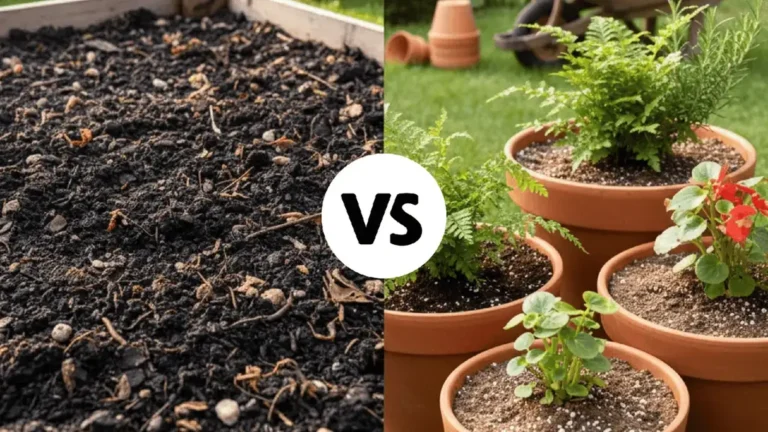
That difference matters because a container has limited room for water and air to move. Garden soil can settle and pack into tight spaces, while container mix is designed to leave air pockets around roots.
Use a modest amount of topsoil when you’re filling a large outdoor planter with sturdy plants and want a heavier blend. Keep topsoil out of small containers, most houseplant pots, and mixes for plants that need quick drainage, such as many cacti and succulents.
Here’s a practical starting point:
| Container or plant situation | Starting mix | What to watch |
|---|---|---|
| Large outdoor planter with sturdy flowers or foliage | 1 part topsoil to 3 parts potting soil | Drainage and pot weight |
| Medium container with ordinary garden plants | 1 part topsoil to 4 parts potting soil | Water should soak in without pooling |
| Small pot or indoor houseplant | Plain potting mix | Avoid dense soil and poor airflow |
| Succulent or cactus | Specialty mix, usually without topsoil | Water should drain freely |
| Seed-starting tray | Seed-starting mix | Fine roots need a light, even texture |
Those ratios are starting points, not a universal rule. A sandy topsoil may behave differently from a clay-heavy one, and potting mixes vary too, so test a small batch before filling a whole row of planters.
Pro Tip: Wet a handful of the finished mix and squeeze it gently. A good container blend should hold together loosely, then crumble when you tap it; a sticky lump that stays packed is too dense for most pots.
Why Topsoil Can Cause Trouble in a Pot
Topsoil can make a container mix heavier, denser, and slower to drain. The risk rises when the topsoil has a fine texture, the pot is small, or the container has limited drainage.
In a garden bed, water can move through a broad area and roots can spread beyond the original planting hole. A pot doesn’t offer that escape route, so compacted mix can leave roots with too little air and keep the root zone wet for longer than the plant can handle.
A pot that stays wet isn’t automatically suffering from topsoil, though. A blocked drainage hole, frequent watering, a saucer full of water, or a pot without a drainage opening can cause the same symptom.
If you’ve wondered whether garden soil belongs in a container at all, the answer depends on the soil and the pot. The concerns behind using garden soil in pots are much the same: dense soil can settle, hold water, and make container care harder.
Watch for these signs after planting:
- Water pools on the surface instead of soaking in.
- The pot stays heavy and wet long after watering.
- The mix sinks or hardens as it dries.
- Leaves yellow or growth slows while the soil remains damp.
- Water runs down the sides without wetting the root ball evenly.
These signs don’t prove that topsoil is the problem, but they tell you to check the whole setup. Feel the soil a couple of inches below the surface, inspect the drainage holes, and check whether the planter sits in standing water.
I once blamed a heavy pot’s slow drainage on the soil blend alone, then found its saucer holding a shallow pool after every watering. Clearing that simple problem helped more than changing the mix would have, so check the pot before dumping out healthy plants.
Topsoil isn’t the same as soil conditioner, either. A conditioner is meant to change soil structure or add organic material, and its contents may not provide the balance of water, air, and support that a container needs. A bag of conditioner shouldn’t be treated as a ready-made potting mix, and soil conditioner in a pot may call for a different approach.
Important Tip: Don’t add topsoil to a container just to make the soil level higher. If you need to raise the root ball, add the right container mix underneath it and keep the plant’s crown at the proper height.
How to Mix and Test a Container Blend
Mix the ingredients evenly, test the blend before planting, and change the ratio only when you have a clear reason. A small trial batch can save you from hauling a heavy, poorly draining planter back to the potting bench.
- Check the topsoil label. Look for a product sold as topsoil, not garden soil, compost, or soil conditioner. If the contents or texture aren’t clear, use the bag cautiously in containers.
- Choose a starting ratio. For a large outdoor pot with a sturdy plant, combine one part topsoil with three parts potting soil by volume.
- Break up clumps. Loosen compacted pieces before blending so the container doesn’t end up with dense pockets beside airy ones.
- Mix thoroughly while dry. Turn the materials together in a tub or wheelbarrow until the color and texture look consistent.
- Moisten a test batch. Add water gradually. The blend should feel evenly damp, not muddy or slick.
- Test drainage. Put a few inches in a pot with open drainage holes, water it, and check that water can pass through without sitting on top.
- Adjust in small steps. If the mix feels heavy or drains slowly, add more potting soil or a suitable drainage material rather than more topsoil.
Mixing products from different bags is common, but each potting soil may have a different texture or water-holding behavior. If you’re combining two commercial mixes, blend a small amount and check its drainage first; the same cautious method applies to mixing different potting soils.
A common question is whether sand will fix a dense topsoil blend. Coarse horticultural material can affect drainage, but fine sand may settle into gaps and make a heavy mix even tighter, so don’t add a random scoop from the yard and hope for the best.
If you’re using a large planter, plan for the finished mix to weigh more when wet. Set the container where you want it before filling, especially if it’s a wide patio pot that would be awkward to shift once the soil is damp.
Choose a Mix for the Plant and the Pot
The right blend depends on what the plant needs, how large the container is, and where the pot will sit. A mix that suits a roomy outdoor planter may be too dense for a small indoor pot on a windowsill.
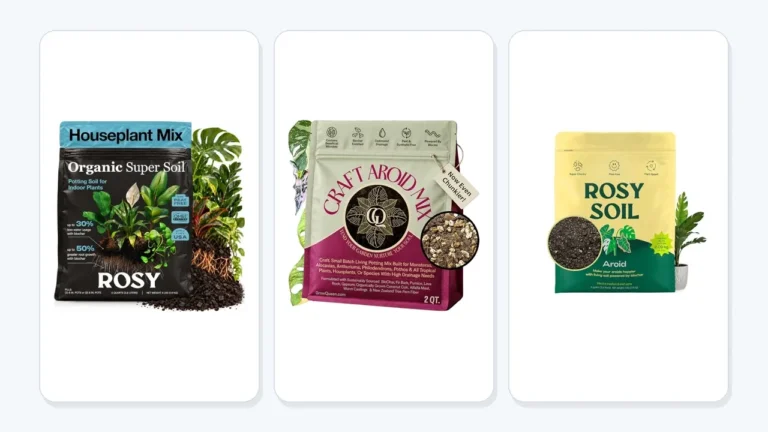
For many leafy houseplants and flowering annuals, a quality potting mix is a better starting point than a topsoil blend. The container already limits root space, so the plant benefits from a mix that stays open and drains predictably.
When choosing a base mix, think about the plant’s roots and watering needs, not just the label on the bag. A guide to the best soil for potted plants can help you compare container mixes by plant type and growing conditions.
Outdoor containers face extra swings in rain, sun, and temperature. A larger pot generally gives roots more room and dries more slowly than a small one, but a sheltered porch and a spot exposed to summer storms can behave very differently.
For outdoor flowers and foliage, pick a potting mix suited to containers first, then decide whether a small amount of topsoil is useful. If your planter gets frequent rain, adding more dense soil may leave roots wet; a guide to the best potting soil for outdoor plants can help you choose a base suited to those conditions.
Some plants need an especially airy mix. String of hearts, for instance, has delicate stems and does best when its roots aren’t left in soggy soil; a topsoil-heavy blend can be a poor fit, while advice on soil for string of hearts focuses on the plant’s drainage needs.
Pro Tip: Keep a small label with the plant name and the mix ratio inside your potting area. If one batch stays wet longer than expected, you’ll know what you changed instead of guessing next season.
If you’re unsure, use plain potting mix for the first planting and watch how quickly the pot dries between waterings. That gives you a useful baseline, and you can adjust a later batch without risking every plant at once.
Common Mixing Mistakes and Simple Fixes
Most problems come from using too much topsoil, skipping a drainage check, or trying to fix the wrong part of the setup. A quick check of the pot and soil can often point you toward the right correction.
| What you notice | Possible cause | What to try |
|---|---|---|
| Water sits on the surface | Dense mix or a clogged drainage hole | Check the hole and loosen or replace dense mix |
| Soil pulls away from the pot edge | Mix dried unevenly or shrank | Rewet slowly in stages |
| Pot stays heavy for days | Dense soil, frequent watering, or low light | Check moisture below the surface and reduce watering if needed |
| Water drains too quickly | Mix may be too coarse or dry to absorb evenly | Moisten in stages and check that the root ball gets wet |
| Plant wilts while soil is wet | Roots may be stressed or the mix may lack air | Check drainage and avoid adding more topsoil |
Don’t respond to every wilted leaf by watering again. If the soil is already wet, extra water can make root stress worse; check below the surface first and empty any water that’s sitting in the saucer.
If the mix has settled but still drains well, you can top it up with a suitable potting mix while keeping the plant’s crown clear. If the blend has turned into a dense, waterlogged mass, replacing it is usually more dependable than trying to patch the texture with a handful of amendments.
Avoid changing several things at once. If you swap the mix, move the pot into a new light level, and change your watering routine on the same day, you won’t know which change helped or caused trouble.
Important Tip: Don’t reuse soil from a pot where plants had serious disease or pest problems. Fresh container mix is the safer choice when the old soil may carry a problem into a new planting.
FAQs About Can You Mix Topsoil with Potting Soil
What ratio of topsoil to potting soil should I use?
A practical starting ratio for a large outdoor container is one part topsoil to three parts potting soil. The best ratio depends on the topsoil’s texture, the container size, and the plant’s water needs, so test a small batch before filling a large planter.
Can I use a topsoil and potting soil mix for indoor plants?
Usually, plain potting soil is the better choice for indoor plants. Topsoil can make small pots dense and slow to dry, especially in rooms with limited airflow or light. If you try a blend, keep the topsoil portion low and watch how quickly the pot dries.
Is topsoil safe for potted vegetables?
Topsoil can be used in a large vegetable container if it’s a clean product intended for planting and the finished blend drains well. Check the product label, choose a pot with drainage holes, and avoid using unknown soil from a site that may have contamination.
Can I mix topsoil and potting soil for succulents?
It’s usually better to skip topsoil for succulents and use a fast-draining mix made for those plants. Many succulents are sensitive to soil that stays wet, and dense topsoil can extend the time their roots remain damp after watering.
Do I need to sterilize topsoil before mixing it with potting soil?
Bagged topsoil sold for gardening doesn’t usually need home sterilizing before use. Heating soil at home can create unpleasant odors and may be unsafe if done improperly. If the soil’s source is unknown or the label raises concerns, choose a different product.
Make the Mix Fit the Container
Mixing topsoil into potting soil can be a sensible way to use what you have, but it’s not a shortcut that suits every plant or pot. I’d start with a small batch, keep the topsoil share modest, and let drainage decide whether the blend earns a place in the planter.
For a large outdoor container with sturdy plants, a one-to-three starting ratio is easy to test. For houseplants, small pots, and succulents, plain potting mix is usually the simpler choice and the one I’d reach for first.
Before you plant, check the bag label, the pot’s drainage holes, and how the damp mix feels in your hand. That quick check can spare you a heavy pot, soggy roots, and a frustrating round of repotting.

I’m Maya L. Greenwood, a lifelong plant lover who believes anyone can grow something beautiful with the right guidance. After years of testing soil mixes, pruning methods, irrigation tricks, and pest-safe solutions, I started EasyGardenTips.com to turn hard-won lessons into step-by-step advice. From seed starting and container gardens to composting and seasonal checklists, my goal is to make gardening simple, sustainable, and fun.