Cactus Soil vs Potting Soil: Which One Is Right for Your Plant?
Cactus soil drains faster than standard potting soil, so it usually suits desert cacti and many succulents better. Regular potting soil holds more moisture, which works for many leafy houseplants and some tropical cacti.
Are you trying to pick a bag at the garden center, or wondering if the soil you already have is making your plant droop? The tricky part is that “cactus soil” doesn’t always mean the same thing from one bag to the next.
I once treated the word “cactus” on a bag as a guarantee that the mix would drain quickly enough. The soil stayed damp longer than I expected, and I had to repot before the roots could settle in; this is a common mistake, not a dumb one.
I wrote this to help you choose soil by plant type and growing conditions, instead of trusting a label alone. You’ll also learn when a bagged mix needs adjustment and how to avoid the soggy-root problems that make a healthy plant look miserable.
Get the mix right, and you’ll spend less time worrying about watering, reduce the odds of root rot, and give roots room to grow. Skip that check, and even a careful watering routine may leave a plant sitting in wet soil.
This should take about 10 minutes to read. By the end, you’ll know how to:
- Match soil drainage to your plant’s roots and growing habits.
- Check whether a bagged cactus mix drains well enough.
- Adjust potting soil without making the mix too dense or too dry.
- Spot soil and watering problems before they become a bigger mess.
Cactus Soil vs Potting Soil: Which Mix Should You Choose?
Choose cactus soil for desert cacti and most succulents, and use regular potting soil for plants that prefer moisture to linger. The right choice depends on the plant, the pot, and how quickly the mix dries in your home.
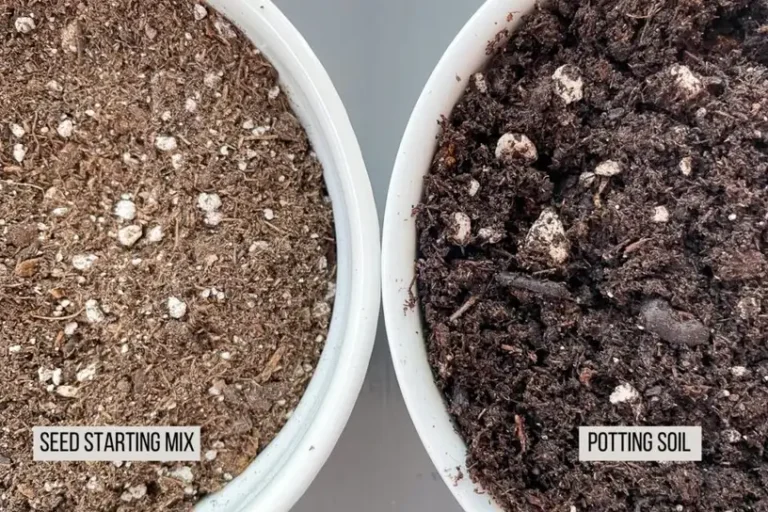
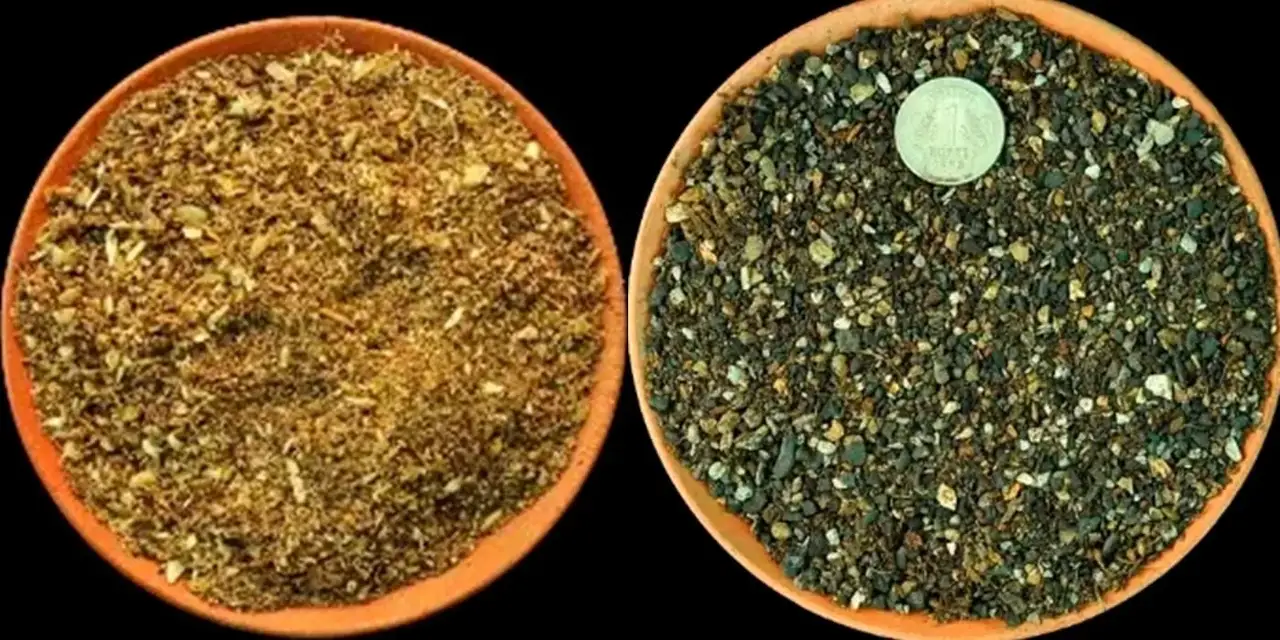
Cactus soil is a potting mix sold for cacti and other plants that need fast drainage. It often contains organic material, such as peat or coir, mixed with ingredients like perlite or pumice that create air spaces and help water move through.
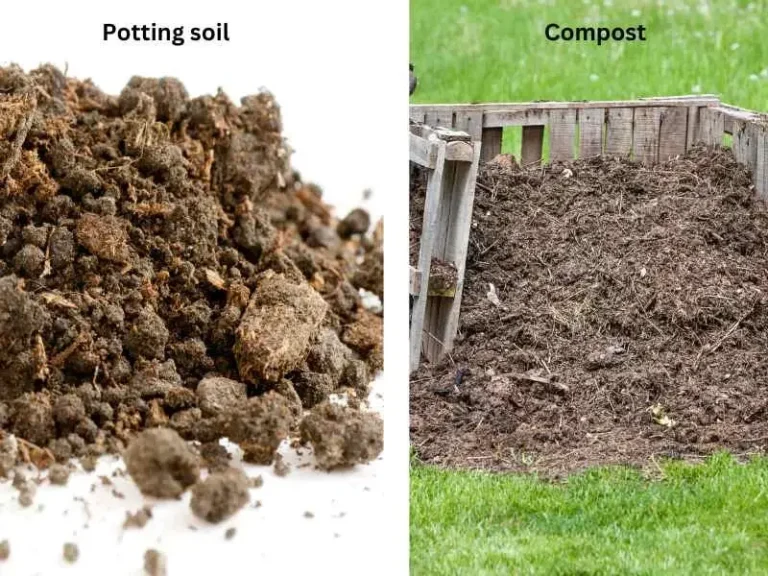
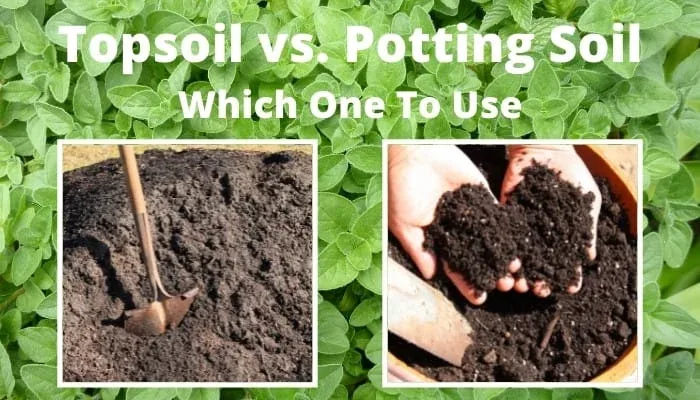
Potting soil is a general-purpose growing mix, often made with ingredients that hold moisture longer than a cactus mix. It usually doesn’t contain garden soil, though the exact recipe depends on the bag.
| Soil type | Typical drainage | Often suits | Watch for |
|---|---|---|---|
| Cactus mix | Faster, but varies by brand | Desert cacti and many succulents | Some mixes still hold more water than your plant can use |
| Regular potting mix | Slower, with more moisture retention | Many leafy houseplants | Can stay wet too long for desert plants |
| Adjusted potting mix | Depends on added mineral material | Plants with specific drainage needs | Too much grit can make watering harder |
The bag name is a starting point, not a promise. A mix with a cactus label may still feel dense and damp after watering, especially in a cool room or a pot without a drainage hole.
For a jade plant beside a sunny window, a freely draining mix is usually a better fit than a dense mix that stays wet for days. If you’re comparing ready-made options for a broader group of succulents, potting soil for succulents can help you think about their shared need for good drainage.
A desert cactus and a leafy tropical plant don’t use water at the same pace. Desert cacti tend to benefit from a mix that dries between waterings, while many foliage plants handle more moisture around their roots.
Does every cactus need exactly the same mix? No, because a cactus’s natural growing conditions matter, and a forest cactus isn’t a desert cactus with a different name. Christmas cactus, for example, grows in a different kind of habitat and usually needs a mix that holds some moisture while still draining well.
Pro Tip: Check the plant label for a full name, not just “cactus.” A Christmas cactus and a barrel cactus can need different watering rhythms, even though both have cactus in their names.
What Makes Cactus Soil Drain Faster?
Cactus soil drains faster when its ingredients leave open spaces for water and air around the roots. The mix still needs to hold enough moisture for roots to take it up, so “fast-draining” doesn’t mean “bone dry five minutes after watering.”
Most bagged cactus mixes combine organic material with mineral components, such as perlite, pumice, or coarse sand. Organic material helps hold some water and nutrients, while mineral pieces can reduce how tightly the mix packs together.
Fine, dusty material can fill those spaces and slow drainage. A mix that looks gritty through a clear bag may still contain enough fine material to stay wet for a long time once it’s in a pot.
You can check a mix before planting by dampening a handful and squeezing it lightly. If it stays in a tight, sticky lump, it may hold more water than a desert cactus needs; a looser handful that falls apart more easily is a better sign, though it’s not a perfect test.
I once used a gritty-looking mix that compacted around the roots after a few waterings. The lesson was simple: check how the mix behaves when wet, not just how it looks dry in the bag.
How can you tell if your current soil is drying too slowly? Check the pot’s weight and the soil beneath the surface, not just the dry-looking top layer. A lightweight pot and soil that has dried through suggest the mix is ready for another watering; a heavy pot with damp soil calls for patience.
The exact drying time changes with light, temperature, pot size, and airflow. A small clay pot in a warm, bright room can dry much faster than a large plastic pot in a cool corner.
- Perlite is a light, porous material that creates air spaces in a mix.
- Pumice is a porous mineral often used to improve drainage and keep a mix from packing tightly.
- Coarse sand can add weight and structure, but very fine sand may make soil denser.
- Bark pieces add larger spaces to some mixes, though they break down over time.
If you want to blend ingredients yourself, start with a small batch and adjust it based on how quickly the mix dries in your home. A practical cactus potting soil recipe can give you a starting point, but the best blend still depends on your plant and setup.
Important Tip: Don’t judge drainage by pouring water over the top once. Water can run down the gap between soil and pot while the center of a dense root ball stays wet.
How to Choose and Adjust Soil for Different Plants
Match the mix to the plant’s natural growth pattern, then account for your home and pot. A desert cactus, an aloe, and a Christmas cactus can all need different balances of drainage and moisture.
Most desert cacti do well in a mix that drains readily and dries between waterings. Many succulents, including jade plants and echeverias, have similar needs, though individual plants can vary.
Aloe vera usually prefers a draining mix, but a very coarse blend may dry so quickly that watering becomes a chore. If aloe leaves look thin or wrinkled, check both moisture and root health before assuming that the plant needs a richer soil.
For a closer look at choosing a mix for aloe grown in a container, soil for potted aloe vera is a useful plant-specific comparison. That’s a better fit than choosing a mix just because it says “cactus” on the front.
San Pedro cactus is a desert cactus, but growing conditions still affect how fast its pot dries. A plant in a large container or a cooler room may need a less aggressive watering schedule than one in a smaller pot under stronger light.
If you’re choosing soil specifically for this plant, a guide to San Pedro cactus soil can help narrow the mix options. Don’t use a larger pot as a shortcut to faster growth; excess soil around a small root system can stay damp longer.
Christmas cactus is a tropical or forest cactus, not a desert cactus. It generally needs more moisture than a desert cactus, but its pot still needs drainage so roots aren’t left sitting in water.
A general potting mix with a loose structure may suit a Christmas cactus better than a very gritty desert-cactus blend. If you’re shopping for a ready-made option, commercial Christmas cactus soil focuses on the needs of this different kind of cactus.
Can one cactus mix work for every plant in your home? Sometimes, but it’s not a safe assumption. Some plants prefer a mix that holds moisture longer, so using cactus soil for every pot can leave those plants drying out too quickly.
You can use cactus mix for some other plants that tolerate fast drainage, but the plant’s needs should guide the choice. This explanation of cactus mix for other plants can help you sort out which swaps make sense and which don’t.
If a bag of regular potting soil is all you have, you may be able to adjust it for a desert cactus by mixing in suitable mineral material. Add a little at a time and test the damp mix, rather than dumping in a large amount and hoping for the best.
Avoid adding material just because it sounds like it will improve drainage. Small, fine particles can make a mix denser, while a very coarse blend can dry too quickly for the plant or your watering routine.
How to Pot, Water, and Fix Soil Problems
A good mix works best in a pot with a drainage hole and a watering routine based on soil dryness. If water can’t escape the bottom, even a loose mix can leave roots sitting in moisture.
Use these steps when repotting a desert cactus or succulent:
- Choose a pot with a drainage hole that’s only a little larger than the root ball.
- Check that the root ball and new mix aren’t soaked before planting.
- Set the plant at its old soil level, then fill around the roots without packing the mix hard.
- Wait until the soil has dried enough for that plant before watering again.
Root rot is damage that develops when roots stay too wet and begin to break down. A plant that wilts in damp soil, turns soft near the base, or develops dark, mushy roots may have a moisture problem rather than a simple need for more water.
Handle spiny plants carefully before lifting or repotting them. Use folded newspaper, thick gloves, or tongs suited to the plant, and keep your face away from the spines; if the plant is large or awkward, ask a local plant professional for help.
Don’t put gravel in the bottom of a pot as a fix for poor drainage. Gravel doesn’t replace a drainage hole or turn dense soil into a loose mix, and it reduces the room available for roots.
Water thoroughly when the plant’s soil is ready, then let excess water drain away. Avoid a tiny splash every day, which can wet only the top layer and leave you guessing about the moisture around the roots.
| What you notice | Possible cause | What to do |
|---|---|---|
| Soil stays damp for a long time | Dense mix, low light, cool conditions, or a pot that’s too large | Check the root ball and drainage before changing the watering routine |
| Plant looks wrinkled while soil is damp | Damaged roots may be unable to take up water | Inspect roots and replace soggy mix if rot is present |
| Soil dries very quickly | Coarse mix, small pot, warmth, or strong light | Check moisture more often and consider a less coarse mix |
| Water runs down the pot’s edge | Soil may have shrunk away from the sides or become hard to wet | Apply water slowly and check whether the root ball gets evenly moist |
A dry surface doesn’t always mean the root zone is dry. Push a clean wooden skewer into the soil or lift the pot to compare its weight after watering and as it dries.
Pro Tip: Make a quick note of how long your pot takes to dry after a full watering. That gives you a more useful routine than watering every Saturday, especially as seasons and indoor temperatures change.
- Desert cacti and many succulents usually need a faster-draining mix than leafy houseplants.
- A cactus label doesn’t tell you exactly how the soil will behave in your pot.
- Plant type, pot drainage, light, temperature, and mix texture all affect drying time.
- Water based on the soil and plant, not a fixed calendar.
FAQs About Cactus Soil vs Potting Soil
Can I use regular potting soil for a cactus?
Yes, but regular potting soil may need adjustment because it often holds more moisture than a desert cactus prefers. Mix in a suitable coarse mineral component and test how the damp blend behaves. A pot with a drainage hole matters just as much as the soil itself.
Is cactus soil the same as succulent soil?
Often, cactus and succulent mixes are similar because both are sold to drain faster than general potting soil. The names don’t guarantee a fixed recipe, though. Check the texture and ingredients, then choose based on the plant’s drying needs and the conditions in your home.
Can I mix cactus soil with regular potting soil?
Yes, combining the two can create a blend with more moisture retention than cactus mix alone. The right proportion depends on the plant and how quickly the pot dries. Start with a small batch, then adjust after checking the mix when it’s damp.
Should cactus soil dry out completely?
Desert-cactus soil should dry between waterings, but the plant’s needs and growing season affect how often that happens. A small plant in a warm room may dry faster than one in a large pot. Don’t use a dry surface alone as a signal to water.
Do all cactus plants need fast-draining soil?
No, not all cacti have the same growing habits. Desert cacti generally prefer a faster-drying mix, while Christmas cactus is a forest cactus that usually needs more moisture. Both types still need a container that lets excess water drain away.
Choose Soil by How Your Plant Grows
For a desert cactus or most succulents, start with a loose, fast-draining mix and check that it doesn’t stay wet in your home. For a leafy houseplant or Christmas cactus, a mix that holds more moisture may be the better fit.
I’d trust the plant’s habits and the damp mix in your hand more than the bold words on a bag. That small check can spare you a rushed repot and the sinking feeling of finding soft, damaged roots.
Your next step is straightforward: identify the plant, check that the pot drains, and test how quickly its soil dries after watering. Then adjust the mix only if the plant’s roots or drying pattern tell you something’s off.

I’m Maya L. Greenwood, a lifelong plant lover who believes anyone can grow something beautiful with the right guidance. After years of testing soil mixes, pruning methods, irrigation tricks, and pest-safe solutions, I started EasyGardenTips.com to turn hard-won lessons into step-by-step advice. From seed starting and container gardens to composting and seasonal checklists, my goal is to make gardening simple, sustainable, and fun.