
10 Best Potting Soil for Houseplants: Our Picks for Healthy Roots
A bag of potting soil that stays soggy can leave houseplant roots sitting in wet mix, while a blend that dries too fast can turn watering into a daily guessing game. Choose a mix with the wrong texture or too little room for air, and a healthy plant may struggle after repotting. Even a good bag is frustrating if it barely fills the pot you need.
The most useful thing to check is how the mix handles both water and air: roots need moisture, but they also need spaces where air can move. Bag size matters too, since a small quantity can be plenty for one plant but poor value if you have several pots to refresh. And if a mix contains fertilizer, know that before adding more from a separate bottle.
Here’s what this guide will help you sort out:
- Which soil qualities matter most for common indoor plants.
- How to pick a bag size and avoid watering surprises.
- What to do when a mix is too dense or too dry.
- How to repot, water, and store leftover soil sensibly.
Quick Picks
-
Best For Moisture balance

Miracle-Gro Organic Indoor Potting Mix, 16 qt.
Peat moss, coir, and natural fertilizer help manage watering swings, making this indoor mix useful for new houseplant owners.
-
Best For Peat-free small batch
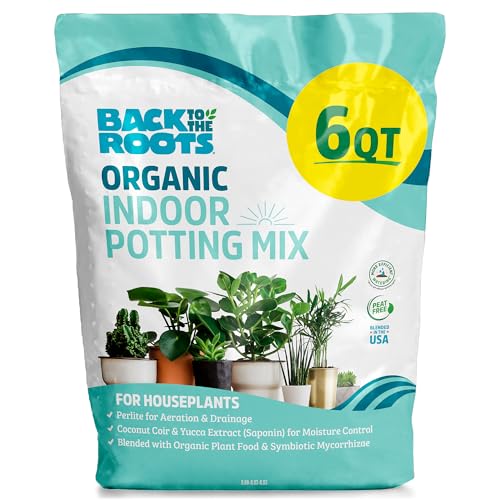
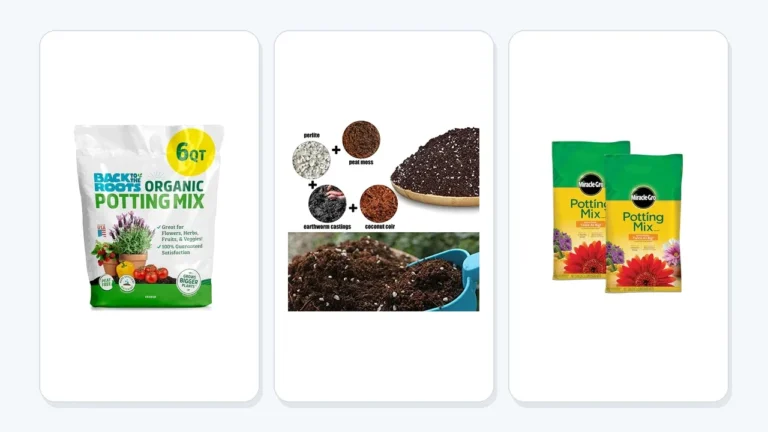
Back to the Roots Organic Indoor Potting
Yucca extract helps retain moisture in a peat-free 6-quart mix, suited to a few indoor pots and smaller repotting jobs.
Top 10 Potting Soils for Houseplants at a Glance
Start with an indoor-focused mix if you’re repotting tropical foliage or want clear moisture guidance; Miracle-Gro Organic Indoor Potting Mix and Back to the Roots are the two most direct fits here. Other choices range from compact blends with bark and pumice to larger all-purpose mixes, so consider plant type, drainage needs, and how many pots you’ll fill before choosing.
| Product image | Product name | Check product |
|---|---|---|
| 1 |
Miracle-Gro Organic Indoor Potting Mix, 16 qt. | Check Price |
| 2 |
Back to the Roots Organic Indoor Potting | Check Price |
3 |
Miracle-Gro Houseplant Potting Mix, 4 qt. | Check Price |
4 |
Rosy Soil Houseplant Potting Soil, Organic Indoor | Check Price |
5 |
Miracle-Gro Moisture Control Potting Mix, 8 qt. | Check Price |
6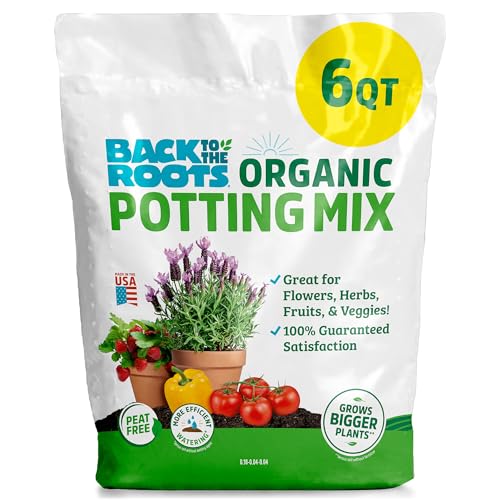 |
Back to the Roots Organic Potting Soil, | Check Price |
7 |
Grow Queen Craft Houseplant Potting Mix, Organic | Check Price |
8 |
Burpee Premium Organic Potting Mix Garden Soil | Check Price |
9 |
Miracle-Gro Potting Mix, 16 qt. (2-Pack) | Check Price |
10 |
FoxFarm Peace of Mind Houseplant Mix, 12qt | Check Price |
10 Best Potting Soils for Houseplants: Detailed Reviews
When I chose the best potting soil for houseplants, I paid attention to where each mix is meant to be used, what it says about moisture and drainage, and whether the bag includes fertilizer. Those details can help prevent a soggy pot, an unexpectedly fast-drying mix, or doubling up on plant food without meaning to.
The range here includes indoor-focused blends, peat-free options, small bags for one or two plants, and larger mixes that also suit outdoor containers. Comparing those details side by side makes it easier to match the soil to your plant and watering habits, rather than assuming one bag suits every pot in the house.
1. Miracle-Gro Organic Indoor Potting Mix, 16 qt.
Peat moss, coir, and natural fertilizer help manage watering swings, making this indoor mix useful for new houseplant owners.
- Size16.qt
- COVERAGEOne 16 qt. bag of Miracle-Gro Organic Indoor Potting Mix fills one 12-inch container with potting soil for indoor p
- WeightNot listed; check details
- DimensionsNot listed; check details
Miracle-Gro Organic Indoor Potting Mix is an indoor container blend for houseplants, herbs, and seed starting, especially useful if watering consistency is a struggle. Its ingredients include sphagnum peat moss, coir, and natural fertilizer, giving you a mix intended to hold and release moisture rather than leave watering entirely to guesswork.
Coir is made from coconut husk fiber and is used in growing mixes to help hold moisture. That can be useful when a pot dries faster than you expect, though moisture-holding ingredients don’t remove the need to check the soil before watering. The mix also includes quick-start natural fertilizer, so a newly potted plant gets some nutrients from the soil itself.
One 16-quart bag is described as enough to fill a 12-inch container, with the amount varying based on the root ball. That gives you a rough planning point for a larger pot, but it isn’t a promise that every 12-inch pot takes the same volume. The bag’s coverage note is handy when you’re estimating a repotting project.
A watch-out: the moisture-balancing purpose may not suit someone who prefers a very fast-draining, airy mix for plants that need their soil to dry quickly. Check the pot’s drainage holes and the plant’s care needs before planting; soil can’t compensate for a pot that traps water.
Pros:
- Peat moss and coir help manage moisture for indoor pots.
- Natural fertilizer is included for a ready-to-plant mix.
- Listed for houseplants, herbs, and seed starting.
- 16-quart bag offers useful volume for several smaller pots.
- Coverage guidance helps estimate soil for a 12-inch container.
Cons:
- Moisture-focused ingredients may not suit plants needing a very airy mix.
- Coverage changes with the size of the root ball.
- The bag is larger than needed for a single small pot.
Buy it if: you want an indoor mix with moisture-holding ingredients and some fertilizer already included.
Skip it if: you’re potting a plant that needs its mix to dry rapidly, because a more open, chunky blend may suit you better. For another fit, consider Back or Miracle.
I’d put Miracle-Gro Organic Indoor Potting Mix near the top for a beginner who wants one indoor-oriented bag with straightforward coverage guidance. The peat moss and coir explain why it’s intended to help manage watering swings, and the fertilizer means you should check the plant’s feeding routine before adding more. Confirm the bag size and the plant’s moisture needs before buying; it suits someone repotting common indoor containers who wants a general-purpose starting point.
2. Back to the Roots Organic Indoor Potting
Yucca extract helps retain moisture in a peat-free 6-quart mix, suited to a few indoor pots and smaller repotting jobs.
- Size6 Quart
- ColorIndoor Potting Mix
- Release Date2023-01-01T00:00:01Z
- Number Of Items1
Back to the Roots Organic Indoor Potting Soil is a compact indoor mix for a small houseplant collection or a single repotting project. Its peat-free blend includes yucca extract, which is described as helping the soil retain moisture, so it may suit someone whose pots tend to dry sooner than expected.
The mix also contains mycorrhizae, fungi used in growing media that associate with plant roots and can support nutrient uptake. That’s a less familiar ingredient than peat or coir, but the useful point for a beginner is simple: it’s included to support root development, not as a replacement for appropriate light, water, or care. Dolomitic limestone is also listed to balance soil acidity and alkalinity, which are measures of how acidic or basic the mix is.
The six-quart bag keeps the quantity manageable if you don’t want a large sack in a closet or garage. It’s described for indoor plants such as pothos, monstera, and ferns. There’s a trade-off: if you’re repotting several large plants, six quarts may not stretch very far, so estimate the amount before starting.
A claim that the blend is less prone to indoor gnats is tied to the stated absence of bark and compost. That may appeal to apartment growers, but no potting mix can guarantee a pest-free room, especially if other plants or damp organic debris are present. Keep the surface clean and avoid leaving excess water in saucers.
Pros:
- Peat-free formulation suits buyers avoiding peat-based mixes.
- Yucca extract is included to help retain soil moisture.
- Mycorrhizae are included to support root development.
- Six-quart bag is manageable for a small repotting job.
- Listed for indoor plants including pothos, monstera, and ferns.
Cons:
- Six quarts may be limiting for a large collection.
- Moisture retention may not fit plants that prefer a very dry mix.
- The gnat-related claim does not guarantee pest-free growing.
Buy it if: you want a modest-size, peat-free indoor mix with moisture retention ingredients.
Skip it if: you need a large supply for multiple big pots, because a larger bag may be more practical. Miracle-Gro Organic Indoor Potting Mix, 16 and Miracle-Gro Houseplant Potting Mix, 4 qt. are worth a closer look instead.
What I like about Back to the Roots is that the small bag and indoor focus make the decision fairly clear for a beginner with only a few pots. The peat-free formula and included root-support ingredient give it a distinct profile, while moisture retention may be a plus if your home’s pots dry quickly. Check the bag quantity and each plant’s drainage preference before buying; this is the one I’d consider for a limited indoor repotting project.
3. Miracle-Gro Houseplant Potting Mix, 4 qt.
The catalog lists INDOOR GROWING: Growing indoors is easy under the right conditions; Miracle-Gro Houseplant Potting Mix is an i. Compare fit and care needs before choosing.
- Size4 qt
- Color4 qt
- COVERAGEOne 4 qt. bag of Miracle-Gro Houseplant Potting Mix fills one 8-inch container; amounts may vary based on the size
- WeightNot listed; check details
Miracle-Gro Houseplant Potting Mix is a small indoor blend for tropical foliage plants such as pothos, spider plants, monstera, and philodendron. The four-quart quantity is geared toward a smaller repotting job, and the listed coverage is one 8-inch container, though the root ball changes how much soil a pot takes.
The mix contains fertilizer described as feeding houseplants for up to six months. That can reduce the need to add plant food right after repotting, but it also means you should read any fertilizer directions before combining it with another feed. The formula includes perlite, peat moss, and coir.
Perlite is a lightweight, porous material added to potting mixes to create air spaces and help water move through. Those spaces can help roots avoid sitting in compacted, wet soil, though the exact result depends on the whole mix and the pot’s drainage. The blend is described as less prone to fungus gnats because it doesn’t contain compost or bark, which are sometimes associated with indoor pest issues.
The main limitation is quantity: four quarts is not a generous stash for a home with many plants. Also, the product is intended for tropical houseplants, so check whether your specific plant needs a more specialized texture before repotting.
Pros:
- Indoor formula is listed for several common tropical houseplants.
- Perlite helps create air spaces in the mix.
- Fertilizer is described as feeding plants for up to six months.
- Four-quart bag suits a small potting task.
- Coverage note gives a rough guide for an 8-inch container.
Cons:**
- Four quarts may run short for several larger plants.
- Included fertilizer requires care before adding more plant food.
- It may not match plants that need a specialized chunky mix.
Buy it if: you’re repotting one or two tropical houseplants and want a mix with perlite and included fertilizer.
Skip it if: you’re refreshing a large collection, because the four-quart bag may be too small for the job. If those trade-offs rule it out, Miracle or Back may suit you better.
I’d choose Miracle-Gro Houseplant Potting Mix for a small, focused repot rather than as a bulk supply. Its perlite provides a plain reason to consider it if you want a less dense indoor mix, and the feeding period is clearly stated. Double-check the plant type and fertilizer instructions before purchase; this mix makes the most sense for a beginner potting a common tropical houseplant.
4. Rosy Soil Houseplant Potting Soil, Organic Indoor
The catalog lists ORGANIC INDOOR POTTING SOIL, MADE WITHOUT PEAT: Biochar, worm castings, mycorrhizae, compost, and bark fines r. Compare fit and care needs before choosing.
- Size4 Quarts
- ColorHouseplant
- Number Of Items1
- WeightNot listed; check details
Rosy Soil Houseplant Potting Soil is a small indoor blend for tropical plants and other houseplants, with bark fines, sand, biochar, worm castings, and mycorrhizae listed among its ingredients. That ingredient mix suggests a more textured option than a uniform, fine potting blend, which may suit someone who wants water to move through the pot rather than linger at the surface.
Biochar is a carbon-rich material used in growing mixes; here it is described as helping keep the soil structure open. Bark fines and sand also contribute to the mix’s texture, while the product description says those ingredients help water drain and air reach roots. For a beginner, the practical point is to keep checking the pot after watering, because a fast-moving mix still needs enough moisture for the plant.
Worm castings are included as an organic material that contributes nutrients, and mycorrhizae are listed as a root-support ingredient. The bag is four quarts and is said to fill two to three medium pots, so it could suit a small refresh rather than a whole indoor collection. Its stated compatibility list is broad, but plant-specific needs still matter.
One limit to consider is that a well-draining blend can dry sooner in a warm, bright spot or a small pot. If you tend to water by the calendar, check the soil with a finger first instead of watering simply because a certain number of days has passed.
Pros:
- Bark fines and sand contribute a textured, open mix.
- Biochar is included to help resist compaction.
- Worm castings and mycorrhizae are listed in the blend.
- Four-quart bag is described as enough for two to three medium pots.
- Resealable bag is useful for storing leftover soil.
Cons:
- Small bag may not cover a larger repotting project.
- Fast drainage can mean more frequent moisture checks.
- A chunky texture may not suit every plant’s preferred mix.
Buy it if: you want a textured indoor mix and plan to repot a few medium pots.
Skip it if: you need soil that stays evenly damp for longer, because a moisture-retentive mix may suit your watering routine better.
To me, Rosy Soil’s strongest reason to consider it is the emphasis on structure: bark fines, sand, and biochar are intended to keep the mix from becoming dense. That can be useful for plants that dislike staying wet, but a four-quart bag is a small amount and a draining mix asks you to pay attention to moisture. Check the ingredient list and expected pot count before buying; I’d consider it for someone who wants a textured, indoor-focused blend.
5. Miracle-Gro Moisture Control Potting Mix, 8 qt.
The catalog lists FEEDS UP TO 6 MONTHS: Miracle-Gro Moisture Control Potting Soil Mix feeds plants for up to 6 months and Grows . Compare fit and care needs before choosing.
- Size8 qt. (2-pack)
- Number Of Items2
- COVERAGEThis bundle comes with two 8 qt. bags of Miracle-Gro Moisture Control Potting Mix; each bag fills two 8-inch contai
- WeightNot listed; check details
Miracle-Gro Moisture Control Potting Mix is a two-bag bundle aimed at container plants, including flowers, vegetables, shrubs, and other potted plants. Its moisture-control formula is described as absorbing up to 33% more water than basic potting soil without sphagnum peat moss, coir, and wetting agent, making it a candidate for someone who often lets pots dry too far between waterings.
A wetting agent is an ingredient used to help water spread through a growing mix rather than bead up or run down one channel. The product also includes peat moss and coir, ingredients that hold water in the mix. That combination may be helpful if you’re still learning a watering rhythm, but it does not mean the soil should remain wet all the time.
The bundle contains two eight-quart bags, and each bag is described as filling two 8-inch containers, depending on the root ball. Fertilizer is also listed as feeding plants for up to six months. Since the product description includes both indoor and outdoor container uses, make sure the moisture behavior fits your particular houseplant instead of assuming every indoor pot wants extra water retention.
The limitation is right in the name: this mix puts a lot of attention on holding water. That can be less appealing for a plant that needs its soil to dry between waterings, so use a pot with drainage and inspect the soil before watering again.
Pros:
- Moisture-control ingredients help the mix hold water.
- Two eight-quart bags provide a useful supply for several pots.
- Fertilizer is described as feeding plants for up to six months.
- Coverage guidance helps estimate soil for 8-inch containers.
- Listed for a broad range of container plants.
Cons:
- Extra moisture retention may not suit plants that dry between watering.
- The bundle may be more soil than needed for one small plant.
- Included fertilizer means you should avoid casually doubling up on feed.
Buy it if: your indoor pots tend to dry quickly and you want a larger supply of moisture-focused mix.
Skip it if: your plant needs a fast-drying root zone, because a more open potting blend may suit it better.
I’d regard Miracle-Gro Moisture Control as a practical option for someone who knows their pots dry quickly, not as a universal solution to watering mistakes. The two-bag supply and stated fertilizer period are useful planning details, while the water-holding focus deserves a careful match to the plant. Check that your plant tolerates a moisture-retentive mix and that your pot drains freely; it suits a container grower who wants extra help avoiding dry soil.
6. Back to the Roots Organic Potting Soil,
The catalog lists Includes 6qt of Back to the Roots Premium Blend Potting Mix. 100% Organic and Peat-Free, made from upcycled pl. Compare fit and care needs before choosing.
- Size6 Quart
- ColorPremium Potting Mix
- WeightNot listed; check details
- DimensionsNot listed; check details
Back to the Roots Organic Potting Soil is an all-purpose, peat-free potting mix intended for indoor and outdoor plants, including herbs, vegetables, fruits, and flowers. The six-quart bag may fit a small project, and its broader use makes it worth considering if you want one kind of mix for both a few indoor pots and patio containers.
The ingredient notes mention upcycled plant matter and wood fines, plus yucca extract for moisture control. Yucca extract is included to help the mix hold moisture, so the blend may be a fit if you’d rather not have a pot dry out too quickly. Dolomitic limestone is also listed for pH balancing; pH is a measure of how acidic or basic the soil is, and it can affect how available nutrients are to plant roots.
The all-purpose positioning is convenient, but houseplants aren’t all alike. A moisture-retentive blend may not offer the fast drainage some indoor plants need, and the product description gives less detail about a specific houseplant texture than indoor-specific mixes do. Look at the plant’s care needs and the pot’s drainage before using it indoors.
This mix is described as peat-free and made in the USA, and a satisfaction guarantee is also stated. Treat those as buying details rather than a reason to skip checking how the blend suits your plant. The six-quart bag is not especially large if you’re repotting several mature plants.
Pros:
- Peat-free blend is intended for indoor and outdoor growing.
- Yucca extract is included for moisture control.
- Dolomitic limestone is listed for pH balancing.
- Six-quart amount suits a small mixed planting project.
- Broad use includes herbs, vegetables, fruits, and flowers.
Cons:
- General-purpose use gives less specific guidance for houseplants.
- Six quarts may not be enough for many large pots.
- Moisture control may not fit plants that need fast drying.
Buy it if: you want a peat-free mix for a few indoor pots and other container plants.
Skip it if: your houseplant needs a clearly specified airy texture, because a mix made for that need may be easier to match.
What I like about Back to the Roots Organic Potting Soil is its flexibility: the same six-quart bag is described for several kinds of container growing. The yucca extract and limestone give you some clues about moisture and pH, but this is less narrowly tailored to houseplants than a dedicated indoor mix. Read the plant’s soil needs and check the bag size before buying; it suits someone who wants a small general-purpose supply.
7. Grow Queen Craft Houseplant Potting Mix, Organic
The catalog lists INDOOR POTTING SOIL MADE FOR HOUSEPLANTS: A premium potting soil for indoor plants that replaces dense, generi. Compare fit and care needs before choosing.
- Size2 quarts
- Number Of Items1
- PICK YOUR SIZEChoose a small bag (2 or 4 quart) for a single repot or a large bag (8 or 12 quart) for a full plant shelf. Same cr
- WeightNot listed; check details
Grow Queen Craft Houseplant Potting Mix is a two-quart indoor blend for someone repotting one small plant or refreshing a limited amount of soil. Its listed ingredients include Douglas fir bark, lava rock, and pumice, creating a chunkier texture intended to drain well and leave air spaces around roots.
Pumice is a porous volcanic rock used in potting mixes to add structure and help water pass through. Lava rock is also included as a solid, coarse ingredient, while bark adds larger pieces that keep the mix from feeling like fine, compressed dirt. In practical terms, a chunky mix may help reduce the chance of a pot staying waterlogged, but it may also need closer moisture checks in a warm room.
The blend is described as pre-moistened and ready to use, which can save a step when you open the bag. It also includes worm castings and charged biochar, and the product description says it is peat-free and perlite-free. Because this bag contains only two quarts, it’s a very limited quantity for a full shelf of plants.
This kind of texture can be especially relevant if you’re comparing soil needs for pothos potting mix, but don’t assume a chunky formula is the right answer for every plant. Check the care needs of your actual plant, and make sure the mix’s ingredients and quantity match the size of the pot.
Pros:
- Bark, lava rock, and pumice create a chunky mix.
- Pre-moistened soil is described as ready to use.
- Worm castings and biochar are included.
- Peat-free and perlite-free formulation is clearly stated.
- Two-quart bag suits a small repot or refresh.
Cons:
- Two quarts is a small amount for a plant collection.
- Chunky, fast-draining texture may dry quickly in some settings.
- The product’s broad plant list doesn’t replace plant-specific care checks.
Buy it if: you’re repotting one small houseplant and want a chunky, ready-to-use mix.
Skip it if: you need enough soil for multiple medium or large pots, because this two-quart bag is limited.
I’d treat Grow Queen as a specialist-sized purchase: the texture and ready-to-use condition are its clearest strengths, and the small bag makes sense when you only need a little. Bark, lava rock, and pumice give a beginner a tangible reason to expect a more open blend, but that texture may not suit a plant that prefers consistently moist soil. Check both the pot size and the plant’s moisture preference; this mix fits a small, carefully chosen repot.
8. Burpee Premium Organic Potting Mix Garden Soil
The catalog lists SUPPORTS VIBRANT GROWTH: Transform your garden with our premium indoor/outdoor potting soil! This nutrient-ric. Compare fit and care needs before choosing.
- Size9 Quart
- ColorPotting Mix
- Number Of Items1
- WeightNot listed; check details
Burpee Premium Organic Potting Mix is a nine-quart blend described for indoor plants, outdoor containers, vegetables, flowers, and herbs. Coconut coir is listed as an ingredient, and the mix is described as supporting both moisture retention and drainage, which may suit someone who wants one bag for a variety of container jobs.
Coco coir is coconut fiber used in growing mixes to hold moisture while contributing texture. That can help keep a pot from drying too quickly, while the product description also says the mix supports drainage. A beginner should still think about the plant and pot together: a pot without drainage holes can stay wet even when the soil itself is intended to drain.
The mix is described as feeding plants immediately, with slow-release nutrition for up to three months. Slow-release means the nutrients are intended to become available over time rather than all at once, but you should still read the package before adding another fertilizer. The nine-quart bag is a middle-sized amount, enough to make sense for a small group of pots without committing to an especially large bundle.
One caution is that the product’s use cases include outdoor containers and garden plants, not only houseplants. If a particular indoor plant needs a very airy or low-moisture mix, the general-purpose description may not give you enough reason to choose it over a more targeted blend. Match the soil to the plant before pouring it into the pot.
Pros:
- Nine-quart bag gives a moderate quantity for container projects.
- Coco coir is included for moisture balance.
- Listed for indoor and outdoor container use.
- Nutrition is described as lasting up to three months.
- Intended for vegetables, flowers, and herbs as well as foliage plants.
Cons:
- General-purpose positioning is less specific than a houseplant-only blend.
- Included nutrition requires care before adding another fertilizer.
- May not suit plants that need a very airy, dry mix.
Buy it if: you want one medium-size bag for several kinds of container plants.
Skip it if: your houseplant has a strong need for very fast drainage, because a more open blend may be a closer fit.
Burpee’s useful feature is range: the nine-quart bag and broad container use may work for someone who keeps indoor plants and also pots herbs or flowers elsewhere. Coir and the stated feeding period are practical clues, but neither means it matches every houseplant’s preferred soil. Check the plant’s drainage needs and fertilizer instructions first; I’d consider it for a mixed container garden rather than a very specific indoor plant.
9. Miracle-Gro Potting Mix, 16 qt. (2-Pack)
The catalog lists FEEDS UP TO 6 MONTHS: Miracle-Gro Potting Mix is a gardening soil for outdoor containers that feeds all types . Compare fit and care needs before choosing.
- Size2-Pack
- ColorMulticolor
- Number Of Items1
- COVERAGEThis bundle includes two 16 qt. bags of Miracle-Gro Potting Mix, an outdoor potting soil; each bag fills one 12-inc
Miracle-Gro Potting Mix is a two-pack of 16-quart bags described mainly for outdoor container plants, including flowers, vegetables, herbs, and shrubs. The larger quantity makes it more suitable for several sizeable containers than a single indoor repot, but the outdoor emphasis is an important reason to check the details before using it for houseplants.
The mix is described as feeding plants for up to six months. That can be useful when filling containers, but houseplant owners should avoid adding a separate fertilizer automatically, because the soil already includes plant food. The product directions describe filling a pot partway, positioning the plant, and filling around it, which is a simple approach for a container with drainage.
Each 16-quart bag is described as filling one 12-inch container, though root-ball size can change the amount. Two bags give you plenty of volume for a group of larger pots or outdoor planters, but they may be awkward to store if you only have one small plant to repot. A large bag can be a bargain in volume and still be the wrong purchase for your actual job.
The key limitation is its outdoor-container focus, which makes this less straightforward for indoor houseplants than products explicitly described for indoor use. It may suit some container plants, but don’t infer a particular texture or moisture behavior that isn’t stated. Check the plant’s needs and the bag’s current directions before using it indoors.
Pros:
- Two 16-quart bags offer a large supply for containers.
- Fertilizer is described as feeding plants for up to six months.
- Coverage guidance is given for 12-inch containers.
- Listed for outdoor flowers, vegetables, herbs, and shrubs.
- Basic planting directions are provided.
Cons:
- Outdoor use is emphasized more than houseplant use.
- Two large bags may be excessive for a small indoor collection.
- Included fertilizer means additional feeding needs careful timing.
Buy it if: you need a large amount of mix for outdoor containers and want to use the remainder for suitable pots.
Skip it if: you’re choosing soil specifically for a sensitive indoor plant, because a houseplant-focused blend may give clearer guidance.
I’d rank Miracle-Gro Potting Mix lower for an indoor-only buyer because the outdoor-container focus leaves more questions about houseplant fit. The large two-bag quantity and six-month feeding statement are useful if you have many containers, but they can be overkill for a small apartment collection. Check the intended use and fertilizer directions before buying; this makes more sense for a container gardener than someone repotting one houseplant.
10. FoxFarm Peace of Mind Houseplant Mix, 12qt
The catalog lists Ready-to-Use Potting Mix: Plant your houseplants directly into the mix without any additional ingredients for . Compare fit and care needs before choosing.
- Size12 qt
- ColorBrown
- WeightNot listed; check details
- DimensionsNot listed; check details
FoxFarm Peace of Mind Houseplant Mix is a ready-to-use blend for indoor and outdoor potted plants, with a 12-quart bag. Its listed ingredients include aged forest products, sphagnum peat moss, coco coir, perlite, and fertilizer, so it combines materials intended to hold moisture with others that support air movement and drainage.
The mix is described as retaining moisture while also allowing drainage and aeration near the roots. Aeration means air can move through spaces in the soil, which matters because roots need more than water alone. Perlite is listed as one ingredient that can help create those spaces, while peat moss and coir contribute to the mix’s moisture behavior.
The product also includes bat guano, earthworm castings, and mycorrhizal fungi. These are included as nutrient or root-support ingredients, so the blend is presented as an all-in-one medium rather than a blank base that you must immediately amend. That can simplify setup, but check the fertilizer details and plant-specific needs before adding more nutrients.
The 12-quart size is a useful amount for more than one small pot, though the actual coverage depends on pot sizes and root balls. A ready-to-use mix can save blending time, but no single bag is a perfect match for every houseplant. Consider how quickly your plant’s soil should dry and whether you prefer a chunkier or finer texture.
Pros:
- Ready-to-use blend is described as an all-in-one potting medium.
- Perlite is included alongside peat moss and coco coir.
- Mix is intended to balance moisture and drainage.
- Twelve-quart bag offers a moderate supply for several pots.
- Mycorrhizal fungi, bat guano, and earthworm castings are listed.
Cons:
- Included fertilizer and nutrient materials call for checking feeding directions.
- A 12-quart bag may be more than needed for one small plant.
- The blend may not match every plant’s preferred texture or drying speed.
Buy it if: you want a ready-to-use houseplant mix with both moisture-holding and aerating ingredients.
Skip it if: you want a plain, low-input soil base, because a blend with fewer listed additions may suit your approach better.
I’d consider FoxFarm Peace of Mind for someone who wants a ready-to-use mix and doesn’t want to build a blend from separate ingredients. Its mix of peat, coir, and perlite gives a clear explanation of how it aims to balance water and air, while the added nutrient ingredients mean you should pay attention to feeding directions. Check the 12-quart amount and the exact needs of your plant before buying; it suits a grower who prefers an all-in-one starting mix.
How to Choose the Best Potting Soil for Houseplants
The best potting soil for houseplants matches the way your plant uses water, the pot’s drainage, and how often you can check it. Start with the plant’s care needs, then use bag ingredients and quantity as practical clues rather than picking by brand name alone.
Match the mix to the plant
Houseplants have different preferences: some tolerate soil that dries between waterings, while others do better when the mix stays lightly moist. A general indoor mix may be enough for familiar foliage plants, but a plant that needs especially open soil may call for bark, pumice, or other coarse ingredients. Check a reliable care label or plant reference for the plant name and its preferred moisture level before choosing.
If you’re learning what potting soil is, remember that bagged potting mix is a prepared growing medium, not garden dirt scooped from outside. It may contain materials for moisture, drainage, or feeding, and the combination affects how the plant behaves after watering. Ingredients are useful clues, but the full mix and the pot matter too.
Check drainage and texture
A good mix for a houseplant should hold enough water for the roots while letting excess water escape. Look for terms such as coir, peat moss, perlite, bark, pumice, or lava rock, and consider what those materials are there to do. Fine, water-holding blends can suit some plants; chunkier blends may suit plants that need more air around the roots.
“Fast draining” does not mean “never water,” and “moisture control” does not mean you can ignore a wet pot. If a mix seems very dense, it can be difficult to judge the wet center by looking at the surface. A pot with drainage holes gives excess water somewhere to go, which is a more reliable safeguard than hoping the soil alone will fix standing water.
Decide how much fertilizer you want
Some mixes include fertilizer, with product directions describing a feeding period such as three or six months. That can make setup simpler, but it also changes your feeding schedule. Read the label before using liquid plant food or fertilizer granules, so you don’t accidentally add more than the plant needs.
If the soil is a plain base without much nutrition, you may need to feed according to the plant’s normal schedule. Don’t treat every yellow leaf as proof that the soil needs fertilizer; light, water, pests, and root condition can also affect leaves. If you’re unsure, first check moisture, light, and whether the pot drains properly.
Choose a bag size that fits the job
Bag sizes in this group range from two quarts to two 16-quart bags. A quart is a volume measure, and the amount used depends on pot shape, pot size, and how much root ball is already taking up space. Use the package’s coverage note when available, then allow a little margin if you’re repotting more than one plant.
Small bags are easier to store and make sense for one modest pot, while large bags reduce the chance of running short during a group repot. But leftover soil needs to be stored dry and sealed, so buying more than you can use is not automatically a saving. Make a quick list of the pots you plan to fill before shopping.
Think about peat-free and organic labels
Peat-free mixes use other materials in place of peat moss, while organic wording describes the product’s stated composition or production category. These terms do not tell you by themselves whether a mix drains quickly, holds a lot of water, or fits a specific plant. Look at the listed ingredients and the growing use described on the bag.
If you’re comparing ingredients or planning a homemade blend, making indoor potting soil calls for careful measuring and clean materials rather than guesswork. A homemade mix can be adjusted, but mixing separate ingredients takes storage space and may leave you with too much of one component. For many beginners, a ready-to-use bag is simpler unless there’s a clear reason to change the texture.
Consider the plant’s pot and room
The pot changes how quickly soil dries. Small pots and porous containers can dry more quickly than larger containers or glazed pots, while a bright, warm windowsill can dry a plant faster than a cool, dim corner. These differences mean the same bag may behave differently from one room to another.
Check for drainage holes and use a saucer to protect furniture, emptying standing water after watering. If you grow several kinds of houseplants, consider keeping a basic indoor mix plus a small amount of a chunkier material for plants that need a more open texture. Avoid changing every plant’s soil without a reason; repotting itself can stress a plant.
How to Use Potting Soil for Houseplants for the Best Results
Prepare the pot and roots before adding soil, then water thoroughly and let the excess drain. A calm, tidy setup helps avoid compacted mix, buried stems, and a living room floor covered in stray potting soil.
- Choose a suitable pot. Use a clean container with drainage holes and enough room for the root ball. A pot that is dramatically larger than the root mass can hold more wet soil than the plant can use.
- Read the bag directions. Check whether the mix includes fertilizer, whether it is ready to use, and what the package says about watering. Instructions matter because mixes differ in texture and feeding.
- Prepare the soil. If the bagged mix is dry and dusty, gently loosen it before filling. Don’t crush the texture into a dense lump; roots need spaces in the mix.
- Check the root ball. Ease the plant from its old pot and loosen roots only if they are tightly circling or compacted. Avoid tearing healthy roots just to make them fit a new container.
- Set the plant at the right height. Add enough mix to support the root ball, then place the plant so its stem sits near its previous soil line. Burying a stem too deeply can create problems for some plants.
- Fill around the roots. Add soil in small amounts and tap the pot gently to settle it. Press lightly rather than packing it down hard, because compressed soil can leave less room for air and water movement.
- Water and let the pot drain. Water the soil evenly until excess begins to leave the drainage holes, then let the pot finish draining before returning it to a saucer or cover pot.
- Watch before watering again. Check the soil instead of following a fixed calendar. The surface can dry while the middle remains damp, so use a finger or a simple moisture check appropriate to the pot.
After repotting, give the plant its usual suitable light and avoid adding extra fertilizer unless the bag directions and plant care needs call for it. A short period of adjustment is normal after roots have been moved, so don’t respond to every drooping leaf by pouring in more water.
How to Make Your Houseplant Potting Soil Last Longer
Store unused potting soil sealed, dry, and away from rain, pests, and direct contact with the floor. The aim is to keep the mix from becoming soaked, contaminated, or compacted before you use it.
Close the bag after each use, or transfer the mix to a clean container with a lid if the original bag will not reseal. Keep the container in a dry spot such as a sheltered storage area, and label it if you have more than one kind of mix. Don’t store a damp bag in a hot, closed space and assume it will stay fresh indefinitely.
Use clean scoops and avoid putting used soil back into the fresh bag. Old potting soil can carry roots, pests, or disease from a previous pot, so keep it separate unless you know it is suitable for reuse. If the mix smells sour, is waterlogged, or has visible pests, don’t use it for a plant you’re trying to protect.
Check stored mix before planting. If it has dried into hard clumps, loosen it gently and see whether water can spread through it; if water runs straight down the sides, the mix may need rehydration or replacement. Don’t add water until the whole bag is soggy, since that makes storage messier and may encourage unwanted growth.
Follow fertilizer directions on the bag and keep note of when you repotted. That simple record helps you avoid feeding too soon when the mix already contains nutrients. When the stated feeding period has passed, use the plant’s normal care routine rather than assuming every pot needs the same dose.
Common Mistakes to Avoid When Buying and Using Houseplant Potting Soil
Most soil problems come from a mismatch between the mix, the pot, and the plant’s watering needs. These habits are easy to correct before they turn a straightforward repot into a rescue mission.
- Buying by the word “indoor” alone: Indoor use doesn’t guarantee a mix suits every plant. Check the ingredients and whether the plant prefers moisture retention or quick drainage.
- Choosing a bag that’s too small: Running out halfway through a repot can leave roots exposed. Estimate the pots you’ll fill and use the package’s coverage note.
- Buying a huge bag for one small plant: Leftovers take space and need proper storage. Pick a small bag if you only have one modest pot to fill.
- Using a pot without drainage: Water can collect below the root ball even if the surface looks fine. Choose a pot with holes and empty the saucer after watering.
- Watering on a fixed schedule: Soil dries at different speeds in different rooms and pots. Check the mix before watering instead of relying only on the calendar.
- Adding fertilizer without reading the soil label: Some blends already include nutrients. Check the stated feeding period before adding another source of plant food.
- Pressing the mix down hard: Dense soil can limit the open spaces roots need. Settle the mix with a gentle tap and light pressure.
- Assuming all plants want the same texture: A moisture-holding mix can be wrong for a plant that needs fast drainage. Match the blend to the plant’s care needs.
- Putting wet leftover soil away: Damp storage can change the mix and make it unpleasant to handle later. Seal the bag only when the soil is in a suitable dry condition.
- Repotting without checking the root ball: Old soil and circling roots affect how much new mix the pot needs. Inspect the roots and estimate the space before filling.
A small adjustment can often prevent the common cycle of watering too soon, finding a soggy pot, then letting it dry too far. Keep the plant label or care notes nearby when you repot, especially if you’re using a mix with fertilizer or a very different texture.
How to Set Up Potting Soil for Houseplants
Potting soil setup is straightforward when you prepare the pot, check the bag, and keep the plant at its original soil depth. Take a few minutes to make the workspace and drainage plan before opening the mix.
- Clear a work surface. Lay down newspaper, a washable tray, or another easy-to-clean cover. This keeps loose soil away from carpets and counters.
- Check the container. Confirm the pot has drainage holes and is clean. If it has no holes, choose a different planting pot rather than relying on a layer of stones to manage excess water.
- Read the soil label. Note the listed plant uses, fertilizer details, and any watering directions. The common stumble is forgetting that a mix may already contain plant food.
- Open and loosen the mix. Break up only hard clumps and keep the blend’s texture intact. Don’t mash a chunky mix into fine particles.
- Add a small base layer. Put enough soil in the pot to raise the root ball to the right height. Test the position before filling around the plant.
- Place the plant and fill gaps. Add mix around the root ball without burying the stem or packing soil tightly. Tap the sides gently to settle loose pockets.
- Water slowly. Wet the soil evenly and pause if water is running over the rim. Let excess water escape through the holes.
- Clean up and store leftovers. Wipe the pot and work surface, close the soil bag, and put it somewhere dry. Don’t leave an open bag where rain or pets can reach it.
For a homemade blend, write down the ingredients and proportions you use, and make only a small batch at first. If you want to compare a premade bag with a houseplant soil mix guide, focus on texture, drainage, and watering habits rather than trying to copy an ingredient list without a clear purpose.
Common Questions About Potting Soil for Houseplants
What is the difference between potting soil and garden soil?
Potting soil or potting mix is made for growing plants in containers, while garden soil is intended for outdoor ground use. A container needs a growing medium that works within the limits of a pot, especially around water movement and root space. Don’t scoop ordinary yard soil into a houseplant pot as a substitute for a bagged container mix.
How often should I replace potting soil in houseplants?
There isn’t one schedule that fits every houseplant, because soil condition, watering, and plant growth vary. Consider repotting when the mix has become compacted, drains poorly, or the plant has outgrown its container, and follow the plant’s care needs. If the plant is healthy and the soil still behaves well, changing it just because a calendar says so may be unnecessary.
Can I use outdoor potting mix for indoor plants?
Sometimes, but check the product’s stated uses and the plant’s moisture needs before using an outdoor-focused mix indoors. Outdoor formulas may include fertilizer or be designed around different container conditions, so don’t assume they are interchangeable with a houseplant-specific blend. Use a pot with drainage and observe how quickly the soil dries after the first watering.
Should I add fertilizer when repotting a houseplant?
Only add fertilizer if the soil directions and the plant’s feeding routine call for it. Some mixes include nutrients and state how long they are intended to feed plants, so adding more immediately may be unnecessary. Keep the bag or note its feeding guidance, then resume a suitable feeding schedule when that period ends.
How much potting soil do I need for a houseplant?
The amount depends on the pot’s size and shape, plus how much room the root ball takes up. Use the bag’s coverage note as a rough estimate, then allow for the other pots in your project. A quart measures volume, not the number of pots it fills, so a deep or wide container can use more than expected.
Is peat-free potting soil better for houseplants?
Peat-free is a preference about ingredients, not a guarantee that a mix is better for every houseplant. Peat-free blends can use materials such as coir, bark, or other plant matter, and those ingredients affect moisture and texture differently. Check what the mix contains and whether its drainage suits your plant before choosing based on the label alone.
Make Your Next Repot Easier
Before you buy, write down the plant you’re repotting, the pot’s approximate size, and whether its soil should dry quickly or stay lightly moist. Then choose a bag whose listed ingredients, quantity, and fertilizer directions fit that job, and confirm the pot has drainage holes before you bring the soil home.

I’m Maya L. Greenwood, a lifelong plant lover who believes anyone can grow something beautiful with the right guidance. After years of testing soil mixes, pruning methods, irrigation tricks, and pest-safe solutions, I started EasyGardenTips.com to turn hard-won lessons into step-by-step advice. From seed starting and container gardens to composting and seasonal checklists, my goal is to make gardening simple, sustainable, and fun.
2 Comments