
10 Best Potting Soil for Container Gardening: Mixes That Perform
A bag of potting soil can look right on the shelf and still cause trouble once it’s in your container. A mix that stays soggy can leave roots struggling, while a small bag may run out halfway through filling a planter. If the mix is meant for the wrong setting or plant, you may spend the season adjusting watering and feeding instead of enjoying the garden.
The right choice depends first on where the pot will live and what you plan to grow. A patio vegetable container needs a different match than a houseplant on a shelf, and a fertilizer already in the mix affects when you’ll need to feed again.
Here’s what this guide helps you sort out:
- Which mixes suit outdoor pots, indoor plants, and specific crops.
- How to estimate bag coverage before you start filling containers.
- What moisture control and built-in fertilizer do, and what they don’t do.
- How to avoid common mistakes with pot size, drainage, and watering.
Quick Picks
-
Best For Outdoor Container Plants

Miracle-Gro Organic Outdoor Potting Mix, 16 qt.
A natural fertilizer feeds outdoor container plants for up to two months, suiting gardeners who want a ready-to-use mix.
-
Best For Indoor Houseplants

Miracle-Gro Organic Indoor Potting Mix, 16 qt.
Peat moss, coir, and natural fertilizer make a moisture-regulating mix for houseplants, herbs, and starting seeds indoors.
Top 10 Potting Soils for Container Gardening at a Glance
The first choices to consider are Miracle-Gro Outdoor Mix for outdoor containers and Miracle-Gro Indoor Mix for houseplants or seeds. The group also includes larger multi-bag options, moisture-control blends, a compressed coir brick, and one repotting mat, so check the intended use before choosing a bag.
| Product image | Product name | Check product |
|---|---|---|
| 1 |
Miracle-Gro Organic Outdoor Potting Mix, 16 qt. | Check Price |
| 2 |
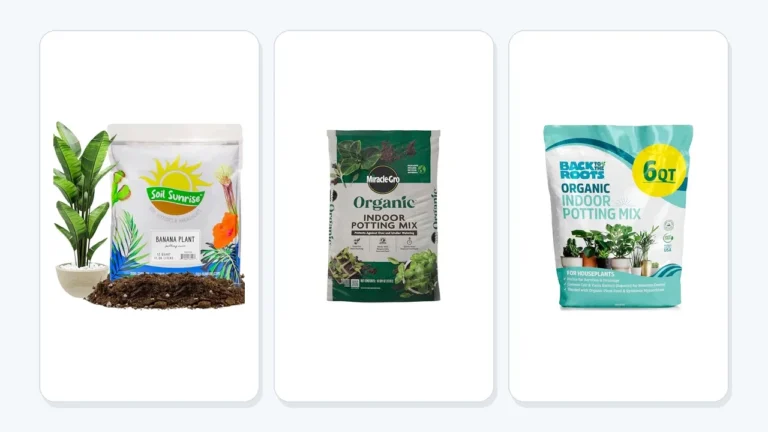
Miracle-Gro Organic Indoor Potting Mix, 16 qt. | Check Price |
3 |
Miracle-Gro Potting Mix, 16 qt. (2-Pack) | Check Price |
4 |
Miracle-Gro Moisture Control Potting Mix, 8 qt. | Check Price |
5 |
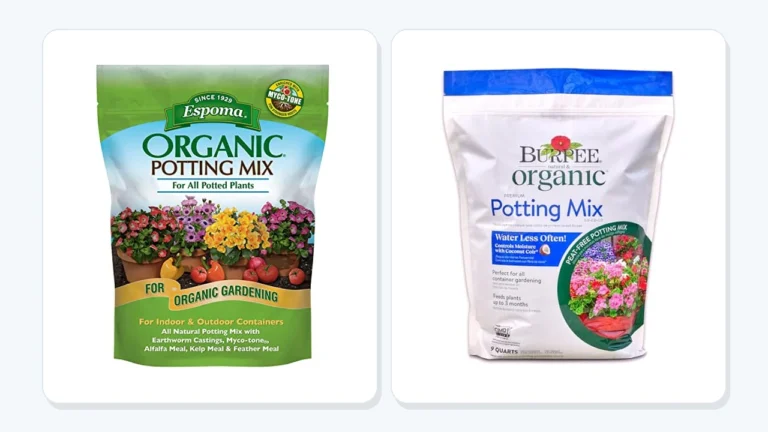
Burpee Premium Organic Potting Mix Garden Soil | Check Price |
6 |
Back to the Roots Organic Expanding Potting | Check Price |
7 |
Azureblue Plant Repotting Mat for Indoor Plants | Check Price |
8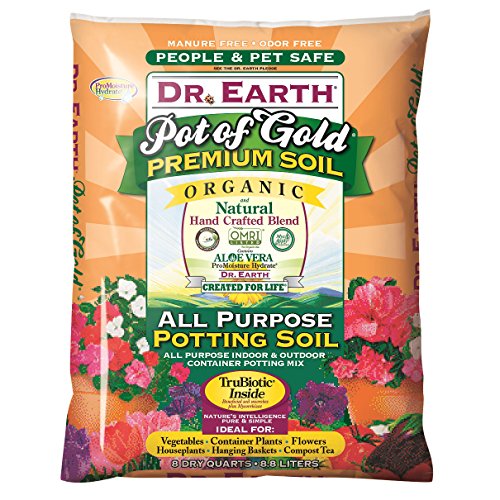 |
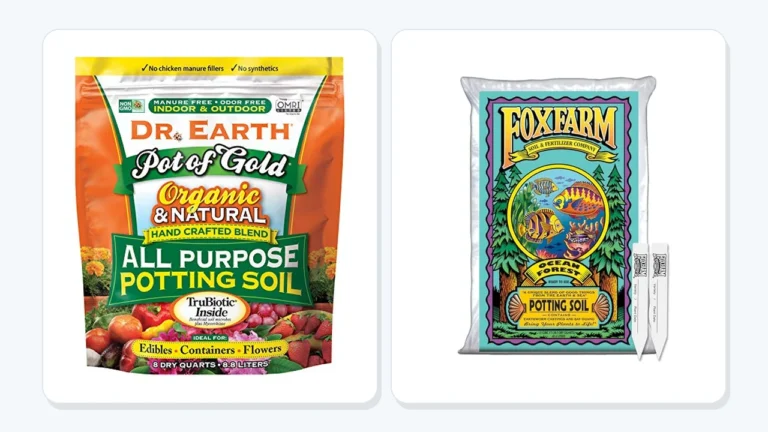
Dr. Earth Gold Premium Potting Soil, 8 | Check Price |
9 |
Perfect Plants Blueberry Soil, 8 qt, Acidic | Check Price |
10 |
Potting Mix Soil 6 QT for Indoor | Check Price |
10 Best Potting Soils for Container Gardening: Detailed Reviews
When I chose the best potting soil for container gardening, I focused on where each mix is intended to be used, what the available details say about moisture and feeding, and how much the package can fill. Those points help prevent a soggy indoor pot, a surprise run to buy more mix, or an unnecessary extra feeding.
The range includes mixes for outdoor and indoor growing, general-purpose containers, and narrower needs such as blueberries. One entry is a potting mat rather than soil, so I call that out plainly; comparing the use and coverage details makes it easier to pick something that fits your actual project.
1. Miracle-Gro Organic Outdoor Potting Mix, 16 qt.
A natural fertilizer feeds outdoor container plants for up to two months, suiting gardeners who want a ready-to-use mix.
- Size16QT
- Colorbrown
- Number Of Items1
- COVERAGEOne 16 qt. bag of Miracle-Gro Organic Outdoor Potting Mix fills one 12-inch pot with garden soil for containers (am
Miracle-Gro Outdoor Mix is a ready-to-use potting mix for people filling outdoor containers with flowers, vegetables, herbs, annuals, or perennials. The 16-quart bag is stated to fill one 12-inch pot, though the root ball changes how much mix a container needs.
The mix contains quick-release natural fertilizer, which means plant nutrients are made available soon after planting rather than only much later. The stated feeding period is up to two months, so a beginner has a little time before needing to think about fertilizer; still, read plant-specific feeding directions before adding more.
The mix uses responsibly sourced peat, with the feature information stating that all peat comes from certified producers. Peat is a common ingredient in potting mixes that helps hold moisture, but a pot still needs drainage holes, and a moisture-holding mix should not be treated as a reason to water on a fixed schedule.
Pros:
- Outdoor container use covers flowers, vegetables, herbs, and shrubs.
- Natural fertilizer feeds plants for up to two months.
- 16-quart bag has stated coverage for one 12-inch pot.
- Planting directions explain filling, covering, and watering.
Cons:
- Intended for outdoor use, not described as an indoor blend.
- Feeding period is limited to up to two months.
- Coverage varies with the plant’s root ball.
Buy it if: you’re planting an outdoor flower or vegetable container, because the mix is designed for those uses and includes natural fertilizer.
Skip it if: you need a mix specifically made for indoor houseplants, because this bag is described for outdoor containers and an indoor potting mix would suit you better. For another fit, consider Miracle-Gro Organic Indoor Potting Mix, 16 or Miracle-Gro Potting Mix, 16 qt. (2-Pack).
I’d consider Miracle-Gro Outdoor Mix a practical starting point for an outdoor pot because its intended uses and feeding period are easy to understand. The stated coverage gives you a useful estimate, not a promise for every pot shape. Check that your container has a drainage hole and that the outdoor use matches your plants before you buy.
2. Miracle-Gro Organic Indoor Potting Mix, 16 qt.
Peat moss, coir, and natural fertilizer make a moisture-regulating mix for houseplants, herbs, and starting seeds indoors.
- Size16.qt
- COVERAGEOne 16 qt. bag of Miracle-Gro Organic Indoor Potting Mix fills one 12-inch container with potting soil for indoor p
- WeightNot listed; check details
- DimensionsNot listed; check details
Miracle-Gro Indoor Mix is intended for indoor container plants, including houseplants and herbs, and it can also be used for starting seeds. Its moisture-regulating purpose makes it a reasonable option for someone who is still learning how quickly an indoor pot dries.
The blend includes sphagnum peat moss and coir, two plant-based materials used in potting mixes to help manage moisture. The feature description says the mix helps protect against over- and under-watering; that does not mean watering mistakes are impossible, so check the soil and let excess water drain instead of leaving a pot sitting in a full saucer.
Natural fertilizer is included for a quick start, and the 16-quart bag is stated to fill one 12-inch container. Root balls and container shape change that estimate, so if you’re repotting several large plants, work out the number of pots first rather than assuming one bag will stretch farther.
Pros:
- Intended for indoor houseplants and herbs.
- Can also be used for starting seeds.
- Peat moss and coir help regulate moisture.
- Natural fertilizer is included in the mix.
- Stated 16-quart coverage is one 12-inch container.
Cons:
- Only one size value is available here, 16.qt.
- Coverage changes with the root ball and pot shape.
- Moisture control does not replace drainage or checking the soil.
Buy it if: you’re filling indoor containers or starting seeds, because the mix is intended for those uses and is made to help regulate moisture.
Skip it if: you’re filling outdoor patio planters, because this blend is described for indoor use and an outdoor container mix would be a more direct match. Miracle-Gro Organic Outdoor Potting Mix, 16 and Miracle-Gro Potting Mix, 16 qt. (2-Pack) are worth a closer look instead.
What I like about Miracle-Gro Indoor Mix is that it addresses the everyday indoor challenge of judging moisture without claiming that care no longer matters. The combination of peat, coir, and natural fertilizer gives a beginner clear reasons to consider it. Check the package directions and make sure the container can drain before planting.
3. Miracle-Gro Potting Mix, 16 qt. (2-Pack)
The catalog lists FEEDS UP TO 6 MONTHS: Miracle-Gro Potting Mix is a gardening soil for outdoor containers that feeds all types . Compare fit and care needs before choosing.
- Size2-Pack
- ColorMulticolor
- Number Of Items1
- COVERAGEThis bundle includes two 16 qt. bags of Miracle-Gro Potting Mix, an outdoor potting soil; each bag fills one 12-inc
Miracle-Gro Potting Mix is an outdoor container blend offered here as a two-pack of 16-quart bags. It suits someone who needs more than one container’s worth of mix and wants a fertilizer period longer than the two months stated for the first pick.
The package details say the mix feeds potted plants for up to six months. That can reduce how soon you need to plan another feeding, but it is not a reason to ignore the needs of a particular crop or to add fertilizer without checking the plant’s instructions.
The described uses include flowers, vegetables, herbs, shrubs, annuals, and perennials. Each 16-quart bag is stated to fill one 12-inch container, with actual coverage varying by root-ball size; a two-pack is helpful for multiple pots, but estimate the total volume before opening both bags.
Pros:
- Two 16-quart bags suit projects with multiple containers.
- Intended for a wide range of outdoor potted plants.
- Feeding period is stated as up to six months.
- Each bag has a stated 12-inch-pot coverage estimate.
Cons:**
- The fertilizer period may not suit every plant’s feeding needs.
- Two bags may be more mix than a small project requires.
- Coverage varies with root-ball size.
Buy it if: you’re filling several outdoor containers, because the two-bag pack and stated feeding period can cover a larger planting project.
Skip it if: you only need a little mix for one small pot, because two bags may leave you storing more than your project needs. If those trade-offs rule it out, Miracle-Gro Organic Outdoor Potting Mix, 16 or Miracle-Gro Organic Indoor Potting Mix, 16 may suit you better.
I’d look at Miracle-Gro Potting Mix when the job includes several outdoor pots and the feeding interval matters to you. Its pack size and range of stated plant uses make the purpose fairly clear. Before buying, check the quantity you need and the feeding guidance for the plants you’ll grow.
4. Miracle-Gro Moisture Control Potting Mix, 8 qt.
The catalog lists FEEDS UP TO 6 MONTHS: Miracle-Gro Moisture Control Potting Soil Mix feeds plants for up to 6 months and Grows . Compare fit and care needs before choosing.
- Size8 qt. (2-pack)
- Number Of Items2
- COVERAGEThis bundle comes with two 8 qt. bags of Miracle-Gro Moisture Control Potting Mix; each bag fills two 8-inch contai
- WeightNot listed; check details
Miracle-Gro Moisture Control is an outdoor potting mix sold in two 8-quart bags. It’s aimed at container gardeners who want help managing watering, including people who sometimes water too much or let pots dry too far between checks.
The mix is described as absorbing up to 33% more water than basic potting soil without sphagnum peat moss, coir, and a wetting agent. A wetting agent helps water spread through dry mix instead of running off; the claim is about water absorption, not a promise that your pot will never dry out or become too wet.
The feature details say the mix feeds plants for up to six months and is intended for flowers, vegetables, annuals, perennials, and shrubs in containers. Follow the planting directions to use a pot with a drainage hole, water thoroughly, and let the excess drain; moisture-holding mixes still need a sensible watering routine.
Pros:
- Two 8-quart bags suit several smaller pots.
- Moisture-control ingredients are intended to help manage watering.
- Up to 33% more water absorption is stated for the comparison described.
- Feeding period is listed as up to six months.
- Intended for multiple outdoor container plant types.
Cons:
- A moisture-holding mix still requires drainage and regular checks.
- The two-bag quantity may not cover a large planter project.
- The 33% comparison is not a measure of watering frequency.
Buy it if: you tend to water unevenly, because this outdoor mix is designed to help manage moisture in container soil.
Skip it if: your main need is a small indoor seed-starting blend, because this mix is described for outdoor containers and an indoor potting mix would fit better.
To me, Miracle-Gro Moisture Control is most appealing when watering consistency is your sticking point, not when you want to stop paying attention to a pot. Its stated absorption comparison and feeding window make it distinct from a basic container mix. Check the drainage in your pots and confirm the two-bag amount suits the project.
5. Burpee Premium Organic Potting Mix Garden Soil
The catalog lists SUPPORTS VIBRANT GROWTH: Transform your garden with our premium indoor/outdoor potting soil! This nutrient-ric. Compare fit and care needs before choosing.
- Size9 Quart
- ColorPotting Mix
- Number Of Items1
- WeightNot listed; check details
Burpee Organic Mix is a 9-quart potting mix described for indoor plants, outdoor containers, pots, and raised beds. It may suit someone who wants one compact bag for vegetables, flowers, or herbs and prefers a mix with coconut coir.
Coconut coir is a material made from coconut fiber that can help a mix hold moisture while allowing air and water to move through it. The product features describe coir as supporting moisture balance and drainage, which can be useful in containers where soil volume is limited; the actual result still depends on the pot, plant, and watering habits.
The mix is described as feeding plants immediately and providing slow-release nutrition for up to three months. The listing also identifies a 9-quart bag, so it’s a smaller amount than the 16-quart options above; check how many pots you’re filling before deciding one bag is enough.
Pros:
- Described for indoor plants and outdoor containers.
- Coconut coir supports moisture balance and drainage.
- Intended for vegetables, flowers, and herbs.
- Feeding is described as immediate and lasting up to three months.
- 9-quart size is manageable for a modest project.
Cons:
- 9 quarts may not stretch across several large containers.
- The feeding period is shorter than some options in this roundup.
- Specific pot coverage is not stated.
Buy it if: you need a smaller mix for indoor or outdoor containers, because the 9-quart bag is described for several common plant types.
Skip it if: you’re filling a large group of deep planters, because the bag is relatively small and a larger quantity would suit the job better.
I’d put Burpee Organic Mix on the list for someone who wants flexibility across indoor and outdoor pots without buying a very large bag. The coir and stated feeding period give you useful points to consider, though the coverage is not specified. Check the bag quantity against your container volume and plant count before ordering.
6. Back to the Roots Organic Expanding Potting
The catalog lists A balanced pH, which means it’s truly all-purpose. Use alone or as an amendment for anything in a pot or in th. Compare fit and care needs before choosing.
- Size51 Quart
- ColorExpanding Potting Mix
- WeightNot listed; check details
- DimensionsNot listed; check details
Back to the Roots Coir Brick is a compressed potting medium made from coconut coir, intended for gardeners who want a large amount of mix after preparing a compact brick. The stated expansion is 51 quarts, which makes it a different kind of purchase from a loose bag ready to pour.
A compressed coir brick is tightly packed material that expands when prepared according to its directions. The listed size is 51 quarts, and the product is described as peat-free; those traits may appeal if you need a larger volume or want to avoid peat, but allow for the preparation step and check how much water the package says to add.
The feature details describe the mix as all-purpose, with a balanced pH, and suitable alone or as an amendment for containers, in-ground planting, and seed starting. Coir is not automatically a complete fertilizer plan, so check the planting and feeding needs of the crop rather than assuming every plant will get all the nutrition it needs from the medium.
Pros:
- Expands to a stated 51 quarts.
- Compressed format takes less space before preparation.
- Peat-free coir suits gardeners seeking a peat-free medium.
- Described for containers, in-ground use, and seed starting.
- Can be used alone or as an amendment.
Cons:
- Requires preparation rather than pouring straight from a loose soil bag.
- The expanded volume may be more than a small project needs.
- Crop-specific fertilizer needs still need attention.
Buy it if: you need a large volume and can prepare the medium first, because the compressed brick is stated to expand to 51 quarts.
Skip it if: you want ready-to-use loose mix for one small pot, because preparing a large brick may be more work and volume than you need.
What I like about Back to the Roots Coir Brick is the clear difference between its compact storage form and its expanded amount. That can make sense for a larger planting session, but the preparation is part of the job, not a detail to discover after opening the package. Check the instructions and plan where you’ll use or store the expanded coir.
7. Azureblue Plant Repotting Mat for Indoor Plants
The catalog lists Must-Have gardening accessories: Getting dirt everywhere when potting/repotting house plants? The waterproof i. Compare fit and care needs before choosing.
- SizeSmall 26.8 x 26.8″
- ColorGreen
- Number Of Items1
- Thick Material & High Side WallThe plant mat for repotting is made of thick PE fabric, which is waterproof and stain resistant, durable and reusab
Azureblue Repotting Mat is not potting soil; it’s a waterproof mat for containing the mess while you repot indoor plants. It may be useful for an apartment gardener who wants to keep loose mix and spilled water off a table or floor.
The mat is described as thick PE fabric, which is a type of plastic, with waterproof and stain-resistant properties. Its corners snap together to make raised sides, so loose potting mix is less likely to scatter during a small repotting job; it doesn’t replace the soil or a pot with drainage.
The stated size is Small 26.8 x 26.8″, and the mat folds for storage. You can rinse it with water according to the feature details, but make sure it is dry before folding it away so damp soil residue doesn’t linger in storage.
Pros:
- Waterproof surface helps contain soil and water during repotting.
- Snap corners form raised sides around the work area.
- Folds for compact storage.
- Stated 26.8 x 26.8-inch size suits small indoor jobs.
- Rinses with water according to the product details.
Cons:
- This is an accessory, not a potting mix.
- Small size may limit larger repotting projects.
- You still need soil, a container, and a separate planting setup.
Buy it if: you already have soil and want to contain indoor repotting mess, because the waterproof surface and snap corners make a small work area.
Skip it if: your main goal is buying growing medium, because the mat is an accessory and a bag or brick of potting mix would better meet that need.
I’d treat Azureblue Repotting Mat as a useful cleanup accessory, not as an answer to the soil question. The compact size and raised corners make sense for small indoor jobs, while the distinction matters if you’re shopping for growing medium. Check the dimensions against your largest pot before deciding whether the work surface is big enough.
8. Dr. Earth Gold Premium Potting Soil, 8
The catalog lists Soil comes in an 8 qt. bag, includes Pro-Moisture Hydrate, is OMRI listed, MycoApply certified and perfectly s. Compare fit and care needs before choosing.
- Size8 quarts
- Colorcolor
- Number Of Items1
- Power source typeCorded Electric
Dr. Earth Gold Soil is an 8-quart mix described for indoor and outdoor containers, including herbs, vegetables, flowers, and other potted plants. The listed uses also include seed cover, transplanting, and some soil-amendment jobs, so it’s aimed at gardeners who want several possible uses from one bag.
The product details list Pro-Moisture Hydrate and organic ingredients. They also describe mycorrhizae, beneficial fungi associated with plant roots, and TruBiotic soil microbes; these ingredients are a feature of the mix, not a guarantee that every plant will thrive regardless of light, watering, or care.
The 8-quart size is modest, so it may be easiest to plan for a few smaller pots rather than a large container garden. The features mention several applications but do not specify how many pots the bag fills, so use your container dimensions and the package directions to estimate what you’ll need.
Pros:
- Described for indoor and outdoor container use.
- Intended for herbs, vegetables, flowers, and other potted plants.
- Includes Pro-Moisture Hydrate according to the product details.
- Features TruBiotic microbes and mycorrhizae.
- Also described for seed cover and transplanting.
Cons:
- 8 quarts may be too little for several large pots.
- Specific container coverage is not stated.
- Broad use descriptions do not replace crop-specific care.
Buy it if: you want a small bag described for indoor and outdoor plants, because the listed uses cover several common container projects.
Skip it if: you need a large amount with a clear pot-coverage estimate, because this bag is 8 quarts and no specific coverage is stated.
I’d consider Dr. Earth Gold Soil for a small, mixed planting project where the indoor and outdoor uses are helpful. The listed ingredients may interest gardeners who pay attention to soil biology, but they don’t remove the need to meet each plant’s growing needs.
Confirm the bag volume and intended use on the package before planning a larger garden around it.
9. Perfect Plants Blueberry Soil, 8 qt, Acidic
The catalog lists Peat moss naturally acidifies the soil, making it perfect for plants that thrive in acidic environments—no nee. Compare fit and care needs before choosing.
- Size8qt
- Color8 Qt
- WeightNot listed; check details
- DimensionsNot listed; check details
Perfect Plants Blueberry Soil is an acidic potting mix intended for blueberries and other acid-loving plants in containers. It is a specialized choice rather than a general-purpose bag, so it makes most sense when you know the plant prefers acidic growing conditions.
Peat moss is described as helping lower the soil pH, which is a measure of how acidic or alkaline a growing medium is. The mix also contains composted pine bark, granite sand, and slow-release 18-6-8 fertilizer, with feeding stated for up to 12 months; check the plant’s needs and the package directions before adding more fertilizer.
The product details name rabbiteye and highbush blueberry varieties and describe medium drainage. That crop-specific fit can be useful, but the 8-quart bag is not the most natural choice for filling many general-purpose containers, and no pot-coverage estimate is provided.
Pros:
- Designed for blueberries and other acid-loving plants.
- Peat moss is described as naturally lowering pH.
- Includes composted pine bark and granite sand.
- Slow-release 18-6-8 fertilizer is stated to feed up to 12 months.
- Named for rabbiteye and highbush blueberry varieties.
Cons:
- Specialized acidic mix is not a general-purpose choice for every plant.
- 8-quart size may be limited for multiple large pots.
- Specific container coverage is not stated.
Buy it if: you’re planting container blueberries, because this mix is specifically described for blueberries and acidic conditions.
Skip it if: you need soil for a mixed group of ordinary houseplants and vegetables, because a specialized acidic blend may not suit those different plants.
I’d choose Perfect Plants Blueberry Soil only when the plant’s preference for acidic conditions is part of the plan. The named ingredients and fertilizer details help explain its purpose, but they don’t make it a universal container mix. Check your blueberry variety’s growing guidance and the bag’s feeding directions before planting.
10. Potting Mix Soil 6 QT for Indoor
The catalog lists 🌱 PERFECT FOR ALL PLANTS Versatile all-purpose potting mix designed for indoor plants, outdoor gardening, seed. Compare fit and care needs before choosing.
- Size6 QT
- ColorColorless
- WeightNot listed; check details
- DimensionsNot listed; check details
All-Purpose 6 QT Mix is described as a ready-to-use potting mix for indoor plants, outdoor gardens, seeds, herbs, flowers, and vegetables. The small 6-quart size may suit a few modest pots or a limited seed-starting task rather than a large planting project.
The feature details describe moisture retention alongside fast drainage. In plain terms, the mix is intended to hold some water for roots while allowing excess water to pass through; a container still needs drainage holes, and you should check the mix instead of watering just because a calendar says so.
The mix is also described as suitable for seed starting and as ready to use without extra blending. That saves a beginner a mixing step, but the product details don’t state a specific fertilizer duration or pot coverage, so check the package for plant-specific feeding and volume guidance.
Pros:
- Described for indoor and outdoor planting.
- Listed for seeds, herbs, flowers, and vegetables.
- Ready to use without extra blending.
- Moisture retention and fast drainage are both stated.
- 6-quart bag may suit a small task.
Cons:
- Small quantity may not cover a large planter.
- Specific pot coverage is not stated.
- Fertilizer duration is not specified in the product details.
Buy it if: you’re filling a few small pots or starting seeds, because the mix is described as ready to use for those tasks.
Skip it if: you’re planning a large container garden, because 6 quarts may leave you short and a larger quantity would fit the project better.
What I like about All-Purpose 6 QT Mix is the straightforward ready-to-use description and the stated balance between holding moisture and draining excess. The small bag makes more sense for a limited job than a full patio’s worth of pots. Check the package for coverage and feeding information before relying on it for a bigger planting plan.
How to Choose the Best Potting Soil for Container Gardening
The best potting soil for container gardening is the mix that matches your plant, location, pot, and watering habits. Start with intended use and drainage, then check package volume and any fertilizer already included.
Match the mix to the place
Indoor and outdoor containers don’t always need the same blend. A mix described for outdoor planters may suit patio flowers or vegetables, while indoor blends can be made with moisture management in mind; look for the setting named on the package rather than assuming all-purpose means every situation.
If you’re choosing for a houseplant shelf, consider how much light and airflow the spot gets, since those conditions affect how quickly soil dries. For outdoor pots, account for sun and exposure to rain. A pot in full sun can dry much faster than one under a covered porch.
Choose for the plant, not just the label
A general container mix can cover common flowers, herbs, and vegetables, while a specialized blend may suit a crop with distinct growing needs. Blueberries, for instance, are specifically paired with an acidic mix in this roundup; don’t use a crop-specific blend for unrelated plants simply because the ingredients sound appealing.
For vegetables and herbs, look for clear container-use instructions and check whether fertilizer is included. If you’re learning how to make potting soil for vegetables, remember that changing a mix is only useful when you know what the crop and container need; don’t add ingredients at random.
Check drainage and moisture claims
A container mix should let excess water leave the pot, and the pot itself needs drainage holes. Ingredients such as coir or peat can help hold moisture, while other parts of a blend support air space and drainage; a phrase like “moisture control” does not mean you can water without checking.
Beginners often find it helpful to lift a pot after watering and again as it dries. Over time, that gives you a simple sense of how heavy the container feels when wet versus when it needs water. If the top looks dry but the pot remains heavy, wait and check again rather than adding more water automatically.
Estimate the volume before buying
Potting mix is sold by volume, and the shape and root ball inside a container change how much you need. One product here states that a 16-quart bag fills one 12-inch pot, but that figure varies with the root ball; other bags do not give a specific coverage estimate.
Measure the containers you plan to fill and compare them with the bag’s volume and stated coverage. For a larger project, add up the pots before opening bags, and keep in mind that a compressed coir brick expands after preparation. If you are comparing container vegetable mixes, bag size and crop fit matter as much as a broad all-purpose claim.
Account for fertilizer already in the mix
Some potting mixes include fertilizer, with feeding periods in this roundup ranging from up to two months to up to 12 months. Those are product-specific claims, not a universal schedule for every plant; look at the package and the needs of your crop before applying more.
A mix with built-in nutrients can make early care simpler, but it doesn’t answer every later feeding question. Keep the bag label or a photo of its instructions, especially if you’re growing food crops and want to track when you planted and fed them.
Think about ingredients and handling
Peat moss, coir, pine bark, sand, and fertilizer each affect how a mix behaves. The product details may also describe a mix as organic or list a production-related designation, but those words alone don’t tell you whether it suits your plant or prove every safety claim a shopper might assume.
If you prefer a peat-free option, check that the package clearly identifies it as peat-free. If you want a ready-to-use mix, avoid a compressed brick unless you’re prepared to expand it according to the directions. For a closer explanation of potting soil ingredients and types, compare the bag’s actual contents with your plant’s needs rather than choosing on a single label.
How to Use Potting Soil for the Best Results
Good results start with a clean pot, open drainage, and the right amount of mix for the plant’s roots. The best potting soil for container gardening still needs thoughtful planting and watering once it’s in the container.
- Check the pot. Use a container with drainage holes so extra water can escape. If the pot has no opening, don’t treat a layer of gravel at the bottom as a substitute for drainage.
- Read the bag directions. Confirm the intended use, fertilizer details, preparation steps, and any crop-specific notes before opening the mix. Compressed coir needs preparation, while loose potting mixes are generally ready to handle according to their package directions.
- Add enough mix to support the roots. Partially fill the pot, loosen the root ball gently, and set the plant so its roots have room. Avoid burying the stem or crown deeper than the plant’s care instructions recommend.
- Fill around the plant. Add mix around the root ball and press lightly to remove large gaps without packing the soil hard. A tightly compressed pot can make it harder for water and air to move through the growing medium.
- Water thoroughly, then let the pot drain. The product directions for several mixes call for thorough watering after planting. Empty standing water from a saucer, then check the soil before the next watering.
- Keep a simple care note. Record the planting date and any fertilizer period stated on the bag. This helps prevent accidental double-feeding when a mix already contains nutrients.
For vegetables, match the container’s size to the crop and keep an eye on moisture during hot or windy weather. If you’re deciding between soil for tomatoes in containers and a general vegetable mix, check the plant’s growing needs and the potting mix’s intended use before planting.
How to Make Your Potting Soil Last Longer
Store unused potting mix sealed and dry, away from rain and direct ground contact. Keep the package label available so you can follow the preparation and feeding instructions later.
After planting, avoid leaving containers in standing water, which can keep roots too wet. Clean soil from tools and pots before storing them, and remove old roots or plant debris before reusing a container. If you’re reusing potting mix, check for a sour smell, pests, or a compacted texture, and don’t assume old mix still has the nutrients a new plant needs.
For compressed coir, prepare only the amount you need when possible and keep the remaining material protected from moisture. For a small indoor gardening session, a repotting mat can make cleanup easier, but let it dry before folding it away.
Check potted plants regularly rather than following a rigid watering calendar. Weather, pot size, plant growth, and sunlight all affect how quickly a container dries. When a mix includes fertilizer, follow its stated period and the plant’s instructions rather than adding extra feed out of habit.
Common Mistakes to Avoid When Buying and Using Potting Soil
A few small checks can save you from wasted mix and struggling plants. The best potting soil for container gardening is only a good fit when the bag, plant, and container work together.
- Buying by bag size alone: A large bag can be the wrong mix for your plant. Check the intended use before comparing volume.
- Assuming every mix suits indoor and outdoor pots: Some blends are described for one setting. Match the package directions to where the container will live.
- Ignoring drainage holes: Even a moisture-managing mix can become waterlogged in a pot that cannot drain. Choose a container with drainage and empty its saucer.
- Watering on a fixed schedule: Pots dry at different rates in sun, shade, and changing weather. Check the soil and pot weight before watering again.
- Adding fertilizer without checking the bag: Some mixes already feed plants for a stated period. Read the directions first to avoid unnecessary extra feeding.
- Expecting a small bag to fill several large pots: A 6- or 8-quart bag may be limited for a big project. Estimate container volume before opening the package.
- Using a specialized crop mix for unrelated plants: An acidic blueberry mix is not automatically right for every pot. Choose a blend that matches the plant’s growing needs.
- Treating a repotting mat as a soil purchase: A mat helps contain mess but is not growing medium. Check the item’s purpose before placing an order.
- Skipping preparation for a compressed brick: Coir needs to expand before use. Read the water and preparation directions before starting your planting session.
For edible crops, keep the choice practical: match the mix to the vegetable, container, and feeding plan. Gardeners considering potting soil for tomatoes in pots should compare crop needs with the package’s stated fertilizer and drainage guidance rather than assuming one mix suits all tomato containers.
How to Set Up Potting Soil for Container Planting
Most loose mixes need little setup, but a few easy steps make planting less messy and help you avoid packing the pot too tightly. If you’re using a compressed brick, follow its package directions for expansion before starting the steps below.
- Choose a work area. Set up outdoors or use a repotting mat indoors. Make sure the area is large enough for the pot and the amount of loose mix you’ll handle.
- Prepare the container. Check for drainage holes and clean out old roots or debris. A blocked hole can slow drainage even when the mix itself is suitable.
- Open the bag carefully. Keep the label and directions visible, and avoid spilling mix across the work area. If the bag has been stored damp or damaged, inspect the contents before using it.
- Fill the pot partway. Add enough mix to support the root ball at the right height. Don’t fill the pot to the rim before setting the plant.
- Set the plant in place. Loosen the root ball gently and position the plant. Avoid pulling hard on stems or burying the plant deeper than its instructions allow.
- Fill and settle lightly. Add mix around the roots and press gently. Leave room at the top for watering so water doesn’t spill over the edge.
- Water and clean up. Water thoroughly, let excess drain, and clear loose mix from the floor or table. Rinse and dry a repotting mat before storing it.
Common Questions About Potting Soil for Container Gardening
Can I use garden soil in a container?
Garden soil is usually not the best direct fill for a container because it can compact in a pot and may not drain like a mix intended for containers. A container blend is designed for growing in a limited volume. Check the plant and pot requirements, and use garden soil only when a specific growing plan calls for it.
How much potting soil do I need for a 12-inch pot?
The amount depends on the pot’s shape and the plant’s root ball. One 16-quart mix in this roundup states that it fills one 12-inch pot, but its details note that root-ball size changes coverage. Use the bag’s own estimate where available and allow for the volume your plant occupies.
Should potting soil have fertilizer in it?
It can, but fertilizer is not required in every mix, and a built-in feeding period changes your care plan. Some options here state feeding periods from up to two months to up to 12 months. Read the package and your plant’s care directions before adding more fertilizer.
How often should I water plants in potting soil?
There is no single schedule that fits every container. Sunlight, temperature, pot size, plant type, and the mix all affect how fast soil dries. Check the soil and pot weight before watering, and make sure excess water can drain instead of sitting in a saucer.
Can I reuse potting soil from last season?
You may be able to reuse old mix for some planting projects, but first check for pests, unpleasant smells, heavy compaction, and leftover roots. Old mix may also have fewer available nutrients than fresh mix. Consider what you’re planting and follow suitable crop-care guidance before reusing it.
Is potting soil the same as potting mix?
People often use the terms interchangeably, but packages can contain different ingredients and be intended for different uses. A bag labeled for indoor plants, outdoor containers, or a particular crop gives more useful guidance than the name alone. Read the use directions and ingredient details before you buy.
Make the Bag Match the Plant and the Pot
Before ordering, write down what you’re planting, where the container will sit, and how many pots you need to fill. Then check the bag’s intended use, volume, drainage and moisture guidance, and fertilizer directions; if those details match your setup, you’ll have a sensible starting point for planting.

I’m Maya L. Greenwood, a lifelong plant lover who believes anyone can grow something beautiful with the right guidance. After years of testing soil mixes, pruning methods, irrigation tricks, and pest-safe solutions, I started EasyGardenTips.com to turn hard-won lessons into step-by-step advice. From seed starting and container gardens to composting and seasonal checklists, my goal is to make gardening simple, sustainable, and fun.
One Comment