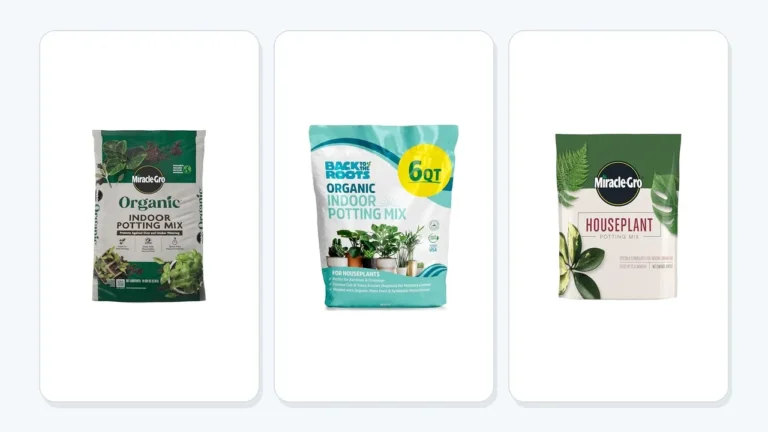
5 Best Potting Soil for Banana Plants: Rich Mixes for Fast Growth
A banana plant in the wrong potting soil can stay soggy for days, dry out too fast, or become a muddy, compacted mess after a few waterings. That can mean stressed roots and more guesswork for you, especially if you’re still learning how often to water a tropical plant indoors. The bag that looks suitable on a shelf may not behave the way your pot needs it to.
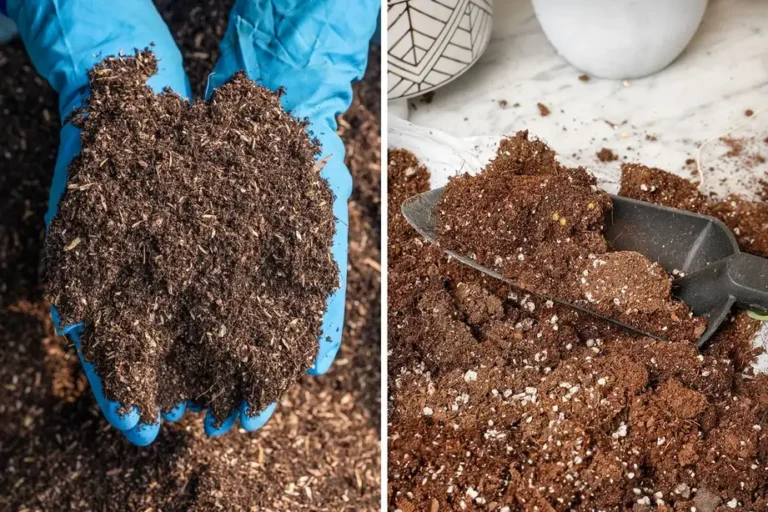
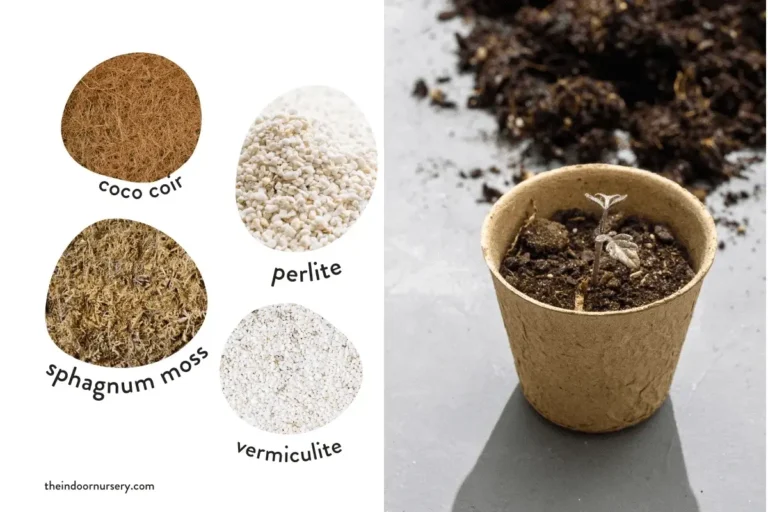
For a potted banana, the main balancing act is keeping the root area moist without leaving roots sitting in water. Ingredients such as perlite, bark, and coir can help keep a mix open, while peat, coir, or humus can help it hold some moisture. The pot’s drainage holes matter just as much as the bag: no soil blend can make a sealed pot drain properly.
Here’s what to keep in mind as you compare these mixes:
- Which ingredient clues can help you judge drainage and moisture retention.
- How much soil different bag sizes provide for repotting.
- Where a general indoor mix may need extra attention for banana plants.
- How to pot, water, and care for a banana plant without guesswork.
Quick Picks
-
Best For Banana-Specific Blend

Soil Sunrise Banana Tree Potting Soil Mix
Peat moss, perlite, sand, and pine bark support drainage and root airflow for growers who want a mix made for bananas.
-
Best For Larger Indoor Pots

Miracle-Gro Organic Indoor Potting Mix, 16 qt.
A 16-quart indoor mix with peat moss and coir offers moisture regulation for houseplant growers filling bigger containers.
Top 5 Potting Soils for Banana Plants at a Glance
Start with Soil Sunrise if you want a blend described specifically for banana plants, or look at Miracle-Gro if an indoor mix and a larger bag suit your setup. The other choices vary in bag size, indoor or outdoor use, and the ingredients highlighted, so focus on the amount you need and how your pot drains.
| Product image | Product name | Check product |
|---|---|---|
| 1 |
Soil Sunrise Banana Tree Potting Soil Mix | Check Price |
| 2 |
Miracle-Gro Organic Indoor Potting Mix, 16 qt. | Check Price |
3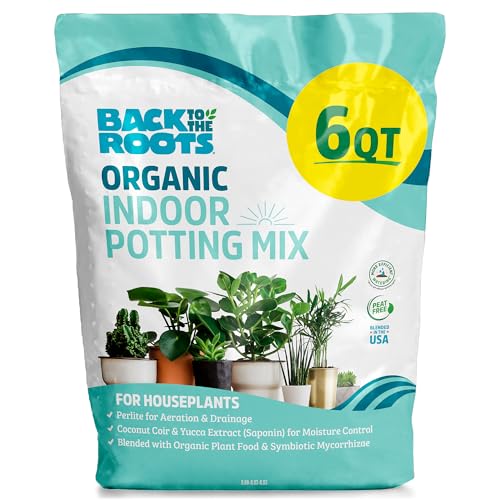 |
Back to the Roots Organic Indoor Potting | Check Price |
4 |
Burpee Premium Organic Potting Mix Garden Soil | Check Price |
5 |
Doter Premium Banana Tree Potting Mix for | Check Price |
5 Best Potting Soils for Banana Plants: Detailed Reviews
When I chose the best potting soil for banana plants, I paid attention to drainage ingredients, moisture-holding materials, intended use, and bag size. Those details help you avoid a pot that stays swampy, a mix that dries before you expect, or a small bag that leaves you short mid-repot.
The options range from banana-specific blends to general indoor and container mixes, with sizes from 2 to 16 quarts. Comparing them side by side makes it easier to choose soil that matches your plant, pot, and growing space instead of buying a bag based on a broad promise alone.
1. Soil Sunrise Banana Tree Potting Soil Mix
Peat moss, perlite, sand, and pine bark support drainage and root airflow for growers who want a mix made for bananas.
- Size12 Quarts
- ColorBrown
- Number Of Items1
- WeightNot listed; check details
Soil Sunrise Banana Soil is a banana-focused potting mix for someone growing a banana plant in a container indoors or outside. Its listed ingredients include peat moss, perlite, worm castings, sand, pine bark, and lime, giving you a clearer sense of what is in the blend than a vague all-purpose label does.
Perlite is a light, porous material that helps leave air spaces in potting soil. In a banana pot, those spaces can help excess water move through instead of leaving the root area packed and airless. The mix also includes sand and pine bark, both ingredients that help create a less dense texture, though the bag’s drainage benefits still depend on the container having open drainage holes.
Peat moss and worm castings contribute organic material, and the maker describes the blend as offering moisture and nutrient retention. That combination may suit a banana grower who wants both drainage ingredients and materials that help hold some water and nutrients. One practical limit is the 12-quart bag: check the volume of your pot and the size of the root ball before buying, since a large plant can use more mix than expected.
Pros:
- Banana-focused blend, made for indoor and outdoor potted plants.
- Perlite helps create air spaces around roots.
- Sand and pine bark contribute to a more open mix.
- Peat moss and worm castings add moisture-holding organic material.
- 12-quart bag provides a useful amount for a repot.
Cons:
- A 12-quart bag may not cover a large container.
- The blend still needs a pot with working drainage holes.
- Check the product details if you need exact ingredient proportions.
Buy it if: you want a banana-focused blend, because the ingredient list includes both drainage materials and organic components.
Skip it if: you need a large quantity for several big pots, because this 12-quart bag may not stretch far, and a larger-volume potting mix would suit you better. For another fit, consider Miracle or Back.
I’d put Soil Sunrise first for a beginner who wants a blend aimed at banana plants rather than a general houseplant mix. The mix’s combination of perlite, sand, bark, peat, and worm castings gives you several useful ingredient clues without asking you to build a blend from separate bags. Before buying, check whether 12 quarts is enough for your container and whether the ingredients suit your growing conditions.
Pick this banana soil if a targeted mix and a manageable bag size fit your plan.
2. Miracle-Gro Organic Indoor Potting Mix, 16 qt.
A 16-quart indoor mix with peat moss and coir offers moisture regulation for houseplant growers filling bigger containers.
- Size16.qt
- COVERAGEOne 16 qt. bag of Miracle-Gro Organic Indoor Potting Mix fills one 12-inch container with potting soil for indoor p
- WeightNot listed; check details
- DimensionsNot listed; check details
Miracle-Gro Organic Indoor Potting Mix is a general indoor container mix for a banana grower who wants a larger bag and does not need a banana-only formula. Its ingredients include sphagnum peat moss, coir, and natural fertilizer, and the mix is described as helping regulate moisture for indoor plants.
Coir is a fiber made from coconut husks that can help a potting mix hold moisture while keeping a looser structure. Peat moss also holds water, so the two materials may be useful if the air in your home dries pots quickly. The maker says the blend helps protect against over- and underwatering, but that wording is not a substitute for checking the soil yourself; a plant in a cool room may dry more slowly than one in bright, warm conditions.
The 16-quart bag is listed as enough to fill one 12-inch container, though the amount can vary with the root ball. That makes it easier to estimate a repot than a small bag with no coverage note. One limitation is that this mix is meant for indoor container plants broadly, not specifically banana plants, so pay attention to how quickly your pot drains after watering.
Pros:
- 16-quart bag offers more mix than the smaller options here.
- Peat moss and coir help hold moisture.
- Intended for indoor container plants and houseplants.
- The listed coverage gives a rough container-size reference.
- Can also be used for seed starting, according to the product details.
Cons:
- General indoor mix, not made specifically for banana plants.
- Moisture-holding ingredients may not suit a pot that drains poorly.
- Check the bag size notation and coverage before ordering.
Buy it if: you are repotting an indoor banana plant and need more soil, because the 16-quart bag is intended for indoor containers.
Skip it if: your priority is a banana-specific ingredient blend, because this is a general indoor mix, and a banana-focused potting soil would suit you better. Soil and Back are worth a closer look instead.
To me, Miracle-Gro is the practical choice when the amount in the bag matters as much as the ingredient list. Peat and coir give you a straightforward reason to expect some moisture retention, and the stated coverage helps you plan. I’d still check that your pot has drainage and watch how long the mix remains wet after watering.
Choose this indoor mix if you want a larger bag for a houseplant container and are comfortable adjusting your watering to the conditions.
3. Back to the Roots Organic Indoor Potting
The catalog lists Includes 6qt of Back to the Roots Indoor Potting Mix. Our Potting Mix contains organic yucca extract that aids. Compare fit and care needs before choosing.
- Size6 Quart
- ColorIndoor Potting Mix
- Release Date2023-01-01T00:00:01Z
- Number Of Items1
Back to the Roots Organic Indoor Potting Soil is a small-bag indoor mix for a banana grower who needs soil for a compact container or a limited top-up. The product details call it peat-free and mention yucca extract, mycorrhizae, and dolomitic limestone, so it emphasizes moisture retention, root development, and soil balance rather than a banana-specific recipe.
Mycorrhizae are beneficial fungi that can form a relationship with plant roots and support nutrient uptake. The product describes these as root-boosting, but the practical point for a beginner is simply that the mix includes a root-focused ingredient; it does not remove the need to water and care for the plant properly. Yucca extract is described as helping the soil retain moisture, which may be useful in a warm room where pots dry quickly.
The bag contains 6 quarts, so it is the smallest of the indoor mixes here. That can be convenient for a small repot, but it may fall short for a mature banana plant in a large container. The product also describes itself as made without bark or compost and less prone to indoor gnats and pests; treat that as a product claim, not a guarantee that pests can never appear.
Pros:
- Peat-free formula suits growers seeking an alternative to peat.
- Yucca extract is included to help retain soil moisture.
- Mycorrhizae are included for root and nutrient support.
- Dolomitic limestone is listed as a soil-balancing ingredient.
- 6-quart bag may be convenient for a smaller pot.
Cons:
- A 6-quart bag may be too small for a large banana plant.
- The mix is for indoor plants broadly, not bananas specifically.
- Its moisture-retention focus still requires careful watering.
Buy it if: you want a smaller indoor mix with peat-free ingredients, because the 6-quart bag and listed components suit a limited repotting job.
Skip it if: you need enough soil for a roomy floor pot, because six quarts may not cover the root ball, and a larger bag of container mix would suit you better. If those trade-offs rule it out, Soil or Miracle may suit you better.
I like the clear peat-free angle and the helpful small-bag size for a modest indoor job. The mix’s moisture-retaining ingredients may be useful in a warm, dry room, but that same quality means you should not water by calendar alone. Check the container size and how wet the root area tends to stay before choosing it.
Back to the Roots makes most sense when a small quantity and peat-free formulation matter more than a banana-specific recipe.
4. Burpee Premium Organic Potting Mix Garden Soil
The catalog lists SUPPORTS VIBRANT GROWTH: Transform your garden with our premium indoor/outdoor potting soil! This nutrient-ric. Compare fit and care needs before choosing.
- Size9 Quart
- ColorPotting Mix
- Number Of Items1
- WeightNot listed; check details
Burpee Premium Organic Potting Mix is a general-purpose container mix for someone who wants one bag described for both indoor and outdoor use. Its product details highlight coconut coir, improved aeration, and drainage, along with nutrients intended to feed plants over time, so it may appeal if you are potting a banana plant in a container that moves between spaces.
Coconut coir is a fibrous material that can hold moisture while helping a mix stay open. That balance can be useful for a banana plant, which needs regular moisture but should not sit in waterlogged soil. The product also describes slow-release nutrition for up to three months; treat that as the maker’s stated feeding period, and check the package before adding fertilizer so you do not double up unnecessarily.
The bag is 9 quarts, between the smaller 6-quart and larger 12- or 16-quart options here. It is not a banana-specific mix, and its broad use for vegetables, flowers, and herbs does not by itself tell you how fast it will drain in your exact pot. Make sure excess water can leave the container, especially if the plant stays indoors.
Pros:
- Coconut coir helps balance moisture and aeration.
- Intended for containers indoors and outdoors.
- Nutrients are described as feeding plants over time.
- 9-quart bag offers a middle-size option.
- Product details state a feeding period of up to three months.
Cons:
- General-purpose mix rather than a banana-focused formula.
- Check the stated feeding period before adding more fertilizer.
- 9 quarts may not be enough for a very large pot.
Buy it if: you want a general container mix for indoor or outdoor use, because coir and the stated feeding period offer a useful starting point.
Skip it if: you need a blend developed specifically for banana plants, because Burpee describes a broad-purpose mix, and a banana-focused soil would suit you better.
I’d consider Burpee when the same bag needs to work for a container plant in more than one setting. Coir and the listed feeding period provide useful information, while the 9-quart size avoids committing to the largest bag. My hesitation is that the product’s broad plant range does not tell you exactly how quickly it will drain in your pot.
Pick this potting mix if you want an all-purpose container blend and will check drainage and feeding instructions before use.
5. Doter Premium Banana Tree Potting Mix for
The catalog lists 【Natural & Organic】Our specially designed soil blend contains the precise balance of essential minerals and or. Compare fit and care needs before choosing.
- Size2qt
- Colorblack
- WeightNot listed; check details
- DimensionsNot listed; check details
Doter Premium Banana Tree Potting Mix is a banana-focused choice for someone who only needs a small amount of soil, such as for a small planter or a limited top-up. The product describes the mix as supporting drainage, moisture retention, and banana growth, but it gives fewer specific ingredient details than the larger banana-focused option.
That distinction matters because an ingredient list helps you judge how a mix might behave in your home. Doter’s description says the blend is designed to drain while retaining moisture, which is the right general balance to look for in a container, but the supplied details do not name the materials that create that balance. For a beginner, the safest move is to check the bag or product details for the full ingredient information before relying on it for a larger repot.
The 2-quart size is the smallest here by a wide margin. That can reduce leftover soil if you have a small job, but it is unlikely to be enough for a large established plant. The product describes use in indoor and outdoor banana varieties; for an outdoor planting, also consider the local climate and whether the container or bed drains well.
Pros:
- Described specifically for banana plants.
- Product details mention both drainage and moisture retention.
- 2-quart quantity may suit a very small planting job.
- Intended for indoor and outdoor banana varieties.
Cons:
- 2-quart bag offers limited volume for repotting.
- The listed details do not name the blend’s ingredients.
- Check the package for more information before choosing a large-scale use.
Buy it if: you need a small quantity of banana-focused mix, because the 2-quart size may suit a limited planting job.
Skip it if: you are repotting a mature banana plant, because two quarts may not cover its container, and a larger potting mix would suit you better.
I’d treat Doter as a small-job option rather than a main supply for a large banana plant. The banana-specific purpose is appealing, but the small volume and limited ingredient detail mean you have less to judge before buying. Check the package for a fuller ingredient list and estimate the amount your pot needs first.
Choose Doter when a compact quantity is the point, not when you need to fill a roomy container.
How to Choose the Best Potting Soil for Banana Plants
The best potting soil for banana plants drains excess water while holding enough moisture for roots to keep taking it up. Start by checking the ingredients, the bag size, and the container’s drainage rather than relying on a broad label such as organic or indoor mix.
Drainage and air spaces
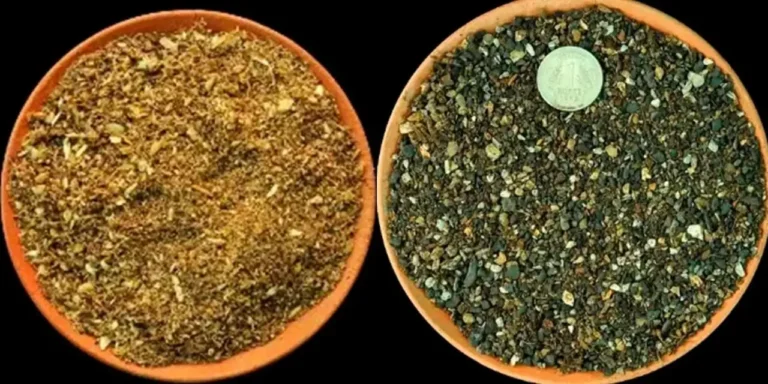
Drainage means extra water can move through the soil and out of the pot instead of collecting around the roots. Perlite, bark, and coarse materials can help create air spaces in a mix, while a pot with open holes lets water leave. If the mix feels dense and stays wet for a long time in your conditions, investigate the ingredients and the way water exits the container before deciding to water again.
A useful first check is to water slowly and see whether water eventually comes out of the drainage holes. If water pools on top or sits in a decorative outer pot, stop and clear the path for drainage. Soil can only help so much when a pot has nowhere for excess water to go.
Moisture retention
Moisture retention is the soil’s ability to hold some water after watering. Peat, coir, and organic materials can help with that, which may be useful when a banana plant is in a warm, bright place and dries quickly. If the plant lives in a cooler or dimmer spot, a moisture-holding mix may remain wet longer, so check the soil before watering instead of following a fixed schedule.
For tropical houseplants with different leaf and root needs, compare the ingredient balance before using one mix for everything. A little research into potting soil for tropical plants can help you see why a general tropical label does not replace checking drainage and care needs for the plant in your pot.
Ingredients and labels
Ingredient lists give you a more useful clue than a front-of-bag promise. Perlite can help keep a mix airy, bark can contribute a coarser texture, and peat or coir can help retain moisture. Worm castings and fertilizer are nutrient-related ingredients, so check the package directions before adding more plant food.
If you want peat-free soil, look for that statement directly and read the ingredients rather than assuming coir means the entire blend is peat-free. If an organic label matters to you, read what the package says and avoid treating a marketing phrase as proof of a specific certification. For a prayer plant, the preferred moisture balance and potting mix may differ, so a separate guide to soil for prayer plants can help clarify what to compare before repotting another houseplant.
Bag size and pot volume
A quart is a measure of volume, not a promise that a bag will fill a pot to the rim. The root ball takes up space, and the shape of the container changes how much soil you need. Check the bag’s stated coverage when available, then leave room at the top of the pot for watering rather than filling right to the edge.
For a single small plant, a small bag can prevent a large leftover pile. For a mature banana in a wide container, estimate the container’s volume before ordering; the 2-quart option here is clearly a small-quantity choice, while larger bags give you more room for a full repot. Store any leftover soil closed and dry according to the package directions.
Container and growing location
Choose a pot with drainage holes and enough room for the root ball, but do not jump to a container vastly larger than the current one. A pot that holds much more wet soil than the roots can use may take longer to dry. Use a saucer to protect the floor, then empty standing water after the pot has drained.
A plant growing outdoors faces different rain and temperature conditions than one kept in a living room. If you plan to move a banana plant outside, consider a sheltered spot and a container that drains after heavy rain. For another large tropical container plant, bird of paradise potting soil is a related comparison, but check its needs separately rather than assuming every tropical plant wants the same mix.
Nutrients and feeding instructions
Potting mix and fertilizer are not interchangeable. Some mixes include fertilizer or state a period of feeding, while others focus on the soil components. Read the package before adding plant food, because extra fertilizer on top of an already-fed mix may not be helpful.
A banana plant’s feeding needs depend on active growth, light, and the growing setup. Do not choose soil solely because the package promises lots of nutrients. If you are unsure what the mix contains, use the label’s instructions and wait to see how the plant responds before adding a separate fertilizer routine.
How to Use Potting Soil for Banana Plants for the Best Results
Use fresh potting mix in a draining container, settle the plant at its previous depth, and water until excess runs from the bottom. Afterward, let the soil’s condition guide your next watering rather than assuming every banana plant needs water on the same day.
- Choose a suitable pot. Use a container with drainage holes and enough room for the root ball. If the pot has no holes, choose a different container rather than relying on a layer of stones to fix drainage.
- Prepare a clean work area. Set out the pot, fresh mix, and a tray or saucer. If you are reusing a pot, remove old roots and loose soil first so the new root ball has room.
- Check the soil before filling. Break up clumps gently and look for anything that seems unusually wet or compacted. Follow the package directions, especially if the bag has guidance on preparing or using the mix.
- Add a base layer. Put enough mix in the pot so the plant’s root ball can sit at its previous soil level. Too much base soil can push the plant too high, so test the position before adding more.
- Set the plant in place. Loosen the outside of a tightly packed root ball gently, then center the plant. Avoid pulling hard on the stem or forcing roots into a shape they do not fit.
- Fill around the roots. Add mix around the sides and press lightly to remove large gaps. Do not pack it down hard, since compacted soil leaves less room for air and water to move.
- Water and let the pot drain. Water slowly until some water exits the holes, then empty the saucer or outer pot. If water refuses to drain, check the holes and the soil rather than adding more water.
- Watch the plant’s new routine. Check the soil before watering again and note how quickly it dries in that location. A sunny, warm spot may dry faster than a cool room, so use the plant and soil as your guide.
For a banana plant growing outdoors, potting mix in a container is not the same as using it to plant a landscape tree in the ground. The conditions differ, and advice about potting soil for outdoor plants can help you think through weather exposure and container drainage separately from indoor care.
How to Make Your Banana Plant Potting Soil Last Longer
Potting soil lasts longer when you keep it from becoming waterlogged, compacted, or mixed with debris. Soil in a container does change over time, so check the plant’s growth and the soil’s condition rather than assuming one bag will serve forever.
Store unused mix closed in a dry place, following any package directions. Keep the bag off wet ground and away from standing water, and avoid leaving it open where rain can soak the contents. If the soil has become wet in storage or has an unusual smell, do not blindly add it to a pot; inspect it and use your judgment before planting.
Water slowly enough that the root area can take up moisture, and let extra water escape through the bottom. Do not leave a full saucer under the pot for days. Repeated standing water can keep the root zone too wet, even if the mix began with ingredients intended to support drainage.
Avoid pressing the surface hard after each watering or poking deep into the pot to check moisture. Either habit can disturb roots or compress soil. Instead, check the surface and, when appropriate, feel a little below it with a clean finger; the surface can dry before the deeper root area does.
Refresh or replace potting mix when the plant needs repotting, when the soil has become dense and drains poorly, or when roots have filled the available space. Do not repot on a rigid calendar if the plant is healthy and the mix still behaves well. When repotting, choose fresh mix suited to the container and read the feeding directions before applying extra fertilizer.
Common Mistakes to Avoid When Buying and Using Banana Plant Potting Soil
A few small choices cause many of the problems beginners blame on the soil. Avoid these common missteps and you’ll have a much clearer read on whether the mix, pot, or watering routine needs attention.
- Buying by the front label alone. A tropical or organic label does not tell you the full ingredient balance; read the ingredient list and check for drainage materials.
- Using a pot without holes. Water cannot escape a sealed pot; choose a draining container or use a nursery pot inside a decorative cover and remove excess water.
- Watering on a strict weekly schedule. Room temperature, light, and pot size change drying time; check the soil before watering.
- Adding fertilizer without checking the bag. Some mixes already contain nutrients; read the feeding instructions before adding more.
- Buying too little soil. A small bag may not cover the root ball; estimate the container size and look for stated coverage before ordering.
- Assuming every outdoor planting is a container job. Soil for a pot and soil for planting a tree in the ground serve different situations; if you are considering a tree, first review whether potting soil suits tree planting and choose an approach for the planting site.
- Packing the mix tightly around roots. Hard pressure can compress the soil; settle the mix with a light press and water to help it fall into gaps.
How to Set Up a Banana Plant in Potting Soil
Repotting is manageable when you prepare the pot and soil first, then move the plant without forcing the roots. Give yourself enough space to handle the leaves and container, since a banana plant can be awkward to turn even when the pot itself is not large.
- Read the soil package. Check how the mix is intended to be used and whether it includes fertilizer. The common stumble is skipping this step and adding an extra feeding without realizing nutrients are already included.
- Pick a pot with clear drainage holes. Hold the empty pot over a sink or outdoor area and confirm the holes are open. A decorative pot without holes can catch drained water, but it should not hold the plant in a pool.
- Lay out your supplies. Set the pot, soil, plant, and a tray within reach before lifting the plant. This makes it less likely you will leave the roots exposed while searching for a scoop.
- Add a shallow soil base. Place enough mix in the bottom to keep the root ball near its earlier height. Check the plant’s position before filling, since too much base soil can leave the stem too low or high.
- Move the plant gently. Support the root ball and avoid yanking on the stem. If roots circle tightly around the outside, loosen them carefully instead of tearing them apart.
- Fill the sides and settle lightly. Add soil around the root ball, filling gaps without crushing the mix. Keep the plant at about the same soil line it had before repotting.
- Water once and let it drain. Water evenly, then empty the saucer after drainage stops. If water remains on the surface, check for compacted mix or blocked holes before adding more.
- Return the plant to a suitable spot. Keep the plant in a place that fits its light and temperature needs, and avoid changing every part of its routine at once. Check soil moisture before the next watering.
Common Questions About Potting Soil for Banana Plants
Can I use regular potting soil for a banana plant?
Yes, a general potting mix can work in a container if it drains well and does not stay soggy around the roots. Check the ingredients for materials that help keep the mix open, and use a pot with drainage holes. Watch how quickly the soil dries in your room or outdoor setup before settling into a watering routine.
What kind of soil is best for a potted banana plant?
A suitable mix holds some moisture while allowing excess water to drain and air to reach the roots. Ingredients such as perlite, bark, or coir can help shape how a mix behaves, though the exact balance varies. Your pot, room temperature, light, and watering habits matter too, so look at both the soil and the growing setup.
How much potting soil do I need to repot a banana plant?
The amount depends on the new pot’s size and how much room the root ball takes up. Check the bag’s coverage information if it provides any, then estimate the container volume before ordering. A small bag may suit a minor top-up, but a larger plant in a wide pot can use much more soil than expected.
How often should I water a banana plant in potting soil?
There is no single schedule that fits every banana plant, because light, temperature, pot size, and drainage change how quickly soil dries. Check the soil before watering and avoid leaving the pot standing in drained water. If the mix stays wet for a long time, review the drainage holes and growing conditions before watering again.
Should I add fertilizer when potting a banana plant?
Check the mix’s package directions before adding fertilizer, because some potting soils include nutrients or describe a feeding period. Adding more immediately may be unnecessary. Follow the label and consider the plant’s growth and conditions before beginning a separate feeding routine.
Can I use the same mix for indoor and outdoor banana plants?
Sometimes, but the location changes how quickly the soil dries and how much rain reaches the pot. A mix used outdoors needs a container that drains after rain, while indoor soil may stay wet longer in a cool or dim room. Read the bag’s intended use and adjust watering to the plant’s actual conditions.
Choose the Mix That Fits Your Pot and Routine
Before buying, check the bag size against your container, confirm the pot has drainage holes, and read the ingredients and feeding directions. If you’re unsure, choose a mix with clear ingredient details and start by checking the soil before each watering.

I’m Maya L. Greenwood, a lifelong plant lover who believes anyone can grow something beautiful with the right guidance. After years of testing soil mixes, pruning methods, irrigation tricks, and pest-safe solutions, I started EasyGardenTips.com to turn hard-won lessons into step-by-step advice. From seed starting and container gardens to composting and seasonal checklists, my goal is to make gardening simple, sustainable, and fun.