
5 Best Potting Soil for Pineapple: Mixes for Sweet, Healthy Fruit
Buy the wrong soil for a pineapple and the pot can stay wet long after watering, leaving roots without the air they need. A mix that dries too quickly can also turn routine care into a guessing game, especially if you’re new to growing pineapple indoors or in a container outside.
Pineapple plants need a potting mix that lets extra water escape, since their roots can struggle in soggy soil. The pot’s drainage holes matter just as much: even a good mix can stay too wet in a container with nowhere for water to go. A little moisture retention is useful, but dense garden soil is usually a poor match for a potted plant.
Here’s what this guide will help you sort out:
- Which mix ingredients help a pineapple pot drain without drying out immediately.
- How to choose a bag size that suits one plant or a repotting job.
- How to pot, water, and care for a pineapple plant in a container.
- What to check before buying a mix made for citrus or tropical houseplants.
Quick Picks
-
Best For Coarse, Free-Draining Mix

Soil Sunrise Citrus Tree Potting Soil Mix
Perlite and coarse sand help water drain through the mix, a useful starting point for pineapple growers who prefer a gritty texture.
-
Best For Small Tropical Containers

Omitgoter Premium Tropical Potting Mix with Perlite
Perlite, coconut coir, and peat moss balance drainage with moisture, suiting growers who want a small bag for a tropical plant.
Top 5 Potting Soils for Pineapple at a Glance
Start with Soil Sunrise if you want a larger citrus-oriented blend with perlite and coarse sand, or Omitgoter if a small tropical mix is more convenient. The other choices vary in their stated plant uses, ingredients, and bag sizes, so pay special attention to drainage and whether you’ll need to adjust the mix for pineapple.
| Product image | Product name | Check product |
|---|---|---|
| 1 |
Soil Sunrise Citrus Tree Potting Soil Mix | Check Price |
| 2 |
Omitgoter Premium Tropical Potting Mix with Perlite | Check Price |
3 |
Miracle-Gro Houseplant Potting Mix, 4 qt. | Check Price |
4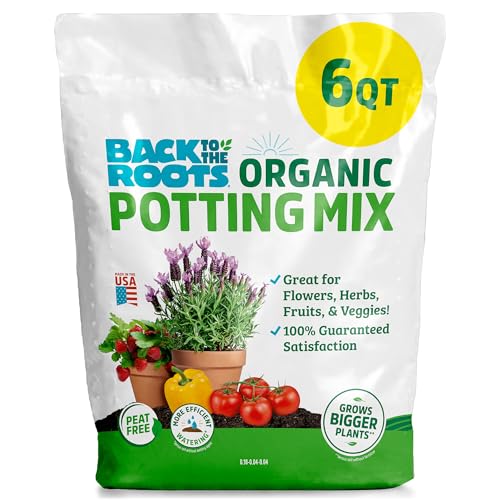 |
Back to the Roots Organic Potting Soil, | Check Price |
5 |
Doter Citrus Tree Potting Soil Mix, Organic | Check Price |
5 Best Potting Soils for Pineapple: Detailed Reviews
When I chose the best potting soil for pineapple, I paid closest attention to drainage, air around the roots, and how much moisture the blend may hold between waterings. Those details matter more than a long list of plant names on a bag, because a pineapple container needs a mix that doesn’t remain waterlogged.
The options here include citrus blends, a tropical mix, and general indoor or all-purpose potting soils. Comparing their stated ingredients and bag sizes helps you see which mix might work as-is and which deserves a closer look before you use it for pineapple.
1. Soil Sunrise Citrus Tree Potting Soil Mix
Perlite and coarse sand help water drain through the mix, a useful starting point for pineapple growers who prefer a gritty texture.
- Size8 Quarts
- ColorBrown
- Number Of Items1
- Size OptionsChoose from small or bulk sizes. Perfect for gardeners and house plant lovers of all levels!
Soil Sunrise Citrus Mix is a citrus-focused potting blend for growers who want coarse ingredients and a larger bag for container planting. Its listed ingredients include peat moss, horticultural perlite, coarse sand, worm castings, and lime.
Perlite is a lightweight mineral added to make potting soil airier and help excess water drain. In a pineapple pot, that can help reduce the chance of a dense, persistently wet root zone, though the drainage holes and watering habits still matter.
The coarse sand also gives the blend a grittier texture than a fine, compacted soil. That may suit a pineapple grower who wants water to pass through freely, but sand alone does not make every mix suitable, so check how the blend feels and drains in your own container.
The maker describes the mix as formulated for citrus, not pineapple. That is a meaningful limit: you shouldn’t assume the nutrient balance or pH is tailored to a bromeliad simply because citrus and pineapple both produce fruit.
Pros:
- Perlite adds air space, helping water drain through the mix.
- Coarse sand gives the blend a grittier texture.
- Peat moss can help the mix hold some moisture.
- Worm castings are included as an organic ingredient.
- The 8-quart bag offers more mix than the 1-quart options.
Cons:
- The blend is described for citrus, not pineapple.
- No precise pH value is stated in the supplied details.
- The bag may be more than you need for one small pot.
Buy it if: you want a citrus-oriented mix with perlite and coarse sand, because those ingredients can support drainage in a container.
Skip it if: you need a mix specifically described for pineapple, because this blend is aimed at citrus, and a pineapple-specific soil would suit you better. For another fit, consider Omitgoter or Miracle.
I’d consider Soil Sunrise a reasonable starting point if you’re comfortable judging the texture and drainage before planting. Its combination of perlite and coarse sand is more informative than a vague promise of rich soil, while the citrus focus keeps me from calling it a tailor-made pineapple mix. Check the bag size and ingredient details before buying, and choose it if you want a larger, gritty blend to assess for your container.
2. Omitgoter Premium Tropical Potting Mix with Perlite
Perlite, coconut coir, and peat moss balance drainage with moisture, suiting growers who want a small bag for a tropical plant.
- Size1qt
- ColorTropical Plant Soil
- WeightNot listed; check details
- DimensionsNot listed; check details
Omitgoter Tropical Mix is a small-bag potting blend for growers looking for a tropical-plant mix with both airy and moisture-holding ingredients. Its listed ingredients include peat moss, coconut coir, perlite, worm castings, and humus.
Coconut coir is a fibrous material made from coconut husks that can help a potting mix hold moisture. Paired with perlite, it offers a balance that may be useful if your pineapple pot needs some water retention without becoming a dense block.
Perlite helps create air spaces and encourages drainage, which is important when a plant is growing in a pot rather than open ground. The mix is described for moisture-loving but water-sensitive tropical plants, so that positioning is a useful clue, though it doesn’t establish a pineapple-specific formula.
The main practical drawback is the listed 1-quart size. That may be handy for a small container or a test, but it could leave you short when repotting a larger pineapple plant.
Pros:
- Perlite helps the mix drain and stay airy.
- Coconut coir can help retain some moisture.
- Peat moss adds another moisture-holding ingredient.
- The tropical-plant focus fits container growing better than garden soil.
- The 1-quart bag is manageable for a small pot.
Cons:
- The stated size is only 1 quart.
- No exact ingredient proportions are listed.
- The mix is not identified as a pineapple-specific blend.
Buy it if: you’re filling a small tropical-plant pot, because perlite and coir offer a mix of drainage and moisture retention.
Skip it if: you’re repotting a large pineapple or several plants, because a 1-quart bag may not cover the job, and a larger bag would suit you better. Soil and Miracle are worth a closer look instead.
What I like about Omitgoter Tropical Mix is that its listed ingredients make the drainage-and-moisture balance easy to understand. I’d still pause over the small bag and the lack of a stated pineapple formula, so check how much soil your pot needs before ordering. Pick it if you want to try a small quantity of tropical mix rather than stock up for a major repot.
3. Miracle-Gro Houseplant Potting Mix, 4 qt.
The catalog lists INDOOR GROWING: Growing indoors is easy under the right conditions; Miracle-Gro Houseplant Potting Mix is an i. Compare fit and care needs before choosing.
- Size4 qt
- CoverageOne 8-inch container
- Fertilizer durationup to 6 months
- Color4 qt
Miracle-Gro Houseplant Mix is an indoor potting blend for growers who want a ready-to-use mix with fertilizer included. Its stated ingredients include perlite, sphagnum peat moss, and coir, and the product is described for tropical houseplants.
Fertilizer supplies nutrients to plants, and this mix is described as feeding indoor container plants for up to six months. That may simplify early care after potting, but it also means you should check the package directions before adding another fertilizer on top.
The blend is described as less prone to fungus gnats because it does not contain compost and bark. That claim is about the stated formulation, not a guarantee that gnats can never appear; damp soil and other indoor conditions can still matter.
The mix is said to fill one 8-inch container, with the actual amount depending on the root ball. That gives you a helpful planning point, though a pineapple’s pot and root ball may not match the example exactly.
Pros:
- Perlite helps keep the blend airy.
- Peat moss and coir contribute moisture retention.
- Fertilizer is included for up to six months.
- The mix is intended for indoor tropical container plants.
- The listed coverage gives a rough container-size reference.
Cons:
- The stated use is houseplants, not pineapple specifically.
- Included fertilizer may not fit every grower’s feeding routine.
- Coverage varies with the size of the root ball.
Buy it if: you’re potting an indoor pineapple and want fertilizer included, because the blend is intended for indoor tropical containers.
Skip it if: you want to control every nutrient added to the pot, because this mix includes fertilizer, and an unfertilized potting mix would suit you better. If those trade-offs rule it out, Soil or Omitgoter may suit you better.
I’d put Miracle-Gro Houseplant Mix on the list for a beginner who wants a convenient indoor blend and understands that pineapple isn’t its stated target. The included fertilizer is the clearest difference, but it calls for checking feeding directions rather than adding extra plant food by habit. Choose it if the indoor use and fertilizer plan fit your care routine.
4. Back to the Roots Organic Potting Soil,
The catalog lists Includes 6qt of Back to the Roots Premium Blend Potting Mix. 100% Organic and Peat-Free, made from upcycled pl. Compare fit and care needs before choosing.
- Size6 Quart
- ColorPremium Potting Mix
- WeightNot listed; check details
- DimensionsNot listed; check details
Back to the Roots Organic Potting Soil is an all-purpose blend for growers who want a peat-free mix described for fruits, vegetables, herbs, and flowers. Its stated ingredients include upcycled plant matter, wood fines, yucca extract, and dolomitic limestone.
Peat-free means the blend is made without peat, according to the product details. The listed plant matter and wood fines form the main mix material, while yucca extract is included for moisture control; those ingredients may interest you if you prefer an all-purpose potting soil rather than a citrus-labeled product.
Dolomitic limestone is listed for pH balancing. The details don’t give a specific pH result, so don’t treat that ingredient as proof that the final mix lands at a particular number or is ideal for pineapple.
This mix is described for fruit plants, but that broad use does not tell you exactly how quickly it drains in your particular pot. Check the texture and label directions, and make sure the container has open drainage holes before planting.
Pros:
- Peat-free blend uses upcycled plant matter and wood fines.
- The stated uses include fruits and vegetables.
- Yucca extract is included for moisture control.
- Dolomitic limestone is included for pH balancing.
- The 6-quart bag may suit a modest potting job.
Cons:
- No measured pH value is given.
- The details do not list perlite or coarse sand.
- The all-purpose formula is not described specifically for pineapple.
Buy it if: you want a peat-free all-purpose blend for fruit plants, because the stated uses include fruits and the mix includes yucca extract.
Skip it if: your main concern is a clearly gritty, fast-draining texture, because the listed details don’t name perlite or coarse sand, and a more explicitly airy mix would suit you better.
To me, Back to the Roots is most appealing when peat-free ingredients are high on your list and you want a mix sold for a broad range of edible plants. I would not infer its drainage rate from the organic or all-purpose descriptions alone. Check the ingredient panel and bag directions, then choose it if its texture looks suitable for your container setup.
5. Doter Citrus Tree Potting Soil Mix, Organic
The catalog lists 【Ideal pH Balance】Our citrus soil is carefully calibrated to maintain an optimal pH level between 6.0 and 7.1. Compare fit and care needs before choosing.
- Size1qt
- Colorblack
- pH range6.0 and 7.1
- WeightNot listed; check details
Doter Citrus Potting Soil is a ready-to-use blend described for potted lemons, limes, oranges, and other citrus plants. The product details state a pH range of 6.0 and 7.1 and say the mix is formulated to encourage drainage.
pH is a measure of how acidic or alkaline a growing medium is, and it can affect how roots take up nutrients. Doter gives a numerical range, which is more specific than a general claim of pH balance, but the stated citrus focus still means you should decide whether that range suits your pineapple care plan.
The maker also describes the mix as nutrient-rich and says it includes organic and mineral nutrients. No ingredient breakdown or nutrient amounts are provided here, so you can’t use that description to plan a precise feeding schedule.
The listed size is 1 quart, which may work for a small pot or a top-up but may not be enough for a full repot. Check the amount you need before buying; pot volume can surprise beginners, especially when the root ball takes up space.
Pros:
- The stated pH range is 6.0 and 7.1.
- The mix is described as ready to use.
- Drainage is a stated design goal.
- The citrus focus may suit growers comparing fruit-plant soils.
- The 1-quart size can be convenient for a small job.
Cons:
- The mix is described for citrus, not pineapple.
- The bag contains only 1 quart.
- Specific ingredients and nutrient amounts aren’t listed.
Buy it if: you want a small ready-to-use citrus blend with a stated pH range, because that gives you a clear figure to consider before planting.
Skip it if: you need enough mix for a large container, because the 1-quart size may fall short, and a larger potting-soil bag would suit you better.
I’d consider Doter mainly for a grower who values a stated pH range and needs only a small amount of mix. The citrus labeling and short ingredient detail leave questions about how the soil will behave in a pineapple pot, so I’d review the package carefully before choosing it. Pick it if the small size and stated drainage goal match your plan.
How to Choose the Best Potting Soil for Pineapple
The best potting soil for pineapple should let extra water escape while holding enough moisture to keep roots from drying out too quickly. Start with the container, then compare ingredients and label details instead of relying on a fruit or tropical label alone.
Drainage and air space
Drainage is how readily extra water moves through the mix and out of the pot. Look for ingredients such as perlite or coarse sand when you want a lighter, airier texture; the Soil Sunrise blend lists both, while Omitgoter lists perlite.
A quick home check is to wet a small sample in a separate container with drainage holes and watch whether water pools or passes through. This is not a lab test, and it won’t tell you everything about a mix, but it can reveal an obviously dense texture before you repot.
If you’re choosing soil for other leafy tropical plants too, the way they balance moisture and air may differ from a pineapple’s preferences; the best potting soil for tropical plants guide can help you think through those plant-to-plant differences.
Moisture retention
Moisture retention is how long the mix stays damp after watering. Peat moss and coconut coir are listed in several of these blends and can help hold moisture, while perlite helps create drainage and air spaces.
You want a mix that doesn’t turn bone-dry immediately or remain wet for an extended stretch. Room temperature, sunlight, pot size, and the season all change how quickly a container dries, so there isn’t one watering interval that fits every home.
Ingredients and fertilizer
Read the ingredient list before buying. Perlite, coir, peat moss, sand, bark, compost, worm castings, humus, and wood fines each affect the texture or nutrient content in different ways; the ingredient names are more useful than a broad claim that a mix is rich.
Also look for fertilizer already added. Miracle-Gro Houseplant Mix is described as feeding plants for up to six months, so follow the package instructions and avoid adding more fertilizer automatically after potting.
pH and plant fit
pH describes the growing medium’s acidity or alkalinity. Doter provides a stated range, while some of the other mixes mention pH balance without a precise number; don’t assume that a citrus label makes a blend automatically suitable for pineapple.
If you grow other aroids, such as a Philodendron Birkin, their preferred mix structure may be a useful comparison, but their soil needs don’t automatically match pineapple care. A Philodendron Birkin potting mix discussion can help explain why airy ingredients matter for a different container plant.
Bag size and pot volume
Match the bag size to the job rather than guessing from the pot’s diameter. The options here range from 1 quart to 8 quarts, and the amount needed depends on the pot depth and the size of the root ball.
Leave room for the plant’s root ball instead of filling the entire container with soil before you place it. If you’re unsure, measure the pot’s inside width and depth, then buy a little extra rather than discovering halfway through repotting that the bag is empty.
How to Use Potting Soil for Pineapple for the Best Results
Use a pot with drainage holes, keep the crown above the soil, and water only after checking how damp the mix is. Good potting soil helps, but careful planting and a sensible watering routine matter just as much.
- Choose a pot with drainage holes. Water needs a way out; a decorative outer pot can catch runoff, but empty it after watering.
- Check the mix before planting. Break up dense clumps with your fingers and remove any debris you don’t want in the pot.
- Dampen very dry mix lightly. A slightly moist blend is easier to place around roots than dry dust, but don’t turn the potting soil into mud.
- Set the plant at its existing depth. Keep the pineapple crown and leaves above the mix rather than burying the center.
- Fill around the root area. Add soil in small handfuls and settle it gently; pressing hard can compact the mix and reduce air space.
- Water until a little drains out. Let the pot finish draining rather than leaving it sitting in collected water.
- Check the mix before watering again. Feel a little below the surface, since the top can dry faster than soil near the bottom.
- Give the plant suitable light and warmth. A potting mix can’t make up for an unsuitable growing spot, so watch how the plant responds after repotting.
For houseplants with different moisture needs, use the plant’s identity as a guide instead of treating every tropical plant alike. A pink princess philodendron soil guide can help separate care for that leafy houseplant from the needs of a pineapple grown for its fruit.
How to Make Your Pineapple Potting Soil Last Longer
Potting soil lasts longer when you avoid compaction, remove dead plant material, and keep drainage holes clear. It still needs replacing when its texture breaks down or the plant outgrows the pot.
Check the surface each time you water. If the mix has packed into a hard crust, loosen only the top layer gently and avoid digging into the roots; repeated hard poking can damage them.
Remove fallen leaves and other dead material rather than letting it sit on damp soil. Plant debris can keep the surface wet and make it harder to notice a developing problem.
Keep the container’s drainage holes open. If a saucer or decorative pot holds runoff, empty it once the water has drained so the bottom of the soil isn’t left sitting in excess water.
Avoid adding a new layer of fresh soil every time the surface drops. A little settling can happen, but repeated top-ups may bury the plant’s base; check the planting depth and repot if the root ball needs more room.
Don’t store opened potting soil in a place where rain can soak the bag. Close it securely and keep it dry and sheltered, following any storage directions printed on the package.
Consider repotting when water stops draining normally, the soil has broken down into a dense mass, or roots are crowded. Don’t repot on a fixed calendar just because a certain number of months has passed; plant growth and mix condition are better clues.
Common Mistakes to Avoid When Buying and Using Pineapple Potting Soil
Beginners often focus on the bag’s plant label and overlook the pot, ingredients, or watering pattern. These simple checks can prevent common problems before a pineapple goes into its container.
- Choosing a mix only because it says citrus. Citrus and pineapple are not the same plant; check drainage ingredients and label directions before deciding.
- Using garden soil in a pot. It may be too dense for a container; choose a potting mix intended for container use.
- Planting in a pot without drainage holes. Extra water has nowhere to go; select a draining container or use a nursery pot inside a decorative one.
- Packing the soil firmly. Hard pressure reduces air spaces; settle the mix lightly around the roots instead.
- Watering by the calendar alone. Indoor conditions change drying speed; check the soil before watering again.
- Adding fertilizer without reading the bag. Some mixes already include plant food; check the directions before feeding.
- Assuming every tropical plant wants the same mix. A pineapple and an alocasia are different plants; compare their care needs, and use an alocasia soil mix guide for that plant rather than treating it as pineapple advice.
Some growers also make their own mix for plants that need especially quick drainage. A guide on making cactus potting soil is useful for understanding how a gritty mix differs, but a cactus recipe may dry too quickly for a pineapple container.
How to Set Up Potting Soil for Pineapple
Set up the pot before you open the soil bag, then plant without burying the pineapple’s crown. Keeping the job tidy makes it easier to notice whether the pot drains as expected.
- Pick a work surface. Lay down a tray, newspaper, or washable cover so loose soil is easy to clean up.
- Inspect the pot. Confirm that drainage holes are open and large enough to let excess water escape.
- Estimate the soil amount. Compare the pot with the bag size, allowing space for the root ball rather than filling to the rim.
- Read the soil label. Look for ingredient and fertilizer directions, especially if you plan to feed the plant after potting.
- Prepare the mix. Break apart clumps and moisten very dry soil lightly; avoid soaking it before it goes into the pot.
- Position the pineapple. Hold the plant at its current depth and keep the crown above the soil surface.
- Fill and settle gently. Add mix around the roots in stages, taking care not to press it into a solid mass.
- Water and drain. Water the pot, let excess run out, and remove collected water from any saucer or outer pot.
Common Questions About Potting Soil for Pineapple
Can I use cactus soil for a pineapple plant?
Sometimes, but check how quickly the mix drains and dries before using it. Cactus soil is often designed for plants that need very fast drainage, while a pineapple still needs some moisture between waterings. If the mix seems extremely gritty, consider whether your home and watering habits can keep the root area from drying too fast.
Does pineapple need special potting soil?
Pineapple needs a container mix that drains well and does not stay soggy. A bag labeled for pineapple may be convenient, but the ingredients and the pot’s drainage matter more than the label alone. Check for a light texture, suitable container use, and clear directions before planting.
How often should I water a pineapple in a pot?
Water when the mix has started to dry rather than following a fixed weekly schedule. The exact timing changes with light, warmth, pot size, and indoor conditions. Feel below the surface before watering, then let excess water drain freely instead of leaving the container standing in a full saucer.
How much potting soil does a pineapple need?
The amount depends on the container and the root ball, so there isn’t one bag size that fits every pineapple. Measure the pot’s inside dimensions and compare them with the package coverage details when available. A small 1-quart bag may work for a minor job, while a larger repot can need more.
Should I add fertilizer when I repot a pineapple?
Check whether the potting mix already contains fertilizer before adding more. Miracle-Gro Houseplant Mix is described as feeding plants for up to six months, while the other options have different ingredient details. Follow the bag’s directions and the plant’s needs rather than stacking fertilizer doses by guesswork.
Is citrus potting soil suitable for pineapple?
It may be usable if its texture drains well, but citrus soil is not automatically formulated for pineapple. Compare the listed ingredients, pH information, and fertilizer details, and make sure the pot has drainage holes. If those details are unclear, inspect the mix or choose a blend whose texture you can assess before planting.
Make the Pot and Drainage Your Final Check
Before you buy, check the pot’s drainage holes, estimate how much mix the root ball will need, and read the bag for ingredients and fertilizer directions. Choose the blend whose texture and size fit your setup, then water only after checking the soil rather than relying on a fixed schedule.

I’m Maya L. Greenwood, a lifelong plant lover who believes anyone can grow something beautiful with the right guidance. After years of testing soil mixes, pruning methods, irrigation tricks, and pest-safe solutions, I started EasyGardenTips.com to turn hard-won lessons into step-by-step advice. From seed starting and container gardens to composting and seasonal checklists, my goal is to make gardening simple, sustainable, and fun.

One Comment