
Indoor vs Outdoor Potting Soil: Does the Difference Truly Matter?
Indoor and outdoor potting soils can often be swapped, but the right choice depends on the plant, the container, and how fast the mix dries. Indoor mixes usually aim to manage water and drainage in a sheltered space, while outdoor mixes need to handle changing weather; labels are helpful clues, not hard rules.
Are you worried outdoor mix will bring bugs into the house, or that an indoor mix will dry out too fast on a sunny porch? The real headache is often less about the label and more about what happens after you water.
I once picked a mix by its “all-purpose” label and skipped checking how quickly it drained. The pot stayed soggy longer than the plant could tolerate, and I had to repot sooner than planned; it’s a common mistake, not a dumb one.
I wrote this to help you match potting mix to your plant and growing spot without buying a different bag for every pot. You’ll learn how to compare labels, spot drainage problems, and make a reasonable adjustment when the mix you have isn’t a perfect match.
Get the choice right and you can avoid waterlogged roots, wasted mix, and a mess of damp soil around your indoor pots. Skip the basics, and a plant may struggle even when you’re watering with good intentions.
This takes about 10 minutes to read. You’ll leave knowing how to:
- Pick a mix for indoor pots, outdoor containers, and common houseplants.
- Judge drainage and water-holding from the ingredients and the way the mix behaves.
- Adapt an existing mix without making it too wet or too dry.
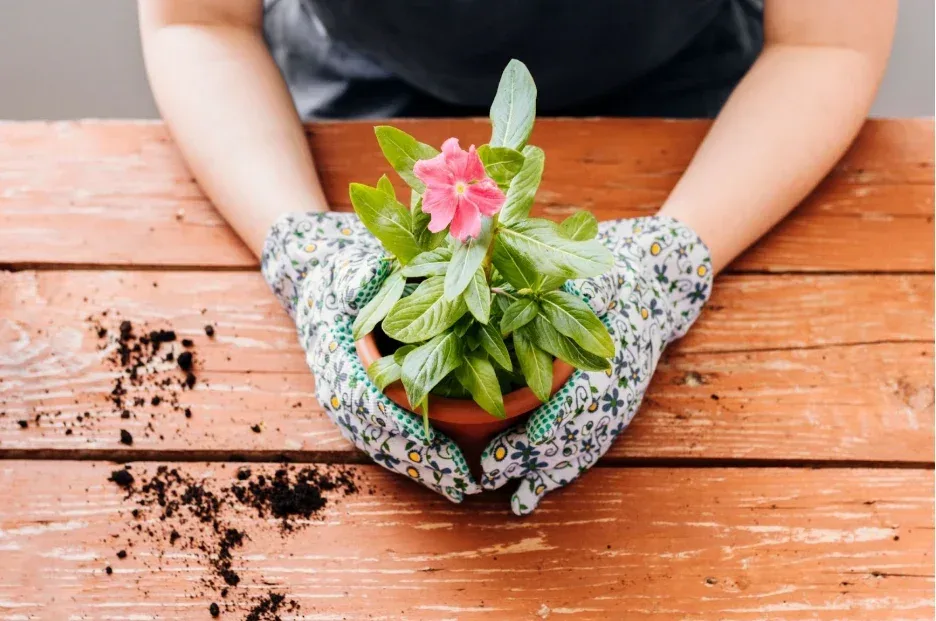
Indoor Potting Soil vs Outdoor Potting Soil: Which Mix Fits?
Indoor potting soil vs outdoor potting soil usually comes down to how the mix handles water in your growing space. For a houseplant in a pot indoors, choose a mix that drains well but holds enough moisture for that plant; for a container outdoors, choose one that suits the plant and the local rain, heat, and wind.
“Indoor” and “outdoor” are product labels, not a universal recipe. A bag marked for indoor plants may be a good starting point for a houseplant, while an outdoor container mix may suit a patio pot, but the label can’t account for your home’s light, your watering habits, or the size of the container.
| Growing setup | What matters most | What to check on the bag |
|---|---|---|
| Houseplant in a pot indoors | Drainage and a manageable drying rate | Whether the mix is meant for containers and suits the plant |
| Container on a covered porch | Drainage plus how quickly the spot dries | Ingredient texture, drainage guidance, and fertilizer directions |
| Outdoor pot in sun and wind | Water needs under heat and exposure | Whether the mix is intended for outdoor containers |
| Seed-starting tray indoors | Fine texture and steady moisture | Whether the product is labeled for starting seeds |
A potting mix is a prepared growing medium for containers; despite the name, it may contain little or no ordinary garden soil. Products sold as “potting soil” can also be container mixes, so compare the ingredient list and directions rather than assuming the wording tells the whole story. If you want a closer look at the label distinction, potting mix versus potting soil covers what those terms can mean.
The container itself matters just as much as the bag. A pot without a drainage hole can trap excess water even when the mix is airy, while a small pot in a warm, bright spot may dry out quickly.
Can you use an outdoor mix in a houseplant pot? Sometimes, if the mix drains well and the plant’s needs match it, but don’t treat “outdoor” as a guarantee that the mix will suit indoor conditions. A useful starting point for outdoor mix for indoor plants is to check how it drains and whether the texture is suitable for that plant.
- Match the mix to the plant and growing conditions, not just the indoor or outdoor label.
- Check the container for drainage holes before blaming the mix.
- Treat the ingredient list and care directions as clues, not a promise.
What’S in Potting Mix, and Why Does It Matter?
Ingredients affect how quickly a pot drains, how much water it holds, and how much air reaches the roots. Many container mixes use materials such as peat moss or coconut coir to hold moisture, with perlite or bark added to create a looser texture.
The exact recipe varies by product. A mix with more fine, moisture-holding material may stay damp longer, while a chunkier mix may drain faster; neither is automatically better, because a fern and a drought-tolerant plant don’t ask for the same conditions.
- Peat moss and coir can help a mix hold moisture. That can be handy for plants that dislike drying out, but a pot that stays wet too long can still cause trouble.
- Perlite is a lightweight mineral material used to make mixes less dense and help water move through them.
- Bark pieces add larger gaps in some mixes, which can suit plants that prefer more airflow around their roots.
- Compost or fertilizer may add nutrients, but the amount and release rate vary. Follow the package directions rather than adding extra by guesswork.
When you’re choosing for a houseplant, the plant’s habits matter more than a broad promise on the bag. Many tropical foliage plants need a mix that balances moisture and drainage, while some plants do better in a faster-draining blend; a suitable houseplant potting soil choice starts with the plant you’re actually growing.
What about indoor basil? Basil needs a container mix that drains while still supplying enough moisture for active growth, and a sunny windowsill can dry a small pot faster than you might expect. For a closer look at potting soil for indoor basil, focus on the plant’s light, container, and watering needs along with the bag’s label.
Outdoor weather can change the same mix’s behavior. A pot in full sun and wind may dry quickly, while a container under a roof can miss much of the rain and stay drier than a nearby garden bed.
I’ve had a pot behave very differently after moving it from a protected spot to a breezy one, even though I hadn’t changed the mix. That taught me to check the pot’s weight and moisture before changing the recipe; otherwise, I’d be fixing the wrong problem.
Pro Tip: Lift the pot after watering, then lift it again as it dries. That simple weight check gives you a practical feel for moisture without poking around the roots.
How to Choose and Adjust a Mix
Choose a mix by matching the plant’s moisture needs to the container and the place where it will grow. If the bag you already have seems close, test how it drains and dries before buying another one or changing its texture.
Use this order when picking a mix:
- Identify the plant. Check whether it prefers evenly moist conditions or a faster-drying root zone.
- Check the container. Make sure water can drain, and note whether the pot is small, large, glazed, or unglazed.
- Check the growing spot. Bright sun, indoor heat, wind, and rain exposure all affect how quickly a pot dries.
- Read the bag. Look for the intended use, ingredient list, drainage advice, and any fertilizer directions.
- Test the mix. Water a newly potted plant thoroughly, let excess water drain, and watch how long the pot stays damp.
If you’re starting seeds, a regular potting mix may be too coarse for a small seed or shallow tray, depending on the product. Check the bag for seed-starting directions, and use a finer mix when the package recommends it; using potting soil for indoor seeds takes a bit more care than filling a mature plant’s pot.
For outdoor containers, choose a mix meant for container growing rather than scooping garden soil into a flowerpot. Garden soil can become dense in a container and limit the air and drainage roots need, while a suitable potting mix for outdoor plants should be chosen with the plant and local conditions in mind.
Do you need to add perlite to every indoor mix? No; add it only if the mix stays too wet for the plant or the product’s directions support that change, since extra airy material can make a pot dry faster. A small adjustment is easier to judge than a dramatic recipe change.
When you do adjust a mix, change one thing at a time. If you blend in a drainage material and also cut your watering in half, you won’t know which change helped or made the pot dry too quickly.
Important Tip: Don’t add gravel to the bottom of a pot to “fix” drainage. Use a pot with drainage holes and a suitable mix instead; a layer of gravel doesn’t replace an open path for water to leave the container.
Fix Common Potting Mix Problems
A plant’s symptoms can point to a mix problem, but watering, light, and the pot can cause similar trouble. Check the whole setup before replacing the mix, so you don’t spend time repotting when a simple change in placement or watering would do.
| What you notice | Possible cause | A sensible first check |
|---|---|---|
| Mix stays wet for a long time | Poor drainage, low light, or frequent watering | Check drainage holes, pot weight, and watering frequency |
| Mix dries very fast | Small pot, warm conditions, or a quick-draining blend | Check the plant’s moisture needs and the pot’s location |
| Water runs off the surface | Very dry or compacted mix | Water slowly and check whether the mix begins to absorb it |
| Small flies gather near the pot | Damp growing medium may be part of the problem | Let the surface dry as the plant allows, and avoid standing water |
| Plant wilts while mix is damp | Root stress or another plant-care issue | Check drainage and roots before watering again |
A dry-looking surface doesn’t always mean the whole pot is dry. Push a finger into the mix or use the pot’s weight as a guide; watering by the calendar can leave one plant thirsty and another sitting in soggy mix.
If water rushes straight through, don’t automatically soak the pot again and again. The mix may be very dry or difficult to wet; apply water slowly and give it time to absorb, then check whether excess water drains from the bottom.
Small flies around a houseplant are often associated with moist potting media, but the sight of a fly doesn’t prove the bag was contaminated. Avoid keeping the mix constantly wet, remove standing water from saucers, and follow plant-specific watering needs rather than letting every pot dry out completely.
If the plant is declining and the mix stays wet, check for drainage holes and inspect the roots only if repotting is warranted. Root rot means roots have been damaged by prolonged wet conditions; don’t assume it from one yellow leaf, since light, age, and watering changes can also affect leaves.
FAQs About Indoor Potting Soil vs Outdoor Potting Soil
Can I use outdoor potting soil for indoor plants?
Sometimes, yes. Outdoor container mix can work indoors when its texture and drainage suit the plant, but a mix that stays wet too long may create problems in a sheltered room. Check the ingredients, the pot’s drainage, and how quickly the mix dries before committing to a large repot.
Is indoor potting soil different from regular potting soil?
Sometimes, but there’s no single recipe for every bag labeled indoor or regular. Products vary in ingredients and water-holding ability, so read the package rather than relying on the label alone. “Potting soil” can also refer to a prepared container medium, not soil taken from a garden bed.
Can I use potting soil in outdoor containers?
Yes, if the product is intended for containers and matches the plant’s needs. Outdoor conditions can make pots dry faster or expose them to heavy rain, so check how the mix behaves in that spot. Don’t fill a container with garden soil just because the pot will sit outside.
Do indoor plants need special potting soil?
No, not all indoor plants need a special indoor-labeled mix. Plant type, drainage, pot size, and room conditions matter more than the label by itself. A mix that suits one houseplant may stay too wet or dry too fast for another, so check the plant’s growing needs.
Can I mix indoor and outdoor potting soil together?
Yes, you can combine them, provided both are suitable for container growing and the resulting texture fits the plant. Blending two bags doesn’t automatically improve drainage or water retention. Start with a small batch, then watch how it drains and dries before using it across several pots.
Choose for the Plant, Not the Label
The best choice isn’t always the bag with “indoor” or “outdoor” printed in the biggest letters. It’s the mix that suits the plant, drains through a container with holes, and dries at a pace that fits your growing spot and watering routine.
I’d start with a container mix labeled for the job, then watch how the pot behaves before reaching for amendments. That keeps the decision simple and helps you avoid chasing problems that come from poor drainage, a bad location, or watering by habit.
Your next step is straightforward: check the plant, the pot, and the place it will grow, then compare those needs with the bag’s ingredients and directions. A little attention before planting can save you a soggy pot, a dry root ball, and an unnecessary trip back to the garden aisle.

I’m Maya L. Greenwood, a lifelong plant lover who believes anyone can grow something beautiful with the right guidance. After years of testing soil mixes, pruning methods, irrigation tricks, and pest-safe solutions, I started EasyGardenTips.com to turn hard-won lessons into step-by-step advice. From seed starting and container gardens to composting and seasonal checklists, my goal is to make gardening simple, sustainable, and fun.
One Comment