Can You Reuse Potting Soil for Tomatoes? Avoid This Big Mistake
Yes, you can reuse potting soil for tomatoes if last season’s plants were healthy and the mix still drains well. Refresh it with new potting mix, compost, and fertilizer, but start fresh if the old plants had disease or serious pest problems.
Are you staring at a big tub of last year’s mix and wondering if tossing it would waste money? Or are you worried that the soil might carry the same tomato problems into another season?
I once reused a tired container mix without checking how it drained. The tomato grew slowly, and I spent weeks trying to fix a problem that fresh, airy mix could have prevented. It’s a common mistake, not a dumb one.
I wrote this for anyone growing tomatoes in pots who wants to save soil without setting up a plant for a rough season. You’ll get a clear way to judge the old mix, refresh it, and decide when reuse isn’t worth the risk.
Get the decision right and you can save money, avoid soggy roots, and give your tomato a better start. Skip the checks, and depleted nutrients or lingering disease can leave you with weak growth and a disappointing harvest.
This takes about 10 minutes to read. By the end, you’ll be able to:
- Decide whether your old potting mix is safe to reuse.
- Refresh the soil without making it heavy or waterlogged.
- Spot disease and pest signs that call for a fresh start.
- Choose what to do with soil you shouldn’t use for tomatoes.
Can You Reuse Potting Soil for Tomatoes Safely?
You can reuse potting soil for tomatoes when the previous plants were healthy, the mix has no strong odor or pest signs, and water still drains freely. Remove old roots, blend the soil with fresh materials, and add fertilizer before planting.
Potting soil doesn’t usually become unusable after one season. It does lose structure as ingredients break down, and tomatoes use nutrients while they grow. The mix may also hold old roots, fertilizer salts, insect eggs, or disease-causing organisms.
Start with a quick check:
- Pull out stems, roots, plant tags, and fallen fruit.
- Break up the mix and look for insects, webbing, or root knots.
- Smell a handful. A mild earthy smell is fine; a sour or rotten smell is a warning.
- Wet a small amount. Water should soak in and drain rather than sit on top or run straight through.
- Reuse the mix only if the old plants looked healthy and the soil passes these checks.
If you’re weighing the broader question of whether to keep old mix for other garden jobs, safe potting soil reuse depends on the previous plant’s health and the soil’s condition, not just its age.
A simple decision chart can keep you from gambling on a whole container.
| What you find | Reuse for tomatoes? | Better next step |
|---|---|---|
| Healthy previous plant, loose mix, no pests | Usually yes | Remove roots and refresh the mix |
| Soil is compacted or shrinks away from the pot | Maybe | Break it up and blend with fresh potting mix |
| Sour smell or mix stays soggy | No, not as-is | Discard or compost only if it’s free of diseased material |
| Tomato had suspected wilt or root disease | No | Don’t reuse for tomatoes |
| Visible root-knot nematodes or serious pest activity | No | Keep the mix away from susceptible plants |
| White crust on the surface or pot rim | Not without a fix | Remove crust and address salt buildup |
The chart is a screening tool, not a lab test. If a tomato wilted for no clear reason, had stunted roots, or developed a serious disease, don’t try to rescue the soil by adding compost or fertilizer.
Pro Tip: Check the roots as well as the leaves. Healthy roots are generally firm and pale, while soft, dark roots or swollen knots can point to a problem that makes reuse risky.
How to Refresh Used Potting Soil for Tomatoes
Refresh old potting soil by removing roots, loosening the mix, adding fresh potting mix and a modest amount of finished compost, then feeding the tomato with a fertilizer suited to container plants. A fresh ingredient matters because old mix can lose its airy structure.
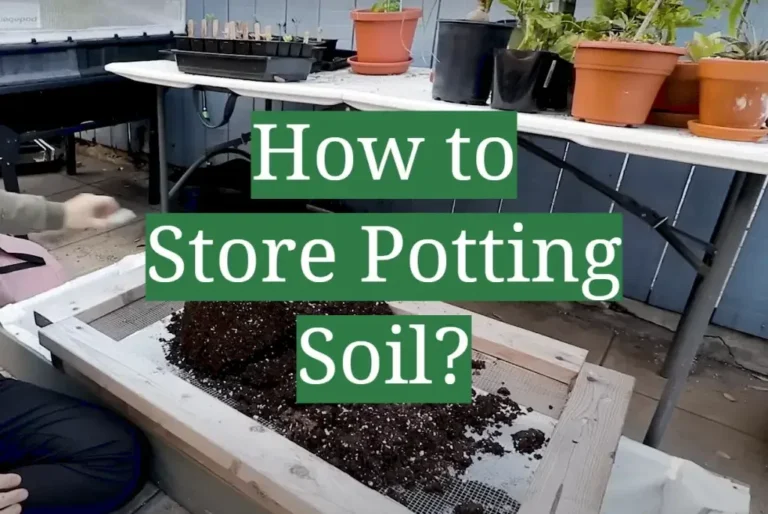
Use a clean tarp or wheelbarrow so you can blend the soil without making a mess. Break up clumps with your hands, but don’t grind the mix into fine dust; tomatoes need air around their roots as much as they need water.
For a manageable starting point, combine about two parts old potting mix with one part fresh potting mix. Add finished compost sparingly, around 10 to 20 percent of the final blend, and adjust the amount of fertilizer by its label. If the old mix is still fluffy and drains well, you may need less new mix; if it’s dense and collapsed, replace more of it.
I once tried to perk up a container mix with a heavy helping of compost because the soil looked tired. The result was denser than I wanted, and water lingered longer after watering. Since then, I’ve treated compost as an amendment, not a stand-in for potting mix.
The blend matters because compost adds organic matter and some nutrients, while fresh potting mix helps keep the root zone open and drainable. A mix made for container vegetables can be a good base; the best option still depends on the ingredients and the pot’s drainage.
- Remove old plant material. Pull out roots and stems rather than chopping them into the mix.
- Loosen and inspect the soil. Break up packed sections and discard anything with a foul smell, heavy mold, or obvious pest activity.
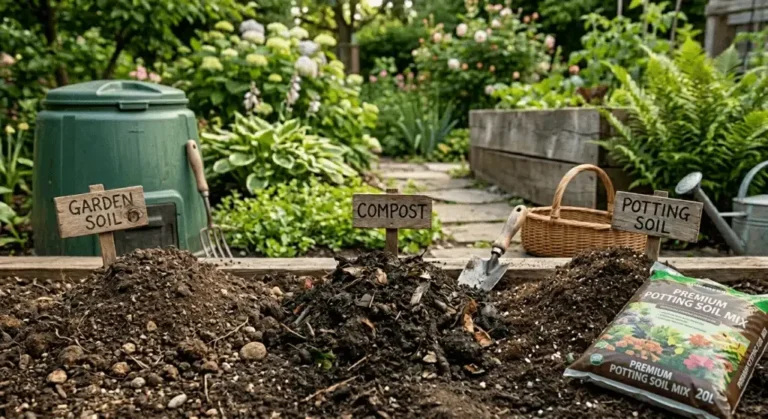
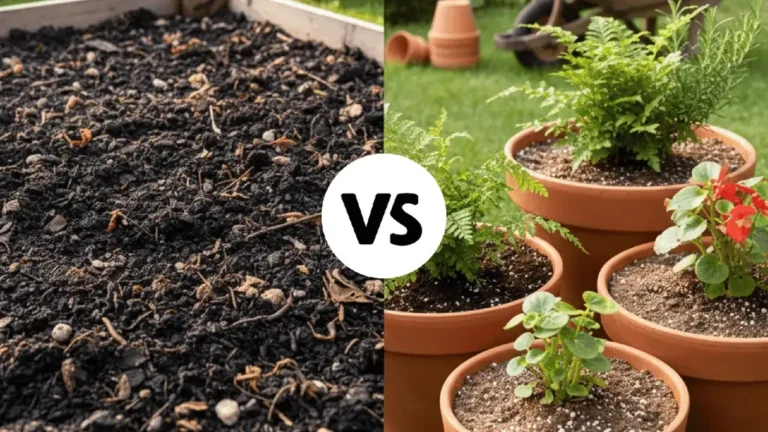
- Blend in fresh ingredients. Add fresh potting mix and a moderate amount of finished compost. Avoid garden soil, which can make a container mix dense.
- Add fertilizer carefully. Use a fertilizer labeled for edible plants or tomatoes and follow its directions. Compost alone may not provide everything a productive tomato needs.
- Pre-moisten before planting. Mix in water until the soil feels evenly damp, not muddy. Then fill a pot with open drainage holes and leave room at the top for watering.
For a closer look at the ingredients used in potting mix for vegetables, focus on drainage, texture, and whether the product is made for containers. A bag label can help you compare mixes, but no single recipe fits every pot and watering routine.
Tomatoes are hungry plants, so refreshing the soil is only part of the job. A container tomato may need regular feeding during the season, especially after it starts flowering and setting fruit; follow the fertilizer directions rather than piling on extra.
Important Tip: Don’t add fertilizer “just in case.” Too much can burn roots or build up in the pot, and more leafy growth isn’t the same as more tomatoes.
When Old Soil Is Too Risky to Reuse
Don’t reuse potting soil for tomatoes if the previous plant had a likely soilborne disease, serious root damage, or a persistent pest problem. New soil is the safer choice when you can’t tell whether the old mix is carrying trouble.
Some tomato diseases can survive in plant debris or soil. Soilborne disease means a plant problem that can persist in the root zone and affect another plant later. A tomato that wilted despite regular watering, developed dark or damaged roots, or showed unexplained decline deserves caution, especially if nearby plants had similar symptoms.
A dead plant doesn’t automatically mean the soil is contaminated. Still, the cause matters: a broken stem or missed watering is different from disease or root pests. If you’re asking whether soil from a dead plant is usable, inspect the roots and think back to what happened before deciding.
Avoid using suspect soil for another tomato or other plants that may share the same disease risk. Don’t assume that drying the soil, adding compost, or mixing it with fresh soil makes a disease problem disappear. Home treatment can be unreliable, and the cost of a new bag is usually lower than losing another plant.
Old mix can also collect fertilizer salts, which are minerals left behind as water evaporates. A white crust on the surface or pot rim can be a clue. If the plant was healthy and there are no disease signs, remove the crust and consider whether the pot was overfed or watered too lightly; severe buildup is a good reason to replace the mix.
| Warning sign | Possible concern | What to do |
|---|---|---|
| Tomato wilted while soil was moist | Root or vascular disease | Don’t reuse for tomatoes |
| Knobby, swollen roots | Root-knot nematodes or another root issue | Discard or follow local disposal guidance |
| Sour smell and persistently wet mix | Poor drainage or decay | Don’t plant into it |
| White crust on soil or pot | Fertilizer salts | Replace badly affected mix |
| Healthy plant, but some broken-down texture | Normal wear | Refresh with fresh potting mix |
A pot that held a sick tomato needs attention too. Wash away soil and plant debris, then clean the container using a method recommended for its material; check the container maker’s directions if you’re unsure. Porous pots can hold more residue than smooth plastic ones.
Pro Tip: If the cause of a plant’s decline is a mystery, don’t use that soil for your next tomato. A fresh bag is a much less frustrating experiment than repeating the same problem.
Common Reuse Problems and Better Fixes
Poor drainage, compacted texture, and weak growth are the most common signs that reused potting soil needs more than a quick fertilizer boost. Match the fix to the symptom instead of adding amendments at random.
Does water sit on top of the mix after you water? The soil may have compacted, or the drainage holes may be blocked. Loosen the mix and check the pot before adding more ingredients; if the mix still feels heavy, use a larger share of fresh potting mix.
Does water rush through without moistening the soil? Very dry peat-based mixes can become hard to wet. Add water slowly in several passes and stir the blend until moisture spreads through it.
If the old mix still sheds water, replace more of it.
Are the leaves pale or growth slow after planting? Tomatoes may need nutrients, but those symptoms can also come from cold weather, irregular watering, or damaged roots. Check the growing conditions first, then feed according to the product label rather than guessing.
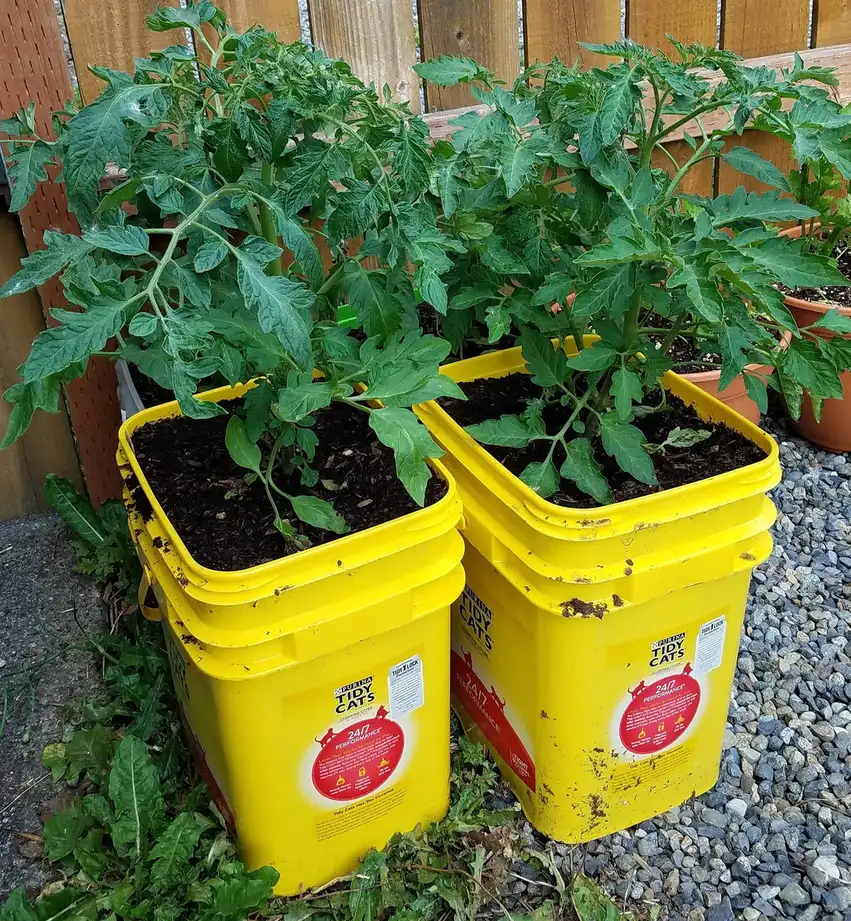
Container choice matters, too. A tomato’s roots need enough room and a way for extra water to escape. Guidance on potting soil for container tomatoes and soil for tomatoes in pots can help you compare mix needs with the size and setup of your container.
What if you decide not to plant tomatoes in the old mix? Soil without diseased plant material may be suitable for composting or for non-sensitive uses, depending on its condition and local composting rules. If you’re considering composting old potting soil, keep diseased roots and suspect plant debris out of a home compost pile.
Don’t pour questionable soil into a garden bed without thinking about where it came from. Soil from a healthy container is different from soil that may carry tomato disease or pests; when the history is unclear, use local yard-waste guidance.
FAQs About Can You Reuse Potting Soil for Tomatoes
Can you reuse potting soil for tomatoes every year?
Yes, you can reuse potting soil in later seasons if the previous plants were healthy and the mix still drains well. Remove old roots, add fresh potting mix, and replace nutrients with suitable fertilizer. Check the texture each year, since repeated watering and root growth can break down the mix.
Should I sterilize potting soil before reusing it for tomatoes?
No, routine home sterilizing isn’t needed for healthy, well-kept potting soil. Heating soil in an oven can create strong odors and isn’t a reliable substitute for identifying disease. If the previous tomato had likely soilborne disease, discard the mix rather than relying on a home treatment.
Can old potting soil make tomatoes sick?
Yes, old potting soil can carry disease organisms or pests if an earlier plant was infected or infested. The risk is higher when roots or diseased plant debris remain in the mix. Healthy previous growth and clean, freely draining soil make reuse a more reasonable choice, but they don’t guarantee perfect results.
Can you mix old potting soil with new potting soil?
Yes, blending old and fresh potting soil is a practical way to restore texture and reduce how much new mix you need. A starting blend of two parts old mix to one part fresh mix can work when the old soil is healthy. Use a higher share of fresh mix if the old soil is dense.
Can you reuse potting soil if a tomato died?
Sometimes, but only if the plant died for a clear non-disease reason and the roots show no signs of pests or decay. If the cause is unknown, or the plant wilted while the soil was wet, don’t reuse that mix for tomatoes. A new plant shouldn’t have to inherit a mystery.
Is reused potting soil still good for tomatoes in containers?
Yes, reused potting soil can work in containers when it stays airy and has enough nutrients for tomato growth. Containers magnify drainage and feeding problems because roots have limited space. Check that the pot drains, refresh the mix, and use fertilizer according to its label.
Give Your Tomatoes a Clean Start
Reusing potting soil for tomatoes can save money, but it’s only a good deal when the old mix is healthy and workable. A few minutes spent checking roots, smell, drainage, and pest signs can spare you a season of guessing.
In my view, fresh soil is the better choice whenever disease is a real possibility. For healthy old mix, refresh it with fresh potting mix, modest compost, and measured fertilizer instead of trying to revive it with a pile of amendments.
Your next step is simple: inspect the old soil before you plant. If it passes the checks, refresh it and use it; if it doesn’t, replace it and give your tomato a clean start.

I’m Maya L. Greenwood, a lifelong plant lover who believes anyone can grow something beautiful with the right guidance. After years of testing soil mixes, pruning methods, irrigation tricks, and pest-safe solutions, I started EasyGardenTips.com to turn hard-won lessons into step-by-step advice. From seed starting and container gardens to composting and seasonal checklists, my goal is to make gardening simple, sustainable, and fun.