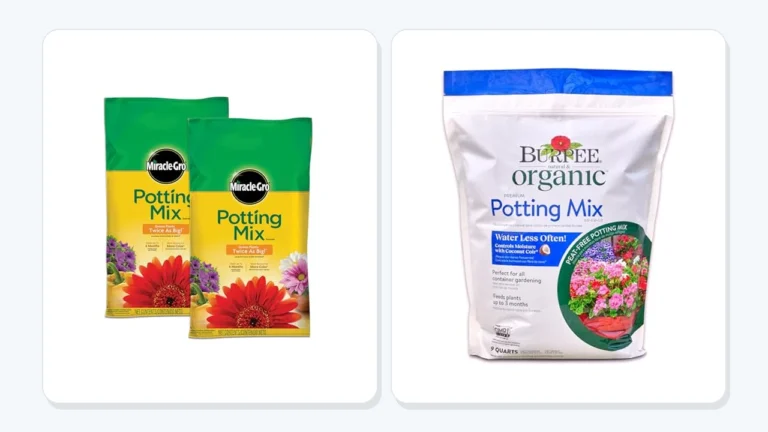
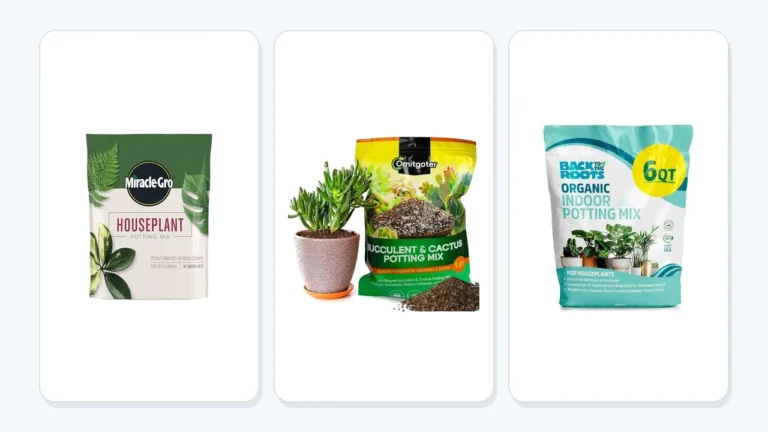
How to Store Potting Soil So It Stays Fresh and Pest-Free Longer
Store potting soil in a tightly closed, waterproof container in a cool, dry place, off the ground and away from pests. Keep unused mix dry, but don’t assume that sealing a wet bag will make the soil safe or fresh.
Have you opened a bag that smells sour, feels soggy, or seems to have sprouted a few tiny hitchhikers? And are you trying to save half a bag without turning your garage into a damp, buggy mess?
I once folded a partly used bag closed and left it beside my potting bench. When I came back, the mix had clumped into a damp lump, and I had to toss more than I wanted; that’s a common mistake, not a dumb one.
I wrote this for gardeners who buy more potting mix than they use at once, or who want a simple way to protect a few open bags between planting days. You don’t need a special shed or fancy gear to store it well.
If you get the basics right, you’ll waste less soil, avoid inviting pests indoors, and have a loose, usable mix ready when a plant needs repotting. Skip them, and moisture can lead to clumps, mold, or a mix that’s no longer suitable for your plants.
This takes about 10 minutes to read. You’ll come away knowing how to:
- Choose a container that keeps moisture and pests out.
- Store an opened bag safely in a garage, shed, or home.
- Spot problems before the mix goes into a pot.
- Decide when old potting soil is better discarded or refreshed.
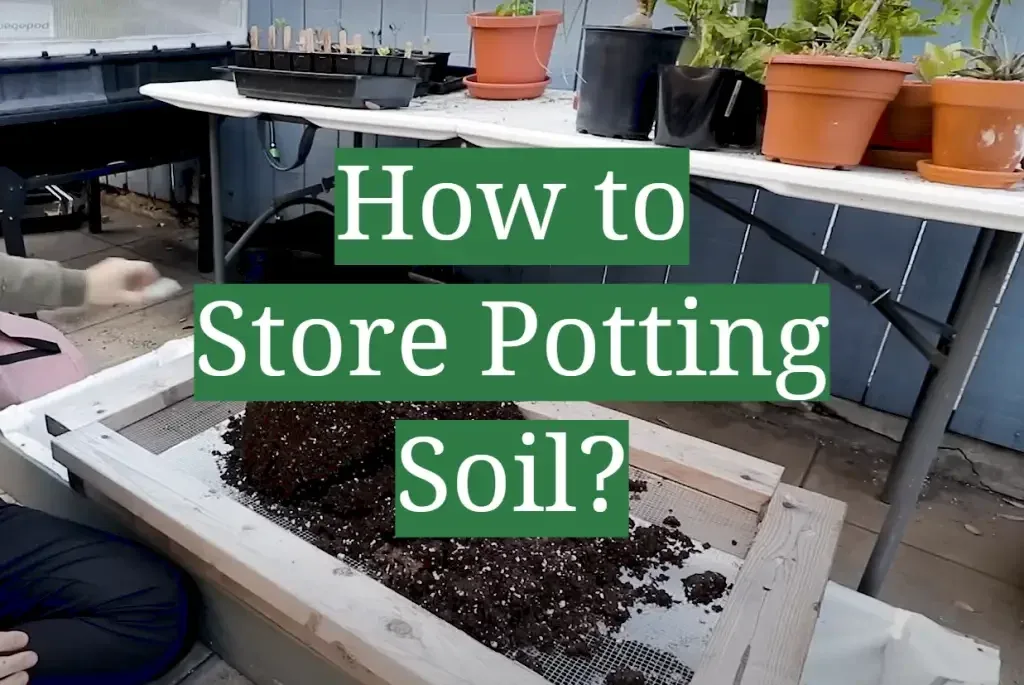
How to Store Potting Soil
To store potting soil, keep the mix dry, seal it in a sturdy container, and put the container in a cool, shaded spot above the floor. For a partly used 1-cubic-foot bag, fold the top closed, clip it, then place it inside a lidded tote.
Potting mix can hold water, but unused mix generally stores best when it stays dry. A sealed container helps block humid air, splashes, rodents, and insects, while a raised shelf or pallet keeps water from wicking up from a damp floor.
The goal is a clean, dry mix, not a sterile one. Many mixes contain organic matter, such as bark, compost, or peat, and those ingredients can change if they stay wet and warm for a long time.
A practical routine looks like this:
- Check the bag for tears, damp spots, and signs of insects.
- If the mix is dry and clean, close the bag tightly or transfer it to a clean, dry container.
- Label the container with the mix type and the date you opened it.
- Store it off concrete and away from direct sun, standing water, and strong temperature swings.
- Check the container after heavy rain or a major change in weather.
For a small amount, a lidded bucket works well. For several bags, a sealable storage tote or a lidded bin gives you easier access without leaving every bag open.
A label saves you from guessing later. Potting mixes can look alike, and you may want to keep seed-starting mix, cactus mix, or a fertilizer-free blend separate from general-purpose mix.
When you compare a fresh bag with an old one, focus on smell, texture, and pests, not just age. This guide to potting soil shelf life can help you judge whether an older mix still has a place in your garden.
Pro Tip: Keep a small scoop inside the container only if it’s clean and dry. A scoop left wet from watering can add enough moisture to start clumping the mix.
Choose a Container and Storage Spot That Work
A container protects potting soil only if it stays dry inside and closes securely. A sturdy lidded tote is a good choice for most home gardeners, while an intact original bag can work if you seal it inside a second container.
The original bag is convenient, but its folded top usually isn’t a reliable moisture barrier. If you leave it on an open shelf in a humid shed, the mix can take on moisture even when no water spills on it.
| Storage option | Works well for | Watch out for |
|---|---|---|
| Sealed original bag inside a tote | One opened bag or occasional use | Bag seams can tear; check for dampness |
| Lidded plastic tote | Several bags or frequent access | A wet tote can trap moisture inside |
| Clean bucket with a tight lid | Small quantities and leftovers | Don’t use one that held chemicals or fuel |
| Open bag with a folded top | Short-term use in a dry spot | Poor protection from humidity and pests |
Choose a food-safe or garden-use container that’s clean and has no chemical residue. Don’t reuse a bucket that held paint, pesticides, fuel, or another product that could contaminate the mix.
Where should the container go? Pick a shaded shelf in a dry garage, basement, or shed, and keep it away from a water heater, leaky hose, and floor drains. A hot spot next to a sunny window can heat the container and make the mix less predictable.
A damp basement isn’t automatically better than a garage. If the basement smells musty or has a history of water seepage, store soil somewhere drier instead.
Keep containers out of reach of children and pets, especially if the mix contains fertilizer or other added ingredients. Store the product in its original packaging or keep its label nearby so you can check what’s in it.
If you’re saving a mix without added plant food, keep that bag separate and label it clearly. Gardeners choosing a fertilizer-free potting mix may want to preserve that distinction so they can control feeding themselves.
Important Tip: Don’t put a warm, wet container into a sealed tote and assume the lid will solve the problem. Dry the container first, and deal with damp soil before closing it up.
Keep Opened Soil Dry, Clean, and Easy to Use
Opened potting soil stays in better shape when you close it after each use and avoid adding water or dirty tools. Dry hands, a clean scoop, and a quick reseal make a bigger difference than buying a costly storage system.
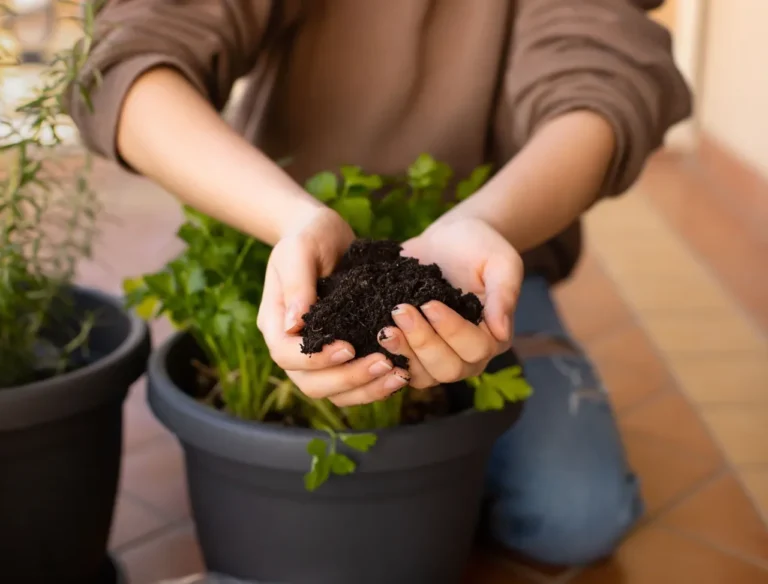
Before storing an opened bag, look at the top layer and feel a small handful. It should feel like loose potting mix, not like a wet sponge or a sticky clump.
If the bag is damp because it got rained on, don’t seal it right away. Spread the soil in a clean, sheltered area and let excess moisture evaporate before storing it; avoid drying it where wind can scatter the mix or animals can get into it.
I once used a shovel that had been sitting in a muddy garden bed to scoop leftover mix back into its bag. The soil came away with bits of mud and roots, which made the next planting job messier than it needed to be; a clean scoop would’ve saved the hassle.
Use a clean tool every time you take soil from a container. That reduces the chance of transferring garden debris or plant material from one batch into another.
Keep stored potting soil separate from compost piles, used potting mix, and outdoor soil. Garden soil can be heavier than a container mix and may have different drainage properties, so mixing them by accident can change how a potted plant handles water.
If you have several kinds of mix, mark them in plain language: “seed starting,” “houseplants,” or “cactus.” Clear labels help when the bags are all the same shade of brown and you’re trying to pot a plant in a hurry.
Fresh soil also doesn’t mean fresh fertilizer. Some bagged mixes include added plant food, and the amount and release time vary by product, so check the package before adding more.
When your mix is intended for propagation, keep the bag clean and use a separate scoop. That’s especially handy with a mix for rose cuttings, where you want a suitable growing medium without bits of old garden debris.
What to Do If the Soil Gets Wet
Damp soil isn’t always ruined, but sealing it while wet can encourage a sour smell, clumps, or visible growth. First, check how wet it is and whether it smells normal.
- Slightly cool or mildly damp: Let it air out in a protected place before sealing it.
- Soggy or heavily clumped: Don’t use it for delicate seedlings or cuttings until you’ve checked its condition.
- Strong sour or rotten smell: Discard it rather than trying to mask the odor.
- Visible mold or pests: Keep the bag away from houseplants and decide whether disposal is the safer choice.
A little condensation inside a bag doesn’t tell the whole story. Open it, inspect the mix, and let your nose help; a mild earthy smell is different from a sharp, unpleasant odor.
If the mix looks dry and smells normal after airing, you can store it in a clean, dry container. If it still feels swampy or smells off, don’t use it for a plant that needs reliable drainage.
Account for Cold Weather, Heat, and Different Mixes
A sheltered storage spot with steady conditions is better than a place that swings from damp and cold to hot and sunny. Potting soil can tolerate a range of conditions, but its ingredients and moisture level affect how well it stores.
Cold weather by itself doesn’t mean a bag is spoiled. Moisture can freeze and thaw, which may change texture or leave the mix wet, so inspect the bag and let frozen soil thaw naturally before use.
Gardeners storing bags in an unheated shed often ask whether freezing ruins the mix. The answer depends on the product and what’s in it, so a guide to potting soil and freezing can help you decide what to check after a cold spell.
Don’t try to speed up thawing with an oven, space heater, or open flame. Let the bag warm in a sheltered place, then check for moisture, unusual odor, and clumps.
Heat matters because direct sun can warm a bag and make stored moisture more troublesome. Keep the container in shade, away from hot pipes or equipment, and don’t leave it in a car for long stretches.
Different plants also call for different mixes, so mark specialty soil rather than pouring it into a general bin. A blend intended for hanging baskets may not be the same as a propagation mix or a fast-draining mix for succulents.
If you’re storing a mix for hanging baskets, label the plants it suits. Gardeners who use a potting mix for fuchsias can then avoid confusing it with a drier blend meant for plants that prefer less moisture.
Does every kind of potting soil need the same storage routine? The basics are the same, but mixes with added fertilizer, compost, or moisture-control ingredients deserve a close look at the bag directions before you reuse them.
Don’t add water just to make dry mix easier to handle. Watering belongs in the pot, where you can control the amount, not in a storage container that may sit untouched for weeks.
Check Stored Soil Before You Plant
A quick inspection before use can catch problems while the soil is still in the bag. Check for a normal earthy smell, a loose texture, and any signs of insects or contamination.
Open the bag outside or in a well-ventilated area if you’re unsure about its condition. Look for webbing, larvae, unusual growth, or debris that wasn’t there when you stored it.
A few signs tell you to stop and take a closer look:
- Sour or rotten odor: The mix may have stayed too wet.
- Hard, wet clumps: Moisture may have collected inside the container.
- Pests or larvae: Don’t bring the bag near indoor plants.
- Chemical smell or unknown spill: Don’t use the mix for plants.
Not every small clump means the soil is unusable. Break apart a small amount by hand; if it crumbles and smells normal, the mix may be fine, but don’t use it if the clumps are wet, slimy, or foul-smelling.
If pests are present, keep the bag closed and away from plants while you decide what to do. Don’t spread questionable soil around the garden, where you could move insects or plant disease to a new spot.
Old potting soil can sometimes be reused for less-sensitive outdoor containers if it’s clean and in good condition. That’s different from refreshing a mix that has been used for a plant with disease, or one that’s compacted and drains poorly.
A stored bag also won’t fix soil that has already served its purpose in a pot. If you’re weighing reuse against replacement, check how often to change potting soil based on the plant and how the mix performs.
If you’re not sure what a damp or odd-smelling mix contains, check the original label. Follow its disposal directions when available, especially if it includes fertilizer or other added products.
Pro Tip: Test questionable soil in a spare outdoor pot before using it for a favorite plant. You’ll spot drainage problems without risking the plant you’ve been nursing along all winter.
FAQs About How to Store Potting Soil
Can I store potting soil in its original bag?
Yes, you can store potting soil in its original bag if the bag is intact, the mix is dry, and you close the opening securely. A lidded tote adds protection from humidity, pests, and accidental spills. Label the bag if you have several types of mix.
Should potting soil be stored indoors or outside?
Potting soil can be stored indoors or outside if the location is dry, shaded, and protected from pests and water. A damp basement or leaky shed can cause more trouble than a dry garage. Keep bags off the floor and follow the product label for storage directions.
Can I put wet potting soil in an airtight container?
No, don’t seal wet potting soil in an airtight container for storage. Trapped moisture can leave the mix clumpy or foul-smelling. Let excess water evaporate in a clean, sheltered place, then check the soil before closing the container.
How can I keep bugs out of stored potting soil?
Keep bugs out by closing the bag or container after each use and storing it away from plant debris and damp areas. Use clean tools, and check the mix before bringing it near indoor plants. If you spot pests, keep that bag isolated until you decide whether to discard it.
Does potting soil need to stay warm in winter?
No, potting soil doesn’t need a heated room for ordinary storage. Keep it sheltered from water and inspect it after freezing or thawing, since wet soil can clump. Let a frozen bag thaw naturally, then check the mix’s smell and texture before planting.
Make Your Next Bag Easy to Use
Good potting soil storage doesn’t need to be complicated: keep the mix dry, protect it from pests, and put it somewhere shaded and raised off the floor. A clipped bag inside a clean tote is plenty for many home gardeners.
I’d rather spend a minute labeling a container than guess later about what’s inside. That small habit helps keep specialty mixes separate and lets you catch a damaged bag before you scoop soil into a pot.
The clearest next step is to check the place where you already store garden supplies. If it’s damp, exposed to sun, or close to a leak, move the soil to a dry shelf and close the bag or container after your next use.

I’m Maya L. Greenwood, a lifelong plant lover who believes anyone can grow something beautiful with the right guidance. After years of testing soil mixes, pruning methods, irrigation tricks, and pest-safe solutions, I started EasyGardenTips.com to turn hard-won lessons into step-by-step advice. From seed starting and container gardens to composting and seasonal checklists, my goal is to make gardening simple, sustainable, and fun.