
5 Best Potting Soil for String of Hearts: Mixes for Fuller Vines
Buy the wrong potting soil and string of hearts roots can stay wet long after watering, leaving you with limp vines and a pot that never seems to dry. A dense mix can also make it hard to judge when the plant needs water, so you may end up repotting sooner than planned. Getting the texture right matters more than buying a bag with a long list of ingredients.
String of hearts does best in a potting mix that lets water pass through rather than holding it around the roots for days. A loose texture is helpful, but the mix still needs to retain enough moisture for the plant to take up water between checks. The pot matters too: a drainage hole gives extra water somewhere to go, while a pot without one can turn a forgiving mix into a soggy trap.
Here, the useful differences are texture, bag size, and how much of the mix is ready to use. You’ll find practical guidance on:
- Choosing a mix texture that suits a trailing plant and its container.
- Deciding whether to use a blend as-is or adjust it.
- Watering and repotting without leaving roots waterlogged.
- Keeping opened potting soil in usable condition.
Quick Picks
-
Best For Airy Houseplant Mix

Grow Queen Craft Houseplant Potting Mix, Organic
Bark, pumice, and lava rock create open soil structure, helping growers who want a chunky mix ready straight from the bag.
-
Best For Tropical Plant Roots

Rosy Soil Aroid Soil Mix, Chunky Biochar
Pine bark, pumice, and biochar keep the blend chunky, suiting tropical plant growers who want a ready-to-use four-quart bag.
Top 5 Potting Soils for String of Hearts at a Glance
Start with Grow Queen if you want a small, chunky houseplant mix with bark and mineral ingredients. Rosy Soil and DUSPRO are also airy blends, while Miracle-Gro and Back to the Roots offer larger or more general-purpose indoor mixes with different moisture-related ingredients.
| Product image | Product name | Check product |
|---|---|---|
| 1 |
Grow Queen Craft Houseplant Potting Mix, Organic | Check Price |
| 2 |
Rosy Soil Aroid Soil Mix, Chunky Biochar | Check Price |
3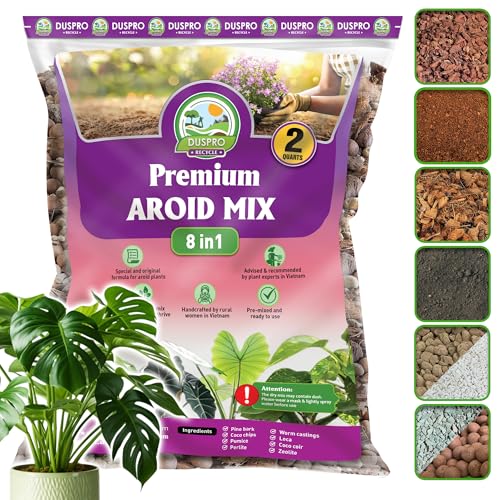 |
DUSPRO 8-in-1 Aroid Potting Mix, Pre-Mixed Chunky | Check Price |
4 |
Miracle-Gro Organic Indoor Potting Mix, 16 qt. | Check Price |
5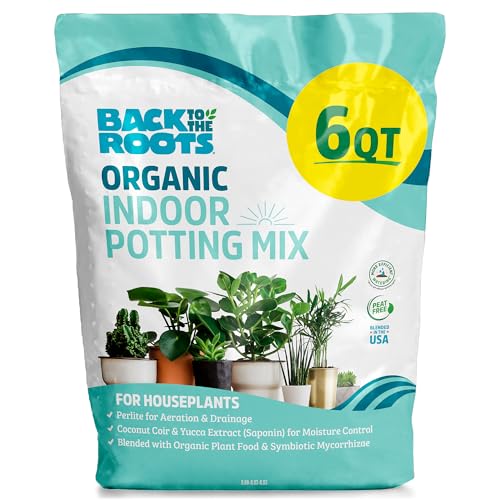 |
Back to the Roots Organic Indoor Potting | Check Price |
5 Best Potting Soils for String of Hearts: Detailed Reviews
When I chose the best potting soil for string of hearts, I paid attention to texture first, because a dense mix can stay damp around fine roots. I also weighed drainage, bag size, and whether the ingredients make the mix more suited to aroids or general houseplants.
The choices here range from small, chunky blends to larger indoor mixes, so you can match the bag to one repot or a plant shelf. Comparing the ingredient descriptions makes it easier to decide whether you want an airy blend ready to use or a more general mix that may need adjusting for your watering habits.
1. Grow Queen Craft Houseplant Potting Mix, Organic
Bark, pumice, and lava rock create open soil structure, helping growers who want a chunky mix ready straight from the bag.
- Size2 quarts
- Number Of Items1
- PICK YOUR SIZEChoose a small bag (2 or 4 quart) for a single repot or a large bag (8 or 12 quart) for a full plant shelf. Same cr
- WeightNot listed; check details
Grow Queen Houseplant Mix is a small, chunky indoor blend for growers who want a ready-to-use mix with ingredients that help open up the root area. It is listed as a two-quart bag, a practical amount for one small repot or a little top-up.
The blend includes Douglas fir bark, lava rock, and pumice. Pumice is a lightweight volcanic stone used in potting mixes to create air spaces, so water can move through instead of sitting in a dense clump around roots. Bark and lava rock add more structure, which can help the mix resist packing down as you water.
Worm castings and charged biochar are also listed. Biochar is a porous carbon material that can hold some water and nutrients, while the castings add organic material; that combination gives the mix more than just coarse drainage ingredients. It is also described as pre-moistened, so you can open the bag and plant without first trying to wet a dry, dusty mix.
The trade-off is the small bag size, which may not stretch far if you are repotting several mature plants. The description names many houseplants, but it does not give a measured ratio of ingredients, so check the texture in the bag and adjust only if your growing conditions call for it.
Pros:
- Bark, pumice, and lava rock create an airy texture.
- Pre-moistened mix is ready to use after opening.
- Two-quart size suits a small repot or pot refresh.
- Peat-free formula avoids peat moss in the blend.
- Worm castings and biochar add organic components.
Cons:
- Two quarts may be too little for several large pots.
- Ingredient proportions are not specified.
- Chunky texture may dry faster in a warm, bright spot.
Buy it if: you are repotting one small string of hearts, because the pre-moistened two-quart blend is ready to use and includes coarse ingredients for airflow.
Skip it if: you need enough soil for a whole shelf of large pots, because a two-quart bag may run short, and a larger bag would suit you better. For another fit, consider Rosy or Duspro.
I’d pick Grow Queen Houseplant Mix if your main goal is an airy blend without buying separate ingredients. The combination of bark, pumice, and lava rock makes its purpose easy to understand, and the pre-moistened condition removes one small setup step. Check the bag size and the actual texture before purchase, especially if you expect to repot more than one plant.
It suits a beginner refreshing a single small pot.
2. Rosy Soil Aroid Soil Mix, Chunky Biochar
Pine bark, pumice, and biochar keep the blend chunky, suiting tropical plant growers who want a ready-to-use four-quart bag.
- Size4 Quarts
- ColorAroid
- Number Of Items1
- WeightNot listed; check details
Rosy Soil Aroid Mix is a four-quart chunky blend aimed at aroids and other tropical houseplants. String of hearts is not specifically named in its description, so the useful question is whether the mix’s open texture and watering behavior fit your own growing setup.
Pine bark fines, pumice, and biochar are listed as ingredients. The bark and pumice make a rougher, less compact texture, while biochar adds a porous component; together, those materials are intended to help water pass through and leave air around roots. That can suit growers who tend to water generously or whose indoor mix stays damp for too long.
The blend also includes worm castings, compost, and mycorrhizae. Mycorrhizae are beneficial fungi used in some growing media to form associations with plant roots, but their presence does not replace good watering or appropriate light. The four-quart size is described as enough for two to three medium six-inch pots, which gives you more room to repot several small plants than a two-quart bag.
Aroid mixes can be quite open compared with general indoor potting mixes, so a plant in a warm, dry room may need closer moisture checks. The description does not give a measured ingredient ratio, and the bag’s resealable feature may be handy for storage but does not tell you how quickly the blend dries in your home.
Pros:
- Four-quart bag covers more than one small pot.
- Pine bark and pumice support an open mix texture.
- Biochar, compost, and worm castings are included.
- The blend is described for several tropical houseplants.
- Resealable bag helps contain unused mix between sessions.
Cons:
- String of hearts is not specifically named.
- A chunky mix may need more frequent checks in a warm room.
- Ingredient ratios are not stated.
Buy it if: you are repotting several tropical plants, because the four-quart bag and bark-and-pumice blend offer more volume in a chunky format.
Skip it if: you want a mix explicitly described for string of hearts, because Rosy Soil focuses on aroids, and a general houseplant mix may suit your preference better. Grow and Duspro are worth a closer look instead.
What I like about Rosy Soil Aroid Mix is the balance between a larger bag and a clearly chunky ingredient profile. The mix’s focus on aroids makes it a reasonable choice if your other plants also prefer open potting media, though that does not guarantee it will suit every string of hearts setup. Check the bag size and expect to monitor moisture after repotting.
It suits someone potting several tropical plants at once.
3. DUSPRO 8-in-1 Aroid Potting Mix, Pre-Mixed Chunky
The catalog lists Pre-Mixed 8-Ingredient Aroid Blend: DUSPRO Recycle Aroid Mix is a ready-to-use blend designed for aroid plants. Compare fit and care needs before choosing.
- Size2 Quarts
- ColorAroid Potting Mix
- WeightNot listed; check details
- DimensionsNot listed; check details
DUSPRO Aroid Mix is a pre-mixed blend for growers who want several soil components combined in one small bag. Its two-quart size is pitched for a limited repot, and the description specifically names plants such as pothos, monstera, and philodendron rather than string of hearts.
The mix lists pine bark, pumice, coir, coco chips, LECA, perlite, zeolite, and worm castings. LECA means lightweight expanded clay aggregate, small clay pebbles that create gaps in a growing mix; those gaps can help keep the root area less packed. Coco coir and coco chips are coconut-based materials, while the pumice and perlite add mineral components that help open the blend.
The combination aims to balance airflow and moisture retention rather than relying on one ingredient alone. That can be useful if you want a ready-to-use blend and do not want to buy separate amendments, but each home’s conditions still matter. A pot in a cool, low-light corner may dry more slowly than one in a warm, bright place.
The package is small, and the description gives several size options but the selected bag here is two quarts. The long ingredient list is useful to understand the texture, but it does not include ingredient proportions, so do not assume every component makes up an equal share.
Pros:
- Eight listed ingredients arrive already blended.
- Pine bark, coco chips, and clay pebbles add chunky structure.
- Pumice and perlite are included for a more open mix.
- Two-quart bag is manageable for a small repot.
- Coir and zeolite are listed for moisture balance.
Cons:**
- String of hearts is not named in the description.
- Two quarts may not cover several pots.
- The exact proportions of the eight ingredients are not stated.
Buy it if: you want a premixed aroid blend for one small pot, because the two-quart bag combines several coarse materials without separate measuring.
Skip it if: you want a straightforward mix with fewer named components, because the eight-ingredient blend may be more complicated than you need, and a simpler indoor mix could suit you better. If those trade-offs rule it out, Grow or Rosy may suit you better.
I’d consider DUSPRO Aroid Mix when convenience matters and you like knowing which broad ingredients make up the blend. The mix has several components that create a varied texture, but that ingredient count alone does not make it a better match than a simpler soil. Check the selected bag size and the blend’s feel before committing to a larger repot.
It suits a grower who wants a ready-made mix for one or two small plants.
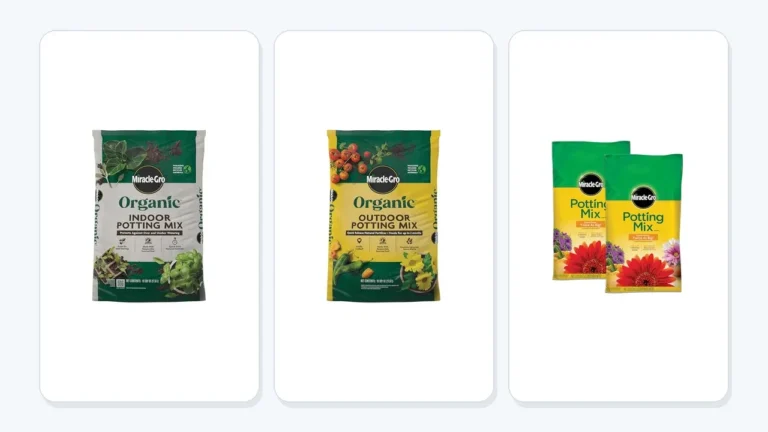
4. Miracle-Gro Organic Indoor Potting Mix, 16 qt.
The catalog lists HELPS REGULATE SOIL MOISTURE: Miracle-Gro Organic Indoor Potting Soil Mix is an organic potting soil that prot. Compare fit and care needs before choosing.
- Size16.qt
- COVERAGEOne 16 qt. bag of Miracle-Gro Organic Indoor Potting Mix fills one 12-inch container with potting soil for indoor p
- WeightNot listed; check details
- DimensionsNot listed; check details
Miracle-Gro Indoor Mix is a larger general-purpose potting mix for indoor container plants, herbs, and seed starting. The selected bag is listed as 16 quarts, so it is worth considering if you have several pots to fill rather than one small trailing plant.
The blend lists sphagnum peat moss, coir, and a quick-start natural fertilizer. Coir is a coconut fiber material that can hold moisture, which may help a potting mix avoid drying out too quickly. That moisture-holding quality is useful for some houseplants, but string of hearts growers who water frequently should pay attention to how long the pot stays damp.
The product description says the mix helps regulate soil moisture and describes use with transplants and seeds. Those are broad indoor gardening uses, not a guarantee that the mix will drain quickly enough for every string of hearts pot. A drainage hole and careful watering matter especially if the mix feels finer or heavier than the loose blends above.
The 16-quart amount is a clear advantage for multiple containers, but it may be more soil than you need for a single small plant. The description does not list a chunky bark or pumice blend, so check the actual bag details and texture if fast drainage is your top priority.
Pros:
- Sixteen-quart size can fill several containers.
- Coir is included to help retain moisture.
- Intended for indoor plants, herbs, and seed starting.
- The description gives transplanting and seed-starting directions.
- Broad-use mix may serve several indoor gardening tasks.
Cons:
- String of hearts is not specifically named.
- The listed ingredients do not include bark or pumice.
- A large bag may be excessive for one small pot.
Buy it if: you need potting mix for several indoor containers, because the 16-quart bag offers much more volume than the smaller specialty blends.
Skip it if: your string of hearts pot stays wet for a long time, because this mix is described as moisture-regulating, and a more open, chunky blend may suit you better.
To me, Miracle-Gro Indoor Mix makes the most sense when the quantity is as important as the plant. The larger bag and general indoor use are convenient, while the listed moisture-retaining materials make careful watering especially relevant for a trailing plant. Confirm the mix’s texture and how you will store unused soil before buying.
It suits someone filling multiple indoor containers, not someone seeking a tiny, highly specific blend.
5. Back to the Roots Organic Indoor Potting
The catalog lists Includes 6qt of Back to the Roots Indoor Potting Mix. Our Potting Mix contains organic yucca extract that aids. Compare fit and care needs before choosing.
- Size6 Quart
- ColorIndoor Potting Mix
- Release Date2023-01-01T00:00:01Z
- Number Of Items1
Back to the Roots Indoor Mix is a six-quart peat-free houseplant mix for growers who want a medium-size bag and a general indoor formula. Its description names pothos, monstera, ferns, and other plants, so the blend is not presented as a string of hearts specialty mix.
The mix includes organic yucca extract, which the product description says helps retain moisture in the soil. That may be useful if your home is warm and pots dry quickly, but it also means you should check the soil before watering rather than following a fixed schedule. A trailing plant’s small pot can dry differently from a larger container even in the same room.
The description also lists mycorrhizae and dolomitic limestone. Mycorrhizae are root-associated fungi used in some growing media, while dolomitic limestone is a mineral material used to adjust soil acidity; the listing does not provide a target pH or ingredient proportions. The peat-free claim and absence of bark or compost are also stated in the product details, though those facts alone do not tell you the mix’s final texture.
Six quarts sits between the smaller specialty bags and the large 16-quart option. One limitation is that the available description does not identify chunky drainage ingredients, so check whether the mix looks loose enough for your watering habits before using it without adjustment.
Pros:
- Six-quart bag offers a middle-size quantity.
- Peat-free formula is stated in the description.
- Yucca extract is included to help retain moisture.
- Mycorrhizae and dolomitic limestone are listed ingredients.
- Intended for a range of indoor plants.
Cons:
- String of hearts is not specifically named.
- The listed description does not mention bark or pumice.
- The exact ingredient proportions and target pH are not given.
Buy it if: you want a medium-size indoor mix and your pots tend to dry quickly, because the listed yucca extract is intended to help retain moisture.
Skip it if: you prefer a clearly chunky blend with named mineral drainage materials, because those ingredients are not listed here, and an airy aroid mix could suit you better.
I’d put Back to the Roots Indoor Mix on the list for someone who wants a middle-ground bag rather than a tiny trial amount or a large bulk bag. Its moisture-retaining ingredient may fit a dry room, but that feature deserves attention if you already tend to water often. Check the blend’s texture and the amount you need before purchase.
It suits a grower who wants general indoor soil and can keep an eye on pot moisture.
How to Choose the Best Potting Soil for String of Hearts
The best potting soil for string of hearts is loose enough to drain and breathe, while holding a modest amount of moisture between waterings. Start with the texture and your pot’s drainage, then consider bag size and how quickly your home dries soil.
Check the texture before the ingredient count
A useful mix feels open and crumbly rather than like a dense block. Bark, pumice, lava rock, perlite, and coco chips are examples of ingredients that can create spaces within a potting mix, but the exact proportions affect the final feel.
If you can inspect a bag in person, look for visible coarse pieces mixed with finer material rather than a uniform powdery texture. When buying online, read the ingredient list and product details carefully; a word like chunky does not tell you the exact size of every piece. A mix that feels very coarse can also dry faster, so your room and watering habits matter.
Match drainage to your watering habits
Drainage means how readily extra water can pass through the mix and out of the pot. If you often water before checking the soil, a more open blend and a pot with a drainage hole can give you a larger margin for error, though neither makes overwatering impossible.
Check the pot after watering: excess water should be able to leave rather than collect at the bottom. If the soil stays wet for several days in your conditions, reassess the mix, light, pot size, and watering amount together. A dry top surface alone does not always mean the whole root area is dry.
Choose the right amount for your project
A quart is a volume measure, and the bag sizes here range from two to sixteen quarts. For one small pot, a two-quart bag may be enough; for several containers, estimate how much soil the pots need and leave a little extra for settling around the roots.
A larger bag can be more convenient when you repot multiple plants, but leftover mix needs dry, sealed storage. Don’t buy a big bag just because it seems economical if you have nowhere to keep it away from moisture. Soil that gets wet in storage can be harder to handle and may develop an unpleasant smell.
Decide whether a specialty blend fits your plants
Aroid mixes are usually described as airy blends for plants such as monstera and philodendron. String of hearts is a different plant, so an aroid label is a clue about texture rather than proof that the formula is automatically the right choice.
If you keep several plants with similar watering preferences, a shared chunky blend can simplify your shelf. If you also grow plants that prefer more even moisture, separate mixes may prevent you from watering every pot the same way. Cactus and succulent soil can be useful to compare, but don’t assume all such mixes behave alike; check the ingredients and texture before using one for another plant.
Consider moisture-holding ingredients
Coir, peat moss, and yucca extract are among the materials named in these mixes that can help hold moisture. That can be useful in a warm, dry room, but it may not suit a grower whose pots already take a long time to dry.
String of hearts needs a balance: roots should not sit in wet soil, yet the mix should not become dry immediately after every watering. If you are unsure, start with a small amount of the chosen mix, note how long the pot takes to dry, and adjust your routine before changing the soil again.
Look at the pot, not only the soil
A drainage hole is one of the simplest safeguards for a potted plant. A decorative outer pot can still be used, but keep the plant in a nursery pot with holes inside it and empty any collected water rather than letting the base sit in a puddle.
Pot size matters too. Moving a small root ball into a much larger container leaves extra soil that can stay wet longer than the roots can use. Choose a pot only modestly larger than the root ball, and confirm that the inner pot can drain freely.
How to Use Potting Soil for String of Hearts for the Best Results
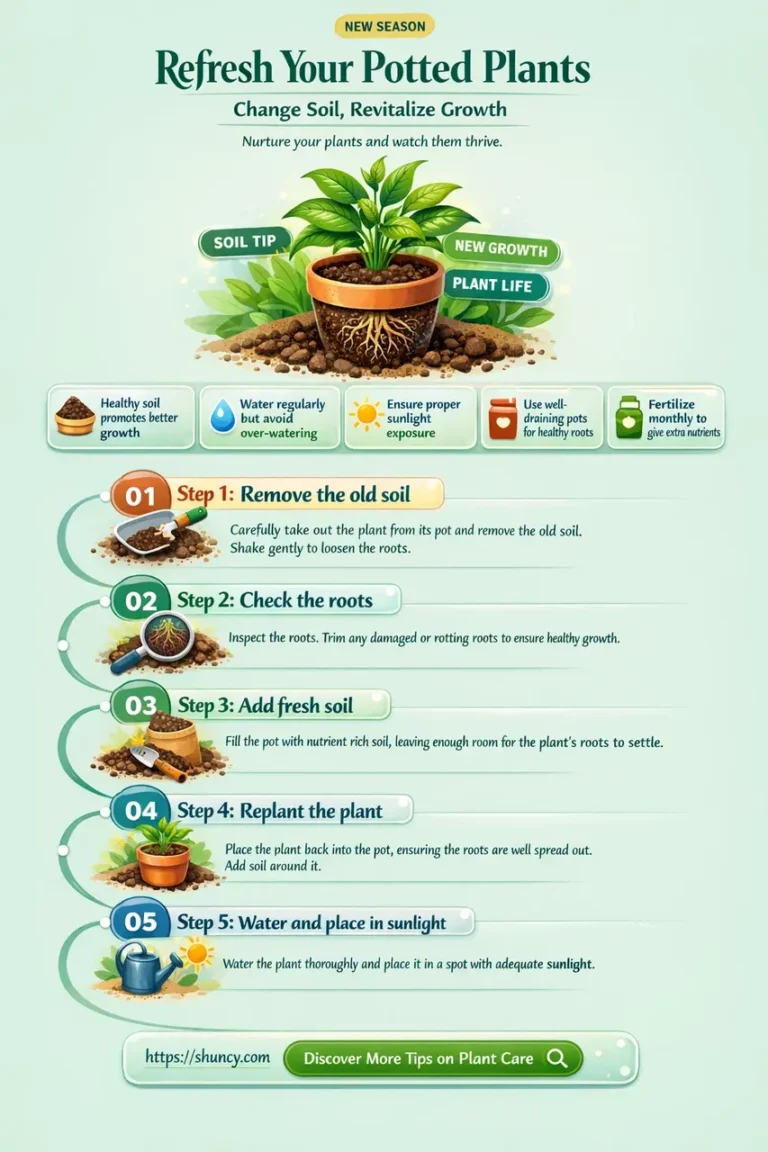
Use a fresh, loose mix in a pot with drainage, then water thoroughly and let the extra water escape. After repotting, check moisture at the root level instead of watering by calendar alone.
- Gather the pot, fresh mix, and a clean work surface before lifting the plant. Have a drainage pot ready so the roots do not sit exposed while you search for supplies.
- Slide the plant out gently and look at the root ball. Loosen only soil that comes away easily; pulling hard can damage fine roots.
- Check for roots that are dark, soft, or damaged and remove only clearly unhealthy sections with clean scissors. If the roots look firm, avoid unnecessary trimming.
- Add enough mix to the pot that the plant sits at its previous soil height. Burying the vine base much deeper than before can trap moisture around stems.
- Fill around the root ball without packing the soil tightly. A light tap on the pot can settle loose gaps while preserving the open texture.
- Water slowly until water drains from the bottom, then empty the outer cachepot or saucer. This first watering settles the mix, but it is not a reason to water again the next day.
- Let the soil dry appropriately before watering again. Check below the surface with a finger or a wooden stick, since the top can dry before the center of the pot.
- Keep the plant in its usual suitable light after repotting and watch how the pot dries. Avoid changing the soil, light, and watering routine all at once, because then it is hard to tell what helped.
A fresh mix may settle slightly after watering, so add a small amount around the root ball if it sinks too low. Do not press the soil down firmly just to make the pot look neat; compacting it removes some of the air spaces you chose the mix for.
How to Make Your String of Hearts Potting Soil Last Longer
Keep unused soil dry, covered, and away from pests, and avoid reusing old mix that has become compacted or smells sour. In the pot, protect the soil structure by watering carefully and checking drainage rather than repeatedly compressing the surface.
Store an opened bag in a sealed container or close it tightly, then keep it somewhere cool and dry. Do not leave the bag outdoors where rain can soak it or where direct sun can heat it. Label the container with the mix name and opening date if you keep several blends, so you can remember what is inside.
Before using stored mix, check for damp clumps, a sour smell, or visible insects. If the mix has become wet or smells off, do not assume it is fine because it was sealed; use fresh soil if you are unsure. Keep the bag away from food, pets, and small children, and follow any specific handling directions on the package.
In a planted pot, avoid topping up repeatedly with dense material that changes the mix texture around the roots. If a plant needs fresh soil, repot it rather than covering old, compacted mix with a thin layer and expecting drainage to improve. A pot with a clear drain hole also makes it easier to notice whether water can escape.
The growing season and indoor conditions change how quickly a pot dries, so check the soil regularly rather than following a rigid weekly watering schedule. If the mix begins to compact, water runs down the sides without wetting the root ball, or the plant remains wet much longer than before, inspect the roots and consider refreshing the soil. When comparing a blend for a different plant, a guide to succulent potting soil can help you think through how a gritty mix differs from a standard houseplant blend.
Common Mistakes to Avoid When Buying and Using String of Hearts Potting Soil
- Choosing by bag label alone: Aroid, indoor, or succulent on the front does not tell you the exact texture. Read the ingredient list and look for the drainage features that match your setup.
- Assuming every chunky mix dries at the same speed: Ingredient size and the amount of fine material change how water moves. Check the actual pot after watering before setting a routine.
- Using a pot without a drainage hole: Extra water can collect at the bottom even when the mix looks airy. Use a draining inner pot and empty standing water from the outer container.
- Moving a small root ball into an oversized pot: A large volume of unused soil can remain wet longer. Choose a pot only a little larger than the root ball.
- Watering on a fixed weekly schedule: Light, temperature, pot size, and season all affect drying time. Check below the surface and water when the plant’s mix needs it.
- Packing soil tightly around the roots: Firm pressure can reduce the open spaces that help drainage. Add mix loosely and tap the pot gently to settle it.
- Assuming cactus soil suits every houseplant unchanged: Cactus mixes differ, and some are more mineral or coarse than others. Compare the ingredients and see how cactus soil transfers to other plants before using a blend for a different watering need.
One easy way to avoid trouble is to change one thing at a time. If the pot stays wet, first check the drainage hole and watering habits before adding more ingredients or moving the plant into a different container.
How to Set Up Potting Soil for String of Hearts
Setting up a string of hearts in fresh soil is a small repotting task, not a special installation. Prepare the pot and work area first so you can focus on the roots instead of cleaning up a bag of mix halfway through.
- Select a pot with at least one open drainage hole. If you use a decorative cover pot, keep the plant in a separate draining inner pot.
- Gather the soil, clean scissors, and a small scoop or cup. A paper-covered table or tray makes loose ingredients easier to contain.
- Open the bag carefully and check the mix for moisture and texture. Break up only large clumps that crumble easily; do not grind chunky ingredients into fine particles.
- Lift the plant from its old pot and support the root ball rather than pulling on the vines. Long trailing stems can tangle, so set them aside gently before working on the soil.
- Add a shallow layer of mix, place the root ball at its former depth, and fill the sides loosely. Keep the stems and leaves above the soil line.
- Water slowly and allow the excess to drain. Empty any water that collects in the saucer or decorative pot.
- Put the plant back in a suitable spot and check the soil before watering again. A newly potted plant does not need extra water merely because the soil is new.
If your plant is not root-bound and the old soil drains well, you may not need to repot immediately. Avoid disturbing healthy roots just to try a new mix; wait until there is a practical reason, such as a pot that no longer drains or soil that has become compacted.
Common Questions About Potting Soil for String of Hearts
What kind of potting soil does string of hearts need?
String of hearts needs a loose, well-draining potting mix that does not remain soggy around the roots. Look for a mix with a combination of finer material and coarse ingredients such as bark, pumice, or perlite, then use a pot with drainage. The right balance depends on how warm and dry your home is and how often you water.
Can I use regular indoor potting mix for string of hearts?
Yes, regular indoor potting mix can work if it drains well in your pot and does not stay wet for too long. Some general mixes hold more moisture than a trailing plant needs, so check the texture and observe the pot after watering. If it dries slowly, consider a more open blend rather than watering less without checking the root zone.
Should string of hearts soil be chunky?
A moderately chunky texture can help keep air spaces around roots and let extra water drain. Extremely coarse soil may dry quickly, especially in a warm room or a small pot, so chunky does not automatically mean better. Aim for a mix that drains freely but still holds enough moisture for roots to take up water between checks.
Can I use succulent soil for string of hearts?
You can use some succulent mixes, but check their ingredients and texture first because formulas vary. A very gritty blend may dry faster than you expect, while a finer mix may retain more moisture. For comparisons with plants that prefer gritty soil, see soil for hens and chicks and mixes for aeoniums, then judge whether the same texture suits your indoor conditions.
How often should I water string of hearts after repotting?
There is no reliable fixed schedule because pot size, light, temperature, and soil texture all affect drying time. Water the mix thoroughly, let excess drain, and check below the surface before watering again. After repotting, avoid adding more water simply because the plant has fresh soil; wait until the root area needs it.
How much potting soil do I need for one string of hearts?
For one small pot, a two-quart bag may be enough, but the root ball and container size determine the actual amount. A larger pot or several plants need more, and some mix may settle during repotting. Measure the pot’s volume or estimate the amount needed before buying, and plan how to store any leftover soil.
Make Your Next Repot a Simple One
Before buying, check the bag size, ingredient texture, and whether your pot has a clear drainage hole. Pick a mix that fits your watering habits, then repot only when the plant or soil needs it; if you are comparing gritty blends for another plant, the guide to potting soil for agave offers a useful point of contrast.

I’m Maya L. Greenwood, a lifelong plant lover who believes anyone can grow something beautiful with the right guidance. After years of testing soil mixes, pruning methods, irrigation tricks, and pest-safe solutions, I started EasyGardenTips.com to turn hard-won lessons into step-by-step advice. From seed starting and container gardens to composting and seasonal checklists, my goal is to make gardening simple, sustainable, and fun.

One Comment