
5 Best Potting Soil for Kalanchoe: Mixes That Keep Blooms Coming
A kalanchoe can look fine at the garden center and then struggle after a few weeks in a pot that stays wet. Dense soil, a pot without a drainage hole, or watering before the mix dries can leave roots short on air and leaves soft. Replacing the mix later is messy, and guessing at watering gets old fast.
Kalanchoe is a succulent, so the useful question is not simply whether a mix holds water, but how quickly extra water can leave the pot. A loose blend and a container with a drainage hole give you more room to water thoroughly without keeping roots soggy; a very small pot also dries differently from a large one.
Here, the practical details matter more than big promises. You’ll get help with:
- Comparing each mix’s ingredients, bag size, and intended use.
- Choosing a pot and watering routine that suit succulent roots.
- Spotting soil and care habits that keep a kalanchoe too wet.
- Deciding what to check on the package before you buy.
Quick Picks
-
Best For Indoor Houseplant Mix

Miracle-Gro Houseplant Potting Mix, 4 qt.
Perlite, peat moss, and coir make an indoor blend less prone to gnats, with fertilizer for houseplants in containers.
-
Best For Gritty Small-Batch Mix

Omitgoter Succulent & Cactus Soil Potting Mix
River sand and lava rock support drainage in a resealable 1-quart pouch, suiting a single kalanchoe or small pot.
Top 5 Potting Soils for Kalanchoe at a Glance
Start with Omitgoter or Rosy Soil if you want a blend made for succulents and cacti; their listed ingredients and textures are aimed at drainage. Miracle-Gro and Back to the Roots are indoor plant mixes, while Gardenera is labeled for kalanchoe and includes peat moss and perlite. The main differences are intended plant type, ingredients, and how much mix comes in the bag.
| Product image | Product name | Check product |
|---|---|---|
| 1 |
Miracle-Gro Houseplant Potting Mix, 4 qt. | Check Price |
| 2 |
Omitgoter Succulent & Cactus Soil Potting Mix | Check Price |
3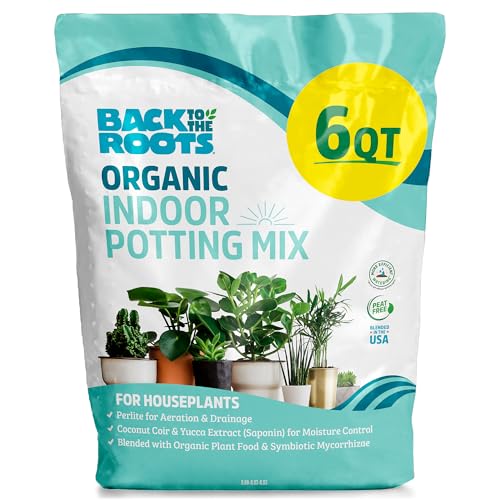 |
Back to the Roots Organic Indoor Potting | Check Price |
4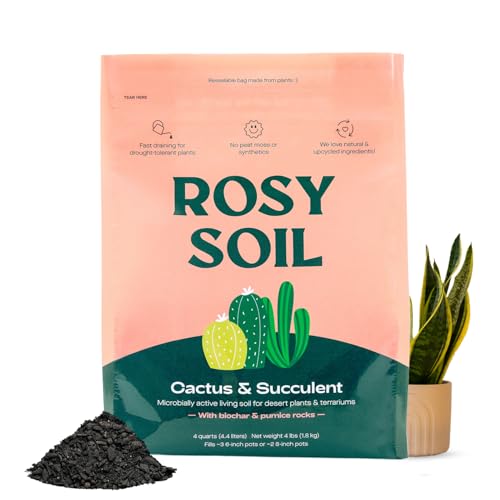 |
Rosy Soil Cactus & Succulent Potting Mix, | Check Price |
5 |
Gardenera Premium Kalanchoe Plant Potting Mix – | Check Price |
5 Best Potting Soils for Kalanchoe: Detailed Reviews
When I chose the best potting soil for kalanchoe, I looked at the intended plant type, the ingredients that shape drainage and moisture, bag size, and how clearly the mix is described. Those details help you avoid buying a large bag for one small pot or choosing a moisture-holding blend without thinking about how often you water.
The options here range from small, gritty succulent mixes to larger indoor blends and a mix labeled specifically for kalanchoe. Looking at them side by side makes it easier to decide whether you want a ready-to-use succulent blend, a broader houseplant soil, or a bag with more volume for repotting several plants.
1. Miracle-Gro Houseplant Potting Mix, 4 qt.
Perlite, peat moss, and coir make an indoor blend less prone to gnats, with fertilizer for houseplants in containers.
- Color4 qt
- Size1 Pack
- COVERAGEOne 4 qt. bag of Miracle-Gro Houseplant Potting Mix fills one 8-inch container; amounts may vary based on the size
- WeightNot listed; check details
Miracle-Gro Houseplant Mix is a general indoor potting blend for a beginner who wants a familiar houseplant mix and already pays attention to watering. Its stated ingredients are perlite, sphagnum peat moss, and coir, with fertilizer included for houseplants. The mix is described as less prone to fungus gnats because it does not contain compost or bark, ingredients that can shelter them.
Perlite is a light, porous material mixed into soil to help keep the texture open. In this blend, it sits alongside peat moss and coir, so the overall mix is not described as a cactus-only or extra-gritty formula. That makes the plant’s pot and your watering habits especially important: use a drainage hole, and do not water again simply because the surface looks dry.
The included fertilizer is described as feeding indoor container plants for up to six months. That may be convenient if you are potting a houseplant and want nutrients in the mix, but it is not a reason to add more fertilizer automatically. The bag is 4 quarts and is said to fill one 8-inch container, with the amount varying according to the root ball.
One thing to keep in mind is that this is a broad indoor houseplant blend rather than a formula specifically described as succulent soil. For a kalanchoe, make sure the mix does not stay wet for too long in your home, and check that the pot drains freely.
Pros:
- Perlite helps keep the mix’s texture more open.
- Peat moss and coir are listed ingredients.
- Fertilizer is included for indoor container plants.
- The 4-quart bag gives you more than a tiny pouch.
- The mix is described as less prone to fungus gnats.
Cons:
- It is marketed for houseplants, not specifically for succulents.
- The moisture-holding ingredients call for careful watering.
- The bag amount needed can vary with the root ball.
Buy it if: you want an indoor houseplant blend with listed fertilizer and perlite, because those ingredients give you a ready-to-use starting point for a container.
Skip it if: you want a mix expressly formulated for succulent drainage, because this is a broader houseplant soil and a gritty succulent blend may suit your planting needs better. For another fit, consider Omitgoter or Back.
I’d consider Miracle-Gro Houseplant Mix when you want a general indoor blend and already have a sensible watering routine. The ingredient list is easy to understand, and the stated bag coverage helps you estimate whether one bag will be enough. My hesitation is that peat moss and coir can hold moisture, so check how quickly the mix dries in your actual pot before settling into a schedule.
It suits someone who wants one ready-to-use bag for an indoor plant and will keep an eye on soil moisture.
2. Omitgoter Succulent & Cactus Soil Potting Mix
River sand and lava rock support drainage in a resealable 1-quart pouch, suiting a single kalanchoe or small pot.
- ColorSucculent & Cactus Soil
- Size1qt
- Number Of Items1
- WeightNot listed; check details
Omitgoter Succulent Soil is a small-bag option for a kalanchoe grower who wants a blend sold for succulents and cacti. The listed ingredients include river sand, lava rock, vermiculite, and peat moss. The mix is described as porous and draining while also retaining some moisture, a balance that can help you avoid treating the pot as if it were filled with plain sand.
Lava rock is a porous rock used in some growing mixes to create larger gaps around roots. Along with river sand, it gives this blend a grittier character than a standard indoor potting soil. That texture can help extra water move through a container, though drainage still depends on the pot having an open hole and not sitting in a saucer full of water.
The pouch holds 1 quart and has a resealable zipper, which makes sense for one small plant or a minor top-up rather than a shelf full of repotting jobs. The feature list specifically includes kalanchoe among the suitable succulents, so the intended use is a close match. Vermiculite and peat moss are also listed, so do not assume the mix contains only rocks or dries instantly.
The small size is its clearest limitation. Check the volume you need before buying; a root ball or larger container can use more mix than the bag holds.
Pros:
- River sand and lava rock give the blend a gritty feel.
- Kalanchoe is named among its intended plants.
- The mix is described as porous and draining.
- The 1-quart pouch suits a small planting job.
- The zipper pouch can be resealed between uses.
Cons:
- One quart may not cover a larger container.
- Peat moss and vermiculite mean it is not all mineral grit.
- You still need a pot with a drainage hole.
Buy it if: you are potting one small kalanchoe, because the succulent-focused ingredients and resealable 1-quart pouch are sized for a limited job.
Skip it if: you need enough mix for several large pots, because the pouch holds only 1 quart and a larger bag would better fit your project. Miracle and Back are worth a closer look instead.
What I like about Omitgoter Succulent Soil is the direct match between its stated use and the plant you are potting. River sand and lava rock offer a clear reason to consider it over a general indoor mix, and the small pouch avoids leaving you with a large amount to store. I’d still check the bag volume against your pot before ordering, and remember that the blend also lists peat moss and vermiculite.
It makes the most sense for a small succulent planting where a compact quantity is useful.
3. Back to the Roots Organic Indoor Potting
The catalog lists Includes 6qt of Back to the Roots Indoor Potting Mix. Our Potting Mix contains organic yucca extract that aids. Compare fit and care needs before choosing.
- ColorIndoor Potting Mix
- Size6 Quart
- Release Date2023-01-01T00:00:01Z
- Number Of Items1
Back to the Roots Indoor Mix is a 6-quart houseplant soil for someone repotting indoor plants beyond just one kalanchoe. Its listed features include organic yucca extract, mycorrhizae, and dolomitic limestone, and it is described as peat-free. The feature list also says it is made without bark or compost and less prone to indoor gnats.
Mycorrhizae are beneficial fungi that can associate with plant roots and help with nutrient uptake. They are included here as a root-supporting ingredient, but they do not remove the need for a suitable pot, light, or careful watering. For a beginner, the practical point is that this soil includes a root-focused component, not that it can make an unsuitable growing setup work.
The mix is also described as containing yucca extract to help retain moisture. That may be useful for houseplants that need a little more moisture in their soil, but a kalanchoe still needs the mix and pot to dry appropriately between waterings. The addition of dolomitic limestone is described as helping balance acidity and alkalinity; there is no specific pH value here to compare, so avoid treating that ingredient as proof of a particular pH.
A 6-quart bag gives more volume than the 1-quart pouch in this group. Its broad indoor-plant focus is useful if you have several houseplants, though the listed moisture-retaining feature means you should pay close attention to how it behaves with a succulent.
Pros:
- Six quarts provide a useful amount for multiple pots.
- Yucca extract is included to help retain moisture.
- Mycorrhizae are listed as a root-supporting component.
- The mix is described as peat-free.
- No bark or compost is listed in the feature description.
Cons:
- It is a broad indoor mix, not a kalanchoe-specific blend.
- Moisture retention may call for extra care with watering.
- No exact soil pH is supplied to guide a comparison.
Buy it if: you are repotting several indoor plants and want a larger peat-free bag, because the 6-quart size gives you more mix for multiple containers.
Skip it if: you want a clearly gritty succulent formula, because this is an indoor houseplant mix with a moisture-retaining ingredient and a cactus blend may fit that preference better. If those trade-offs rule it out, Miracle or Omitgoter may suit you better.
I’d look at Back to the Roots Indoor Mix when bag volume and a broad indoor-plant use matter more than a succulent-specific label. Its peat-free description, root-supporting ingredient, and larger size give you a few practical points to weigh. The part I’d double-check is moisture behavior in your own pot, since the mix is also described as retaining moisture.
It is a more natural fit for someone repotting several houseplants who can monitor a kalanchoe separately.
4. Rosy Soil Cactus & Succulent Potting Mix,
The catalog lists THE CHUNKY TEXTURE YOUR SUCCULENTS ACTUALLY NEED: Most potting soils for succulents pack too dense and hold to. Compare fit and care needs before choosing.
- ColorCactus & Succulent
- Size4 Quarts
- Number Of Items1
- WeightNot listed; check details
Rosy Soil Succulent Mix is a 4-quart blend for someone who wants a chunky, airy soil intended for cacti and succulents. The product description emphasizes loose texture and fast drainage, and says the mix is peat-free. It also lists beneficial fungi, microorganisms, and worm castings as ingredients, so the blend is not presented as a plain mineral-only mix.
A chunky texture means the mix has larger pieces and gaps than a fine, dense soil. Those spaces can let water move through more freely and give roots access to air, which is useful when excess moisture is a concern. The real result depends on the container, though: a pot with no drainage hole can still hold water regardless of how open the soil feels.
The bag is described as resealable and sufficient for two to three plants, with planting guidance printed on it. That helps if you are new to repotting and want directions close at hand. The feature description also calls it a living soil and mentions worm castings; if you are sensitive to soil ingredients or want a simple mix, read the package details rather than assuming every ingredient suits your preferences.
Rosy Soil is designed for drought-tolerant plants, a broad group that includes kalanchoe, but its description does not single out kalanchoe by name. Check that the amount and texture suit the size of your pot before choosing it.
Pros:
- Chunky texture is intended to keep the mix loose.
- Peat-free formula is stated in the description.
- The 4-quart bag is said to cover two to three plants.
- Resealable packaging helps store leftover mix.
- Printed planting guidance can help a first-time repotter.
Cons:**
- Kalanchoe is not named individually in the plant list.
- The mix includes organic components, not only mineral grit.
- Actual coverage varies with pot and root-ball size.
Buy it if: you want a loose succulent blend and have more than one plant to pot, because the 4-quart resealable bag is described as enough for two to three plants.
Skip it if: you prefer a mix named specifically for kalanchoe, because this blend is described broadly for cacti and succulents rather than calling out that plant by name.
To me, Rosy Soil Succulent Mix is most appealing when you want a chunky texture and enough soil for a small batch of repotting. The peat-free description and resealable bag make its intended use easy to understand, while the printed directions may help if you have not repotted before. I’d read the full ingredient details and check the bag’s coverage against your pot sizes before buying.
It suits a grower who wants a ready-made succulent blend and values a loose texture.
5. Gardenera Premium Kalanchoe Plant Potting Mix –
The catalog lists 🌱 Elevate Growth Potential: Our meticulously formulated potting mix enhances the growth potential of your Kala. Compare fit and care needs before choosing.
- Size3 QUART
- ☀️ Harness the Power of SunlightGardenera’s potting mix allows your Kalanchoe plants to efficiently utilize sunlight. By optimizing photosynthesis
- WeightNot listed; check details
- DimensionsNot listed; check details
Gardenera Kalanchoe Mix is the only blend in this group labeled specifically for kalanchoe, so it is a natural option to consider if you want a plant-specific bag. The listed ingredients include Canadian peat moss, perlite, lime, and sand, along with a nutrient blend. It comes in a 3-quart size and is described as ready to use indoors or outdoors.
Perlite is a light material that helps create air space in a potting mix. Here, it is paired with peat moss, which is described as helping retain moisture, plus sand and lime. That combination points to a blend intended to hold some moisture while also including ingredients that can keep the texture from being as fine as peat alone; the description does not give a drainage rate or exact ingredient proportions.
The ready-to-use format may save you the trouble of mixing separate materials. The feature list says the mix contains nutrients and is suitable for different kalanchoe species, but it does not give a precise nutrient analysis or feeding schedule. Follow the package directions and avoid adding fertilizer just because the plant is not growing quickly; light, season, and watering also affect growth.
One limitation is that the description makes broad claims about growth and blooms without giving measurements you can use to compare results. The useful points are the named plant, listed ingredients, and 3-quart amount. Check the actual package details if you need a specific ingredient ratio or care directions.
Pros:
- The mix is labeled specifically for kalanchoe.
- Perlite and sand are listed among the ingredients.
- Peat moss is included for moisture retention.
- The ready-to-use blend avoids a separate mixing step.
- Three quarts provide more than a single-quart pouch.
Cons:
- Ingredient proportions are not stated in the supplied details.
- No exact nutrient analysis or feeding schedule is listed.
- Three quarts may be more than needed for a tiny pot.
Buy it if: you want a ready-to-use mix labeled for kalanchoe, because its plant-specific name and listed perlite, peat moss, and sand give you a clear starting point.
Skip it if: you need exact ingredient ratios or a quantified nutrient level, because those details are not stated and a more transparent mix description may suit your decision better.
I’d keep Gardenera Kalanchoe Mix on the list when the plant-specific label matters to you. The combination of perlite, peat moss, sand, and a ready-to-use format gives a beginner a simple place to start without blending ingredients by hand. My hesitation is that the ingredient ratios and nutrient details are not spelled out, so check the package if you want to know exactly what is in the mix.
It fits someone who values a kalanchoe-labeled soil and is comfortable following the care directions on the bag.
How to Choose the Best Potting Soil for Kalanchoe
The best potting soil for kalanchoe should let extra water drain while still giving roots a stable place to grow. Start by matching the mix to your watering habits and pot, then check what the bag actually says about ingredients and amount.
Texture and drainage
A succulent mix is often looser or grittier than a general houseplant mix, which can help water move through the pot. Look for ingredients such as perlite, sand, or lava rock when drainage is a priority, but do not assume a single ingredient guarantees the whole blend will drain quickly. Texture is useful only in combination with a pot that has a clear drainage hole.
If you tend to water too often, lean toward a mix described as loose or fast-draining and make a habit of checking the soil before watering again. If you are considering a general indoor mix, pay attention to moisture-retaining ingredients such as peat moss or coir. Those ingredients are not automatically wrong for a kalanchoe, but they make your watering timing more important.
Ingredients and moisture
Ingredients tell you what the mix is built from, but they do not reveal exact performance unless the proportions are listed. Perlite and lava rock can add open spaces; peat moss and coir can help hold moisture. Sand appears in some succulent blends, though the grain and amount can affect how the final mix behaves.
For a beginner, choose a blend with a clear intended use and a readable ingredient list. You can compare general features in potting soil for succulents without assuming that every succulent has identical needs; plant type, pot size, and room conditions still affect how quickly soil dries.
Bag volume and project size
Bag size is a practical buying factor, not a plant-care feature. A 1-quart pouch may be plenty for one small plant, while a 4- or 6-quart bag can make more sense if you are repotting several containers. The amount needed depends on the pot’s inside dimensions and how much root ball is going back into it.
Check coverage claims carefully and allow for the space taken up by the plant’s roots. Avoid buying several small bags without comparing their total volume, and do not overfill a pot just to use up extra mix. Keep leftover soil sealed and dry according to the package instructions.
Pot size and drainage holes
A pot should give the roots room without leaving a large volume of damp soil around a small root ball. Moving a kalanchoe into a much larger container can make watering harder because more soil may stay moist for longer. Choose a pot only modestly larger than the root area when repotting, and confirm that water can escape through the bottom.
A decorative cover pot can hide a nursery pot, but remove the inner pot for watering or empty trapped water afterward. Pebbles at the bottom do not replace a drainage hole. If you are unsure about the container, prioritize a free-draining pot over adding more materials to the soil.
Ready-made mix or blending ingredients
A ready-made mix saves measuring and mixing, which is helpful if you are repotting one plant. A custom blend gives you more control over texture, but only if you understand what each ingredient contributes and can mix it consistently. If you want to make your own, use a clear, carefully measured approach rather than adding random handfuls of grit to an unknown soil.
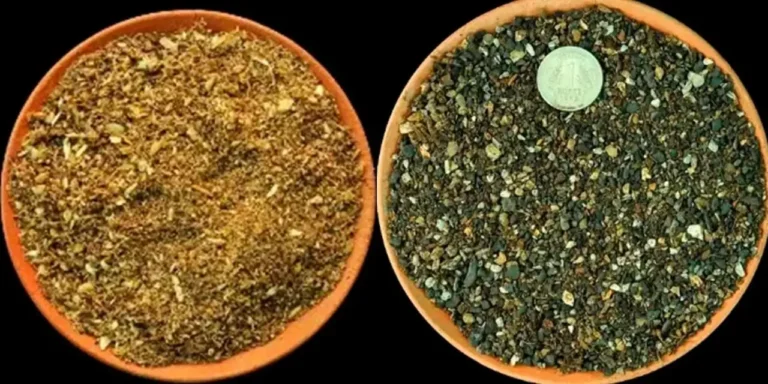
A basic discussion of making a gritty succulent mix can help you understand the role of drainage ingredients before you start blending. For a first repot, buying a mix intended for succulents may be simpler; always check that the finished texture and container setup suit your kalanchoe.
How to Use Potting Soil for Kalanchoe for the Best Results
Use the soil in a pot with drainage, keep the root ball at its former depth, and water based on dryness rather than a calendar. The mix is only one part of the setup; careful planting and light watering habits matter just as much.
- Check the container. Make sure the pot has an open drainage hole and is only a little larger than the root area. A cover pot can collect runoff, so plan to empty it.
- Read the bag. Look for the intended plants, included nutrients, and any mixing or watering directions. Do not assume a soil marketed for houseplants has the same texture as a cactus blend.
- Prepare the work area. Put down paper or a tray, and loosen the mix if it is tightly packed in the bag. Avoid crushing chunky pieces into dust, since texture is part of how the blend drains.
- Remove the plant gently. Hold the plant near its base and ease it from the old pot without pulling hard on leaves. If roots are tightly stuck, work slowly rather than tearing the root ball apart.
- Set the root ball at the right height. Add soil beneath it as needed, then fill around the sides. Keep the plant at about its previous soil line rather than burying the stem deeper.
- Settle the mix without packing it hard. Tap the pot lightly to fill large gaps, but do not press the soil into a dense block. The root area should be supported while water still has a path through the container.
- Water with care. Follow the soil package directions, then allow excess water to drain completely. Do not leave the pot standing in runoff, and wait until the mix has dried appropriately before watering again.
- Give the plant time to adjust. Put the pot in a suitable bright spot and check the soil rather than changing several care factors at once. If leaves or soil condition concern you, review light and watering before blaming the mix alone.
A change in soil can alter how quickly a pot dries, so do not carry over an old watering schedule without checking. Insert a finger gently into the upper soil or use the pot’s weight as a clue, then wait when the mix still feels damp. With time, the pot and soil together will give you a more reliable sense of when watering is needed.
How to Make Your Kalanchoe Potting Soil Last Longer
Keep unused mix sealed, dry, and protected from spills, and avoid contaminating the bag with old soil or plant debris. In the pot, soil lasts longer when you prevent standing water and do not compact or disturb it unnecessarily.
Store leftover soil in its resealable pouch when available, or use a clean container with a secure lid. Keep it somewhere dry and away from rain, damp floors, or places where water can splash in. If the bag has specific storage directions, follow those rather than relying on a general rule.
Use clean tools and a clean pot when repotting. Old roots, dead leaves, and wet soil can add unwanted debris to the remaining mix, so do not return spilled soil to the bag. If the soil smells unusual, has visible unwanted growth, or has been soaked in a contaminated container, do not assume it is suitable to reuse.
Inside the pot, avoid pressing the mix down hard when planting or topping it up. Compaction reduces the open texture that helps water move through, and repeated disturbance can damage fine roots. If the surface settles slightly, add a little fresh mix without burying the stem or covering leaves.
There is no universal calendar for replacing potting soil. Consider repotting when the plant has outgrown its container, the mix no longer drains as expected, or the soil has broken down and become dense. Before changing soil, check whether a pot without drainage or a watering habit is causing the trouble; replacing the mix alone will not correct those issues.
When you repot, remove loose old soil gently and inspect the roots without pulling apart healthy growth. Reuse is not automatically safe or useful just because soil looks dry; avoid carrying old mix into a new pot if it is compacted, contaminated, or has been part of a plant-health problem. A clean start is often simpler for a beginner than trying to fix a tired blend by adding ingredients at random.
Common Mistakes to Avoid When Buying and Using Potting Soil for Kalanchoe
Most trouble starts when the soil, container, and watering routine are treated as separate decisions. These are the mistakes to avoid, with a simple fix for each.
- Choosing a general mix without checking its ingredients. It may hold moisture differently from a gritty succulent blend. Read the bag and choose a pot with drainage if you use a moisture-retaining mix.
- Assuming every succulent mix is identical. Different blends list different materials and may retain different amounts of water. Compare ingredients and texture descriptions instead of relying only on the word succulent.
- Using a pot without a drainage hole. Extra water can remain trapped around the roots. Choose a container that drains, or use a removable inner pot and empty the cover pot after watering.
- Moving a small plant into a much bigger pot. A large volume of soil around a small root ball can take longer to dry. Pick a container only modestly larger than the roots.
- Watering on a fixed weekly schedule. Soil does not dry at the same speed in every room or pot. Check the mix first, then water only when it is ready.
- Packing soil tightly around the roots. Dense soil can lose the air spaces that support drainage. Settle the mix with a light tap rather than compressing it with your fingers.
- Adding fertilizer without checking what is already in the mix. Some soils include nutrients, and extra feeding may be unnecessary. Read the package directions and do not guess at a dose.
It is also easy to mistake a dry-looking surface for a dry root zone. The top layer can dry first while soil lower in the pot remains damp, especially in a deep container or a cool room. Check below the surface gently and learn how the pot feels after watering and as it dries.
Another common misstep is changing several things at once when a plant looks unhappy. A new soil, larger pot, different light, and extra water make it harder to tell what helped or hurt. Adjust one practical factor at a time when possible, and make sure the basic drainage setup is sound.
How to Set Up Potting Soil for Kalanchoe
Repotting is manageable if you prepare the container and soil before lifting the plant. Move slowly, keep the plant’s previous soil line in mind, and do not force roots into a pot that is too small.
- Choose a work surface. Cover a table or floor with paper, and set out the new pot, soil, and a small scoop. This keeps loose mix from spreading while you work.
- Confirm the pot drains. Check the bottom hole before adding soil; decorative pots sometimes look suitable but have no outlet. Use a removable nursery pot if you need a decorative outer container.
- Compare pot and root-ball size. Set the old root ball beside the new pot to judge whether the change is modest. If the new pot looks much wider, choose a smaller one when possible.
- Open the mix gently. Break up clumps with your fingers, but do not grind a chunky blend into fine particles. If the package calls for preparation, follow its directions.
- Make a shallow base. Add enough soil so the plant’s root ball will sit near its former height. Too much soil underneath can lift the plant above the rim or bury its lower stem when you fill the sides.
- Place the plant and fill around it. Hold the root ball steady while adding soil in small amounts. Leave the plant at its previous soil line and keep leaves clear of the mix.
- Settle and check the surface. Tap the pot lightly, then look for large gaps and exposed roots. Do not press hard or mound soil against the stem.
- Water and drain according to the mix directions. Let excess water escape and empty the saucer or outer pot. Check the soil again before the next watering instead of assuming repotting creates a new weekly schedule.
If roots resist coming out of the old container, pause and loosen the edges rather than tugging the plant by its leaves. A little patience helps avoid unnecessary damage. After planting, place the pot where it gets appropriate light and keep the care routine steady while the plant adjusts.
Common Questions About Potting Soil for Kalanchoe
What kind of potting soil is best for kalanchoe?
A loose, well-draining mix intended for succulents is a sensible starting point for kalanchoe. Ingredients such as perlite, sand, or lava rock can contribute to an open texture, but the full blend matters more than one ingredient. Use a pot with a drainage hole and water only when the soil has dried appropriately.
Can I use regular houseplant soil for kalanchoe?
Yes, a general houseplant mix can be used if the pot drains and you adjust watering to how quickly the soil dries. Some indoor blends contain moisture-holding materials such as peat moss or coir, so they may stay damp longer than a gritty succulent mix. Check the ingredient list and the soil condition before watering again.
How often should I water kalanchoe in potting soil?
Water when the soil has dried appropriately rather than following a fixed weekly schedule. The time depends on the pot, the mix, room conditions, and the plant’s growth. Check below the surface, let excess water drain out, and empty standing water from a saucer or decorative cover pot.
Does kalanchoe need a pot with drainage holes?
Yes, a pot with a drainage hole makes it easier for extra water to escape. Soil marketed as fast-draining cannot remove water that is trapped in a sealed container. If you use a decorative pot without a hole, keep the plant in a removable inner pot and pour away runoff after watering.
Should I add fertilizer to kalanchoe potting soil?
Check whether the mix already includes fertilizer or nutrients before adding more. Some blends in this group are described as containing fertilizer or a nutrient blend, but the directions and nutrient details differ. Follow the package guidance rather than guessing, and remember that light, watering, and the plant’s condition also affect growth.
How much potting soil do I need to repot a kalanchoe?
The amount depends on the container’s size and how much root ball you are reusing. A small plant may need only a little mix, while a larger pot or several plants can use several quarts. Compare the bag volume with the pot and any stated coverage, and do not fill a pot much larger than the roots require.
Make the Soil Choice Fit Your Pot and Routine
Before buying, check the bag’s intended use and ingredient list, then make sure the amount suits your potting job. Choose a container with drainage and plan to check soil moisture by feel, rather than relying on a calendar; that simple check will tell you more about whether the mix fits your kalanchoe than a broad label alone.

I’m Maya L. Greenwood, a lifelong plant lover who believes anyone can grow something beautiful with the right guidance. After years of testing soil mixes, pruning methods, irrigation tricks, and pest-safe solutions, I started EasyGardenTips.com to turn hard-won lessons into step-by-step advice. From seed starting and container gardens to composting and seasonal checklists, my goal is to make gardening simple, sustainable, and fun.
One Comment