
5 Best Potting Soil for Agave: Fast-Draining Picks for Strong Roots
An agave in the wrong soil can stay wet long after you have stopped watering, and roots sitting in damp mix may struggle or rot. A dense bag of general-purpose potting soil can also make a heavy pot harder to move and leave a beginner guessing about when to water again.
Agave roots need air as well as water, so a loose mix that drains freely is usually a better starting point than a moisture-holding houseplant blend. Pot size and drainage holes matter too: a roomy container without an open drain can keep even a gritty soil wet for too long.
Here’s what this guide will help you sort out:
- How to spot a mix that drains freely instead of staying soggy.
- Which of these bags is actually suited to agave, and which is aimed at other plants.
- How pot size, drainage holes, and watering habits affect the soil you choose.
- What to check before repotting and how to care for the mix afterward.
Quick Picks
-
Best For Gritty Agave Mix

Happy Trees Premium Cactus and Succulent Potting
Pumice, lava rock, sand, and bark create an airy mix that drains quickly for agave growers wary of soggy roots.
-
Best For Moisture-Loving Houseplants
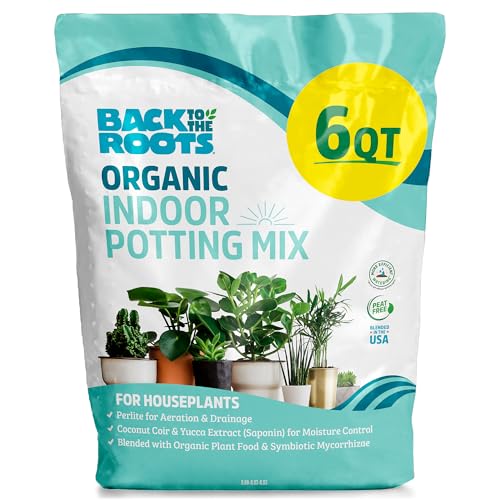
Back to the Roots Organic Indoor Potting
Yucca extract helps retain moisture, making this peat-free indoor mix a better match for tropical houseplants than dryland agaves.
Top 5 Potting Soils for Agave at a Glance
Happy Trees is the clear first place to look for agave because its listed ingredients include coarse mineral materials and the mix is described for dryland plants. The remaining choices are mainly formulated for indoor tropical plants, flowers, or vegetables, so check their moisture-retention claims carefully before using them for an agave.
| Product image | Product name | Check product |
|---|---|---|
| 1 |
Happy Trees Premium Cactus and Succulent Potting | Check Price |
| 2 |
Back to the Roots Organic Indoor Potting | Check Price |
3 |
Burpee Premium Organic Potting Mix Garden Soil | Check Price |
4 |
Rosy Soil Houseplant Potting Soil, Organic Indoor | Check Price |
5 |
Miracle-Gro Houseplant Potting Mix, 4 qt. | Check Price |
5 Best Potting Soils for Agave: Detailed Reviews
When I chose the best potting soil for agave, I put drainage and air around the roots first, since a mix that stays wet can create trouble for a plant adapted to dry conditions. I also considered whether each bag is actually described for succulents or instead for moisture-loving houseplants, plus how much soil you get for the potting job.
The options here cover a purpose-made cactus and succulent blend, general indoor soil, and mixes intended for container flowers or tropical foliage. That difference matters more than a grand-sounding label: the right soil should match the plant and your watering habits, not just promise to work for every pot in the house.
1. Happy Trees Premium Cactus and Succulent Potting
Pumice, lava rock, sand, and bark create an airy mix that drains quickly for agave growers wary of soggy roots.
- Size8 Qt
- ColorBrown
- WeightNot listed; check details
- DimensionsNot listed; check details
Happy Trees Cactus and Succulent Mix is the strongest fit here for an agave grower who wants a ready-to-use, loose soil rather than a dense, moisture-holding blend. Its listed ingredients and dryland focus make its intended use easier to judge than the general indoor mixes farther down this list.
The bag lists pumice, lava rock, fir bark fines, coarse sand, and biochar. Pumice is a light, porous mineral that can leave spaces for air and water to move through the soil, while lava rock and coarse sand add a gritty texture; for agave, that structure is more useful than a mix designed to hold moisture for tropical foliage.
Happy Trees says the mix is ready to use as a standalone medium, and also suitable for blending into existing soil. That gives you a straightforward starting point for repotting, though you still need a container with drainage holes and a pot that is not far larger than the root ball.
The mix is described as peat-free and made for dryland plants, including agaves. Keep in mind that “fast draining” does not mean the plant can never be overwatered: the pot, room conditions, and your watering routine still affect how quickly the root zone dries.
Pros:
- Pumice and lava rock, for a loose mineral texture.
- Coarse sand, for a gritty soil structure.
- Fir bark fines, included in the ingredient blend.
- Made for dryland plants, including agaves.
- Ready to use, so no mixing is required first.
- Peat-free blend, for growers avoiding peat-based soil.
Cons:
- The 8 Qt bag may not cover several large pots.
- No exact ingredient proportions are specified.
- You still need a pot with a drainage hole.
Buy it if: you want a mix specifically described for agave and other dryland plants, because its mineral ingredients support an airy root zone.
Skip it if: you need one moisture-retaining mix mainly for tropical houseplants, because this agave-oriented blend is designed to drain freely and a general indoor mix may suit those plants better. For another fit, consider Back or Burpee.
I’d pick Happy Trees first when the main job is repotting an agave, since the ingredients and intended use make sense for a plant that dislikes staying wet. I also like that the bag can be used straight or blended into an existing mix. Before ordering, check that the 8 Qt amount covers your potting job, and choose it if you want a direct, agave-focused starting point.
2. Back to the Roots Organic Indoor Potting
Yucca extract helps retain moisture, making this peat-free indoor mix a better match for tropical houseplants than dryland agaves.
- Size6 Quart
- ColorIndoor Potting Mix
- Release Date2023-01-01T00:00:01Z
- Number Of Items1
Back to the Roots Indoor Potting Mix is aimed at indoor foliage plants, not specifically at agave, so it suits you better when you are potting tropical houseplants alongside your desert plants. Its moisture-retaining feature makes it a less obvious choice for an agave planted by itself.
The mix includes organic yucca extract, which the product description says helps the soil retain moisture. That can be useful for houseplants that prefer a more evenly damp root zone, but an agave grower should treat the feature as a caution: more retained moisture can mean a longer wait for the pot to dry after watering.
The description also lists mycorrhizae, a group of fungi that can form helpful associations with plant roots and are described here as supporting root development and nutrient uptake. Back to the Roots calls the blend peat-free and says it includes dolomitic limestone to balance soil acidity and alkalinity; those details may matter if you are selecting a mix for indoor plants with different growing needs.
At 6 quarts, the bag is a modest amount for a single repotting task. The brand’s stated use is for plants such as pothos, monstera, and ferns, so do not assume that the organic label or beneficial ingredients make it the right texture for agave.
Pros:
- Yucca extract, to help soil retain moisture for indoor plants.
- Mycorrhizae, included to support root development.
- Dolomitic limestone, included to balance soil acidity and alkalinity.
- Peat-free mix, for growers avoiding peat.
- 6-quart bag, a manageable size for smaller repotting jobs.
Cons:**
- The described plant uses are tropical indoor plants, not agaves.
- Moisture retention may work against a dryland plant’s needs.
- No gritty mineral ingredients are specified.
Buy it if: you need indoor soil for moisture-loving foliage plants, because yucca extract helps the mix retain moisture between waterings.
Skip it if: your only job is potting an agave, because the moisture-retaining indoor blend is not described as a dryland mix and a gritty succulent soil is a better match. Happy and Burpee are worth a closer look instead.
I’d keep Back to the Roots for a shelf of tropical houseplants rather than choose it as my first agave soil. The ingredients may suit its intended indoor use, and it is useful to know that the bag is not a gritty cactus blend just because it is organic and peat-free. Check the intended plant use before buying, and choose this mix if you need a moisture-holding medium for foliage plants.
3. Burpee Premium Organic Potting Mix Garden Soil
The catalog lists SUPPORTS VIBRANT GROWTH: Transform your garden with our premium indoor/outdoor potting soil! This nutrient-ric. Compare fit and care needs before choosing.
- Size9 Quart
- ColorPotting Mix
- Number Of Items1
- WeightNot listed; check details
Burpee Premium Organic Potting Mix is a general container blend for vegetables, flowers, and herbs, so it is more relevant to mixed gardening than to a single agave. The product description emphasizes moisture balance and feeding, features that call for a careful check before using it for a plant that prefers a freely draining root zone.
Coconut coir is one of its stated ingredients. Coir is a fiber made from coconut husks that can help a mix hold moisture while still adding some air space; for agave, the important question is whether the finished soil dries quickly enough in your pot, not simply whether coir is present.
The mix is described as feeding plants immediately and providing slow-release nutrition for up to three months. That may be convenient for the flowers and vegetables named for it, but the provided information does not establish that this feeding schedule is suitable for your agave, so avoid adding extra fertilizer without checking the plant’s needs.
The 9-quart bag offers more volume than the two smaller indoor mixes listed here, which can be handy for several container projects. Burpee describes the soil for indoor and outdoor containers, but no precise drainage rate or mineral ingredient blend is specified; that makes it harder to judge as a standalone agave medium.
Pros:
- Coconut coir, for moisture balance and some air space.
- 9-quart size, for a larger container-gardening task.
- Described for indoor and outdoor containers.
- Slow-release nutrition, stated for up to three months.
- Listed for vegetables, flowers, and herbs.
Cons:
- Its stated uses focus on flowers, vegetables, and herbs.
- No coarse mineral ingredients are specified.
- Moisture-retention claims deserve caution for agave.
Buy it if: you are filling containers for flowers or vegetables, because the mix is described for those plants and includes slow-release nutrition.
Skip it if: you want a purpose-made agave medium, because this blend is described for general container gardening and a gritty dryland mix gives you a clearer fit. If those trade-offs rule it out, Happy or Back may suit you better.
I’d treat Burpee as a useful general container soil, not an agave-first choice. The larger bag and stated feeding period could simplify a flower or vegetable project, but neither detail proves that the soil will dry at the pace an agave needs. Check the package’s current ingredient and use information, and choose it when your main pots are for the plants named on the bag.
4. Rosy Soil Houseplant Potting Soil, Organic Indoor
The catalog lists ORGANIC INDOOR POTTING SOIL, MADE WITHOUT PEAT: Biochar, worm castings, mycorrhizae, compost, and bark fines r. Compare fit and care needs before choosing.
- Size4 Quarts
- ColorHouseplant
- Number Of Items1
- WeightNot listed; check details
Rosy Soil Houseplant Potting Soil is aimed at indoor tropical plants such as monstera, pothos, and ferns, so an agave grower should approach it as a possible ingredient source or a mix for other plants rather than an automatic match. Its description includes some materials associated with airflow, but it also names compost and worm castings, which point to a richer houseplant blend.
Bark fines, sand, and biochar are listed as ingredients that keep the soil open and aerated. Biochar is a porous form of charcoal used in growing mixes; the description says it helps maintain structure, while the bark and sand add texture. Those details sound more open than a dense mix, but the product is still presented as houseplant soil, not a dedicated agave formula.
The mix also contains worm castings and compost. Worm castings are worm-processed organic material that can contribute nutrients to soil; for an agave in a pot, a nutrient-rich blend is not automatically a problem, but moisture retention and the actual potting texture deserve attention before you plant.
The 4-quart size is intended to fill two to three medium pots according to the product description, and the bag is resealable. That can be handy for small indoor projects, though it leaves little room for error if you are filling a large container or planning to amend a lot of existing soil.
Pros:
- Bark fines and sand, for a more open mix structure.
- Biochar, included to help soil resist compaction.
- Worm castings and compost, included as organic components.
- Resealable bag, for storing unused soil.
- 4-quart size, suitable for smaller repotting jobs.
Cons:
- Described mainly for tropical indoor plants, not agave.
- Compost and castings make the blend richer than a mineral mix.
- A small bag may not cover a large container.
Buy it if: you are potting a small tropical houseplant, because the listed ingredients and plant examples are aimed at indoor foliage.
Skip it if: you want a simple mineral-heavy soil for a large agave, because this is a small, richer houseplant blend and a purpose-made cactus mix is a clearer fit.
To me, Rosy Soil is the most interesting of the non-specialist choices if you want to inspect a bag’s structure before deciding how to use it. The listed sand, bark, and biochar are relevant to airflow, but the houseplant focus means I would not assume that the balance suits every agave. Check the ingredients and bag size on the page, and pick Rosy Soil for its intended small indoor-plant jobs.
5. Miracle-Gro Houseplant Potting Mix, 4 qt.
The catalog lists INDOOR GROWING: Growing indoors is easy under the right conditions; Miracle-Gro Houseplant Potting Mix is an i. Compare fit and care needs before choosing.
- Size4 qt
- Color4 qt
- COVERAGEOne 4 qt. bag of Miracle-Gro Houseplant Potting Mix fills one 8-inch container; amounts may vary based on the size
- WeightNot listed; check details
Miracle-Gro Houseplant Potting Mix is designed for indoor tropical plants and includes fertilizer, perlite, sphagnum peat moss, and coir. That makes it a clear houseplant option, but not the most natural starting point for an agave that needs a mix to dry well between waterings.
Perlite is a lightweight, expanded mineral that creates air spaces in potting soil and can help water move through it. The mix also includes peat moss and coir, which are used in growing media to hold moisture; the balance of those ingredients matters, and the supplied description does not give proportions that would let you predict how quickly an agave’s pot will dry.
The stated fertilizer feeding period is up to six months. That may be convenient for the indoor plants named on the bag, but it is worth checking the plant’s fertilizer needs before combining this mix with more plant food. The product description also says the blend is less prone to fungus gnats because it does not contain compost or bark, though that does not mean gnats are impossible in any indoor pot.
The 4-quart bag is said to fill one 8-inch container, with the amount varying according to the root ball. That is a useful planning note if you have a small houseplant, but agave roots and pots vary, so do not treat the coverage estimate as a guarantee for your container.
Pros:
- Perlite, for air spaces in indoor potting soil.
- Fertilizer, stated to feed plants for up to six months.
- 4-quart amount, with an 8-inch container estimate.
- Described for common tropical houseplants.
- No compost or bark, according to the product description.
Cons:
- The intended use is indoor tropical plants, not agave.
- Peat moss and coir are moisture-holding ingredients.
- The supplied details do not state ingredient proportions.
Buy it if: you are potting a small tropical houseplant indoors, because the mix includes perlite and fertilizer for that stated use.
Skip it if: you want a low-moisture agave mix without a stated feeding period, because this formula is designed for indoor foliage and a dryland blend may fit better.
I’d reserve Miracle-Gro for the houseplants named on the bag instead of treating it as an agave shortcut. The perlite adds air space, but the peat and coir make the full ingredient balance more important than one airy ingredient alone. Check the feeding period and the coverage estimate before buying, and choose it when indoor tropical plants are the main job.
How to Choose the Best Potting Soil for Agave
The best potting soil for agave is loose enough to let water pass through and air reach the roots, without staying wet long after watering. Start with a mix described for cactus, succulents, or dryland plants, then check its ingredients, your pot’s drainage, and how much soil the bag contains.
Check the intended plant use
A label that names cactus, succulents, or agave gives you a more useful starting point than a broad claim that soil suits all plants. General indoor potting mixes often target foliage plants that need more even moisture, while agaves are adapted to drier conditions between waterings.
Look for a clear plant-use statement and ingredients that support a loose texture. If the package mainly names tropical plants, vegetables, flowers, or herbs, pause before assuming it is right for an agave. soil for succulents is a useful category to compare because many of the same drainage questions apply, even though individual plants and growing conditions differ.
Read the ingredient list for texture clues
Coarse mineral ingredients such as pumice, lava rock, or coarse sand can leave larger spaces in the mix than fine, dense soil. Bark fines and perlite can also contribute structure or air space, but no single ingredient tells the whole story: proportions affect how the finished soil behaves.
A mix with coir, peat, or other moisture-holding materials may dry more slowly, depending on the amount, pot, and room. When proportions are not provided, treat a product’s stated purpose and any description of drainage as clues, not a promise that it will suit every agave.
Match the mix to your pot and drain holes
A drainage hole lets excess water leave the bottom of the pot instead of collecting around the roots. For an agave, choose a container with an open hole and avoid leaving the inner pot sitting in a cachepot full of runoff.
The pot should give the roots room without surrounding a small root ball with a large volume of wet soil. As a practical starting point, choose a pot only modestly wider than the root mass, then check how quickly the soil dries in your home. There is no single correct diameter for every agave, so measure the plant’s roots rather than buying by leaf size alone.
Decide whether to use the mix straight or amend it
A ready-to-use cactus and succulent mix can save you the guesswork of combining ingredients, especially if you are repotting one plant. If an existing mix seems dense, an appropriate mineral amendment can change its texture, but adding a random amount of sand or gravel can also create a compacted or uneven blend.
A potting mix and a succulent mix are not simply two names for the same thing. General houseplant soil is often intended to retain more moisture, while a succulent blend usually aims for quicker drainage and air around roots; the exact contents still matter. succulent soil vs potting soil gives you a useful way to think through that difference before you reuse an old bag.
Estimate how much soil you need
Bag volume is usually shown in quarts, but the amount required depends on the container and the root ball. A small 4-quart bag may suit a modest repotting job, while a 9-quart bag may cover more than one project; neither size guarantees a specific number of pots.
Measure the container and keep some soil aside for settling or small adjustments. Don’t fill a pot to the rim, and don’t bury an agave’s crown, the point where its leaves meet, under soil. Leaving the crown clear helps avoid trapping moisture against the base of the leaves.
How to Use Potting Soil for Agave for the Best Results
Start with a clean pot that drains freely, settle the agave at its previous planting depth, and give the soil time to dry before watering again. Soil choice helps, but careful planting and watering are what keep the root zone from staying wet.
- Check the plant and pot. Make sure the pot has a drainage hole and is not much wider than the root ball. If water cannot escape, changing soil alone will not fix the problem.
- Prepare a dry workspace. Put newspaper or a tray under the pot, and wear gloves if the agave’s leaf tips or edges are sharp. Keep your hands clear of the leaf points while lifting the plant.
- Loosen the root ball gently. Remove loose old soil without pulling hard on healthy roots. If you see soft or damaged roots, handle them carefully and avoid packing damp old mix around them.
- Add a base layer. Pour enough soil into the pot so the plant will sit at its earlier depth. Don’t add a layer of gravel as a substitute for a drainage hole.
- Set the agave upright. Hold the base steady while adding soil around the roots. Keep the crown above the soil line and avoid pressing the mix down hard; firm enough to support the plant is plenty.
- Check the surface and drain. Leave a little room below the rim so water does not spill over immediately. Confirm that the hole is open and that the pot is not blocked by a saucer or decorative outer container.
- Follow the mix and plant’s needs. The Happy Trees description recommends watering after planting and letting the soil dry between waterings, but timing will vary with light, temperature, pot size, and the plant. Avoid using a fixed calendar as a substitute for checking the soil.
After repotting, place the agave where it gets the light it is used to, rather than abruptly moving it from shade into strong sun. Changes in light and temperature can affect how quickly the soil dries, so observe the pot before deciding when it needs water.
How to Make Your Agave Potting Soil Last Longer
Keep the mix airy by avoiding overwatering, compacting it, or leaving it exposed to standing runoff. Potting soil does not last forever, but good drainage and sensible handling help preserve its useful structure.
Before every watering, check whether the soil is still damp below the surface. The top can look dry while the root zone remains wet, especially in a large pot or a cool room. A wooden skewer pushed carefully into the soil can help you check deeper, but avoid poking near the plant’s crown or forcing it through roots.
Do not press soil down firmly when planting or top it up so high that it covers the agave’s base. A loose surface lets water move through more freely, while a buried crown can hold damp material against the plant. If soil settles after watering, add a small amount around the roots without covering the leaf bases.
Store unused mix in a closed bag or sealed container in a dry place. Keep it off wet ground and away from rain, since damp stored soil can clump and be harder to handle. If the mix smells sour, stays wet in a way that seems unusual, or has been contaminated, do not assume it is ready to reuse without checking it closely.
Refresh soil when it has broken down, compacted, or stopped draining as expected, not just because a certain number of months have passed. Agaves grow at different rates, and growing conditions vary. If a plant needs a larger pot, use the opportunity to inspect its roots and replace soil that has turned dense or muddy.
For agaves and other rosette succulents, match the soil to the plant rather than relying on the word succulent alone. Some related plants have different moisture needs, so it can help to compare care needs for soil for aeoniums before repotting a collection that includes more than one type.
Common Mistakes to Avoid When Buying and Using Agave Soil
The most common mistakes come from treating all potting soil as interchangeable or assuming a gritty ingredient guarantees good drainage. Read the plant-use description, look at the pot, and adjust watering to how the soil actually dries.
- Choosing a moisture-holding mix because it says indoor. Indoor describes where a plant grows, not what its roots need. Pick a mix based on the agave’s dryland needs rather than its location inside your home.
- Assuming one ingredient tells the whole story. Perlite, sand, or bark can add structure, but proportions affect the finished mix. Check the intended use and ingredient list, and avoid treating a single ingredient as proof of a particular drainage speed.
- Using a pot without a drainage hole. Extra water can collect under the root ball even when the mix is loose. Use a pot with an open hole or make sure the nursery pot drains freely before placing it in a decorative cover.
- Choosing a pot that is far too large. Extra soil around a small root system can stay damp longer than expected. Size the pot to the roots and allow for modest growth, rather than choosing by the agave’s leaf span.
- Watering by the same calendar all year. Soil can dry at different speeds with changes in light, warmth, airflow, and season. Check below the surface and water according to the plant and conditions.
- Burying the crown while repotting. Soil piled against the base of the leaves can hold moisture where it does not belong. Keep the crown at or just above the soil surface and brush loose mix away from it.
- Adding fertilizer without checking what is already in the soil. Some bagged mixes include a feeding period, and extra fertilizer may not be needed right away. Read the package and follow a conservative schedule suited to the plant.
How to Set Up Potting Soil for Agave
Setup is simple, but a few small checks prevent the classic beginner headache of a pot that cannot drain. Prepare the container and soil before lifting the agave so the roots spend less time exposed.
- Choose a work area. Set out the pot, soil, and a tray or sheet of paper. Gloves can help protect your hands from sharp leaf edges.
- Check the container. Confirm that the pot has a clear drainage hole and that its size is close to the root ball. Remove any plug or cover blocking the hole.
- Open and inspect the soil bag. Break up loose clumps gently and look for the ingredient blend and plant-use instructions. If the mix is damp or compacted, do not assume it will behave like a dry, loose bag.
- Decide whether to use it straight. Happy Trees is described as ready to use for dryland plants. If you are using a different mix, follow its stated purpose rather than adding ingredients without a reason.
- Add soil and position the plant. Put a shallow layer in the pot, set the agave at its earlier depth, and keep the crown uncovered. The leaf points can make this step awkward, so hold the plant by the root area rather than squeezing its leaves.
- Fill the sides gently. Add soil around the roots and tap the pot lightly to settle it. Avoid hard packing, which can reduce the open spaces that help water move through.
- Check stability and drainage. The plant should sit upright, the soil should stay below the rim, and the drainage hole should remain open. Wipe loose soil from the leaves and rim before watering according to the mix instructions and the plant’s condition.
If you are repotting several kinds of succulents, do not assume their soil needs match perfectly. Kalanchoe, for instance, may be discussed alongside agave in succulent care, but compare its particular growing needs with soil for kalanchoe before using one bag for every pot.
Common Questions About Potting Soil for Agave
Can I use regular potting soil for agave?
You can use regular potting soil only if its texture and drying behavior suit the agave and its pot. Many general indoor blends are designed to hold moisture, so check the ingredients and intended plant use before planting. If you cannot tell whether the mix is too dense, a clearly labeled cactus or succulent mix is the easier starting point.
What kind of soil is best for agave in a pot?
A loose, free-draining mix intended for cactus, succulents, or dryland plants is a sensible place to start. Ingredients such as pumice, lava rock, and coarse sand can add a mineral, airy texture, but the full blend and pot matter. Choose a container with a drainage hole and let the soil dry appropriately between waterings.
Should I add sand to potting soil for agave?
Do not add sand automatically, because the type and amount can change how the mix drains and settles. Coarse sand is listed in the Happy Trees blend, but that does not mean any sand from any source will produce the same result. Start with a mix intended for succulents, and amend only when you have a clear reason and know what the existing soil contains.
How often should I water agave after repotting?
There is no reliable fixed schedule for every agave, pot, and home. Check whether the soil has dried below the surface, and consider changes in warmth, light, airflow, and container size. Follow the soil’s directions and the plant’s condition rather than watering again simply because a certain number of days has passed.
Does agave soil need fertilizer?
Agave soil does not always need extra fertilizer at planting, especially if the mix already states that it contains plant food. The products in this roundup differ: some describe a feeding period, while the Happy Trees mix focuses on a mineral substrate. Check the bag and use a fertilizer only when it suits your plant’s needs.
Can I reuse old soil when repotting agave?
You can consider reusing soil only if it remains loose, drains well, and is free of signs of contamination or decay. Soil that has become compacted, muddy, or slow to dry is a poor candidate for reuse around agave roots. When in doubt, replace the old mix rather than carrying its drainage problem into the new pot.
Make the Pot and Soil Work Together
Before you buy, check the ingredient list, bag size, and intended plant use, then make sure your agave’s pot has an open drainage hole and room for its roots. If you want the most direct match from this group, start with the dryland-focused mix and confirm that its volume fits your repotting job.

I’m Maya L. Greenwood, a lifelong plant lover who believes anyone can grow something beautiful with the right guidance. After years of testing soil mixes, pruning methods, irrigation tricks, and pest-safe solutions, I started EasyGardenTips.com to turn hard-won lessons into step-by-step advice. From seed starting and container gardens to composting and seasonal checklists, my goal is to make gardening simple, sustainable, and fun.
One Comment