
5 Best Commercial Potting Soil for Christmas Cactus: Top Picks
Buy the wrong potting soil for a Christmas cactus and the roots may sit wet for too long, or the mix may dry out before you remember to water again. A dense, soggy pot can make routine care harder, while a bag that is too small can leave you short halfway through repotting. The tricky part is finding a mix that drains without turning into dry, loose grit.
A Christmas cactus grows differently from a desert cactus, so a mix that drains well but holds some moisture is a sensible place to start. Look for a loose texture and a clear ingredient list, then check the bag size against the number of pots you plan to fill. A very fast-draining succulent mix may still need different watering habits from a moisture-holding houseplant mix.
Here’s what this guide will help you sort out:
- Which soil features matter for Christmas cactus roots.
- How to compare a cactus blend with a general potting mix.
- How much soil to buy and what to check before repotting.
- Simple ways to water, clean up, and store leftover mix.
Quick Picks
-
Best For Ingredient Transparency

Soil Sunrise Christmas Cactus Potting Soil Mix
Peat moss, pine bark, pumice, and perlite create an airy blend for growers who want listed ingredients and a larger bag.
-
Best For Small Repotting Jobs

Premium Christmas Cactus Soil
A ready-to-use 2-quart mix is designed for holiday cacti, giving growers a compact option for a small potting job.
Top 5 Commercial Potting Soils for Christmas Cactus at a Glance
Start with Soil Sunrise if you want a 4-quart holiday-cactus mix with its ingredients spelled out. The other options range from smaller ready-to-use blends to a larger two-bag indoor mix, so the main differences are ingredient detail, bag size, and whether the soil is made for holiday cacti or a broader group of plants.
| Product image | Product name | Check product |
|---|---|---|
| 1 |
Soil Sunrise Christmas Cactus Potting Soil Mix | Check Price |
| 2 |
Premium Christmas Cactus Soil | Check Price |
3 |
Doter Christmas Cactus Potting Soil Mix 2qt, | Check Price |
4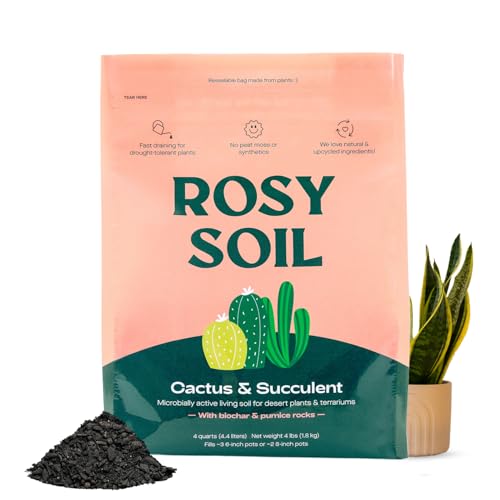 |
Rosy Soil Cactus & Succulent Potting Mix, | Check Price |
5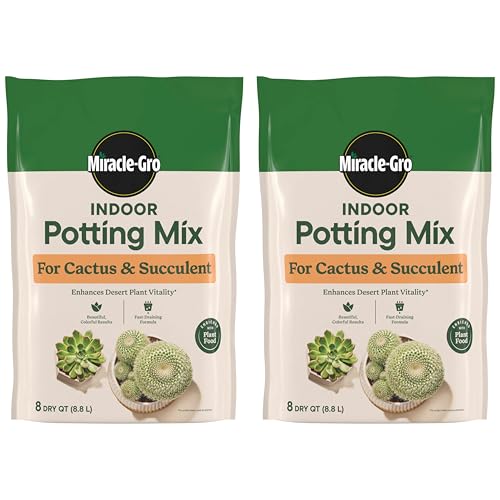 |
Miracle-Gro Indoor Potting Mix for Cactus & | Check Price |
5 Best Commercial Potting Soils for Christmas Cactus: Detailed Reviews
When I chose the best commercial potting soil for christmas cactus, I paid attention to how clearly each mix describes drainage, moisture retention, and ingredients. Those details matter because roots need air as well as water, and a beginner should not have to guess whether a bag is intended for a holiday cactus or a dry-climate succulent.
The picks include purpose-made holiday-cactus mixes, a chunkier general cactus blend, and an indoor cactus-and-succulent mix in a larger bundle. Comparing those options side by side helps you weigh a small repotting job against several pots, and a specific ingredient list against a more general description.
1. Soil Sunrise Christmas Cactus Potting Soil Mix
Peat moss, pine bark, pumice, and perlite create an airy blend for growers who want listed ingredients and a larger bag.
- Size4 Quarts
- Number Of Items1
- WeightNot listed; check details
- DimensionsNot listed; check details
Soil Sunrise Christmas Cactus Soil is a purpose-made mix for growers repotting a Christmas, Thanksgiving, or Easter cactus. It also suits indoor or outdoor container gardening, according to its described uses.
The ingredient list includes peat moss, pine bark, pumice pieces, horticultural perlite, worm castings, and lime. Pumice is a porous, lightweight mineral that leaves open spaces in a mix, while perlite is a light material commonly used to keep potting soil from packing tightly. Those ingredients can help excess water move through while leaving the mix less dense than plain garden soil.
Peat moss and worm castings offer a different side of the blend: moisture retention and organic material. The maker also describes the mix as supporting nutrient retention and pH balance, but the specific pH value and amounts of each ingredient are not given. That means the written ingredient list is useful, though it cannot tell you exactly how the mix will behave in your home or watering routine.
The 4-quart bag is described as enough for three 6-inch pots. That gives you a practical starting point for planning a small group of plants, but root-ball size and pot shape can change how much you use. Check that estimate against your containers before you start.
Pros:
- Holiday-cactus blend, intended for Christmas, Thanksgiving, and Easter cactus.
- Listed ingredients, making the mix easier to assess before buying.
- Pine bark and pumice, adding chunky structure to the blend.
- Perlite included, helping keep the soil from feeling compact.
- Four quarts, enough for several modest potting jobs.
Cons:
- No percentages are given for the listed ingredients.
- The specific pH and nutrient amounts are not stated.
- The 4-quart size may be more than you need for one small pot.
Buy it if: you want a holiday-cactus mix with named ingredients, because the list lets you see the main materials before choosing.
Skip it if: you only need a very small amount, because a 4-quart bag may leave extra soil to store, and a smaller bag would suit you better. For another fit, consider Christmas or Doter.
I’d put Soil Sunrise first for a beginner who wants a clearly described blend rather than a vague “cactus soil” label. Its combination of moisture-holding and airy ingredients makes sense for a holiday cactus, and the bag gives a useful estimate for multiple pots. I’d still check the bag details for the current ingredient information and compare the stated pot count with your container sizes.
Choose Soil Sunrise if ingredient transparency and a holiday-cactus focus matter most to you.
2. Premium Christmas Cactus Soil
A ready-to-use 2-quart mix is designed for holiday cacti, giving growers a compact option for a small potting job.
- Size2 QTS
- ColorOrganic
- WeightNot listed; check details
- DimensionsNot listed; check details
Premium Christmas Cactus Soil is a ready-to-use mix described for Christmas cactus and similar epiphytic holiday cacti. Its 2-quart size is a practical fit when you have one modest pot to refresh rather than a shelf full of plants.
The mix is described as light and airy, with a balance of drainage and moisture retention. A loose growing medium is the material around the roots; in plain terms, the texture affects how readily water moves through and how much air reaches the root area. For a holiday cactus, that balance matters because drainage should not mean the roots are left in a dry, gritty mix all the time.
The description also says the formula contains organic materials and nutrients, but it does not name those ingredients or give their amounts. That makes the intended use clear, though the lack of an ingredient list gives you less to compare if you have specific preferences. The “organic” wording here is not proof of a certification, so check the package details if certification matters to you.
At 2 quarts, Premium is the smallest volume among these five choices. That can reduce leftover soil after a small job, but it may not stretch to several medium pots; the actual amount depends on the root balls and containers.
Pros:
- Holiday-cactus focus, so the intended plant type is easy to identify.
- Ready to use, without a separate mixing step described.
- Two-quart size, suited to a small repotting task.
- Airy texture, intended to support drainage around the roots.
- Moisture retention is part of the stated blend design.
Cons:**
- The specific ingredients are not named in the description.
- The bag may not cover several pots.
- No measured drainage rate or nutrient amount is listed.
Buy it if: you have one small holiday cactus to repot, because the ready-to-use 2-quart size avoids buying a much larger bag.
Skip it if: you want to judge a mix by its exact ingredients, because those materials are not named here, and a more detailed blend description would suit you better. Soil and Doter are worth a closer look instead.
To me, Premium earns second place by keeping the decision simple for a small job: it is aimed at holiday cacti and comes ready to use. That is handy when the goal is one pot, not a big batch of repotting. I’d look for a fuller ingredient list on the package before buying if you have a strong preference about what goes around the roots.
Pick Premium when a compact bag and a stated holiday-cactus purpose are your main needs.
3. Doter Christmas Cactus Potting Soil Mix 2qt,
The catalog lists 【All Natural】The Christmas Cactus Soil Mix is meticulously formulated from organic components like coconut coi. Compare fit and care needs before choosing.
- Colorblack
- Size2qt
- WeightNot listed; check details
- DimensionsNot listed; check details
Doter Christmas Cactus Soil is a small-format mix aimed at Christmas cactus, succulents, and other indoor potted plants. It is a reasonable option to consider when you want one blend described for more than a single type of houseplant.
Its named materials include coconut coir, perlite, and bark. Coconut coir is a fibrous material made from coconut husks; in potting mixes, it can help hold moisture while still leaving a loose structure. Perlite and bark add a more open texture, which can help water move out of the pot and air reach the roots.
The product description also emphasizes moisture retention, drainage, and ventilation. Those are useful goals for a Christmas cactus, but the description does not give ingredient ratios or a measured moisture level. A blend that retains water can still need careful watering, particularly in a pot without a drainage hole or in a cool room where the mix dries slowly.
Doter’s 2-quart size keeps the purchase small. Its described plant range also includes African violets and aloe vera, though the best watering rhythm can differ between those plants. Treat the shared mix as a starting point, not a reason to give every plant the same watering schedule.
Pros:
- Coconut coir, perlite, and bark are named in the blend.
- Two-quart package, manageable for a small plant or trial pot.
- Described for Christmas cactus and several other indoor plants.
- Moisture retention and airflow are both part of the stated design.
Cons:
- No ingredient ratios are listed.
- Two quarts may not cover a group of larger pots.
- The description does not give a measured drying time.
Buy it if: you want a small bag with named coir, perlite, and bark, because those ingredients make the mix easier to compare.
Skip it if: your priority is a larger supply for several plants, because the 2-quart quantity is limited, and a larger bag would suit you better. If those trade-offs rule it out, Soil or Christmas may suit you better.
I like that Doter names three of its main materials instead of relying only on broad claims about drainage. The small package and wider indoor-plant use may be useful for a beginner with a couple of modest pots, though the blend is not described as narrowly as Soil Sunrise. Check the package for the complete ingredient details and make sure the size is enough for your planned repotting.
Doter suits you if you want a small, ingredient-named blend for a Christmas cactus and other indoor plants.
4. Rosy Soil Cactus & Succulent Potting Mix,
The catalog lists THE CHUNKY TEXTURE YOUR SUCCULENTS ACTUALLY NEED: Most potting soils for succulents pack too dense and hold to. Compare fit and care needs before choosing.
- Size4 Quarts
- ColorCactus & Succulent
- Number Of Items1
- WeightNot listed; check details
Rosy Soil Cactus and Succulent Mix is a chunky, peat-free blend intended for cactus and succulent growers, including people with a Christmas cactus. It may suit you if you prefer a looser-feeling mix and want a resealable bag for leftover soil.
The chunky texture is described as helping water drain and keeping the mix from compacting. Compaction is when soil presses together into a dense mass, leaving less open space around roots. A looser mix can make it easier for excess water to escape, though you still need a pot with drainage and a watering routine that fits your plant.
Rosy Soil also lists worm castings, fungi, and microorganisms, and describes those materials as part of a living soil blend. It is marketed as peat-free and says the mix includes no synthetic fertilizers; those are product claims, not an independent certification. The mix is described for many drought-tolerant plants, including Christmas cactus, but a holiday cactus may need a different watering approach from desert succulents.
The 4-quart resealable bag is described as filling two to three plants, and planting guidance is printed on the packaging. That combination can help a first-time grower manage leftover soil and follow simple instructions. Still, check the bag’s plant-specific guidance before using the same routine for every plant in your collection.
Pros:
- Chunky texture, intended to let excess moisture drain quickly.
- Peat-free formula, a stated material preference for some growers.
- Resealable bag, useful for storing soil between potting jobs.
- Four-quart size, described as enough for two to three plants.
- Christmas cactus is among the listed intended plant types.
Cons:**
- A fast-draining mix can dry sooner than a moisture-holding blend.
- The exact ingredient proportions are not listed here.
- Its broad succulent focus may require careful watering adjustments for a holiday cactus.
Buy it if: you prefer a chunky, peat-free mix and want a resealable bag, because both features can make potting and storing leftovers more manageable.
Skip it if: you want a mix described mainly around moisture balance for holiday cacti, because this blend emphasizes fast drainage, and a holiday-cactus-specific mix would suit you better.
What I like about Rosy Soil is the practical package detail: the resealable bag and printed planting guidance are useful when you’re new to potting. The chunky, peat-free approach is also easy to understand, but a Christmas cactus should not automatically be watered like a desert cactus. I’d check the package instructions and the mix’s texture before buying if your plant tends to dry out quickly.
Choose Rosy Soil if you want a broader succulent blend and are comfortable adjusting how often you water.
5. Miracle-Gro Indoor Potting Mix for Cactus &
The catalog lists Miracle-Gro Indoor Potting Mix for Cactus and Succulent is enriched with Miracle-Gro Plant Food and enhances d. Compare fit and care needs before choosing.
- Size8 Qt. (Pack of 2)
- ColorBrown
- Number Of Items2
- WeightNot listed; check details
Miracle-Gro Indoor Cactus and Succulent Mix is a ready-to-use option for indoor container plants, including cacti and succulents. The bundle contains two 8-quart bags, so it is the largest amount in this group for someone planning several pots.
The described ingredients include forest products, sphagnum peat moss, sand, and perlite. Sphagnum peat moss is a plant-based material used in potting mixes to hold moisture; sand and perlite are included in this blend to support faster drainage. That mix of materials may suit a grower who wants a ready-made indoor cactus blend, while the peat component means it may not be the choice for someone specifically seeking peat-free soil.
The mix also includes Miracle-Gro Plant Food, according to the product description. The precise nutrient analysis and feeding duration are not given here, so follow the package directions rather than adding extra fertilizer by guesswork. The blend is intended for desert plants, cacti, succulents, and some other indoor container plants, but a Christmas cactus has different moisture preferences from many desert types.
Each 8-quart bag is described as filling five 6-inch containers, with the amount varying by root-ball size. That makes the two-bag bundle useful for multiple small pots, but it may leave a lot of soil if you are repotting only one plant. Store any remaining mix as directed on the packaging.
Pros:
- Two 8-quart bags, offering more soil for several pots.
- Ready to use, with no mixing step required.
- Sand and perlite, included to promote fast drainage.
- Plant food included, according to the product description.
- Indoor container use is part of its stated purpose.
Cons:**
- The two-bag bundle may be excessive for one small plant.
- Peat moss is included, so it is not a peat-free mix.
- The described blend is aimed at cactus and succulent plants broadly, not only Christmas cactus.
- Nutrient amounts and feeding duration are not specified here.
Buy it if: you have several indoor cactus or succulent pots to fill, because the two 8-quart bags give you a larger supply of ready-to-use mix.
Skip it if: you are repotting just one small Christmas cactus, because the bundle may leave substantial soil unused, and a smaller bag would suit you better.
I’d consider Miracle-Gro mainly when quantity is the deciding factor, since two 8-quart bags can cover a run of small containers without a separate mixing step. The listed ingredients make the broad purpose clear, though a Christmas cactus may not need the same watering pattern as a desert plant. Check the package’s feeding instructions and confirm you have a dry place to store the second bag.
This mix is for you if you have several pots and want one ready-to-use bundle.
How to Choose the Best Commercial Potting Soil for Christmas Cactus
The best commercial potting soil for christmas cactus should drain extra water while holding enough moisture for roots that do not belong in a bone-dry desert blend. Start with the plant’s needs, then compare the ingredient list, the pot, and the amount of soil you actually need.
Drainage and air space
Drainage means water can move through the mix instead of collecting around the roots. Air space means the soil is not pressed into a dense, airless lump after watering. Look for ingredients such as bark, pumice, or perlite when you want a more open texture, and use a pot with a drainage hole.
A stated “fast-draining” blend is a helpful clue, but it does not guarantee the same drying speed in every home.
Moisture retention
A Christmas cactus is not a typical desert cactus, so very gritty soil may dry faster than you expect. Peat moss or coconut coir can help a blend hold moisture, while bark, perlite, and pumice can help keep it open. The goal is a balance, not a promise that the soil will stay wet or dry for a set number of days.
If your room is cool or humid, expect the pot to dry more slowly.
Ingredient list and plant type
A bag that names its ingredients gives you more to judge than a broad label alone. A mix intended for Christmas cactus may be a useful starting point, while a general succulent blend may need closer attention to watering. If you are also potting drought-tolerant plants, compare what a fast-draining succulent soil is designed to do before deciding that one blend suits every pot.
Plant labels matter because the same bag can behave differently across plants with different moisture needs.
Pot size and drainage holes
Choose a pot that comfortably holds the root ball, with a little room for fresh mix around it. A much larger container holds more damp soil than a small root system can use quickly, so it can take longer to dry. Make sure the pot has a drainage hole; decorative outer pots can hide standing water, so empty them after watering.
Check the pot’s inside width and depth rather than guessing from its outside measurement.
Bag size and leftovers
Match the bag volume to the number and size of your containers. One 2-quart bag may suit a small job, while a 4-quart bag or two 8-quart bags make more sense for several pots. Package estimates, such as a number of 6-inch pots, are only a guide because roots and pot shapes take up different amounts of room.
If you buy extra, follow the packaging directions for keeping the bag closed and stored.
How to Use Christmas Cactus Potting Soil for the Best Results
Use fresh mix in a pot with a drainage hole, and water according to how quickly the soil dries in your home. Good soil cannot make up for a pot that traps water or a routine that keeps the roots wet.
- Choose a pot with a drainage hole and enough room for the root ball.
- Prepare a clean work surface and set out the soil before removing the plant.
- Ease the cactus from its old pot while supporting the stems near the base.
- Gently loosen only soil that falls away easily; avoid pulling firmly on roots.
- Add fresh mix around and beneath the root ball, keeping the plant at its previous depth.
- Settle the soil lightly with your fingers instead of packing it down hard.
- Follow the mix’s package directions for watering after repotting, since recommendations can vary.
- Let excess water drain fully, then empty any water collected in an outer pot or saucer.
Keep the pot in a place suited to the plant’s usual light needs, and check moisture by touching the mix rather than watering by the calendar alone. If you are unsure how a holiday cactus differs from a desert type, a plain-language comparison of cactus soil and potting soil can help you understand why a single “cactus” label may cover mixes with different textures.
How to Make Your Christmas Cactus Potting Soil Last Longer
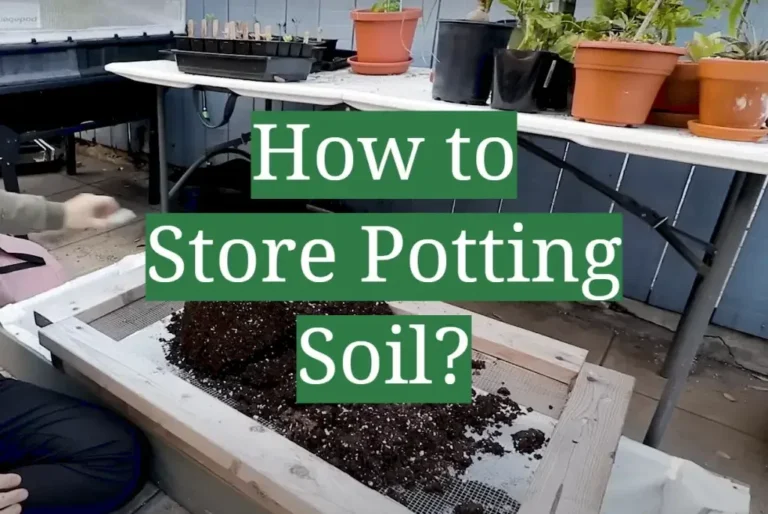
Store unused soil closed in a dry place, and keep it away from standing water and pests. A resealable bag helps, but any opened package should be kept shut between uses.
Use a clean scoop rather than one covered in old, wet soil, and avoid returning potting mix that has fallen onto a dirty floor to the original bag. If leftover mix becomes waterlogged or develops an unusual smell, do not treat it as fresh, dry soil. Check the package for its storage guidance, especially if the mix contains organic materials or plant food.
Do not add extra fertilizer simply because the plant has not bloomed yet. Some mixes include nutrients, while others describe organic materials without giving a nutrient amount. Follow the specific package directions and reassess after new growth; more fertilizer is not a shortcut to better care.
A Christmas cactus may not need frequent repotting. Watch the plant and root space rather than repotting on a rigid annual schedule, and avoid disturbing a healthy root ball without a reason. For other houseplants with very different watering preferences, compare their needs separately; advice about soil for potted aloe vera may help you avoid treating every succulent as though it wants the same moisture level.
Common Mistakes to Avoid When Buying and Using Christmas Cactus Soil
Small choices can make a suitable mix behave badly, especially if the pot or watering routine fights against it. These are the easy-to-miss problems to watch for.
- Choosing desert soil by name alone: Some cactus mixes are made to drain very quickly. Check the ingredients and decide whether that texture suits a holiday cactus.
- Ignoring the drainage hole: Extra water needs somewhere to go. Use a pot with a hole and empty standing water from the saucer.
- Buying far more than you need: A large bundle can sit open for months after one small repot. Estimate your pot count before choosing a bag size.
- Packing soil down hard: Compressed soil has fewer open spaces. Settle the mix gently around the roots instead.
- Watering on a fixed calendar: Room temperature, pot size, and soil texture change drying time. Check the mix before watering again.
- Assuming every cactus wants the same mix: Christmas cactus care differs from the needs of many desert cactus types. Read the plant-specific directions and adjust the watering routine.
- Adding fertilizer without checking the bag: Some mixes already include plant food. Read the feeding instructions before adding more.
A loose mineral-heavy mix can make sense for many desert plants, but it may not be the first choice for every indoor cactus. If you are growing a different cactus species, compare its needs with guidance on soil for San Pedro cactus before using the same bag and watering plan.
How to Set Up Christmas Cactus Potting Soil
Repotting does not require complicated equipment, but setting up the workspace first makes the job calmer and cleaner. Gather the pot, fresh soil, and a small scoop before lifting the plant from its old container.
- Check the new pot. Confirm that it has a drainage hole and is not much larger than the root ball.
- Protect the work surface. Spread paper or a washable mat so loose soil is easy to gather.
- Read the soil package. Look for directions about preparation, watering, and storage before opening the bag.
- Open the bag carefully. Keep the top clean so it can be closed again if soil remains.
- Loosen the plant gently. Support the stems and work around the pot rather than tugging on the cactus.
- Set the root ball in place. Keep the plant at its old depth and add soil around the sides.
- Settle the mix lightly. Tap the pot or press gently so the plant sits steady without crushing the soil.
- Finish with drainage and cleanup. Follow package watering guidance, let excess water escape, and close the leftover soil bag.
If you keep trailing houseplants nearby, do not assume a Christmas-cactus blend is automatically right for every pot. A separate look at soil for string of hearts can help you compare another plant’s preferred balance of moisture and drainage.
Common Questions About Commercial Potting Soil for Christmas Cactus
Can I use regular potting soil for a Christmas cactus?
Yes, regular potting soil can be used if it stays loose and drains well, but dense garden soil is not a good substitute. A general houseplant mix may hold more water than your plant and pot can handle. Check the texture, use a pot with a drainage hole, and watch how quickly the mix dries before watering again.
Is cactus soil too dry for a Christmas cactus?
Sometimes, especially when the blend is made for desert cacti and drains very quickly. Christmas cactus needs a mix that drains but can still hold some moisture, so check the ingredients and texture rather than trusting the label alone. If the soil dries unusually fast in your home, adjust your watering after checking the mix and pot.
How much potting soil do I need for one plant?
A small 2-quart bag may be enough for a modest pot, but root-ball size and container dimensions affect the amount. A product’s stated pot estimate is useful as a rough guide, not a guarantee. Measure the pot and compare its size with the package estimate before opening a large bag.
Should Christmas cactus soil contain fertilizer?
It can, but fertilizer is not required simply because a bag is labeled for a holiday cactus. Check whether plant food is included and read the directions for use and feeding. If the package does not state nutrient amounts or timing, avoid guessing or adding extra fertilizer without a clear reason.
How often should I water after repotting?
There is no single schedule that fits every home, pot, and soil blend. Follow the soil package’s after-potting directions, then check the mix as it dries instead of watering by the date. A cool room, a large pot, or a moisture-holding blend can keep soil damp longer than expected.
Can one potting mix work for all my succulents?
One mix may work for several plants, but their water needs can differ. A Christmas cactus generally needs more moisture balance than many desert succulents, so a very gritty blend may dry too quickly. Use the plant’s needs, pot drainage, and your home’s drying conditions to decide whether one bag is a sensible shared choice.
Make the Soil Choice Before You Open the Bag
Before buying, count the pots you plan to fill, check their drainage holes, and decide whether you prefer a holiday-cactus blend or a broader cactus mix. Then compare the bag’s ingredient list and volume with that short checklist; if the package leaves a key detail unclear, verify it before repotting day.

I’m Maya L. Greenwood, a lifelong plant lover who believes anyone can grow something beautiful with the right guidance. After years of testing soil mixes, pruning methods, irrigation tricks, and pest-safe solutions, I started EasyGardenTips.com to turn hard-won lessons into step-by-step advice. From seed starting and container gardens to composting and seasonal checklists, my goal is to make gardening simple, sustainable, and fun.
One Comment