
5 Best Soil for Tomatoes in Pots: Grow Juicier Fruit on Your Patio
Buy the wrong soil for tomatoes in pots and you can end up with a container that stays soggy, dries out too fast, or simply does not hold enough mix for the roots. A small bag can leave you short halfway through planting, while a seed-starting blend may not be the same thing as a full-season potting mix.
For a healthy container tomato, the mix needs to drain excess water while keeping enough moisture around the roots between waterings. Bag size matters, too: a 1-quart pouch is a small amount for a tomato container, and a larger pot may need several times that much. It also pays to distinguish a ready-to-use potting mix from a seed starter, a soil amendment, or an indoor growing system.
Here’s what this guide will help you sort out:
- Which picks can serve as a growing medium and which have a narrower role.
- How to estimate the amount of mix a tomato pot needs.
- What drainage, watering, and care practices help container tomatoes.
- When to use a seed-starting mix or soil amendment instead of filling a whole pot.
Quick Picks
-
Best For Larger Batch

Back to the Roots Organic Seed Starting
Compressed peat-free mix expands to 12 quarts, giving patio growers a larger batch for seed starts and container top-ups.
-
Best For Small Test Pot

Doter Organic Vegetable Soil Mix 1qt, Indoor
Vegetable-focused mix in a 1-quart bag suits a beginner testing one tomato pot without storing a large soil bag.
Top 5 Soils for Tomatoes in Pots at a Glance
Start with Back to the Roots if you want a larger compressed mix, or look at Doter if you only need a small amount of vegetable-focused soil. The rest of the group includes a general-purpose container soil, a small indoor grow system that comes without soil, and a soil amendment that is meant to supplement rather than fill a pot.
| Product image | Product name | Check product |
|---|---|---|
| 1 |
Back to the Roots Organic Seed Starting | Check Price |
| 2 |
Doter Organic Vegetable Soil Mix 1qt, Indoor | Check Price |
3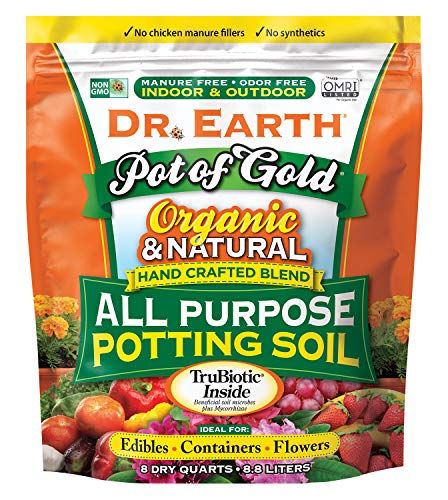 |
Dr. Earth Pot of Gold All Purpose | Check Price |
4 |
Indoor Garden Growing Systems Self-Watering Plant Pot | Check Price |
5 |
Soil Reviver All-in-One Soil Amendment 2qt | Check Price |
5 Best Soils for Tomatoes in Pots: Detailed Reviews
When I chose the best soil for tomatoes in pots, I paid attention to what each option is meant to do, how much mix comes in the package, and whether the stated uses fit a tomato container. Those details help you avoid buying a seed starter when you need enough growing medium for a mature plant, or an amendment when you need a full pot of soil.
The choices range from a compressed mix and a small vegetable blend to a general-purpose potting soil, a growing system, and an additive. Looking at those differences side by side helps you match the package to your planting plan, rather than assuming every bag labeled soil can do the same job.
1. Back to the Roots Organic Seed Starting
Compressed peat-free mix expands to 12 quarts, giving patio growers a larger batch for seed starts and container top-ups.
- Size12 Quart
- ColorSeed Starting Mix
- WeightNot listed; check details
- DimensionsNot listed; check details
Back to the Roots Seed Starting Mix is a compressed, peat-free blend for growers who want one product for starting seeds and some container gardening. The package expands to 12 quarts, so you get a more useful amount than the tiny pouch-style mixes often sold for a single seed tray.
A compressed mix is packed into a smaller block or package that expands when prepared for use. That can make storage easier before planting, and 12 quarts gives you more room to start several seedlings or fill smaller pots. Check the package directions for how to expand the mix, because the correct water amount and process matter for getting a loose, evenly damp texture.
The stated uses include vegetables, flowers, herbs, and seed starting, and the mix has a balanced pH. A balanced pH describes how acidic or alkaline the growing medium is, which can affect how readily roots take up nutrients. The peat-free claim and OMRI listing may matter to gardeners choosing inputs for organic production, but those details do not mean every tomato-growing concern is automatically covered.
One limitation is right in the name: this is a seed-starting mix. Young seedlings need a fine, light medium, while a full-size tomato in a container needs enough suitable growing mix, steady moisture, and room for roots throughout the season. Check the directions and the final texture before using this as the sole medium for a mature tomato plant.
Pros:
- Expands to 12 quarts, giving you a useful amount for several starts.
- Compressed package, which takes less storage space before preparation.
- Peat-free blend, for gardeners who prefer to avoid peat.
- Balanced pH, designed for broad use across common garden plants.
- Listed for seed starting and container use, adding flexibility.
Cons:
- Seed-starting focus may not make it the right sole mix for every mature tomato.
- You need to prepare the compressed mix before planting.
- No detailed nutrient analysis or ingredient breakdown is included here.
Buy it if: you want a larger peat-free blend for starting seeds and smaller container projects, because the package expands to 12 quarts.
Skip it if: you need a clearly specified, ready-to-use mix for a large mature tomato pot, because a seed-starting blend may not match that job and a full-size container potting mix would suit you better. For another fit, consider Doter or Dr.
I’d consider Back to the Roots when seed starting is part of the plan and you also need a flexible, larger batch for pots. The compressed format and 12-quart expansion are the strongest practical details for a beginner. I’d still read the preparation directions and confirm the mix is suitable for the stage of tomato growth you’re planting.
Choose it if its seed-starting role fits your plan, rather than treating every soil-like product as interchangeable.
2. Doter Organic Vegetable Soil Mix 1qt, Indoor
Vegetable-focused mix in a 1-quart bag suits a beginner testing one tomato pot without storing a large soil bag.
- Colorblack
- Size1qt
- WeightNot listed; check details
- DimensionsNot listed; check details
Doter Organic Vegetable Soil Mix is a small-bag blend marketed for potted vegetables, including tomatoes, and suits someone who wants to test a little soil before buying a larger quantity. Its stated size is 1 quart, so plan on it as a small amount, not a complete fill for most tomato containers.
The description says the blend is designed for drainage and aeration. Aeration means spaces in the mix let air reach roots, much like gaps between crumbs in a loose cake; those spaces help roots function and keep the soil from becoming a dense block. Better drainage can make it easier for excess water to leave the pot, but the container’s drainage holes and your watering habits still matter.
The mix is also described as pH balanced and formulated for vegetables. That makes its intended use clear, but the product details do not give a numeric pH range, ingredient list, or exact nutrient amounts. If you’re choosing soil for a tomato that will grow through a full season, check the package for those details and work out whether you’ll need additional mix or nutrients.
The main trade-off is the amount. One quart can be handy for a small experiment or topping up a pot, but it is not much soil for a tomato plant with a sizable root ball. Don’t mistake vegetable-specific wording for evidence that the package contains enough to fill the container you have.
Pros:
- Marketed for tomatoes and other potted vegetables, matching the intended crop.
- 1-quart package, useful when you need only a small amount.
- Stated drainage and aeration benefits, helpful for roots in a pot.
- pH-balanced claim, intended to support vegetable growing.
Cons:**
- One quart is a limited amount for filling a tomato container.
- No numeric pH range or nutrient analysis is listed here.
- The ingredient details are not specific enough to judge the full formula.
Buy it if: you’re testing a small tomato pot or need a little vegetable mix, because the 1-quart package is easy to portion.
Skip it if: you need enough soil to fill a large patio container, because one quart will fall short and a larger-volume potting mix would suit you better. Back and Dr are worth a closer look instead.
What I like about Doter is that its stated purpose is vegetable pots, not seed trays or soil improvement alone. The 1-quart size makes the amount easy to understand, but it also limits how much planting it can cover. Before choosing it for a full-size tomato, check the bag’s volume against your container and look for the ingredient and nutrient details.
This suits you best when the small quantity is actually what you need.
3. Dr. Earth Pot of Gold All Purpose
The catalog lists 8 Quart Bag. Compare fit and care needs before choosing.
- ColorPest35
- SizePest35
- Number Of Items1
- WeightNot listed; check details
Dr. Earth Pot of Gold is an all-purpose potting soil described for container plants, vegetables, flowers, herbs, and indoor gardens. It may suit you if you want one general container mix for several kinds of plants, rather than a small specialty pouch.
The product is listed as an 8-quart bag. Potting soil is a packaged growing medium intended for plants in containers, where garden ground soil can become heavy or compacted. Eight quarts gives you a clearer volume to compare with your pot than an unlabeled scoop or loose amendment, though you should still check the container’s capacity before buying.
The described uses include indoor and outdoor containers, patio pots, and hanging baskets. That broad container use is useful if your tomatoes share space with flowers or herbs, but the information does not name a specific tomato nutrient formula or give a detailed ingredient list. A general-purpose mix can be a reasonable starting point; confirm the bag’s instructions and whether tomato feeding needs are addressed separately.
The bag also carries several named program or registration claims, including OMRI listing. Those labels may be relevant to shoppers looking at production standards, but they are not a substitute for reading the ingredient and use directions, and they do not establish every safety claim a buyer might want to verify.
Pros:
- 8-quart bag, a more substantial amount than a 1-quart pouch.
- Listed for vegetables and container plants, including indoor and patio use.
- General-purpose role, useful if you grow more than tomatoes.
- Multiple named program and registration claims appear in the product details.
Cons:
- No detailed ingredient list or nutrient analysis is included here.
- General-purpose wording is less tomato-specific than a vegetable blend.
- Check whether 8 quarts is enough for your container before ordering.
Buy it if: you want a general potting soil for several container plants, because its listed uses include vegetables, herbs, and patio pots.
Skip it if: you require a disclosed tomato-specific formula or exact nutrient figures, because those details aren’t available here and a more fully specified growing medium would suit you better. If those trade-offs rule it out, Back or Doter may suit you better.
I’d put Dr. Earth Pot of Gold on the list for a gardener who wants a straightforward container soil in a moderate bag size. Its range of stated uses is practical, especially if the patio has more than one kind of pot.
I’d check the bag details for ingredients and feeding guidance before relying on it for a tomato’s whole season. Choose it if general container use matters more than a narrowly described tomato formula.
4. Indoor Garden Growing Systems Self-Watering Plant Pot
The catalog lists EFFICIENT & INTELLIGENT: LED Grow Lights are a better alternative to sunlight in terms of stability and planti. Compare fit and care needs before choosing.
- ColorBlack
- SizeSmall
- Number Of Items1
- PowerDryades grower includes power adapter*1 Silicone plug*1 Absorbent rope*1 Instruction manual*1 Looking forward
This indoor garden system is a small soil-growing planter with a self-watering feature and a 17-watt LED grow light, meant for someone growing indoors where natural light is limited. It is not a bag of tomato soil, and the description explicitly says seeds and soil are not included.
The LED grow light is a built-in lamp intended to provide light for plant growth. The system describes three timer settings, 8, 12, or 16 hours, plus low, medium, and high light intensity choices. A timer can make a regular light schedule easier to manage, but a compact tabletop planter is not automatically suitable for a large tomato plant or for producing a full patio-sized crop.
The self-watering design uses an absorbent rope, listed among the included parts. That rope draws water toward the growing area, which may reduce the need to pour water from above as often. You still need to monitor moisture, refill the reservoir as directed, and use an appropriate growing medium.
Self-watering does not mean the roots can never become too wet.
The system has a real boundary for this roundup: it arrives without soil, and the product description emphasizes herbs and compact indoor growing as well as vegetables. Check the planter dimensions, growing-space limits, and instructions before trying a tomato. If you want a conventional patio pot filled with tomato soil, a planter system is a different purchase.
Pros:
- 17-watt LED grow light, providing a built-in indoor light source.
- 8-, 12-, and 16-hour timer choices, helping keep a regular schedule.
- Adjustable low, medium, and high light settings.
- Self-watering design with an absorbent rope.
- Includes a power adapter, silicone plug, rope, and instruction manual.
Cons:
- Soil and seeds are not included, so you must supply both.
- Small indoor growing space may not suit a large tomato plant.
- A light and watering system do not replace checking plant needs.
Buy it if: you want a compact indoor planter with a grow light, because its timer and self-watering design support a more structured routine.
Skip it if: you’re shopping for a bag of soil for a patio tomato, because this system includes no soil and a conventional container mix would suit you better.
To me, the useful part of this system is its built-in lighting and timed schedule, not its fit as tomato soil. It could make sense for compact indoor planting where a sunny window is not available. I’d check the planter size and confirm that a tomato’s eventual height and root space are realistic for it.
Pick this system only if you actually want an indoor growing setup, and remember to source the soil separately.
5. Soil Reviver All-in-One Soil Amendment 2qt
The catalog lists ALL-IN-ONE MULTIVITAMIN FOR YOUR SOIL – Soil Reviver is designed to help improve overall soil conditions by su. Compare fit and care needs before choosing.
- Size2qt
- Number Of Items1
- WeightNot listed; check details
- DimensionsNot listed; check details
Soil Reviver is a 2-quart soil amendment for people who want to add organic matter and other ingredients to an existing growing medium. It is not presented as a stand-alone potting soil, so it should not be mistaken for a bag that can fill a tomato pot by itself.
An amendment is a material blended into or spread over soil to change its structure or add ingredients. Soil Reviver lists compost, worm castings, biochar, humic substances, and mycorrhizae fungi. The product describes these as supporting soil structure, moisture retention, and root growth, but those are intended benefits rather than a promise of a particular tomato harvest.
The directions described include mixing it into soil or applying it as a top-dressing. A top-dressing means placing a layer on the soil surface, where watering can gradually carry some material downward. That gives you two ways to use the amendment, but the correct amount and frequency should come from the package directions, which are not specified in the details here.
At 2 quarts, the bag may be more useful as an additive than as the main contents of a large container. Check the recommended mixing ratio before adding it to a tomato pot. Too much of any amendment can change the balance of a growing medium, and a small bag does not remove the need for suitable base potting soil.
Pros:
- Lists compost and worm castings as organic matter sources.
- Includes biochar and humic substances, intended to support soil structure.
- Mycorrhizae fungi are listed as part of the blend.
- Can be mixed into soil or applied as a top-dressing.
- Intended for pots, garden beds, and indoor plants.
Cons:
- An amendment, not a complete stand-alone potting mix.
- 2-quart size may be limited for multiple large pots.
- The exact mixing ratio and application schedule are not given here.
Buy it if: you already have suitable potting soil and want an additive, because the blend is designed to be mixed in or used as a top-dressing.
Skip it if: you need a complete growing medium for an empty tomato pot, because this amendment is meant to supplement soil and a ready-to-use potting mix would suit you better.
I’d view Soil Reviver as a supporting ingredient rather than the answer to what should fill a tomato pot. Its ingredient list and two application approaches make its role fairly clear. I’d read the package for the recommended amount before mixing it into any container, since the details here do not provide a ratio.
Choose it if you have a base mix already and want to amend that mix, not if you need soil from scratch.
How to Choose the Best Soil for Tomatoes in Pots
The best soil for tomatoes in pots is a suitable container growing medium that drains excess water, keeps some moisture available, and gives roots room to grow. Before you buy, match the product’s stated use and volume to your pot, then check the package directions for ingredients and feeding guidance.
Start with the product’s actual job
A potting mix, seed-starting mix, and soil amendment have different jobs. Potting mix is meant to serve as the growing medium in a container; seed-starting mix is made for germinating seeds and young seedlings; an amendment is mixed with or applied to soil that is already there.
Read past broad words such as “garden” or “vegetable” and look for directions that say whether the contents can fill a container. If the label focuses on seed trays, plan for a possible change of medium as seedlings grow. If the label says amendment, do not treat it as a complete fill unless the instructions explicitly say so.
For a wider overview of how growing media differ in container use, see this container gardening soil guide. The useful takeaway is simple: select by the job you need done, not by a familiar word printed on the bag.
Estimate how many quarts the pot needs
Package volume matters because tomato pots can take much more than a small starter bag. Check the pot’s capacity in gallons or quarts, or measure its inside width and depth and use the manufacturer’s capacity if available. Leave a little space at the top for watering, rather than filling soil to the rim.
One gallon equals four quarts, so a 5-gallon container has a nominal capacity of 20 quarts. The actual amount of mix may be lower if the pot narrows near the bottom or you leave headspace. This quick conversion makes it clear why a 1-quart pouch is for small jobs, while a bag marked 8 or 12 quarts may still not fill a large pot alone.
Compare package volume with the container before checkout. Avoid buying several small bags without first checking whether a larger package is available or whether the product is intended for a different task.
Look for drainage and a loose texture
Tomato roots need water, but they also need air. A dense, soggy medium can make it harder for roots to function, while a mix that drains too fast may leave plants thirsty soon after watering. The pot itself needs drainage holes so extra water can escape.
Check the product description for drainage, aeration, and container use, then look at the ingredients on the bag if those are available. Words such as “light” or “airy” can be helpful clues, but a claim alone does not tell you exactly how the mix will behave in your climate or pot. Avoid substituting ordinary yard soil without checking its suitability; soil from the ground can pack tightly in containers.
Container vegetable mixes are also worth comparing if you’re growing more than tomatoes. This container vegetable soil comparison can help you think about shared needs across potted crops, while still checking that the mix and package size suit the specific container you have.
Check nutrients and feeding directions
Tomatoes grow for months, so one small amount of nutrients at planting may not cover the whole season. Look for the ingredient list, any stated fertilizer or nutrient information, and directions for follow-up feeding. If the package gives no such details, do not assume the mix contains everything a fruiting plant will need.
A balanced pH is a general description, not a numeric test result. If you need an exact pH range or fertilizer analysis, look for those numbers on the package or ask the seller before buying. A claim that a blend is nutrient-rich is less useful for planning than a clear ingredient list and specific feeding directions.
Match the mix to the tomato and location
A large indeterminate tomato can grow taller and need more root space than a compact patio variety. Check the seed packet or plant label for mature size, support needs, and container recommendations, then choose a pot that can hold the plant securely. A small tabletop planter is not automatically a good home for a full-size tomato.
Sun matters just as much as soil. Outdoor tomatoes generally need a bright, sunny location, while indoor plants depend on sufficient light from a window or grow lamp. If you’re comparing a tomato pot with other container crops, the advice for tomatoes grown in containers can help you keep pot size and plant growth in view while choosing the mix.
Consider how much care you can give
A small pot dries faster than a large one, and a container exposed to hot wind may need more frequent watering. Choose a pot and growing medium that fit the time you have to check moisture. A self-watering feature can change the routine, but it still needs monitoring and refilling.
Also consider where the pot will sit. A large container filled with wet soil can be heavy, so decide on its final location before filling it. Put drainage protection where runoff will not stain a deck or leave a puddle against a wall.
How to Use Soil for Tomatoes in Pots for the Best Results
Start with a clean container that has drainage holes, then use a growing medium intended for containers and follow its package directions. Good planting and watering habits help a suitable mix do its job, but no soil blend can make up for a pot with no drainage or a tomato plant without enough light.
- Choose the pot before filling it. Match the container to the tomato’s mature size and support needs. Check that the pot has drainage holes and decide where it will stay, since moving a full container can be awkward.
- Prepare the mix as directed. If you have a compressed product, expand it according to its package directions. Break up clumps gently and aim for a uniformly moist mix, not a dripping mass.
- Fill the pot with room at the top. Leave space for water to soak in without spilling over the rim. Don’t press the mix down hard, because compacting it can reduce the open spaces roots need.
- Plant at the right stage. Follow the plant label or seed packet for transplanting depth and spacing. Keep the root ball intact when moving a seedling, and avoid planting a tomato in a container too small for its likely growth.
- Water slowly after planting. Water until the mix is evenly damp and excess water can drain from the bottom. If water runs off the surface immediately, add it in smaller passes so the medium has time to absorb it.
- Place the pot in suitable light. Outdoor tomatoes need a bright, sunny position. For an indoor system, follow the light’s schedule and intensity directions, and check that the plant’s eventual size is appropriate for the growing space.
- Add support before the plant gets crowded. Use a cage, stake, or trellis suited to the tomato’s growth habit. Installing support early is easier than threading a large plant through a structure later.
- Check moisture and feeding regularly. Feel the mix below the surface rather than watering on a rigid schedule alone. Follow the package or plant-care directions for fertilizer, and avoid adding extra nutrients just because growth looks slow.
Tomatoes and herbs can share a patio, but the plants may have different watering and feeding needs. If you’re also planning a small herb container, this soil guide for herb pots is a helpful prompt to consider those differences rather than giving every pot identical care.
How to Make Your Tomato Potting Soil Last Longer
Keep potting soil useful by storing unused mix dry and sealed, and by keeping the container itself from becoming clogged or waterlogged. During the growing season, remove fallen leaves and check drainage so old plant material and standing water do not build up around the roots.
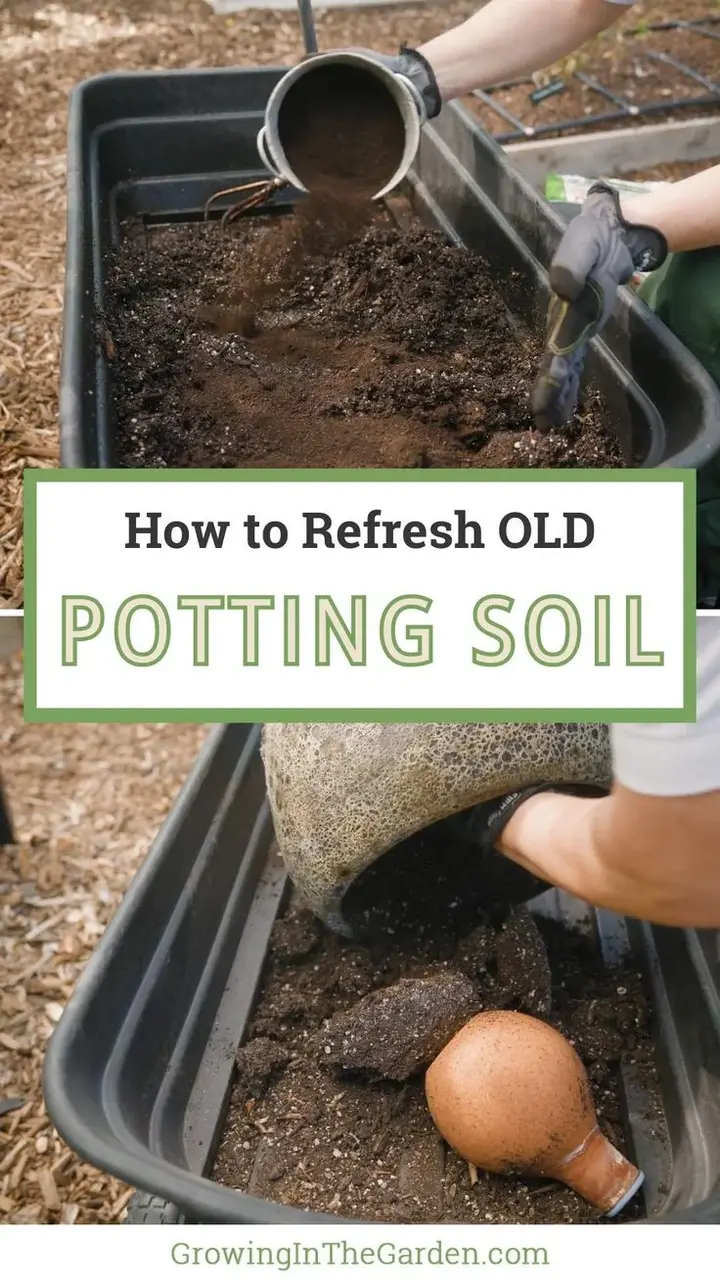
Before each planting, inspect the mix for a sour smell, a dense crust, or poor drainage. Those signs do not prove a specific disease, but they are reasons to pause and assess the medium instead of immediately planting another tomato. Follow any directions on the package about reuse, disposal, or adding fresh mix.
At the end of the season, remove the spent plant and its larger roots. Do not assume old soil is ready for a new tomato just because it looks dark and crumbly. It may have lost nutrients or changed texture, and the former plant’s condition can affect whether reuse makes sense.
If you want to reuse potting soil, inspect the old plant for signs of disease and check the mix’s structure first. This tomato soil reuse advice is relevant before you empty an old container into a new planting, since reuse should be a considered decision rather than an automatic shortcut.
Store spare mix in its original bag or another closed container in a dry place, away from rain and pests. Keep the package label with it so you still have the ingredient and application directions. If the bag gets soaked or contaminated, check the manufacturer’s advice rather than guessing that the mix is unchanged.
Common Mistakes to Avoid When Buying and Using Soil for Tomatoes in Pots
Small buying and care mistakes can make a healthy tomato harder to manage. These are easy to catch before planting, and each has a practical fix.
- Buying by the word “soil” alone: A seed starter, potting mix, and amendment do different jobs. Read the intended use and directions before choosing.
- Underestimating the volume: A little pouch will not fill a large container. Compare the bag’s quarts with the pot’s capacity before you order.
- Ignoring drainage holes: Even a well-aerated mix can stay too wet in a sealed pot. Use a container with drainage and keep the holes clear.
- Packing the medium too firmly: Hard pressure can squeeze out useful air spaces. Fill gently and settle the mix with water rather than tamping it down.
- Watering only by calendar: Heat, wind, pot size, and plant growth change how quickly soil dries. Check moisture before watering instead of following the same schedule every day.
- Assuming every mix feeds a tomato all season: A product description may not state nutrient amounts or duration. Read the feeding directions and plan for the plant’s needs.
- Using an amendment as the whole fill: Additives are meant to supplement an existing medium unless the directions say otherwise. Start with suitable container mix, then use amendments only as directed.
- Choosing a compact indoor planter for a large tomato: A grow light does not create more root or plant space. Check the planter’s dimensions and the variety’s mature size first.
How to Set Up a Tomato Pot
Set up the container before moving the seedling so you can plant without rushing or balancing a root ball over an unfinished pot. Keep the package directions nearby, especially if the soil needs preparation or the container has a water reservoir.
- Pick a stable location. Choose a sunny outdoor spot or an indoor location that meets the light needs of the tomato. Consider runoff, wind, and whether you can reach the plant for watering.
- Check the pot and its drainage. Confirm that drainage holes are open and that the container is large enough for the variety. If using a self-watering system, read how the reservoir and absorbent rope are fitted before adding soil.
- Prepare the growing medium. Expand a compressed mix or moisten a dry mix only as instructed. A common stumbling point is adding too much water at once, so follow the package rather than guessing.
- Add mix to the pot. Fill partway, leaving room for the plant’s root ball and space near the rim for watering. Keep the mix loose instead of pushing it down hard.
- Set the plant in place. Follow the seedling or variety’s planting directions. Fill around the roots gently, keeping the plant steady without crushing the medium.
- Water and check drainage. Water slowly until the mix is damp and excess water can escape. If water pools, stop and check whether the drainage holes are blocked.
- Install support and label the plant. Add a stake or cage while the plant is small. A simple label can help you remember the variety and planting date.
- Set up any indoor light schedule. For a grow system, follow the manual for timer, brightness, and watering setup. The indoor system described here uses 8-, 12-, or 16-hour settings, but follow its directions for selecting the right schedule.
Common Questions About Soil for Tomatoes in Pots
What soil is best for tomatoes in pots?
Use a growing medium intended for containers that can drain excess water while holding some moisture. Check the package for container use, ingredients, volume, and feeding directions. A seed-starting mix or soil amendment may have a different job, so read the instructions before using either as the full fill for a mature tomato pot.
Can I use garden soil in a tomato pot?
Garden soil from the ground may become dense in a container and can drain differently from a packaged potting mix. Choose a medium labeled for container use unless you have reliable guidance for blending garden soil appropriately. Whatever you use, make sure the pot has drainage holes and monitor how quickly the mix dries after watering.
How much soil does a tomato pot need?
The amount depends on the container’s capacity and the tomato’s mature size. One gallon equals four quarts, so a pot labeled 5 gallons holds about 20 quarts before allowing for headspace or a tapered shape. Check the pot’s stated capacity and compare it with the bag volume before buying.
Should I use seed-starting mix for a full-size tomato?
A seed-starting mix is intended for starting seeds and young seedlings, so check its directions before using it as the only medium for a mature tomato. A young plant may need a different amount and type of growing medium as it grows. Choose a container mix if the product’s instructions do not support full-season use.
Can I reuse potting soil for tomatoes?
Sometimes, but first check the old plant’s health and the soil’s smell, texture, and drainage. Remove roots and plant debris, and follow the mix maker’s guidance about reuse. If the former plant had a serious disease or the soil is compacted or foul-smelling, do not assume that reusing it is a safe shortcut.
How often should I water tomatoes in pots?
Check the soil moisture regularly and water when the mix is drying, rather than relying on a fixed calendar. A small pot, hot weather, and wind can make soil dry faster, while a cool location can slow drying. Water thoroughly enough to moisten the root area, then let excess water drain from the pot.
Choose the Mix by the Job and the Pot
Before buying, measure or check your container’s capacity, then compare that number with the package volume and the product’s stated use. Pick a growing medium meant for the job you have, and save seed starters and amendments for the roles their directions describe.

I’m Maya L. Greenwood, a lifelong plant lover who believes anyone can grow something beautiful with the right guidance. After years of testing soil mixes, pruning methods, irrigation tricks, and pest-safe solutions, I started EasyGardenTips.com to turn hard-won lessons into step-by-step advice. From seed starting and container gardens to composting and seasonal checklists, my goal is to make gardening simple, sustainable, and fun.
One Comment