5 Best Potting Soil for Pothos: Grow Longer, Fuller Vines Fast
Buy the wrong potting soil and a pothos can sit in a heavy, wet pot long after watering, leaving you guessing whether the roots are struggling or the plant simply needs time. A mix that drains too quickly can create the opposite chore: checking the pot constantly because the root ball dries out before you expect it. Either way, repotting becomes more work than it needs to be.
For pothos, the useful middle ground is a mix that lets extra water escape while holding enough moisture around the roots between waterings. The pot matters too: drainage holes make it easier for excess water to leave, while a container that is much larger than the root ball can stay wet longer than you want.
A few practical details make the choices easier to sort through:
- How the mix handles water and why that matters for root health.
- Which ingredients change airflow, moisture holding, or feeding.
- How much soil you may need for a small or medium repot.
- What to check on the bag before opening it at home.
Quick Picks
-
Best For Peat-Free Houseplants
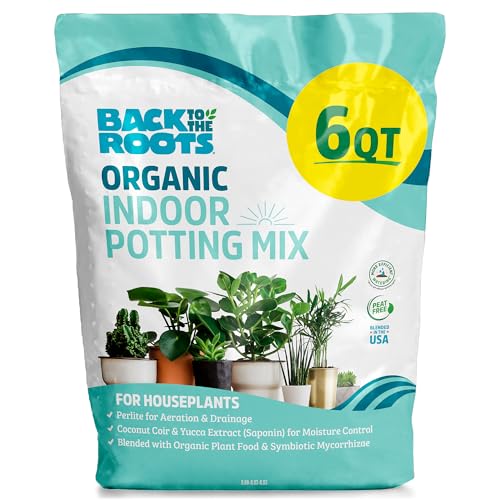
Back to the Roots Organic Indoor Potting
Yucca extract helps the mix retain moisture, while mycorrhizae support root development for indoor growers who want a peat-free blend.
-
Best For Built-In Plant Food

Miracle-Gro Houseplant Potting Mix, 4 qt.
Perlite and a stated fertilizer feeding window suit pothos owners who want a ready indoor mix and less frequent feeding after repotting.
Top 5 Potting Soils for Pothos at a Glance
Start with Back to the Roots if you want a larger bag and a peat-free indoor blend with moisture-retaining yucca extract. Miracle-Gro adds listed fertilizer and perlite, while the other choices lean toward a pothos-specific mix, an ingredient-rich blend, or a small bag for a limited repot.
| Product image | Product name | Check product |
|---|---|---|
| 1 |
Back to the Roots Organic Indoor Potting | Check Price |
| 2 |
Miracle-Gro Houseplant Potting Mix, 4 qt. | Check Price |
3 |
Professional Pothos Soil Potting Mix 2.2 Quarts | Check Price |
4 |
Rosy Soil Houseplant Potting Soil, Organic Indoor | Check Price |
5 |
Doter Organic Pothos Soil Mix 1qt, Indoor | Check Price |
5 Best Potting Soils for Pothos: Detailed Reviews
When I chose the best potting soil for pothos, I paid attention to drainage ingredients, moisture holding, and whether the bag names pothos or indoor plants as a use. Those details help you avoid a mix that stays soggy, dries at an inconvenient pace, or leaves you unsure about its intended use. I also looked at bag size and any stated fertilizer, since both affect how much you need to buy and what you may need to do after repotting.
The five options cover a general indoor blend, a fertilized houseplant mix, two smaller pothos-oriented bags, and a peat-free mix with compost and other soil ingredients. Looking at those differences side by side helps you choose around your watering habits, pot size, and preference for a ready-made blend instead of paying for features you may not need.
1. Back to the Roots Organic Indoor Potting
Yucca extract helps the mix retain moisture, while mycorrhizae support root development for indoor growers who want a peat-free blend.
- Size6 Quart
- ColorIndoor Potting Mix
- Release Date2023-01-01T00:00:01Z
- Number Of Items1
Back to the Roots Indoor Potting Mix is a peat-free, 6-quart blend for pothos owners who want a general indoor mix with moisture-retaining and root-supporting ingredients. The bag lists organic yucca extract, mycorrhizae, and dolomitic limestone, so it offers more detail than a plain bag labeled only “potting soil.”
Yucca extract is an ingredient the mix uses to help retain moisture. That can be useful if your home is dry or you tend to wait a while between waterings, though it does not mean you should keep the soil wet. Check how quickly the pot dries in your own room instead of following a rigid calendar.
The mix also contains mycorrhizae, beneficial fungi that are included to support root development and nutrient uptake. For a beginner, the practical point is that the blend is made with roots in mind, not only to fill the pot. The listed dolomitic limestone is intended to balance soil acidity and alkalinity, but the product details do not give a pH measurement to compare with another bag.
One thing to keep in mind: the mix is described as free of bark and compost and as less prone to indoor gnats. That is a stated product feature, not a guarantee that insects can never appear. Also, peat-free does not tell you by itself how fast this particular soil will drain in your pot.
Pros:
- 6-quart bag, useful for more than a tiny top-up.
- Yucca extract, intended to help the mix hold moisture.
- Mycorrhizae, included to support root development.
- Peat-free blend, for shoppers avoiding peat moss.
- No bark or compost, ingredients linked to gnat shelter in its product description.
Cons:
- No drainage speed or ingredient proportions are listed.
- A larger bag may leave extra soil to store.
- Its moisture retention still calls for checking the pot before watering.
Buy it if: you want a peat-free indoor blend in a 6-quart bag, because yucca extract helps retain moisture and mycorrhizae are included for root support.
Skip it if: you need a very small amount for one small pot, because the 6-quart size may leave more soil than you need, and a smaller bag would suit you better. For another fit, consider Miracle or Pothos.
I’d pick Back to the Roots for someone who wants a general indoor mix with clearly named root-supporting ingredients and no peat. The larger size also makes sense if you have more than one plant to repot. I’d still check the bag and the pot’s drainage before assuming the mix will dry at the pace you prefer.
This is a sensible first look for a pothos owner who values a peat-free blend and wants some extra soil on hand.
2. Miracle-Gro Houseplant Potting Mix, 4 qt.
Perlite and a stated fertilizer feeding window suit pothos owners who want a ready indoor mix and less frequent feeding after repotting.
- Size4 qt
- Pack Count1 Pack
- Color4 qt
- COVERAGEOne 4 qt. bag of Miracle-Gro Houseplant Potting Mix fills one 8-inch container; amounts may vary based on the size
Miracle-Gro Houseplant Potting Mix is a 4-quart indoor blend for pothos owners who prefer a ready mix with fertilizer already included. The product details name perlite, sphagnum peat moss, and coir, so the blend combines an airy ingredient with materials used to hold moisture.
Perlite is a lightweight material mixed into soil to create spaces for air and water to move. In a pot, that can help keep the mix from behaving like a dense block, which is useful when you are learning how often your pothos needs water. Perlite does not cancel out overwatering, so a pot with drainage holes is still important.
The mix also contains fertilizer, with the product details stating that it feeds houseplants for up to six months. That may spare you from adding plant food right after repotting, but it is not a reason to add extra fertilizer on top without checking the package directions. The exact feeding schedule can depend on the instructions and the condition of your plant.
Miracle-Gro says the mix is less prone to fungus gnats because it does not contain compost or bark, and says one 4-quart bag fills one 8-inch container, with the root ball affecting the amount. Those are useful planning clues, not a promise that every pot takes the same quantity or stays insect-free.
Pros:
- Perlite in the blend, helping create air space in potting mix.
- Fertilizer included, with feeding stated for up to six months.
- Named for houseplants and indoor tropical containers.
- 4-quart bag, with an 8-inch-container coverage estimate.
- No compost or bark, according to its product details.
Cons:
- Contains peat moss, which may not suit shoppers avoiding peat.
- Added fertilizer means you should read feeding directions before adding more.
- A 4-quart bag may be more than a tiny pot needs.
Buy it if: you want an indoor blend with fertilizer already included, because its stated feeding window can simplify care after repotting.
Skip it if: you are specifically avoiding peat moss, because sphagnum peat is part of the mix, and a peat-free blend would suit you better. Back and Pothos are worth a closer look instead.
What I like about Miracle-Gro is how plainly it addresses two beginner questions: what is in the mix and how much one bag may cover. The included fertilizer is handy if you prefer not to plan a separate feeding right away. I would check the package directions before adding any other plant food, and I would not treat the stated coverage as exact for every root ball.
This houseplant mix fits someone who wants a familiar, ready-to-use indoor blend.
3. Professional Pothos Soil Potting Mix 2.2 Quarts
The catalog lists 🌿 SUPPORT YOUR POTHOS’ GROWTH: Give your indoor plants the nourishing environment they need to thrive with thi. Compare fit and care needs before choosing.
- Size2.2 Quarts
- ColorPothos Soil
- WeightNot listed; check details
- DimensionsNot listed; check details
Leaves and Soul Pothos Soil is a 2.2-quart ready-to-use blend for someone who wants a smaller bag made with pothos in mind. Its named ingredients include peat moss, coco coir, perlite, and dolomite, which gives you a clearer idea of the mix than an ingredient-free product title would.
Coco coir is a fiber made from coconut husks that can hold moisture in a potting blend. Paired with perlite, which creates air spaces, it suggests an attempt to balance water holding with airflow around the roots. That balance matters when you want a pothos to stay hydrated without leaving its roots in standing water.
The product details describe the blend as draining excess water and resisting compaction. Compaction is when soil settles into a tighter mass, leaving less space for air and water to move. The listed ingredients can help you understand the intended design, but no ingredient ratios or drainage test are given, so use the first few waterings to see how the mix behaves in your pot.
The smaller 2.2-quart bag may be convenient for one modest repot or a few small containers. It is not an especially generous size if you have several large plants to move at once, and the listed peat moss means it is not the choice for a peat-free preference.
Pros:
- Pothos-oriented blend, with several ingredients named.
- Perlite, included to support airflow and drainage.
- Coco coir and peat moss, ingredients used for moisture holding.
- 2.2-quart size, manageable for a smaller repot.
- Resealable bag, according to the product description.
Cons:
- Smaller quantity may not cover several large pots.
- Contains peat moss, so it is not a peat-free choice.
- No ingredient proportions or measured drainage rate are listed.
Buy it if: you are repotting one modest pothos and want a pothos-focused blend, because the bag names perlite, coco coir, peat moss, and dolomite.
Skip it if: you have a row of large pots to fill, because 2.2 quarts may run short, and a larger bag would suit you better. If those trade-offs rule it out, Back or Miracle may suit you better.
I’d consider Leaves and Soul when the small bag size matches the job and you want a mix labeled for pothos. The ingredient list gives you a useful picture of its intended moisture and airflow balance, without requiring you to blend components yourself. Before buying, check whether 2.2 quarts will cover the root ball and pot you have in mind.
This is the focused choice for a limited repot, not a bulk-soil purchase.
4. Rosy Soil Houseplant Potting Soil, Organic Indoor
The catalog lists ORGANIC INDOOR POTTING SOIL, MADE WITHOUT PEAT: Biochar, worm castings, mycorrhizae, compost, and bark fines r. Compare fit and care needs before choosing.
- Size4 Quarts
- ColorHouseplant
- Number Of Items1
- WeightNot listed; check details
Rosy Soil Houseplant Potting Soil is a 4-quart, peat-free blend for pothos owners who want a mix with several named organic ingredients. The product details list biochar, worm castings, mycorrhizae, compost, bark fines, and sand, and name pothos among the indoor plants it is intended to suit.
Biochar is a carbon-rich material included in the blend, and the product details describe it as helping the mix resist compaction. In practical terms, a mix that stays more open may leave room for air and water to move as the plant grows. The listing does not provide a measured lifespan for that effect, so do not assume you can skip checking the soil over time.
The blend also includes bark fines and sand, which are described as helping drainage and aeration. Worm castings and mycorrhizae are included as nutrient- and root-supporting ingredients. That makes this a more ingredient-rich option than a simple peat-and-perlite mix, though you should still water based on how the pot feels and dries rather than treating any ingredient as a cure for soggy soil.
Rosy Soil says 4 quarts fills two to three medium pots, and the bag is described as resealable. Your actual coverage will depend on pot size and how much root ball stays in place during repotting. The mix contains compost, so it may not be the first choice if you are specifically seeking a blend without compost.
Pros:
- Peat-free blend, for shoppers avoiding peat moss.
- Biochar, bark fines, and sand, ingredients listed for an open mix.
- Worm castings and mycorrhizae, included in the blend.
- Pothos named among the intended indoor plant uses.
- 4-quart bag, with stated coverage of two to three medium pots.
Cons:
- Contains compost, which may not match every buyer’s preference.
- Many ingredients can make the mix less appealing if you want a simple blend.
- Coverage depends on pot size and the root ball.
Buy it if: you want a peat-free mix with named drainage and root-supporting ingredients, because the blend includes bark fines, sand, biochar, worm castings, and mycorrhizae.
Skip it if: you prefer a simpler mix without compost, because compost is listed as an ingredient, and a less ingredient-rich blend would suit you better.
To me, Rosy Soil makes sense for a buyer who cares about the ingredient list and wants a peat-free bag sized for a few medium pots. The blend offers several components intended to support drainage, airflow, and roots, so there is less need to assemble a custom recipe. I would confirm that the ingredients fit your preferences and that the estimated coverage suits your containers.
Pick it if those details matter more than keeping the soil recipe simple.
5. Doter Organic Pothos Soil Mix 1qt, Indoor
The catalog lists 【Excellent Drainage】 Our soil mix contains premium perlite that ensures excess water drains quickly to prevent. Compare fit and care needs before choosing.
- Size1qt
- Colorblack
- WeightNot listed; check details
- DimensionsNot listed; check details
Doter Organic Pothos Soil Mix is a 1-quart bag for someone refreshing a small pothos pot or needing only a little soil. Its product details name perlite, peat moss, and worm castings, and describe the mix as intended to drain well while retaining some moisture.
Perlite is a lightweight soil ingredient that leaves spaces for air and water to move. Doter lists it as part of the drainage blend, which can help keep a pot from holding every bit of water after you irrigate. The bag also names peat moss as a moisture-holding component, so the goal is not to make the soil dry instantly.
Worm castings are another named ingredient, included as a nutrient source. The product details also describe the mix as having a slightly acidic to neutral pH range, but give no numerical pH reading. That means you can use the stated intent as a clue, not as a precise measurement for comparing it with another soil.
The main limitation is the quantity: one quart is a small amount for a large pothos or several pots. It may be a convenient size for a small container, though the product details do not give coverage by pot diameter. Check the amount you need before opening the bag, and expect to buy more if you are repotting a mature plant.
Pros:
- 1-quart size, useful when you need a small amount.
- Pothos-specific product name and stated indoor use.
- Perlite, included for drainage and airflow.
- Peat moss, listed for moisture retention.
- Worm castings, included as a nutrient source.
Cons:
- One quart may not cover a large root ball.
- No coverage estimate by pot size is listed.
- No numerical pH value is provided.
Buy it if: you need a small amount for a little pothos pot, because the 1-quart bag avoids buying a much larger quantity than the job calls for.
Skip it if: you are moving a mature plant into a much bigger container, because the 1-quart size may not cover the root ball, and a larger bag would suit you better.
I’d choose Doter only when the small quantity is the point, since the listed ingredients are aimed at the basic balance a pothos owner wants: drainage, moisture holding, and some nutrient content. A one-quart bag can be easier to use up than a large sack for a tiny job. I would check the amount you need and the package details before ordering, because the listing does not state a pot-size coverage estimate.
This is the small-project option for a limited repot or soil refresh.
How to Choose the Best Potting Soil for Pothos
The best potting soil for pothos gives roots air, lets excess water drain, and does not dry so quickly that you are constantly chasing the next watering. Start with your pot, your watering habits, and the amount of soil you actually need, then compare ingredients and any feeding instructions.
Drainage and air space
Drainage is how readily extra water leaves the soil and pot after watering. Pothos roots need moisture, but they also need air; a pot that stays wet for too long can create the conditions beginners are trying to avoid. Look for a blend that names ingredients such as perlite, bark fines, or sand when you want a more open texture.
No single ingredient tells you exactly how a mix will behave, since proportions matter and product details do not always list them. A bag that names drainage ingredients gives you a clue, not a measured result. For a broader look at mixes for leafy indoor plants, compare these houseplant potting soil choices and notice how the ingredients vary by plant and potting needs.
A pot with drainage holes is as important as the soil. If you use a decorative outer pot, let the inner pot drain fully and empty water that collects below it. Soil cannot drain out of a container that has nowhere for excess water to go.
Moisture holding and watering habits
Moisture holding describes how long the mix keeps water around the roots after watering. Peat moss, coco coir, and ingredients such as yucca extract are named in some of these blends for their role in holding moisture. That can be helpful if the soil dries too quickly in your home, but more moisture holding is not automatically better if your pot stays wet for days.
Think about the room where the pothos lives. A warm, bright spot can dry a pot faster than a cool, dim corner, and a small pot usually dries sooner than a larger one. Instead of choosing a soil based only on a “holds moisture” claim, check the soil with a finger before watering and learn how your own container responds.
If you tend to water on a fixed schedule, try switching to a check-first habit. Feel the top layer and lift the pot if you can; a lighter pot often signals that water has been used, though the feel will make more sense after you have watered it once. The aim is to water when the mix needs it, not because a certain day has arrived.
Ingredients and how simple you want the mix
Ingredients tell you what the mix is built to do. Perlite is commonly used to add air space, while peat moss and coco coir help hold moisture; bark fines and sand may contribute to a more open blend. Worm castings, fertilizer, and mycorrhizae are added for different nutrient or root-support purposes, but they do not replace the need for suitable watering and drainage.
For a first repot, a ready-made mix can be easier than buying several separate materials and guessing at proportions. If you enjoy adjusting your soil, learn the purpose of each component before changing a recipe. This guide to making indoor potting soil can help you think through what each ingredient is meant to contribute, rather than mixing materials at random.
Also check whether a product contains peat or compost if those are ingredients you want to avoid. “Organic,” “natural,” or “professional” in a product name is not a substitute for reading the ingredient details. Choose based on the blend and your preferences, not a broad label alone.
Bag size and pot size
Buy enough soil to fill around the root ball, not enough to bury the plant’s stem or pack a much larger pot just because you have extra mix. The listed bag sizes here range from 1 quart to 6 quarts, and one product gives an estimate of one 8-inch container. Treat coverage figures as planning help, since the root ball and container shape change how much soil you use.
A pot only a little larger than the root ball is usually easier to manage than a very large jump in container size. Extra soil volume holds extra water, and a root system cannot use all of that moisture at once. If you are unsure, measure the current pot and compare it with the new one before you buy.
A small bag makes sense for one modest plant or a top-up, while a larger bag can be more practical for several containers. But unused soil needs a dry storage spot, and an opened bag is one more thing to keep tidy. Consider the likely job, not just the amount that looks like a bargain.
Feeding and pH notes
Some mixes include fertilizer, while others list ingredients such as worm castings or mycorrhizae. Check what the package says about feeding before adding plant food, because combining products without reading directions can make care harder to track. If fertilizer is included, note the stated duration and follow the package guidance rather than assuming every plant needs the same schedule.
A pH description refers to how acidic or alkaline a growing medium is. The Doter details describe a slightly acidic to neutral range but do not give a numeric reading; the Back to the Roots details mention limestone for balancing acidity and alkalinity without listing a measured pH. For most beginner shopping decisions, ingredient choice, pot drainage, and bag size are more useful than treating a general pH phrase as a precise number.
If your pothos has a specific problem, such as persistent yellowing or slow growth, do not assume soil alone is the cause. Light, watering, roots, and recent changes can all matter. A new bag can help with a repot, but it cannot fix every care issue by itself.
How to Use Potting Soil for Pothos for the Best Results
Use a fresh indoor mix in a pot with drainage holes, keep the root ball at its previous depth, and water only after checking how damp the soil is. The first watering and the next few checks tell you more about the mix in your home than a generic calendar can.
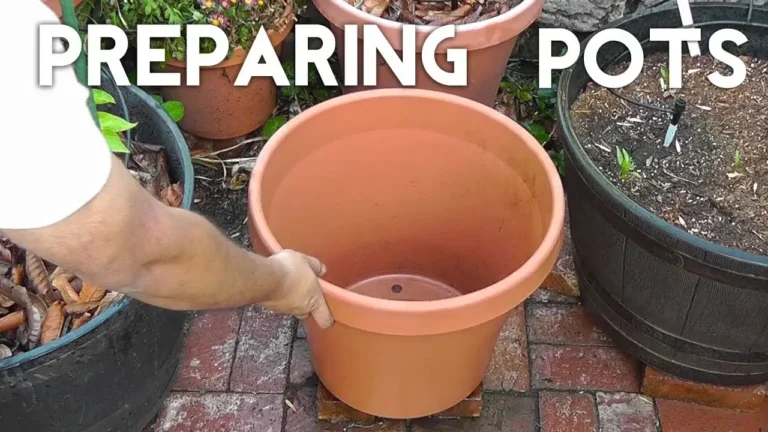
- Choose a suitable pot. Use a container with drainage holes and avoid moving a small root ball into a very large pot. A large volume of unused soil can remain wet longer than the roots need.
- Prepare the work area. Spread a tray, newspaper, or another easy-to-clean surface before opening the bag. Potting mix can shed dry particles, and a little preparation saves a sweep later.
- Check the roots and old soil. Ease the plant from its pot without pulling hard on the vines. If roots are tightly circling, loosen them gently; avoid tearing healthy roots simply to remove every bit of old soil.
- Add a base layer. Put enough mix in the new pot so the root ball sits at a similar height to before. A pothos stem should not be buried deeper just to make the soil surface look tidy.
- Set the root ball in place. Hold the plant upright and fill the gaps around the roots. Do not press the mix down hard; firm it lightly so the plant is steady while leaving room for air and water movement.
- Water slowly. Add water until the mix is evenly damp and excess begins to escape through the drainage holes. If dry mix initially resists water, pause briefly and water again rather than pouring a large amount all at once.
- Let the pot finish draining. Do not leave the inner pot sitting in water collected in a saucer or decorative container. Empty the extra water after it has drained.
- Watch before watering again. Check the soil rather than setting an automatic schedule. A freshly repotted plant may need a little time to settle, so avoid repeatedly adding water just because the surface looks different from the old mix.
The first few weeks are a chance to learn how the new soil behaves. If the top dries quickly but the lower mix stays damp, water based on the deeper soil rather than the surface alone. If water runs out almost immediately, make sure it is wetting the mix instead of slipping down a gap at the pot edge.
A change in soil can also change how often you water. Do not assume your old routine still fits, even if the new pot looks similar. Room temperature, light, pot material, and root size all shape the drying pace.
How to Make Your Pothos Potting Soil Last Longer
Keep unused mix sealed and dry, and avoid letting a planted pot stay waterlogged. Soil can settle and change over time, so check its texture and drainage during normal plant care rather than expecting a bag to remain unchanged indefinitely.
Store opened soil in its resealable bag when available, or close the bag securely and keep it somewhere dry. Avoid leaving the package exposed to rain, damp floors, or a place where water can collect. The goal is to keep the unused mix from getting wet before you are ready to use it.
Do not pour old potting mix back into a fresh bag if it contains dead roots, fallen leaves, or visible pests. Keep unused clean mix separate from soil removed from a plant. That simple separation makes it easier to know what is fresh and reduces the chance of spreading unwanted debris between pots.
For a planted pothos, check that water still moves through the drainage holes after watering. If the surface has crusted or the mix has settled, loosen only the very top layer gently and avoid digging around the root zone. A dense, persistently wet pot may need a closer look at its roots and drainage, not just more frequent stirring.
Repot when the plant or soil gives you a reason, not on an arbitrary annual date. Roots emerging from drainage holes, a root ball that dries unusually quickly, or soil that no longer drains as expected can all prompt a check. Those signs do not prove the soil alone is at fault, so inspect the container and roots before deciding what to replace.
If you grow other plants, do not assume the same blend will suit every one. Hoyas are often grown in an airier, chunkier medium, so these soil options for hoyas are a useful comparison when you are deciding whether one general houseplant mix fits all your pots. Pothos and hoyas may share a room, but their containers and watering needs still deserve individual attention.
Common Mistakes to Avoid When Buying and Using Pothos Soil
The easiest mistakes are usually about water, pot size, and assumptions about labels. A few small checks before and after repotting can prevent wasted mix and make it easier to spot what the plant actually needs.
- Choosing soil by the word “organic” alone. That label does not tell you the drainage ingredients or moisture behavior. Read the listed components and look for details relevant to your pot and watering habits.
- Using a pot without drainage. Excess water has nowhere to escape, so the root area can remain wet. Choose a pot with holes, or keep the plant in a draining inner pot and empty the outer container.
- Picking a much larger pot than the roots need. Extra soil can hold more moisture than a small root system uses quickly. Move up only enough to give the roots room, and judge the size by the root ball rather than the vine length.
- Watering on the same weekday every week. Soil does not dry at a fixed rate in every room or season. Check the mix first and adjust when light, temperature, or pot size changes.
- Adding fertilizer without checking the mix. Some blends already contain fertilizer or nutrient-bearing ingredients. Read the package instructions and avoid stacking plant food without a clear reason.
- Assuming a drainage ingredient fixes overwatering. Perlite or bark can help create a more open mix, but they do not make standing water harmless. Let the pot drain and check the soil before watering again.
- Buying far more soil than you can store well. An open bag left in a damp spot can become a nuisance. Estimate the amount for the job, then seal and store any clean remainder in a dry place.
A related trap is applying one plant’s soil advice to every houseplant. Pilea care may call for a different balance of moisture and airflow, so use these potting mixes for pilea as a reminder to check the needs of each plant instead of standardizing every pot. Labels for “indoor plants” are broad; the actual container and watering routine still matter.
How to Set Up a Pothos for Repotting
Repotting does not need special equipment, but preparing the pot, soil, and work surface keeps the process calm. The key beginner stumble is burying the plant too deeply or leaving the new pot sitting in drained water.
- Pick a work surface. Use a washable tray, covered table, or clear floor area. Set out the new pot, soil, and a small scoop before lifting the plant.
- Check the container. Confirm that drainage holes are open and that the next pot is not dramatically wider than the old one. A decorative cachepot can hold a draining nursery pot, but it should not become a hidden reservoir.
- Read the soil package. Check whether the mix includes fertilizer and whether it has any directions for use. That step is especially useful with a blend that already contains plant food.
- Loosen the old root ball carefully. Tip the pot and support the plant near the soil line. If the plant resists, work around the edges rather than tugging on long vines.
- Set the depth before filling. Place the root ball so the top sits close to its former soil level. Add or remove a little base mix until the height looks right.
- Fill around the roots. Add soil in small amounts and guide it into open spaces. Tap the pot gently to settle the mix; hard packing can reduce the open spaces you want.
- Water and drain. Water evenly, then wait for excess to escape. Empty any collected water instead of leaving the pot standing in it.
- Make a simple care note. Record when you repotted and check soil moisture before the next watering. That gives you a reference point without locking you into a schedule.
If the plant is already in a pot with drainage and the root ball fits comfortably, a full repot may not be necessary. A light top-up can replace some settled soil, but avoid covering stems or treating fresh soil as a cure for unrelated leaf problems. When in doubt, check the root and pot situation before disturbing the plant.
Common Questions About Potting Soil for Pothos
How much potting soil does a pothos need?
The amount depends on the pot and the size of the root ball, not how long the vines are. One product here gives an estimate of one 4-quart bag for an 8-inch container, but notes that the root ball changes coverage. Measure your pot and plan for the space around the roots rather than filling a much larger container.
Can I use regular potting soil for pothos?
A general indoor potting mix can suit pothos if it drains well in a pot with drainage holes. Check the bag for ingredients such as perlite or other materials intended to keep the blend open, then watch how quickly the soil dries at home. “Regular” soil varies, so the label alone cannot tell you how it will behave.
Should pothos soil contain perlite?
Perlite can help create air spaces and support water movement through a potting mix. It is a useful ingredient to look for, but it is not the only way a blend can support drainage, and the amount matters. Pair the soil with a pot that drains, then check that water is not collecting underneath it.
How often should I water pothos after repotting?
There is no dependable fixed schedule for every pothos after repotting. Check the soil before watering and consider the pot size, room conditions, and how damp the root area remains. Water thoroughly when needed, let excess drain, and avoid adding more simply because a certain number of days has passed.
Is peat-free soil better for pothos?
Peat-free is a material preference, not a guarantee that a mix will suit your watering habits better. Compare the other ingredients and look for a blend that balances moisture holding with drainage in your container. If avoiding peat matters to you, verify the bag’s ingredients rather than relying only on a product name.
Can I use the same soil for pothos and English ivy?
A general indoor blend may be labeled for both, but the plants can still respond differently to the same pot and watering routine. Check the mix, drainage holes, and how quickly each container dries instead of assuming a shared soil label means identical care. These English ivy soil choices offer a useful point of comparison for another trailing houseplant.
Make the Soil Choice Fit the Pot You Have
Before buying, measure the container, check that it drains, and decide whether you want fertilizer included or a peat-free blend. Then choose a bag size that matches the repot and read the ingredient and care directions once more before opening it.
A practical starting point is a well-draining indoor mix in a pot with drainage holes. Choose a blend that suits your preferences and watering habits, then let the soil’s condition—not a fixed schedule—guide your care. The best potting soil for pothos is the one that works with your pot, your home, and the way you look after the plant.

I’m Maya L. Greenwood, a lifelong plant lover who believes anyone can grow something beautiful with the right guidance. After years of testing soil mixes, pruning methods, irrigation tricks, and pest-safe solutions, I started EasyGardenTips.com to turn hard-won lessons into step-by-step advice. From seed starting and container gardens to composting and seasonal checklists, my goal is to make gardening simple, sustainable, and fun.