How to Raise pH in Potting Soil: Safe Fixes That Actually Work
To raise the pH of potting soil safely, test it first, then use a measured amount of garden lime only if the reading and your plant’s needs call for it. Retest after the lime has had time to react, since too much can make nutrients harder for roots to absorb.
Are your plants looking pale even though you’re watering and feeding them, or are you worried that an acidic mix is keeping them from growing? Do you want to correct the soil without turning a small pot into a chemistry experiment?
I once added lime to a container mix because a plant looked unhappy, then realized I hadn’t tested the pH at all. The mix felt gritty under my fingers, and I’d created another problem while trying to fix the first; it’s a common mistake, not a dumb one.
I wrote this to help you work out whether the pH needs changing, pick an amendment that fits the job, and avoid guesswork with small containers. You’ll also learn when the better move is to replace the mix or check another cause.
Get the pH right, and your plant has a better shot at taking up nutrients; overshoot, and you may trade one deficiency for another. A steady test-and-adjust routine can help you avoid wasted fertilizer, stressed roots, and a pot of soil that keeps getting harder to manage.
This takes about 9 minutes to read. By the end, you’ll know how to:
- Test potting mix in a way that gives you a useful starting point.
- Choose a pH-raising material that suits a container.
- Apply an amendment without guessing at a one-size-fits-all dose.
- Decide when a new potting mix is the smarter fix.
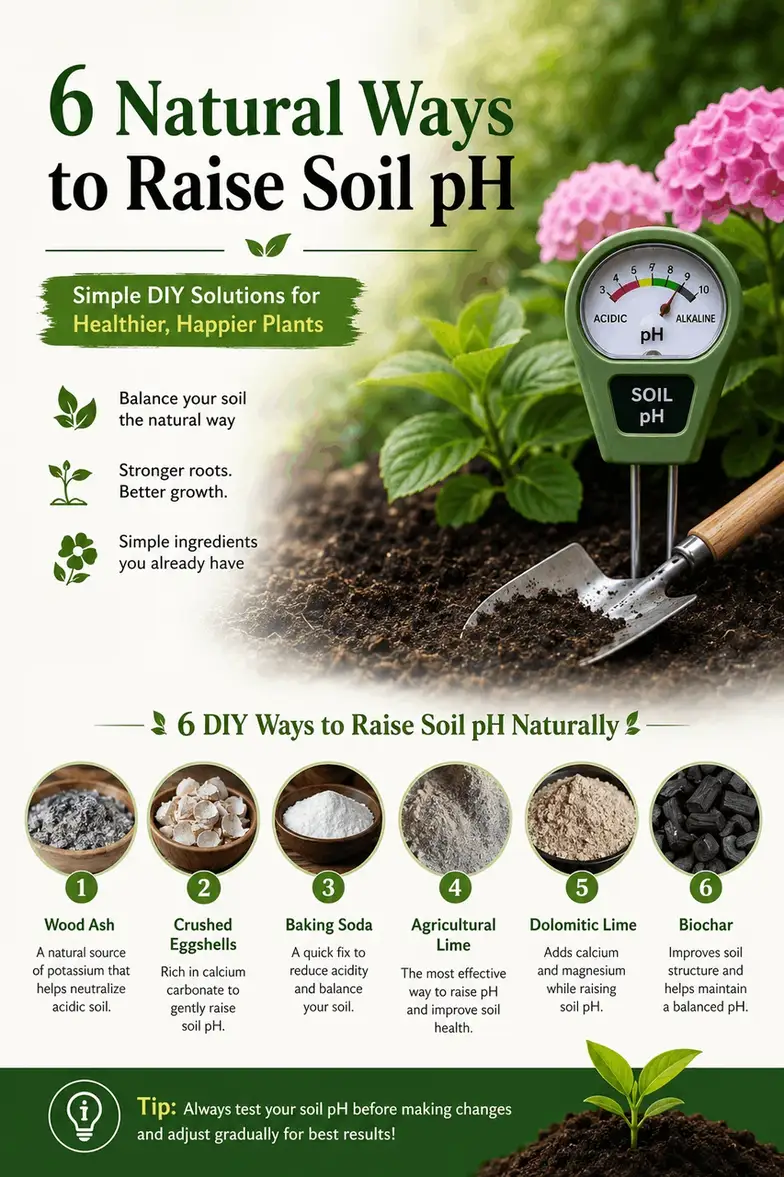
How to Raise pH in Potting Soil: the Safe Method
Raise potting soil pH by testing the mix, checking the plant’s preferred range, and applying a labeled garden-lime product only when the results support it. For a houseplant in a small pot, that usually means making a modest adjustment or replacing the mix, not dumping a scoop of lime into the container.
pH measures how acidic or alkaline a growing medium is on a scale from 0 to 14; 7 is neutral, and a lower reading is more acidic. Many common container plants grow well in slightly acidic to near-neutral conditions, but plant preferences vary, so look up the range for your specific plant before changing anything.
- Take a representative sample from the pot or batch of mix and test it using a method made for soil or potting media.
- Compare the result with your plant’s preferred pH range. Don’t adjust the mix just to reach 7.
- If the mix is too acidic, choose a garden lime product labeled for the job, then follow its directions for the amount and application.
- Mix the amendment evenly through loose potting mix before planting, or carefully work it into the top layer of an established pot if the product label allows that use.
- Water as directed, give the material time to react, then test again before adding more.
Garden lime is usually made from calcium carbonate, dolomitic lime, or a blend; dolomitic lime also supplies magnesium. Product strength, potting-mix ingredients, and the amount of media all affect the dose, so there isn’t one safe teaspoon-per-gallon rate for every container.
If your test result is close to the plant’s preferred range, leave the mix alone. A small pH difference is often less urgent than poor drainage, damaged roots, or overfeeding.
| Material or action | Effect on pH | Container use |
|---|---|---|
| Garden lime labeled for soil or potting use | Raises pH over time | Use only at the label rate, mixed evenly |
| Dolomitic lime | Raises pH and supplies calcium and magnesium | Useful when the product fits the mix and plant needs |
| Elemental sulfur | Lowers pH over time | Not a pH-raising amendment |
| Baking soda | Can raise pH, but isn’t a dependable soil amendment | Avoid; dosing and salt buildup are hard to control |
| Fresh potting mix | Starts with a new pH and nutrient balance | Often simplest when the current mix is badly out of range |
For a new batch of potting mix, blend the amendment thoroughly before filling the pot so you don’t leave concentrated pockets beside the roots. If the plant is already growing, a sudden change can stress it, so make only a label-directed adjustment and give the roots time to respond.
Test the Mix Before You Add Lime
A pH test tells you whether the mix is actually too acidic, which prevents an unnecessary treatment. Potting products can contain peat, bark, compost, coir, and other materials, so two bags that look alike may behave differently.
A home test can be useful, but follow the kit’s instructions closely. Some tests call for a specific soil-to-water ratio, while others use a probe or a prepared extract; changing the method can change the reading. If you’re unsure how to collect a good sample, this guide to testing potting soil pH can help you choose a practical home method.
Take samples from more than one spot when a large container has been amended unevenly. For a small pot, avoid scraping up fertilizer granules, roots, or a crust of salts from the surface, since those can distort what the sample says about the main root zone.
What if you get a reading that seems far outside the range you expected? Repeat the test with a fresh sample and check the kit’s directions before reaching for lime; a strange result deserves a second look, not a fast correction.
Pro Tip: Test the mix before adding fertilizer, lime, or other amendments. If you’ve already added something, write down what it was and when you applied it, since that helps make sense of a later reading.
A pH test is only one piece of the puzzle. A plant can show yellow leaves because of low light, cold roots, excess water, or a nutrient problem, and changing pH won’t fix those issues.
If you’re new to container growing, take a moment to check that the mix is being used as intended. The right fill level, watering routine, and pot drainage all affect how potting soil behaves after you plant; the basics in using potting soil properly can help you spot a care issue before treating the pH.
Choose the Right Amendment and Apply It Carefully
Lime is the usual choice for raising acidic potting mix, but the product label and your test result should set the dose. Garden lime works gradually, which is helpful in containers because a slow change is easier to manage than a sharp swing.
Read the package for the product’s ingredients, application directions, and any restrictions for container use. Agricultural lime is another name you may see for ground limestone; it usually refers to calcium carbonate-based products, though exact formulations can vary. Dolomitic lime includes magnesium, so it may not be the right pick if your mix already has enough.
Don’t substitute hydrated lime or quicklime for garden lime. These forms react much more strongly and can burn roots or skin; they’re not suitable shortcuts for casual container adjustments.
Handle dusty products according to the label. Avoid breathing the dust, keep it away from children and pets, and wash your hands after use. If a product calls for gloves, eye protection, or other precautions, follow those directions before opening the bag.
Important Tip: Don’t measure by a vague handful. A small pot has little room to absorb a dosing mistake, so use the product’s stated rate and scale it to the actual volume of mix only when the label provides a safe method.
For an established plant, don’t pour a concentrated pile of lime around the stem. If the label permits surface application, spread it evenly over the soil rather than letting it touch the stem or sit in one heap, then water as directed.
I once tried to improve a container’s mix by adding an amendment to just one side of the pot, thinking the roots would gradually find it. The plant kept growing unevenly, and the correction took more fuss than mixing a fresh batch would have; even distribution matters.
Mixing loose media before planting gives you better control than trying to correct a planted pot. If your potting mix is already hard to wet or has settled into a dense mass, check whether it needs a broader reset; advice on rehydrating dry potting soil can help distinguish a water-repellent mix from a pH problem.
Retest, Troubleshoot, or Replace the Mix
After a pH adjustment, wait before retesting and don’t add more lime until you know how the first dose affected the mix. Lime doesn’t always change pH right away, and its response depends on the product, the mix, moisture, and growing conditions.
Give the amendment time according to its label, then test a fresh sample. If the pH has moved into the plant’s preferred range, stop. If it remains too low, check the directions again and make another small, measured adjustment only if the label permits it.
| What you notice | Possible cause | Sensible next move |
|---|---|---|
| A second test still reads too acidic | The lime hasn’t reacted fully, the mix is highly acidic, or the first amount was too small | Wait as directed, confirm the test method, then reassess |
| The pH is now too high | Too much lime or a mix that needed little correction | Don’t add more; consider replacing the mix if the plant is struggling |
| Leaves yellow while the mix tests in range | Watering, light, temperature, roots, or nutrients may be involved | Check growing conditions before changing pH |
| Water sits on the surface or the mix stays soggy | Poor structure or drainage may be limiting root health | Review the mix and pot drainage rather than adding lime |
| The mix is extremely compacted or crusted | The medium may be old, salty, or broken down | Repot with fresh mix if the plant and season allow |
Why not just keep adding lime until the leaves look better? Plant symptoms take time to change, and they can come from several causes; repeated doses can push pH too high before the plant has had a chance to respond.
A container that drains slowly may need a better-structured mix, not a pH fix. If water lingers around the roots, compare your medium with a better-draining potting soil suited to containers, and make sure the pot has open drainage holes.
Some plants have specific mix preferences, so a general pH adjustment may not be the whole answer. Elephant ears, for example, are often grown in rich, moisture-retentive media; the guide to potting soil for elephant ears can help you think about the mix as a whole rather than chasing one reading.
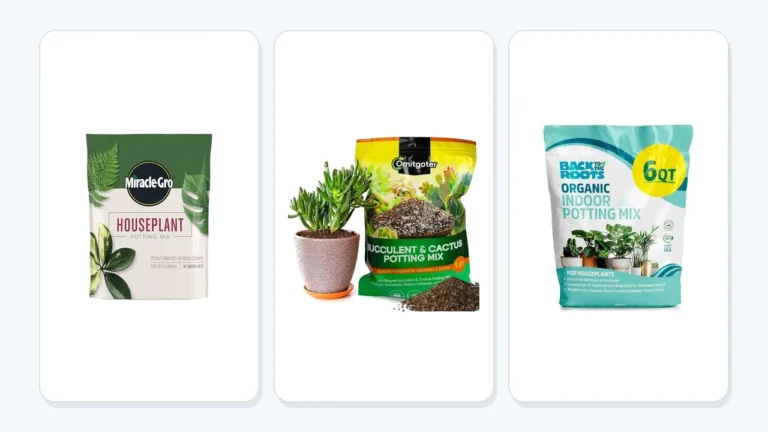
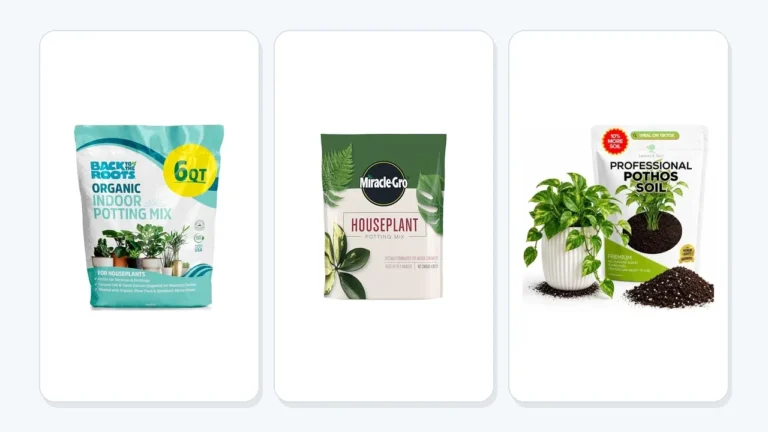
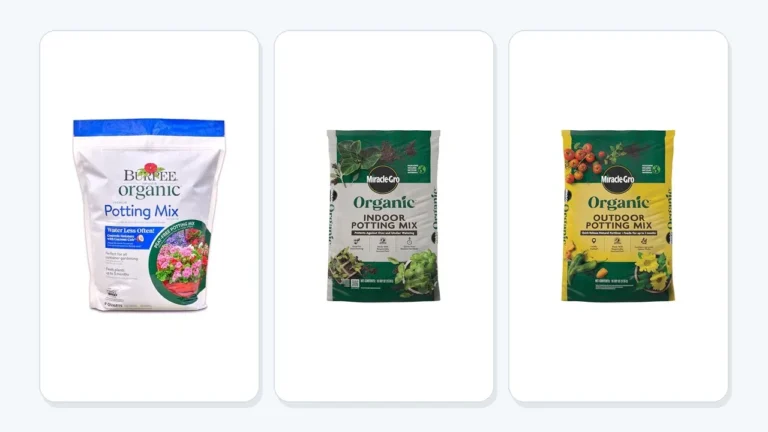
Fresh mix is often the cleanest option when the old medium has a strong fertilizer or salt buildup, a bad smell, poor structure, or a pH far outside the plant’s range. When you’re setting up several containers, a potting soil for container gardening can save time, but check its label and the needs of each plant before using one mix everywhere.
- Test before adding a pH-raising amendment.
- Use only a product labeled for the job, at its stated rate.
- Retest before deciding whether another adjustment is needed.
FAQs About How to Raise pH in Potting Soil
How quickly does lime raise pH in potting soil?
Garden lime usually changes potting-mix pH gradually, not overnight. The timing depends on the product, moisture, and mix ingredients, so follow the package directions and allow the stated reaction period before testing again. Adding another dose too soon can push the pH past the range your plant needs.
Can I use baking soda to raise pH in potting soil?
No, baking soda isn’t a reliable choice for adjusting potting soil. It can add sodium, and small-container dosing is difficult to control. Use a garden-lime product labeled for the intended use, or replace the mix if it’s badly out of range and the plant can be safely repotted.
Does coffee make potting soil more acidic?
Used coffee grounds don’t reliably set the pH of potting soil, and their effect depends on the grounds and how they’re used. Don’t use coffee grounds as a pH-control method. Test the mix and choose an amendment based on the reading and your plant’s preferred range.
Can I add lime to potting soil with a plant already growing?
Yes, if the product label allows use in an established planting and you apply it as directed. Spread the recommended amount evenly rather than piling it near the stem or roots. For a severely out-of-range mix, repotting may be gentler than making a large correction in place.
What pH should potting soil be for houseplants?
There isn’t one pH that suits every houseplant. Many common plants prefer slightly acidic to near-neutral media, but the right range depends on the plant. Check care guidance for the species you’re growing, then compare that range with a test result before changing the potting mix.
Make the Smallest Useful Change
Raising pH in potting soil is a job for a test result and a measured amendment, not a handful of lime and a hopeful shrug. A plant with yellow leaves may need a watering or light change instead, so check the growing conditions before treating the mix.
In my view, replacing a small pot of badly out-of-range or worn-out mix is often simpler than trying to rescue it one amendment at a time. If the reading is only slightly low, take the gentler path: use a labeled garden lime at its stated rate, wait, and test again.
Your next step is straightforward: test the mix and compare the result with your plant’s needs. Once you know those two things, you can choose a correction with a lot less guesswork.

I’m Maya L. Greenwood, a lifelong plant lover who believes anyone can grow something beautiful with the right guidance. After years of testing soil mixes, pruning methods, irrigation tricks, and pest-safe solutions, I started EasyGardenTips.com to turn hard-won lessons into step-by-step advice. From seed starting and container gardens to composting and seasonal checklists, my goal is to make gardening simple, sustainable, and fun.