Potting Mix vs Garden Soil for Vegetables: What Grows Better?
Use potting mix for vegetables growing in containers, and use garden soil for vegetables growing in the ground. For raised beds, choose a product made for raised beds or a soil blend suited to your bed’s drainage and depth.
Are you trying to keep a tomato plant happy in a patio pot, or wondering why the soil in your raised bed stays soggy? Picking the wrong growing medium can turn watering into a daily guessing game.
I once filled a large vegetable container with heavy garden soil because it looked rich and familiar. The pot felt like a sack of wet cement, and the roots had little room to breathe; this is a common mistake, not a dumb one.
I wrote this to help you choose the right material for your setup, whether you’re planting a backyard bed, a grow bag, or a pot beside the kitchen door. You’ll also get practical ways to check drainage and avoid common soil problems.
Choose well and you can get steadier moisture, healthier roots, and fewer plants that wilt even though the soil feels wet. Choose poorly, and water may pool, roots may struggle, and the whole thing can become a chore.
This takes about 10 minutes to read. By the end, you’ll know how to:
- Match the growing medium to containers, garden beds, and raised beds.
- Read soil and potting-mix labels without getting lost in the fine print.
- Fix common drainage and moisture problems.
- Decide when old potting mix is still worth using.
Potting Mix vs Garden Soil for Vegetables: Which Should You Use?
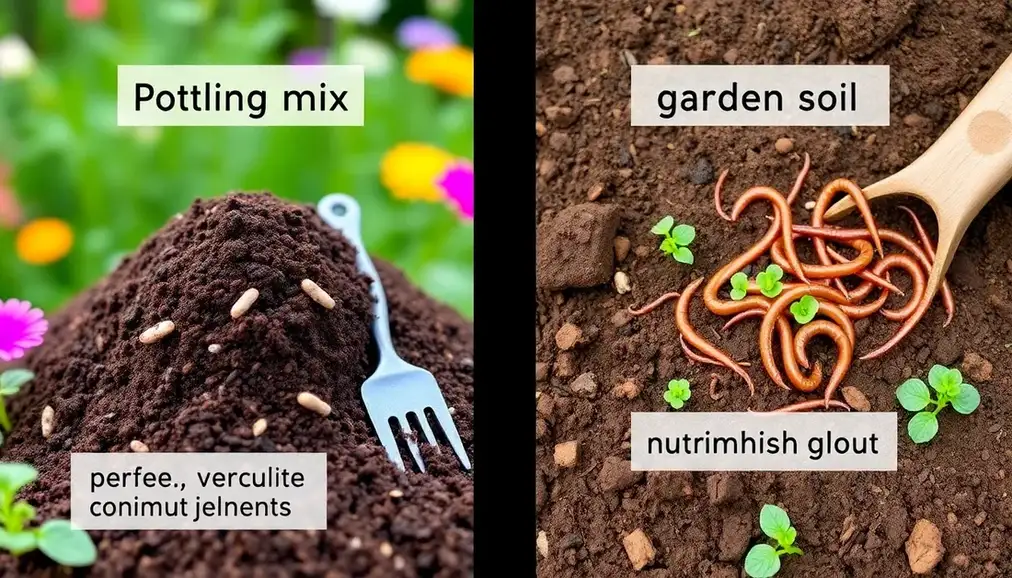
Potting mix is the better choice for most vegetable containers, while garden soil belongs in in-ground beds. For a raised bed, use a blend labeled for raised beds or a suitable garden-soil blend, then check that water drains instead of sitting on the surface.
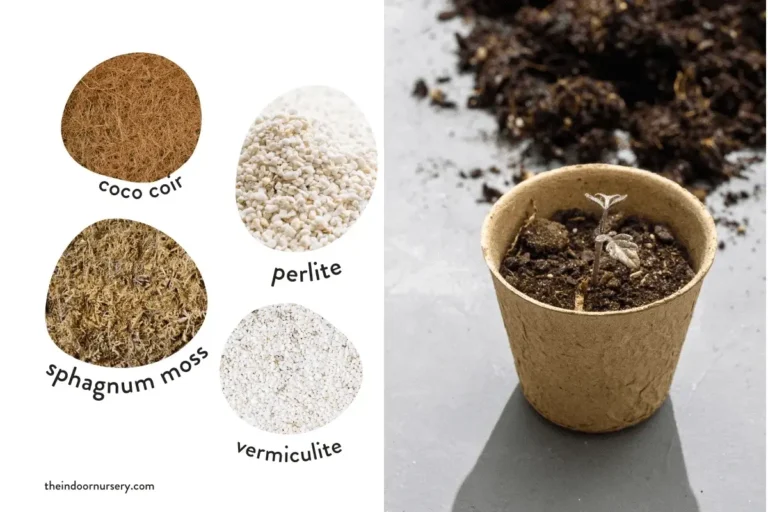
Potting mix is a lightweight growing medium made for pots and other containers. Many mixes contain materials such as peat moss or coconut coir, plus bark, perlite, or other ingredients that help manage water and air around roots. The exact blend varies, so read the bag rather than assuming every mix works the same way.
Garden soil is soil intended for planting in the ground. It can include mineral soil, organic matter, or other ingredients, depending on the product. In a yard, soil is part of a larger system: roots can grow outward, rain moves through the surrounding ground, and soil life has room to function.
A container has none of that backup. Its walls hold the growing medium in one place, so heavy garden soil can pack down, drain slowly, and leave less air around the roots. A tomato in a pot needs a medium that drains while still holding enough moisture for the plant between waterings.
| Growing setup | Best starting point | Why it fits |
|---|---|---|
| Patio pot or hanging container | Potting mix | Designed for container drainage and root growth |
| In-ground vegetable garden | Existing garden soil, improved if needed | Connects with the surrounding ground and soil |
| Raised bed | Raised-bed mix or a suitable soil blend | Gives the bed more structure and volume than a potting mix |
| Grow bag | Potting mix | Lightweight and easier to manage in a fabric container |
A product called “garden soil” isn’t automatically ready to fill a raised bed, and a product called “potting soil” may be a growing mix rather than actual soil. Check the bag’s stated use and ingredients, then match them to the container or bed you’re filling.
What if you’re using a large raised bed and want to save money? Don’t fill the whole bed with expensive potting mix; use a blend made for raised beds and make sure its label matches your use.
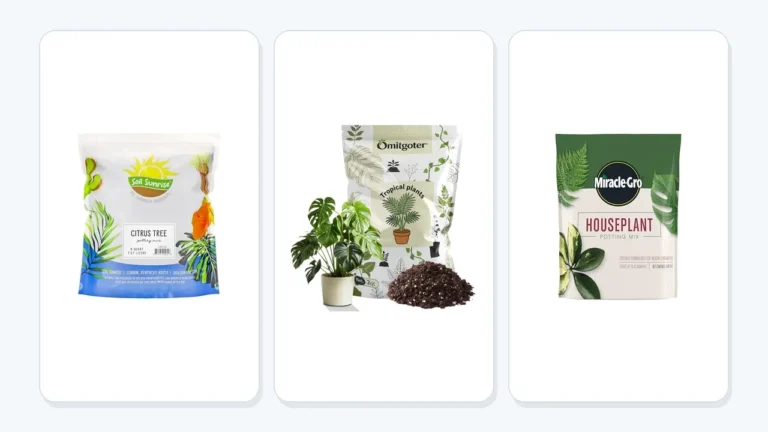
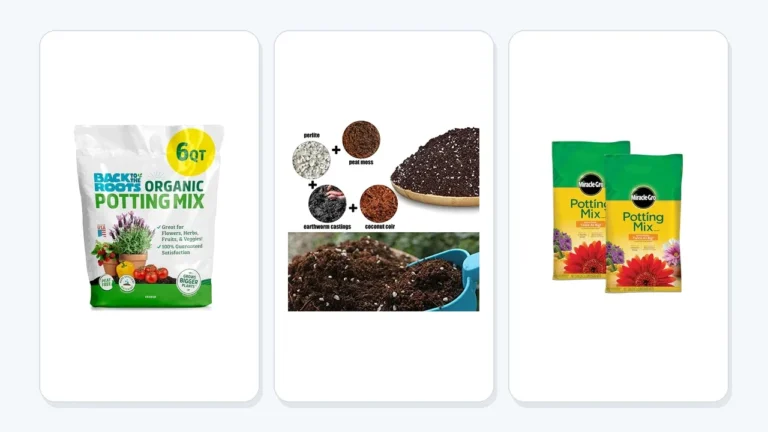
For a container garden, compare mixes made for container gardening by how they handle drainage, weight, and watering frequency. potting mixes for containers can help you narrow the choice when several bags look nearly identical.
- Containers need potting mix, not heavy garden soil.
- In-ground beds use garden soil; raised beds need a suitable raised-bed blend.
- The label’s intended use matters more than a familiar-sounding product name.
How to Choose a Mix for Your Vegetables
Choose a growing medium based on where the roots will grow, how often you can water, and what the vegetable needs. A leafy green in a shallow pot and a full-size tomato in a deep container don’t put the same demands on the medium.
Start with the container. A small pot dries out faster than a large one, while a deep container gives roots more room and holds more growing medium. Make sure the pot has drainage holes; without them, even a well-made potting mix can stay waterlogged.
Next, check what the product is made to do. A container mix should support drainage and airflow while holding enough water for roots to take it up. A raised-bed product needs to fill a larger space and support plants in a bed, so its texture and ingredients may differ.
The plants matter, too. Many vegetables grow well in a general-purpose potting mix, but container vegetables need consistent water and enough room for their roots. When comparing mixes for tomatoes, peppers, or other potted crops, a guide to container vegetable potting mixes can help you focus on the right product type.
I once tried to stretch a small amount of potting mix by blending in dense yard soil for a container planting. The mix settled unevenly after watering, and the surface crusted over; I learned that saving a few scoops isn’t a bargain if it makes the pot harder to manage.
When space or cost pushes you to mix your own medium, use a recipe built for containers rather than improvising with whatever soil is nearby. A guide to making potting soil for vegetables can help you choose ingredients that balance drainage, moisture, and structure.
Herbs count as container plants, too. Many culinary herbs grow well in a suitable potting mix, but their watering needs vary, so rosemary and basil won’t necessarily want the same schedule; a closer look at soil for herb pots can help you match the mix to the plant.
Onions need room for roots and bulbs, and dense, wet soil can make that harder. If you’re growing onions in pots, choose a loose, well-draining container mix and check the variety’s space needs; potting mix for onions covers that narrower case.
Consider these factors before you buy:
- Container size: Small pots dry quickly; large pots hold more moisture.
- Drainage: The medium should let excess water leave through the pot’s holes.
- Plant size: Large, long-season crops need enough root space and steady moisture.
- Watering habits: A mix that dries quickly may not suit someone who can’t water often.
- Product directions: Follow the label for preparation and feeding instructions.
Do you need a special mix for every vegetable? Usually not. A quality general-purpose potting mix can work for many vegetables in containers, while specific crop needs are more often handled through container size, spacing, light, watering, and feeding.
Pro Tip: Before filling a big container, moisten the potting mix gradually in a bucket or tub. Dry mix can repel water at first, and pre-wetting helps prevent dry pockets.
Prepare Beds and Containers Without Common Soil Problems
Good preparation starts with drainage, clean containers, and a growing medium suited to the planting spot. These steps reduce problems that are easy to miss until a plant droops or water stops moving through the pot.
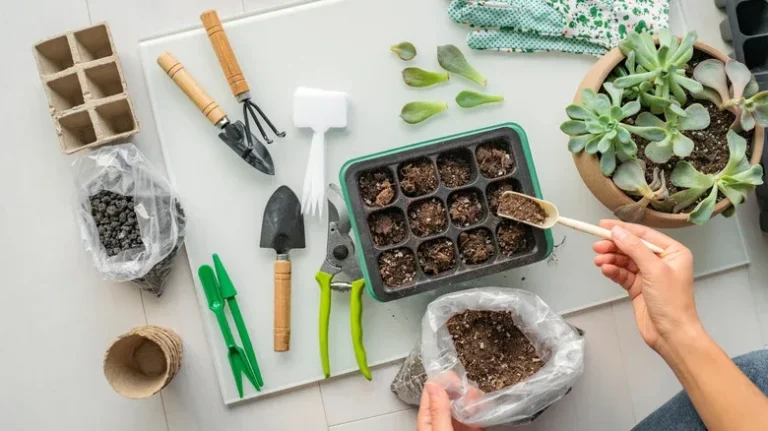
- Check the container. Confirm that it has open drainage holes and enough room for the mature plant. If the holes are blocked, clear them before adding any mix.
- Choose the right medium. Use potting mix for pots and grow bags, and use garden soil for in-ground planting. For a raised bed, follow the product label and account for the bed’s depth.
- Fill without packing. Add the mix loosely and settle it with a gentle watering rather than pressing it down hard. Compacted growing medium can leave roots with less air.
- Water and check the surface. Water until excess drains from the container, then feel the medium before watering again. A dry surface doesn’t always mean the root zone is dry.
- Feed according to the label and crop needs. Potting mixes vary in whether they contain fertilizer, and any included nutrients may not last for an entire growing season.
In-ground garden soil often needs improvement if it’s compacted, drains poorly, or has little organic matter. Work with the soil you have rather than assuming a bagged product will fix everything; in-ground beds can be improved with suitable organic matter, but the right amount depends on the soil and planting plan.
Raised beds deserve a little extra care. Since the bed sits above the surrounding ground, its fill needs to support roots and let excess water drain, while also holding enough moisture between watering. Avoid treating a raised bed like a giant flowerpot or filling it with a product meant only for small containers.
Are your container plants wilting even though the mix feels wet? Check the drainage holes and the lower part of the root zone before adding more water; roots that stay too wet can’t take up water well, so extra watering may make the problem worse.
| What you notice | Possible cause | What to check |
|---|---|---|
| Water pools on top | Compacted mix or poor drainage | Check holes and loosen the surface gently |
| Pot dries very quickly | Small container, hot weather, or fast-drying mix | Check moisture below the surface and review pot size |
| Plant wilts in wet mix | Roots may be short of air from excess moisture | Pause watering and confirm water can drain |
| Soil pulls from the pot’s edge | Mix may have dried too far | Rewet slowly in several passes |
Old potting mix doesn’t always need to go in the trash. If it’s free of signs of disease and hasn’t developed a foul smell or persistent drainage problem, you may be able to reuse it after removing old roots and refreshing it with suitable new material; check ways to reuse old potting soil before putting it in a garden bed.
Don’t reuse potting mix from a plant that showed signs of a serious disease or pest problem. When you aren’t sure what caused the trouble, discarding the mix is the safer choice, especially if you’re planting vegetables you plan to eat.
Important Tip: Don’t put rocks or gravel in the bottom of a pot to “improve drainage.” The pot’s drainage holes and the mix itself do that job; a layer of rocks takes up root space and doesn’t fix compacted medium.
Keep fertilizer decisions separate from the soil decision. A rich-looking mix isn’t proof that it contains enough nutrients for a long season, so check the bag and watch the plant’s growth rather than adding extra fertilizer by guesswork.
FAQs About Potting Mix vs Garden Soil for Vegetables
Can I use garden soil in a vegetable container?
Garden soil usually isn’t a good choice for a vegetable container because it can become dense and drain poorly when held in a pot. Use a potting mix made for containers instead, and choose a container with drainage holes. A raised bed is different from a pot and can use an appropriate raised-bed blend.
Is potting mix the same as potting soil?
Potting mix and potting soil are often used as similar product names, but bag ingredients vary. Some products contain little or no mineral soil and are made from materials such as coir, peat, bark, or perlite. Read the label for ingredients and intended use rather than relying on the name alone.
Can vegetables grow in garden soil?
Yes, vegetables can grow in garden soil when the soil drains well and suits the crop. In-ground roots can spread through the surrounding ground, unlike roots in a pot. If the garden soil is compacted or holds water, improve the bed before planting rather than filling it with container mix.
Should I mix potting mix with garden soil?
For a container, mixing potting mix with dense garden soil can reduce drainage and make the medium heavier, so it’s usually better not to. In a raised bed or in-ground garden, choose materials made for that setting and follow their directions. The right blend depends on the existing soil and bed depth.
Can I reuse potting mix for vegetables next year?
Yes, you can reuse potting mix if it’s free of known disease or pest problems and still drains well. Remove old roots and refresh the mix as needed, then check whether the new crop needs added nutrients. Discard mix that smells foul, stays soggy, or came from a diseased plant.
Pick the Medium That Fits the Planting Spot
For most home vegetable growers, the choice is straightforward: potting mix for containers, garden soil for in-ground beds, and an appropriate raised-bed blend for raised beds. The right medium won’t rescue a pot with no drainage or a plant without enough light, but it gives roots a much better start.
I’d rather see you buy a suitable, clearly labeled mix than try to turn heavy yard soil into a reliable container medium by guesswork. That choice can save you from stubborn drainage problems and plants that struggle despite your regular care.
Your next step is simple: decide where the vegetables will grow, check the container or bed, then pick a product labeled for that setup. Keep the bag’s directions nearby, and let the plant and the moisture in its root zone guide your care.

I’m Maya L. Greenwood, a lifelong plant lover who believes anyone can grow something beautiful with the right guidance. After years of testing soil mixes, pruning methods, irrigation tricks, and pest-safe solutions, I started EasyGardenTips.com to turn hard-won lessons into step-by-step advice. From seed starting and container gardens to composting and seasonal checklists, my goal is to make gardening simple, sustainable, and fun.