Can You Use Potting Soil to Start Seeds Indoors? Do This First
Yes, you can start seeds indoors in potting soil if the mix is fine-textured, drains well, and holds moisture without staying soggy. A seed-starting mix is usually easier for tiny seeds, but prepared potting soil can work for larger seeds and many everyday garden plants.
Are you worried that your seedlings will rot before they sprout, or wondering if that big bag of potting soil in the garage will do the job? Those are fair questions, especially when you’re staring at a tray of seeds and don’t want to waste a whole growing season.
I once used a chunky potting mix straight from the bag for small seeds, thinking a little extra drainage couldn’t hurt. The mix dried unevenly, and several seeds barely got going; that’s a common mistake, not a dumb one.
I wrote this to help you use what you have without guessing at the parts that matter. You’ll learn when potting soil is a sensible choice, how to prepare it, and when a seed-starting mix is worth using instead.
Get the mix right and you’ll have steadier moisture, better seed-to-mix contact, and seedlings that are easier to transplant. Skip the prep, and you may end up with buried seeds, fungus gnats, or sprouts that struggle in a soggy, coarse mix.
This takes about 10 minutes to read. By the end, you’ll know how to:
- Check whether your potting soil is suitable for seeds.
- Adjust coarse or fast-drying mix before filling a tray.
- Water and care for seedlings without keeping them soaked.
- Decide when a dedicated seed-starting mix is the better pick.
Can You Use Potting Soil to Start Seeds Indoors?
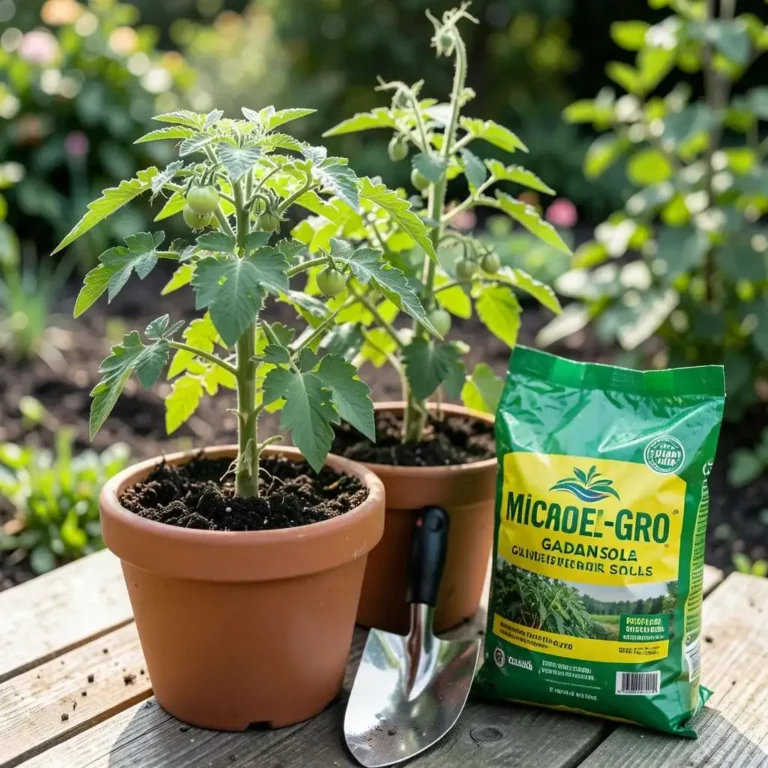
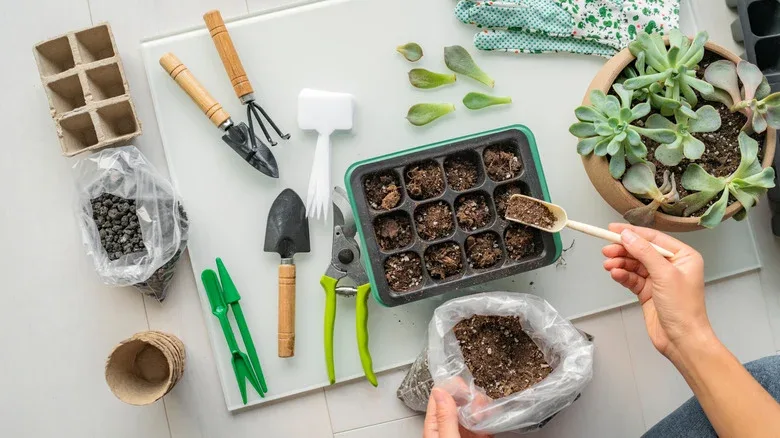
Yes, potting soil can start seeds indoors when the mix is fine enough for the seed size, drains freely, and hasn’t been stored wet or contaminated. Break up large pieces, moisten the mix before filling containers, and sow each seed at the depth listed on its packet.
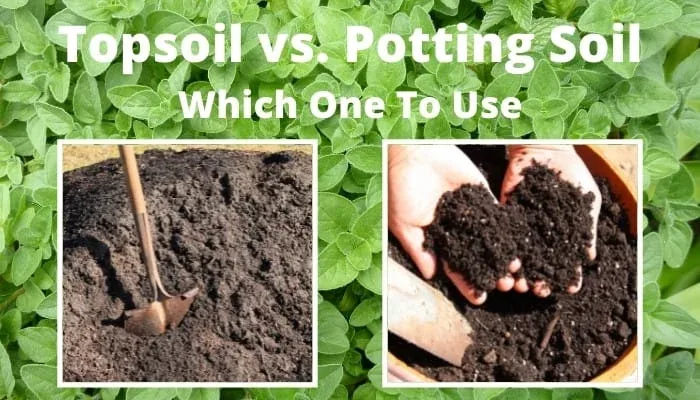
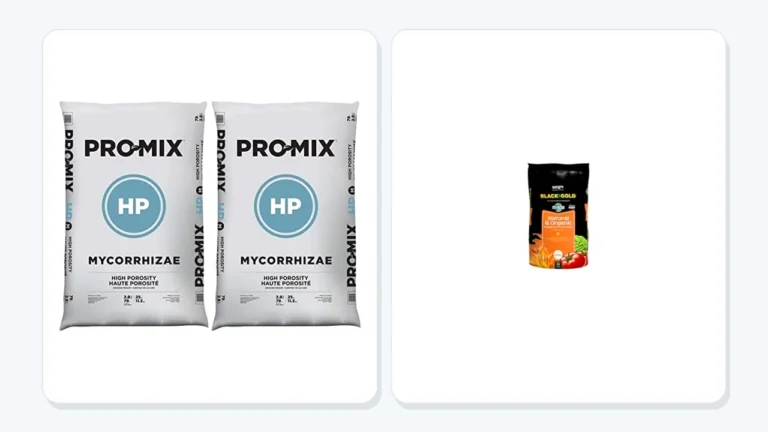
Potting soil is a packaged growing medium for containers. Some blends contain compost, bark, fertilizer, or other ingredients that help established plants grow, so the texture and nutrient level can differ a lot from bag to bag.
A fine, even mix gives small seeds better contact with moisture. Large bark chunks can leave air gaps, push tiny seeds too deep, or dry out faster than the rest of the container. If your mix looks more like mulch than a smooth growing medium, sift out the largest pieces or choose a finer product.
Check the label and the mix itself before planting. Avoid a bag that smells sour, feels waterlogged, or has visible mold; those signs suggest poor storage or conditions that may cause trouble in a seed tray. A fresh bag isn’t a guarantee of sterility, so clean containers still matter.
People often use “potting soil” as a catchall for container mix, though many products are actually soilless mixes made with materials such as peat, coir, perlite, or bark. Don’t get hung up on the name: texture, drainage, and moisture control are what count for seed starting.
| What you notice | What it means for seed starting | What to do |
|---|---|---|
| Fine, loose texture | Usually easy to fill around seeds | Moisten and use as directed |
| Large bark or wood pieces | Small seeds may dry out or settle unevenly | Sift out large pieces or use a finer mix |
| Water runs through very quickly | Mix may not hold enough moisture | Pre-moisten thoroughly and monitor often |
| Mix stays wet and heavy | Poor drainage can raise the risk of seed rot | Use less water or choose a lighter mix |
| Fertilizer listed on the bag | Young seedlings may get more nutrients than they need | Check the label and delay extra feeding |
For a closer look at choosing and handling container mixes, the basic ideas in how to use potting soil apply here too: check the label, match the mix to the job, and don’t treat every bag as interchangeable. A mix for a mature patio plant doesn’t automatically suit tiny seeds.
If you’re comparing indoor and outdoor products, indoor and outdoor potting soil may differ in texture, moisture retention, or added ingredients, but neither label alone tells you whether a product is right for starting seeds. Read the bag and judge the actual mix.
Choose a Mix That Matches Your Seeds
A fine, lightweight seed-starting mix is the easiest choice for very small seeds, while prepared potting soil can work well for bigger seeds if the texture is suitable. Your seed size, the mix’s ingredients, and how carefully you can manage moisture all affect the best pick.
A dedicated seed-starting mix is designed to be light and easy for new roots to grow through. Many such mixes contain little or no fertilizer, since seeds carry stored food that supports early growth. The exact ingredients vary by product, so check the label rather than assuming all mixes are the same.
Potting soil can be a good fit for larger seeds such as beans, peas, and squash, which are easier to handle and plant at a consistent depth. For tiny seeds, including many flowers and herbs, a fine mix makes sowing more predictable. If you’re starting flowers, a light mix for flower seeds can make it easier to spread small seeds without burying them in barky clumps.
Does that mean potting soil is a bad choice for every seed? No. If the mix is reasonably fine and you can keep it evenly moist, it can work; the dedicated mix just takes some guesswork out of the early stage.
What to check on the bag
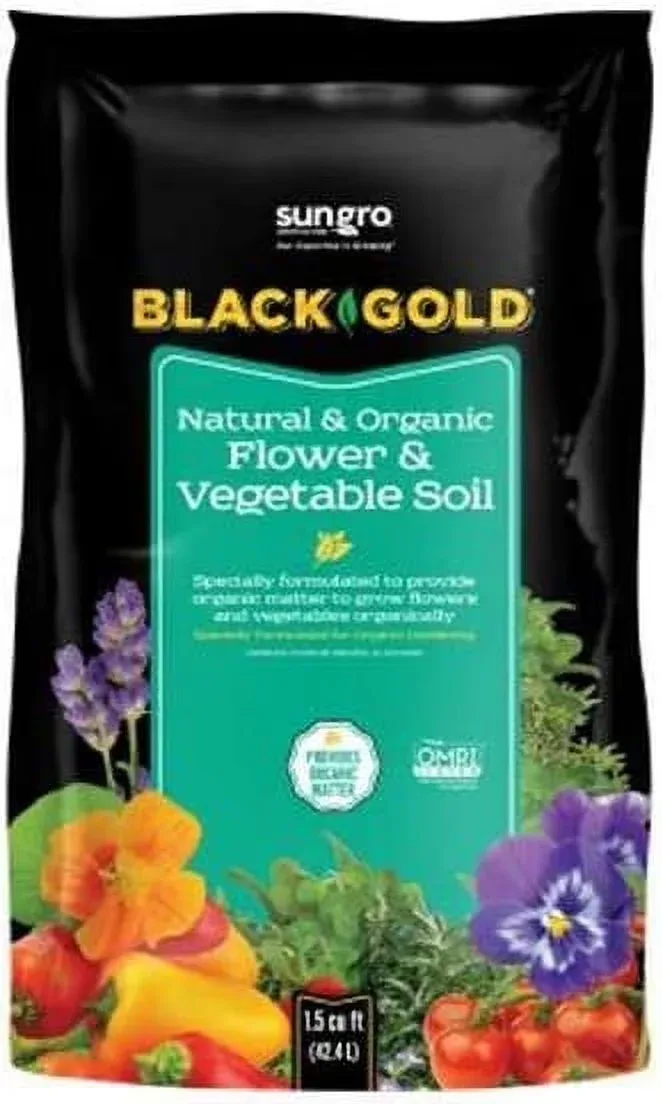
Look for a mix intended for containers or seed starting, then scan the ingredients and directions. A bag that includes fertilizer isn’t automatically unsuitable, but it’s a reason to avoid adding more nutrients without checking the label.
- Texture: loose, crumbly material is easier to use than large, coarse pieces.
- Drainage: water should move through the mix instead of sitting on top.
- Moisture: the mix should hold some water but shouldn’t feel swampy.
- Ingredients: bark, compost, and fertilizer can change how the mix behaves.
- Storage: avoid wet, sour-smelling mix or a bag with obvious mold.
I’d choose a seed-starting mix for tiny, expensive, or slow-to-germinate seeds, where an uneven start can be frustrating. For a handful of large bean seeds, fine potting soil you already have may be perfectly reasonable.
Herbs grown indoors have different needs after germination than seeds do at the start. Basil seedlings need steady light and careful watering, and the mature plant benefits from a mix that drains well; potting soil for indoor basil is a separate decision from choosing a medium for basil seeds.
Prepare Potting Soil Before You Sow
Prepare potting soil by loosening clumps, removing oversized pieces, and adding water gradually until the mix is evenly damp. Then fill clean containers loosely, sow at the right depth, and label each variety so you don’t have to guess what’s growing later.
- Clean the containers. Wash reused pots or trays so old plant debris doesn’t carry into the new batch. Make sure each container has drainage holes.
- Break up the mix. Pull apart compacted clumps by hand and remove large pieces that could block a small seed or create uneven contact.
- Pre-moisten slowly. Add water a little at a time and stir until the mix feels like a wrung-out sponge. If you squeeze a handful and water streams out, it’s too wet.
- Fill containers gently. Add the mix without packing it down hard. Lightly level the surface so seeds don’t collect in hollows.
- Sow by the seed packet. Follow the listed depth and spacing. Some seeds need light to germinate and should stay on the surface, while others need covering.
- Water carefully. Use a gentle stream or bottom-water the container so the seeds don’t wash into a corner.
- Label and place the tray. Add the plant name and sowing date, then follow the packet’s guidance for warmth and light.
Pro Tip: If fine seeds are hard to place, mix them with a small amount of dry sand before sowing. This can help spread them more evenly, but don’t use that method for seeds that need to be buried or handled individually.
What about garden soil dug from the yard? I wouldn’t use it in indoor seed trays. Garden soil can compact in small containers and may bring in weed seeds or pests, while container mixes are made to drain in pots.
Keep Seedlings Healthy After Germination
Seedlings need steady moisture, suitable light, and enough room for air to move around them; constant soaking isn’t the goal. After germination, follow the seed packet’s light and temperature directions, and move seedlings into larger containers if their roots outgrow the tray.
Germination is the point when a seed begins growing into a seedling. Until then, the surface needs to stay moist enough for the seed to sprout, but waterlogged mix can limit air around the seed and encourage rot.
A clear cover can slow drying while seeds sprout, but remove it once most seedlings emerge. If the cover stays on, trapped moisture and still air can encourage mold. Keep the surface damp rather than glossy with standing water.
After sprouts appear, give them bright light appropriate to the plant. A sunny window can work for some seedlings, but light may be uneven or weak, which can leave stems tall and floppy. If the seedlings lean hard toward the window, rotate the tray or provide stronger, suitable grow light.
Seedlings usually need more space as they grow. Crowded stems and leaves stay damp longer, so thin seedlings as directed or move them into individual containers. Handle each seedling by a leaf rather than squeezing its fragile stem.
I once left a tray in a dim spot because the sprouts looked fine during the first few days. Their stems stretched toward the window, and I had to move the tray and space them out sooner than planned; a healthy-looking sprout still needs enough light to stay sturdy.
Do seedlings need fertilizer as soon as they emerge? Usually not right away, because the seed supplies food during the earliest stage, and some potting mixes already contain fertilizer. Follow the product label and plant-specific directions before feeding, since too much fertilizer can stress young roots.
As seedlings mature, transplant them into a suitable container mix. Gardenias in pots need a different long-term growing medium from seed trays, so use advice for gardenias grown indoors rather than treating every houseplant soil blend as suitable for them.
Important Tip: Don’t leave trays standing in water for long periods. Bottom-watering can help avoid disturbing seeds, but pour away excess water after the mix has absorbed what it needs.
Fix Common Seed-Starting Problems
Most seed-starting problems come from a mismatch between moisture, light, planting depth, and mix texture. Check the seed packet and the container conditions before changing several things at once, so you can tell what helped.
| Problem | Likely cause | What to change |
|---|---|---|
| Seeds haven’t sprouted | Planting depth, temperature, seed age, or moisture may be off | Check packet instructions and give seeds the listed conditions |
| Mix dries at the surface | Coarse mix, warm air, or uncovered containers may speed drying | Pre-moisten more evenly and check the tray more often |
| Seedlings fall over near the soil | Stem rot can follow overly wet conditions and poor airflow | Remove affected seedlings, reduce excess moisture, and improve airflow |
| Stems grow long and weak | Seedlings may not be getting enough light | Move the tray to brighter suitable light |
| Several seedlings grow in one spot | Seeds may have been sown too close together | Thin or transplant seedlings before they crowd each other |
Seed starting and lawn seeding aren’t quite the same job. Potting soil can be used in small patches or containers for grass seed, but it’s usually a poor choice for spreading across an entire lawn because the volume and coverage would be impractical; potting soil for grass seed depends on the size of the area and the purpose.
If the seeds aren’t sprouting, avoid digging through the tray every day. That can disturb seeds that are close to emerging. Check the packet’s expected germination window and make one adjustment at a time, such as correcting the moisture or moving the tray to a warmer spot.
FAQs About Can You Use Potting Soil to Start Seeds Indoors
Can I use potting soil straight from the bag?
Yes, if the potting soil is fresh, fine enough for the seed, and not soaked or foul-smelling. Loosen clumps and pre-moisten the mix before filling clean containers. If the bag contains large bark pieces or the mix stays heavy and wet, choose a finer product or adjust the mix first.
Is potting soil too rich for seedlings?
No, not always, but the ingredients matter. Seeds provide stored food during early germination, and some potting soils include fertilizer or compost. Check the label before adding plant food, then follow the directions for the mix and the seedling rather than feeding on a fixed schedule.
Do seeds need special soil to germinate?
No, many seeds germinate in suitable potting soil, paper towels, or other growing media, depending on the plant and method. For indoor trays, a fine, clean mix with steady moisture is practical. Follow the seed packet because planting depth, warmth, and light needs vary by plant.
Can I reuse potting soil from an old plant?
Yes, but fresh mix is a safer choice for starting seeds, especially if the old soil held a diseased plant or has pests. Used mix may be compacted or depleted, and it can contain roots or unwanted seeds. Don’t reuse it if you can’t identify what caused the previous plant’s problems.
Should I cover seed trays with plastic wrap?
Sometimes, a cover can help hold moisture before seeds sprout, but it isn’t needed for every seed or setup. Use the seed packet and tray directions, check moisture daily, and remove the cover when seedlings emerge. Leaving a covered tray warm and wet can encourage mold.
Make the Mix Work for Your Seeds
Potting soil can be a practical way to start seeds indoors, especially if you already have a fine, well-draining mix and you’re planting larger seeds. For tiny seeds or a tray you want to keep as consistent as possible, a dedicated seed-starting mix is often the easier choice.
I’d start by checking the bag, then prepare only the amount you need. If the mix is coarse, sour-smelling, or difficult to moisten evenly, don’t try to make it do a job it isn’t suited for. Choose a finer blend, sow at the depth on the packet, and keep the tray damp rather than soaked.
That small bit of care can save you a lot of squinting at bare cells and wondering where the sprouts went.

I’m Maya L. Greenwood, a lifelong plant lover who believes anyone can grow something beautiful with the right guidance. After years of testing soil mixes, pruning methods, irrigation tricks, and pest-safe solutions, I started EasyGardenTips.com to turn hard-won lessons into step-by-step advice. From seed starting and container gardens to composting and seasonal checklists, my goal is to make gardening simple, sustainable, and fun.