5 Best Potting Soil for Potatoes: Mixes for Bigger Container Yields
A potato plant can look healthy above the soil while the tubers below are cramped, waterlogged, or hard to reach at harvest. Pick a dense mix that stays soggy, and roots may struggle in a pot that already has little room to spare. For a beginner, the wrong growing medium can mean more watering guesswork and fewer usable potatoes.
For potatoes in pots, the useful starting points are a loose medium, an adequately deep container with drainage holes, and a watering routine that keeps the soil evenly moist without leaving roots underwater. A general-purpose potting mix can work, but none of these products is described as a potato-specific formula, so check the bag for feeding directions and make a plan for any extra nutrition the plants need.
Here’s what this guide will help you sort out:
- Which mix traits matter for potatoes grown in containers.
- How pot size, drainage, and hilling affect the job.
- What to check on each mix before you buy.
- How to water, maintain, and harvest a container crop.
Quick Picks
-
Best For Expandable Coir Mix

Back to the Roots Organic Expanding Potting
Compressed coconut coir expands to over 2 cubic feet, offering container growers a space-saving starting medium to prepare before planting.
-
Best For Pre-Fed Outdoor Pots

Miracle-Gro Potting Mix, 16 qt. (2-Pack)
Outdoor potting mix feeds container vegetables for up to six months, suiting growers who want nutrition included from the start.
Top 5 Potting Soils for Potatoes at a Glance
Start with Back to the Roots if you value a compact, expandable coir base and are comfortable checking whether it needs added nutrition. Miracle-Gro is a more direct choice for outdoor containers when included feeding matters; the other mixes differ in size, indoor or outdoor use, and stated ingredients.
| Product image | Product name | Check product |
|---|---|---|
| 1 |
Back to the Roots Organic Expanding Potting | Check Price |
| 2 |
Miracle-Gro Potting Mix, 16 qt. (2-Pack) | Check Price |
3 |
Miracle-Gro Organic Indoor Potting Mix, 16 qt. | Check Price |
4 |
Burpee Premium Organic Potting Mix Garden Soil | Check Price |
5 |
Michigan Peat Garden Magic General Purpose Potting | Check Price |
5 Best Potting Soils for Potatoes: Detailed Reviews
When I chose the best potting soil for potatoes, I focused on whether the mix could support roots in a container, how clearly its use and feeding were described, and how much volume came in the package. Those details matter because a grow bag can dry out quickly, a pot without drainage can hold excess water, and an unplanned feeding schedule can leave a beginner guessing.
The five options range from an expanding coir brick to ready-to-use mixes with different stated uses and package sizes. Looking at them side by side helps you decide whether you prefer a simple base medium, nutrition already included, or a mix intended for indoor containers, without pretending any bag is a potato-specific blend.
1. Back to the Roots Organic Expanding Potting
Compressed coconut coir expands to over 2 cubic feet, offering container growers a space-saving starting medium to prepare before planting.
- Size51 Quart
- ColorExpanding Potting Mix
- WeightNot listed; check details
- DimensionsNot listed; check details
Back to the Roots Coir is a compressed coconut coir potting medium for container growers who want a compact starting mix and are willing to prepare it before planting. The product is described as all-purpose, with balanced pH, and suitable for vegetables, flowers, herbs, and seed starting.
The brick expands to over 2 cubic feet, so you can store a compressed package before opening rather than hauling a large loose bag home. Coconut coir is a growing medium made from coconut husk fibers; in a pot, its loose texture can help make room for roots while holding some moisture. That can be useful for potatoes, whose roots need growing space, but it does not mean you can ignore drainage or watering.
The mix is labeled peat-free and OMRI Listed, and the product description says it can be used alone or as an amendment. No potato-specific feeding schedule is stated, so check the package and plan to supply nutrients if needed. The expansion step also takes preparation, and the amount of water or time needed is not specified here.
Pros:
- Compressed brick stores compactly before you prepare it.
- Expands to over 2 cubic feet for container projects.
- Coconut coir gives roots a loose growing medium.
- Balanced pH is described as all-purpose.
- Peat-free formula suits shoppers avoiding peat-based mixes.
Cons:
- The brick must be prepared before planting.
- No potato-specific nutrient schedule is stated.
- The expanded volume may exceed a small grower’s needs.
Buy it if: you want a compact coir base for several containers, because the brick expands to over 2 cubic feet.
Skip it if: you want a ready-to-use mix with a stated feeding period, because this coir description gives no such schedule, and a pre-fed container mix may suit you better. For another fit, consider Miracle-Gro Potting Mix, 16 qt. (2-Pack) or Miracle-Gro Organic Indoor Potting Mix, 16.
I’d pick Back to the Roots Coir when storage space and a peat-free starting medium matter more than having a complete feeding plan in the bag. The large expanded volume can be handy if you are filling more than one container, but it also makes planning important so you do not prepare more than you can use. Check the package directions for preparation and nutrition before planting; this coir suits growers who are comfortable managing those steps.
2. Miracle-Gro Potting Mix, 16 qt. (2-Pack)
Outdoor potting mix feeds container vegetables for up to six months, suiting growers who want nutrition included from the start.
- Size2-Pack
- ColorMulticolor
- Number Of Items1
- COVERAGEThis bundle includes two 16 qt. bags of Miracle-Gro Potting Mix, an outdoor potting soil; each bag fills one 12-inc
Miracle-Gro Potting Mix is an outdoor container mix for a grower who wants a familiar, ready-to-use format and feeding included. The package contains two 16-quart bags, and the product says each bag fills one 12-inch container, with the amount varying according to the root ball.
The mix is described as feeding plants for up to six months. That gives a beginner a clear starting point for nutrition, rather than an immediate need to choose a separate fertilizer, though the stated period is not a promise that every potato plant has identical needs. Follow the bag’s directions and watch the plants as they grow.
The instructions say to fill a container about one-third full, place the plant, and add more mix while pressing lightly. That is a straightforward planting sequence, but potatoes are commonly grown by adding medium around stems as they grow, so make sure your container has room for that later. The listing is for outdoor containers; it does not specify potato varieties or a potato-specific feeding plan.
Pros:
- Two 16-quart bags make the total package volume clear.
- Outdoor container use includes vegetables and herbs.
- Feeding is stated for up to six months.
- Bag directions give a simple planting sequence.
- Each bag is described as filling a 12-inch container.
Cons:
- The mix is specified for outdoor containers.
- Container fill estimates vary with root-ball size.
- A six-month feeding statement is not potato-specific guidance.
Buy it if: you are planting outdoor containers and want nutrition included, because the mix is described as feeding plants for up to six months.
Skip it if: your main goal is a peat-free coir base, because the package details do not describe this mix that way, and an expandable coir medium may suit you better. Back and Miracle are worth a closer look instead.
What I like about Miracle-Gro Potting Mix is the clear outdoor-container use and the stated feeding window, two details that can simplify a first planting. The two-bag format also gives you a known quantity to plan around, though the actual fill depends on the root ball and pot. Check the label for current use and feeding directions, and choose this mix if you want a pre-fed option rather than a bare starting medium.
3. Miracle-Gro Organic Indoor Potting Mix, 16 qt.
The catalog lists HELPS REGULATE SOIL MOISTURE: Miracle-Gro Organic Indoor Potting Soil Mix is an organic potting soil that prot. Compare fit and care needs before choosing.
- Size16.qt
- COVERAGEOne 16 qt. bag of Miracle-Gro Organic Indoor Potting Mix fills one 12-inch container with potting soil for indoor p
- WeightNot listed; check details
- DimensionsNot listed; check details
Miracle-Gro Organic Indoor Mix is intended for indoor container plants, houseplants, herbs, and seed starting, so it makes sense only if your potato-growing setup is indoors and the container conditions fit. The description names sphagnum peat moss, coir, and quick-start natural fertilizer as ingredients.
The product says the mix helps regulate moisture against over- and underwatering. Moisture regulation means the growing medium helps manage water around roots; it can make watering less abrupt, but it cannot replace checking the container or emptying water that collects below it. Potatoes still need a container that drains, and a damp indoor corner is not a substitute for airflow and light.
The package is 16 quarts and is described as filling one 12-inch container, with the amount changing according to the root ball. The supplied details do not list a potato-specific feeding period, and indoor use may not suit growers planning a large outdoor grow bag. Read the package before deciding whether the stated indoor use matches your location.
Pros:
- Indoor container use is clearly stated.
- Listed ingredients include peat moss, coir, and natural fertilizer.
- The mix is described as helping regulate moisture.
- Seed starting is included among its uses.
- A 16-quart bag gives a stated package volume.
Cons:**
- The stated focus is indoor container plants.
- The 12-inch container estimate varies with root-ball size.
- No potato-specific nutrient schedule is listed.
Buy it if: you are starting a small indoor container project, because the described uses include indoor plants and seed starting.
Skip it if: you are planning several large outdoor grow bags, because the listed use centers on indoor containers, and an outdoor container mix may suit you better. If those trade-offs rule it out, Back or Miracle may suit you better.
I’d consider Miracle-Gro Organic Indoor Mix for a small indoor growing experiment, not as a default pick for a larger potato crop. Its moisture-management focus may appeal to someone still learning when a pot needs water, but drainage and regular checks still matter. Confirm the current bag directions and whether the indoor formulation fits the way you plan to grow; this mix suits a modest indoor setup more than a patio full of bags.
4. Burpee Premium Organic Potting Mix Garden Soil
The catalog lists SUPPORTS VIBRANT GROWTH: Transform your garden with our premium indoor/outdoor potting soil! This nutrient-ric. Compare fit and care needs before choosing.
- Size9 Quart
- ColorPotting Mix
- Number Of Items1
- WeightNot listed; check details
Burpee Organic Potting Mix is a 9-quart mix for indoor plants and outdoor containers, including vegetables, flowers, and herbs. Its description names coconut coir and says the mix is OMRI Listed, with stated use in pots and raised beds.
Coir is included to help with aeration and moisture retention. Aeration means there are small spaces in the mix where air can reach roots; for a container crop, that can help keep the growing medium from behaving like a solid block. The product also describes immediate feeding and slow-release nutrition for up to three months, so a beginner has a stated feeding window to check against the directions.
The 9-quart bag is smaller than the volumes listed for several other options here, so check how much your container needs before buying. The seller description says the bag has small holes to promote air circulation before use, which is not a reason to leave an opened bag exposed to rain or pests. No potato-specific mix ratio or container size is stated.
Pros:
- Use is stated for indoor and outdoor containers.
- Coconut coir is included for aeration and moisture retention.
- Vegetables are among the listed uses.
- Feeding is stated for up to three months.
- The product is labeled OMRI Listed.
Cons:
- The 9-quart bag may not cover a large container.
- Potato-specific directions are not listed.
- Check the package for how the feeding period applies to your planting.
Buy it if: you need a smaller bag for a vegetable container, because the 9-quart package is described for pots and raised beds.
Skip it if: you need enough mix for multiple deep containers, because this package is 9 quarts, and a larger-volume potting mix may suit you better.
To me, Burpee Organic Potting Mix is appealing when you want coir in a vegetable-oriented container mix and do not need a huge package. The stated feeding period is useful, but it is shorter than the six-month period listed for the other Miracle-Gro outdoor mix, so read the directions rather than assuming the schedules match. Check the bag volume against your container before buying; this is a sensible scale for a smaller planting.
5. Michigan Peat Garden Magic General Purpose Potting
The catalog lists Versatile Potting Soil: Let your plants grow healthy and strong with this general-purpose potting soil featuri. Compare fit and care needs before choosing.
- Size40 lbs
- Number Of Items1
- WeightNot listed; check details
- DimensionsNot listed; check details
Michigan Peat Garden Magic is a general-purpose potting mix sold in a 40-pound package for indoor and outdoor planting. The description names reed sedge peat, organic peat moss, and other materials, and says the mix is ready to use from the bag without additional mixing.
The product is described as moisture-retaining, which can help a container stay damp during moderate dry spells. Moisture retention means the medium holds water instead of letting it drain away immediately; that can be helpful in warm weather, but a pot still needs drainage holes so excess water can escape. For potatoes, the balance matters: a medium that stays wet for too long can make watering harder to judge.
A 40-pound package is a substantial bag to lift and store, and the supplied details give weight rather than a volume estimate. The listing does not state a potato-specific nutrient schedule or a precise container fill amount. Check the package for ingredients, intended use, and feeding instructions before deciding how much to use.
Pros:
- Ready to use without additional mixing, according to the description.
- Indoor and outdoor planting are both listed.
- Moisture retention may help during moderate dry periods.
- The blend names reed sedge peat and organic peat moss.
- A 40-pound package provides a substantial quantity by weight.
Cons:
- Weight is listed, but package volume is not.
- The bag may be awkward to lift or store.
- No potato-specific feeding directions are stated.
Buy it if: you want a general-purpose mix ready to use from the bag, because the description says no extra mixing is needed.
Skip it if: you need a clear volume estimate before filling a particular grow bag, because the details give weight rather than volume, and a mix sold by quart may suit you better.
I’d put Michigan Peat Garden Magic on the list for someone who values ready-to-use general-purpose soil and has a practical place to store a heavy bag. Its moisture-retaining description deserves attention for potatoes, since a container that drains poorly can turn frequent watering into a soggy mess. Verify the package volume and feeding directions before purchase; this mix suits growers who can judge a large bag by weight rather than a stated quart amount.
How to Choose the Best Potting Soil for Potatoes
The best potting soil for potatoes should leave room for roots, drain excess water, and support steady growth in the container you actually own. A general-purpose bag can be suitable, but its use, volume, and feeding instructions should match your growing plan.
Check that the mix is intended for containers
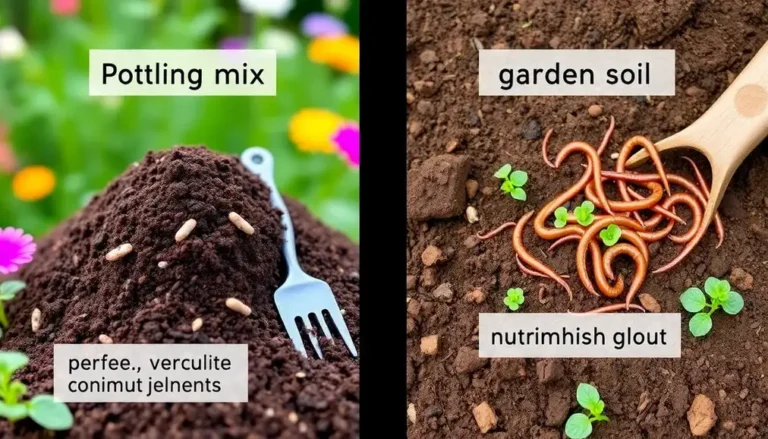
Potting mix is made for pots and other contained growing spaces, while garden soil is usually meant for open ground. In a container, the medium cannot spread out or shed extra water into surrounding soil, so a dense fill can stay wet and make root growth harder. Start by looking for clear container or pot use on the bag.
If you are weighing bag labels against a container crop, the difference between potting mix and garden soil is worth understanding before you fill a pot. Do not assume that the word soil means a mix is suited to a container; look at the stated use and whether the package gives directions for pots. If the instructions are vague, contact the maker or choose a package with clearer container guidance.
Look for a loose structure and workable drainage
A loose mix lets roots grow through the medium and allows excess water to leave through drainage holes. Coir appears in several of these mixes and is described as helping with aeration or moisture management, but the exact blend still matters. Read the ingredient list and check whether the mix feels too dense or heavy once prepared.
Good drainage does not mean the pot should dry out immediately. Potatoes need consistent moisture while growing, so aim for a mix that holds some water while letting extra drain away. A simple check is to water slowly and see whether water eventually comes out of the container’s drainage holes; if the mix stays saturated or water pools for a long time, reassess the container and medium.
Match the package amount to the container
The bag’s stated volume is more useful than a vague claim that it covers a certain number of plants. A 9-quart package, for instance, will not fill the same space as a product that expands to over 2 cubic feet. Measure the container’s height and width, then check the package directions or a container-volume estimate before buying.
Allow room for the potato seed piece and for adding more mix as stems grow. A container that is filled to the rim at planting can leave little space for hilling, the process of covering lower stems with additional growing medium. For more container-specific planning, compare how container potting mixes perform in different pot sizes and growing setups.
Decide how you will handle feeding
Some mixes list a feeding period, while others focus on the growing medium without stating a schedule. A bag that says it feeds for up to a certain number of months gives you a starting point, not a guarantee that every crop has all the nutrition it needs throughout its life. Follow the package and avoid adding fertilizer automatically before checking what is already included.
Potatoes have a growing season, so think about the expected length of your crop and the care directions for your chosen variety. Keep the bag label after planting; it helps you remember what ingredients and feeding claims came with the mix. If a mix does not list nutrients or timing, ask the manufacturer or use a gardening plan that clearly explains what to add and when.
Choose ingredients and handling that fit your routine
Coir, peat, and other organic matter affect how a mix handles water and how easy it is to store or prepare. A compressed coir brick saves space before use but needs preparation; a ready-to-use bag is simpler on planting day but takes more storage room. Choose based on the work you are willing to do, not only the ingredient name on the front.
If you are comparing other root crops, the growing-medium priorities can differ. For example, soil for onions may be chosen with bulb development in mind, while potato containers need enough depth and space for tubers and hilling. The shared basics are a suitable container, a loose growing medium, and watering that follows the crop rather than the calendar alone.
Plan for the crop, not just the soil bag
A soil choice cannot compensate for a container that is too shallow, blocked drainage, or a location that does not meet the plant’s light needs. Before buying, decide where the pot will sit, how you will water it, and how you will reach the growing medium as the stems lengthen. A grow bag can be easier to access than a tall rigid pot, but the label and dimensions still need to fit your space.
Potatoes also need room to develop below the surface. Use a container suited to the variety and planting instructions, and avoid packing the medium firmly around the seed piece. If you are uncertain about depth or plant spacing, follow the seed-potato or variety guidance rather than guessing from the size of the bag.
How to Use Potting Soil for Potatoes for the Best Results
Set up the container first, then add the growing medium in stages as the plant develops. Potatoes do better when you can manage drainage, moisture, and the gradual covering of stems without compacting the mix.
- Choose a container with drainage. Make sure water can leave through open holes in the bottom. A decorative outer pot without drainage can trap water even if the inner container drains.
- Place the pot where it will grow. A large container is easier to move before it is filled. Pick a location that meets the growing directions for your potato variety and is convenient to water.
- Prepare the mix according to its package. Expand compressed coir as directed, or loosen a ready-to-use mix before filling. Do not add water or fertilizer in an amount the bag does not recommend.
- Add an initial layer of mix. Leave space above the first fill so you can cover lower stems later. Use the seed-potato directions for placement and spacing.
- Plant and water gently. Cover the seed piece as directed and water until the medium is moist, not flooded. Let excess water drain away.
- Add mix as stems grow. Hilling means adding growing medium around lower stems while leaving the upper leaves exposed. Keep enough room at the rim for the process, and follow your variety’s guidance on timing.
- Check moisture rather than watering by habit. Feel the mix below the surface or use a simple moisture check before adding more water. The top can look dry while the root area remains moist.
- Watch the plant and the bag directions. Look for changes in growth and follow the stated feeding instructions for the mix. Avoid stacking fertilizers without checking the nutrients already included.
Keep the planting routine straightforward. Too much handling can compact a loose mix, and too much water can sit in the bottom of a container. If the pot drains slowly, check for blocked holes and make sure the container is not standing in a saucer full of water.
How to Make Your Potato Potting Soil Last Longer
Protect the growing medium from contamination, compaction, and unnecessary wet storage, and it will be easier to reuse or dispose of responsibly after harvest. Do not assume that used mix is ready for another potato crop without checking its condition and the crop-health history.
Before planting, keep unopened bags dry and off the ground if possible. Once opened, close the package or transfer the mix to a clean, covered container that still stays dry; leaving a bag open can let rain soak it or pests get inside. Follow any storage directions printed on the package, especially for compressed coir that is not yet prepared.
During the season, avoid walking on or pressing down the medium. Compaction reduces the open spaces that let roots grow and water move through the pot. When hilling, add mix gently around the stems rather than tamping it into a hard layer.
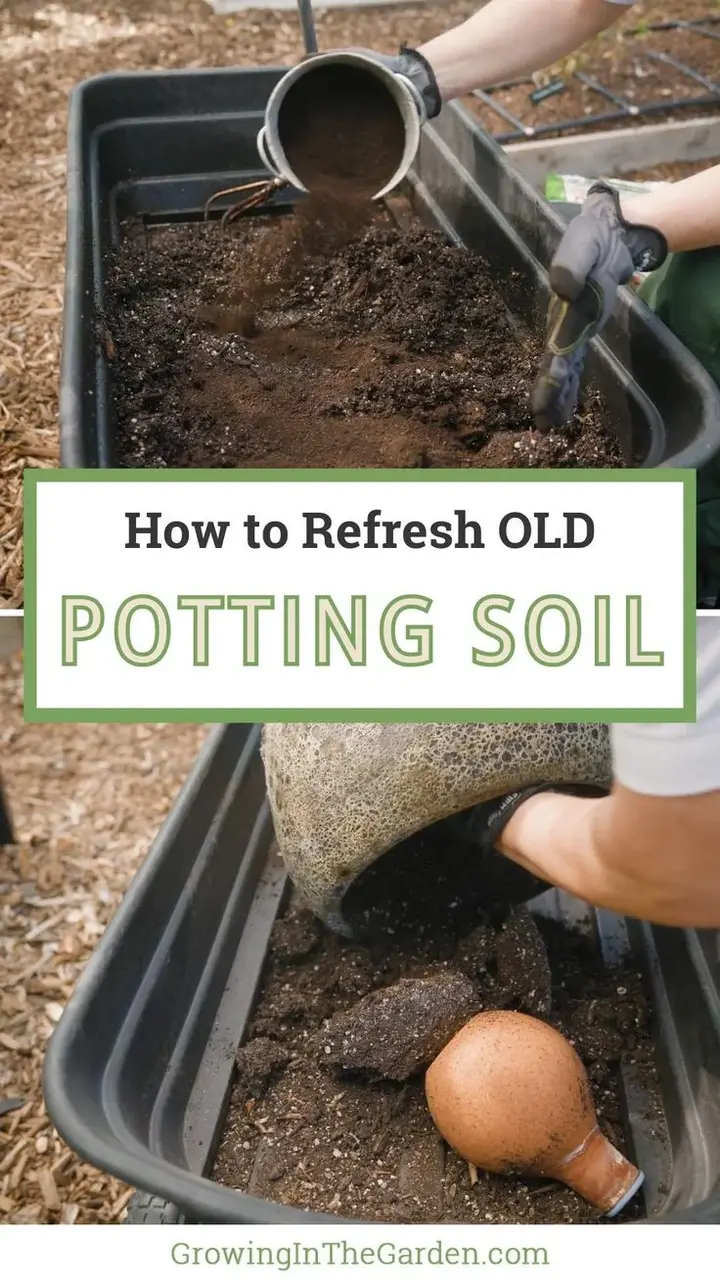
After harvest, remove remaining stems and tubers, then inspect the medium for a sour smell, persistent sogginess, pests, or signs of plant disease. Those are reasons to avoid putting the same mix straight into another crop. If it looks clean and healthy, you may be able to use it for a different container planting after refreshing it according to a reliable gardening plan, but do not make that choice if the previous crop was diseased.
Clean the container between crops, including the drainage holes and any saucer that held runoff. Let containers dry before storing them, and keep the growing medium separate from fertilizers or garden chemicals. A short check after each watering is easier than trying to rescue a pot that has stayed wet for days.
Common Mistakes to Avoid When Buying and Using Potato Potting Soil
Small planning errors cause more trouble than a fancy ingredient can fix. Use these checks before filling the container and repeat them as the plant grows.
- Buying by bag size alone: A small package may not cover a deep container. Compare stated quarts or expansion volume with the container’s capacity before checkout.
- Using garden soil without checking its purpose: Soil for open ground may behave differently in a pot. Choose a mix labeled for containers or confirm the directions before filling.
- Ignoring drainage holes: Even a loose mix can become waterlogged if water has nowhere to go. Clear the holes and keep the pot above standing runoff.
- Filling the container to the top on planting day: Potatoes may need additional mix added around their lower stems. Leave headroom for hilling, and add medium gradually.
- Watering because the surface looks dry: The top layer can dry faster than the root zone. Check below the surface before watering again.
- Adding fertilizer without reading the bag: Some mixes already include feeding. Review the stated ingredients and schedule before applying more.
- Expecting every root crop to need the same mix: Crops differ in how they develop underground. Compare the guidance for sweet potato growing mixes before applying those needs to ordinary potatoes.
- Choosing a large heavy bag without a storage plan: A 40-pound bag can be awkward to move once opened. Decide where you will store it and how much you can use before buying.
- Treating moisture retention as permission to water less carefully: Holding water can help during dry spells, but it does not prevent overwatering. Check both the mix and drainage after watering.
- Assuming a general-purpose mix is potato-specific: None of these descriptions gives a potato-only formula. Use the bag’s directions and your chosen variety’s planting guidance together.
How to Set Up a Potato Container
A good setup gives roots room, lets extra water escape, and leaves space for hilling. Do this work before planting so you are not trying to move a full pot later.
- Check the container size and condition. Confirm that the container suits your planned crop and has no cracks or blocked holes. Use variety-specific guidance if you are unsure about depth.
- Clear the drainage openings. Brush away old roots and debris. Do not cover the holes with a solid layer that prevents water from escaping.
- Choose a stable location. Put the container where it can receive the light and care the potato variety requires. Once filled, a large pot may be difficult to relocate.
- Prepare the growing medium. Follow the bag instructions for expanding, loosening, or moistening the mix. Avoid guessing at extra ingredients.
- Fill only partway at first. Leave room for the seed piece and later additions of mix. Filling to the brim is the common stumbling point that makes hilling awkward.
- Plant at the recommended spacing. Use the seed-potato directions and avoid crowding. Crowded planting can make root and tuber space harder to manage.
- Water and confirm drainage. Apply water gently, then check that excess leaves the bottom. If water remains pooled, clear the holes before continuing.
- Keep the mix label nearby. Save the feeding and care directions for the season. The bag can answer questions later when the plant is growing and the original package is long gone.
For container choices beyond potatoes, raspberry potting mixes can help illustrate why crop and container needs should be considered together. A fruiting plant and a potato plant do not have identical care requirements, so treat crop-specific guidance as the deciding factor rather than copying a soil recipe across the garden.
Common Questions About Potting Soil for Potatoes
Can I use regular potting soil for potatoes?
Yes, a general-purpose potting mix can be a starting point if it is intended for containers and drains well. Check the bag for listed vegetable use, ingredients, and feeding directions. Potatoes are not named as a special use for the mixes reviewed here, so pair the bag instructions with guidance for your variety and container.
Is garden soil or potting mix better for potatoes in pots?
Potting mix is usually the more suitable starting choice for a container because it is intended for contained growing spaces. Garden soil may be too dense or behave differently when confined, depending on its composition. Check the package’s stated use, make sure the pot drains, and avoid filling a container with material meant only for open ground.
How much potting soil do I need for a potato container?
The amount depends on the container’s shape, dimensions, and how much space you leave for hilling. Measure the pot and compare its capacity with the bag’s quart or volume information. A package fill estimate can vary with root-ball size, so treat it as guidance rather than an exact promise.
Do potatoes need fertilizer if the potting mix is pre-fed?
Not necessarily at planting, because some mixes include feeding for a stated period. Read the package to see what is included and how long the feeding claim applies, then follow directions for your crop. Avoid adding fertilizer blindly, since overlapping feed can make it harder to manage nutrients.
How often should I water potatoes in a container?
There is no single schedule that fits every pot, location, or weather pattern. Check moisture below the surface and water when the root area needs it, then confirm that extra water drains out. Warm, windy conditions can dry a container faster, while cool or damp conditions can leave it wet longer.
Can I reuse potting mix after harvesting potatoes?
Sometimes, but inspect the used mix first and do not reuse it directly if the previous plants showed disease or the medium smells sour and stays soggy. Remove plant debris and clean the container before another crop. If the mix seems healthy, refresh it only according to a suitable gardening plan rather than assuming it still has the nutrients a new planting needs.
Before You Fill the First Potato Pot
Choose a container with working drainage, measure how much growing medium it needs, and read the bag’s use and feeding directions before planting. If the mix does not clearly fit your container or care plan, pause and check those details first; a few minutes of measuring is easier than hauling excess soil back out later.

I’m Maya L. Greenwood, a lifelong plant lover who believes anyone can grow something beautiful with the right guidance. After years of testing soil mixes, pruning methods, irrigation tricks, and pest-safe solutions, I started EasyGardenTips.com to turn hard-won lessons into step-by-step advice. From seed starting and container gardens to composting and seasonal checklists, my goal is to make gardening simple, sustainable, and fun.