
10 Best Potting Soil for Flowers: Mixes for Bigger, Brighter Blooms
A flower pot can look ready for planting and still let you down if the mix stays soggy, dries out too fast, or does not suit the plant. The wrong bag can also mean buying more than your pots need, fighting a heavy mess indoors, or replanting after a flower struggles to settle in.
Start by checking whether the flowers will grow outdoors or indoors, since these mixes are not all intended for the same setting. Then match the bag size to your pots and think about how often you water, because a moisture-focused blend and a seed-starting mix answer different needs.
Here’s what this guide will help you sort out:
- Which mixes suit outdoor flowers, indoor blooms, and seed starting.
- How bag size and feeding claims affect your planting plan.
- What to check before filling a pot or repotting a flower.
- How to water and store potting mix with less waste.
Quick Picks
-
Best For Outdoor Flower Pots

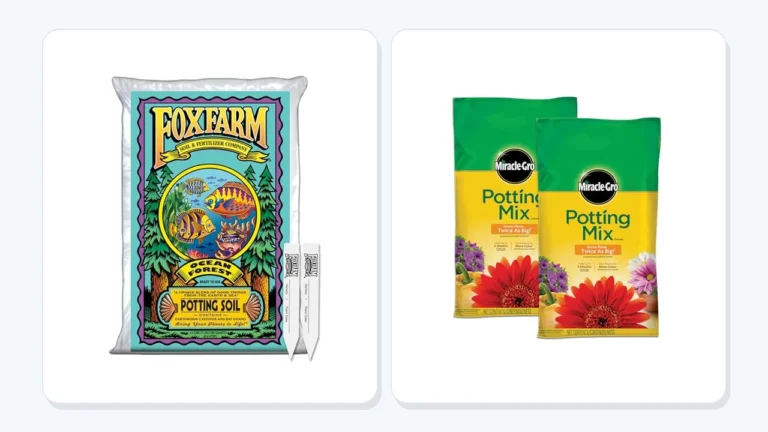
Miracle-Gro Organic Outdoor Potting Mix, 16 qt.
Natural fertilizer feeds outdoor container plants for up to two months, a practical fit for annuals and perennials.
-
Best For Longer Feeding

Miracle-Gro Potting Mix, 16 qt. (2-Pack)
Two bags feed outdoor container plants for up to six months, suiting gardeners filling several flower pots.
Top 10 Potting Soils for Flowers at a Glance
If you’re planting flowers in outdoor containers, start with the two outdoor mixes at the top, then compare their bag count and feeding duration. The rest range from moisture-focused blends to indoor mixes and a seed-starting option, so the best fit depends on where your flowers will grow and what stage they’re at.
| Product image | Product name | Check product |
|---|---|---|
| 1 |
Miracle-Gro Organic Outdoor Potting Mix, 16 qt. | Check Price |
| 2 |
Miracle-Gro Potting Mix, 16 qt. (2-Pack) | Check Price |
3 |
Miracle-Gro Organic Indoor Potting Mix, 16 qt. | Check Price |
4 |
Miracle-Gro Moisture Control Potting Mix, 8 qt. | Check Price |
5 |
Burpee Premium Organic Potting Mix Garden Soil | Check Price |
6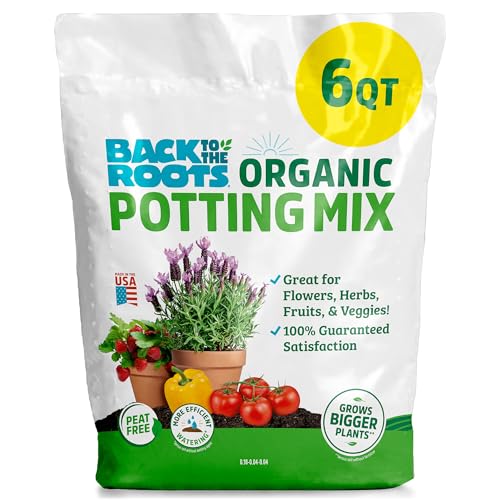 |
Back to the Roots Organic Potting Soil, | Check Price |
7 |
Back to the Roots Organic Expanding Potting | Check Price |
8 |
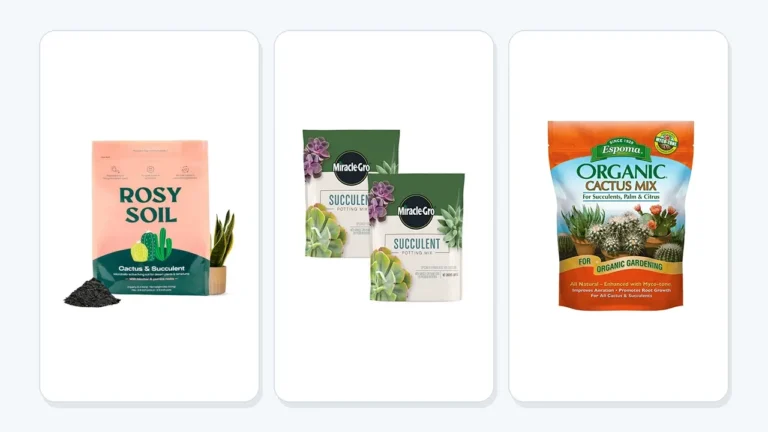
Rosy Soil Houseplant Potting Soil, Organic Indoor | Check Price |
9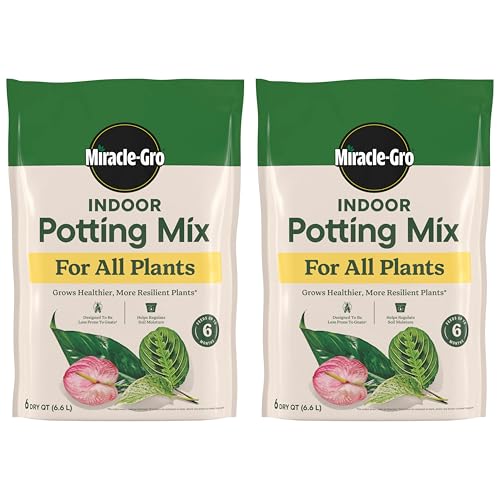 |
Miracle-Gro Indoor Potting Mix for All Plants, | Check Price |
10 |
Miracle-Gro Indoor Potting Mix for Seed Starting, | Check Price |
10 Best Potting Soils for Flowers: Detailed Reviews
When I chose the best potting soil for flowers, I paid attention to intended use first, because a mix meant for outdoor pots is not automatically the right choice for indoor flowers or starting seeds. Bag size, stated feeding duration, and moisture-related ingredients also matter, since they affect how much you buy and how you manage watering.
The choices here cover outdoor annuals and perennials, indoor flowering plants, and young plants that have not sprouted yet. Looking at those differences together makes it easier to avoid buying a large bag for one small pot or using a seed-starting mix when you need a general container blend.
1. Miracle-Gro Organic Outdoor Potting Mix, 16 qt.
Natural fertilizer feeds outdoor container plants for up to two months, a practical fit for annuals and perennials.
- Colorbrown
- Size16QT
- Number Of Items1
- COVERAGEOne 16 qt. bag of Miracle-Gro Organic Outdoor Potting Mix fills one 12-inch pot with garden soil for containers (am
Miracle-Gro Organic Mix is an outdoor container blend for gardeners planting flowers, herbs, vegetables, annuals, or perennials in pots. It includes a quick-release natural fertilizer and is described as feeding plants for up to two months, so you have a stated feeding window to keep in mind when planning care.
The mix uses peat moss, a plant-based material commonly used in potting blends to help hold water. This version is described as made with responsibly sourced peat, which may matter if you are comparing ingredients as well as plant use. Its stated coverage is one 16-quart bag for one 12-inch pot, though the root ball can change how much mix a container takes.
A practical limit is that the blend is for outdoor containers, not a general-purpose indoor houseplant mix. The feeding duration is also not a reason to ignore the plant’s needs; follow the package directions before adding extra fertilizer.
Pros:
- Outdoor flower use, suited to annuals and perennials.
- Natural fertilizer, provides a stated feeding period.
- 16-quart bag, sized for a 12-inch pot.
- Peat sourced from certified producers, as described.
Cons:**
- Outdoor use, not the clearest choice for indoor flowers.
- One bag may be more than a single small pot needs.
- Feeding duration is limited to up to two months.
Buy it if: you’re planting outdoor flowers in a container and want a mix with a stated two-month feeding period.
Skip it if: you need a mix specifically intended for indoor plants or seed starting, because this blend is described for outdoor containers. For another fit, consider Miracle-Gro Potting Mix, 16 qt. (2-Pack) or Miracle-Gro Organic Indoor Potting Mix, 16.
I’d put Miracle-Gro Organic Mix near the top for a simple outdoor flower planting because its intended use and stated feeding period are easy to understand. The 16-quart coverage gives you a rough planning point, but check your pot’s width and root-ball size before buying. It makes the most sense for someone filling a medium outdoor pot rather than a tray of seedlings.
2. Miracle-Gro Potting Mix, 16 qt. (2-Pack)
Two bags feed outdoor container plants for up to six months, suiting gardeners filling several flower pots.
- ColorMulticolor
- Size2-Pack
- Number Of Items1
- COVERAGEThis bundle includes two 16 qt. bags of Miracle-Gro Potting Mix, an outdoor potting soil; each bag fills one 12-inc
Miracle-Gro Potting Mix is an outdoor container blend for flowers and other potted plants, and the bundle includes two 16-quart bags. The listed feeding period is up to six months, which gives gardeners fewer months to account for with added plant food, as long as they follow the bag directions.
Each bag is described as filling one 12-inch container, with the amount varying according to the root ball. That makes the two-bag bundle useful to consider if you already have several pots waiting, rather than trying to estimate from a tiny bag. The mix is also listed for annual and perennial flowers, along with vegetables, herbs, and shrubs.
The notable trade-off is the bundle size. If you only have one small flower pot, you may have more mix than you need, and the outdoor-use description makes this a less direct choice for indoor flowers.
Pros:
- Two 16-quart bags, useful for several containers.
- Feeds outdoor potted plants for up to six months.
- Listed for annual and perennial flowers.
- Each bag has a stated 12-inch-pot coverage guide.
Cons:**
- The two-bag bundle may be excessive for one small pot.
- Intended for outdoor containers, not a dedicated indoor blend.
- Root-ball size can change the stated coverage.
Buy it if: you’re filling multiple outdoor flower pots and want the stated feeding period to extend up to six months.
Skip it if: your planting plan is one small indoor flower pot, because a two-bag outdoor bundle is likely more mix than you need. Miracle-Gro Organic Outdoor Potting Mix, 16 and Miracle-Gro Organic Indoor Potting Mix, 16 are worth a closer look instead.
To me, the best reason to choose Miracle-Gro Potting Mix is the combination of two bags and a longer stated feeding period. The coverage note makes it easier to estimate your project, though you should count the pots and account for the size of each plant’s roots. This is the more sensible fit for someone with several outdoor containers to fill.
3. Miracle-Gro Organic Indoor Potting Mix, 16 qt.
The catalog lists HELPS REGULATE SOIL MOISTURE: Miracle-Gro Organic Indoor Potting Soil Mix is an organic potting soil that prot. Compare fit and care needs before choosing.
- Size16.qt
- COVERAGEOne 16 qt. bag of Miracle-Gro Organic Indoor Potting Mix fills one 12-inch container with potting soil for indoor p
- WeightNot listed; check details
- DimensionsNot listed; check details
Miracle-Gro Organic Indoor Mix is intended for indoor container plants, including houseplants and herbs, and it can also be used for seed starting. Its mix includes sphagnum peat moss, coir, and quick-start natural fertilizer, so it has a different ingredient combination from the outdoor mixes above.
The blend is described as helping regulate soil moisture and protecting plants against over- and under-watering. That does not remove the need to check a pot before watering, but it may be useful if keeping a steady routine is a challenge. One 16-quart bag is described as filling one 12-inch container, with actual coverage affected by the root ball.
The main thing to watch is the word “indoor” in its intended use. If you are filling outdoor planters, compare a mix specifically described for outdoor containers instead of assuming every potting blend is interchangeable.
Pros:
- Intended for indoor container plants and houseplants.
- Listed for seed starting as well as transplants.
- Contains coir, peat moss, and natural fertilizer.
- Moisture regulation is a stated purpose.
Cons:**
- One 16-quart bag may exceed a small indoor planting job.
- Coverage depends on root-ball size.
- Outdoor flower containers are not its stated focus.
Buy it if: you’re potting indoor flowers or starting seeds and want a blend described for indoor containers.
Skip it if: you’re filling outdoor patio planters, because a mix made for outdoor containers is a closer match. If those trade-offs rule it out, Miracle-Gro Organic Outdoor Potting Mix, 16 or Miracle-Gro Potting Mix, 16 qt. (2-Pack) may suit you better.
I like that Miracle-Gro Organic Indoor Mix is clearly aimed at indoor plants and names the ingredients, rather than leaving you to guess its intended use. The moisture-related claim is worth treating as support, not permission to water on a fixed schedule. Choose it if indoor flowers or seed starting are the job, and check the label for directions suited to your plant.
4. Miracle-Gro Moisture Control Potting Mix, 8 qt.
The catalog lists FEEDS UP TO 6 MONTHS: Miracle-Gro Moisture Control Potting Soil Mix feeds plants for up to 6 months and Grows . Compare fit and care needs before choosing.
- Size8 qt. (2-pack)
- Number Of Items2
- COVERAGEThis bundle comes with two 8 qt. bags of Miracle-Gro Moisture Control Potting Mix; each bag fills two 8-inch contai
- WeightNot listed; check details
Miracle-Gro Moisture Control Mix is an outdoor container blend for flowers and other potted plants, including annuals and perennials. It is sold as two 8-quart bags, a smaller package size than the larger bags near the top of this list.
The mix is described as protecting against over- and under-watering and absorbing up to 33% more water than basic potting soil without the named moisture-related ingredients. In plain terms, the blend is designed to hold more water than that comparison mix, which may suit someone whose outdoor pots dry quickly. It also has a stated feeding duration of up to six months.
Extra water holding is not automatically a win for every flower. A pot still needs a drainage hole, and plants that prefer a drier root area may not suit your watering habits or this blend’s intended advantage.
Pros:
- Two 8-quart bags, easier to divide between smaller projects.
- Designed to hold more water than basic potting soil.
- Listed for outdoor annuals and perennial flowers.
- Stated feeding period of up to six months.
Cons:**
- The moisture-focused blend may not match every flower’s needs.
- A drainage hole is still needed.
- Smaller bags may require more packages for large planters.
Buy it if: your outdoor pots tend to dry quickly and you want a mix described for improved moisture control.
Skip it if: your flowers need a less moisture-retentive setup, because a water-holding blend may not fit your care routine.
I’d consider Miracle-Gro Moisture Control Mix when watering too often or too rarely is the problem you’re trying to manage. Its smaller bags can be convenient for modest projects, but their total volume may not stretch far across large containers. Check the plant’s water needs and make sure the pot drains before choosing a moisture-focused soil.
5. Burpee Premium Organic Potting Mix Garden Soil
The catalog lists SUPPORTS VIBRANT GROWTH: Transform your garden with our premium indoor/outdoor potting soil! This nutrient-ric. Compare fit and care needs before choosing.
- ColorPotting Mix
- Size9 Quart
- Number Of Items1
- WeightNot listed; check details
Burpee Premium Organic Mix is a 9-quart potting blend described for indoor plants and outdoor containers, including flowers, herbs, and vegetables. Its named ingredient, coconut coir, is a fiber made from coconut husks that can help a mix hold moisture while staying airy.
The product description says coir supports both aeration and moisture retention, and the mix feeds plants immediately with slow-release nutrition for up to three months. That pairing may appeal if you want one bag for different container projects, though the stated duration should guide any decisions about adding more fertilizer.
The 9-quart bag is smaller than several other options here, so it may be a better match for a few pots than a large garden project. The product description also mentions raised beds; check the package directions to confirm the intended use and how much to use for your setup.
Pros:
- Listed for flowers indoors and in outdoor containers.
- Coconut coir is described as supporting aeration and moisture.
- Immediate feeding and slow-release nutrition are stated.
- 9-quart bag suits a smaller planting project.
Cons:**
- A smaller bag may not cover many large pots.
- Feeding is described for up to three months, not longer.
- Check package directions for your container or raised bed.
Buy it if: you want a smaller indoor-or-outdoor blend for flowers and value the stated coir and feeding features.
Skip it if: you need several large planters filled at once, because a 9-quart bag may not cover that much volume.
What I like about Burpee Premium Organic Mix is its broad indoor-and-outdoor flower use, paired with a manageable bag size for smaller jobs. The coir and feeding details are useful, but they do not tell you the exact watering needs of every flower. I’d choose it for a small group of pots and verify the directions before using it in a raised bed.
6. Back to the Roots Organic Potting Soil,
The catalog lists Includes 6qt of Back to the Roots Premium Blend Potting Mix. 100% Organic and Peat-Free, made from upcycled pl. Compare fit and care needs before choosing.
- ColorPremium Potting Mix
- Size6 Quart
- WeightNot listed; check details
- DimensionsNot listed; check details
Back to the Roots Organic Mix is a 6-quart all-purpose blend described for outdoor and indoor plants, including flowers, herbs, fruits, and vegetables. It is peat-free and made from upcycled plant matter and wood fines, according to the product description.
The blend includes yucca extract for moisture control and dolomitic limestone for pH balancing. pH is a measure of how acidic or alkaline a growing mix is, and that can affect how plants access nutrients. The product does not state a specific pH value, so do not assume it suits a flower with a narrow soil preference without checking the package.
A 6-quart bag is compact compared with many larger options, which can make it easier to handle but less useful for a row of large pots. The description also mentions a satisfaction guarantee; check the current package or purchase details for its terms.
Pros:
- Peat-free blend made with upcycled plant matter and wood fines.
- Listed for both indoor and outdoor flowers.
- Yucca extract is included for moisture control.
- 6-quart bag may suit a small planting job.
Cons:**
- The compact bag may not fill several large containers.
- No specific pH number is stated here.
- Flower-specific feeding duration is not given.
Buy it if: you’re planting a few indoor or outdoor flowers and want to compare a peat-free blend.
Skip it if: you need a stated pH target for a particular flower, because the listed information does not give a number to compare.
Back to the Roots Organic Mix earns a place for gardeners who care about the peat-free ingredient choice and need a small, versatile bag. I would not treat its pH-balancing ingredient as proof of a specific pH result, so check the label if your flower has particular soil needs. It suits a smaller project where a six-quart volume is enough.
7. Back to the Roots Organic Expanding Potting
The catalog lists A balanced pH, which means it’s truly all-purpose. Use alone or as an amendment for anything in a pot or in th. Compare fit and care needs before choosing.
- ColorExpanding Potting Mix
- Size51 Quart
- WeightNot listed; check details
- DimensionsNot listed; check details
Back to the Roots Expanding Brick is a compressed coconut coir product for flowers, herbs, vegetables, and seed starting. Coir is made from coconut husk fiber, and this product’s compressed form is intended to expand when prepared, which can save storage space before use.
The listed size is 51 quarts, and the product description says the brick expands to over two cubic feet. The description also says it can be used alone or as an amendment, meaning an ingredient added to another growing mix. The compressed format makes preparation part of the job, so check the package for the amount of water and steps needed before you start.
This is not the same kind of ready-to-pour bag as the other options. If you want to open a bag and fill a pot immediately, the preparation step may feel like extra work.
Pros:
- Compressed format takes less room before preparation.
- Listed to expand to 51 quarts.
- Coir blend can be used for flowers and seed starting.
- Described for use alone or as an amendment.
Cons:**
- Requires preparation before you can fill pots.
- Expanded volume can be more than one small project needs.
- Check the package for preparation directions.
Buy it if: you want a peat-free coir option and can prepare the compressed brick before planting.
Skip it if: you need ready-to-use soil for an immediate planting job, because a compressed brick needs a preparation step.
I’d choose Back to the Roots Expanding Brick when storage and a larger eventual volume matter more than instant convenience. The expansion claim makes the size sound generous, but plan where you’ll prepare and store the loosened material first. It suits someone comfortable following the package directions before filling flower pots.
8. Rosy Soil Houseplant Potting Soil, Organic Indoor
The catalog lists ORGANIC INDOOR POTTING SOIL, MADE WITHOUT PEAT: Biochar, worm castings, mycorrhizae, compost, and bark fines r. Compare fit and care needs before choosing.
- ColorHouseplant
- Size4 Quarts
- Number Of Items1
- WeightNot listed; check details
Rosy Soil Houseplant Mix is a four-quart indoor blend described for tropical houseplants, herbs, and several kinds of indoor plants. It includes ingredients such as biochar, worm castings, mycorrhizae, compost, and bark fines, with no peat listed in the product name and description.
Bark fines are small pieces of bark that help keep a potting blend open and airy, while the description says the mix drains well. That can matter for indoor flowers that dislike sitting in soggy soil, but it does not replace a pot with drainage holes or careful watering. The resealable bag is described as holding the remaining mix between uses.
The main limitation is its small size and indoor focus. A four-quart bag is described as enough for two to three medium pots, so check your pot sizes and avoid assuming it will cover a large planter.
Pros:
- Indoor blend described for tropical plants and herbs.
- Includes bark fines, biochar, and worm castings.
- Drainage is a stated design goal.
- Resealable bag helps store unused mix.
Cons:**
- Four quarts may not cover larger containers.
- Indoor houseplants are the focus, not outdoor flower beds.
- The ingredient-rich blend may not suit every flower’s needs.
Buy it if: you’re potting a small number of indoor flowering or tropical plants and want a mix described for drainage.
Skip it if: you need soil for several outdoor planters, because this is a small indoor houseplant blend.
To me, Rosy Soil Houseplant Mix makes the most sense for someone repotting a few indoor plants rather than preparing a patio full of flowers. The airy ingredients and resealable bag are practical details, but the volume is modest. Check whether your specific flower belongs in a houseplant mix before you order a four-quart bag.
9. Miracle-Gro Indoor Potting Mix for All Plants,
The catalog lists Miracle-Gro Indoor Potting Mix for All Plants feeds houseplants for up to 6 months and grows healthier, more r. Compare fit and care needs before choosing.
- Colormulti
- Size6 qt (2-Pack)
- Number Of Items2
- WeightNot listed; check details
Miracle-Gro Indoor Mix is a ready-to-use blend for indoor container plants, including flowering plants, herbs, and foliage plants. The two-pack includes two six-quart bags, and the listed feeding duration is up to six months.
The ingredients include sphagnum peat moss, coconut coir, and perlite. Perlite is a light, porous material added to many potting blends to help create air spaces; the mix also uses peat and coir for water retention and release. The product description says it contains no compost or bark, which are noted as materials that can shelter fungus gnats.
Each six-quart bag is described as filling four six-inch containers, though root-ball size can affect coverage. That can be a handy guide for small pots, but the two-pack may be more than you need if you have only one plant to repot.
Pros:
- Ready to use, with no mixing described as needed.
- Listed for indoor flowering plants and other containers.
- Two six-quart bags offer a useful supply for small pots.
- No compost or bark, according to the description.
Cons:**
- A two-pack may exceed a one-pot planting need.
- The stated six-month feeding period is not a watering schedule.
- Small-pot coverage varies with root-ball size.
Buy it if: you’re repotting several indoor flowers and want a ready-to-use blend with a stated feeding period.
Skip it if: you’re planting outdoor flowers, because this mix is specifically described for indoor containers.
I like Miracle-Gro Indoor Mix for an indoor repotting session where ready-to-use soil and several small pots are the main concerns. The ingredient list and stated coverage help you judge whether the two bags fit your plan, but check the actual pot sizes before buying. Choose it for indoor containers, not as a catch-all outdoor mix.
10. Miracle-Gro Indoor Potting Mix for Seed Starting,
The catalog lists Miracle-Gro Indoor Potting Mix for Seed Starting grows stronger roots for seeding success (vs unfed when used . Compare fit and care needs before choosing.
- ColorBrown
- Size2 Pack
- Number Of Items2
- WeightNot listed; check details
Miracle-Gro Seed Starting Mix is intended for germinating flower, vegetable, and herb seeds indoors, and it can also be used for cuttings. It comes as two eight-quart bags, giving you a supply for trays or small containers rather than a standard large flower pot.
The product is described as lightweight and enriched with plant food. Its description also says it is less prone to fungus gnats and contains no compost or bark, materials noted as possible shelters for those insects. Use the mix according to the seed packet and keep it moist as directed; the listed directions say to keep it out of direct sunlight until seeds germinate.
Seed-starting mix is a special-purpose choice, not the obvious pick for filling mature flower containers. Once seedlings are ready to move, check what they need and follow the directions for transplanting into a suitable container mix.
Pros:
- Intended for starting flower seeds indoors.
- Also listed for herb and vegetable seeds and cuttings.
- Lightweight blend, suited to trays and small containers.
- Two eight-quart bags provide more than one small tray’s worth.
Cons:**
- Not the best match for filling mature flower pots.
- Seedlings need a suitable next step after germination.
- Follow seed-packet directions for moisture and light.
Buy it if: you’re starting flower seeds indoors and want a blend specifically described for that job.
Skip it if: you’re repotting an established flowering plant, because a general container mix is a closer match.
I’d keep Miracle-Gro Seed Starting Mix for seeds and cuttings, where a light medium and tray-friendly format are useful. The package size could be more than one small seed project needs, so estimate how many trays you plan to fill. Pick it when starting new plants is the task, not when you need soil for a mature flower.
How to Choose the Best Potting Soil for Flowers
The best potting soil for flowers is the mix that fits the plant’s setting, the container’s drainage, and your watering routine. Start with the flower and pot you have, then use the bag’s intended-use directions and size to narrow your choice.
Match the mix to indoor or outdoor use
Potting soil is a prepared growing medium for containers, and different blends are made for different growing conditions. what potting soil is can help you understand why ingredients and intended use vary from bag to bag.
For an outdoor annual or perennial, check that the package names outdoor container use. For indoor flowers, look for an indoor-container direction, and do not assume that every outdoor mix will behave well inside a home. Indoor pots can make excess water and spilled soil more noticeable, so choose for the place the plant will actually live.
Check the container and drainage
A drainage hole lets extra water leave the pot instead of pooling at the bottom. Before you shop, check whether the pot has a hole and estimate its width; the product coverage notes in this group use 12-inch or six-inch containers as examples.
Do not fill a pot without thinking about how much volume the root ball will take. A large plant can displace a surprising amount of soil, while a pot with no drainage needs a careful plan to avoid leaving the roots in standing water. If the container has no hole, consider a suitable pot with drainage rather than relying on soil alone to solve the problem.
Think about water habits and ingredients
A moisture-retentive mix can help a container hold water longer, while a more open blend may let water move through more freely. Neither is automatically best for every flower, so read the plant’s care directions and compare them with the soil’s purpose.
If baskets are part of your planting plan, choose a blend with a weight and water-holding balance that suits the basket and how often you can water. A step-by-step guide to mixing hanging-basket soil can help you think through those trade-offs before filling a basket. For premade bags, check for specific moisture claims and the plants the package names rather than relying on vague words such as “all-purpose.”
Consider bag size and coverage
Bag size matters because unused soil takes up room and opened soil can dry out or spill. Compare the volume with the number and size of your pots, using any package coverage notes as a starting estimate rather than a guarantee.
A 16-quart bag may suit one 12-inch pot according to the coverage notes on some options here, while smaller bags may fit a few little containers. Root-ball size changes how much mix a pot needs, so buy with a small cushion if you cannot easily return for more, but avoid paying for far more than you can store.
Treat feeding claims as a schedule clue
Some mixes include fertilizer and state a feeding duration. Use that duration as a label detail, not as a promise that every flower needs no further care; plant type, watering, and growing conditions can all affect feeding needs.
Before adding extra fertilizer, read the package and the plant’s care instructions. Overlapping plant food from multiple sources can make it harder to judge what a flower is getting, so note when you pot up and follow the directions for any later feeding.
Account for special flowers and seed starting
A general outdoor mix is not always the right choice for a flower with specific soil needs. Hydrangeas in containers, for instance, call for attention to the plant’s water and soil preferences; use a focused guide to hydrangea container soil if that is your planting project.
Blue hydrangea color can be affected by growing conditions, so do not expect ordinary potting soil by itself to guarantee a particular bloom color. Read about soil for blue hydrangeas before choosing a mix or changing soil chemistry. For seeds, choose a product specifically described for seed starting and follow the seed packet’s instructions.
How to Use Potting Soil for Flowers for the Best Results
Good results start with a clean pot, a suitable mix, and watering that follows the flower’s needs. Prepare the container before opening the bag so you can plant without leaving the soil exposed to wind or rain.
- Check the pot. Make sure it has drainage holes and is large enough for the plant’s roots.
- Read the soil directions. Confirm that the blend is intended for indoor or outdoor use as needed.
- Loosen the mix if directed. Some compressed products need preparation, while ready-to-use blends can be handled as described on the package.
- Add a base layer. Fill the pot partway, leaving room for the root ball and the final soil level.
- Prepare the plant. Gently loosen compacted roots if the plant’s directions call for it, and avoid pulling hard on stems.
- Set the plant at the right height. Keep the root area covered without burying the stem more deeply than the plant’s directions recommend.
- Fill around the roots. Add mix in small amounts and press lightly so the plant is supported without packing the soil hard.
- Water and let it drain. Follow the product and plant directions, then empty any saucer that collects excess water.
A hanging basket needs a little advance planning because it is awkward to fill once suspended. Check the basket’s liner, drainage, and expected weight while the soil is dry, and use soil suited to hanging baskets if that is the type of container you are planting.
How to Make Your Flower Potting Soil Last Longer
Store unused potting soil in a dry, protected place and close the bag to keep out rain, pests, and debris. Keep the bag off wet ground if possible, and avoid storing it where a leak or sprinkler can soak the mix.
Use a clean scoop and do not return old plant debris or spilled soil to a fresh bag. If you opened a resealable package, close it after use; if the original bag does not reseal, fold or secure the opening and place it somewhere dry.
Do not keep using soil simply because it looks familiar. Check opened mix for a sour smell, unusual wetness, or visible contamination before using it, and follow the package’s storage directions. Avoid reusing soil from a plant that had a pest or disease problem unless you know how to handle that material safely.
For a flower already growing in a pot, focus on drainage and the plant’s care needs rather than topping up the container without a reason. Refreshing or replacing mix depends on the plant and its condition, so use its care guidance instead of following a rigid calendar that may not fit every flower.
Common Mistakes to Avoid When Buying and Using Potting Soil
- Choosing by the word “organic” alone: It does not tell you whether the mix suits the plant or pot. Check intended use and ingredients.
- Using an outdoor blend for indoor flowers without checking: The mix may not fit the indoor setup. Choose a bag that names indoor containers when that is where the plant will grow.
- Ignoring drainage: Soil cannot make excess water leave a pot with no outlet. Use a pot with drainage and empty the saucer after watering.
- Buying by bag count instead of volume: Two packages can still be too little or too much. Compare quart size and the pots’ dimensions before ordering.
- Treating moisture control as permission to water on a timer: Soil claims do not replace checking the plant. Feel the mix and follow the flower’s care needs.
- Adding fertilizer without reading the feeding directions: Some blends already include plant food. Note the stated feeding period and follow the package before adding more.
- Using seed-starting mix for every pot: Seed mixes are made for starting young plants, not automatically for mature flowers. Move seedlings according to their planting directions.
Common Questions About Potting Soil for Flowers
Can I use regular potting soil for flowers?
Yes, you can use a general potting mix for many container flowers if the package names a suitable use and the pot drains well. Check whether the blend is intended for indoor or outdoor planting, and follow the flower’s care directions. A seed-starting mix is a more specialized choice for seeds and young starts.
How much potting soil do I need for a flower pot?
The amount depends on the pot’s size and how much room the plant’s root ball takes up. Use the package’s coverage estimate as a guide, then compare it with your pot’s width and depth. If you are filling several containers, estimate each separately rather than assuming one bag will cover them all.
Is indoor potting mix different from outdoor potting mix?
It can be: packages may describe different intended uses, ingredients, moisture features, and feeding details. Pick a blend labeled for the place your flower will grow, then make sure your pot drains. Do not assume a mix made for outdoor containers is automatically the easiest choice inside your home.
Should I add fertilizer when potting flowers?
Not always. Some potting mixes include plant food and state a feeding duration, so check the label before adding more. The right feeding plan also depends on the flower and its growing conditions; follow the plant’s care directions rather than treating every mix or flower the same.
Can I use seed-starting mix for established flowers?
Seed-starting mix is intended for germinating seeds and may not be the most suitable choice for an established potted flower. Read the package’s intended-use directions, then choose a container mix that suits the mature plant. Seedlings also need an appropriate move into a larger pot or growing mix when their directions call for it.
What soil should I use for roses in pots?
Choose a mix labeled for container plants and check that the pot has drainage. Roses need care suited to their variety and growing conditions, so do not rely on a generic soil label alone; potting soil for potted roses is a useful topic to review before you buy. For specific rose types, compare their individual needs as well.
A Knock Out rose still needs a container blend and pot that suit its growing conditions, and soil for Knock Out roses may help you narrow the choice. Mini roses also need a potting setup matched to their container size, so check soil for mini roses before buying a large bag for a small pot.
Make Your Potting Soil Choice Before You Open the Bag
Start by measuring your pot, confirming indoor or outdoor use, and checking whether the flower is a seedling or an established plant. Then match the bag’s volume and directions to that job, and choose a mix you can store properly after planting.

I’m Maya L. Greenwood, a lifelong plant lover who believes anyone can grow something beautiful with the right guidance. After years of testing soil mixes, pruning methods, irrigation tricks, and pest-safe solutions, I started EasyGardenTips.com to turn hard-won lessons into step-by-step advice. From seed starting and container gardens to composting and seasonal checklists, my goal is to make gardening simple, sustainable, and fun.
12 Comments