
5 Best Potting Soil for Flower Seeds: Light Mixes for Strong Starts
Buy the wrong potting soil and flower seeds can sit in a dense, soggy clump, where they may struggle to sprout. A mix that dries too quickly can mean constant watering, while buying far more than your trays need leaves you storing a bulky bag through the season.
For seeds, the growing medium needs to hold some moisture while still letting extra water drain away. You’ll also want to match the bag size to your planting plans, since small seed trays use much less than a row of pots on a patio.
Here’s what this guide helps you sort out:
- Which mixes suit seed trays, small pots, or larger outdoor containers.
- What compressed coir pellets and bricks are like to prepare.
- How to water, store, and reuse potting mix sensibly.
- What to check before sowing flower seeds.
Quick Picks
-
Best For Peat-Free All-Purpose Mix
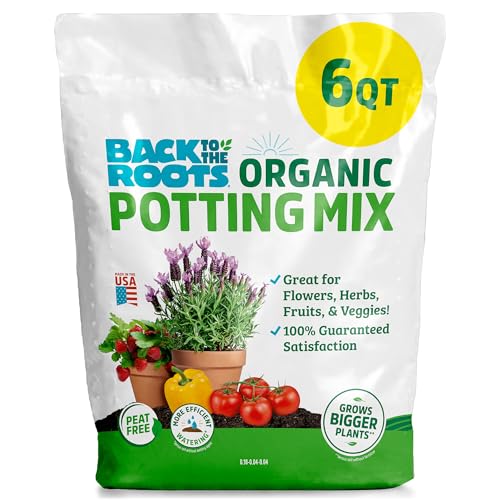
Back to the Roots Organic Potting Soil,
Yucca extract helps manage moisture in this peat-free mix, making it a flexible choice for flower pots and small planting batches.
-
Best For Outdoor Container Planting

Miracle-Gro Potting Mix, 16 qt. (2-Pack)
Two 16-quart bags and feeding for up to six months suit gardeners filling outdoor containers with flowers.
Top 5 Potting Soils for Flower Seeds at a Glance
Start with Back to the Roots if you want a small, all-purpose bag for flowers and other container plants. Miracle-Gro offers more volume for outdoor pots, while the remaining options focus on compressed coconut coir that expands when you add water.
| Product image | Product name | Check product |
|---|---|---|
| 1 |
Back to the Roots Organic Potting Soil, | Check Price |
| 2 |
Miracle-Gro Potting Mix, 16 qt. (2-Pack) | Check Price |
3 |
Back to the Roots Organic Expanding Potting | Check Price |
4 |
ZeeDix Coco Coir Pellets, 50 Pcs 30mm | Check Price |
5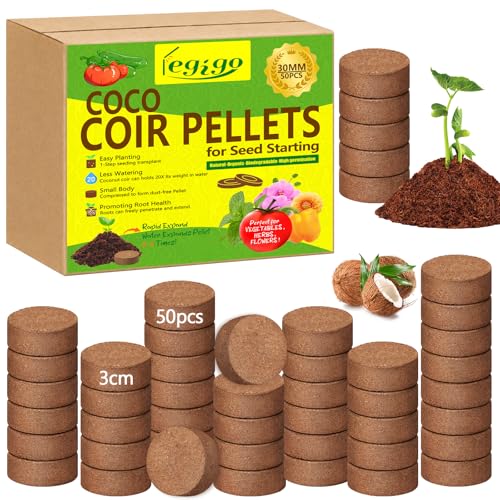 |
Legigo 50 Pcs 30mm Coco Coir Pellets | Check Price |
5 Best Potting Soils for Flower Seeds: Detailed Reviews
When I chose the best potting soil for flower seeds, I paid attention to moisture handling, pack size, and how much work each mix takes before sowing. Those details matter because seeds need steady care, beginners often have limited space, and a mix that needs lots of preparation can turn a quick planting job into a kitchen-counter mess.
The choices here range from ready-to-use potting mix to pellets and a compressed coir brick. Comparing them side by side makes it easier to pick a bag or format that matches your seed-starting setup, whether you’re filling a few pots or preparing a larger batch.
1. Back to the Roots Organic Potting Soil,
Yucca extract helps manage moisture in this peat-free mix, making it a flexible choice for flower pots and small planting batches.
- Size6 Quart
- ColorPremium Potting Mix
- WeightNot listed; check details
- DimensionsNot listed; check details
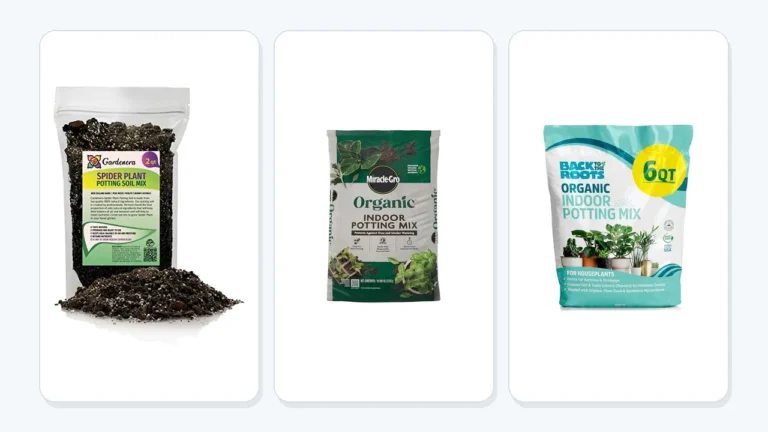
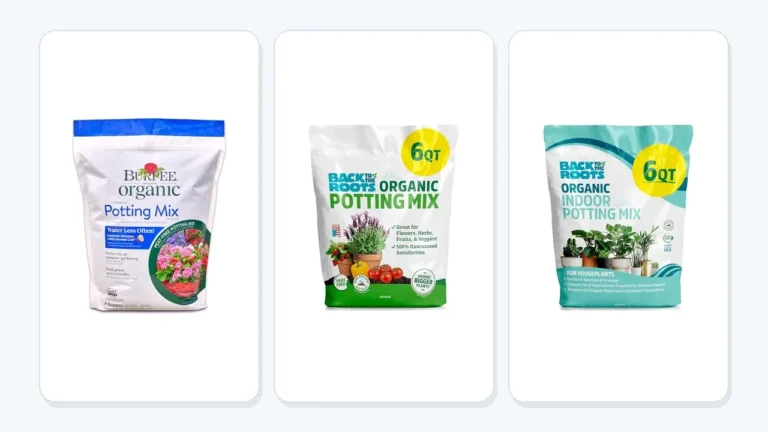
Back to the Roots Potting Mix is a small, all-purpose choice for a beginner who wants one mix for flowers and other container plants. The 6-quart bag is a manageable size for a few pots, though it may not stretch far if you’re filling many containers.
The mix is peat-free and made with upcycled plant matter and wood fines, according to the product description. That gives you an alternative to peat-based potting mixes, while the all-purpose use means you aren’t buying a flower-only mix for a small planting job.
The blend includes yucca extract, which the product describes as helping with moisture control. In practice, that’s a feature to consider if you’re learning how to keep a potting mix from drying out too fast, though it doesn’t remove the need to check the soil and water when needed.
The mix also includes dolomitic limestone for pH balancing. That’s a soil ingredient used to help manage acidity, but the description doesn’t give a target pH, so don’t assume it’s tailored to every flower species or seed type.
Pros:
- 6-quart bag is easy to store between small planting jobs.
- Peat-free blend gives you a non-peat option.
- Upcycled plant matter and wood fines are named ingredients.
- Yucca extract is included for moisture control.
- All-purpose mix is described for flowers and other plants.
Cons:
- One small bag may not cover a large planting project.
- No specific seed-germination results are stated.
- The mix’s exact texture and ingredient proportions aren’t specified.
Buy it if: you’re starting a few flowers in pots, because the 6-quart all-purpose mix is a practical amount for a small batch.
Skip it if: you need to fill many large containers, because one 6-quart bag may run short, and a larger-volume mix would suit you better. For another fit, consider Miracle or Back.
I’d choose Back to the Roots Potting Mix for a compact planting plan where a peat-free, multipurpose blend is useful. The yucca and limestone are clearly described, but the precise texture isn’t, so check the package details if seed size or a very fine medium is important to you. This potting mix makes most sense for someone sowing a few pots rather than a whole garden bed.
2. Miracle-Gro Potting Mix, 16 qt. (2-Pack)
Two 16-quart bags and feeding for up to six months suit gardeners filling outdoor containers with flowers.
- Size2-Pack
- ColorMulticolor
- Number Of Items1
- COVERAGEThis bundle includes two 16 qt. bags of Miracle-Gro Potting Mix, an outdoor potting soil; each bag fills one 12-inc
Miracle-Gro Potting Mix suits gardeners filling outdoor containers with flowers, annuals, or perennials. The bundle contains two 16-quart bags, which gives you more material to work with than a small seed-starting pack.
The mix is described as feeding container plants for up to six months. That may be convenient when you’re planting established flowers in outdoor pots, but flower seeds and young seedlings have their own needs, so read the bag directions before using a feeding mix for newly sown seeds.
The package directions call for filling a container about one-third full, placing the plant, and filling around it while pressing lightly. That’s aimed at potting plants, not a special seed-sowing method, so use the seed packet for sowing depth and spacing rather than treating the container instructions as seed instructions.
Each 16-quart bag is described as filling one 12-inch container, with the amount varying based on the root ball. That gives you a rough planning point for established plants; trays and small starter pots use different amounts.
Pros:
- Two 16-quart bags provide more mix for outdoor containers.
- Feeding is described as lasting up to six months.
- Use is listed for flowers, vegetables, herbs, and shrubs.
- Directions give a basic method for potting established plants.
- One 12-inch container is a stated coverage estimate per bag.
Cons:**
- The feeding feature may not suit every seed-starting plan.
- The product is described for outdoor containers.
- The total amount needed varies with the root ball and container.
Buy it if: you’re planting several outdoor flower pots, because two 16-quart bags give you more mix and the blend is made for container plants.
Skip it if: you only need a few seed cells, because a two-bag bundle may be more volume than your trays call for, and a small seed-starting format would suit you better. Back to the Roots Organic Potting and Back to the Roots Organic Expanding are worth a closer look instead.
What I like about Miracle-Gro Potting Mix is the clear use case: outdoor container planting with a generous amount of mix. The six-month feeding claim is useful context, but I’d check the bag’s seed guidance before sowing directly into it. Pick this mix if you’re preparing multiple outdoor pots and can use the extra volume.
3. Back to the Roots Organic Expanding Potting
The catalog lists A balanced pH, which means it’s truly all-purpose. Use alone or as an amendment for anything in a pot or in th. Compare fit and care needs before choosing.
- Size51 Quart
- ColorExpanding Potting Mix
- WeightNot listed; check details
- DimensionsNot listed; check details
Back to the Roots Expanding Potting Soil Brick is a compressed coconut-coir option for gardeners who want to prepare a larger amount of growing medium. It’s described as expanding to 51 quarts, so it suits a bigger batch better than a handful of small seed cells.
Coconut coir is fiber from coconut husks, and this brick is described as a peat-free growing medium. The product information says it can be used alone or as an amendment for plants in pots or in the ground, including flowers and starting seeds.
The compressed format means you need to add water and wait for the brick to expand before using it. That saves storage space before preparation, though you’ll need a suitable container and room to handle the expanded material without spilling it.
The description calls the mix pH-balanced and OMRI Listed. Those words refer to claims made for this growing medium, not a guarantee that every flower seed will thrive in it; check the seed packet and the product directions for your specific planting plan.
Pros:
- Compressed brick stores in less space before preparation.
- Described as expanding to 51 quarts.
- Peat-free coconut coir is the named growing medium.
- Product information includes seed starting among its uses.
- Can be used alone or as an amendment.
Cons:
- Needs water and preparation before sowing.
- Expanded volume can be more than a small tray needs.
- The product description doesn’t give a detailed seed-specific recipe.
Buy it if: you’re preparing a large batch of flower seeds, because the compressed brick expands to a stated 51 quarts of growing medium.
Skip it if: you have little room to prepare or store a large volume, because the expanded brick is meant for a bigger batch, and a ready-to-use small bag would suit you better. If those trade-offs rule it out, Back or Miracle may suit you better.
I’d look at the Back to the Roots Expanding Potting Soil Brick when storage space matters before planting and a larger volume will be useful later. The seed-starting use is stated, but the preparation step adds a little work and calls for space. Check the expanded amount against your actual pots and trays before deciding.
4. ZeeDix Coco Coir Pellets, 50 Pcs 30mm
The catalog lists Small Body, Big Function: Each package includes 50pcs coco coir pellets, measuring 1.26 inches in diameter, 0. Compare fit and care needs before choosing.
- Pellet diameter1.26 inches
- Pellet height0.43 inches
- Pellet count50pcs
- Expanded volume3.96 qt
ZeeDix Coco Coir Pellets suit a beginner who wants individual compressed portions for small planting jobs. The pack contains 50 pellets, and each is described as expanding into a portion of coconut-coir growing medium after you add water.
Coir pellets are small discs of compressed coconut fiber, not a bag of loose potting mix. Add water to let each disc expand, then squeeze out excess water as directed; the small portions can help you prepare only the amount you need for a few seeds at a time.
The product description says the coir has low EC and balanced pH, and that it retains water while allowing drainage and air movement. Those are useful qualities to consider for a growing medium, though they don’t tell you whether a particular flower seed needs added nutrients or a different sowing depth.
The listed pellets measure 1.26 inches across and 0.43 inches high, and the pack is described as expanding to about 3.96 quarts in total. That’s a modest overall volume, but you still need to allow for water and expansion during preparation.
Pros:
- Fifty separate pellets let you prepare small portions as needed.
- Coconut fiber is the named material.
- Product information describes moisture retention and drainage.
- Each pellet expands after water is added.
- About 3.96 quarts is the stated expanded total.
Cons:
- Pellets need soaking and shaping before seeds go in.
- Small portions may take time to prepare for many seeds.
- The description doesn’t specify added plant food.
Buy it if: you’re starting a modest number of flowers in separate cells, because the 50 pellets let you prepare individual portions instead of opening a large bag.
Skip it if: you need a ready-to-use mix for many large pots, because these pellets need preparation and expand to a limited total volume, and a loose potting mix would suit you better.
To me, ZeeDix Coco Coir Pellets are appealing for small, tidy batches where using a little at a time matters. Their measured size and stated expanded volume help with planning, but soaking each disc is still a task you’ll need to make time for. Choose them if separate portions feel easier to manage than a bag of loose mix.
5. Legigo 50 Pcs 30mm Coco Coir Pellets
The catalog lists Value Package: You will receive 50 pcs sustainable raw coco coir peat, sized 1.22 inches in diameter and heigh. Compare fit and care needs before choosing.
- Pellet diameter1.22 inches
- Pellet height0.5 inches
- Pellet count50 pcs
- Color30mm
Legigo Coco Coir Pellets are compressed coconut-fiber discs for seed starting and small planting tasks. The package contains 50 pellets, and the product directions describe adding about 0.04 quart of water per block before placing seeds in the expanded medium.
The pellets measure 1.22 inches across and 0.5 inches high, according to the product details. Their small size can make them convenient to store and portion, but you’ll need to prepare each pellet before sowing and remove excess water as directed.
The listing describes the coir as having low EC and balanced pH, with a texture intended to retain moisture and allow airflow around roots. For a beginner, that means the pellets are designed to hold water while staying loose, though you should still follow the seed packet and check moisture often.
The instructions say you can place the expanded medium into a larger container or garden when transplanting. That may reduce handling at transplant time, but make sure the new planting spot and the seedling are ready before moving the whole portion.
Pros:
- Fifty compressed pellets are included.
- Stated water amount gives a preparation starting point.
- Coconut fiber is the named growing medium.
- Product directions cover seed sowing and transplanting.
- Small discs are simple to portion for individual starts.
Cons:**
- Each pellet needs water and preparation before planting.
- A pack of small portions takes time to prepare in bulk.
- The listing doesn’t specify added fertilizer.
Buy it if: you want to prepare flower seeds in separate portions, because the 50 compressed pellets can be soaked as needed and moved with the seedling.
Skip it if: you’d rather sow into loose mix straight from a bag, because these discs must first expand with water, and a ready-to-use potting mix would suit you better.
I’d consider Legigo Coco Coir Pellets for someone who values small portions and clear preparation directions. The stated water amount is handy, but it’s still a guide to start with rather than a reason to skip checking the expanded pellet. Pick this format if you’re comfortable preparing each planting spot before sowing.
How to Choose the Best Potting Soil for Flower Seeds
The right growing medium should suit the seeds, the container, and the amount of care you can give them. For the best potting soil for flower seeds, look first at drainage, texture, pack size, and whether the mix needs preparation.
Check the texture and purpose
A seed-starting mix is usually made for sowing and raising young plants, while general potting mix is often intended for established plants in containers. The bag should clearly state its intended use, since a coarse mix can leave tiny seeds poorly covered or make it harder to keep moisture even.
Look for directions that mention starting seeds if that is your main job. If you’re buying a general potting mix, check whether the maker gives seed-use directions and pay attention to the listed ingredients and texture. For a wider look at mixes aimed at flowering plants, potting soil for flowers is a related question worth considering alongside seed starting.
Make sure water can drain
Drainage means extra water can leave the container rather than pooling around the roots or seeds. Use containers with drainage holes, and avoid filling a pot that has no way for excess water to escape.
Check whether the mix is described as loose or whether it includes ingredients intended to help with air movement. The product descriptions here vary in detail, so don’t guess from a brand name alone. If you’re growing a particular flower, compare its moisture needs with the seed packet and the mix instructions.
Match the mix to the seed
Flower seeds come in different sizes, and the packet directions tell you how deeply to sow each kind. Some seeds need light to germinate and should not be covered, while others are planted under a layer of growing medium; follow the packet rather than using one depth for everything.
A fine, even surface can make it easier to place and cover small seeds. If the mix contains larger pieces, pick out obvious chunks near the sowing surface rather than crushing or grinding the whole bag. Keep a record of the seed name and planting date if you’re starting several varieties at once.
Choose a useful amount
A small bag is sensible for a few starter pots, while a large bag or compressed brick makes more sense for many containers. Measure your pots or trays and estimate how much mix you’ll need before buying; container shape and root balls affect how much a pot holds.
Do not assume the bag’s coverage for established pots will match your seed trays. Pellets and compressed bricks expand after preparation, so use the stated expanded volume rather than the small dry size to judge how many planting spots they may fill.
Decide if you want added feeding
Some potting mixes include plant food, and some coir products are described without a fertilizer claim. Added feeding can be convenient for container plants, but seedlings and different flower varieties may call for different care, so check the package directions before sowing or adding anything else.
If you plan to transplant seedlings into larger pots, consider what you’ll use at that later stage as well. Flowering plants in containers have different needs from newly germinated seedlings; match the mix to the plant’s stage, and avoid adding fertilizer just because a seedling looks slow during its first days.
Think about the mature flower, too
A seed-starting mix is only the first step. After germination, some plants will need a larger pot, a brighter growing spot, or a growing medium suited to their mature roots and watering needs.
Pay attention to the instructions for the flower you’re growing rather than treating all flower plants alike. Hydrangeas grown in pots, bulbs, and indoor gardenias can call for different growing conditions, so a general seed mix shouldn’t be assumed to suit every later stage; soil for potted hydrangeas is one example of a plant-specific comparison.
How to Use Potting Soil for Flower Seeds for the Best Results
Start with clean containers, the seed packet, and a growing medium that suits sowing. A little preparation helps you keep seeds evenly spaced and avoids turning the first watering into a muddy cleanup.
- Read the seed packet before opening the mix. Note the sowing depth, spacing, light needs, and any temperature directions.
- Choose a clean tray or pot with drainage holes. If you’re reusing a container, remove old soil and plant debris first.
- Prepare the growing medium according to its package directions. Add water gradually to coir bricks or pellets so they expand without ending up waterlogged.
- Fill the containers without packing the mix down hard. A light tap can settle the surface, but pressing firmly can leave less room for air and water movement.
- Sow seeds at the depth and spacing on the packet. If the packet says to leave seeds uncovered, don’t bury them under a layer of mix.
- Water gently so you don’t wash seeds into a corner. A gentle stream or careful bottom watering can help keep the surface in place.
- Label each container with the flower name and sowing date. Place the containers where the seed packet says, and check them regularly rather than letting the surface dry out unnoticed.
- Once seedlings emerge, follow the flower’s care directions and plan for transplanting when appropriate. Don’t move them outdoors suddenly if they have been growing in a protected indoor spot.
Watering is easier when you check the medium instead of following a rigid daily schedule. A pot near a warm window may dry faster than one in a cooler room, so look at the surface and the container’s weight and adjust as needed.
For outdoor sowing, prepare the planting area and use the seed packet’s instructions for depth and spacing. Potting soil is made for containers, and it may not be the right choice for every patch of lawn; if you’re also planning to sow grass, using potting soil for grass seed is a separate question to research before spreading it across the yard.
How to Make Your Potting Soil for Flower Seeds Last Longer
Keep unused growing medium dry, covered, and out of direct weather. The product’s package directions should guide storage, and a sealed container or closed bag can help keep rain and loose debris out.
Do not leave a prepared coir brick or soaked pellets sitting in standing water. Mix only what you expect to use, let extra water drain, and clean up spilled medium before it dries into a stubborn dust trail.
Use clean tools and containers when you start another batch. Old plant roots, leaves, or other debris can make it harder to tell whether a new seedling is growing well, and dirty pots may bring unwanted material into the next planting.
Avoid assuming that leftover mix is still right for every future job. Check its condition before reuse; if it has stayed wet, smells unusual, or contains visible plant debris, set it aside rather than using it for delicate seeds.
Store bags where they won’t be crushed by heavy items or exposed to repeated dampness. Keep dry compressed pellets and bricks in their original packaging or another closed, dry container so they’re ready when you need a small planting batch.
Common Mistakes to Avoid When Buying and Using Potting Soil for Flower Seeds
- Buying only by the word “potting.” General potting mix may be intended for established plants. Read the use directions and make sure seed starting is included or appropriate.
- Skipping the seed packet. Seeds differ in depth, spacing, and light needs. Check the packet before covering them, especially if you’re starting several flower varieties.
- Using a container without drainage. Excess water needs somewhere to go. Choose a pot or tray with drainage holes, and empty any water that collects below it.
- Adding too much water to coir. Pellets and bricks expand when soaked, but extra standing water can leave the prepared medium soggy. Add water gradually and follow the product directions.
- Pressing the mix down hard. Firm packing can make it harder to water evenly. Settle the surface lightly so seeds have contact with the medium without compacting it.
- Buying a large volume for a tiny project. A brick or multi-bag bundle may be awkward if you’re only filling a few cells. Estimate the amount you need and check the expanded volume for compressed formats.
- Treating seed mix as the answer for every plant. Flower seeds, bulbs, and mature container plants aren’t all the same job. When planting bulbs, compare the medium and drainage needs for that type of planting; potting soil for bulbs is a useful separate topic.
A related mistake is putting one general mix into every pot without checking the plant’s growing instructions. Indoor gardenias, for instance, may have different needs from a tray of newly sown annuals, so check the plant-specific directions before reusing a seed-starting medium; indoor potted gardenia soil is a separate growing-medium decision.
How to Set Up Potting Soil for Flower Seeds
Set up the growing medium before opening seed packets, especially when you’re working with compressed coir. These steps keep the job organized and help you avoid guessing at water or planting depth once the seeds are ready.
- Pick the planting spot. Use a steady work surface that can handle a little spilled mix, and keep seed packets nearby.
- Gather containers and labels. Choose clean pots or trays with drainage holes, plus labels and a pencil for plant names and dates.
- Read the package directions. Check whether the mix is ready to use or needs water, and note any instructions about where it can be used.
- Prepare only the amount you need. For pellets or a brick, start with a small batch and add water gradually. A common stumbling point is adding too much at once.
- Let excess water drain. Follow the product directions for squeezing or draining prepared coir. The medium should be ready for the next step without sitting in pooled water.
- Fill the containers lightly. Leave room for watering and avoid pressing the mix into a hard layer.
- Label, sow, and place the containers. Follow each packet’s depth and light directions, then set the containers in the recommended location.
If you’re using a ready-to-use bag instead of coir, skip the soaking steps and check the package for any preparation instructions. The same clean-container, drainage, labeling, and seed-packet steps still apply.
Common Questions About Potting Soil for Flower Seeds
Is potting soil the same as seed-starting mix?
No, potting soil and seed-starting mix may be made for different stages of growing. Potting mix is often intended for plants already growing in containers, while seed-starting mix is made for sowing and young seedlings. Check the package directions before using any mix for flower seeds.
Can I use potting soil to start flower seeds?
Sometimes, but check that the package says it is suitable for starting seeds. A general mix may not be as fine as a seed-starting medium, and different flowers have different sowing directions. Follow the seed packet for depth, spacing, and light, and use containers with drainage holes.
How much potting soil do I need for seed trays?
The amount depends on the size and depth of your tray and how many cells you plan to fill. Measure the tray or check its capacity, then compare that amount with the bag’s stated volume. For compressed coir, use the expanded volume rather than the dry pellet or brick size.
Should I use potting soil with fertilizer for flower seeds?
Check both the mix instructions and the flower seed packet before choosing a mix with added feeding. The plants’ needs can change as they grow, so a mix described for established container flowers may not be the right choice for every seed-starting plan. Don’t add extra fertilizer unless the directions call for it.
How often should I water flower seeds in potting soil?
Check the medium regularly and water when it starts to dry, following the flower’s care instructions. There isn’t one schedule that works for every room, container, or seed. Water gently so you don’t wash small seeds away, and make sure excess water can drain.
Can I reuse potting soil after seedlings are transplanted?
You can assess leftover mix, but don’t reuse it automatically for delicate seeds. Look for old roots, plant debris, persistent dampness, or an unusual smell, and follow the package directions. Clean the containers and tools before starting another batch.
Choose the Mix Around Your Next Planting Job
Before buying, count the pots or tray cells you plan to fill, check your seed packets, and decide whether you want ready-to-use mix or coir that needs water and preparation. That quick check will point you toward a sensible quantity and a growing medium you can manage.

I’m Maya L. Greenwood, a lifelong plant lover who believes anyone can grow something beautiful with the right guidance. After years of testing soil mixes, pruning methods, irrigation tricks, and pest-safe solutions, I started EasyGardenTips.com to turn hard-won lessons into step-by-step advice. From seed starting and container gardens to composting and seasonal checklists, my goal is to make gardening simple, sustainable, and fun.
One Comment